January 29, 2020
How to Choose the Right Kitchen Tap
Too many people are fooled into thinking that every kitchen tap is equal. These people may pick a tap based purely on colour, shape or style. Even worse, some will be tempted to just take the first tap they see. But a kitchen tap is a key piece of equipment. Finding one that suits your needs can completely change the way you use your kitchen. It can make cooking quicker, and cleaning easier – you can even upscale your hosting skills with an instant hot water tap to provide hot drinks in a second. In fact, there is so much potential in a kitchen tap, it can be hard to know where to start. To solve this issue, we’ve put together a guide on choosing the right kitchen tap.
Types of Kitchen Taps
Boiling Water Taps
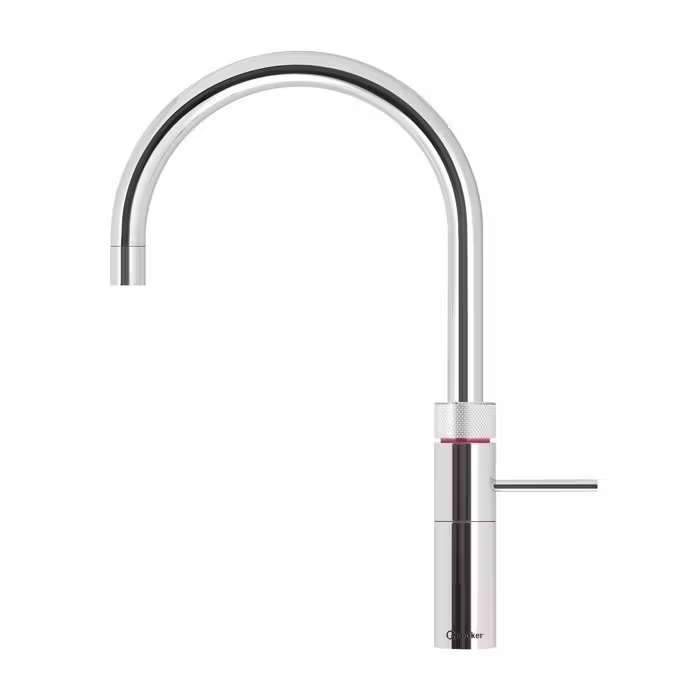
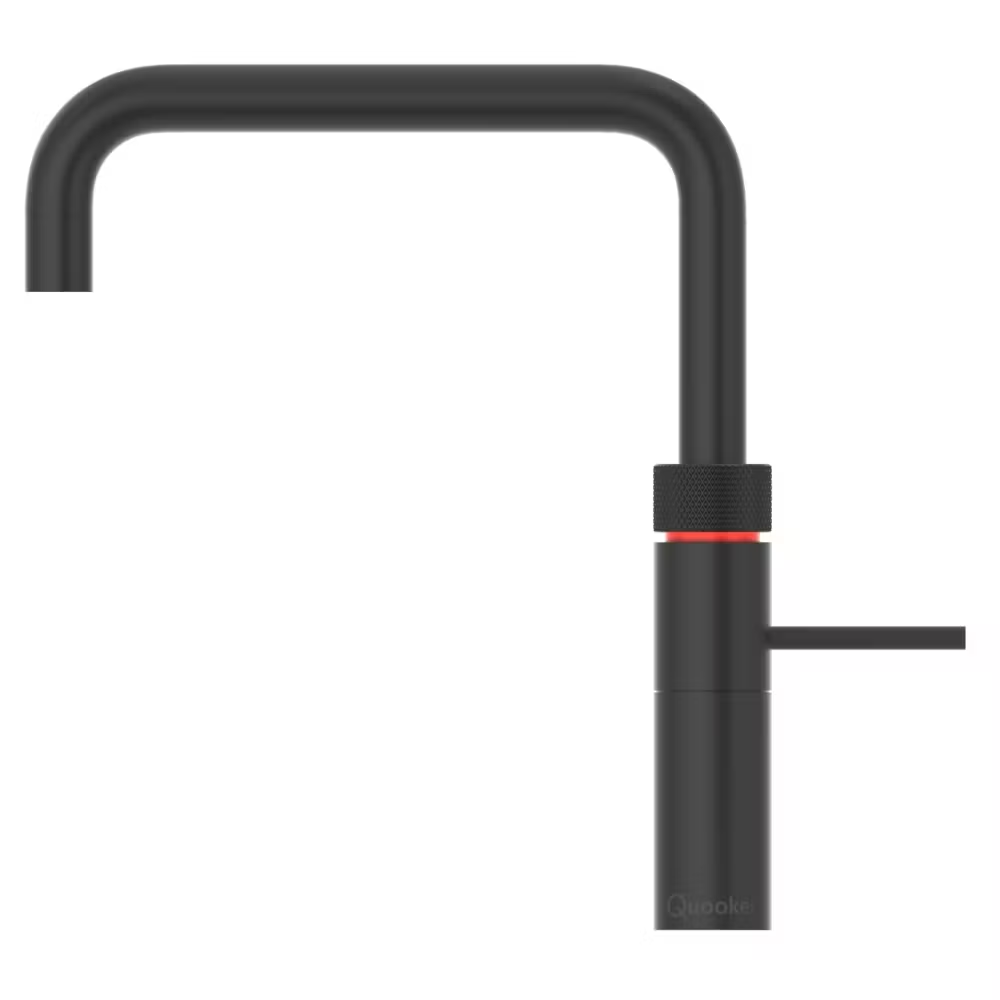
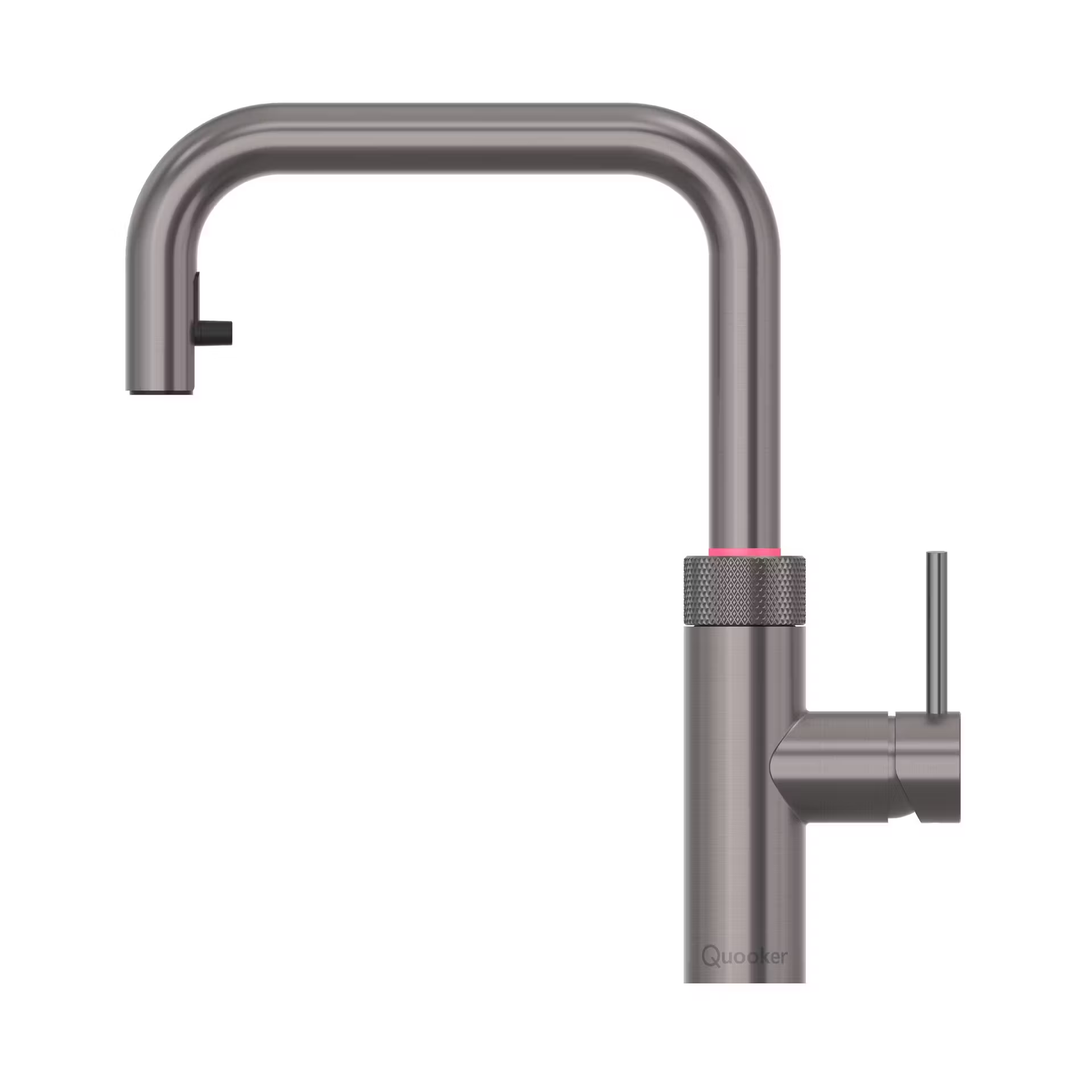
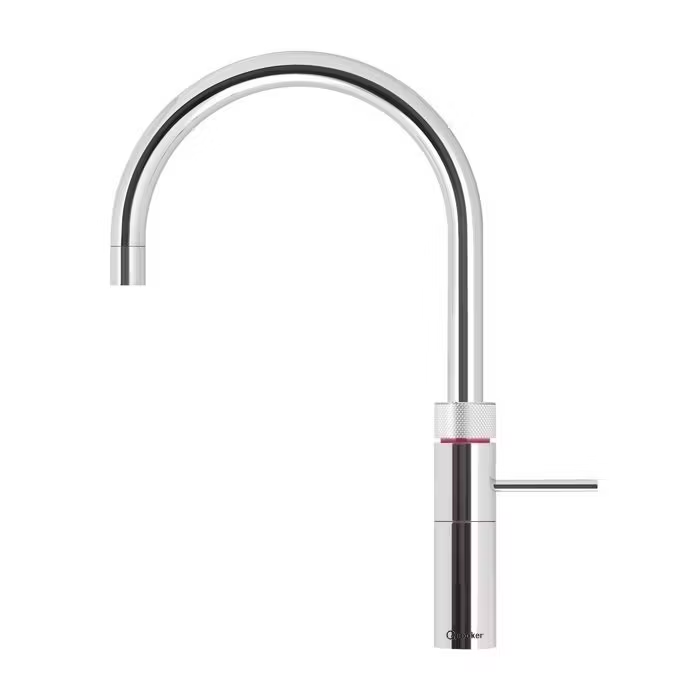
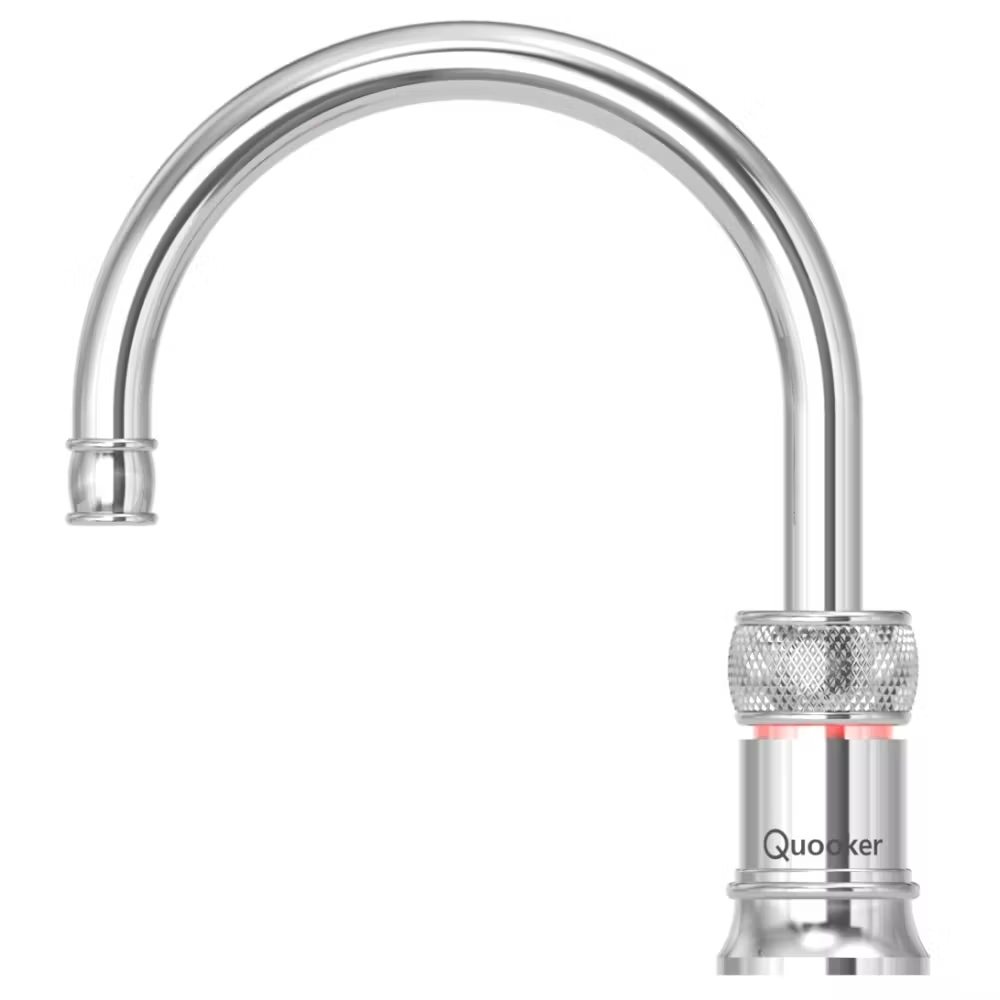
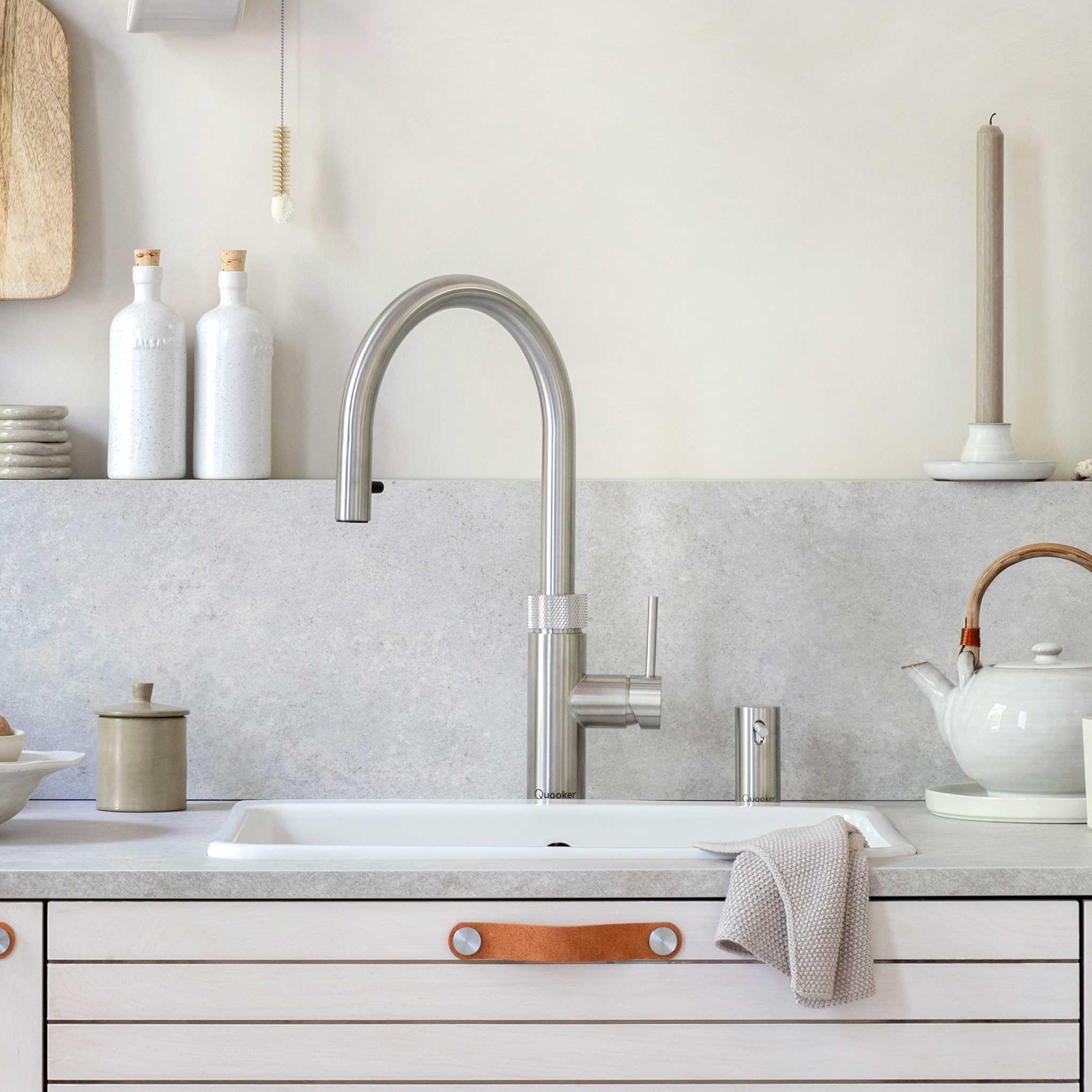
You can get instant boiling water, hot and cold water at just the twist or tap of the handle and they dispense water at around 98°C – 100°C, hence the name. Also known as instant hot water taps, this type of tap can still dispense cold water as well. They work using their own separate hot water tank that feeds only them, letting them supply hot water instantly.
Filtered Water Taps
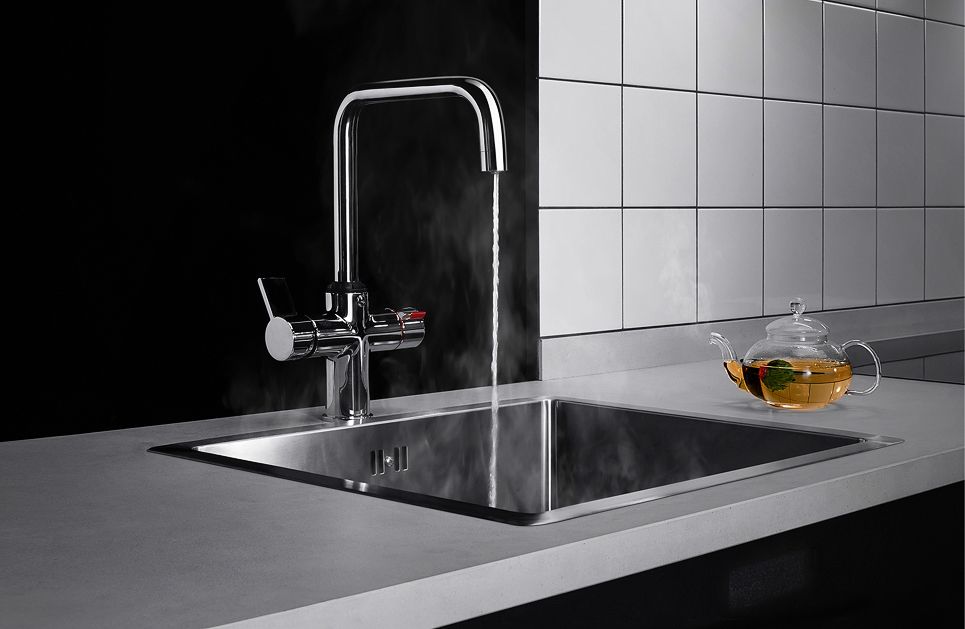
A filtered water tap has a third supply of water on top of the standard hot and cold water – a filtered water supply. This flow of water is fitted with a filter that draws out impurities and contaminants to give a cleaner, purer water flow that is perfect for drinking. It is also possible to get 4-in-1 taps that include both boiling and filtered water.
Standard Taps
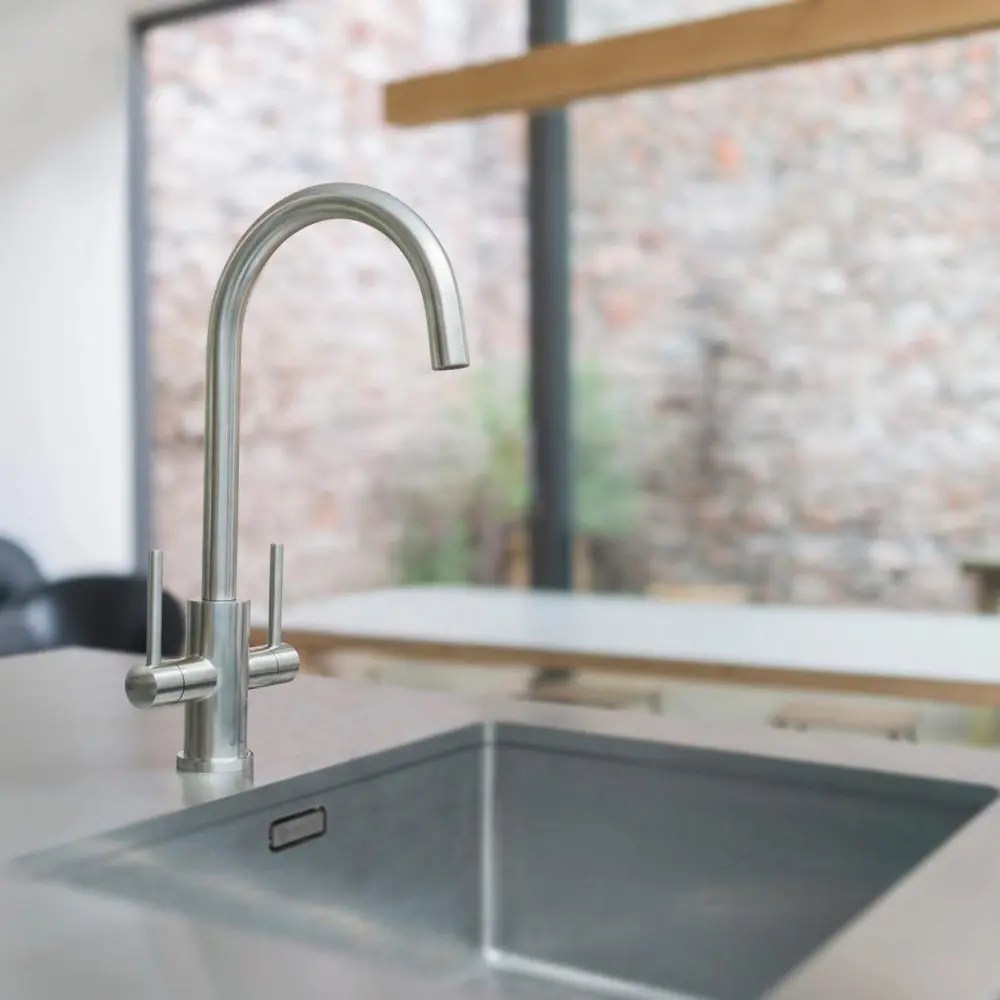
Standard taps are not as plain as you’d imagine. There’s a huge range you can choose from, including:
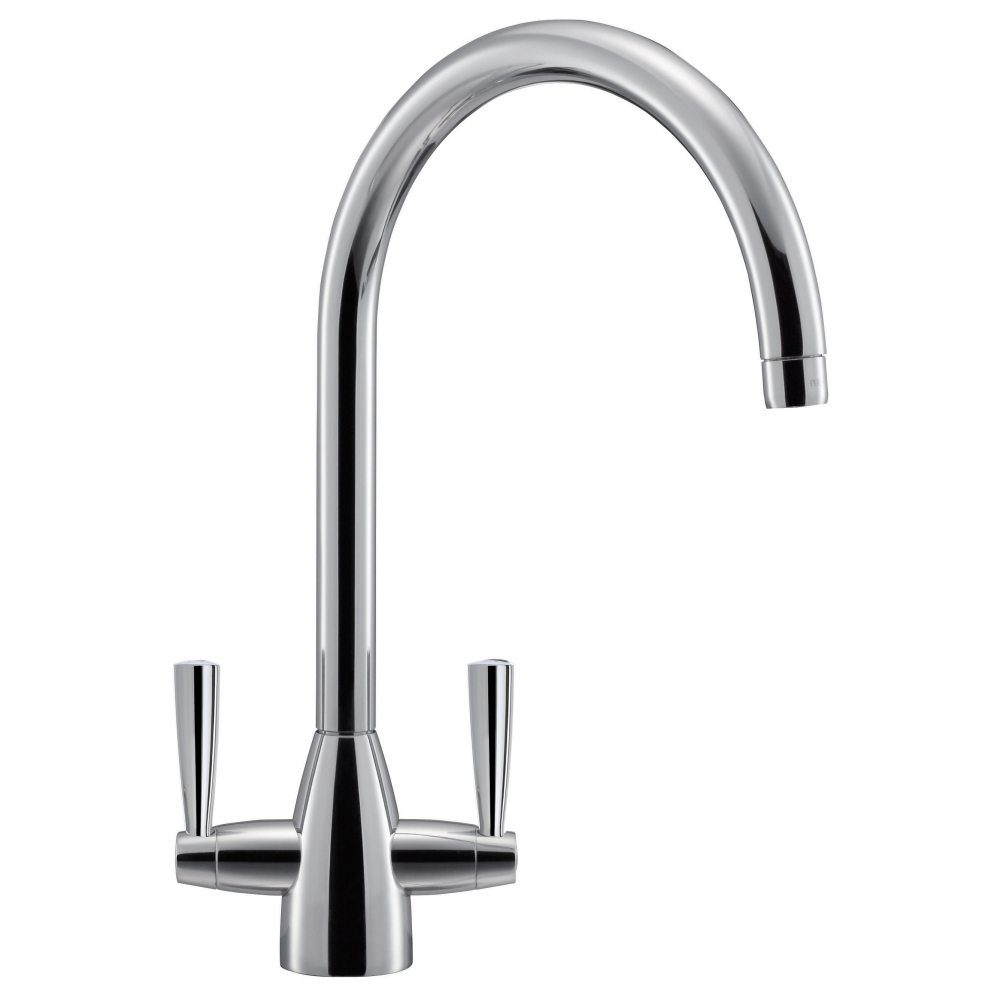
- Pillar Taps come in pairs, with a separate tap for hot and cold water.
- Wall Mounted Taps are fixed to the wall above the sink rather than the counter.
- Monobloc Taps have a single spout and is operated by one lever.
Why Does Water Pressure Matter?
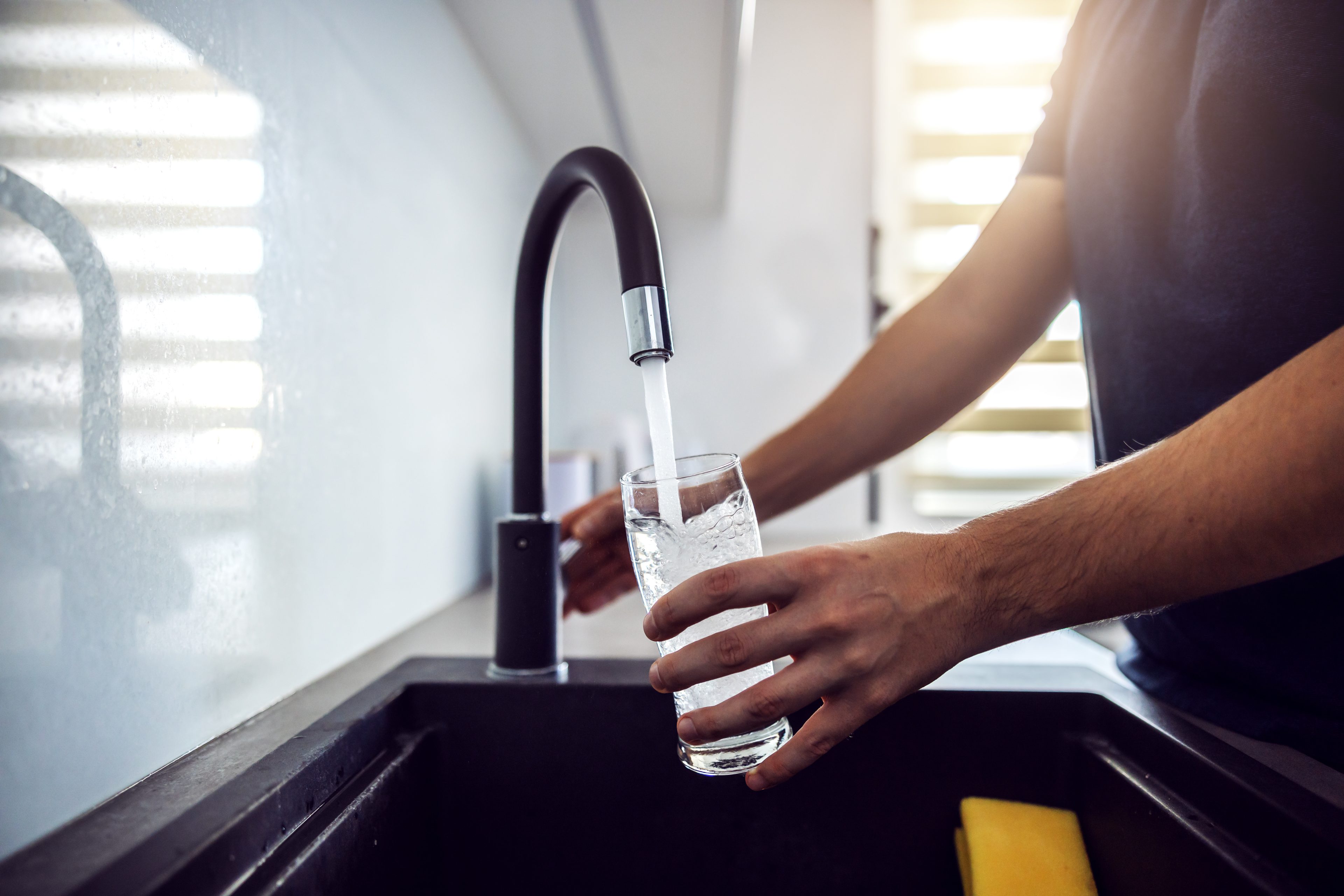
If you’ve ever switched a tap on in your kitchen while the washing machine is filling or someone is running a bath, you will know exactly why water pressure is so important. The trickle of water that comes out of a low-pressure system will take an irritatingly long time to fill a sink and won’t do much to dislodge dirt or even suds.
Water pressure that is too high is not ideal either. It can damage your pipes, taps and other plumbing work leading to leaks – and even floods.
While water pressure might only seem important when you’re having problems, it is actually one of the main practical considerations you need to take into account when buying new kitchen taps. You need to pick one that will suit the mains water pressure in your house, otherwise you will not get the best from your pipes.
How do You Determine Water Pressure?
When you’re buying a new kitchen tap, the exact pressure of your water won’t matter. You only need to know if you have a high-pressure water system or a low-pressure system.
- A low-pressure water system is 0-0.3 bar pressure
- A high-pressure water system is 1.0+ bar pressure
The ‘middle’ range of 0.4-0.9 bar is largely ignored by manufacturers. It is very unlikely your water system will register in that range. If they do, speak to a plumber about your options.
Types of Water Pressure Systems
Gravity Fed System
This is a low-pressure system that usually has a cold water tank stored in the loft, and a hot water cylinder in an airing cupboard. The exact pressure is largely decided by the height of the cold water tank in relation to your kitchen taps. Every metre the water has to travel equals 0.1 bar. So, if your cold water tank is kept 2 meters above your taps, that is 0.3 bars.
Combination Boiler
Combi-boilers are usually found in the kitchen, at the point where your water mains enter your home. They manage both the cold and hot water in the same unit, heating hot water as and when it’s needed. Combi boilers create high-pressure water systems. Usually between 1 and 2 bars, you can usually check the exact water pressure printed on the front of the boiler.
Unvented System
An unvented system consists of a cold water tank that is constantly pressurised. An external source then heats the water indirectly. This power source could be a electricity, oil, solar panel or another power source. This type of water system does not tend to have a set pressure and can often be combined with any taps.

What to Consider When Shopping for New Kitchen Taps
As we mentioned above, the main practical consideration when you’re buying a new tap should be your water pressure. Work out whether your home uses a low or a high-pressure system so that you can pick a tap that suits that system. You should also think about the practical benefits you personally want from your kitchen taps. If you drink a lot of tap water, or the water supply in your area has an unappetising taste, you may wish to go for a filtered tap.
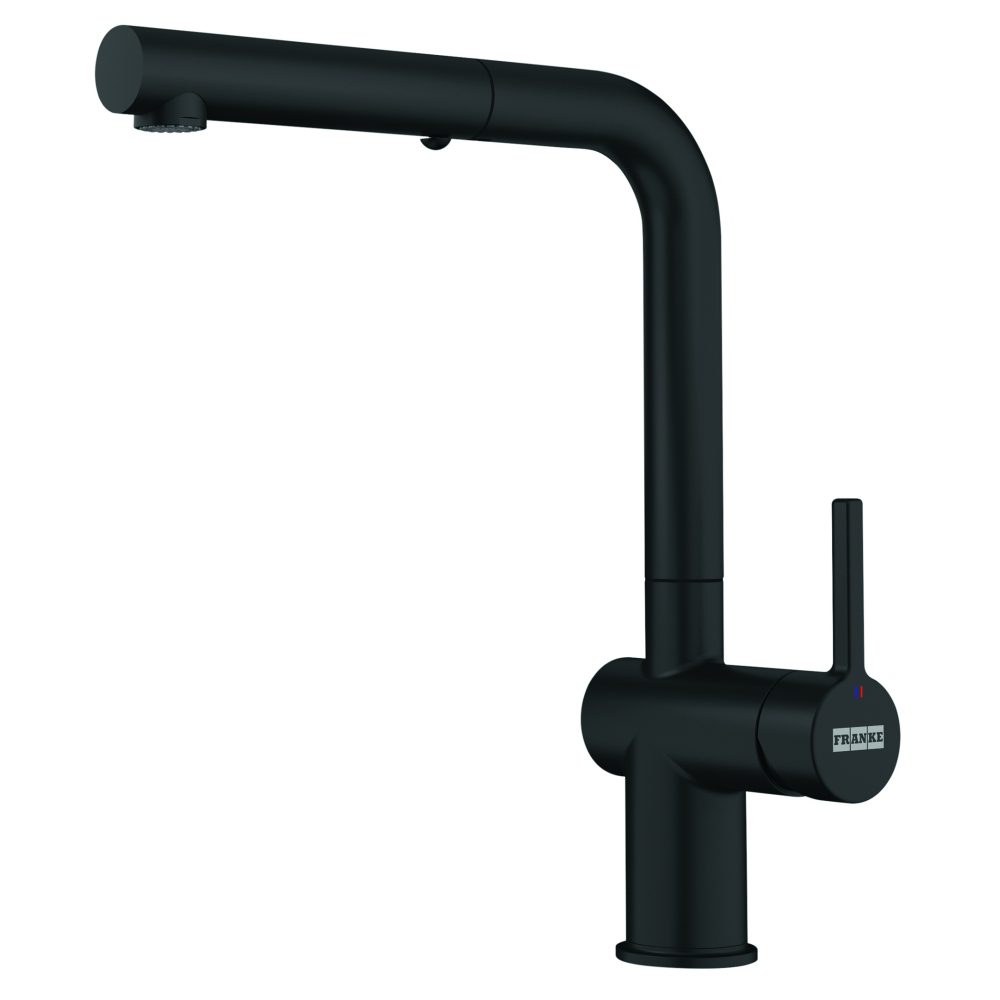
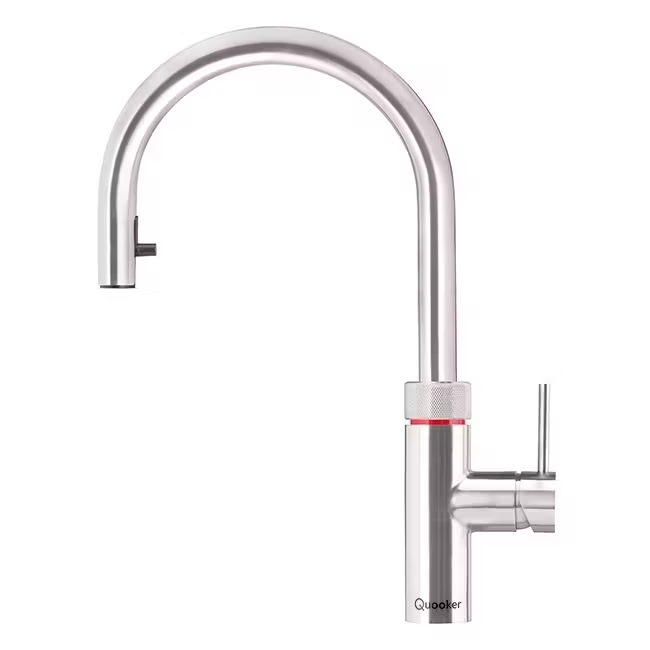
If you regularly wash dishes by hand, or eat a lot of fruit and vegetables, a pull-out tap is almost essential as it will help you carry out these vital tasks more easily. Similarly, if you drink a lot of hot drinks then a boiling water tap could be a great investment. Visually, it is good to be lead by the look of your kitchen design. A bridge tap is likely to suit a more traditional kitchen, while a sleek, stylish monobloc will look right at home in a minimalist design. Another influencing factor can also be the design of your sink.
Do All Taps Fit All Kitchen Sinks?
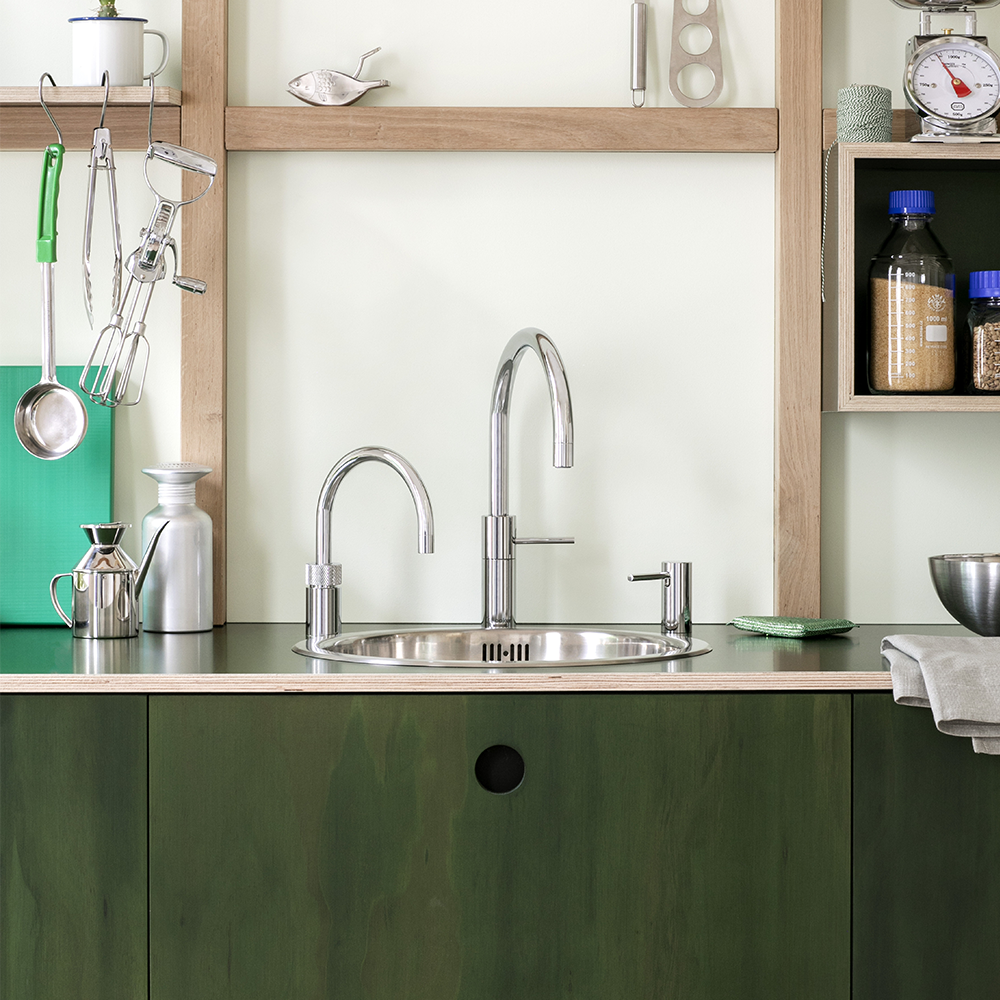
Unfortunately not all kitchen taps are compatible with all sinks. Some sinks are designed to include taps – the hole for the fitting is included in the sink top. This can severely limit your choice in taps as you will need to bear this in mind but it’s only really relevant to over mounted sinks. If you have an undermount sink, you should be less restricted in finding the right kitchen tap as your tap will fit onto the counter surface or worktop instead.
What Finishes do Taps Come in?
When it comes to the look of kitchen taps, you might be surprised by the extensive range available. Chrome, brushed nickel and brushed brass are all very popular kitchen tap colours that will have little impact on the function of your tap but will define whether it works for your kitchen or not.
Do I Need a Warranty for My Tap?
Kitchen taps are high-traffic items, switched off and on multiple times every day. This means a lot of wear and tear but most taps are built with this in mind. When you buy a good quality tap, all the parts should be able to withstand heavy use with smooth handling.
It is important to register for the manufacturer’s warranty for any new item in your home, for protection on rare occasions that things do go wrong. The top brand we stock here at Appliance City offer a minimum 2-year warranty to give you peace of mind that you are covered should the worst happen.