

May 29, 2026
Understanding Heat Pump Tumble Dryers
If you’re thinking about upgrading your tumble dryer, heat pump models are probably already on your radar, and for good reason. They’ve become the go to choice for anyone looking to cut energy bills without sacrificing convenience, and they’re a big step up from older vented or standard condenser dryers. In simple terms, they dry your clothes using smart heat recycling technology. That means less wasted energy, lower running costs, and a gentler approach to your laundry. Keep reading to see how they work, what makes them different, and whether they’re actually worth it for your home.
What Is a Heat Pump Tumble Dryer?
A heat pump tumble dryer is designed to reuse heat instead of constantly creating new heat to dry your clothes.
Rather than blasting your clothes with high temperatures, it circulates warm air through the drum, pulls moisture out of your laundry, then recycles that same air again and again. The result is a much more efficient drying process that uses less electricity and is far kinder to your clothes.
Because it runs at lower temperatures, it’s especially good for anything you wouldn’t want overheated, like delicates, sportswear, wool, or everyday fabrics you want to keep in good shape for longer.
How Does a Heat Pump Tumble Dryer Work?
Think of it as a closed loop system that keeps reusing the same warm air rather than wasting it.
- Warm air is blown through the drum to draw moisture out of your clothes
- That damp air is cooled so the moisture condenses into water
- The water is collected in a tank or drained away
- The air is gently reheated using a heat pump system
- The process repeats until everything is dry
Because your clothes aren’t constantly being heated from scratch, the cycle is slower, but far more efficient.
Things to Keep in Mind
Heat pump dryers are a great all round upgrade, but they do behave a bit differently from older machines. The main thing you’ll notice is time, as mentioned earlier, drying cycles usually take longer because they run at lower temperatures. That’s not a fault, just how the technology protects your clothes and saves energy.
You may also notice clothes feel warm rather than hot when the cycle finishes, which is completely normal. Making it easier to quickly unload the machine when a cycle ends and much safer if you ask your younger family for help.
They also perform best in rooms that stay above around 5°C, so very cold garages or outbuildings aren’t ideal.
Estimated Running Costs
To give you a realistic idea of what it costs to run a heat pump tumble dryer, here’s a breakdown based on what we find to be a typical UK household usage. It’s worth bearing in mind that the figures can vary depending on the model type, usage, programme setting and other factors.
| Household Type | Typical Usage | Heat Pump Tumble Dryer Annual Cost | Older Dryer Annual Cost |
|---|---|---|---|
| Professional Couple | 1-2 loads a week | £25 - £55 |
£60 - £100 |
| Family of 3 | 1-2 loads a week | £30 - £65 |
£70 - £120 |
| Family of 4 | 2 - 3 loads a week | £55 - £95 | £110 - £180 |
| Family of 5 | 3 - 4 loads a week | £75 - £130 | £150 - £240 |
Common Mistakes When Buying a Tumble Dryer
Choosing the wrong type
Many people still default to condenser or vented dryers without realising how much more efficient heat pump models are.
Ignoring running costs
The purchase price is only part of the picture. Running costs over time often matter more.
Getting the size wrong
Too small means more cycles. Too large means wasted energy.
Not thinking about installation
Even without venting, the room still needs to be suitable and above 5°C.
Ignoring sensor drying
Moisture sensors prevent over drying and help clothes last longer.
Shop Heat Pump Tumble Dryers
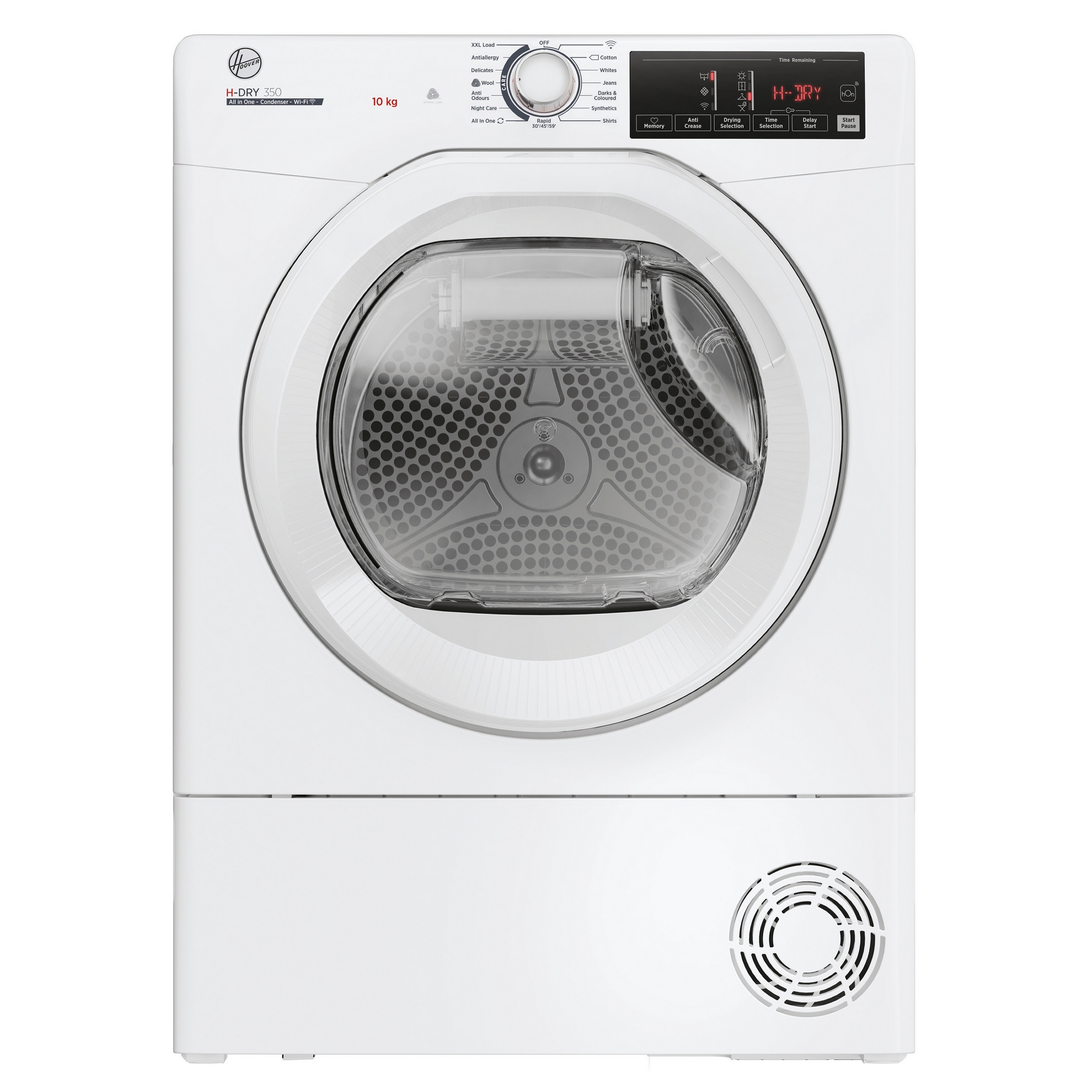



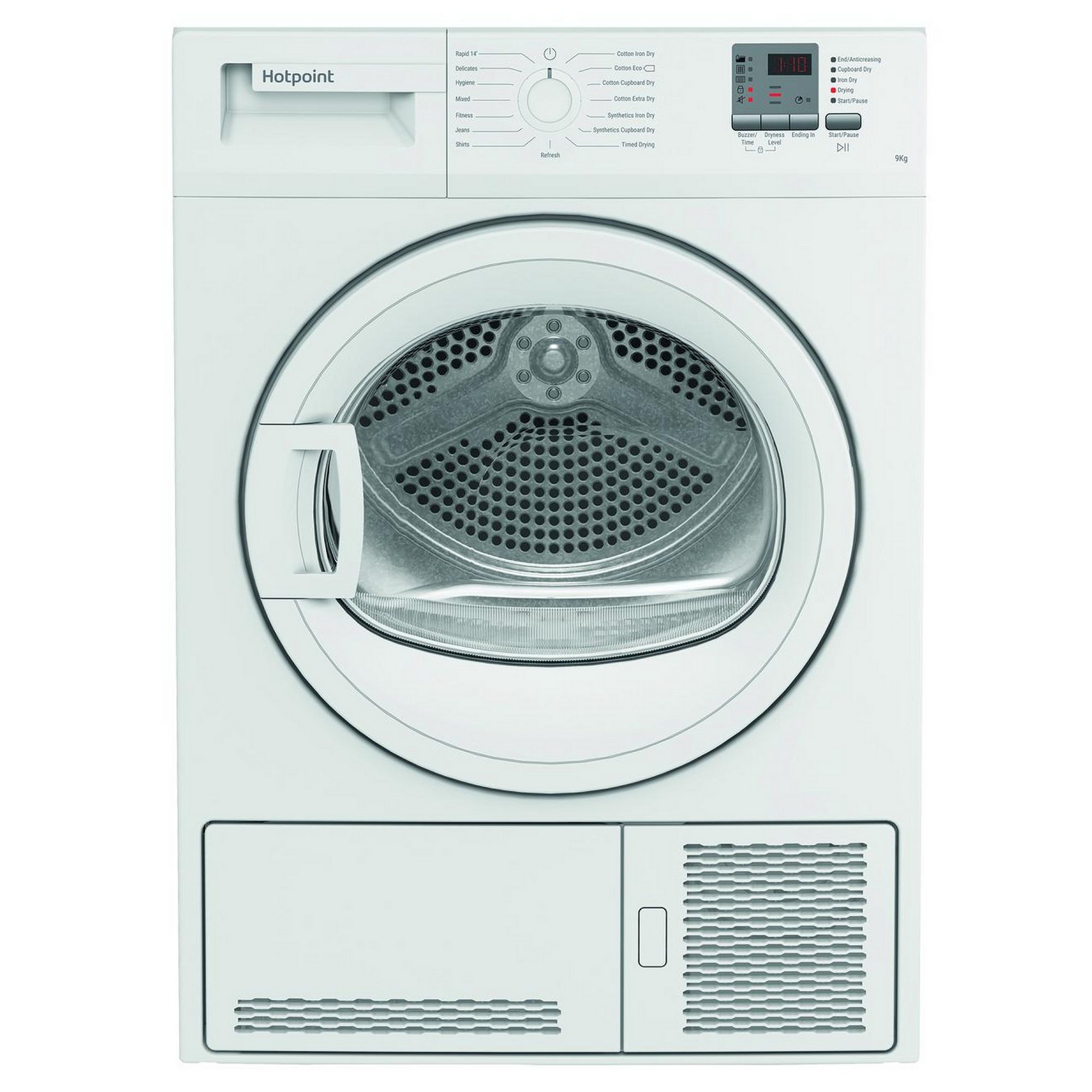

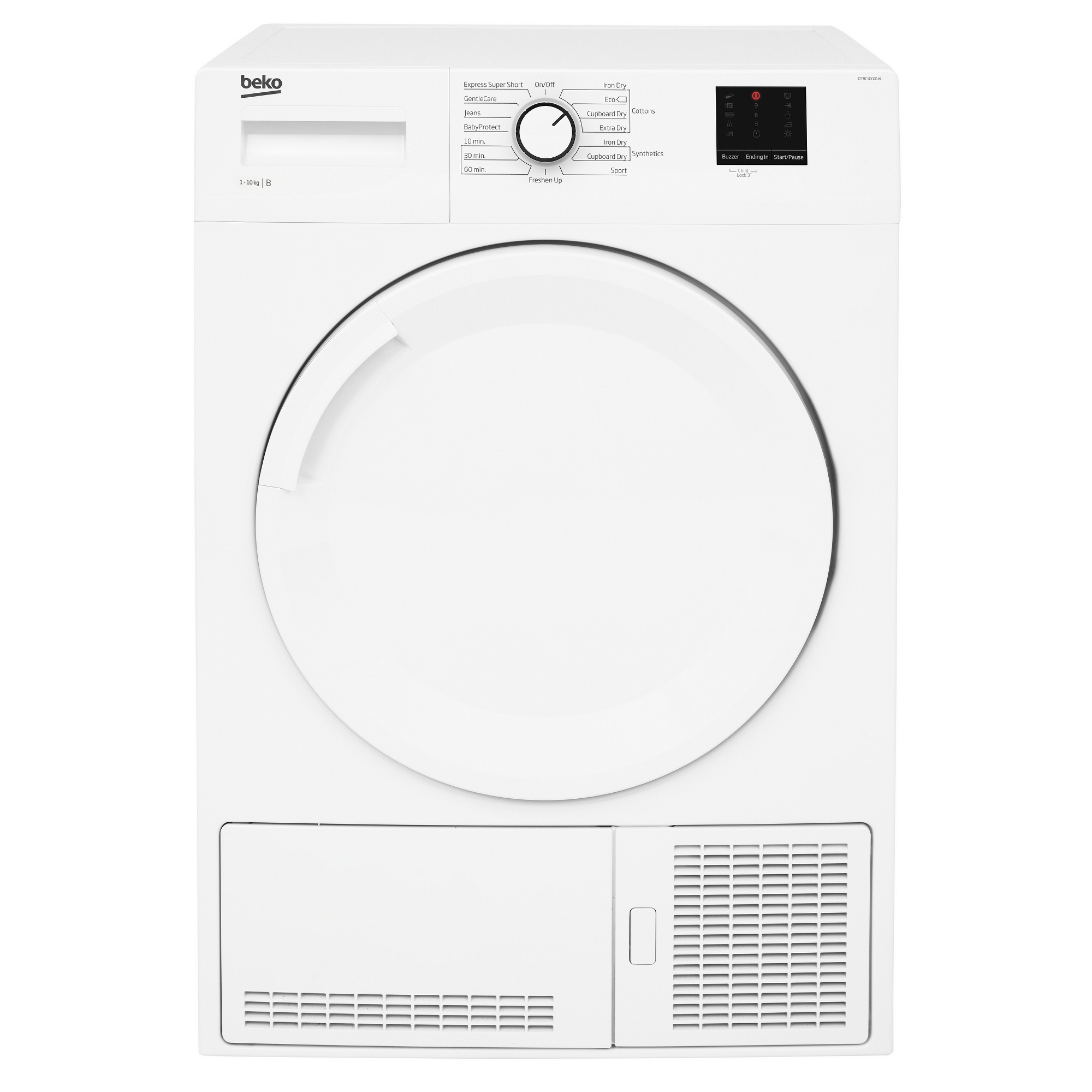

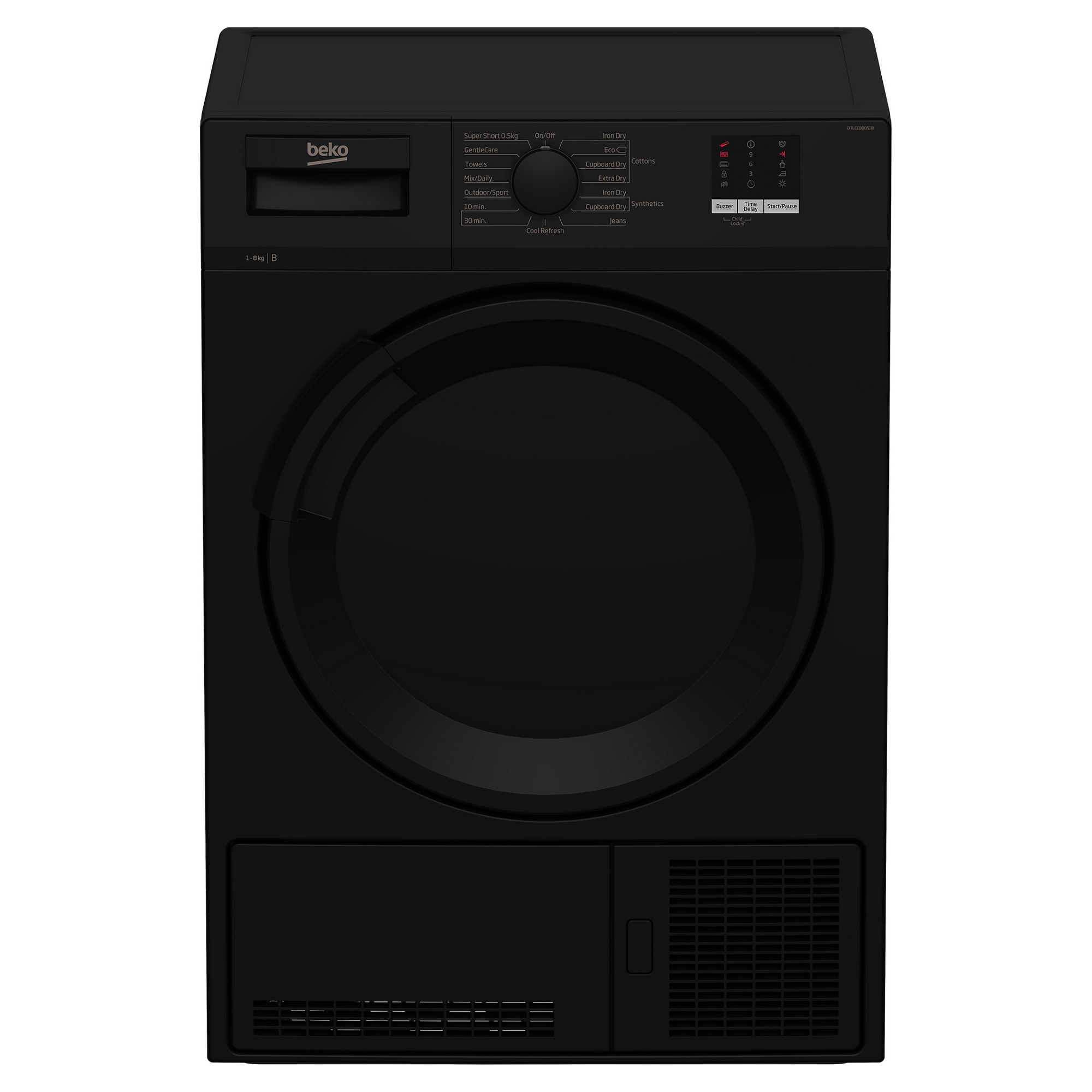
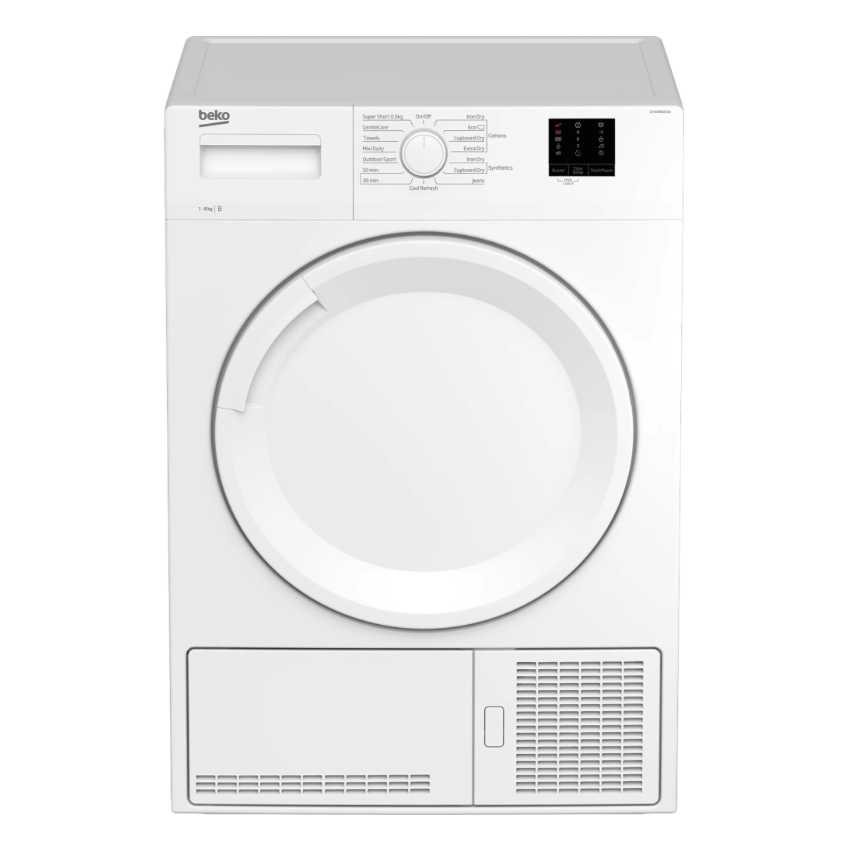



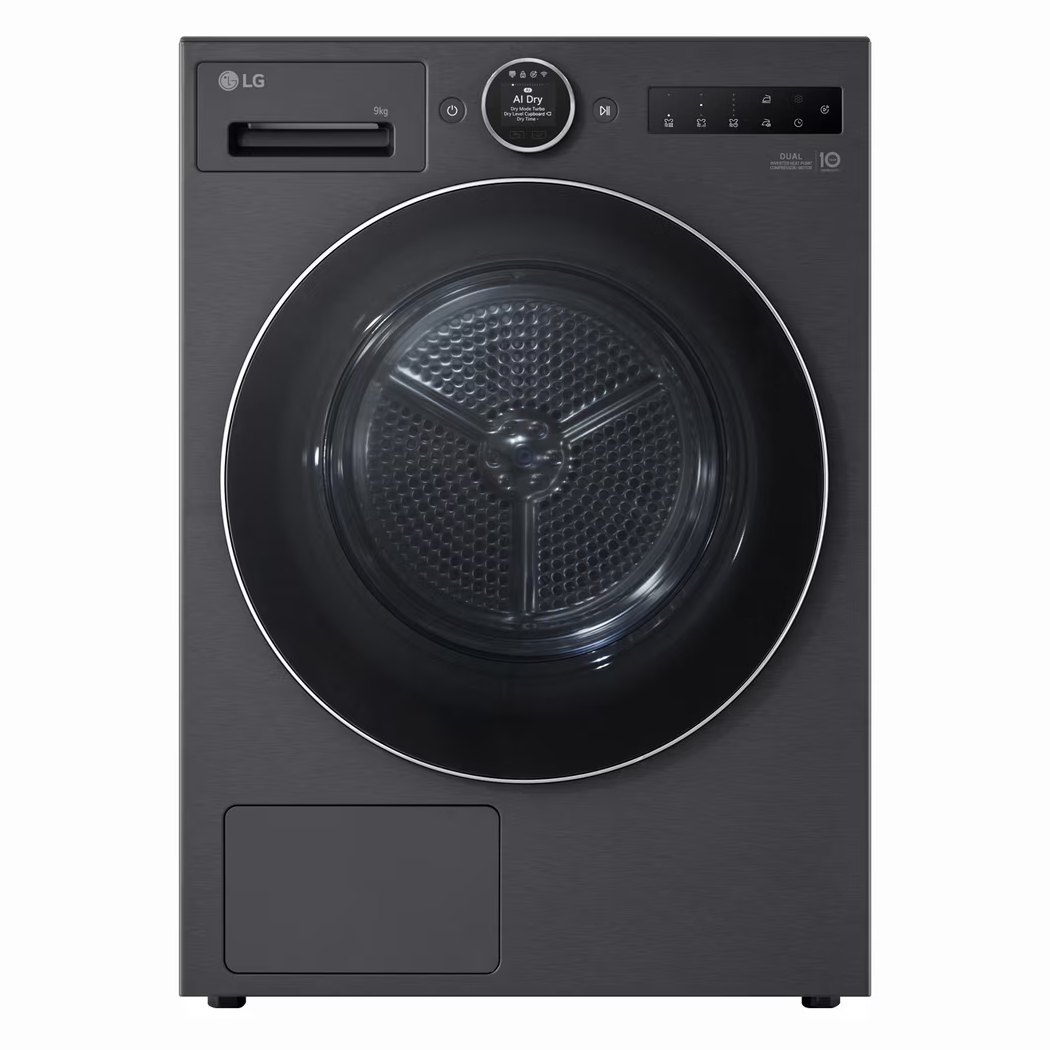
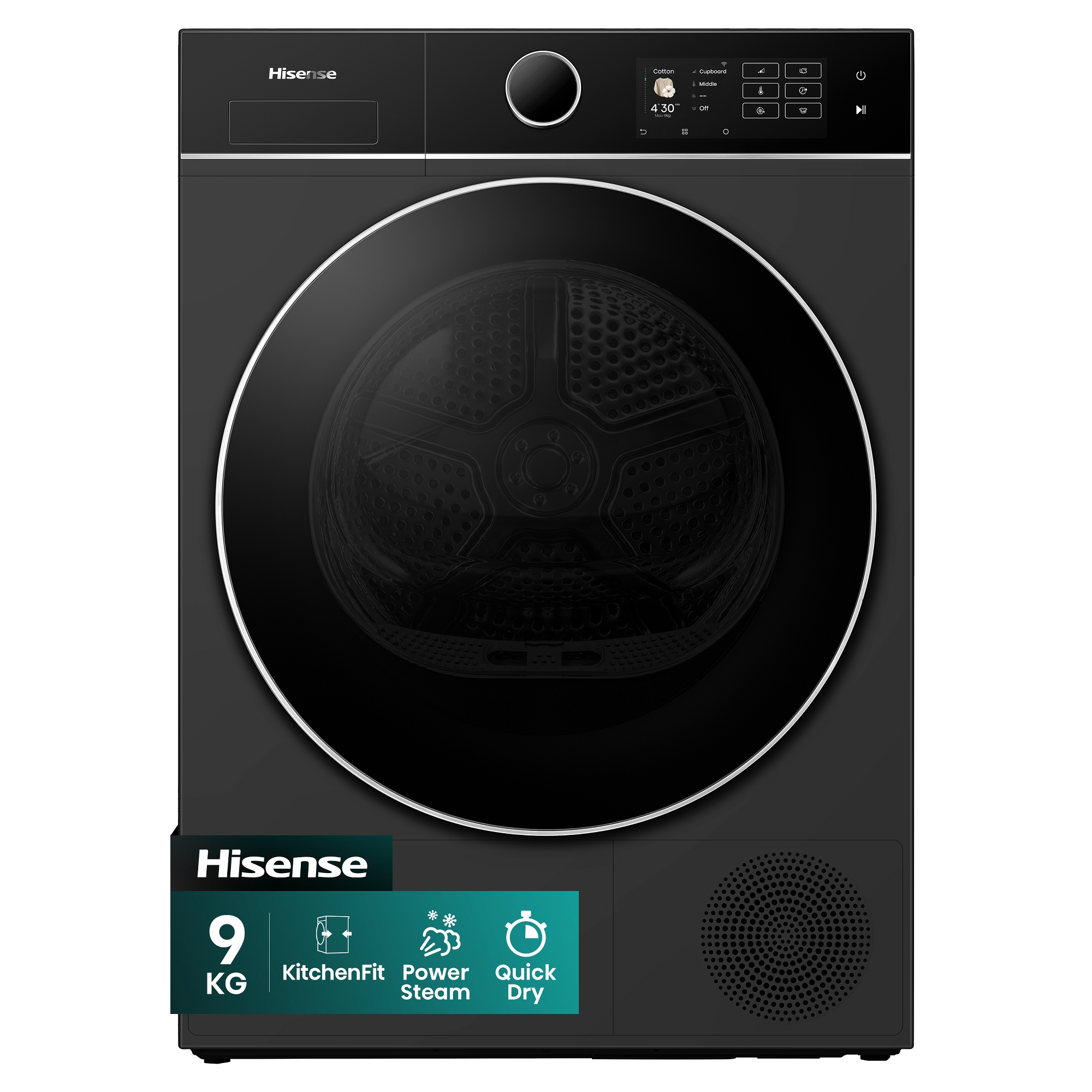

Hisense 9kg KitchenFit 5i Series Heat Pump Condenser Dryer DH5I904BBBC - Black

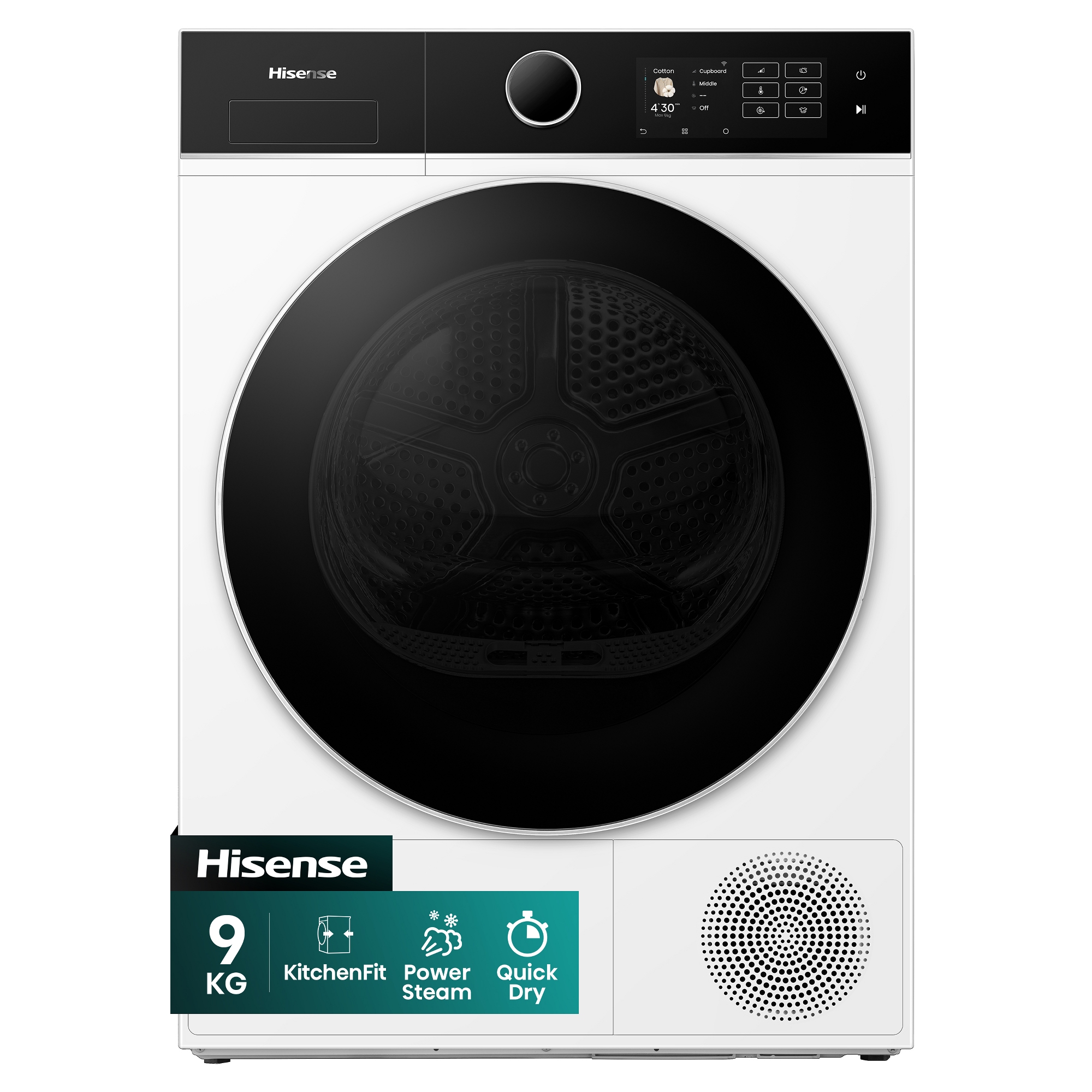
Hisense 9kg KitchenFit 5i Series Heat Pump Condenser Dryer DH5I904BWBC - White
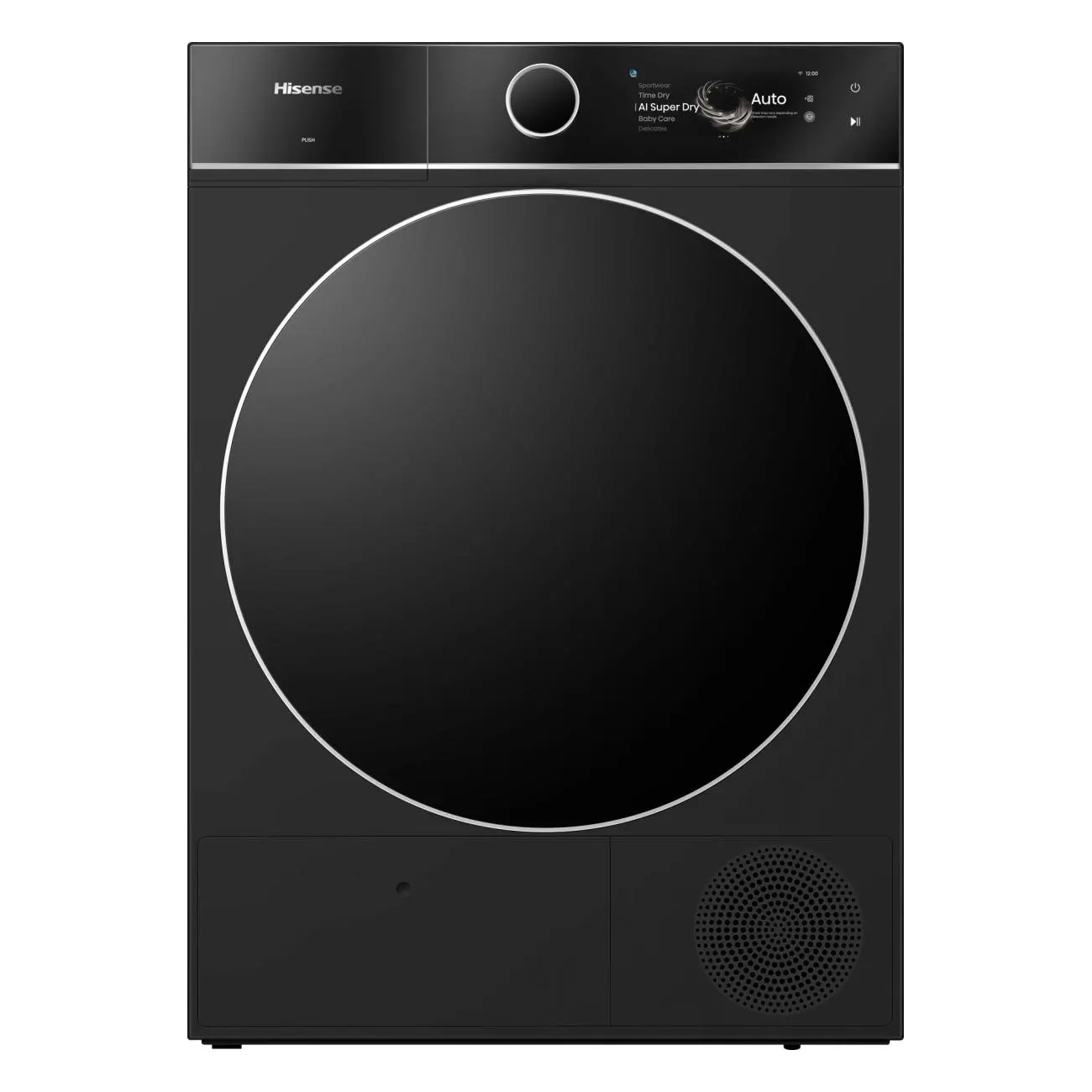
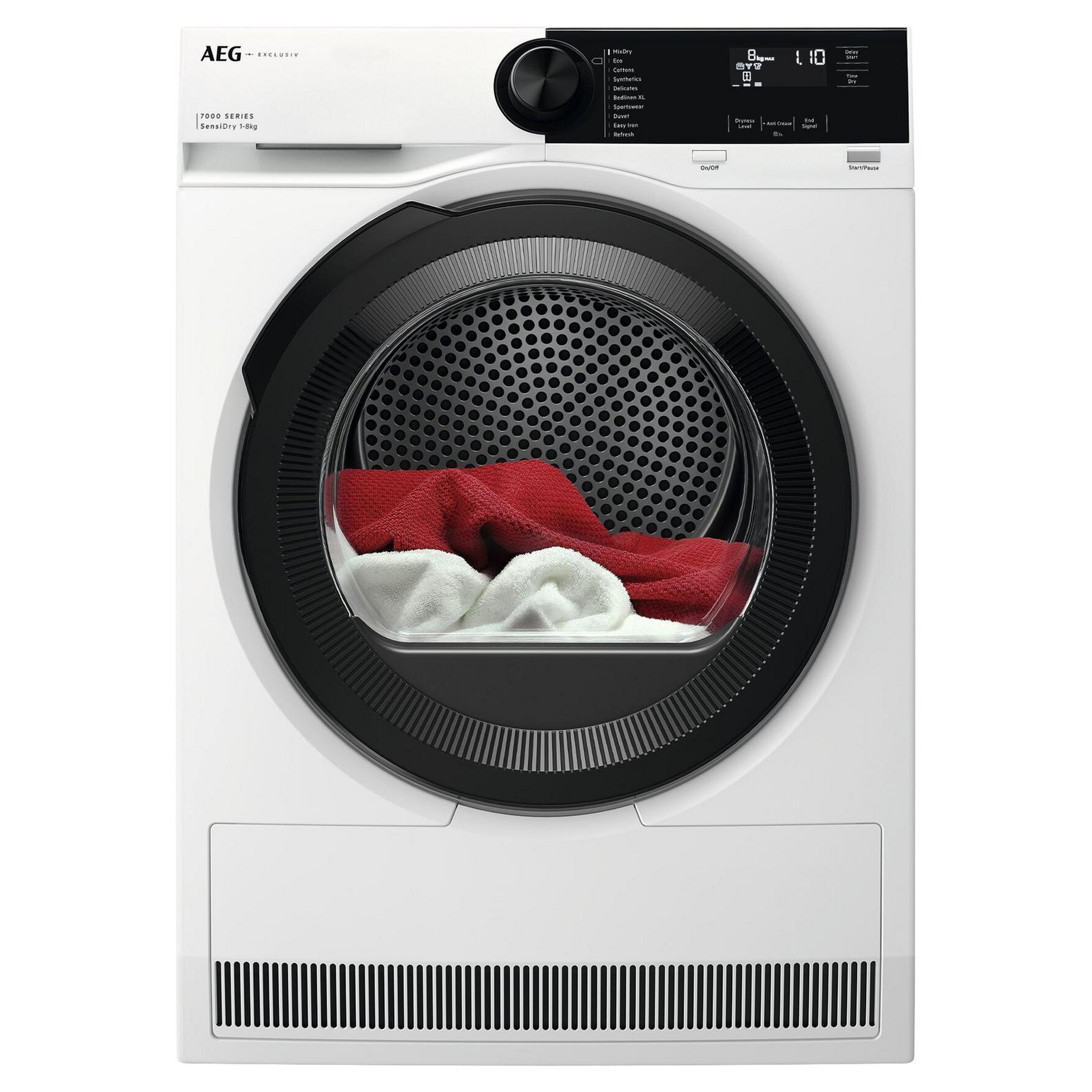

AEG Exclusiv 8kg Heat Pump Tumble Dryer TR728CT4B - White
FAQs
No, they’re among the most efficient dryers available because they reuse heat instead of wasting it.
Yes, but in return you benefit from lower energy use and gentler drying.
Pretty much, as long as the space stays above around 5°C.
Not always, most use a water tank, but many can be connected to a drain. Always check the details of a model you’re interested in before purchasing.
Yes, lower temperatures help reduce damage and keep fabrics in better condition for longer.