July 23, 2025
Dishwasher FAQ’s
Just purchased a new dishwasher? Fantastic! Now you’ll want to know how you can make the most of it. Below we’ve answered the most frequently asked questions about dishwashers, just in case you come across any issues with your new appliance. If you still don’t know which dishwasher you want, we’ve also got you covered.
How Does a Dishwasher Work?
While we all know how to load a dishwasher, add the tablets & press start, what happens before the cycle ends and we empty the dishwasher?
- To start, the dishwasher releases water behind the closed fixed or sliding hinge door, heating it to the correct temperature.
- Then, the tablet dispenser opens and releases the detergent into the machine.
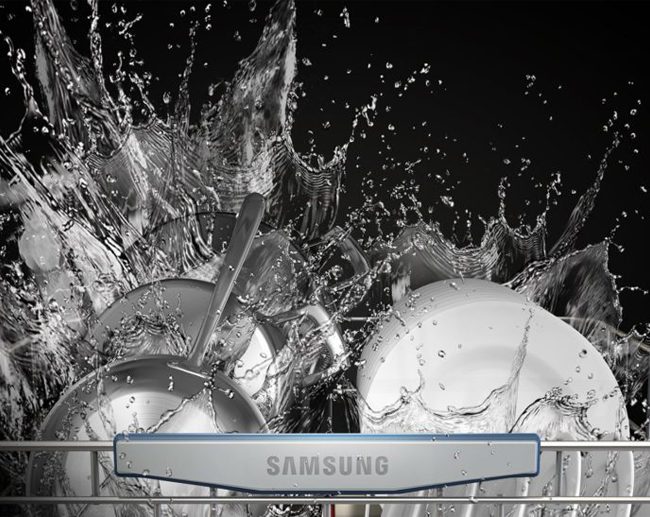
- The tablet’s contents is then dispersed throughout the dishwasher by water shot through high powered jets, reaching every plate, glass & cutlery within reach and effectively removing any food debris.
- Next, the dirty water is drained from the dishwasher, with fresh, clean water taking its place. This is sprayed throughout your dishes, rinsing them clean.
- The clean water is then drained from the dishwasher. If you have selected a drying setting on your dishwasher, this is when it will activate and release hot air to dry your dishes.
- Now your dishes are clean, dry and ready to use once again!
How Do I Unblock a Dishwasher?
Having a blocked dishwasher can really stink! This is because stuck food debris can prevent your sprayer arms from spraying and stop dirty water from draining. Here is how you can unblock your dishwashers drain and sprayer arms.
If your appliance’s sprayer arms are blocked, they won’t be able to inject enough water to thoroughly clean your dishes, cutlery, and glassware.
- Remove the bottom basket from the dishwasher.
- Using an adjustable wrench, remove the centre bolt nut.
- Remove the sprayer arms from the centre bolt.
- Wash away any debris from the sprayer arms with warm water & washing up liquid.
- Using a toothpick, clear the holes in the sprayer arms to remove any clogs.
- Wash the arms again, also with warm water & washing up liquid.
- Place the arms back onto the bolt, then place the bolt nut back with your wrench.
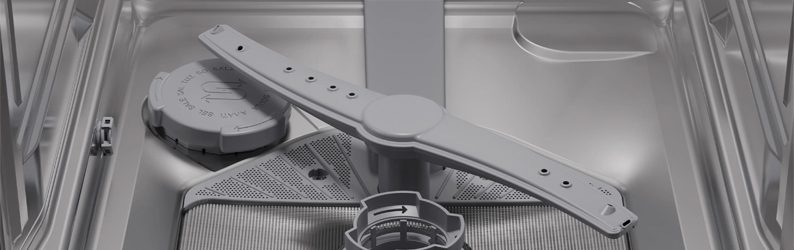
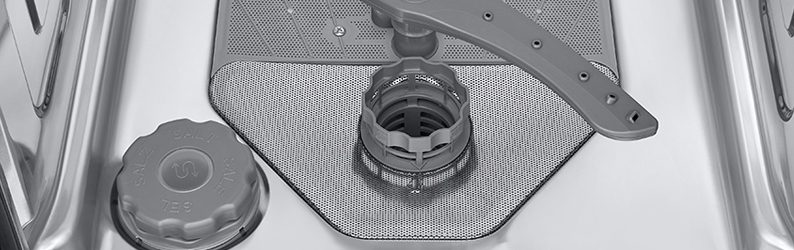
When food debris clogs a dishwasher drain, it can stop dirty water from leaving the appliance. This can result in a bad smell and stops your dishes from actually getting clean.
- Turn off all power and water to your dishwasher. Unplug from the mains if possible.
- Remove the kick plate from the front of the appliance unless there is a door allowing access.
- Insert a shallow drip pan underneath the interior of your dishwasher.
- Remove the drain hose (this is likely to be either clear or white).
- Using a hose with pressure, run water through your drain hose. Squeeze any blockage areas within the drain hose and continue to run water through until it exits the drain hose from the other side.
- Re-attach your drain hose and reconnect your water and electricity to the dishwasher.
What Shouldn’t I Wash in a Dishwasher?
While this may seem self-explanatory, there are some things that you can ruin if you try to clean them in a dishwasher. These include:
- Expensive glassware
- Wooden utensils
- Vintage plates
- Cheese graters (unless specified otherwise on packaging)
- Copper pots & pans (anything copper)
- Cast iron
- Sharp knives
- Hand-painted ceramics
- Crystal
If you buy an item and you are not sure if it’s dishwasher safe, check the packaging. If all else fails, contact the manufacturer.
What Type of Dishwasher Should I Get?
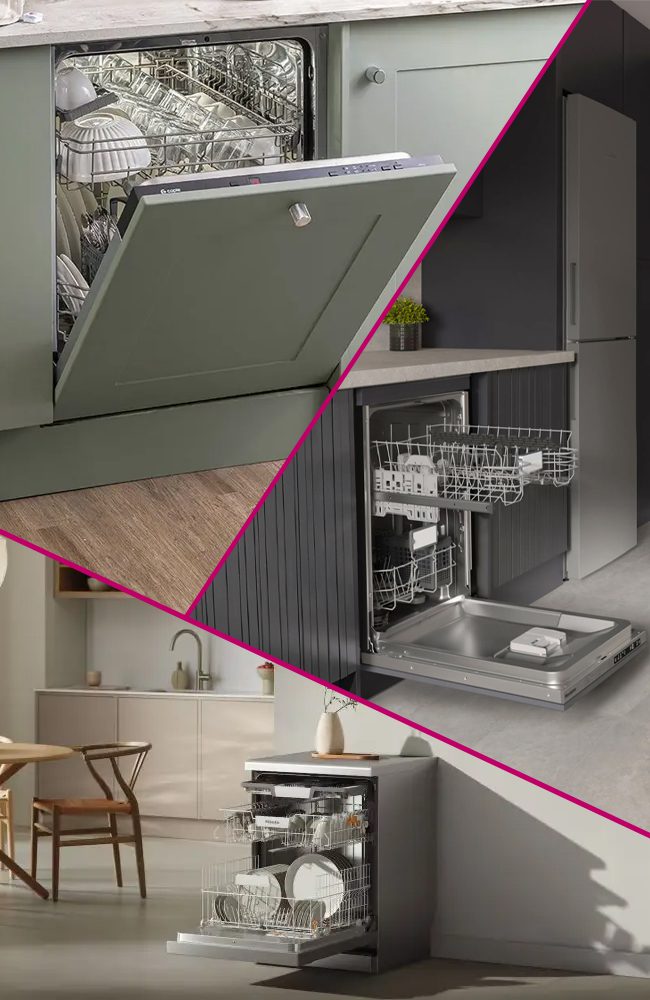
There are many different styles of dishwashers available and deciding which one is best for you ultimately depends on how much space you have. Here are your options…
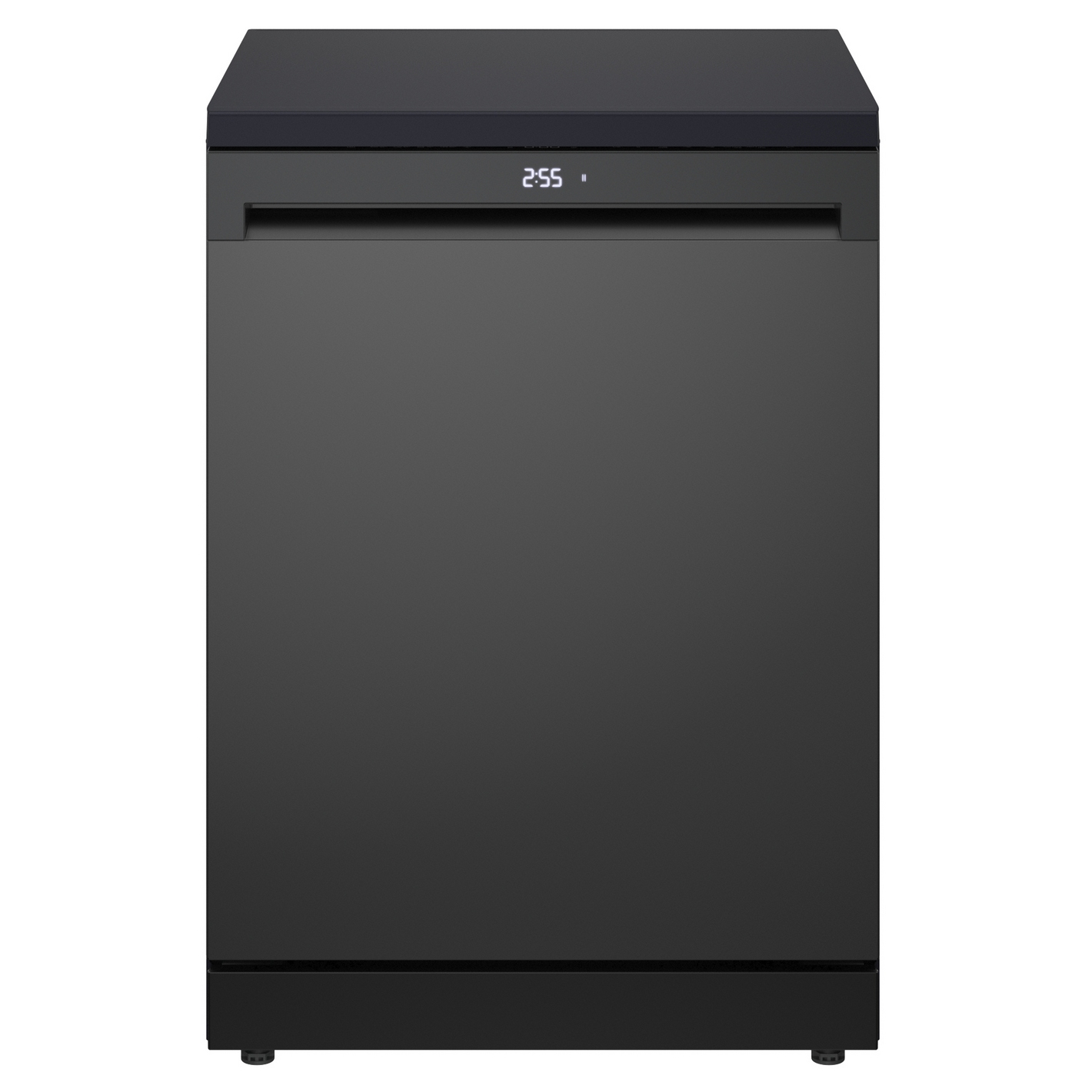
Freestanding Dishwasher
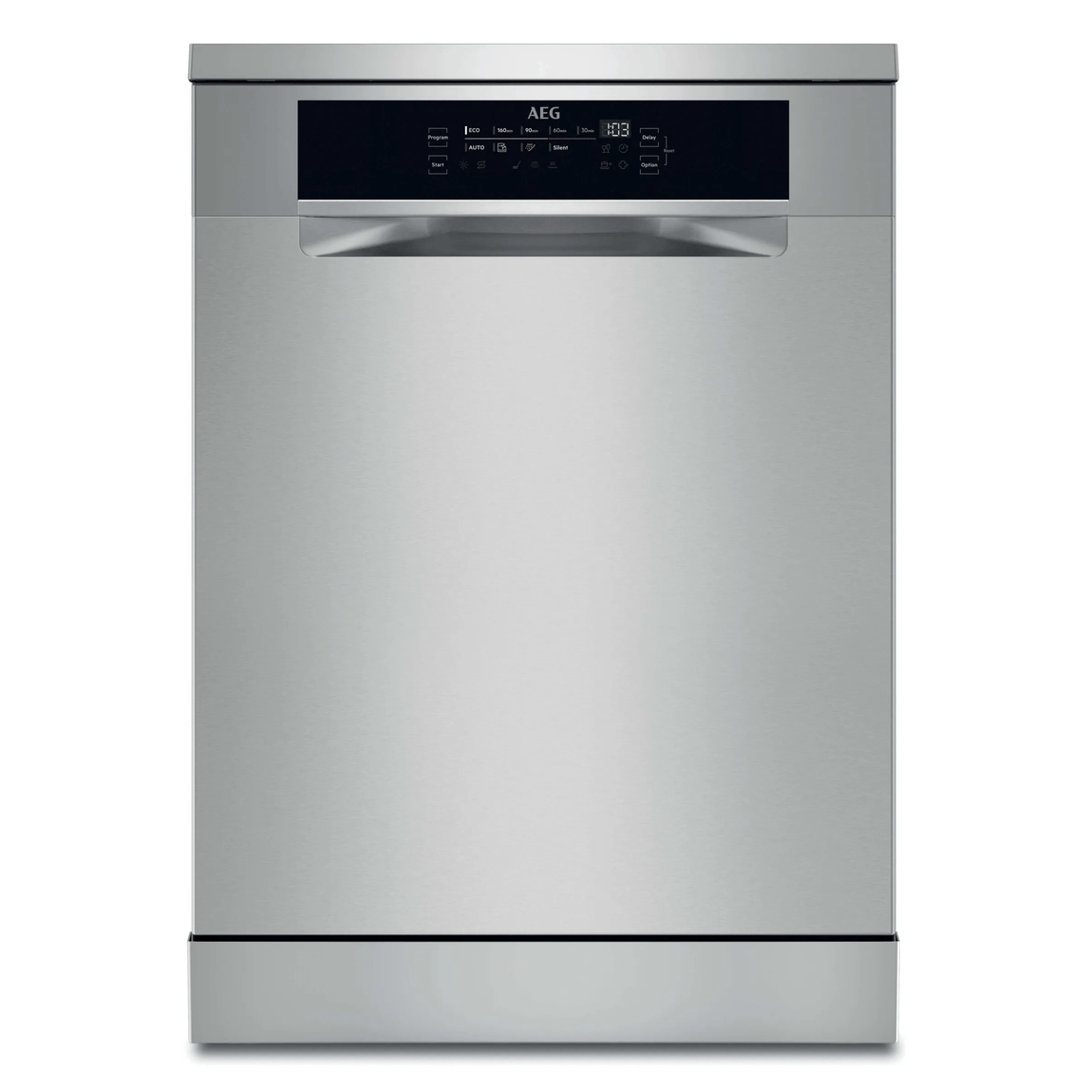
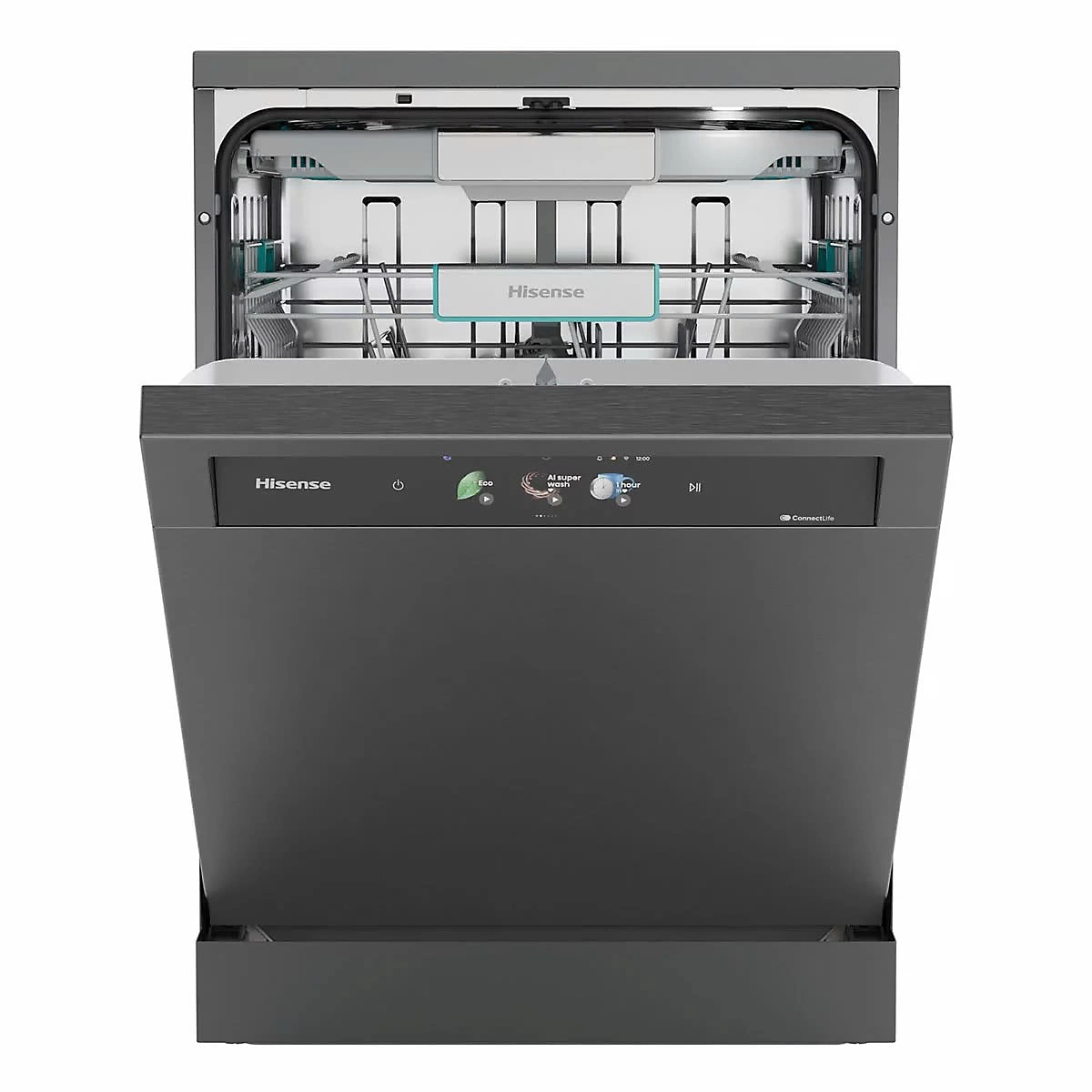
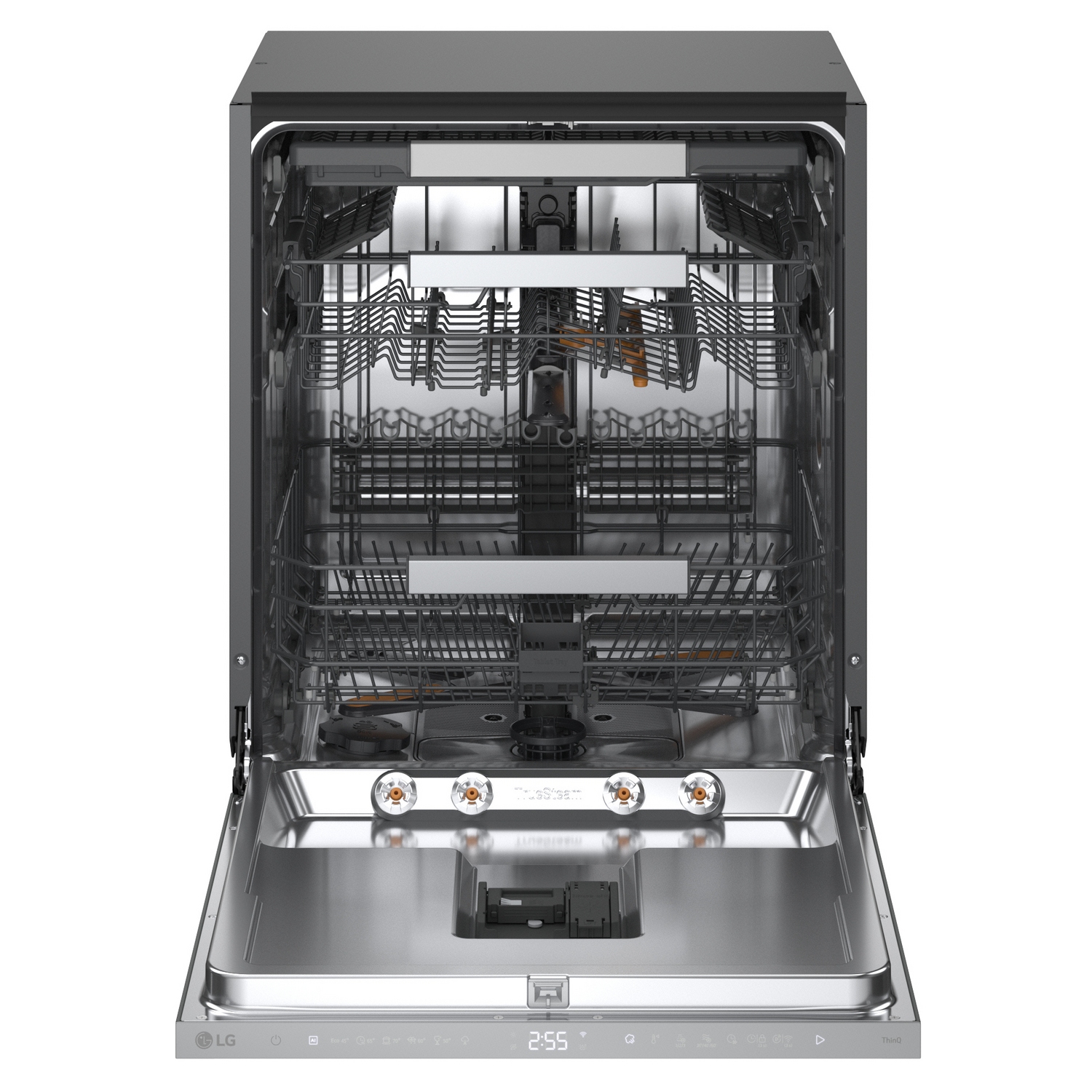
If you have a little more space in your kitchen, you will love having a freestanding dishwasher! Generally easier to install & remove, freestanding dishwashers are affordable and come in a range of colours.
As they are freestanding, they can disrupt the style of your kitchen. If you want something a little more aesthetically pleasing, you could try a…
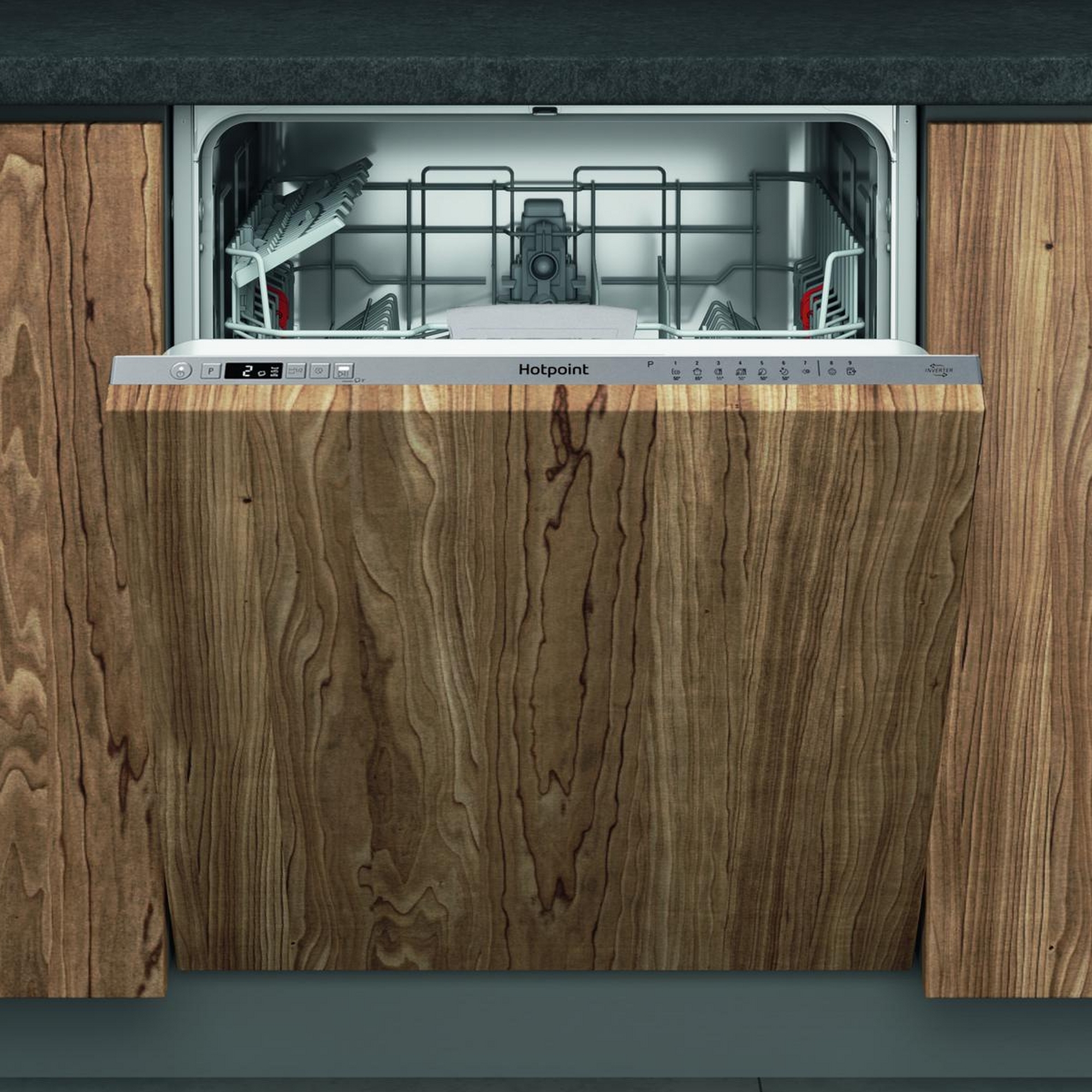
Integrated Dishwasher
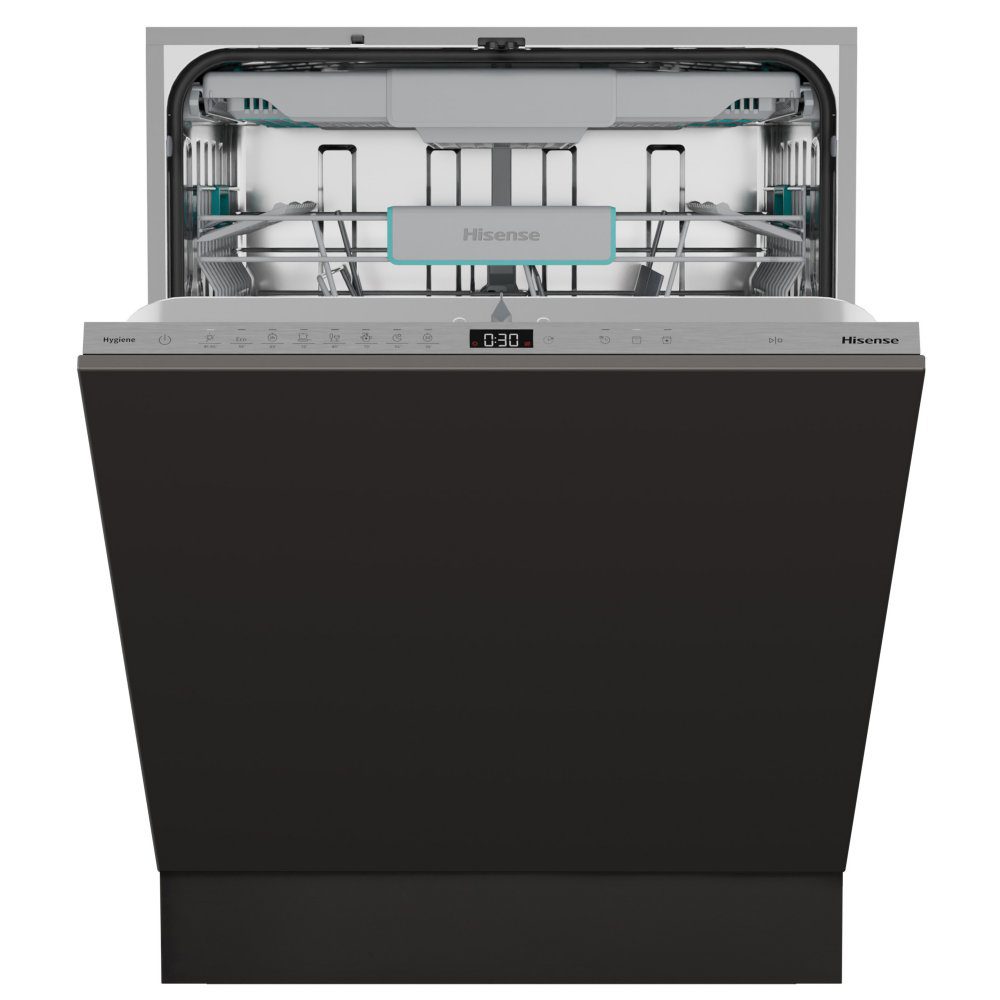
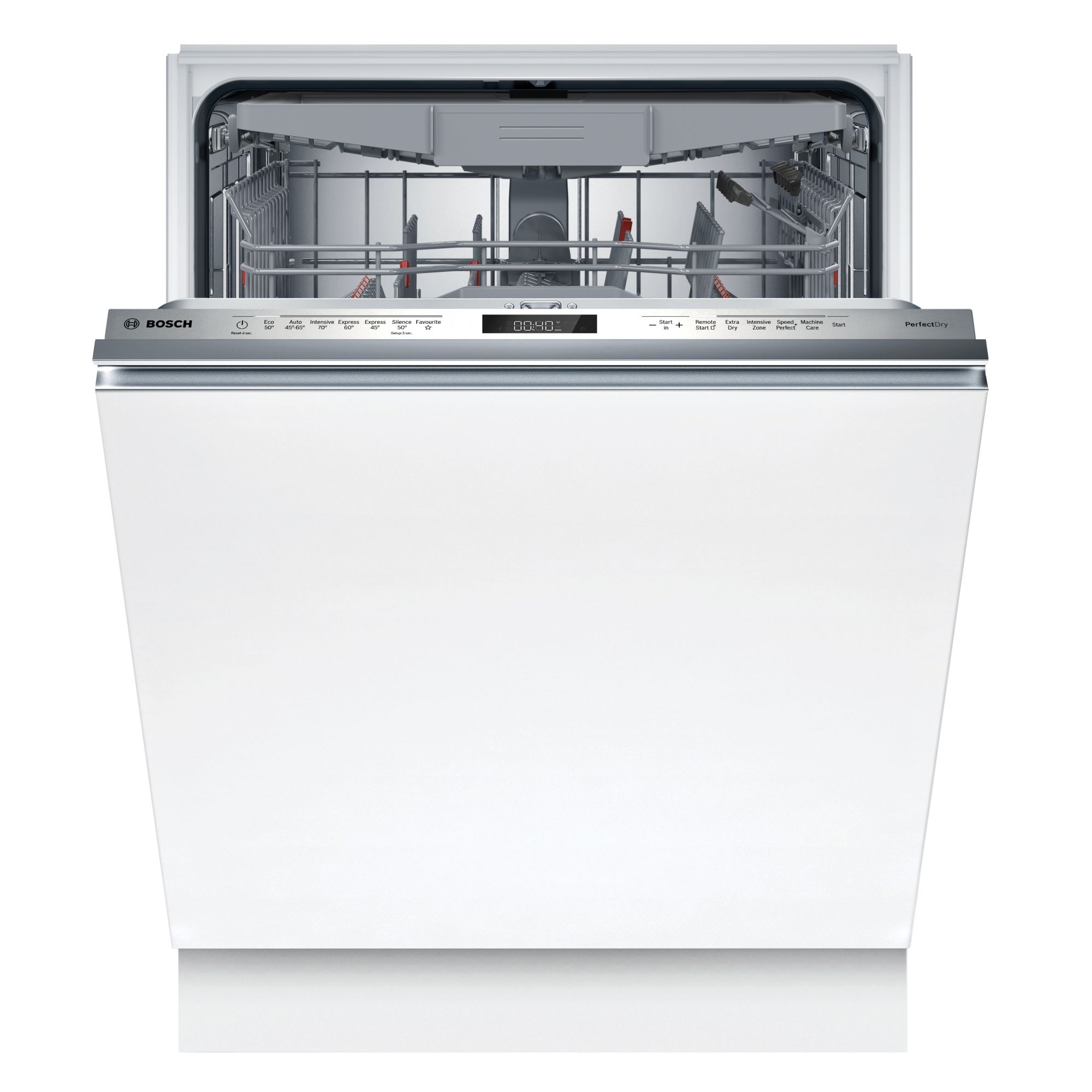
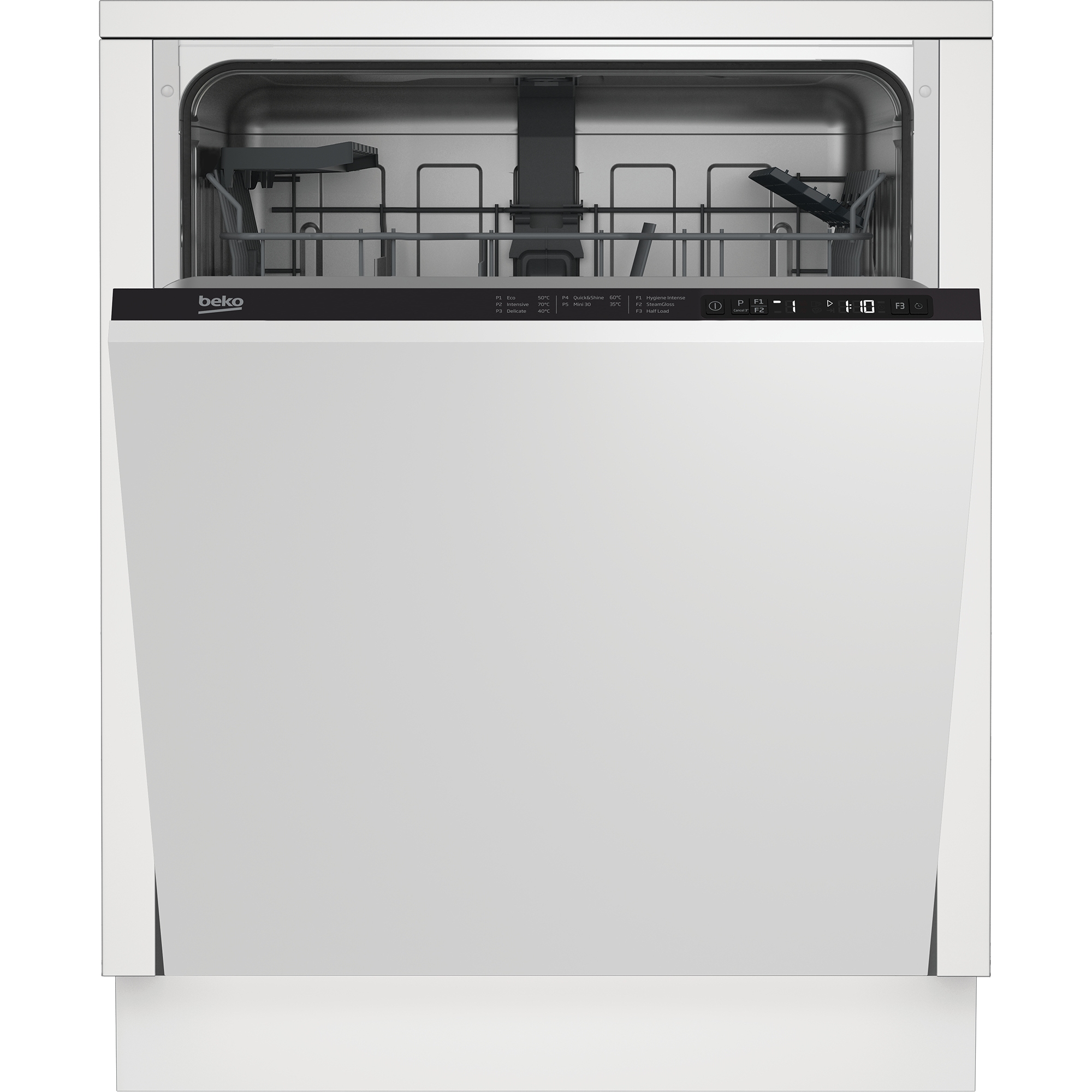
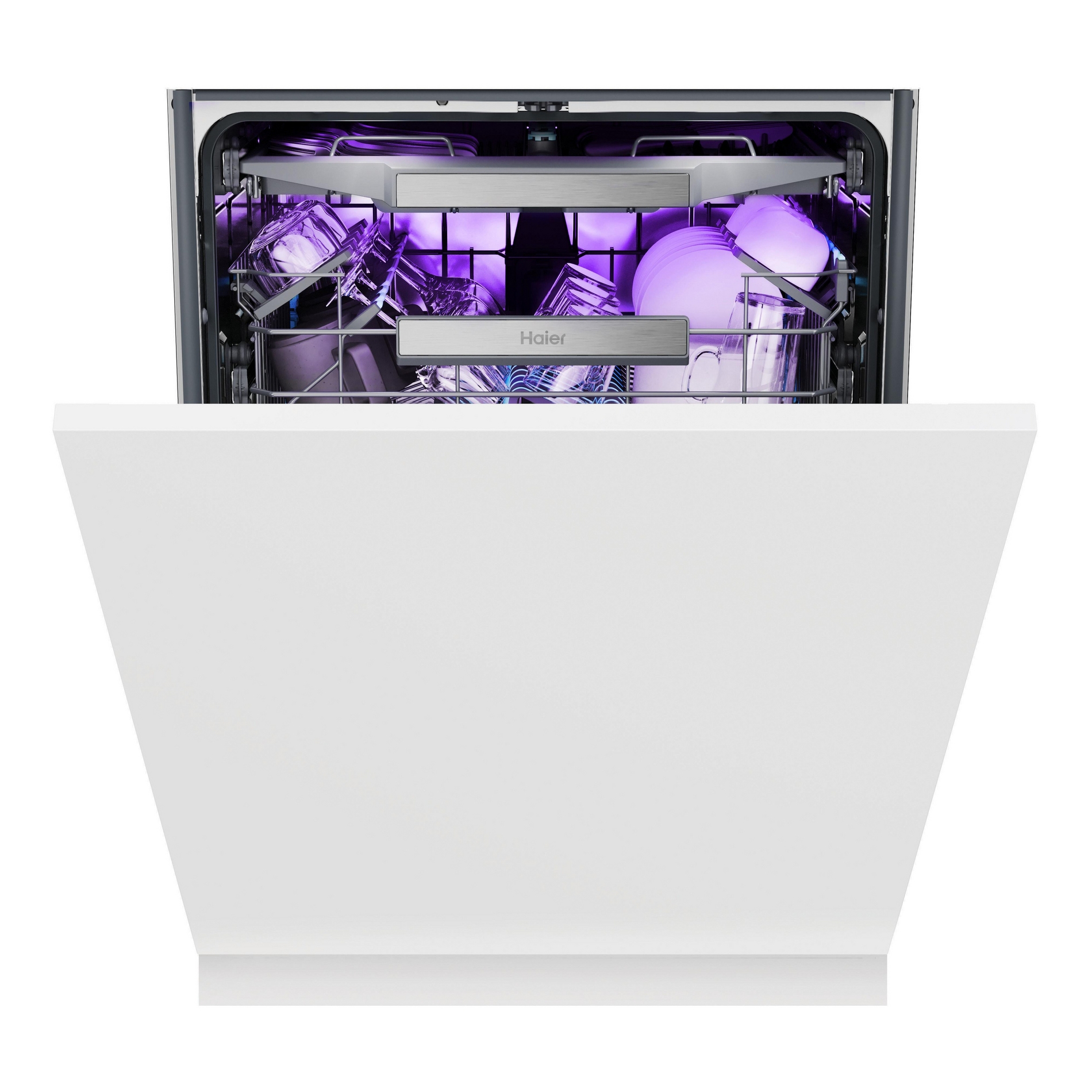
Designed to sit behind your cabinetry, integrated dishwashers are more stylish and quieter than their freestanding counterparts. They add a premium look to kitchens and are a perfect choice for new-builds and renovations.
However, integrated dishwashers are more expensive and can be harder to install.
Slimline Dishwashers
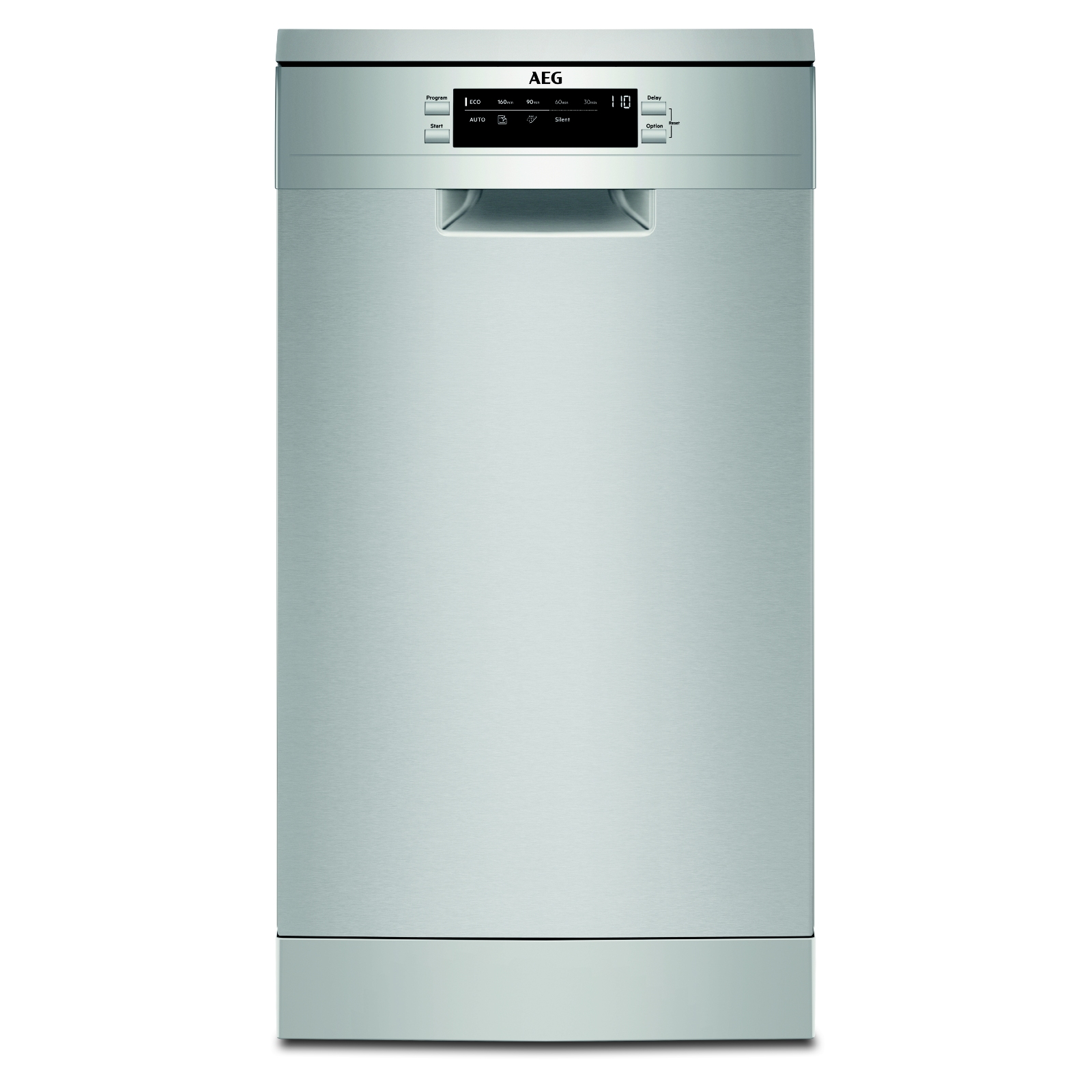
If you are really struggling for space, you may want to consider a 45cm integrated dishwasher. These are a little thinner than the majority of dishwashers (normally about 60cm wide) and can be a subtle addition for smaller kitchens. Slimline dishwashers may also be a good option for small offices & cafés.