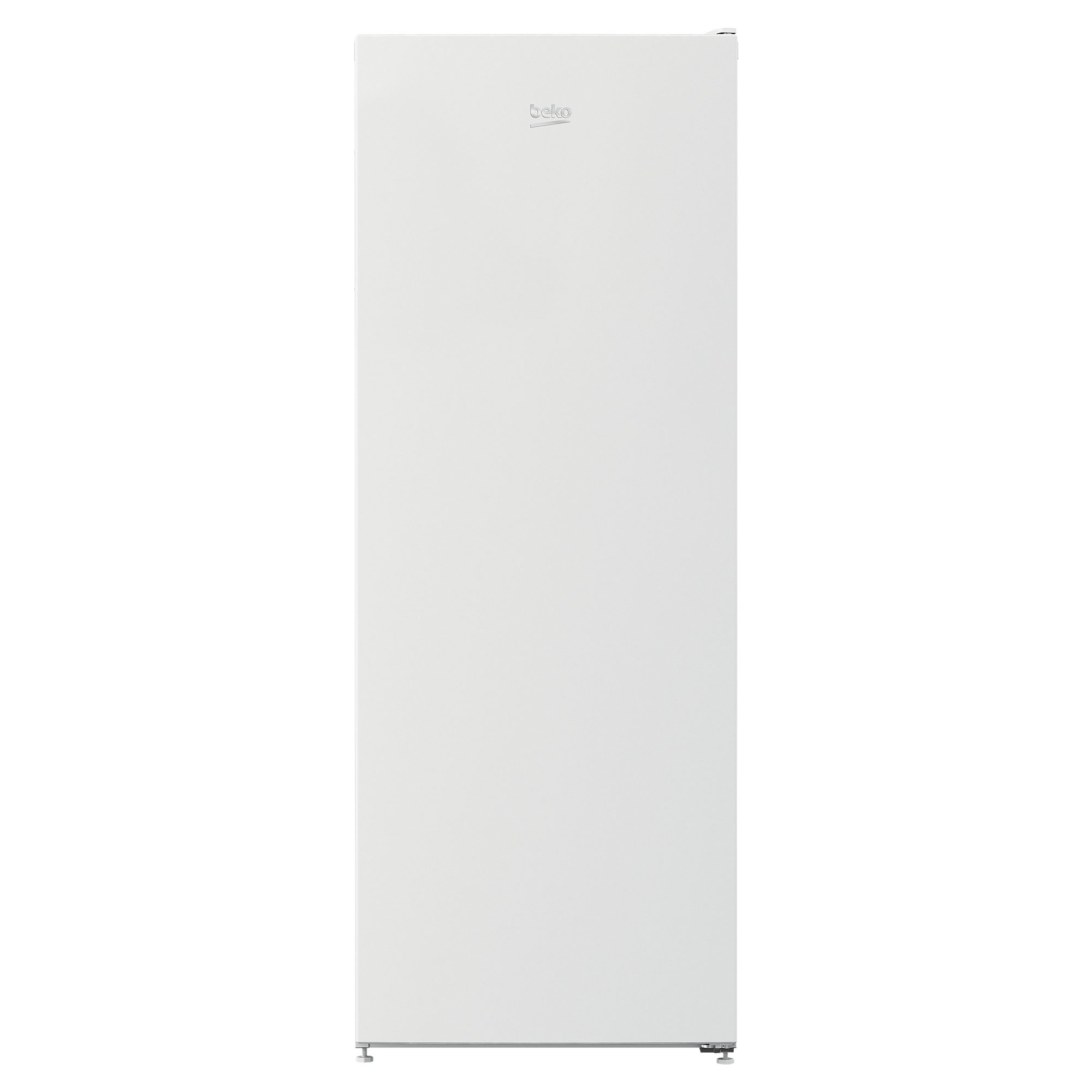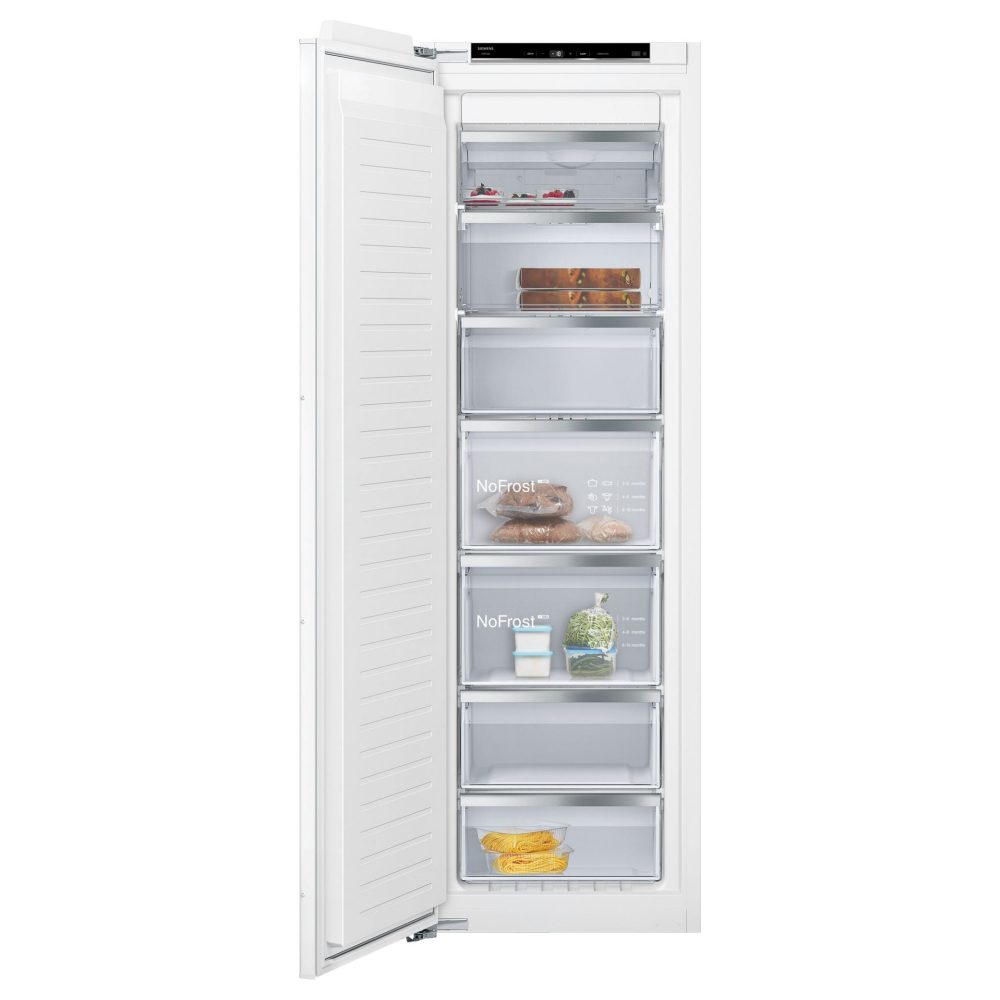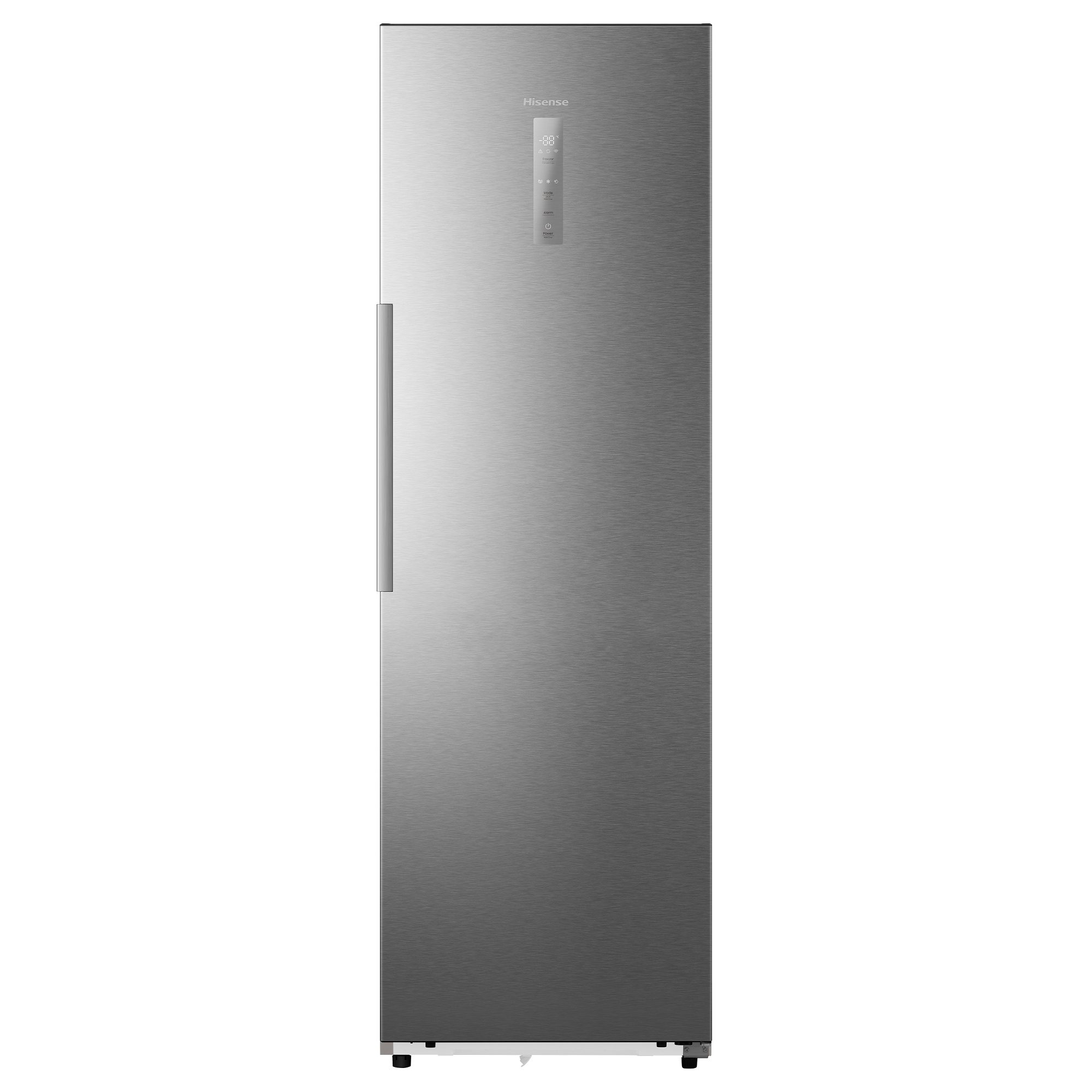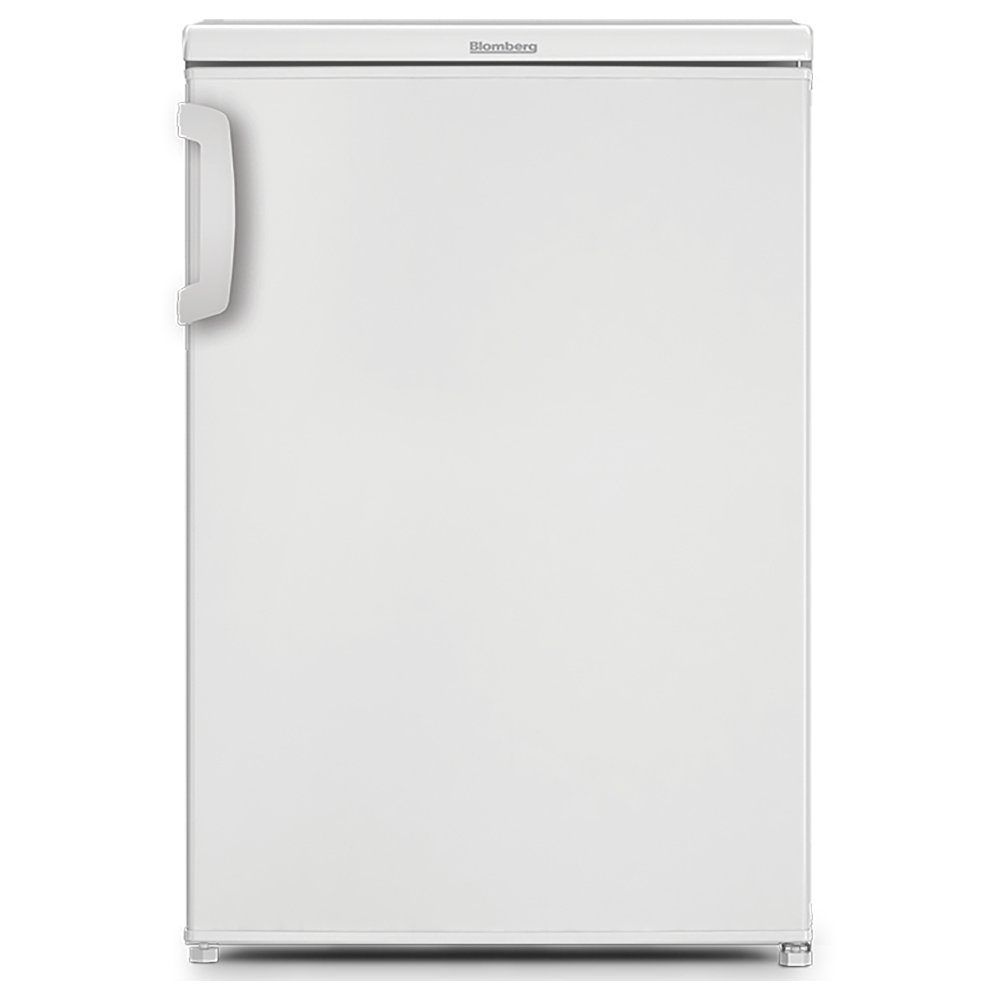
Compare (0 of 4)

Offers & Discounts
Services
Energy Rating
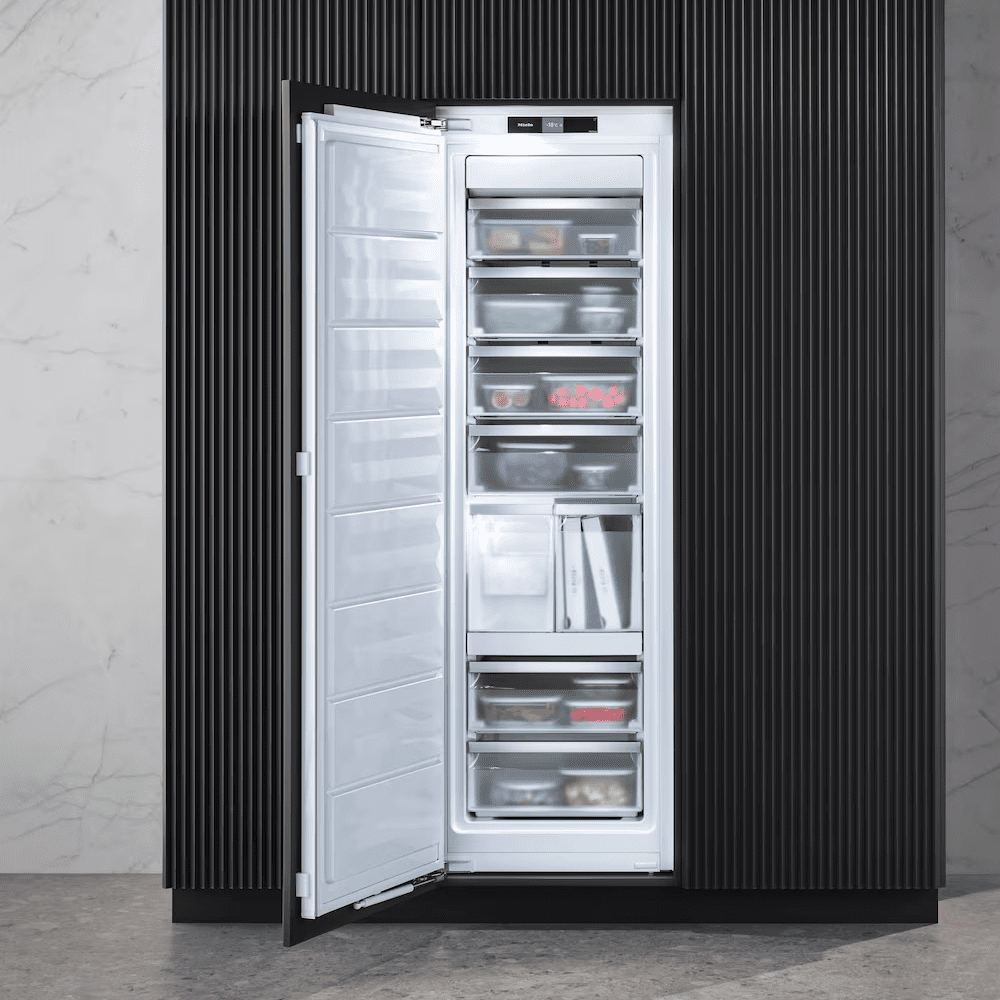
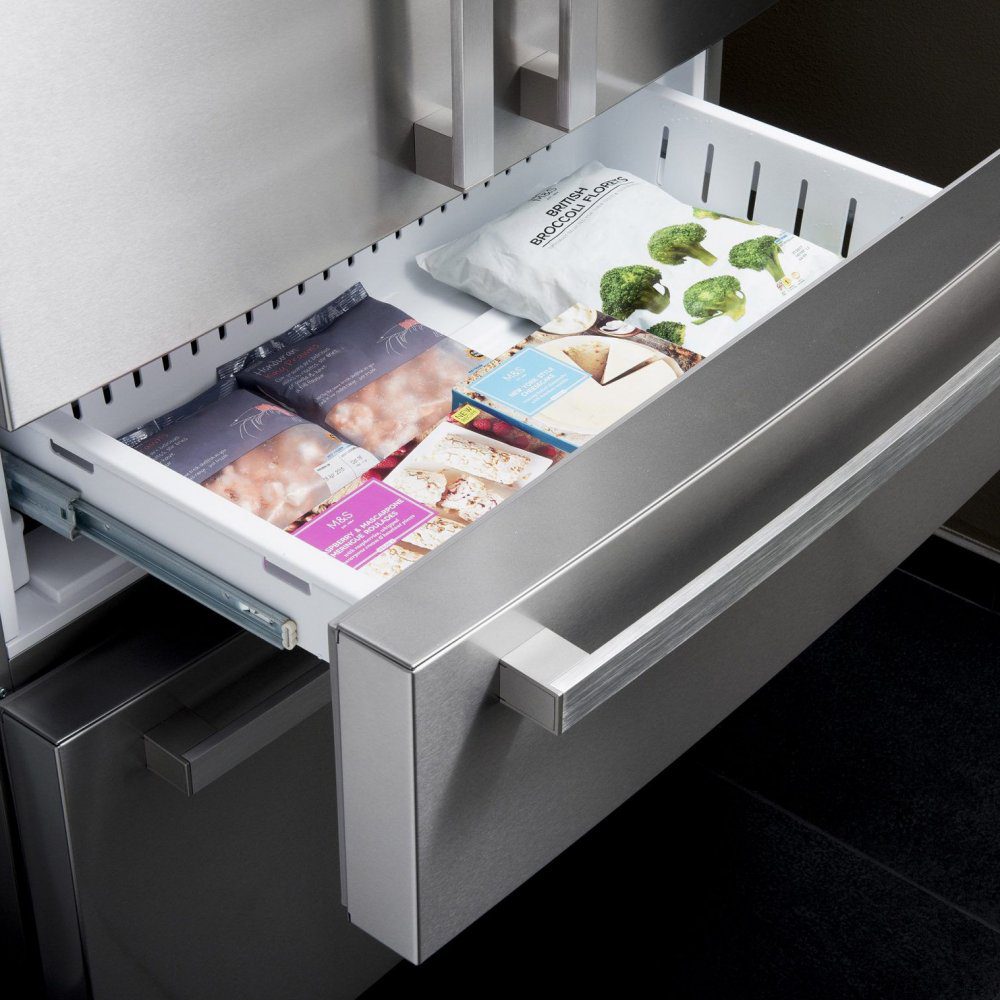
Image of a Miele integrated freezer with the door open showing the frozen goods inside.

Freezers: Buying Guide

Freezers have a simple job; to keep stuff frozen. But there are lots of factors that come into play for how well a freezer can do that. Not just that, but there are a few different freezer designs to choose from to best suit your needs and preferences. To help you out, we cover all of the most important things to consider and look for when buying a new freezer. This way, you can ensure you get a great quality product that perfectly suits your home.

by Appliance City

Type of Freezer

Integrated

An integrated freezer is built into your cabinetry. This style gives a clean and sleek appearance to your space.

Freestanding

A freestanding freezer can be moved around the room. This gives you the freedom to rearrange the layout as you need.

Design of Freezer

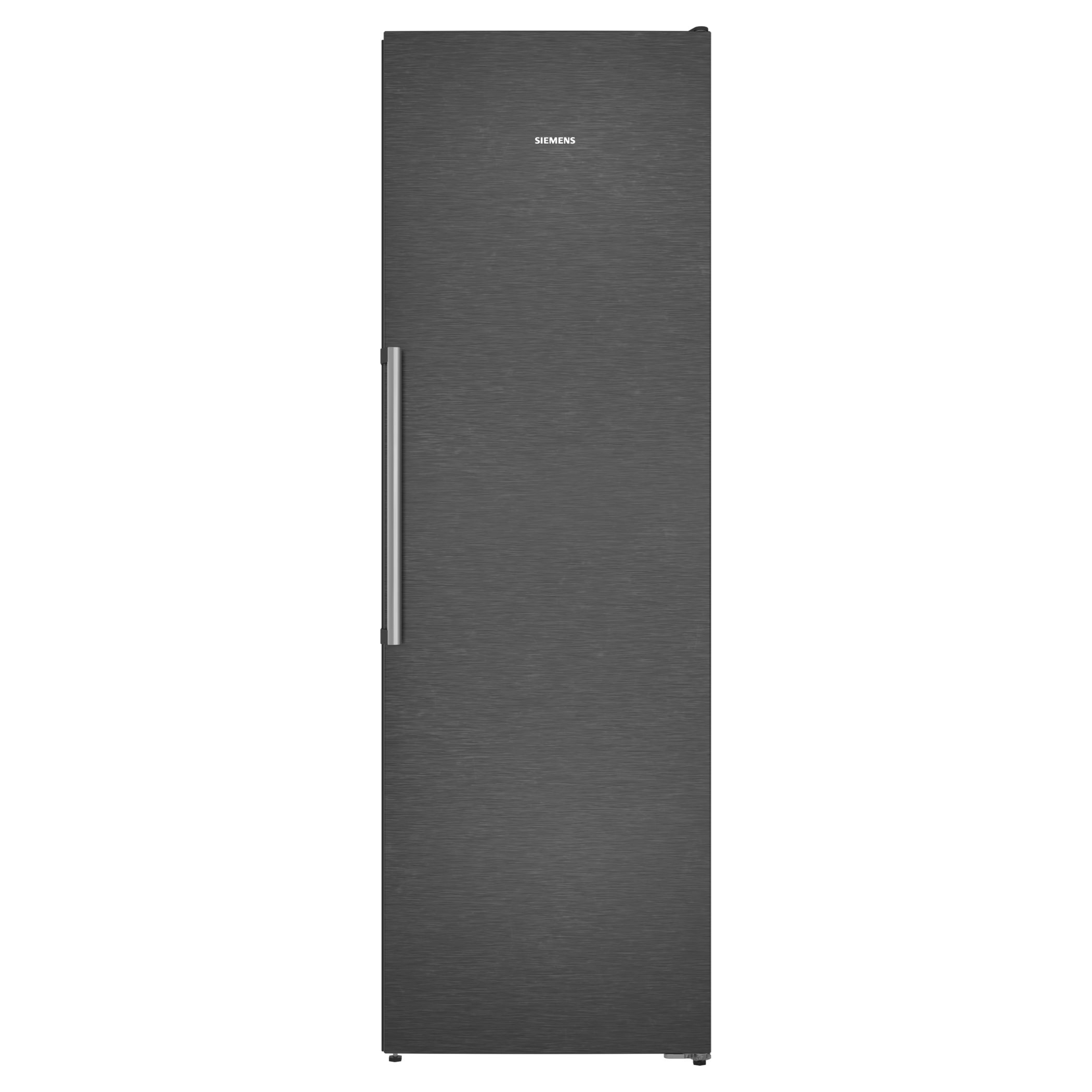
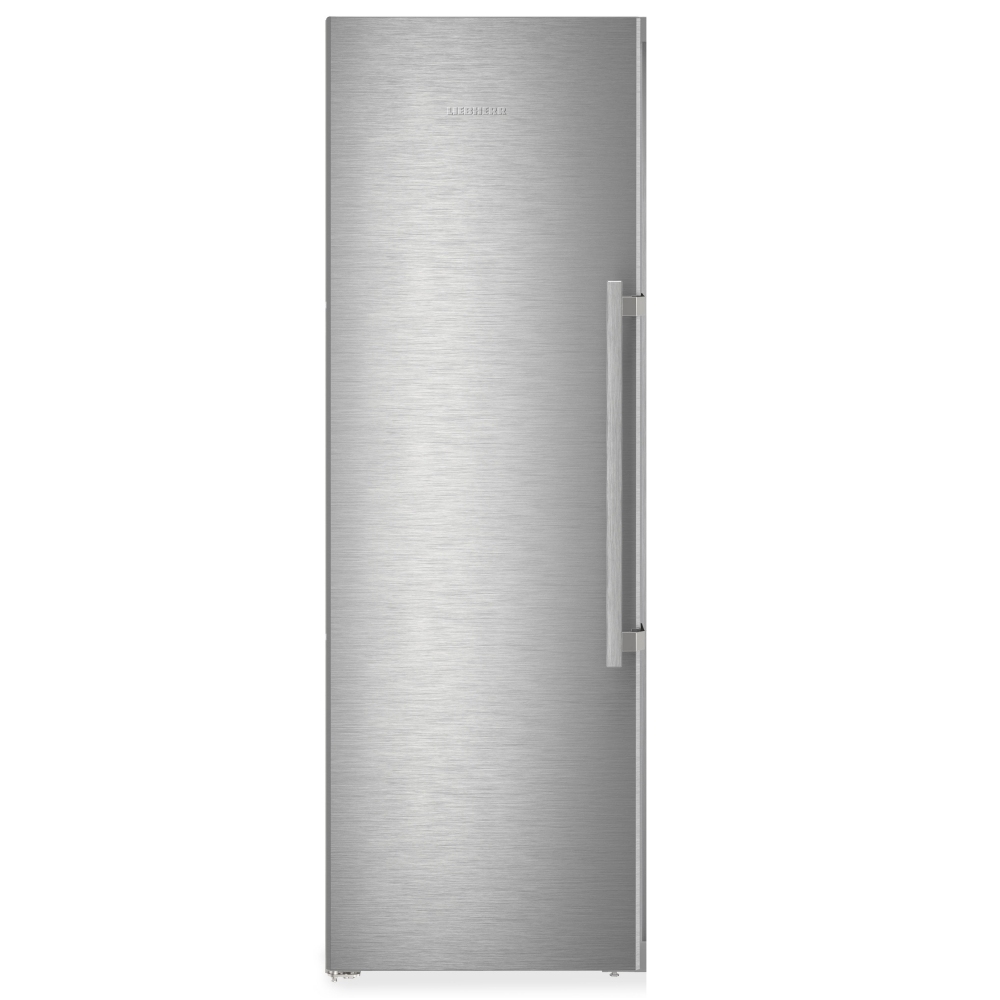
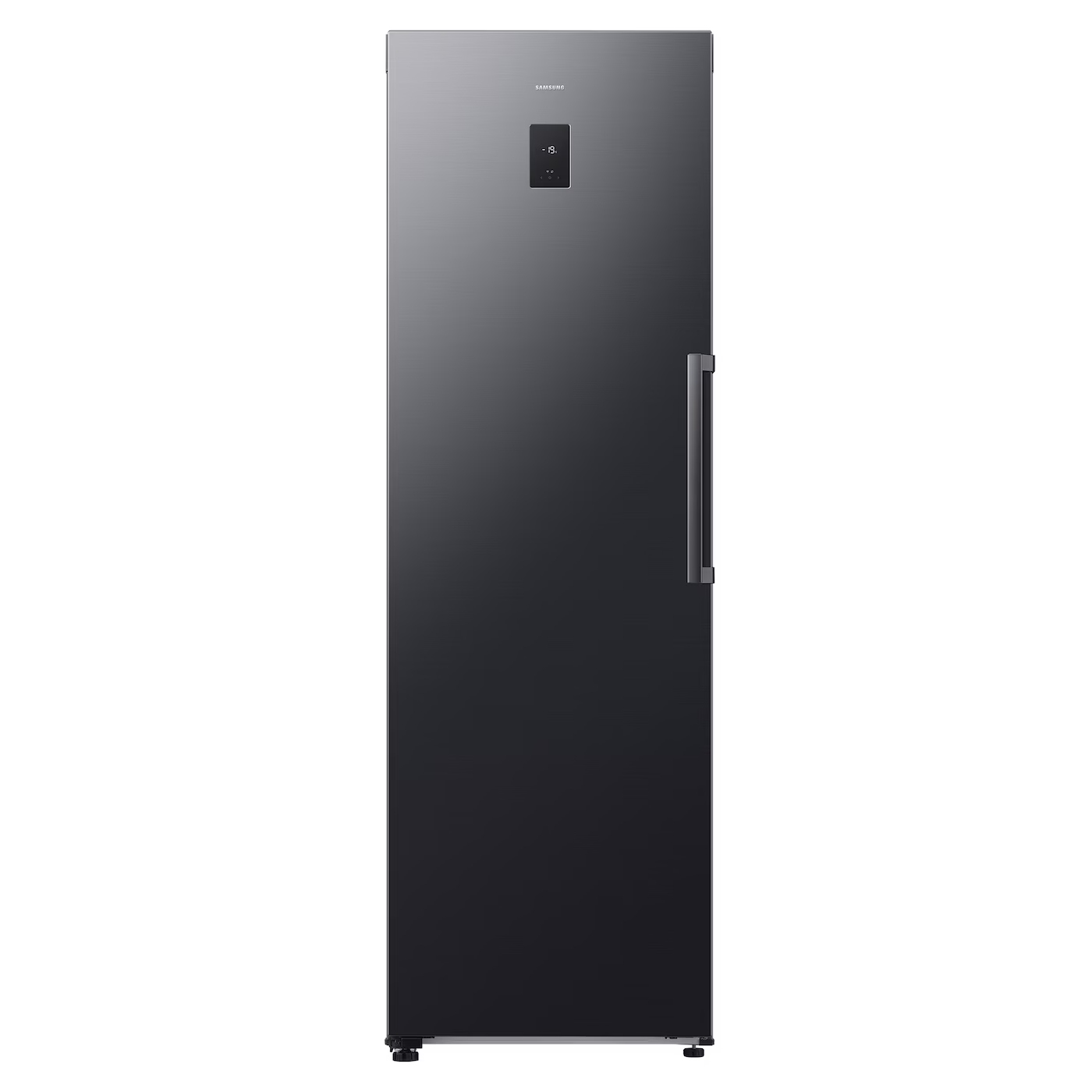
Upright

Upright freezers offer lots of space and often more features than other designs. They’re a popular choice for many families. Their capacity is ideal for medium-large households.

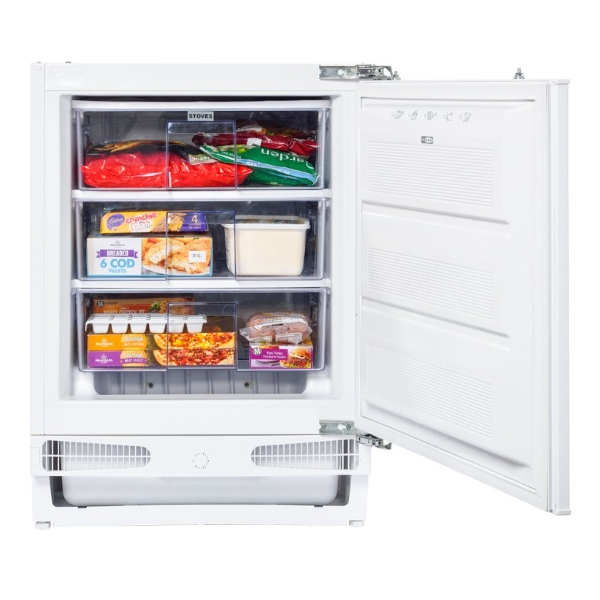
Undercounter

Undercounter freezers sit underneath your countertop. They are ideal for small households, or for extra freezer space. Although small, many still come with flexible storage.

Chest

A chest freezer opens from the top of the unit. This can help keep cold air in when opened. Chest freezers also come in lots of different sizes to suit various household sizes.

Chest or Upright Freezer?

Whether you opt for a chest freezer or upright freezer should really come down to your needs, and if it works for your household. There are pros and cons to them both.

Chest freezers offer more flexible storage space, and are often quieter and use less energy. However, they take up more room, have disorganised storage, and aren’t usually frost free. This means that they’ll generate frost that you will need to defrost frequently. Due to their opening, they are also less accessible for many people.

An upright freezer has more convenient storage, and is more likely to be frost free. Those that do produce frost are easier to defrost though, as the interior capacity is more easily accessed. They also take up less space and have more flexible installation options. However, they do tend to be noisier and use more energy.

Chest or Upright Freezer?

The capacity is one of the most important factors to consider when buying a new freezer. How much space you need will depend on your household size and lifestyle. Freezer capacities, on average, range from 80 – 400+ litres.

Many retailers measure capacity in cubic feet instead of litres. We don’t think this is a useful measurement. It’s easier to imagine the size when using litres, in our experience.

It’s important not to just go as big as possible. A freezer that is only half filled will use more energy, giving you bigger energy bills. It’s therefore important to choose a size that works for your household’s needs.

  • A small household (1-2 people) will typically need a freezer with a net capacity between 100-200L. This is about 3-6 reusable bags of shopping.
  • An average sized household (3-4 people) will typically need a freezer with a net capacity between 200-300L. This is about 6-10 reusable bags of shopping.
  • Larger households (5+ people) will usually need bigger capacities. We recommend looking at capacities over 300L. How big of a capacity you need will depend on your individual household needs.

Can You Overfill A Freezer?

Yes, it is possible to overfill a freezer. Although it’s true that not filling it enough means the freezer has to work harder to keep the temperature low, you can still overfill it. Overfilling means that air vents are blocked, and the air flow is restricted. A freezer works most efficiently when it is between 75% – 85% full. This allows for good air flow without lots of wasted space.

1. Underfilled Freezer

Lots of wasted space
Freezer has to work harder to keep internal temperature low

2. Perfectly Filled Freezer

Good air flow
No wasted space
Lots of frozen food to help keep the cold in

3. Overfilled Freezer

Very little air flow
Blocked air vents
Dimensions

If you’re simply replacing an old freezer, knowing the dimensions is easy. However, if you’re designing a new space or buying your first freezer, you may not know the dimensions you need.

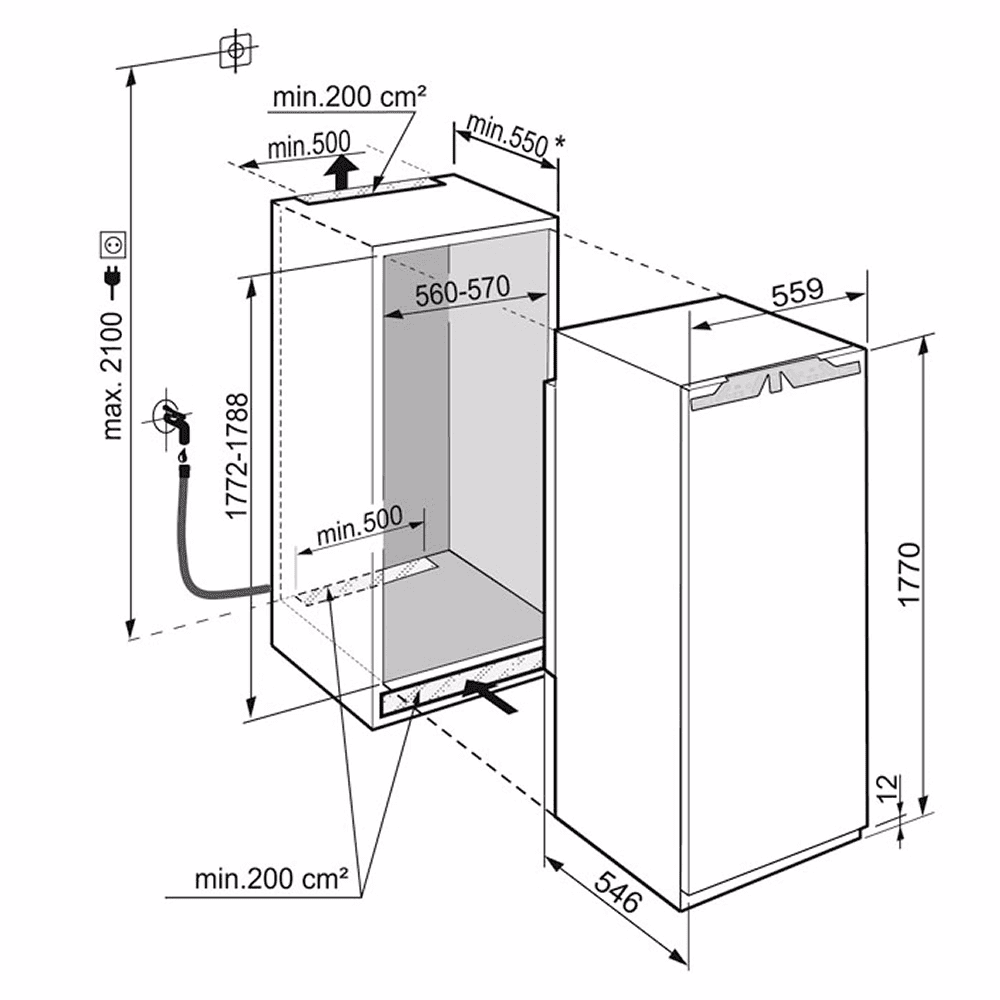
To figure out the dimensions you require, measure the height, width, and depth of the space you plan to place your freezer. Remember to account for ventilation space. Once you know your measurements, you’ll know the dimensions to look for in a freezer.

  • If you have a small kitchen, a smaller model doesn’t always mean sacrificing storage space. Some freezer organisers, and clever usage of freezer shelves, will keep things in order and stored away nicely.

Frost Free Freezers

A frost free freezer means that no frost builds up on the inside. This works by using specialist Frost Free technology that removes warm or humid air from the freezer to prevent ice build up. This saves you many hours defrosting your freezer – because you’ll never have to again!

Energy Rating

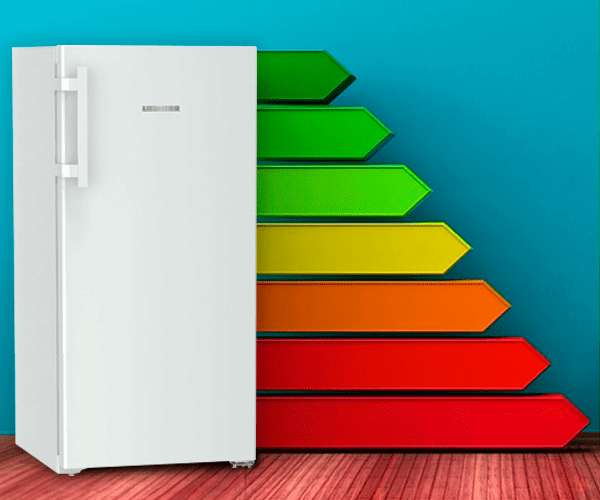
All freezers will come with an assigned energy rating from A-G, with A being the most efficient. Freezers run 24/7, and so energy efficiency is particularly important. By choosing a more energy efficient freezer, your food will stay frozen for cheaper.

  • You can help your freezer run efficiently by keeping it at the optimal freezer temperature, and allowing airflow.

The ideal freezer temperature is -18°C. This keeps your food fresh and frozen, whilst not using too much energy. Airflow is also important for keeping the right temperature and not using too much energy. Allow a ventilation gap around the outside of your freezer, and don’t pack your food too tightly inside.

Features

Quick Freezing
Smart Features
Ice Maker
Power Cut Failsafe
Flexible Space
Internal Temperature Display
Reversible Doors
Suitable for Outbuilding

Freezer FAQs

If you use your freezer frequently, it would be convenient to place it in the kitchen. Just be sure not to install it next to an oven, radiator, or other heat source. You will also need to provide adequate ventilation. If you don’t go into your freezer often, you could consider placing it in the garage. However, only install a freezer in the garage if the model specifically says it can handle lower external temperatures.

In the event of a power cut, malfunction, blown fuse, or similar event, your freezer can go about 48 hours without power.  If you know that your freezer is going to be without power for more than 48 hours, you will need to remove the contents. You can do this by either eating them or placing them in a different freezer. Otherwise, you may need to throw it out to avoid refreezing.

You can’t start using your freezer straight away. A freezer uses liquids called refrigerants to work. During the transportation, unloading and installation process these are likely to have been moved around. To avoid damage, you need to leave them to settle before you start filling your freezer up. Allow it to settle for at least 4 hours.

Product Deals by Category