Compare (0 of 4)

Offers & Discounts
Services
Energy Rating
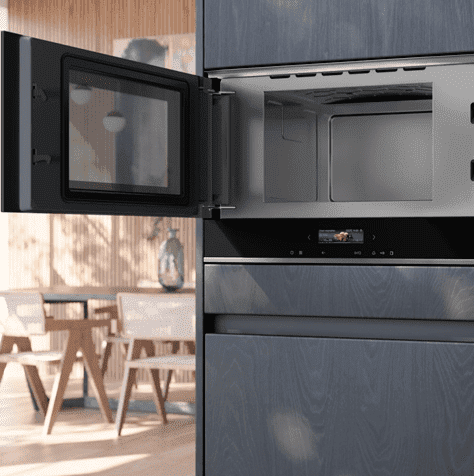
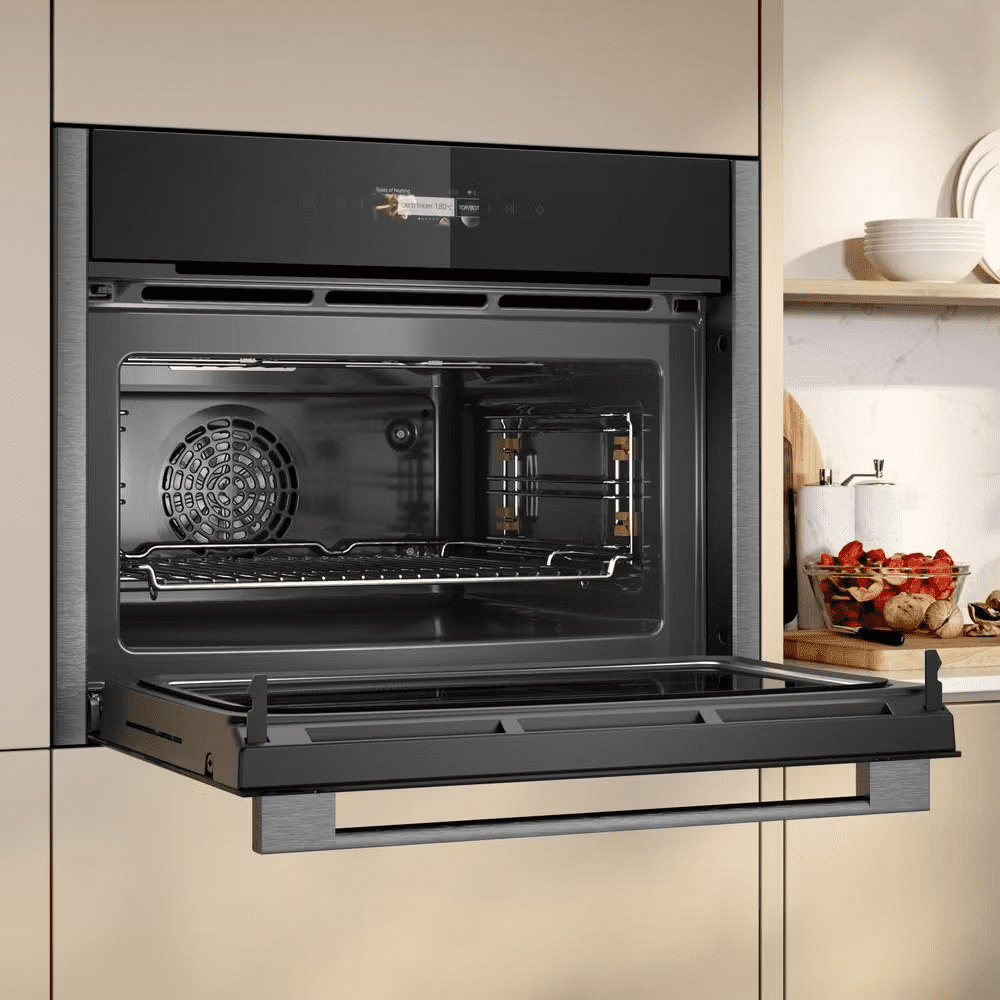
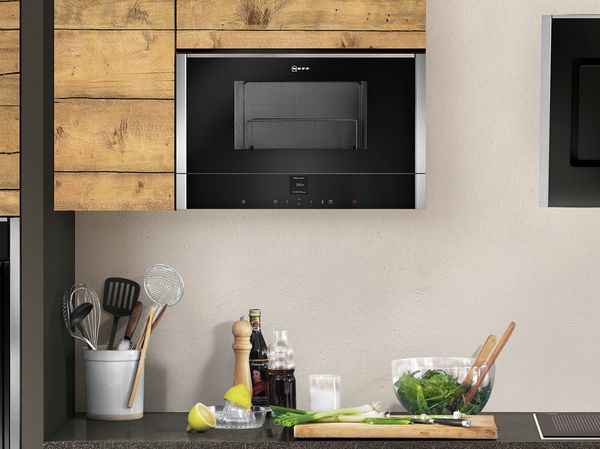
Close up of a NEFF combination microwave installed into a tall housing unit. The microwave door is open fully to show the spacious interior.

Microwave Oven Problems

In this article, we’ll be looking at some of the most common problems you will face with a microwave oven, and how to remedy them. Microwaves can last a long time when they are looked after well, however they can still encounter some problems. If your microwave has surpassed its lifespan, it may be time to upgrade! Explore our collection of high performance microwaves, including combination microwaves and microwaves with grills.

by Appliance City

Microwave Caught On Fire

What Do You Do If Your Microwave Catches On Fire?

You need to act quickly and calmly if your microwave oven catches on fire.

If it is safe to do so, turn off the microwave oven and unplug it immediately. If there is a fire burning inside the unit, do not open the door to try and extinguish it. This simply opens up the possibility of the fire spreading elsewhere. Wait for the fire to completely suffocate inside the oven before opening the door.

You can prevent microwave fires by:

  • Following the safety instructions provided by the manufacturer.
  • Only heating food items that are approved for microwaves.
  • Never heating any metal items, of any kind, in microwaves.
  • Cleaning your microwave oven regularly.
  • Following all cooking instructions on the packaging when heating food items.
Close up of a NEFF combination microwave installed into a tall housing unit. The microwave door is open fully to show the spacious interior.

Can A Microwave Overheat?

Yes, it is possible for a microwave to overheat, although it is unlikely. There are a few different potential causes of overheating. The most common of these include:

  • Faulty components
  • Inadequate or blocked ventilation
  • Operating on empty
  • Hot external environment
  • Wear and tear
  • Operating for extended periods

How To Fix An Overheated Microwave

Oftentimes, people find themselves in a situation where their microwave has overheated and then won’t turn on again. This is because most microwaves have automatic shutdown features when they overheat. Depending on the cause of the overheating, you may just need to wait for your microwave to cool down before operating again.

Then, there are a few things you can do to prevent your microwave from overheating again:

Your microwave may become overheated due to being too close to other heat generating appliances. Freestanding microwaves often can’t withstand heat generated by things around it, and need more ventilation space. Integrated microwaves often have better built-in ventilation and can handle it better. However, you should still follow all ventilation instructions.

You should never operate a microwave with nothing in it. If there is nothing in it to absorb the microwaves, they will instead heat the internal parts. This is similar to operating a microwave for extended periods. If the contents of the microwave become dehydrated, it will become unable to absorb the microwaves and the same thing will happen.

Microwaves need ventilation gaps to avoid overheating. This gives the heat generated a place to escape. If you have a built-in microwave, ensure you have enough ventilation before installing. If you have a freestanding microwave, we recommend a 10cm gap at the back and sides, and a 20cm gap on top.

If none of these fix your problem, it is likely that you either have faulty components or extensive wear and tear. If you can’t find the cause yourself, we recommend either hiring a professional to fix it, or replacing it with a new microwave.

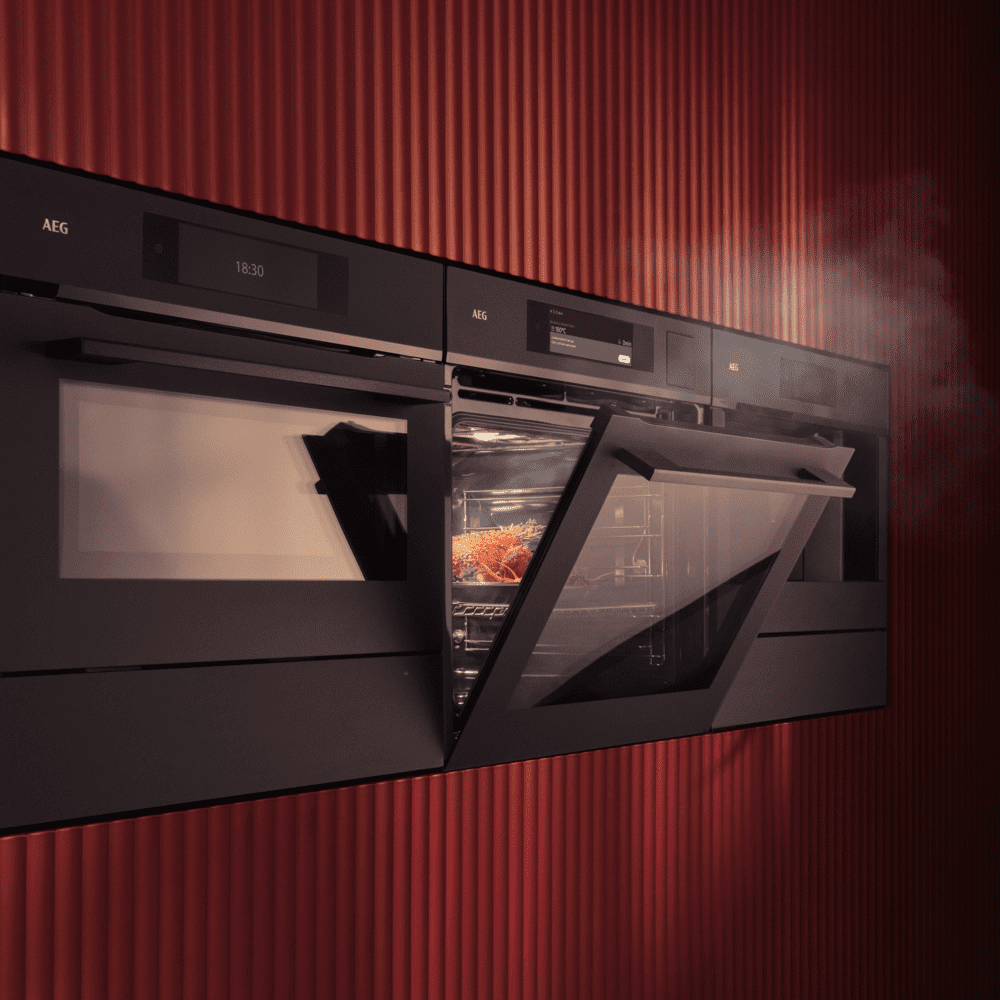
Close up of a bank of AEG built in cooking appliances including a conventional oven, microwave and steam oven

Why Is My Microwave Not Heating Up?

There are likely to be three possible reasons why your microwave oven isn’t heating up. These, and their fixes, are:

  • One potential reason for your microwave oven not heating up are the door switches. Your microwave door will have up to four door switches. These activate in a sequence when the door is shut to ensure that it is properly closed. If one or more of these are faulty, you can replace them.
  • Please note: any electrical work should be carried out by a professional. Even when unplugged, you can still get electrocuted when tinkering with the electrical components.
  • Another possible cause is an issue with the oven’s magnetron. This generates the microwaves that cook the food. If this has burned out, you can’t replace it. You will need to replace the microwave oven.
  • The most likely cause is that the diode, which increases the voltage to the magnetron, has burned out. If this is the case, then the magnetron can’t receive enough power to generate microwaves. These can usually be replaced for a low cost.

Why Do My Microwave Buttons Not Work?

There are three potential areas of the microwave that would explain why the controls are not working:

  1. The control panel
  2. The membrane switch
  3. The control board
  • If some of the buttons on your control panel work and others don’t, then the problem most likely lies with the control panel itself. It will most likely need replacing.
  • If this doesn’t explain it, it could be the membrane switch. This has a conductive layer around it which can become faulty after a while of usage. This too can be replaced.
  • If the touch controls of your microwave are unresponsive, but the display lights are still working as usual, it is most likely that the problem is with the control board. The control board provides power for the membrane switch. Without it, your oven buttons won’t work. This is a complicated component to replace, and so may be more expensive to fix.

Why Does My Microwave Plate Not Spin?

This is another problem that has a few different possible explanations.

  • First, check the roller guide. This is usually a three-pronged item that sits under the microwave plate. There are small wheels at the end of each prong. Take this out and check it for any damage and that it’s still working. If it’s damaged, replace it.
  • If the roller guide has no problems, the problem is most likely caused by either the drive motor or drive coupler. These can only be accessed by removing the bottom panel of the microwave, which should only ever be done by a professional. Taking a microwave apart, even when unplugged, can be extremely dangerous.

Problems with Microwave Door

1. Door Doesn’t Close Properly

A microwave door not closing properly is usually caused by repeated slamming, or general wear and tear of an older appliance. Luckily, this is usually an easy fix. Check to see if any screws around the door are loose, and tighten them if they are.

If this doesn’t fix the problem, and your microwave is still under warranty, we recommend contacting the retailer you purchased it from. Otherwise, we recommend replacing your microwave.

2. Door Doesn’t Open Properly

If your microwave door isn’t opening at all, we recommend checking your microwave manual to see if there is a simple way to access the latch to open it. It’s likely that you’ll need to either replace the latch or the door opening button.

If your microwave door is simply getting stuck as it opens, it may be easier to fix. We recommend first giving your latch a good clean. Do this with a soft cloth and cleaning solution. We also suggest using a can of compressed air to dislodge anything stuck inside.

If this doesn’t fix it, you’ll most likely need to replace the latch. This is often a cheap fix.
Why Is My Microwave Making Weird Noises?

A microwave making weird noises is usually caused by something really simple, or really serious.

  • The simple causes are either microwaving something you shouldn’t, or the microwave plate being misaligned. To fix these, take out the contents of the microwave, or adjust the plate on the rollers.
  • If the problem persists, it is likely that the problem lies with something more serious. For example, it could be the drive motor, magnetron, or the cooling fan. These should only ever be fixed or replaced by a professional. If your microwave is over 5 years old, we would recommend replacing it if it has these problems.

Why Is My Microwave Sparking?

If your microwave is sparking, do not panic. Just switch it off at the wall, and then inspect it. There are three main things to look out for if your microwave is sparking:

  • If there is any metal debris inside of the microwave, this could well be the cause. Metal reflects microwaves and causes sparking. This is why you should never put metal utensils or tin foil in the microwave. It could even be something like a strand of steel wool that has found its way in there. Ensure there is no loose metal in the microwave and you have a microwave-safe dish to heat your food in.
  • One of the parts of a microwave is the rack support. This is a small hook-shaped component. If the paint has worn out on it, this could cause the sparking. If this is the case, you’ll need to replace it.
  • Check the waveguide cover. This is a small grill found inside the microwave that lives up to its name by guiding the microwaves to the food. It also protects the magnetron from debris. Food particles can get stuck on the waveguide cover during cooking. Microwaves will then burn these bits of food, resulting in sparks. Cleaning it should fix the problem. If your waveguide cover is damaged it will need replacing.

Why Does My Food Spark In The Microwave?

It is possible for your food to cause sparks in your microwave oven. This is most commonly seen in dense vegetables. Their higher content of minerals can cause sparks to fly. Your food may display small signs of burning, but should overall avoid damage and still be safe to eat.

It is most commonly seen with carrots, spinach, bell peppers, green beans and other dense vegetables. The sparking is a result of microwaves reflecting off of the minerals found within the food. It’s still safe to eat, but the sparking may cause your food to not be as heated as you may have hoped.

Our Final Microwave Tips:

Try not to overcook your food
Ensure all packaging is microwave-safe
Follow the instructions for any microwavable food
Stir your food at intervals to guarantee an even cook

Product Deals by Category