

Dishwashers At Appliance CityDishwashers
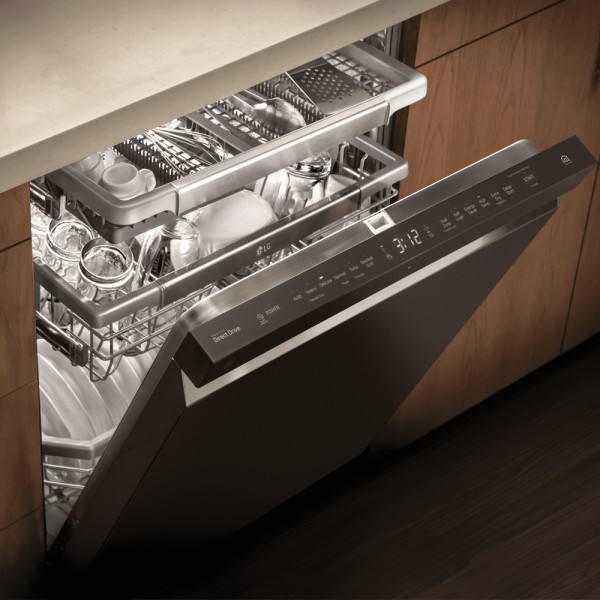
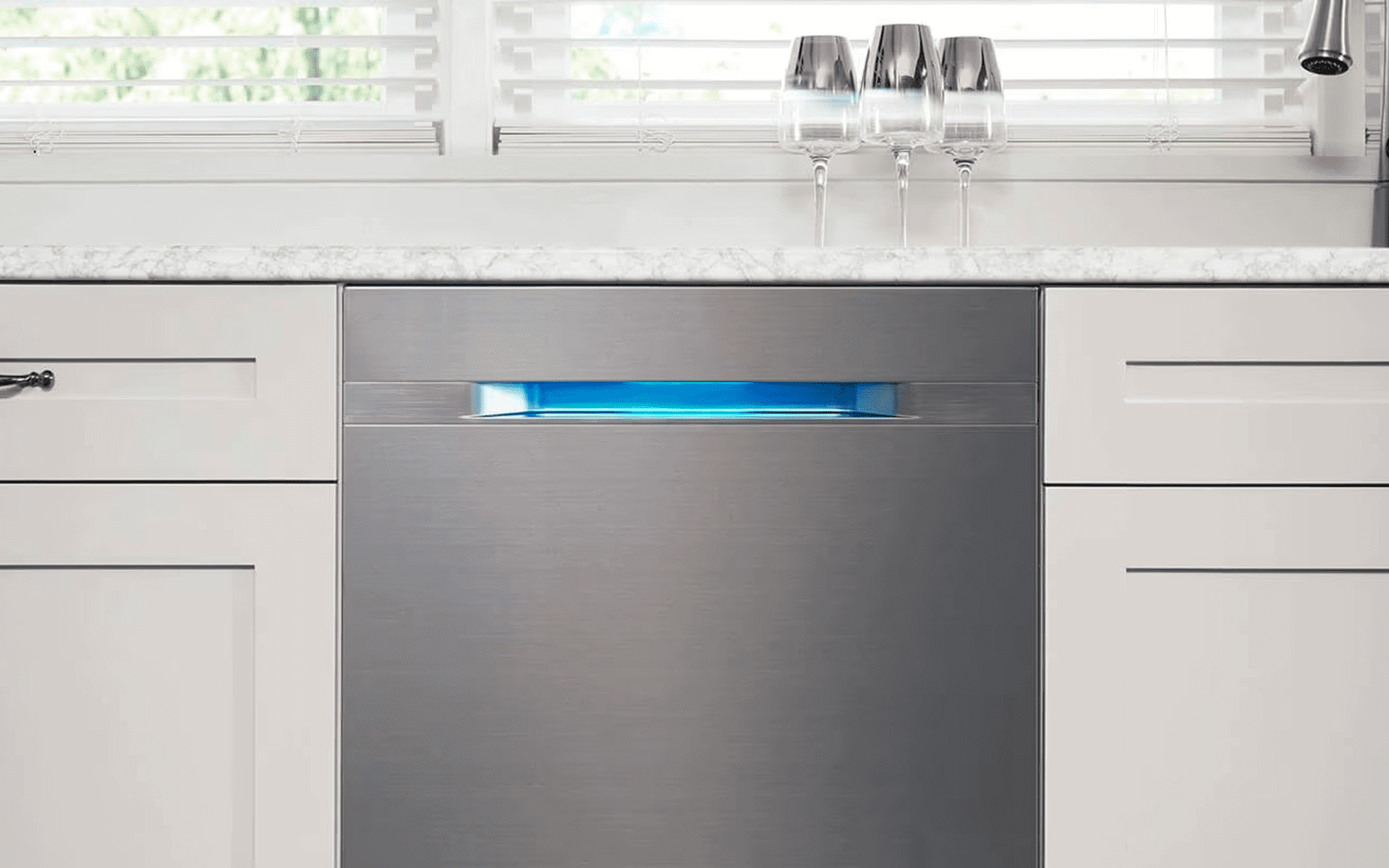
Freestanding Dishwashers
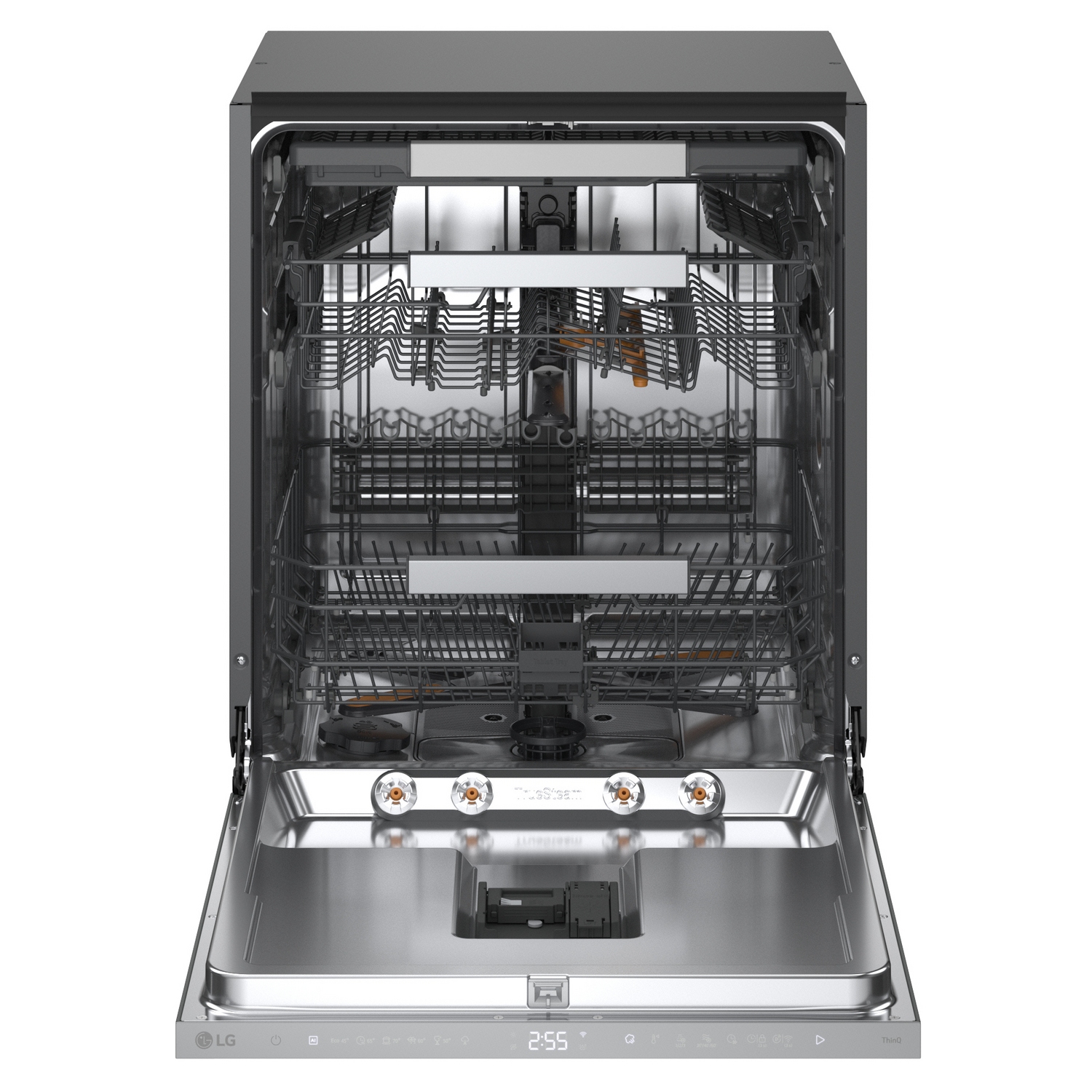
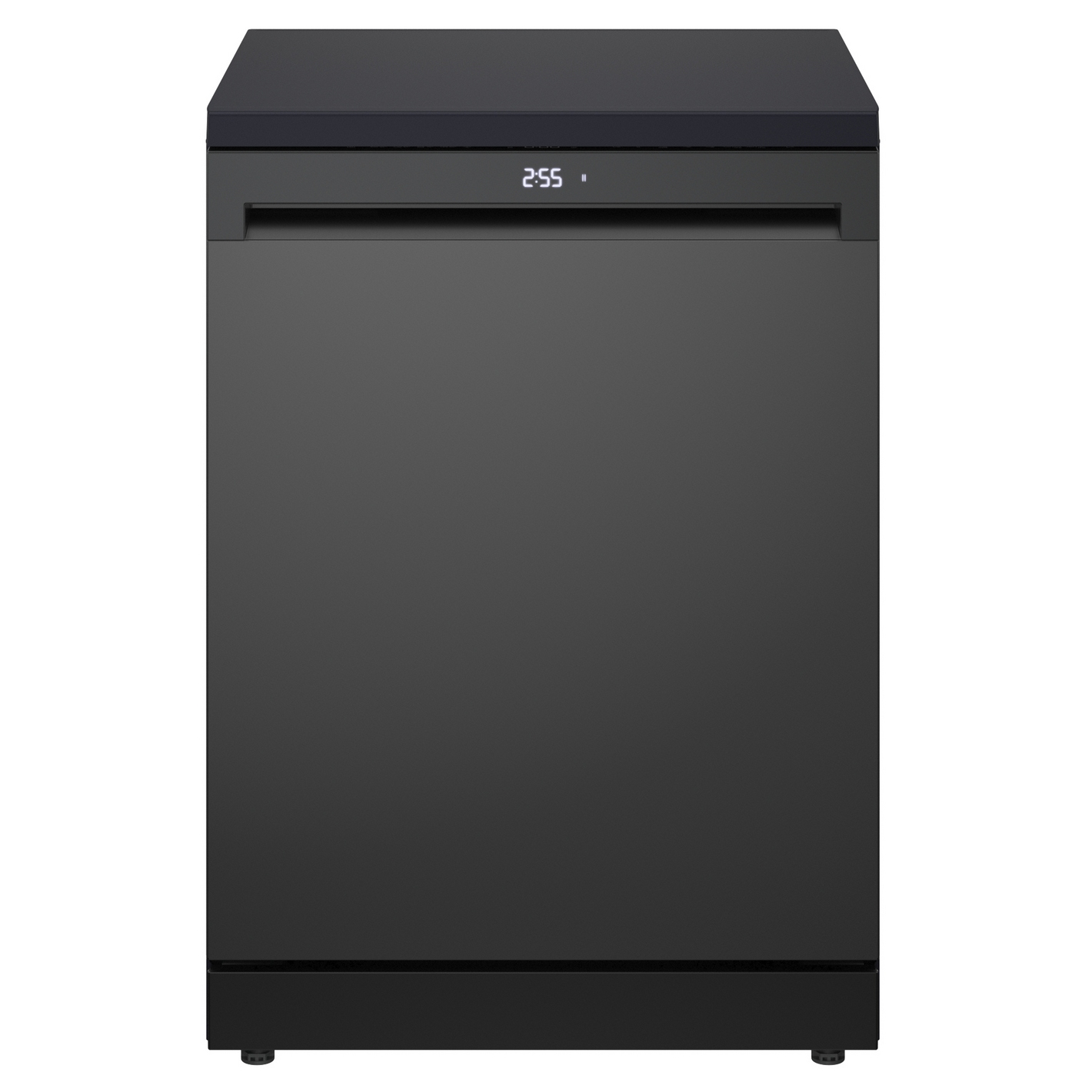
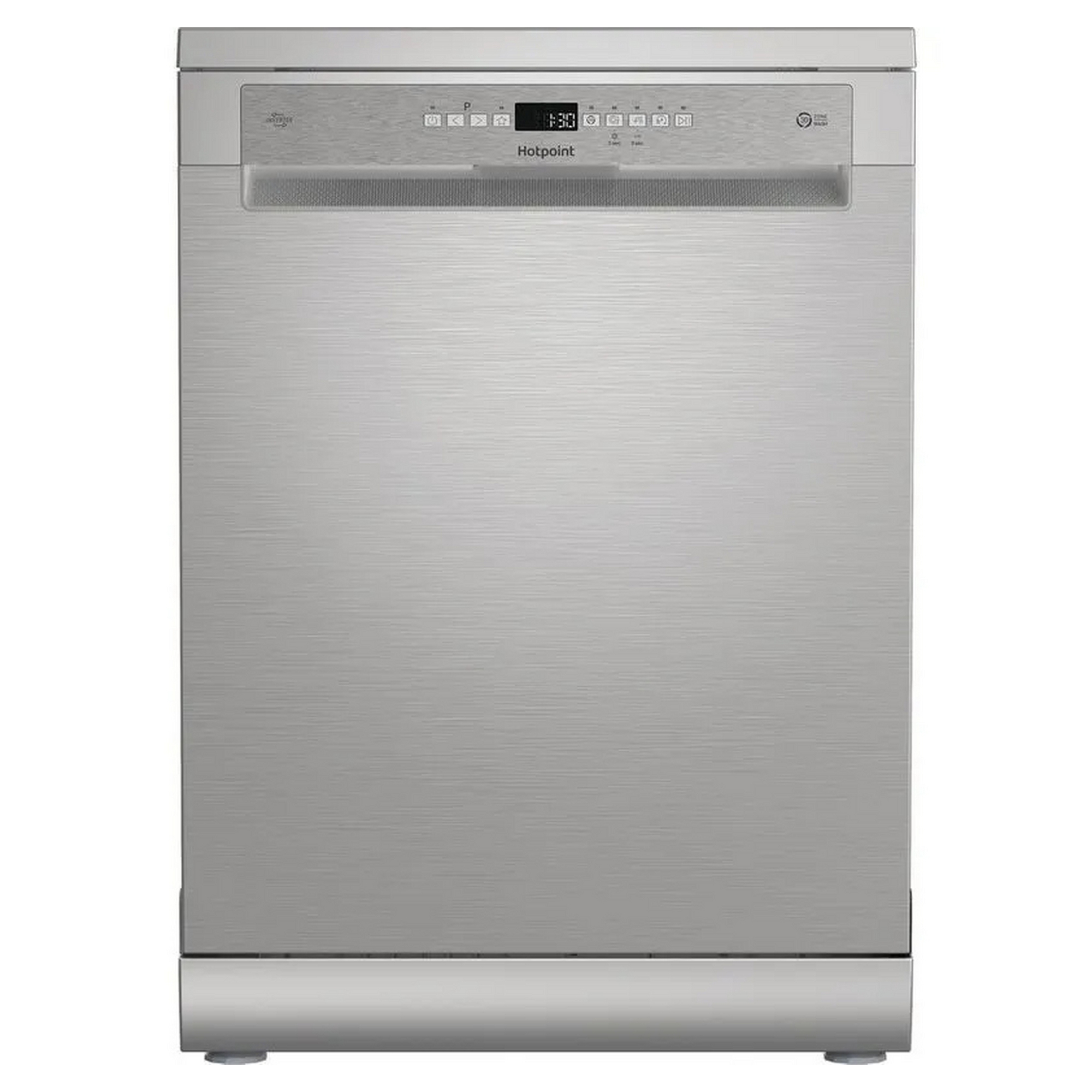
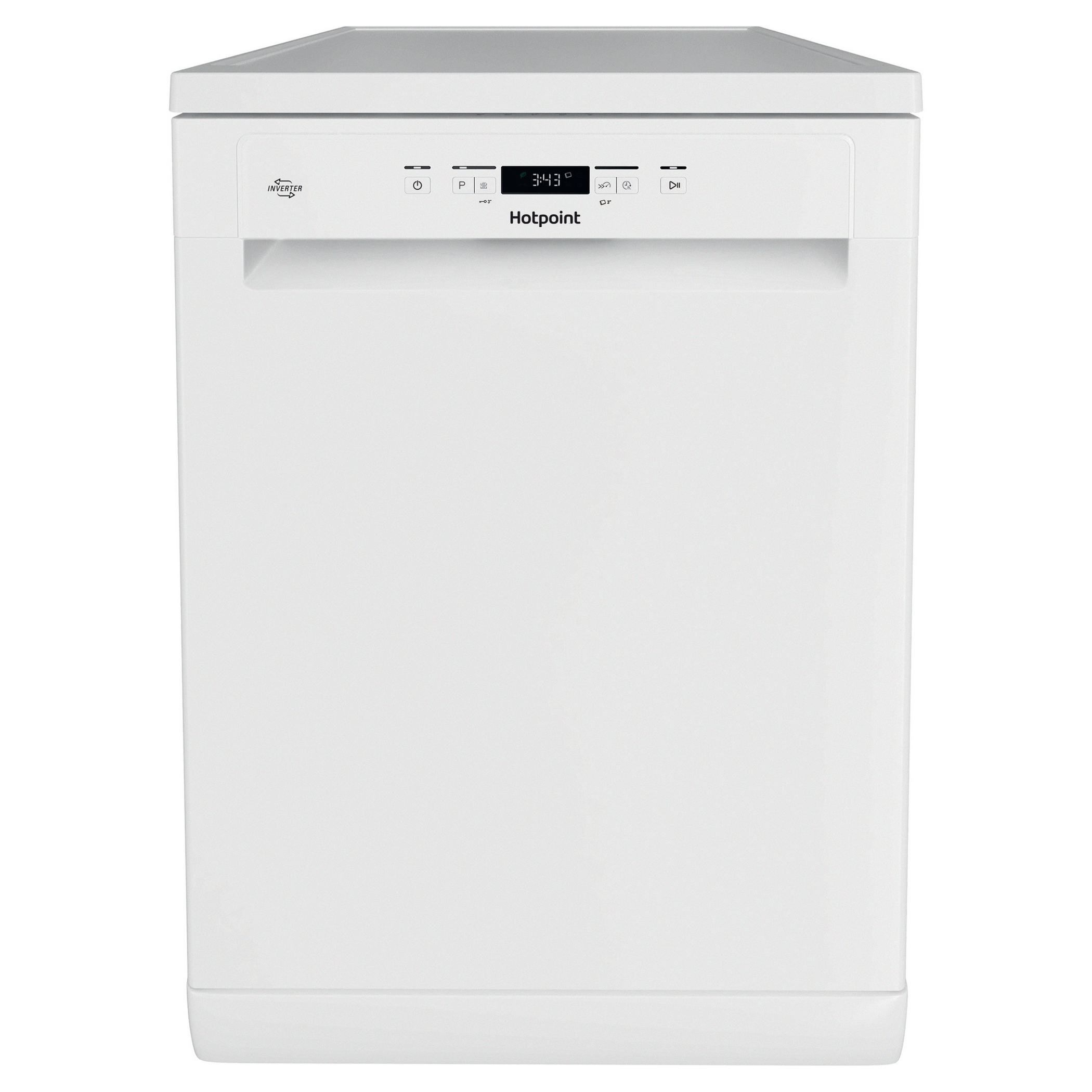
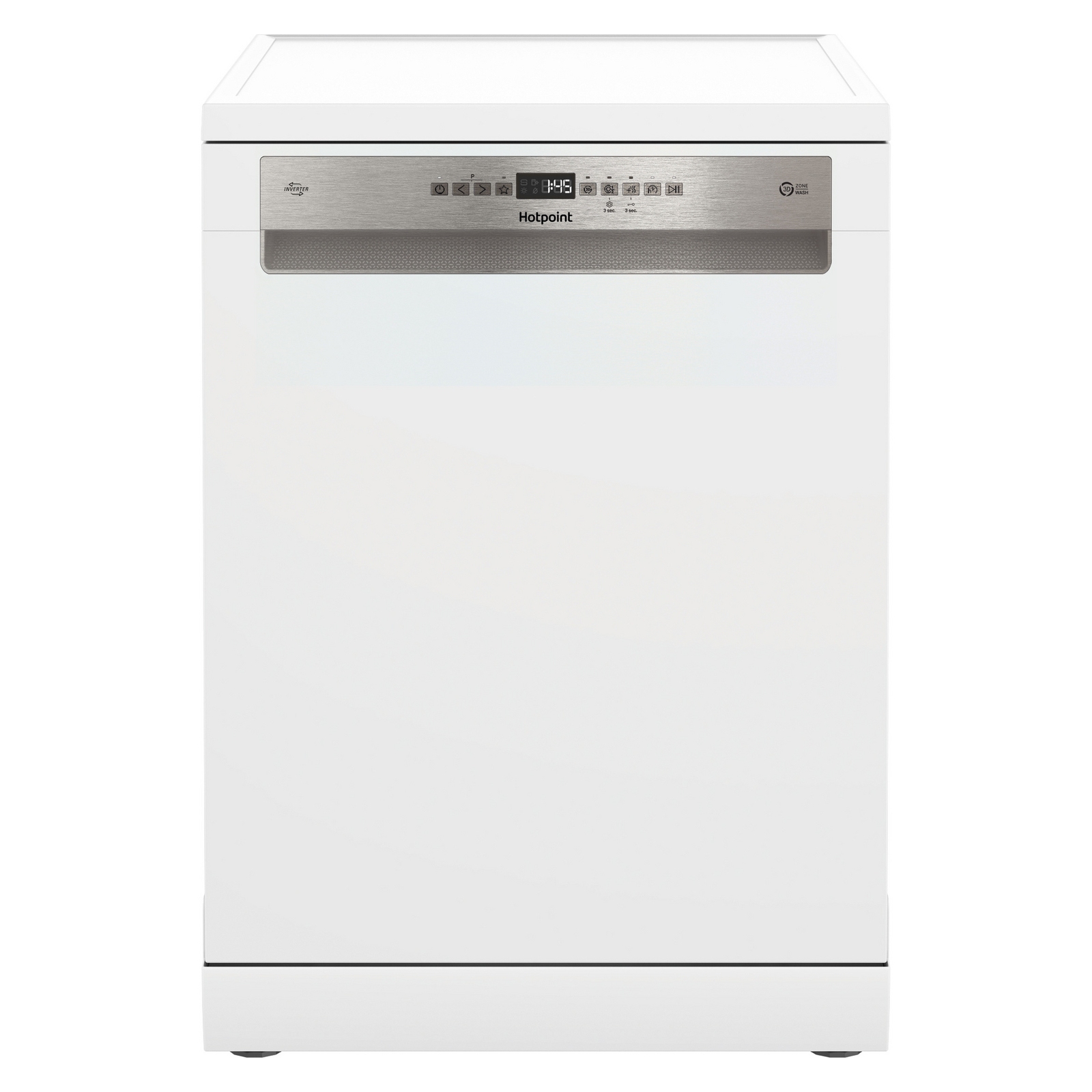
Freestanding dishwashers are simple to install and easy to disconnect and transport if you decide to move home. Available in both 45cm and 60cm width, the whole of the dishwasher front is visible. Freestanding dishwashers come in a wide range of different colours and styles to suit your kitchen and budget.
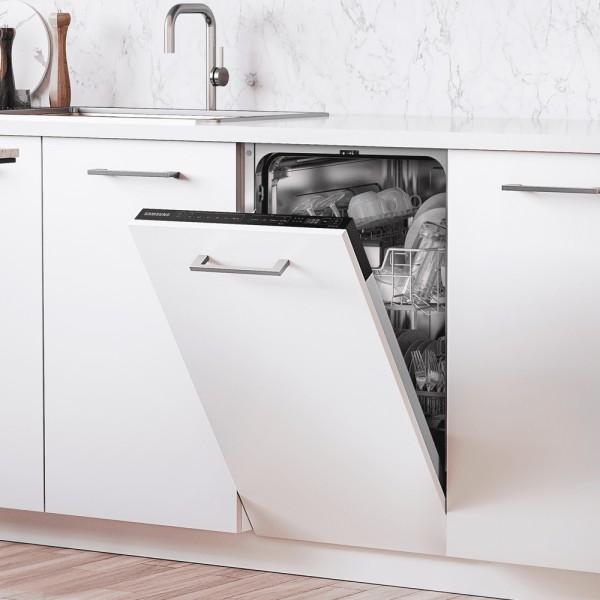
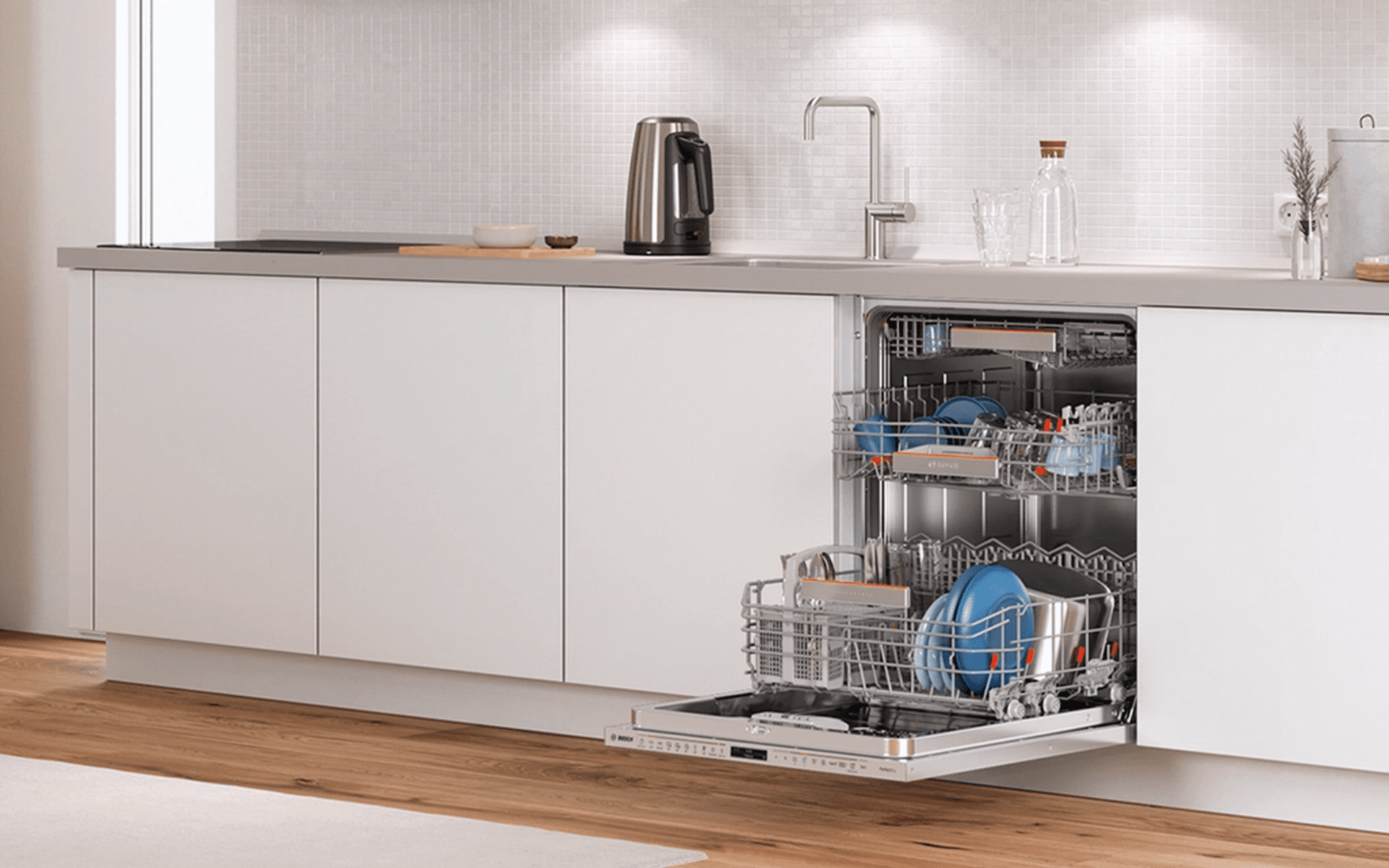
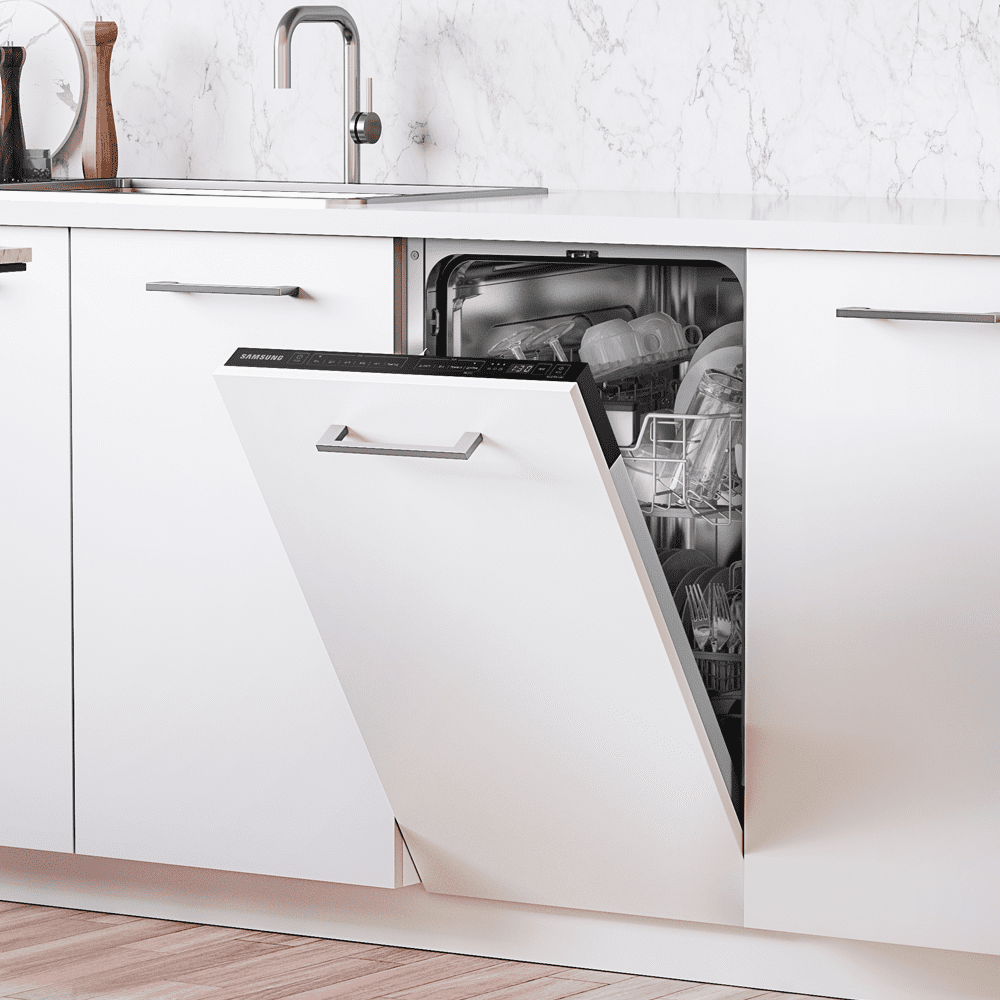
Fully Integrated Dishwashers
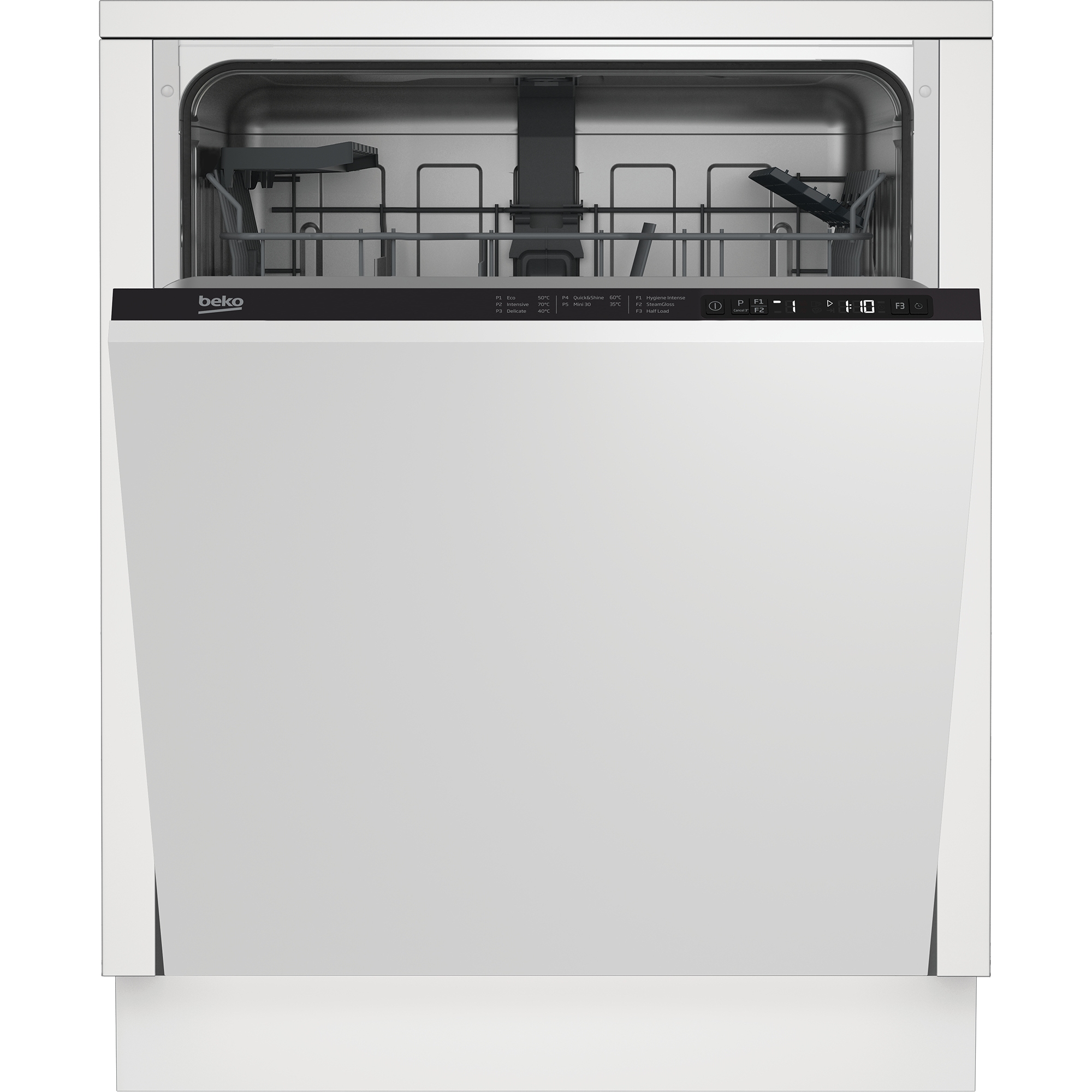
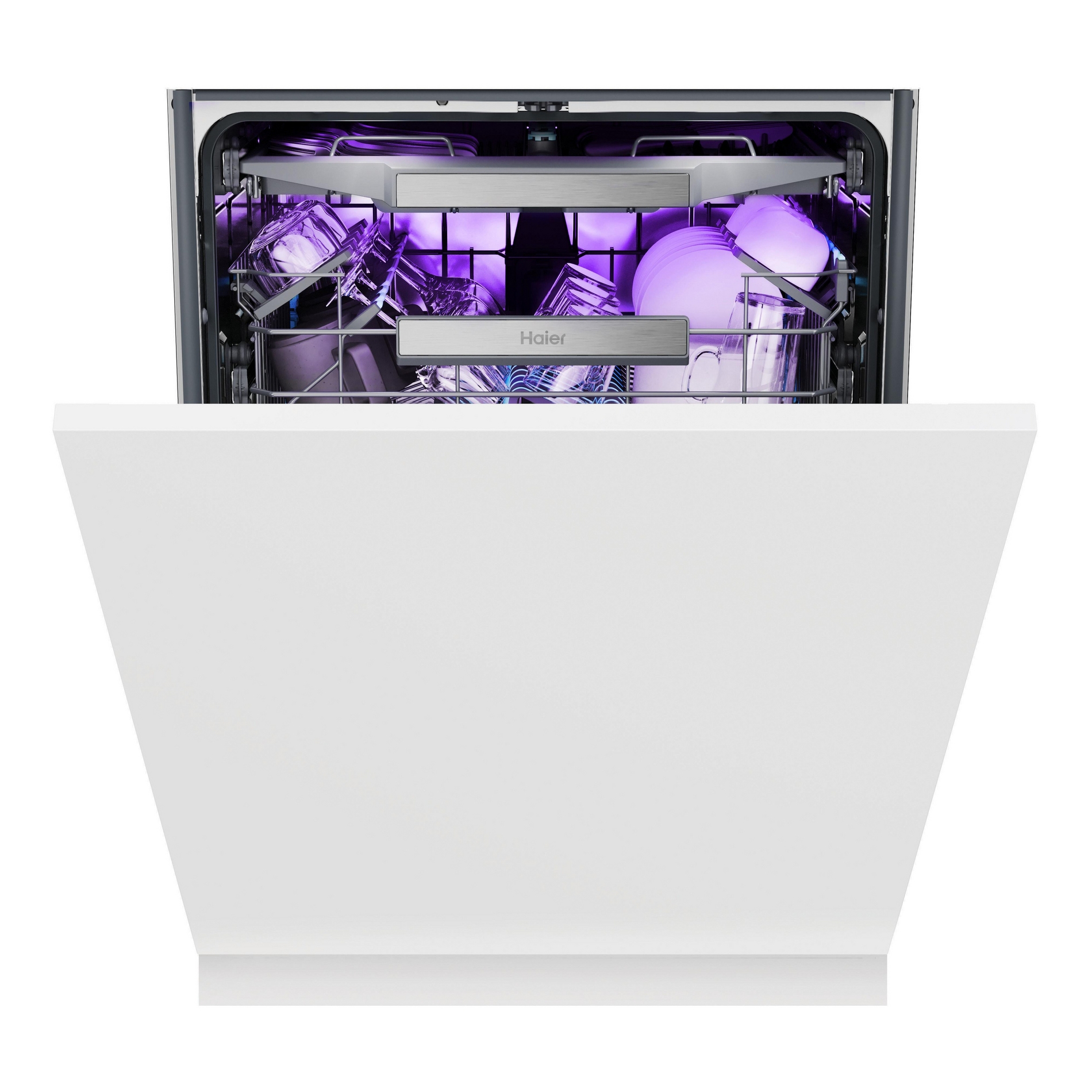
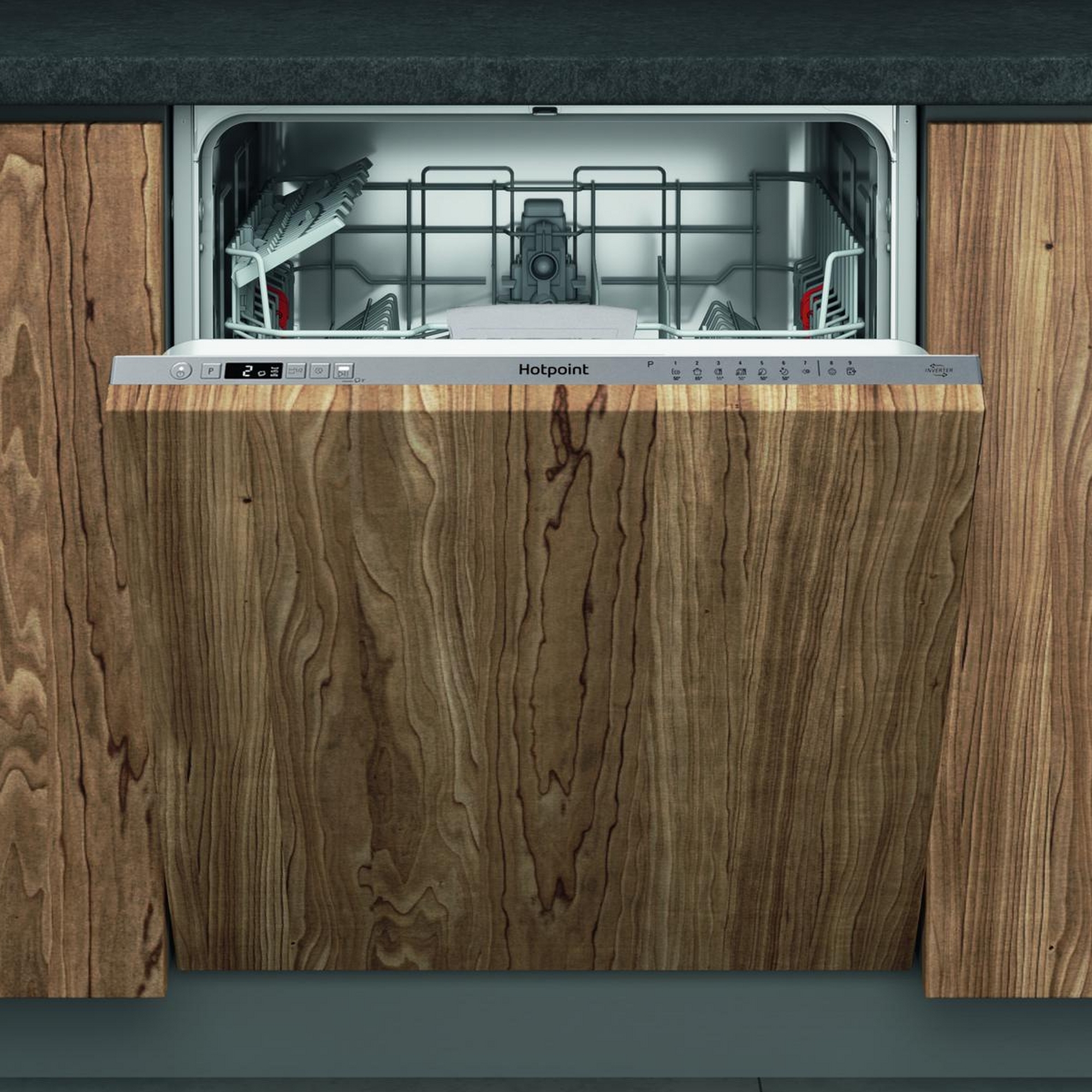
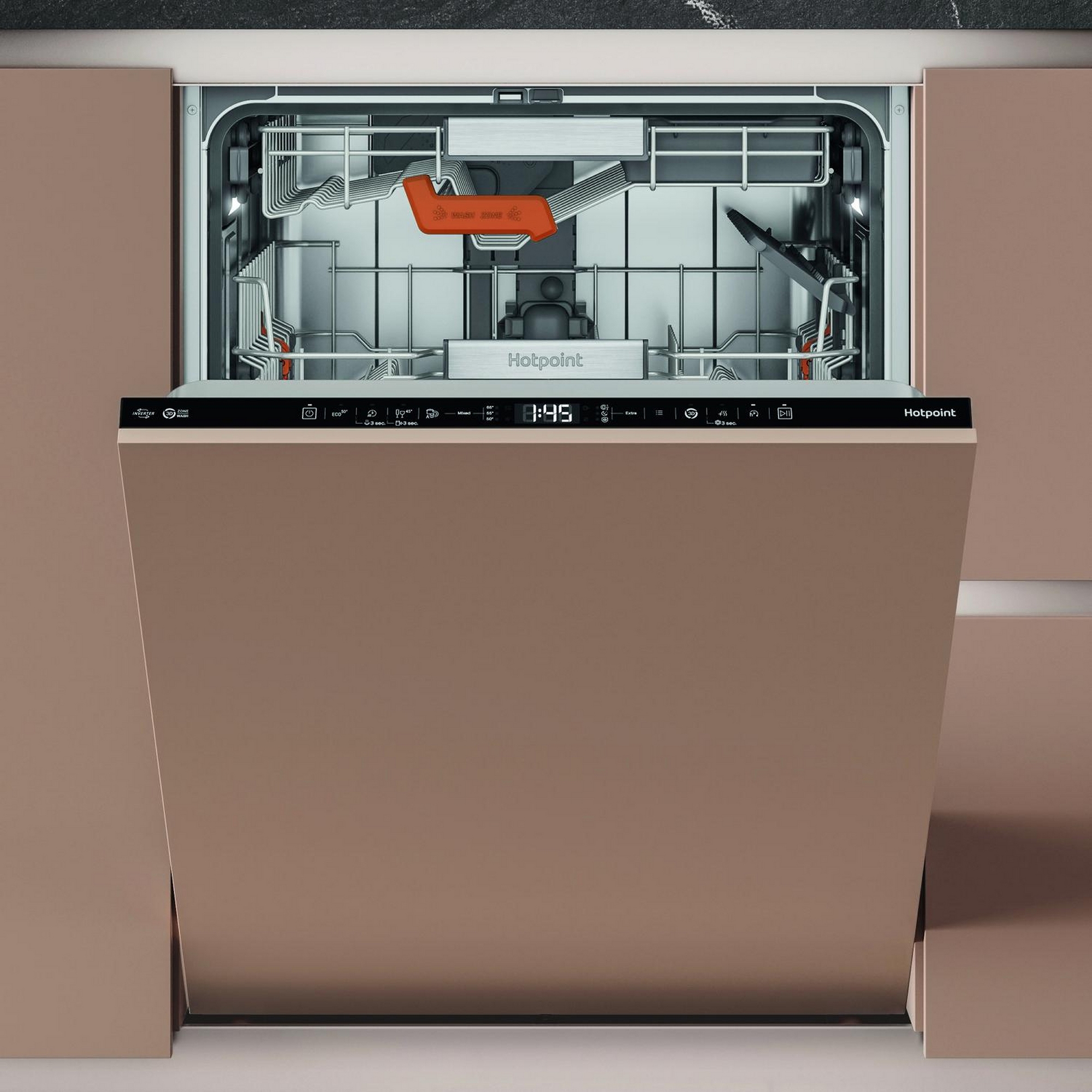
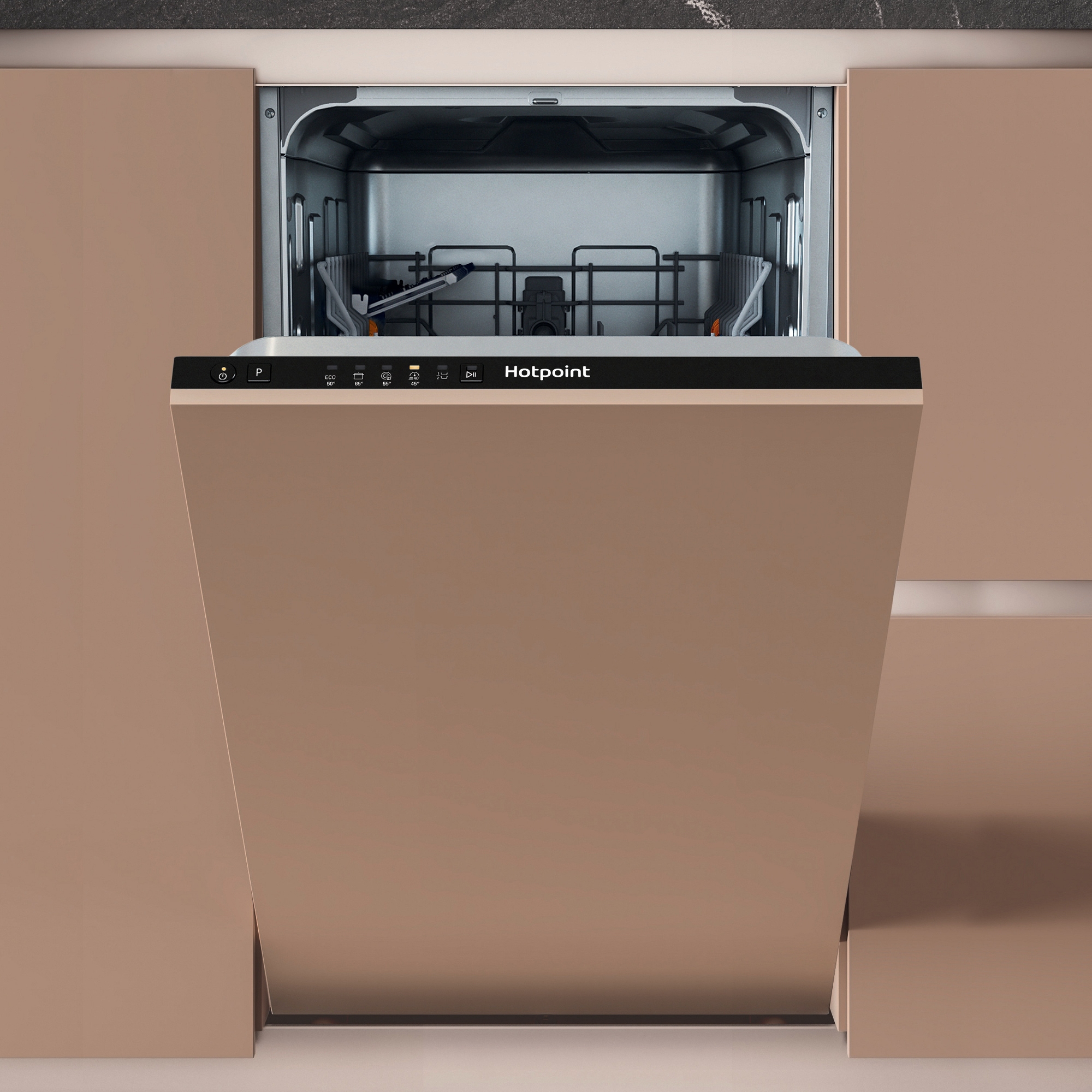
Hidden discretely behind your kitchen cabinetry, fully integrated dishwashers have become increasingly popular in modern kitchens. The controls are clearly displayed on the top edge of the door. Some models even project their cycle status onto the floor so that you can see how long is left on the programme.
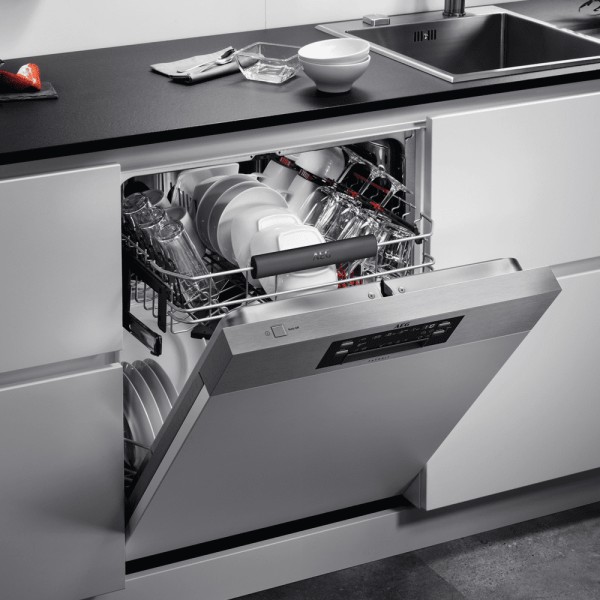
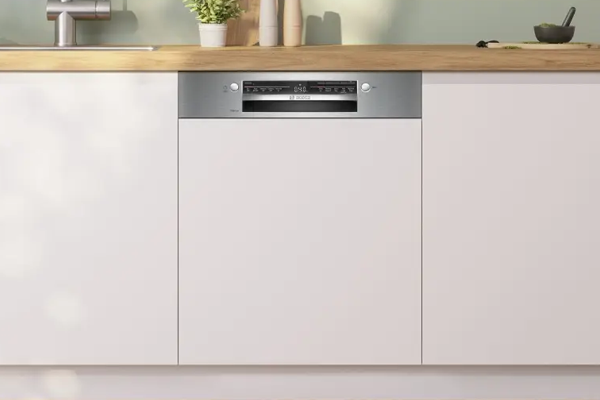
Semi Integrated Dishwashers
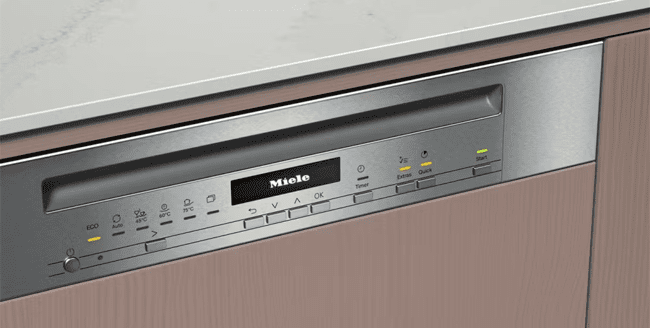
Semi integrated dishwashers require a shorter height furniture door fitting. The shorter height door is fixed on the front and the control panel remains exposed. Enjoy the look of integrated with the benefit of the control panel being visible. These models are usually used to replace like for like rather than in a new kitchen design.
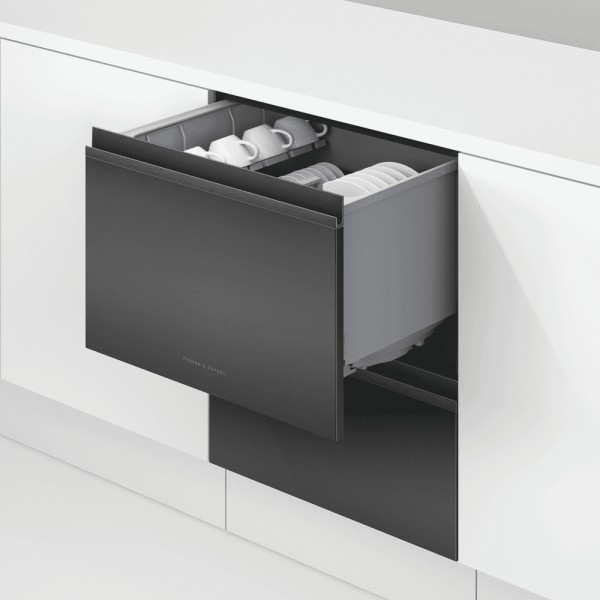
DishDrawers
Fisher & Paykel DishDrawers are an innovative solution for your kitchen. Single drawers are ideal if space is at a premium, whilst double drawers offer maximum flexibility, so you can run two separate cycles at the same time. There are different colours to choose from, plus integrated models that sit neatly behind your cabinetry.

Read Our Dishwasher Guides
Integrated Dishwasher Buying Guide
17th August 2026
by Beckie Littlewood
Quiet Dishwashers: How Noise Ratings Work and What to Look For
30th July 2026
by Beckie Littlewood

How to Load a Dishwasher Correctly
17th February 2026
What are Semi-Integrated Dishwashers?
23rd July 2025
Dishwasher FAQs
23rd July 2025
Dishwashers: Buying Guide
17th June 2024
How Energy Efficient is a Dishwasher?
10th May 2024
Semi-Integrated vs Fully Integrated vs Freestanding Dishwashers
5th November 2019
Semi-Integrated Dishwasher Placement
5th November 2019
How to Install an Integrated Dishwasher
1st November 2019
Integrated Dishwasher Troubleshooting
1st November 2019

Why Buy a Fully Integrated Dishwasher?
1st November 2019

How to Install Your Dishwasher
21st May 2019
How to Maintain Your Dishwasher
21st May 2019
How to Look After Your Dishwasher
21st December 2017
Explore Dishwashers Here







Dishwasher FAQ's
We get lots of interesting questions about dishwashers here at Appliance City, so we have decided to try and answer some of the most common quandaries right here. Check out our dishwashers FAQ’s below.
First, take out the filter and rinse it under warm water while scrubbing away any debris. You should then remove any food particles from the spray arm holes and wipe the door seals and edges with soapy water. To finish, place some dishwasher cleaner into your machine and run an empty cycle on a high temperature setting. This will remove debris, grease and limescale from the interior.
If you want to give your dishwasher a deeper clean, follow the steps in our Dishwasher Maintenance Guide.
There are five steps to installing a dishwasher, which we have outlined as simply as possible below. Please be aware, a qualified plumber is often required.
- The first important step is to turn off the water and power supply.
- Then you should connect the water inlet hose to the cold water tap under your sink.
- Once the water inlet hose is connected, then attach the drain hose to your sink drain or waste pipe.
- Plug in the power cord to the closest appropriate socket.
- Once fully connected, place your dishwasher into its desired end position. While doing so, make sure your dishwasher remains level and the hoses aren’t kinked or tangled.
Your dishwasher is now ready to use!
Important note: Always check the manufacturer’s installation guide for model specific steps.
You should place dishwasher salt in the softener unit of your dishwasher, which is often located under the lower rack. Simply pour your salt into the compartment until it is full and close it up.
The length of a dishwasher cycle does depend on your model, but a standard cycle is typically between 1.5 and 2.5 hours. Eco modes on some modern dishwashers may take longer to save energy, while quick wash cycles can finish in as little as 30 or 60 minutes if you’re in a rush to get things clean.
Loading a dishwasher can cause many domestic disputes! It often comes down to personal preferences, but we recommend that you place large plates and pans on the bottom rack, cups and bowls on the top rack facing downwards and cutlery in the provided basket. Always try to avoid overcrowding so that water can reach every item and clean efficiently.
Dishwasher salt is important for long term dishwasher health as it softens the water by removing minerals that may build up over time like calcium and magnesium. Adding salt to your dishwasher will prevent limescale build up, improve dishwasher detergent performance and remove all debris from dishes.
If you’re having trouble with your dishwasher drainage, you should remove and clean the filter, then check the outlet drainage hose for any blockages, kinks or tangles. If necessary, remove standing water in the bottom of your dishwasher manually, then run a quick wash cycle to see if all is resolved.
Dishwasher blockages can crop up from time to time, but removing the blockage is usually fairly simple. First, remove and clean the filter and spray arms. Then check the drain hose for any blockages or bends. If it’s still not draining, you can pour a mixture of baking soda and vinegar into the drainage system, leave it for 15 minutes and run a hot cycle to flush it through. If this doesn’t do the trick, consider professional plumbing assistance.
The standard dishwasher width is 60cm, the same as the standard kitchen niche. Fisher & Paykel DishDrawers™are also 60cm wide, meaning they should comfortably fit into the same place you would put a dishwasher in your kitchen. Before making your purchase, you should check if there is enough space between your kitchen floor and the bottom of your countertops. Fisher & Paykel DishDrawers™ vary in height and may not fit underneath your worktops if they are too tall.