Compare (0 of 4)

Offers & Discounts
Services
Energy Rating

Microwave: Buying Guide

A microwave oven is a popular kitchen appliance. Their popularity is due to their convenience and speed, which are unparalleled by any other appliance. But don’t get rid of your conventional oven just yet! Microwaves can work alongside ovens to give you more cooking options and abilities. In this guide, we look at different types of microwaves to help you determine the best fit for your home. We will also discuss microwave size requirements and modern features to keep an eye out for.

by Appliance City

How Do Microwave Ovens Work?

Before jumping into the types of microwaves, let’s first cover how microwaves work.

Microwave ovens use electromagnetic radiation to heat up their contents. Inside the oven, they’ll emit electromagnetic radiation called microwaves.

  • Did you know? Microwaves are also used in communications, radar and for other industrial uses.

Your microwave oven will spin the food around whilst zapping it with microwaves. These waves are then absorbed by the food. Microwave ovens, unlike conventional ovens, don’t heat the internal elements. The microwaves are only absorbed by the food!

But how are these microwaves released? It’s important to know that microwaves do not have radioactive material inside of them. Instead, they have a component called a ‘magnetron’. Using a heated filament, this component agitates electrons. This agitation generates and releases microwaves.

Type Of Microwaves

1. Standard Microwaves

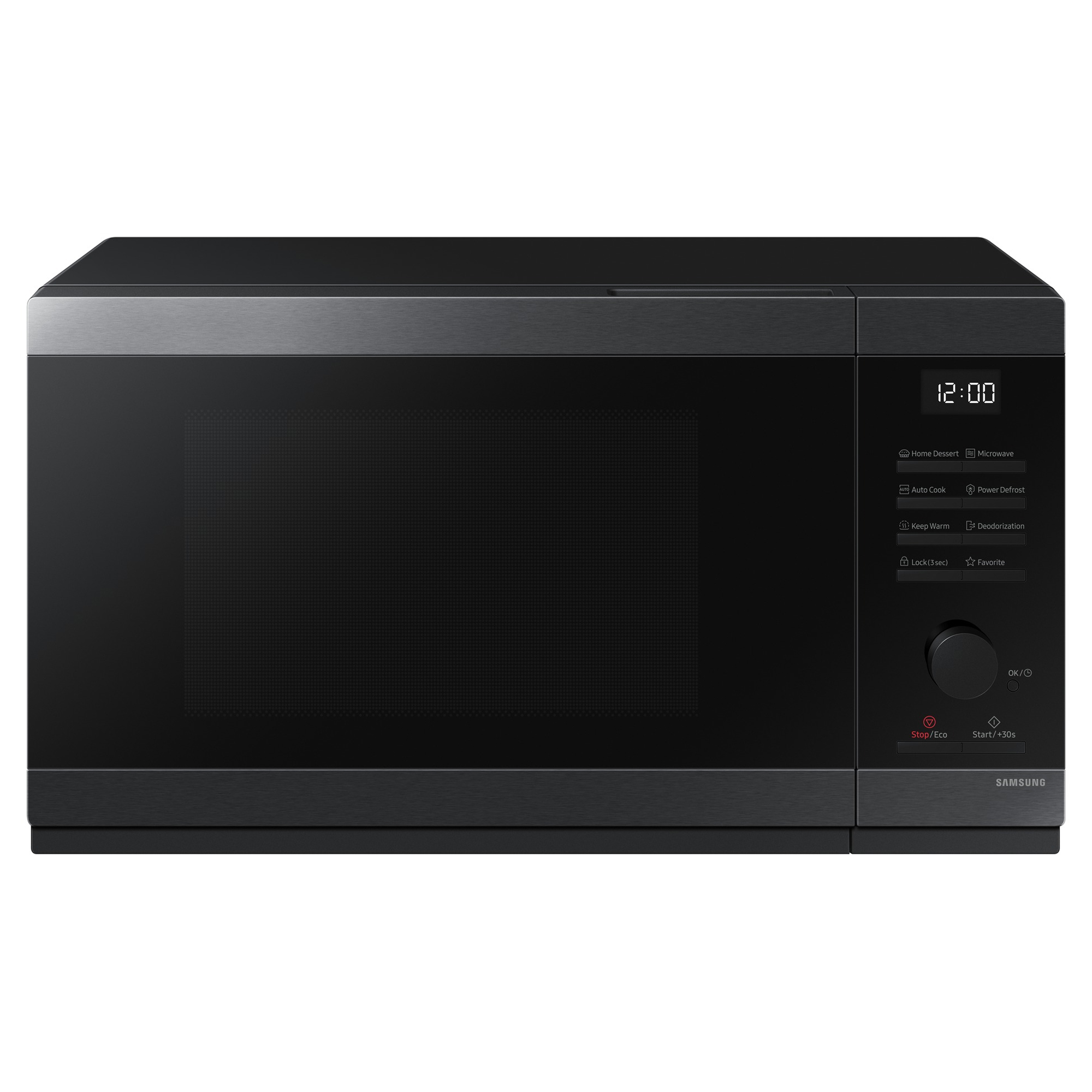
A standard microwave oven is the most common microwave that you will find. These simple and easy to use microwaves are found in households and workplaces alike. They’re generally used for simple tasks, such as heating up food or cooking ready meals.

Standard microwaves are also the least expensive type of microwave. Although simple, they often will come with a few extra features. You can expect them to have a defrost feature at the very least, and varying control over the power you can cook at.

2. Microwaves with Grills

These are as straightforward as it sounds; microwave ovens that also contain a grill. Microwaves with grills work like a standard microwave, but can also brown and crisp your food. You could actually roast a chicken in one! Although, we’d still recommend a conventional oven if you have one.

This capability adds another dimension of texture and flavour that standard microwaves can’t offer. Because of this, they come at a slightly higher price. However, they often come with extra features. In our opinion, they open up new possibilities of microwave cooking that’s worth the extra money.

3. Combination Microwaves

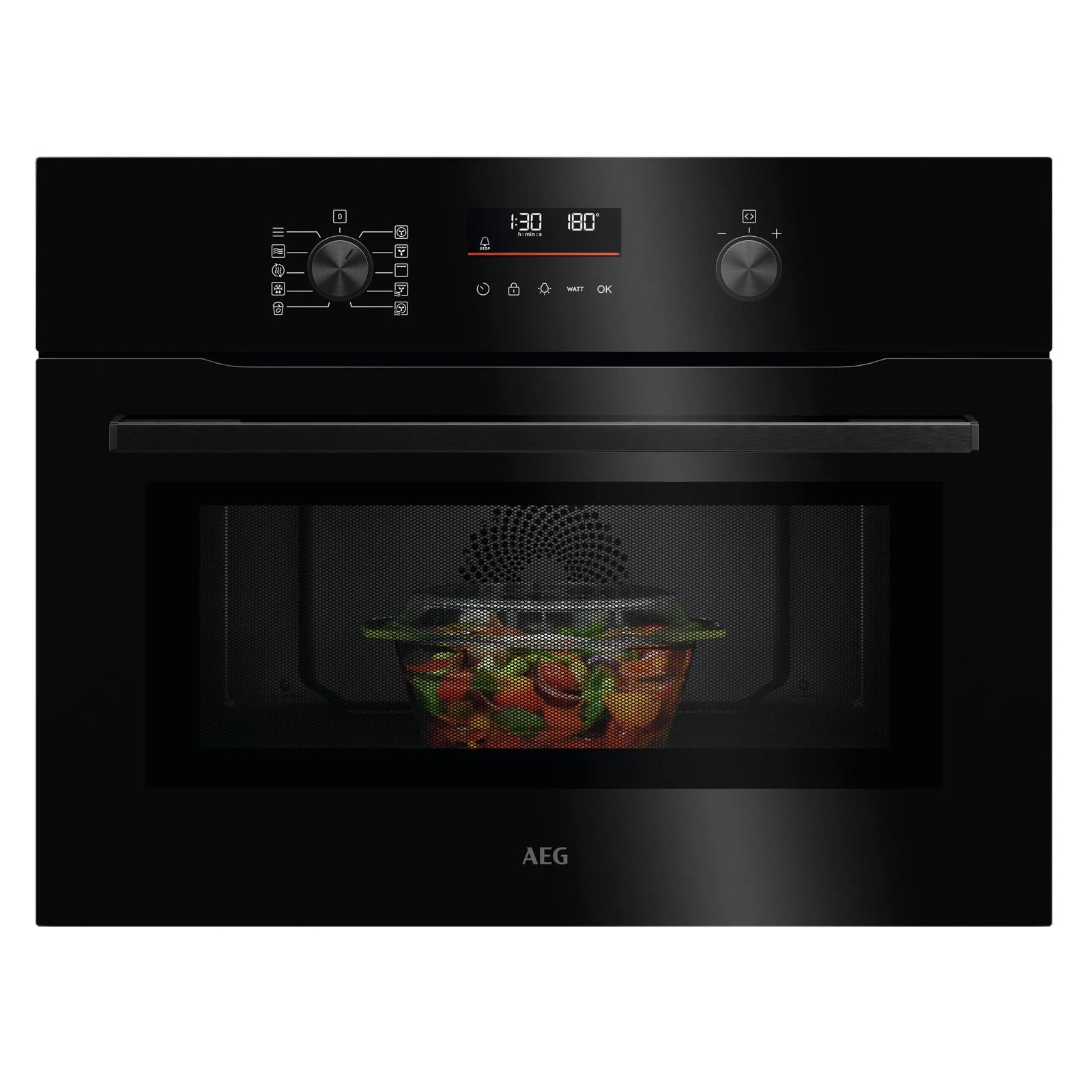
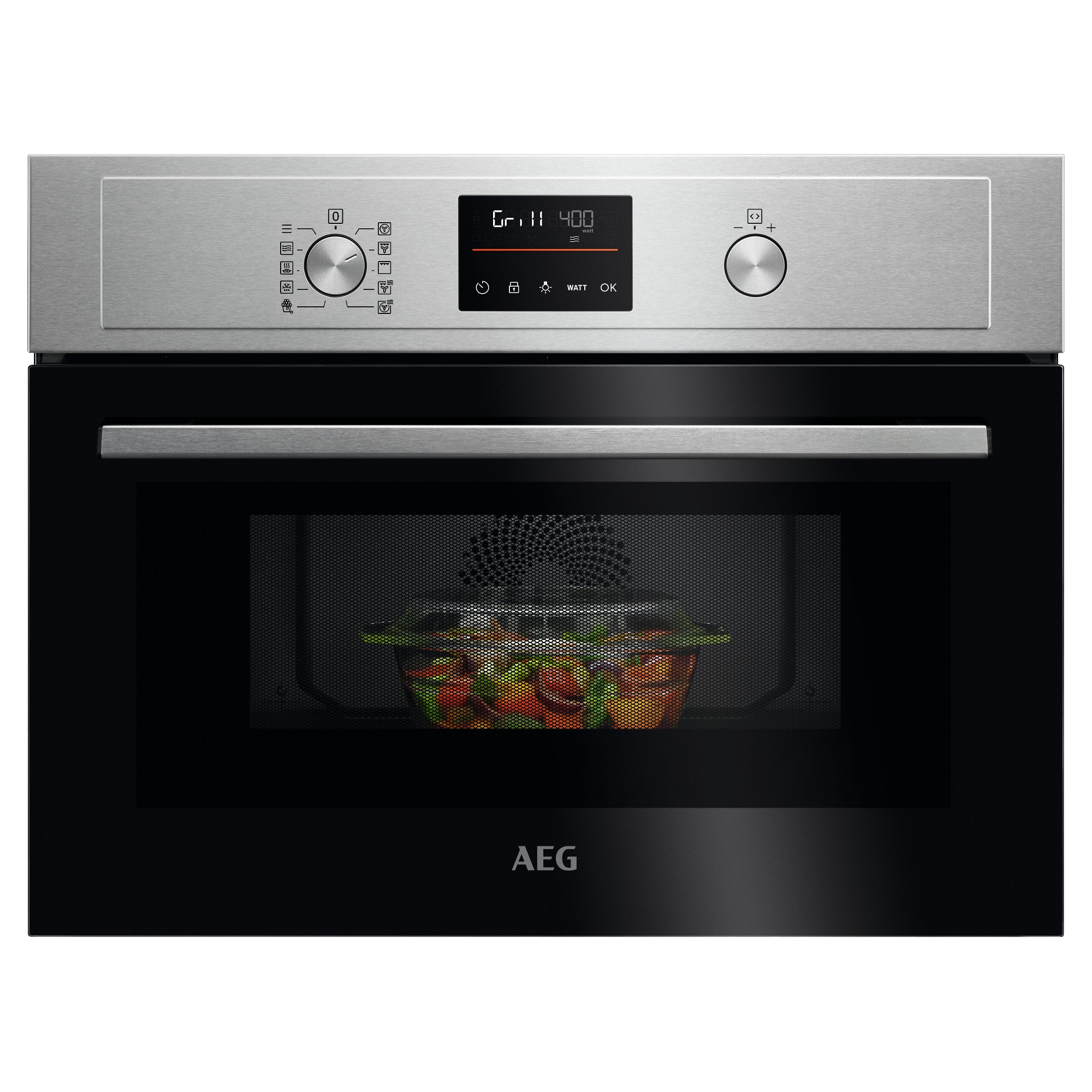
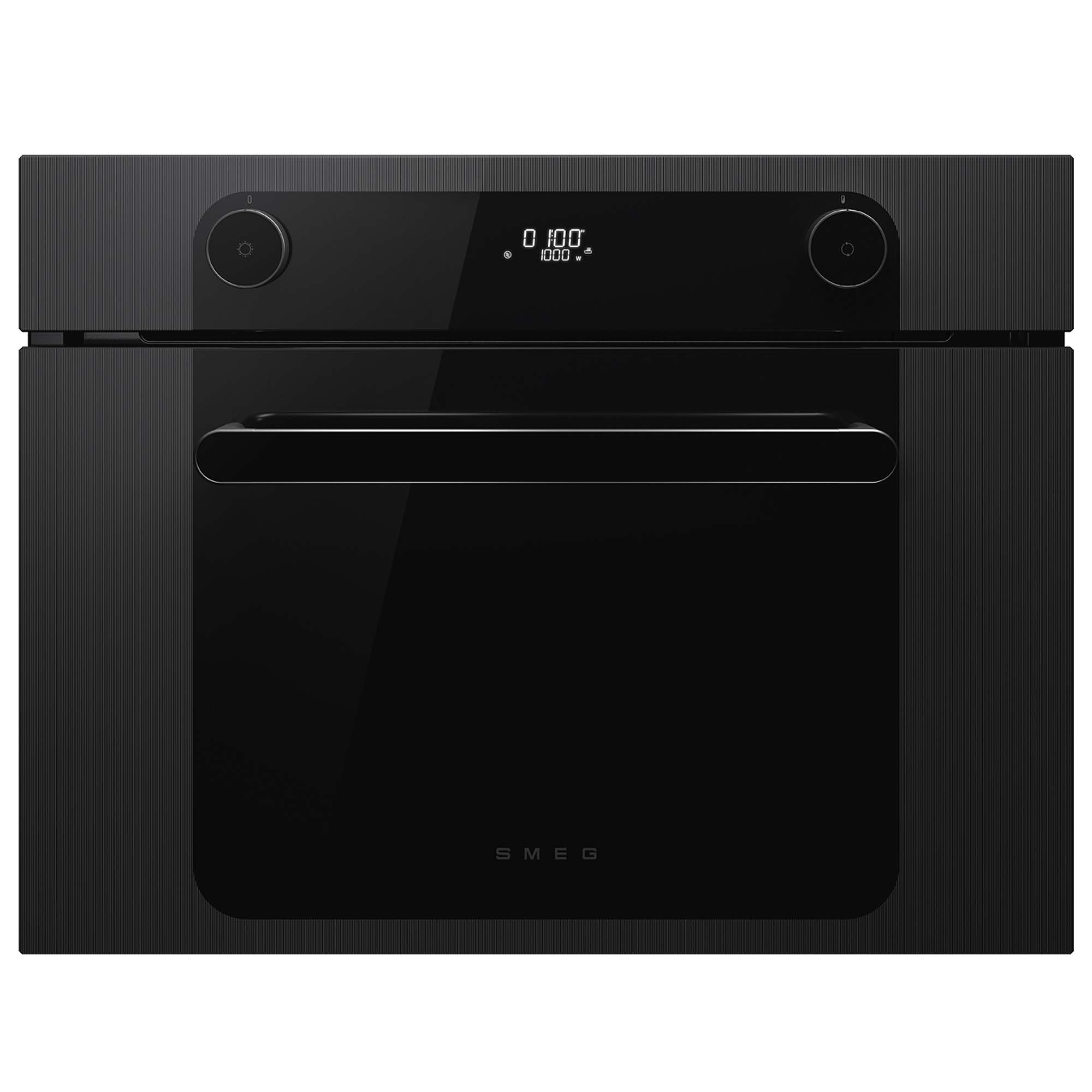
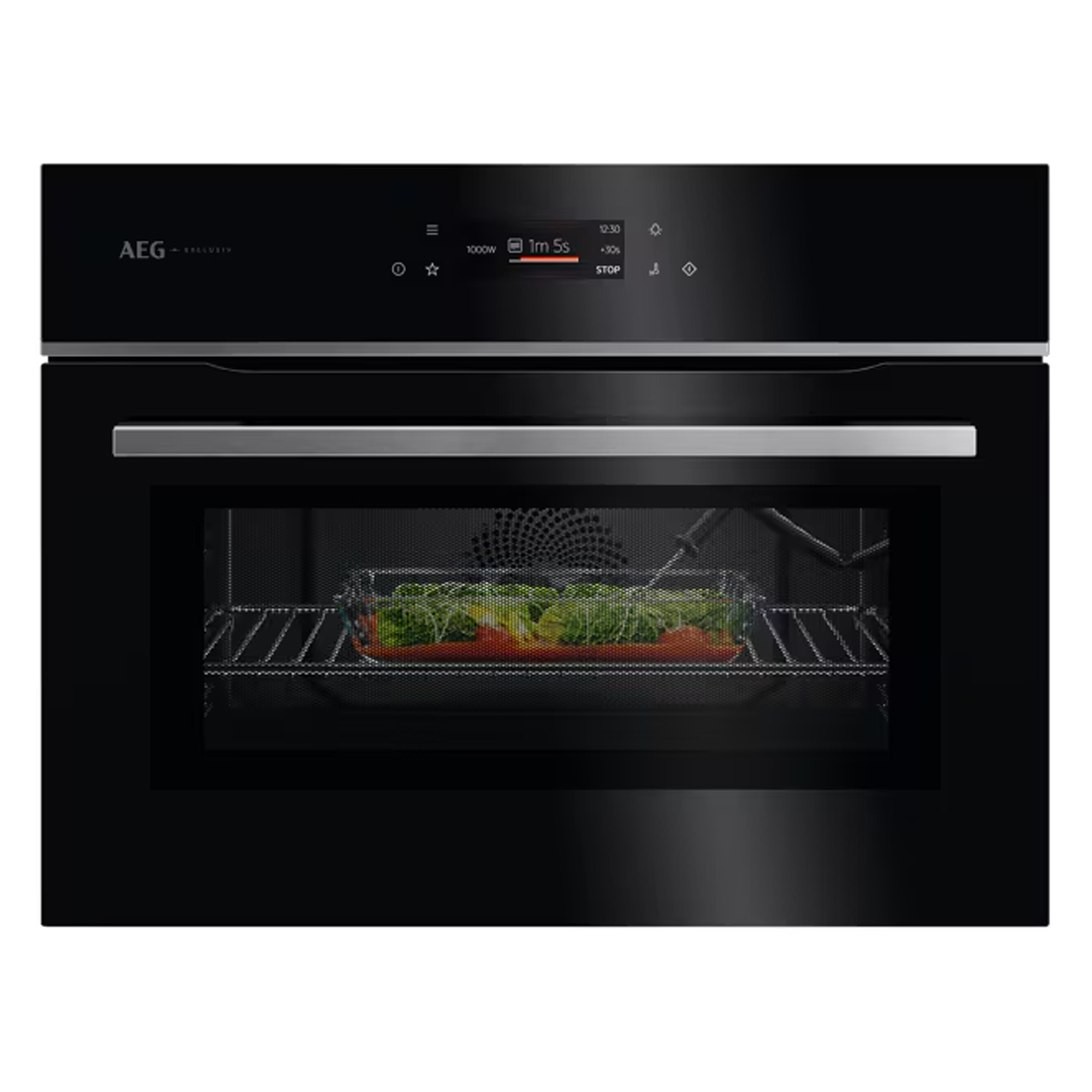
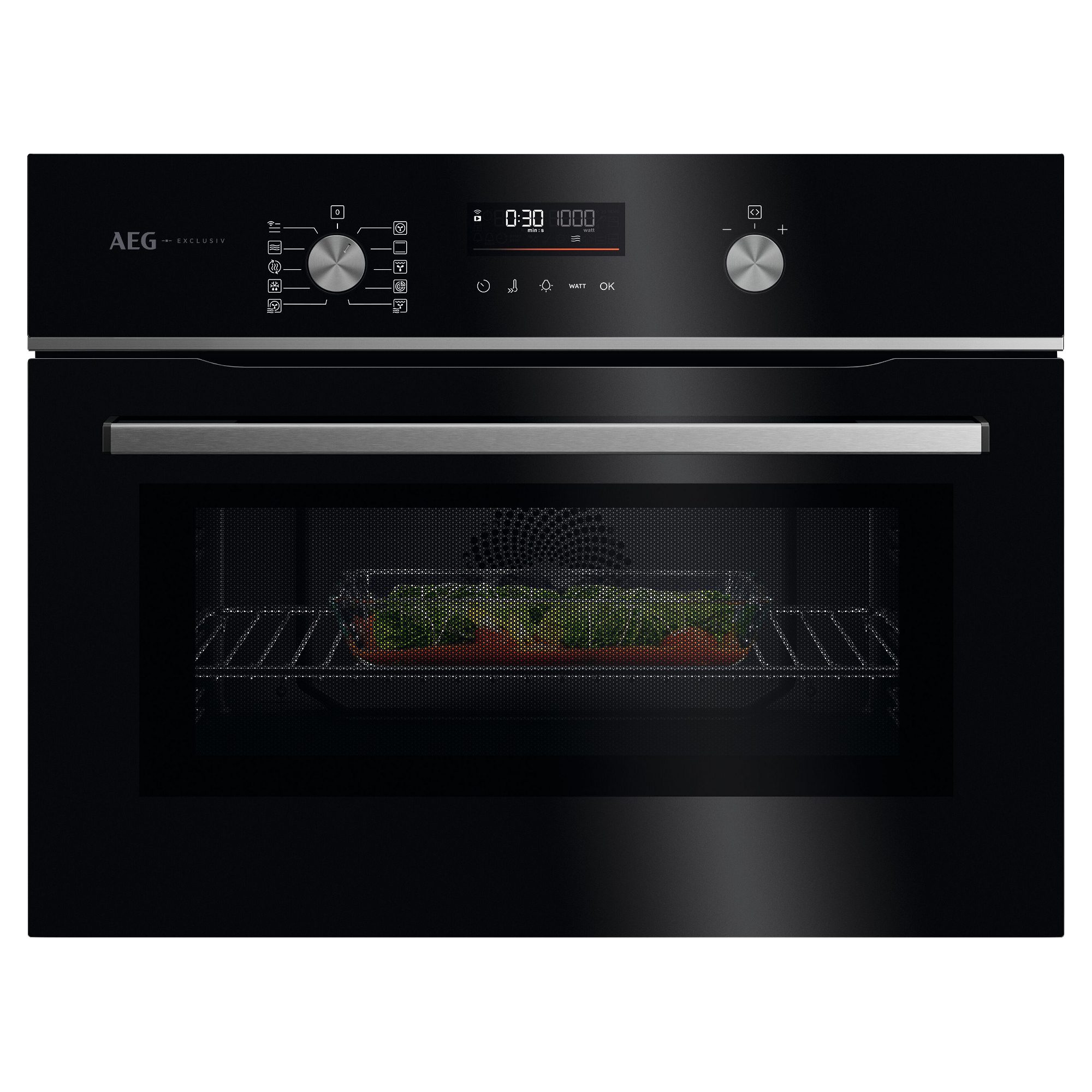
A combination microwave is a jack of all trades. They normally have at least three different functions. This includes the functions of a standard microwave oven, a microwave grill and a convection heat function. Some will even come with a steam oven setting!

Combination microwaves naturally occupy the priciest end of the microwave range. But with their jam-packed features, it’s a more than worthy investment. Especially if you make the most out of their features!
Microwave Oven Installation

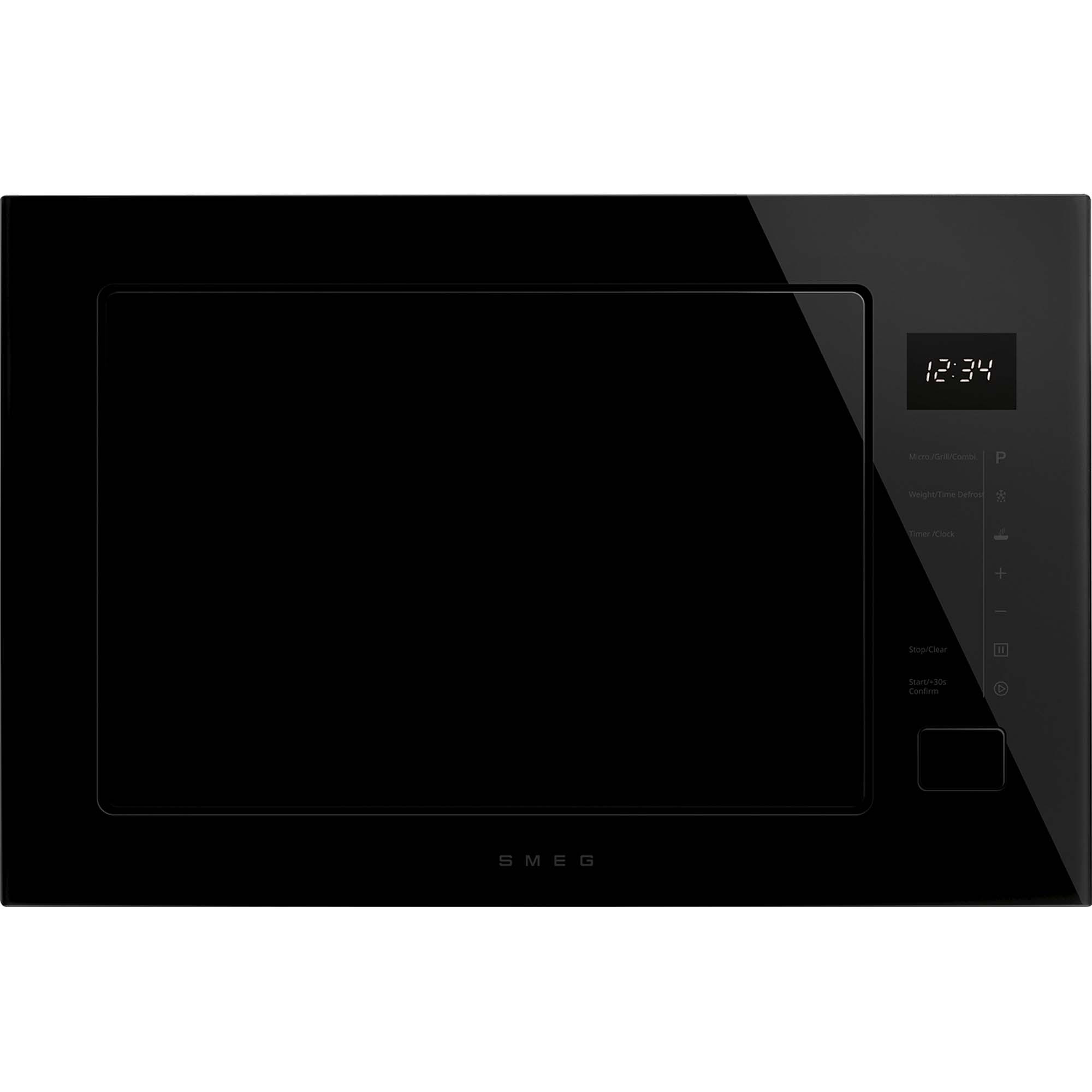
1. Built In

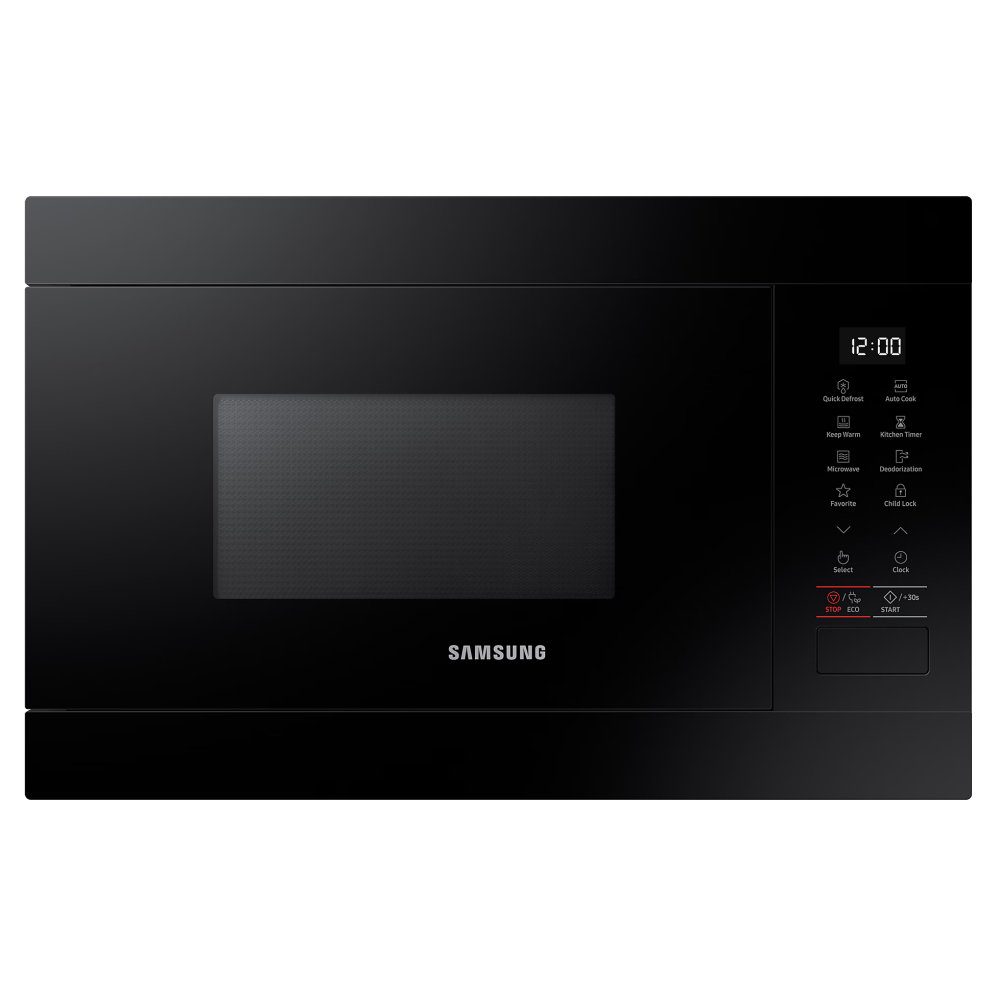
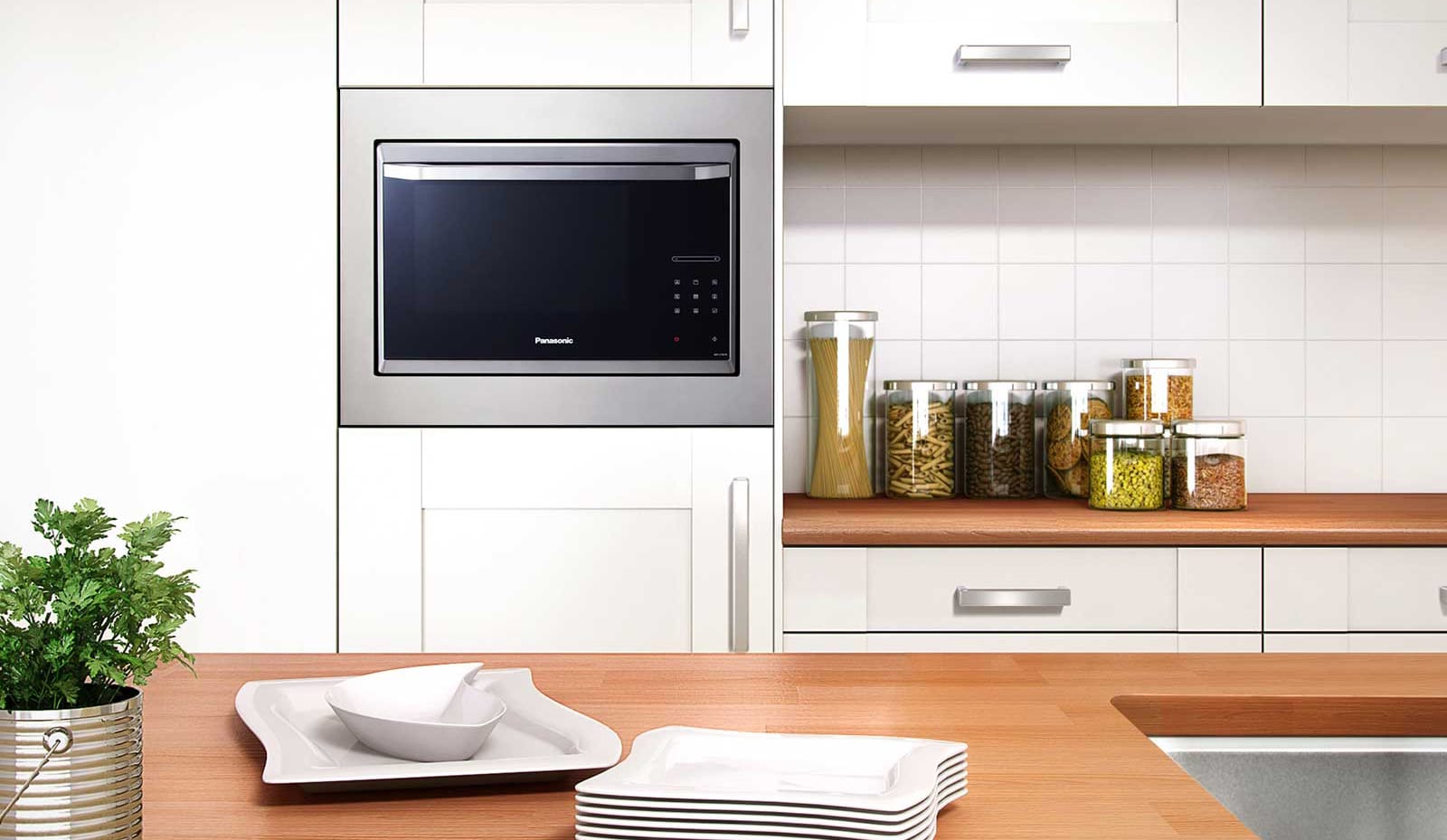
A built in microwave is built into your cabinetry. This style gives a clean and sleek appearance to your space, whilst saving countertop space.

2. Freestanding

A freestanding, or countertop, microwave can be moved around your kitchen. This gives you the freedom to rearrange your counter space as you need.

What Size Microwave Do I Need?

Microwaves come in a range of sizes. The size you need will vary depending on your available space and your household needs. You will need to consider both the internal capacity and the exterior dimensions when buying a microwave.

Capacity

Microwave capacity is measured in litres. Capacity will usually range from 15L to over 32L for standard microwaves. However, capacity is often higher for combi microwaves, with capacities of over 45L available.

To fit a standard sized plate, you’ll need a capacity of at least 20-25L. However, we’d recommend a capacity of over 26L for a family. This will give you a larger turntable size, and additional height.

Dimensions

If you’re buying a built-in microwave oven, or a wall microwave, the microwave dimensions will be of importance. You’ll need them to fit on your microwave shelf or wherever your integrated microwave is set to go. Remember to also consider any required ventilation space.

If you’re buying a freestanding microwave, the dimensions are less important. However, you do need to consider how much countertop space you are willing to use.

What Microwave Features Should I Know About?

Child Lock

Prevents use of or access to children.

Auto-Cook Programmes

Pre-set cooking programmes for one-touch cooking control.

Auto Weight Cook

Figures out the cooking time required based on weight.

Two-Level Cooking

Ability to cook two dishes at once

Radiant Grill

Good for grilling thicker cuts of meat. Otherwise known as infrared grill.

Defrost Rack

Allows for defrosting from below as well as above.

Chaos Defrost

Reduces defrost times even further.

Energy Rating

Microwaves don’t currently have an energy rating grade. However, if you’re looking for an energy efficient model, you can look at how much power a microwave uses. Microwave power is measured in watts, with a typical microwave using between 700-1,200 watts.

The lower the wattage the less energy your microwave uses per hour. However, the lower the wattage, the longer your food takes to heat. On the other hand, a microwave that uses more watts will usually be faster and cook food more evenly. With this in mind, we would recommend a microwave between 1,000-1,200 watts for better energy efficiency.

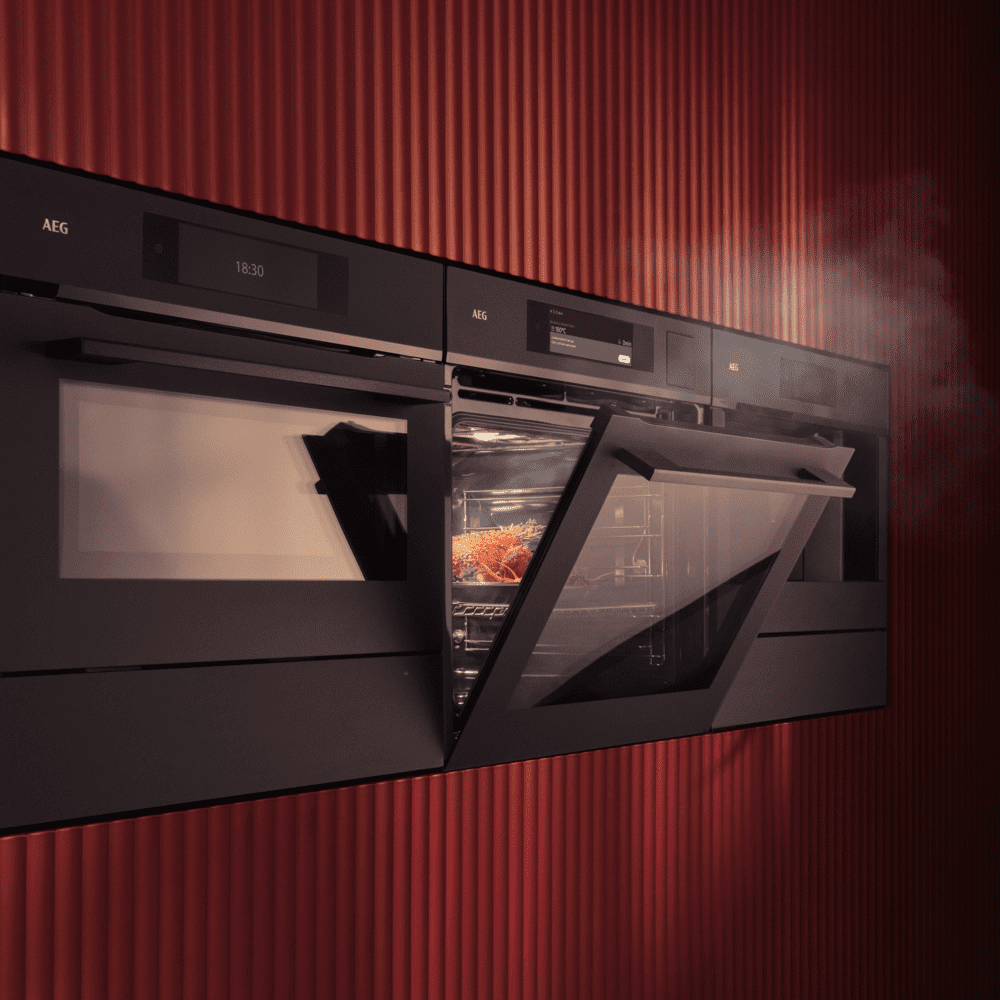
Close up of a bank of AEG built in cooking appliances including a conventional oven, microwave and steam oven

Warranty

It’s a good idea to check warranty coverage when buying a new microwave. Even the best microwaves can encounter issues, which a warranty protection will often cover. A typical warranty for microwaves span 1-2 years, however certain models include extended standard warranties. You may also be able to extend your standard warranty at an additional cost.

FAQs

If your old microwave is still in good condition, without any damage, it is unlikely to be dangerous. However, if you notice any problems such as smoke, sparks, or burning smells, you should stop using your microwave immediately. It is likely that you’ll need to replace an old microwave with these problems.

No, microwaves are not bad for you. There is no evidence to suggest that using your microwave or eating food cooked in it is harmful. However, if you have a pacemaker, it is advised to stand 6 inches away from a working microwave.

Microwaves can kill bacteria, however there are some bacteria such as E.coli and Salmonella that often survive. Therefore, you should not rely on your microwave killing bacteria, even if it is sometimes possible.

Product Deals by Category