July 24, 2026
Washing Machine Features
Laundry appliances have changed dramatically over the past decade. What used to be a straightforward process (load clothes, add detergent, press start) has evolved into something far more intelligent and responsive. Today’s machines are designed to adapt to your clothes, reduce waste, and simplify everyday life, all while delivering better cleaning results. This shift is driven by a combination of smart technology, improved engineering, and a better understanding of how fabrics behave over time. Leading brands such as Miele, Samsung, AEG, Bosch, ASKO, and LG all contribute to this evolution, each bringing their own approach to laundry today.
Smarter Control
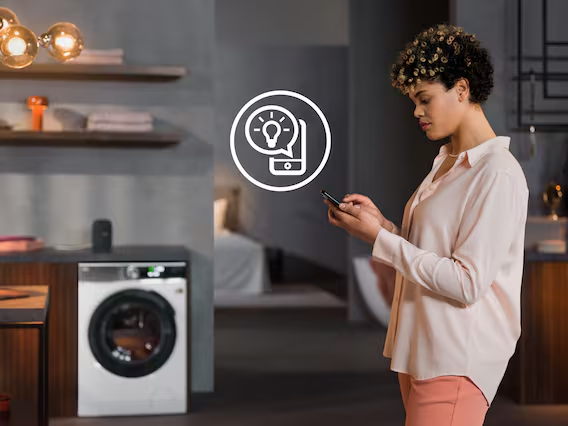
Smart connectivity has become one of the most noticeable upgrades in washing machines. At its simplest, it allows you to control your appliance from your phone, but in practice, it goes much further than that.
You can start or pause a cycle remotely, check how long is left, and receive notifications when your laundry is finished. This is particularly useful if you want your washing to finish at a specific time, rather than sitting damp in the drum for hours. Some machines also allow you to download additional programmes or receive software updates, helping you improve the appliance over time without trading in.
More advanced systems go beyond control and move into guidance and automation. For example, some apps can suggest the best wash cycle based on the type of clothes you’re washing, or even based on previous usage patterns. Others provide maintenance alerts, helping you keep the machine running efficiently by reminding you to clean filters or run drum clean cycles.
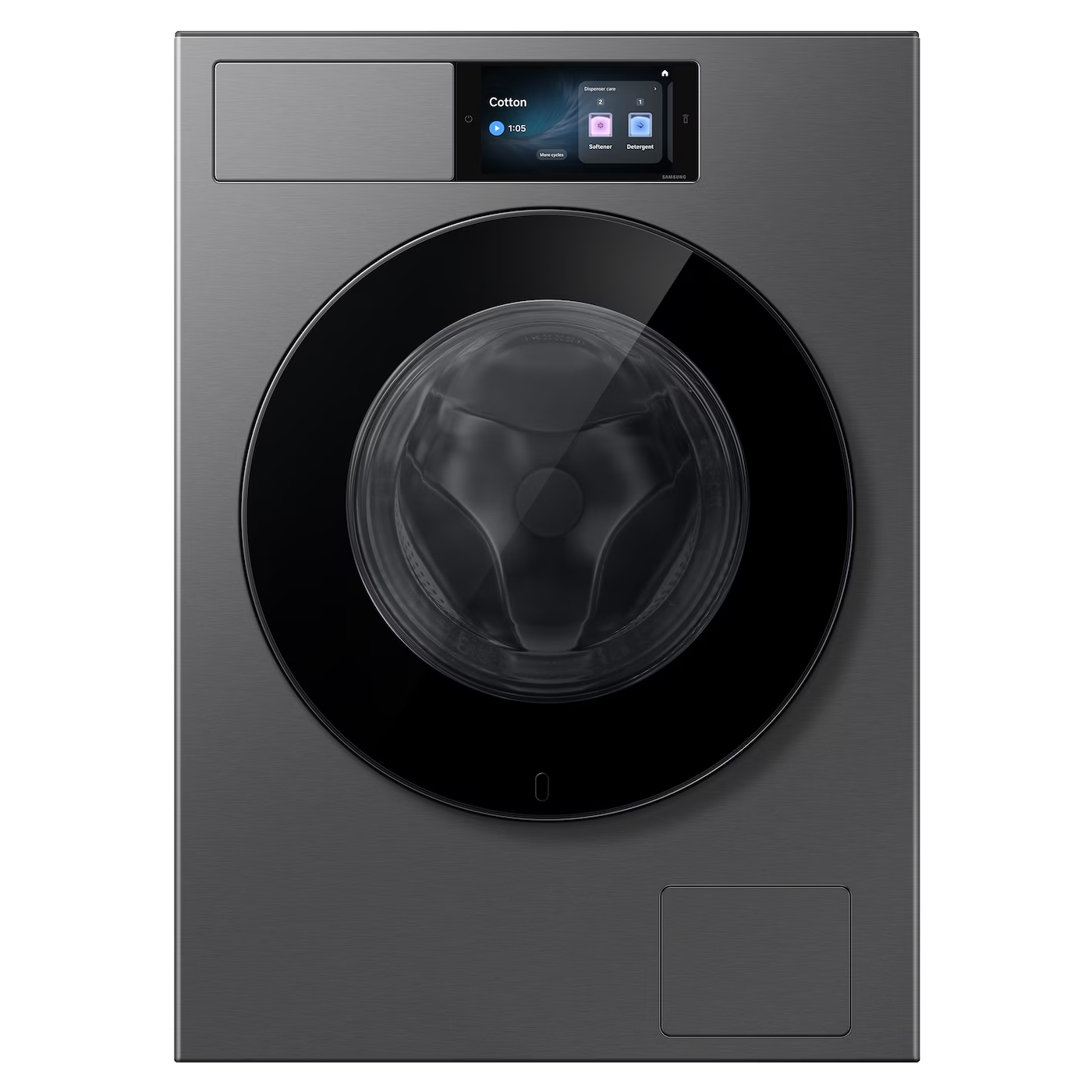
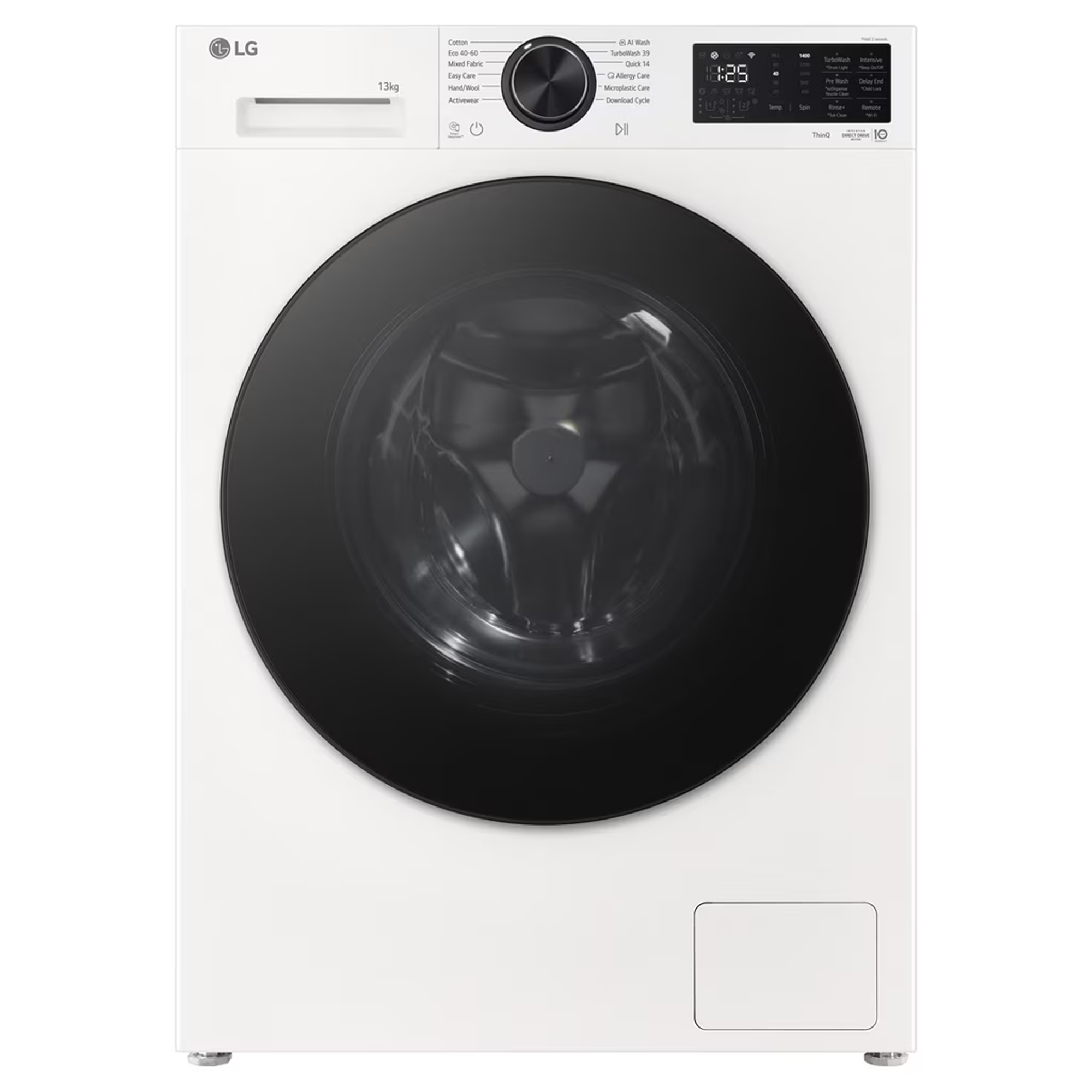
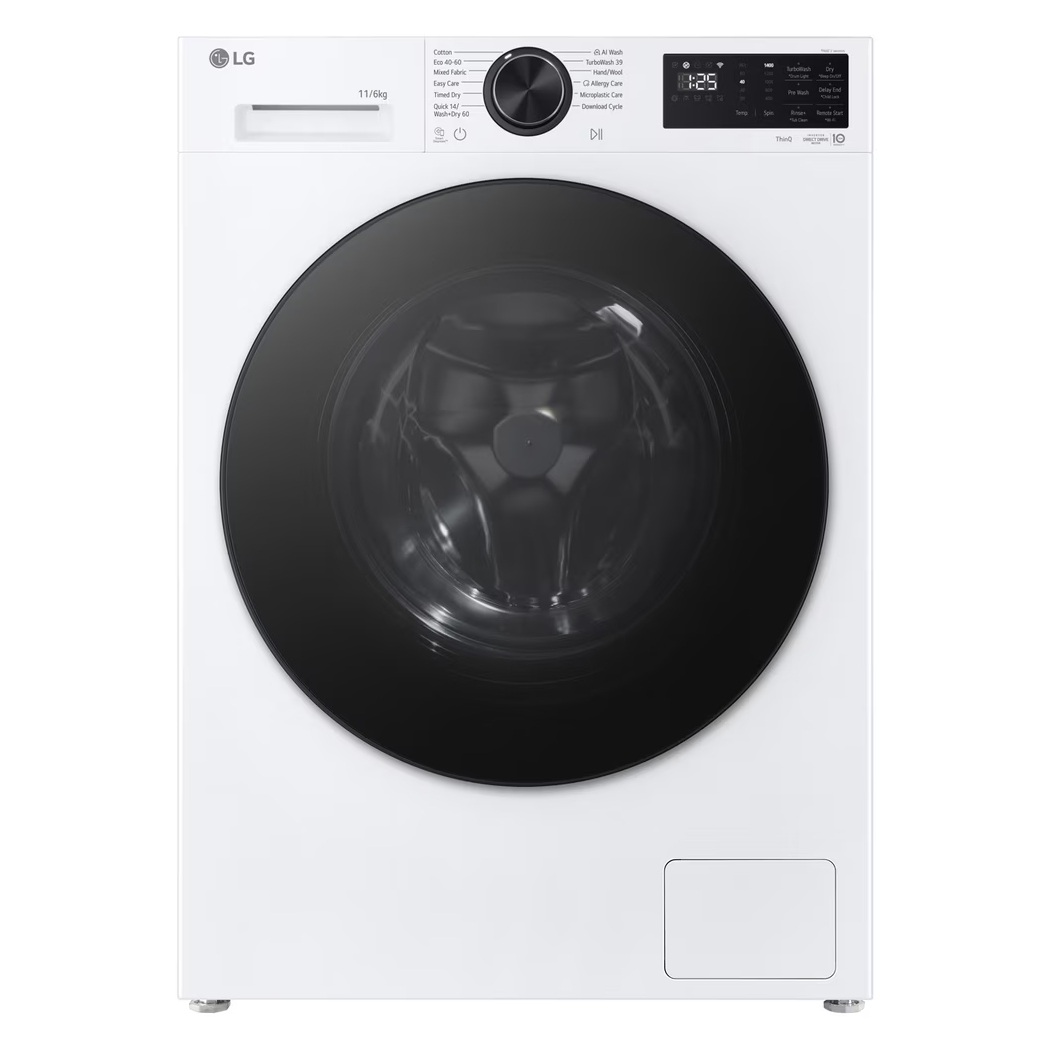
Brands take slightly different approaches to this feature. Bosch uses Home Connect, which focuses on reliability and simplicity, letting you monitor and control your washing machine with clear, easy-to-understand updates. Samsung offers SmartThings, which integrates laundry into a wider smart home system and can recommend cycles automatically. LG uses ThinQ, which learns your habits and suggests commonly used settings, making the experience more personalised over time. Miele provides Miele@home, which gives more detailed control and feedback, including precise programme adjustments and care-focused options. AEG includes a Care Advisor, helping users choose the right settings based on fabric type and washing needs.
Automation and AI: Removing the Guesswork
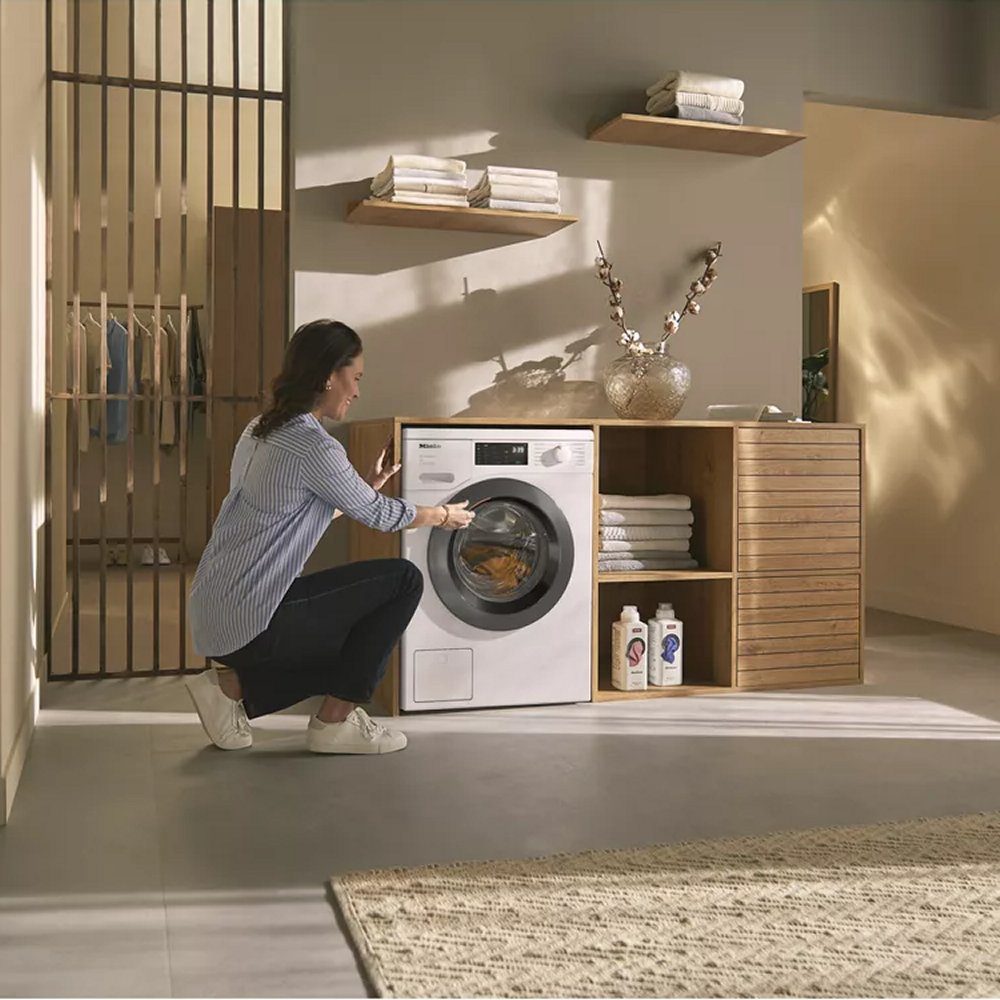
One of the most important developments in laundry is the move toward machines that can make decisions for you – auto dosing washing machines. This is often described as “AI” or “smart washing,” but in simple terms, it means the machine can sense what’s inside and adjust how it washes accordingly.
Modern machines use sensors to detect the weight of the load, how much water is absorbed, and sometimes even the type of fabric. Based on this, they can adjust water levels, washing time, temperature, and spin speed. This ensures that clothes are cleaned effectively without being over washed or damaged.
Some systems take this further by adjusting how the drum moves. Instead of spinning in a single, repetitive motion, the drum can change direction, speed, and pattern depending on the load. This helps protect delicate fabrics while still providing strong cleaning for tougher items.
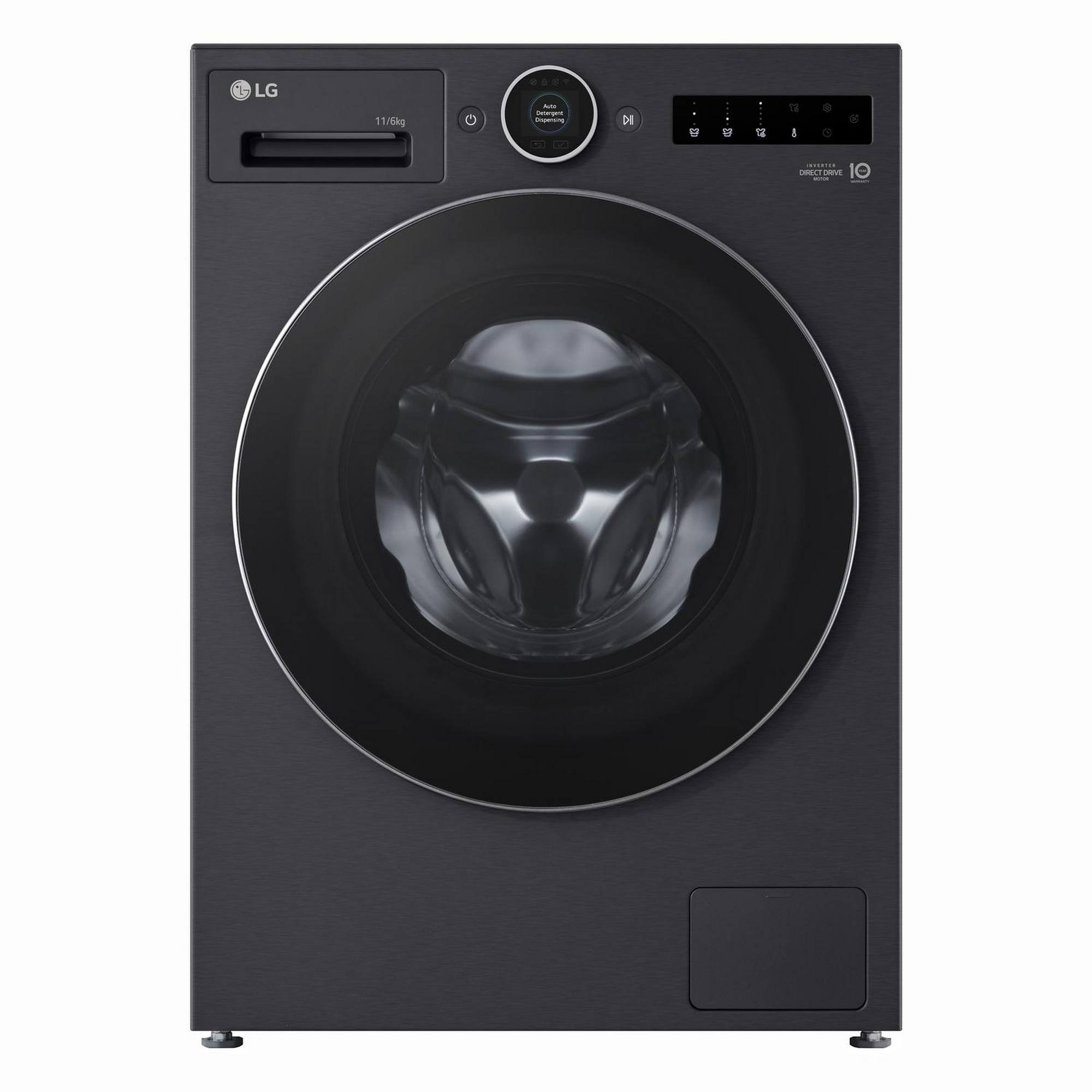
There are also features that automate detergent use. Rather than manually adding detergent each time, auto dosing washing machines store it internally and release the correct amount automatically. This prevents overdosing, which can leave residue on clothes, and underdosing, which can reduce cleaning performance.
Here’s how brands bring these ideas to life:
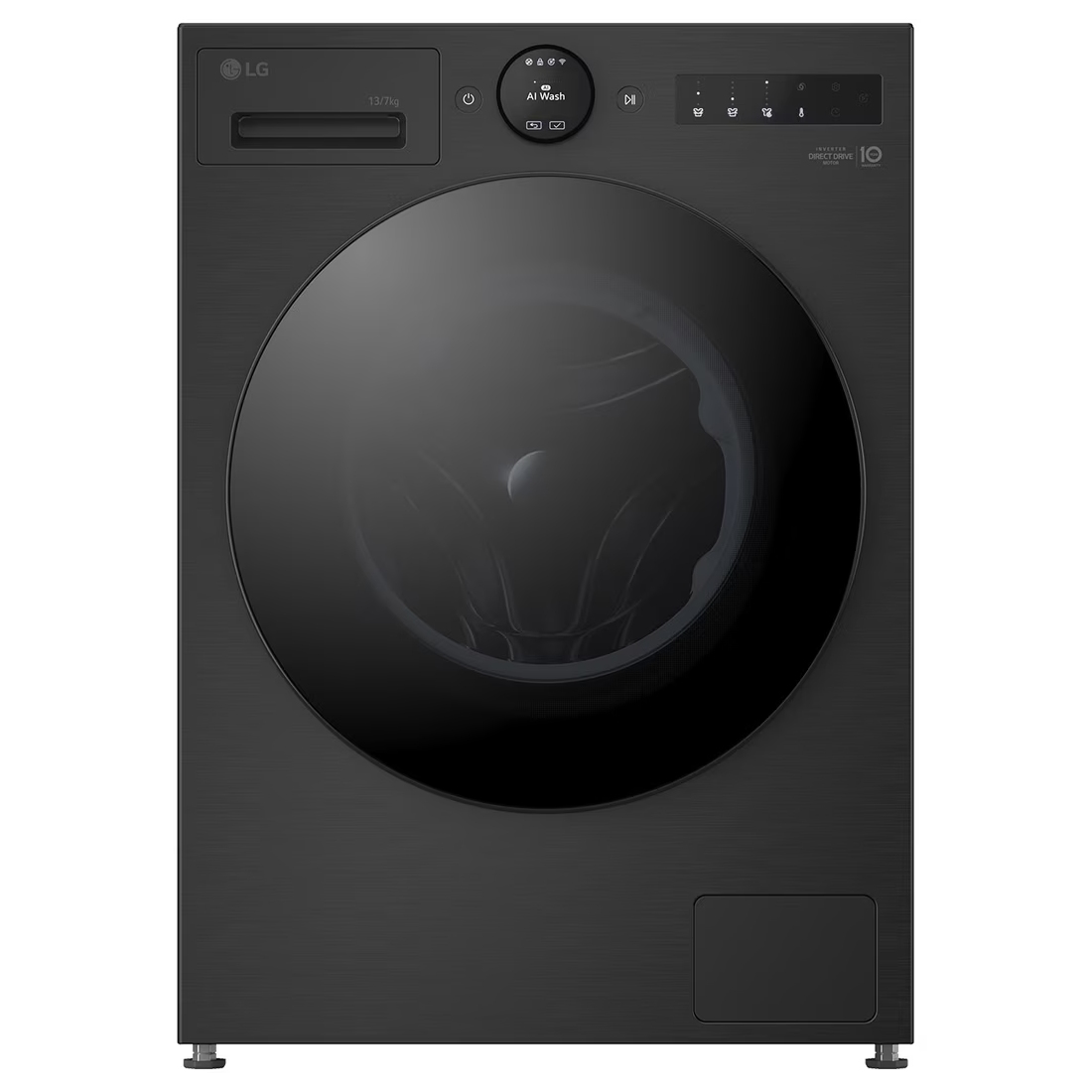
- LG uses AI Direct Drive, which detects fabric softness and adjusts drum movements to reduce wear.
- Samsung includes Bespoke AI, which learns your habits and suggests cycles while automating settings.
- AEG features ProSense, which weighs each load and adjusts time, water, and energy use.
- Bosch uses ActiveWater Plus, ensuring only the necessary amount of water is used.
- Miele offers TwinDos, an automatic detergent system that releases detergent at the ideal point in the wash cycle.
Laundry Engineering
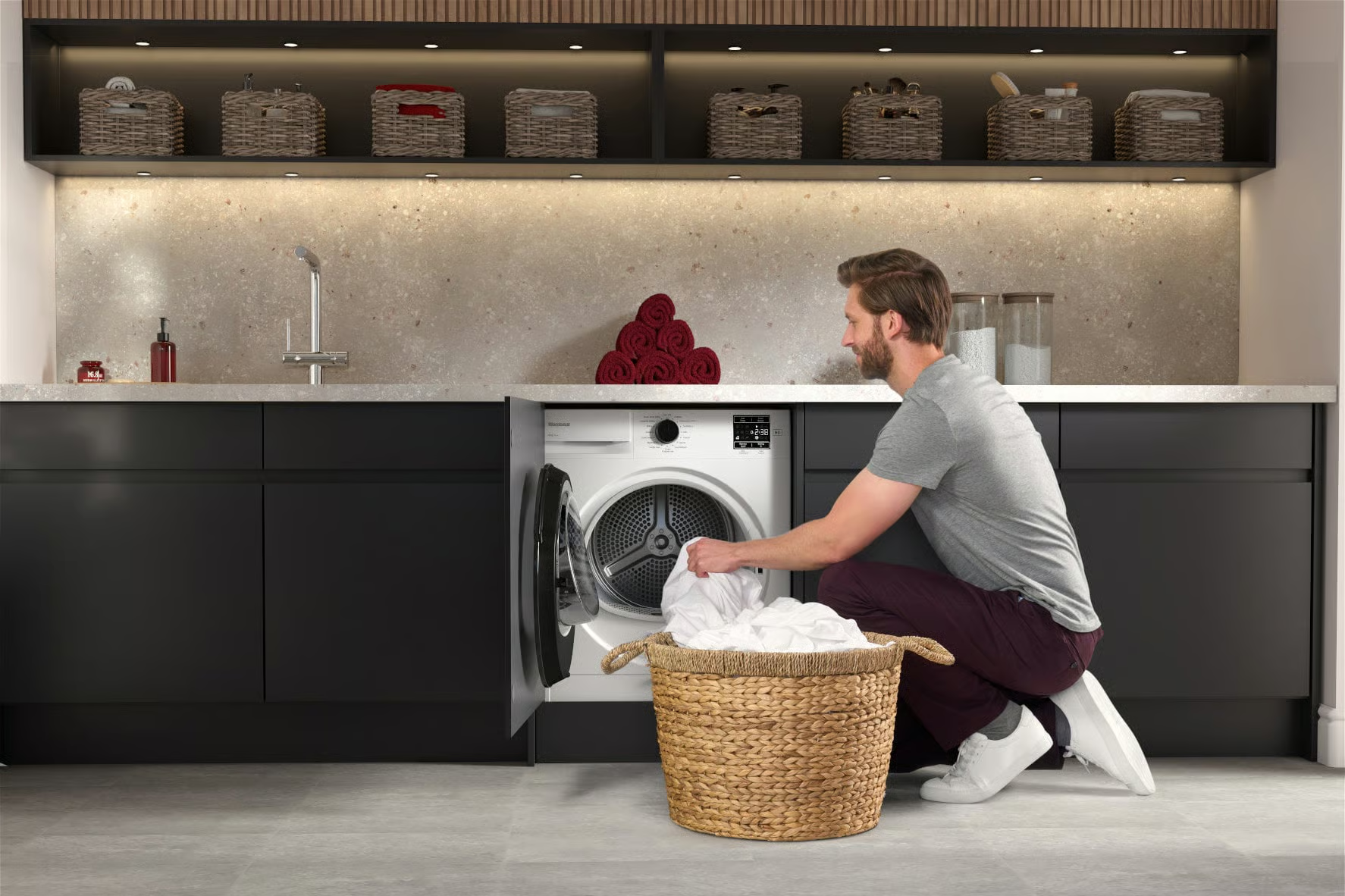
While smart features are easy to see, most of the real progress in laundry comes from improvements inside the machine. These include better drum designs, stronger materials, and more efficient motors. Today’s drums are carefully shaped to move clothes in a way that maximises cleaning while minimising damage. Some designs create a thin layer of water between the drum and the clothes, helping them glide rather than rub harshly. This is especially important for delicate fabrics.
Motors have also improved significantly. Where older machines used belt driven motors, which could be noisy and wear over time, newer systems mostly use inverter or direct drive motors, giving you a quieter, more energy efficient, and more durable machine. Stability is another key area. High speed spinning can cause vibration, especially with uneven loads. Washing machines have seen a huge improvement in suspension systems, helping to keep the machine stable, reducing noise and protecting internal components.
To give you an example:
- LG uses Direct Drive motors, which connect directly to the drum for quieter operation.
- Bosch features EcoSilence Drive, designed for low noise and long life.
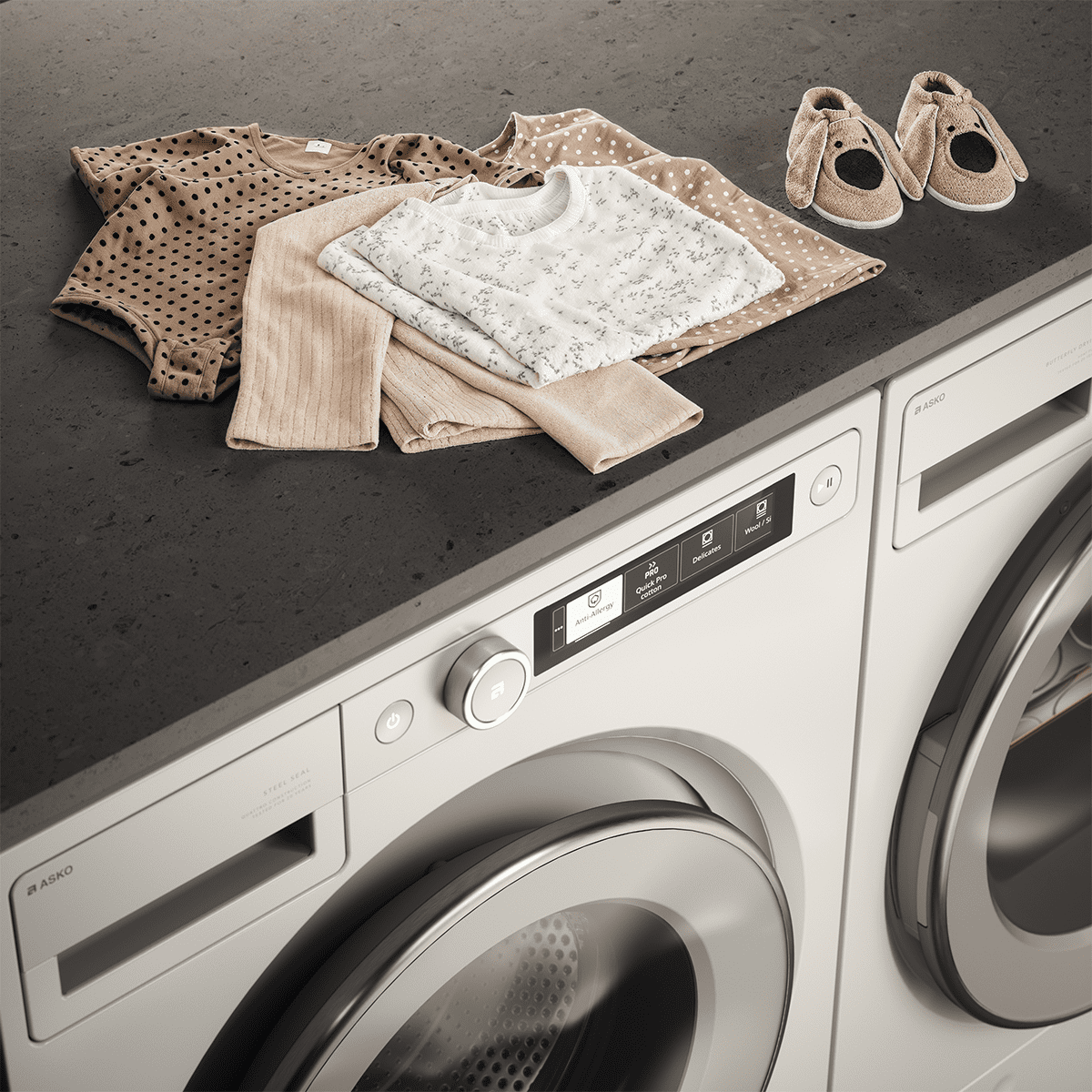
- ASKO uses Quattro Construction, supporting the drum with four shock absorbers.
- Miele includes a honeycomb drum, which cushions clothes with a thin film of water.
Fabric Care Like Never Before
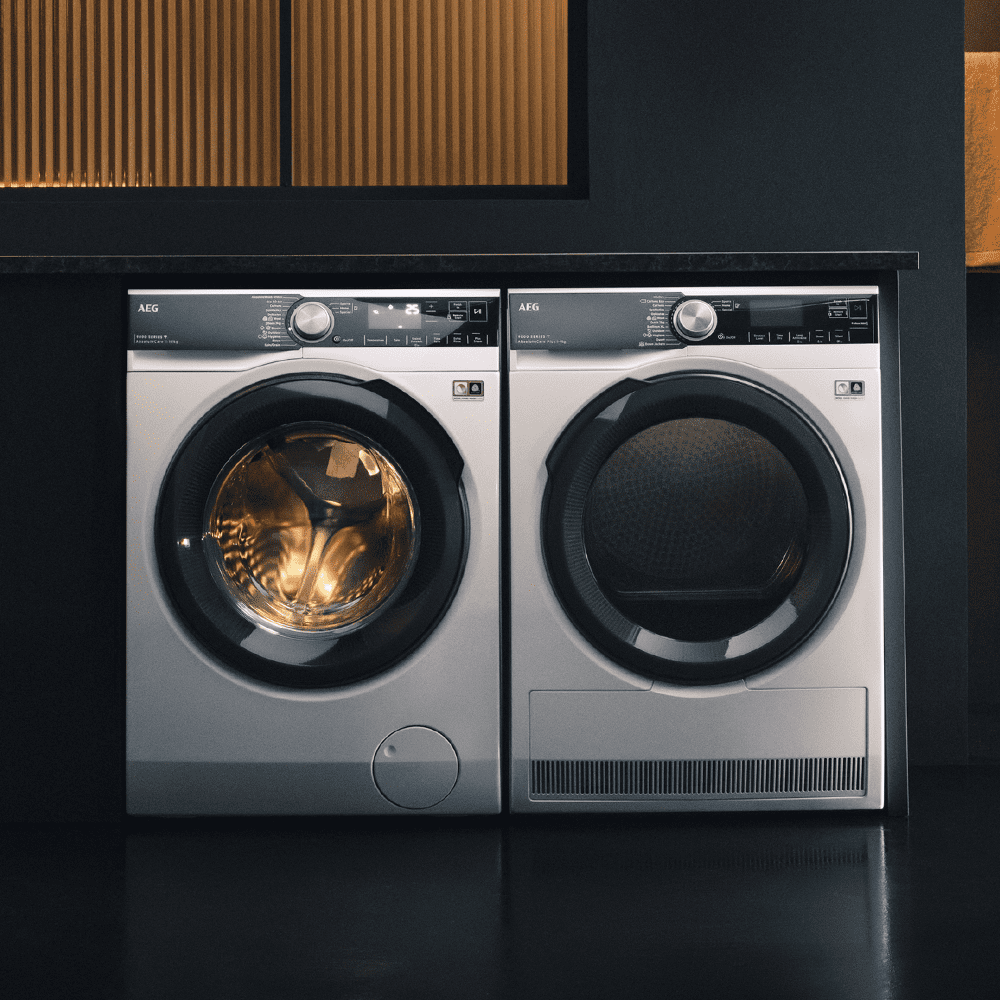
A major focus change in laundry is fabric care. Different fabrics need different handling, and washing machines are now designed to reflect that. Specialised programmes allow you to wash everything from delicate silk to heavy outdoor gear safely. These programmes adjust temperature, drum movement, and spin speed to suit the fabric.
Steam is another important feature. It can be used to refresh clothes, reduce wrinkles, and remove allergens without a full wash. Which is especially useful for items that don’t need frequent washing but could benefit from freshening up. Some machines also use advanced detergent systems or pre-mixing techniques to improve cleaning at lower temperatures. This helps protect fabrics while still removing dirt effectively.
Brand features include:
- Miele uses CapDosing, with pre-measured capsules for specific fabrics like wool or silk.
- AEG includes ProSteam, which reduces creases and refreshes clothes.
- Samsung features EcoBubble, mixing detergent into bubbles for effective low-temp washing.
- LG offers Steam+, helping remove allergens and reduce wrinkles.
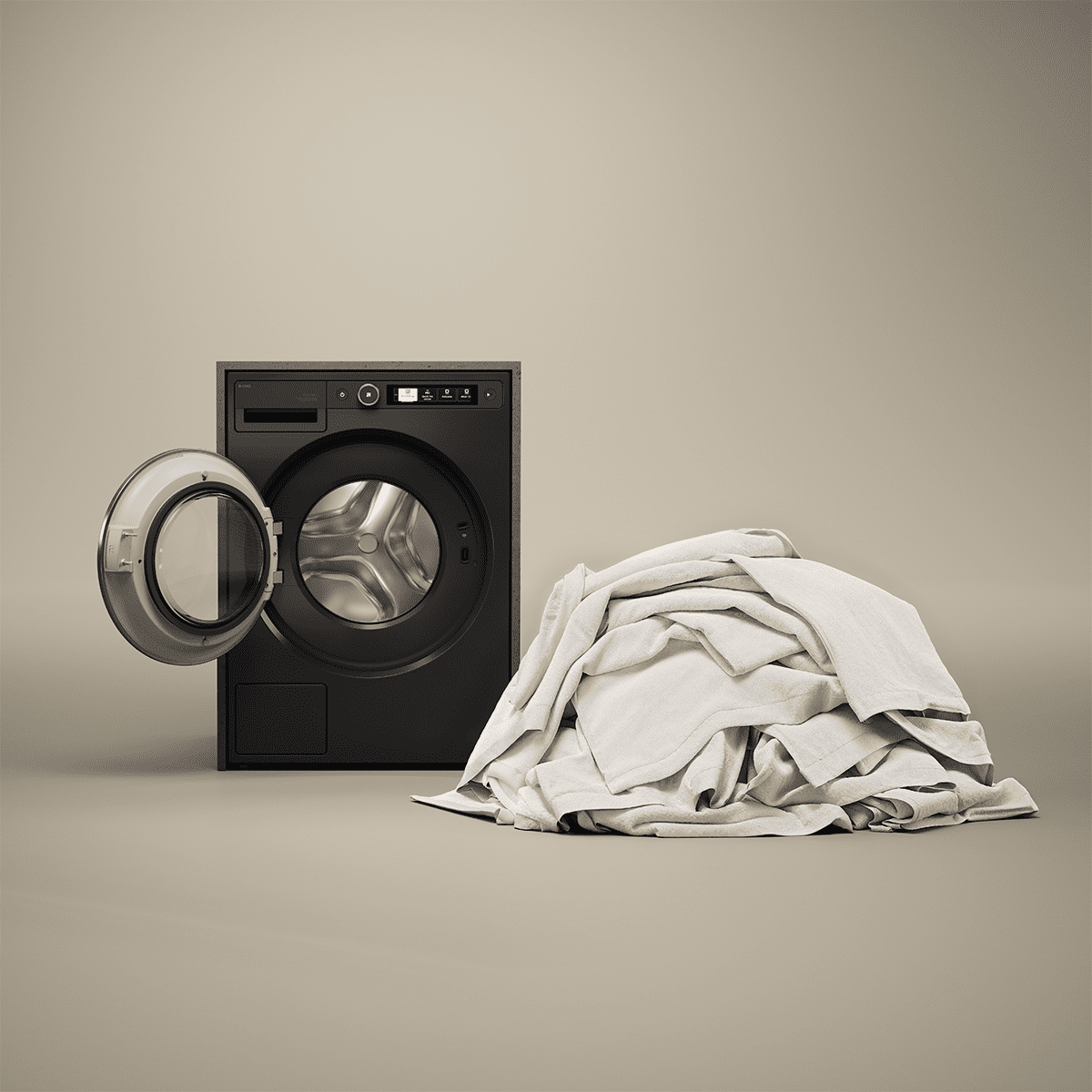
- ASKO welcomed a rubber-free Steel Seal, removing 95% of bacteria build up in the door.
Energy and Water Usage
Efficiency is now a core part of washing machine design. Machines are built to use as little water and energy as possible while still delivering strong cleaning results.
Sensors play a key role here. By detecting the size of the load, machines can avoid using more water or energy than necessary. Lower temperature washing is also more effective than before, thanks to better drum movement and detergent distribution. Some machines also optimise rinse cycles to reduce water usage, while others adjust spin speeds to remove more water before drying, saving energy later.
Everyday Convenience
Finally, washing machines include a range of smaller features that make a big difference in daily use. These are designed to save time, reduce effort, and make laundry more flexible.
For example, many machines now let you pause a cycle and add forgotten items. Others allow you to schedule washes in advance, so they finish exactly when you want them to. Automatic detergent systems remove the need to measure detergent every time, while self-cleaning programmes help maintain the machine.
Brand specific features include:
- Samsung offers AddWash, a small door that lets you add items mid-cycle.
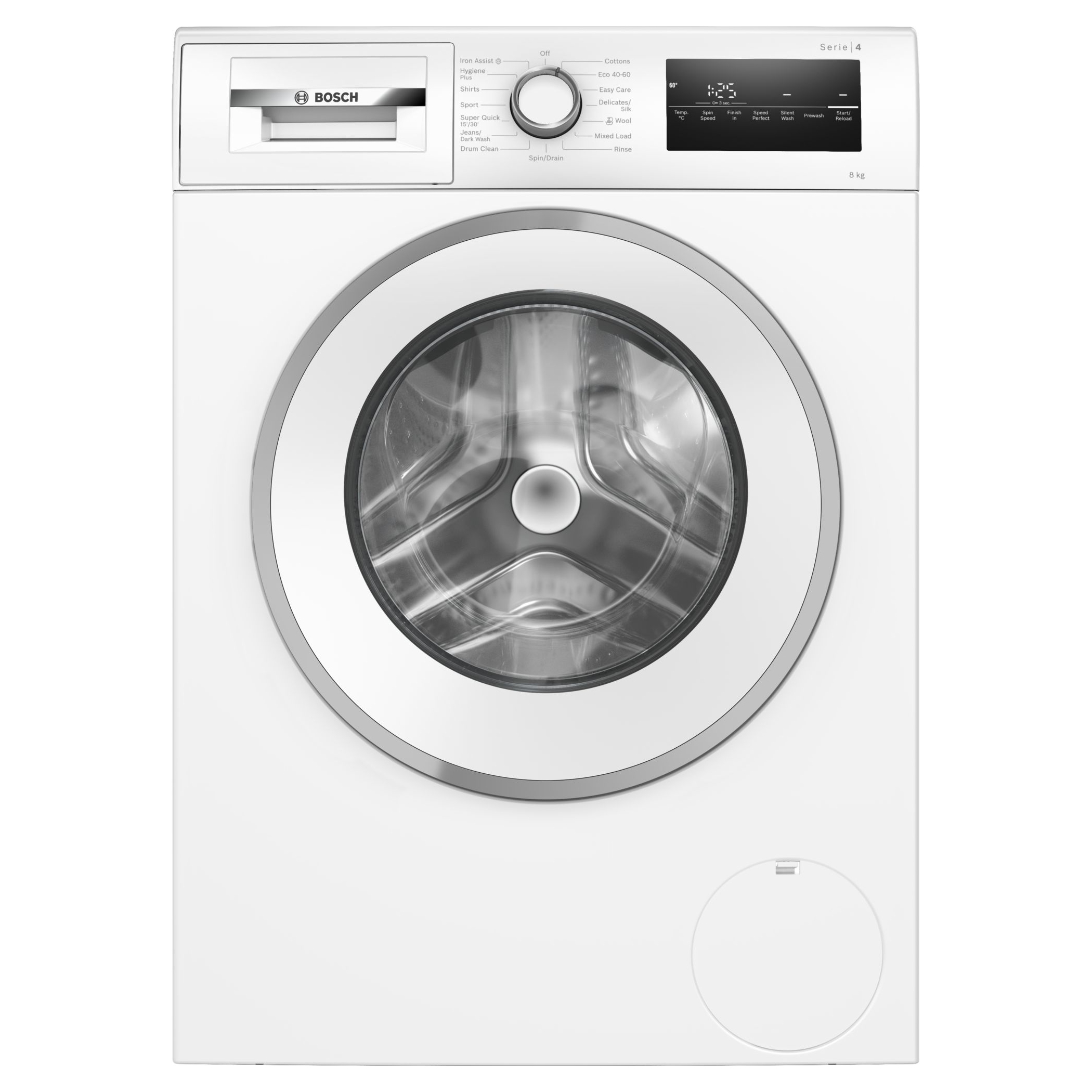
- Bosch includes Reload, allowing you to safely pause and add items.
- Miele uses TwinDos for automatic detergent dosing.
- LG features ezDispense, which releases the right amount of detergent automatically.