June 18, 2024
Washing Machines: Buying Guide
Choosing the right washing machine can seem like a daunting task with so many options available. This guide will help you navigate through the key features and considerations to find the perfect washing machine for your needs.
Types Of Washing Machines
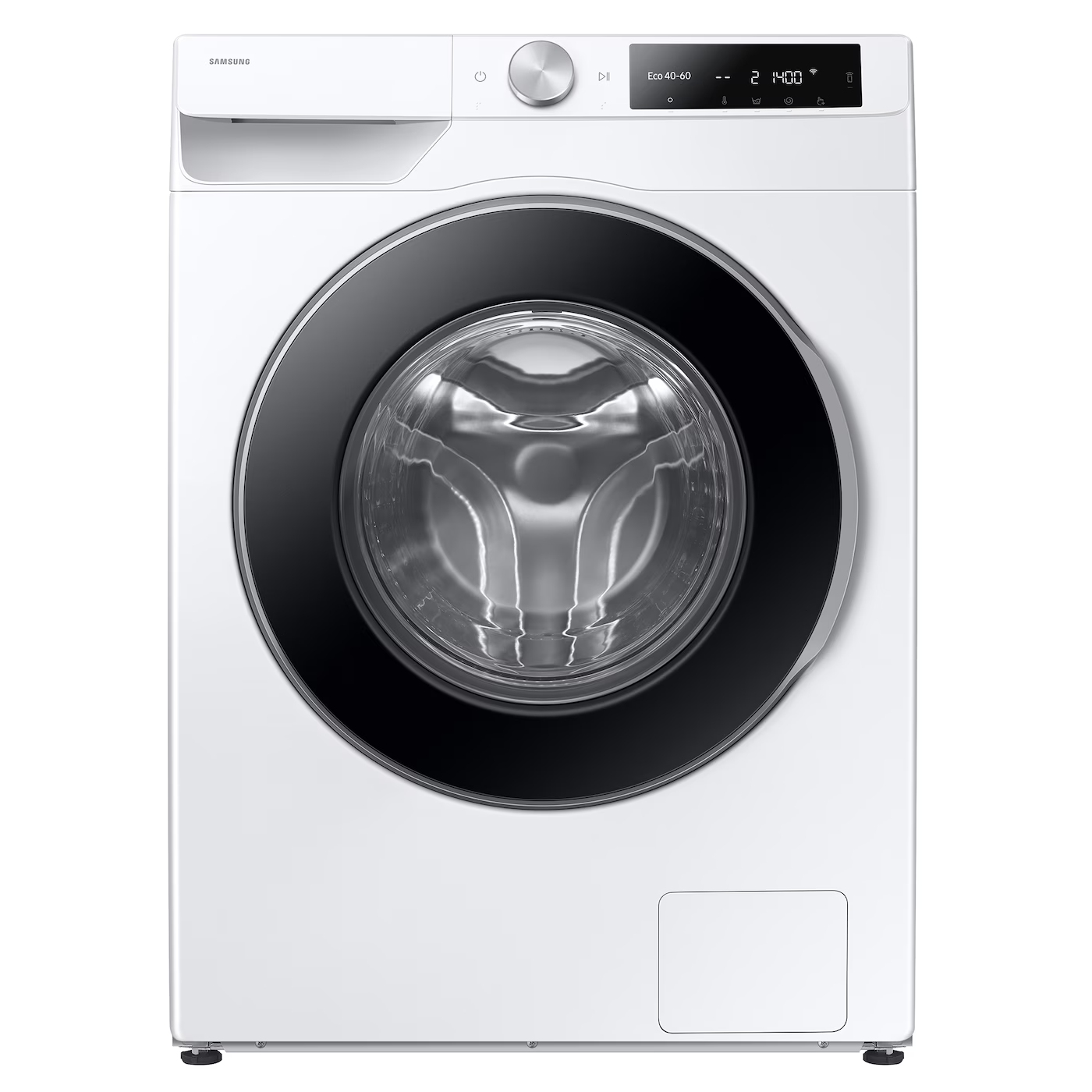
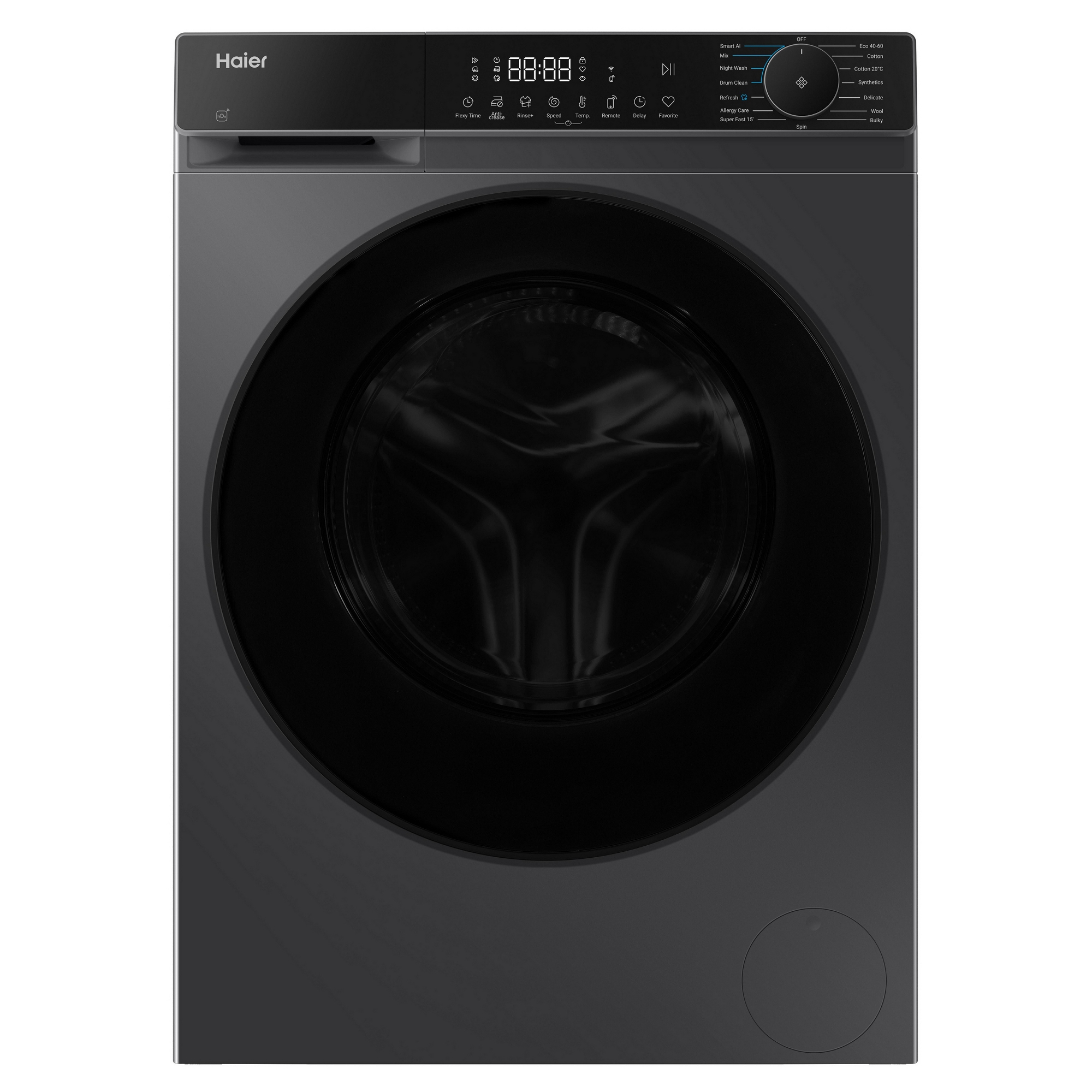
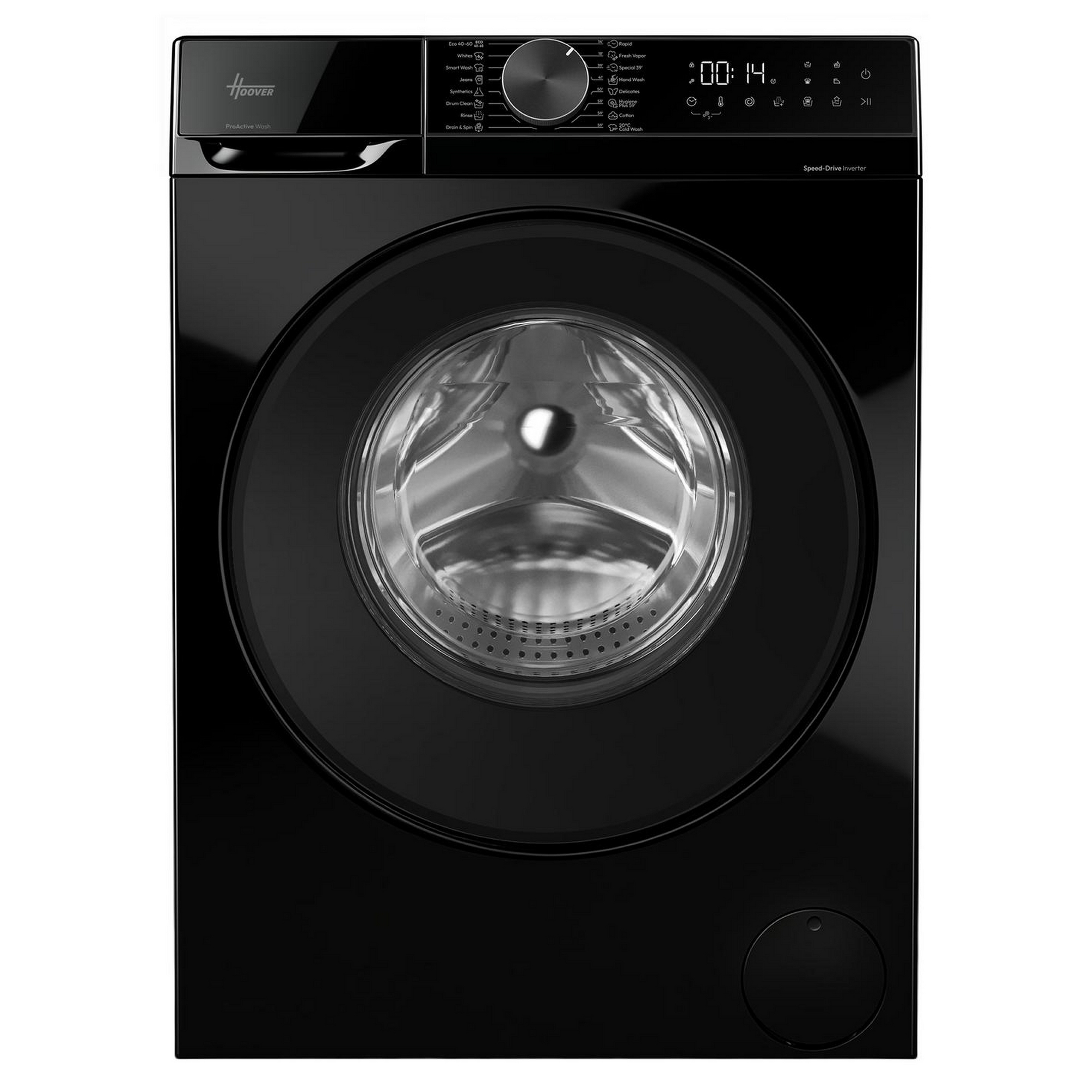
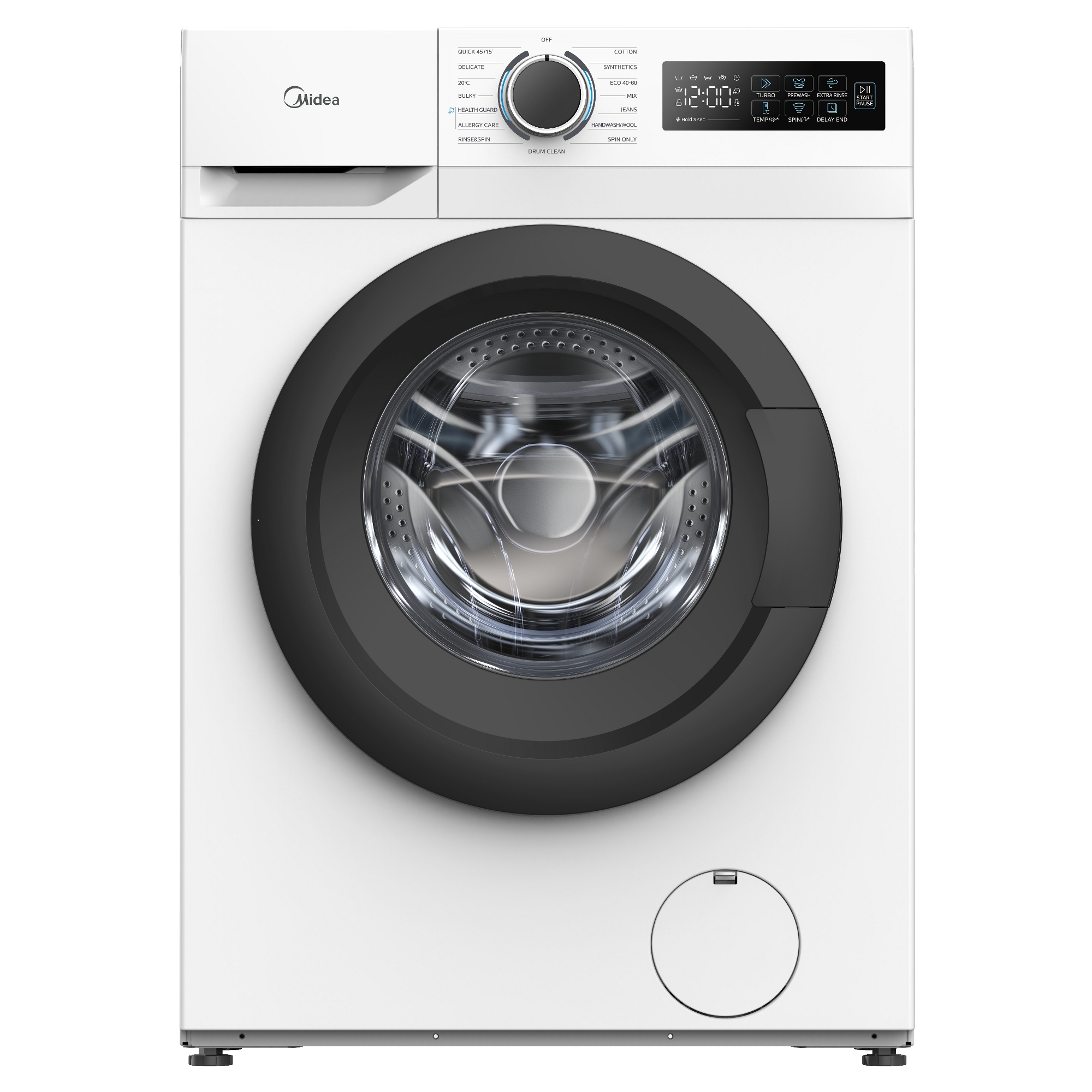
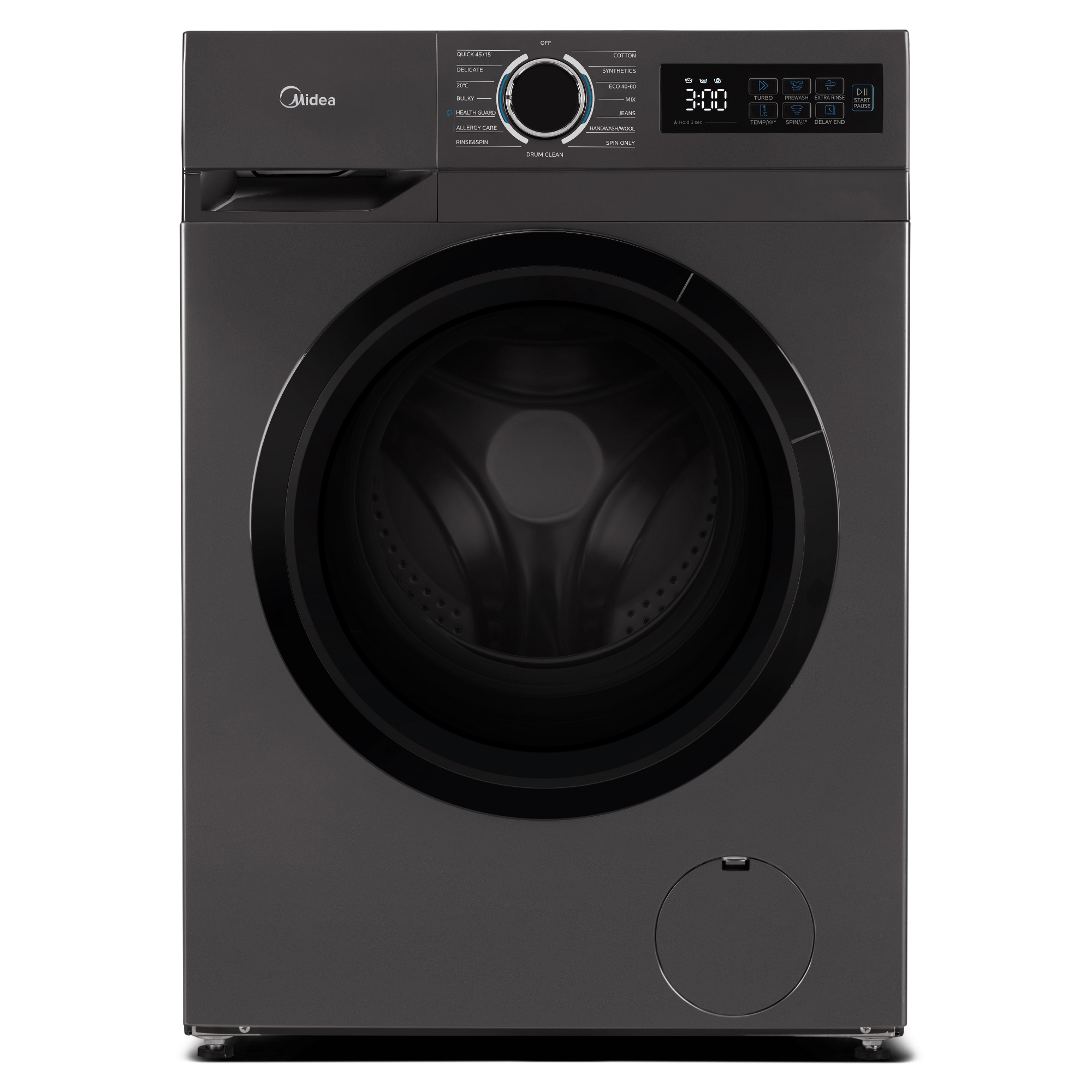
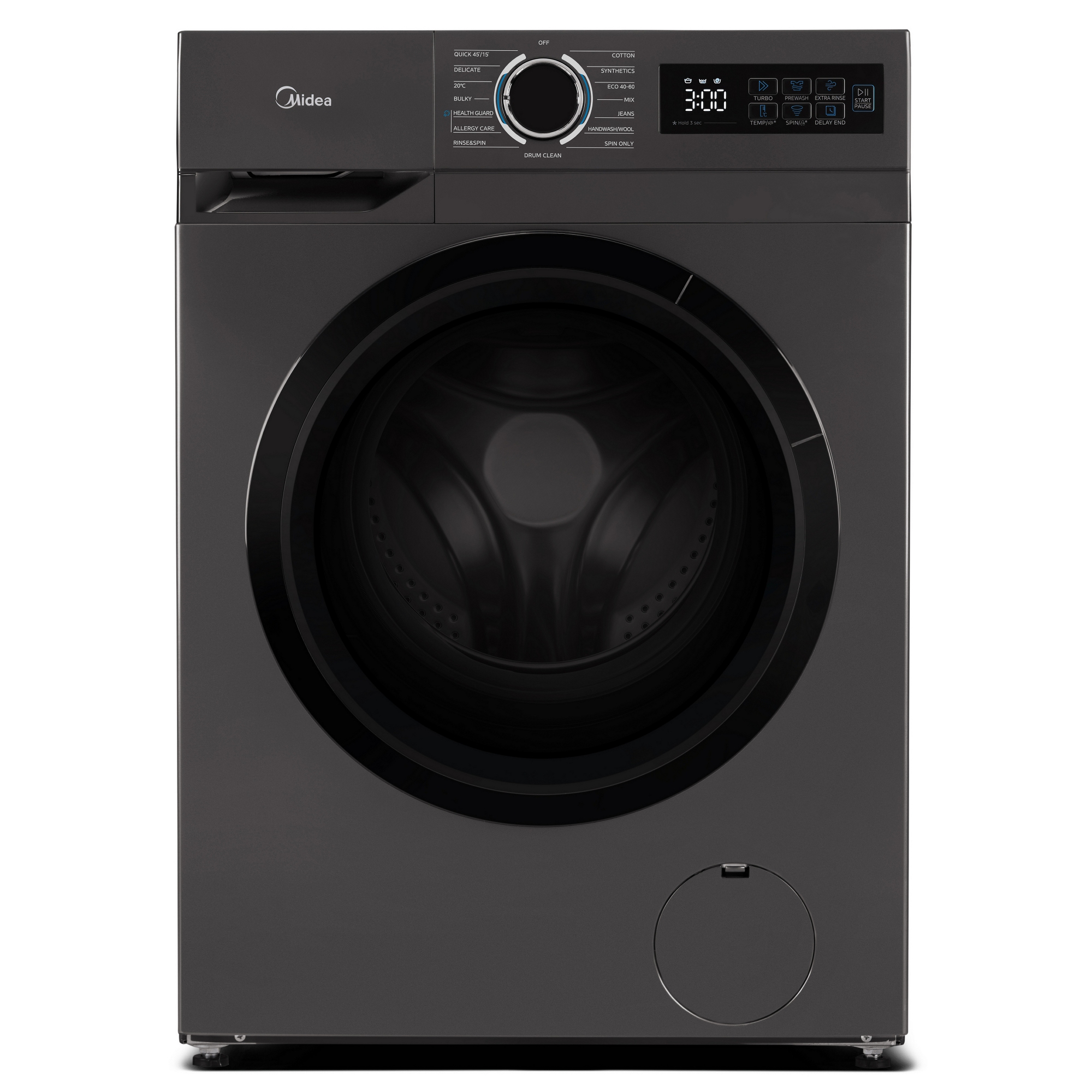
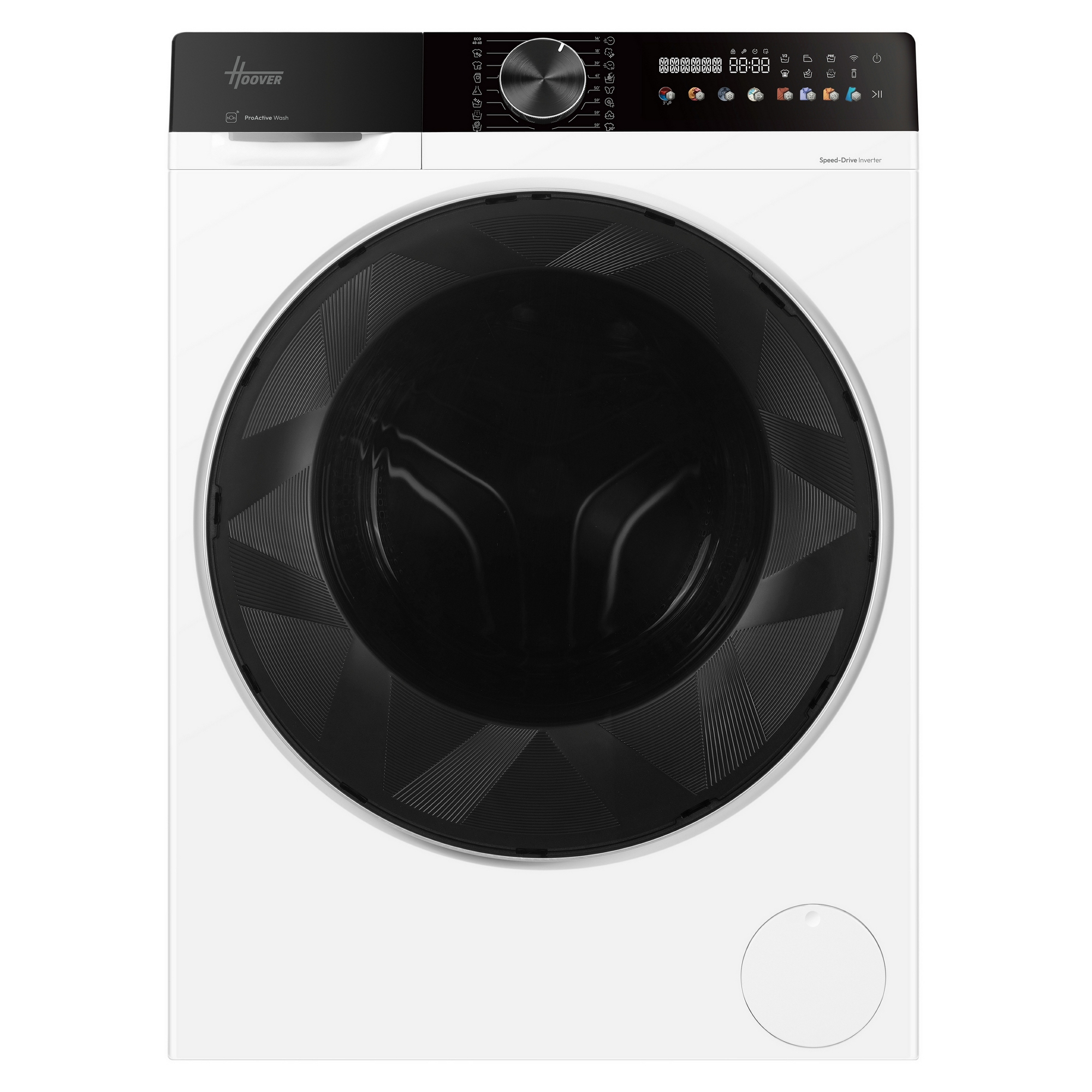
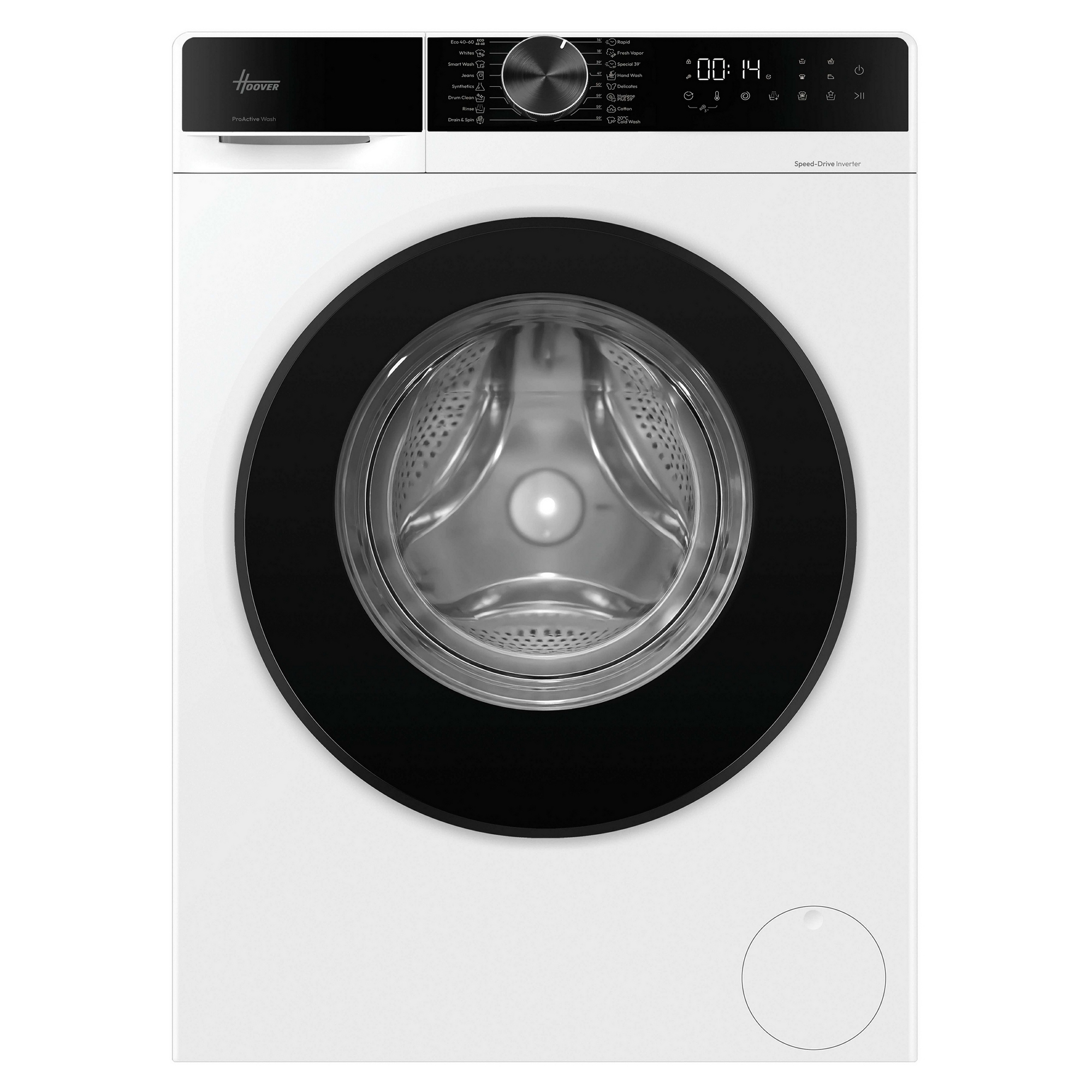
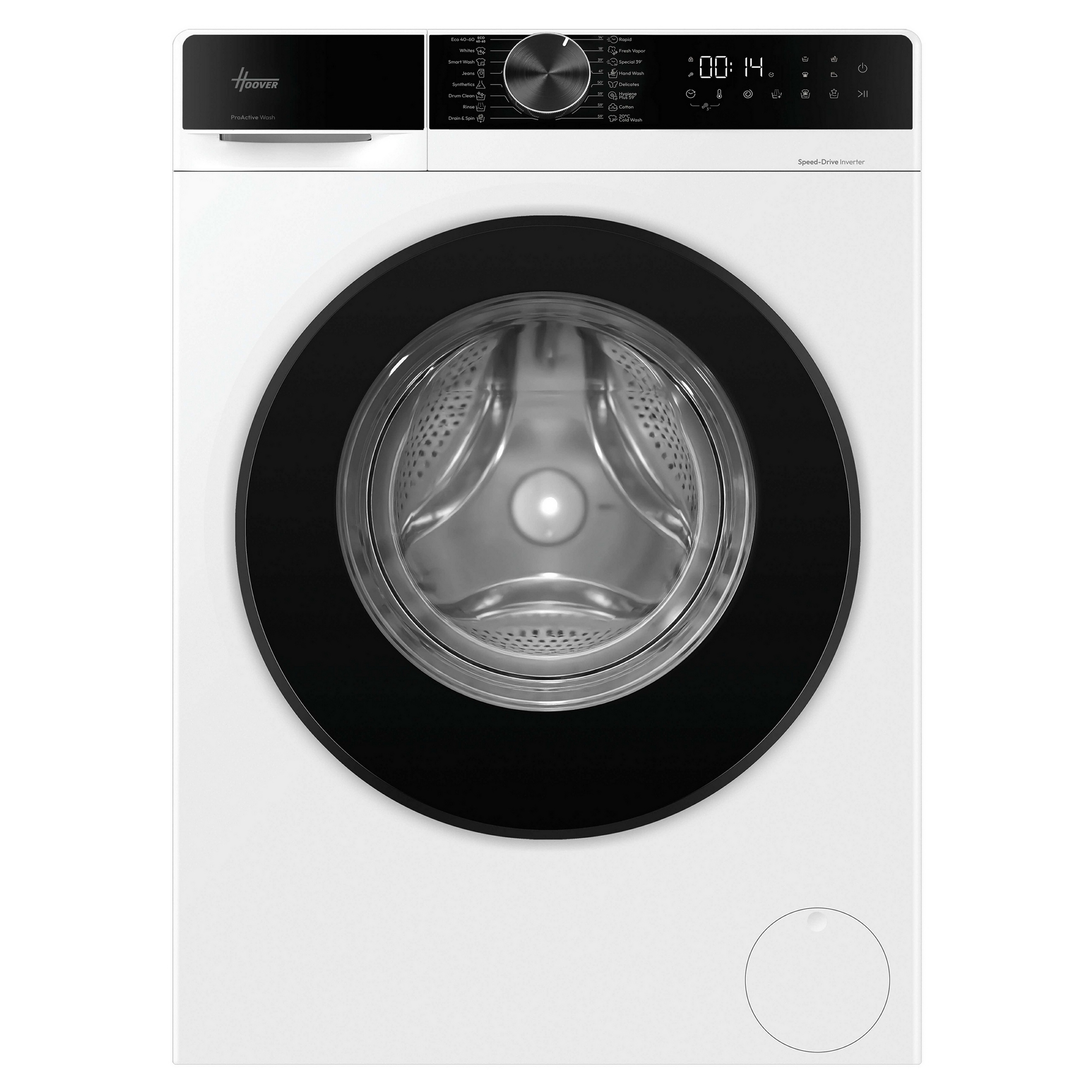
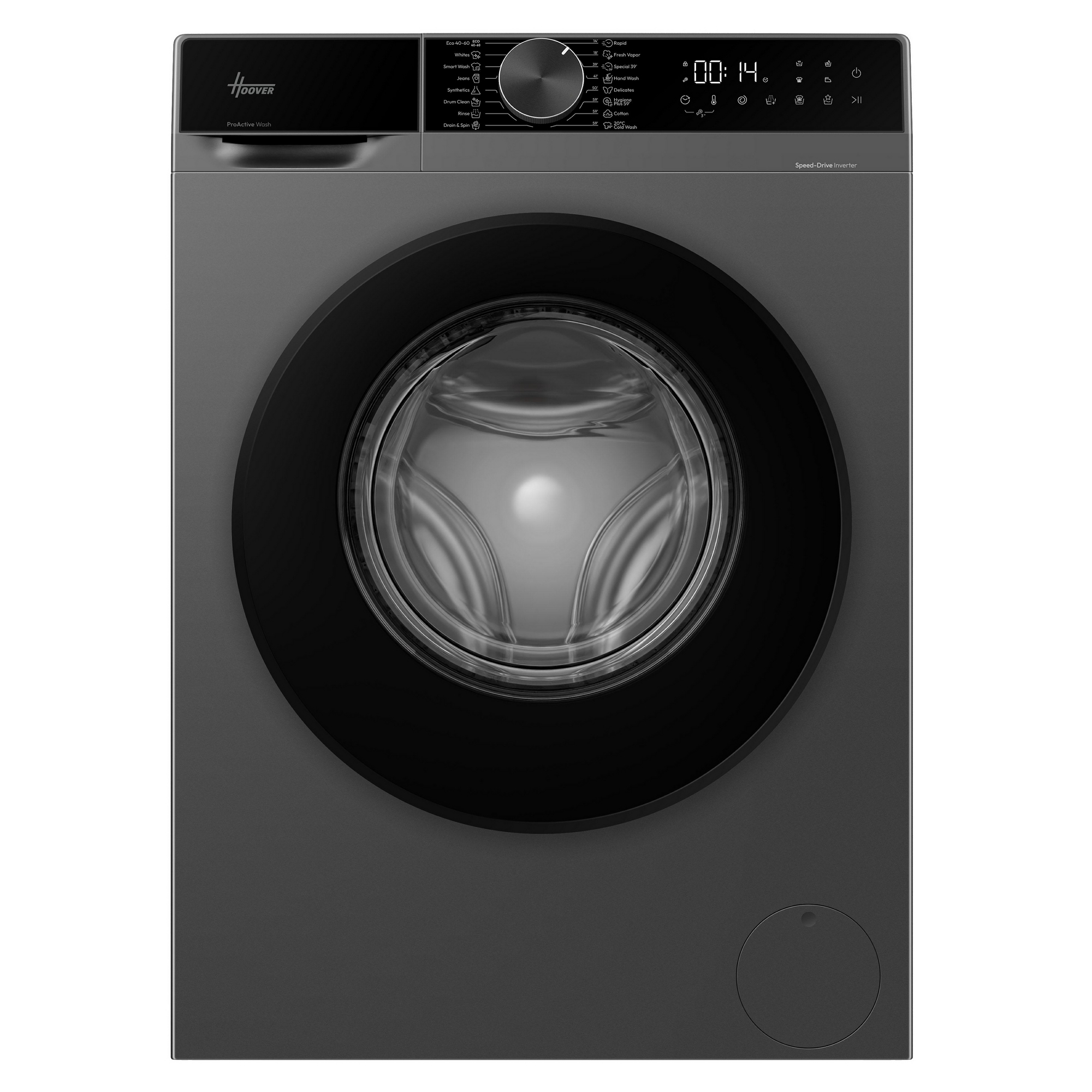
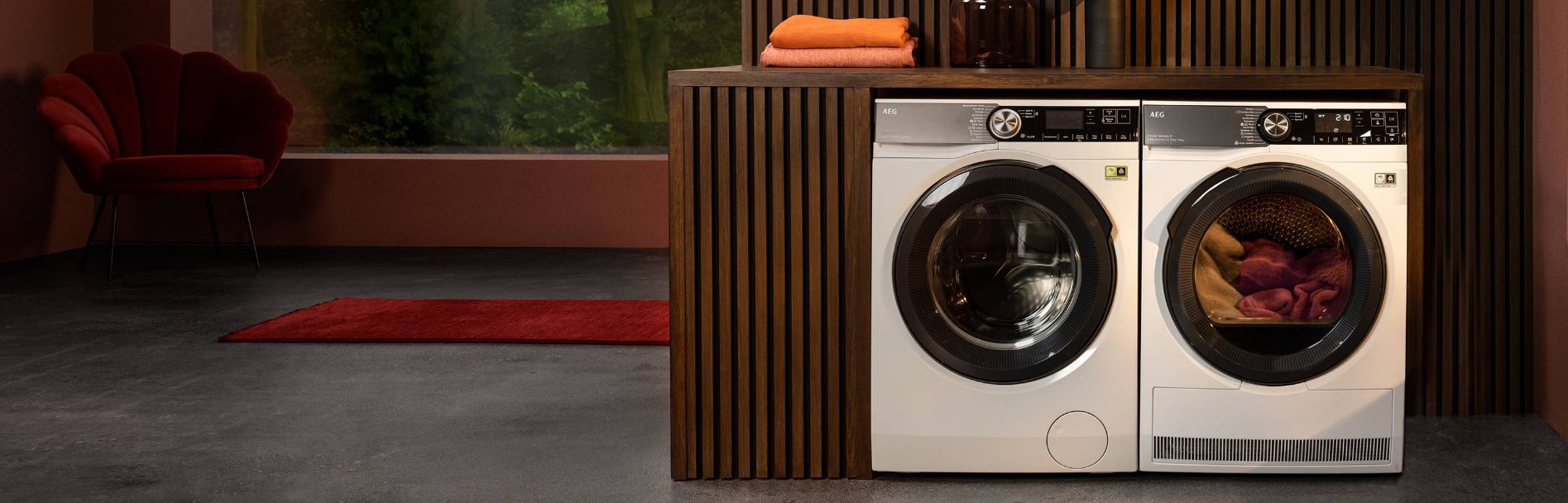
Freestanding washing machines can be placed anywhere that has access to a water supply. This convenient design is easy to install and move.
Pros: Flexible placement, wide variety of models.
Cons: Takes up floor space, needs space for door clearance.
Best for: Most households.
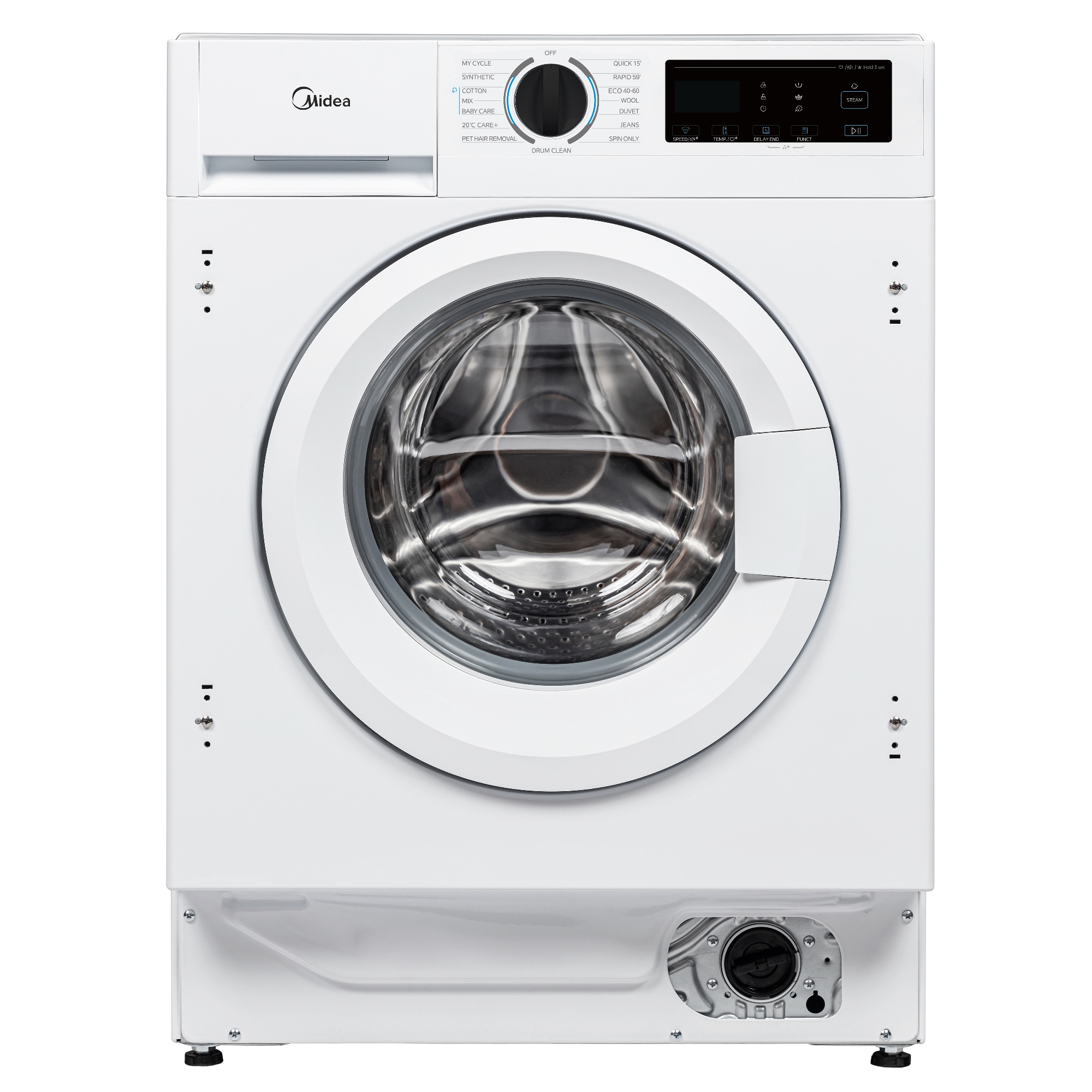
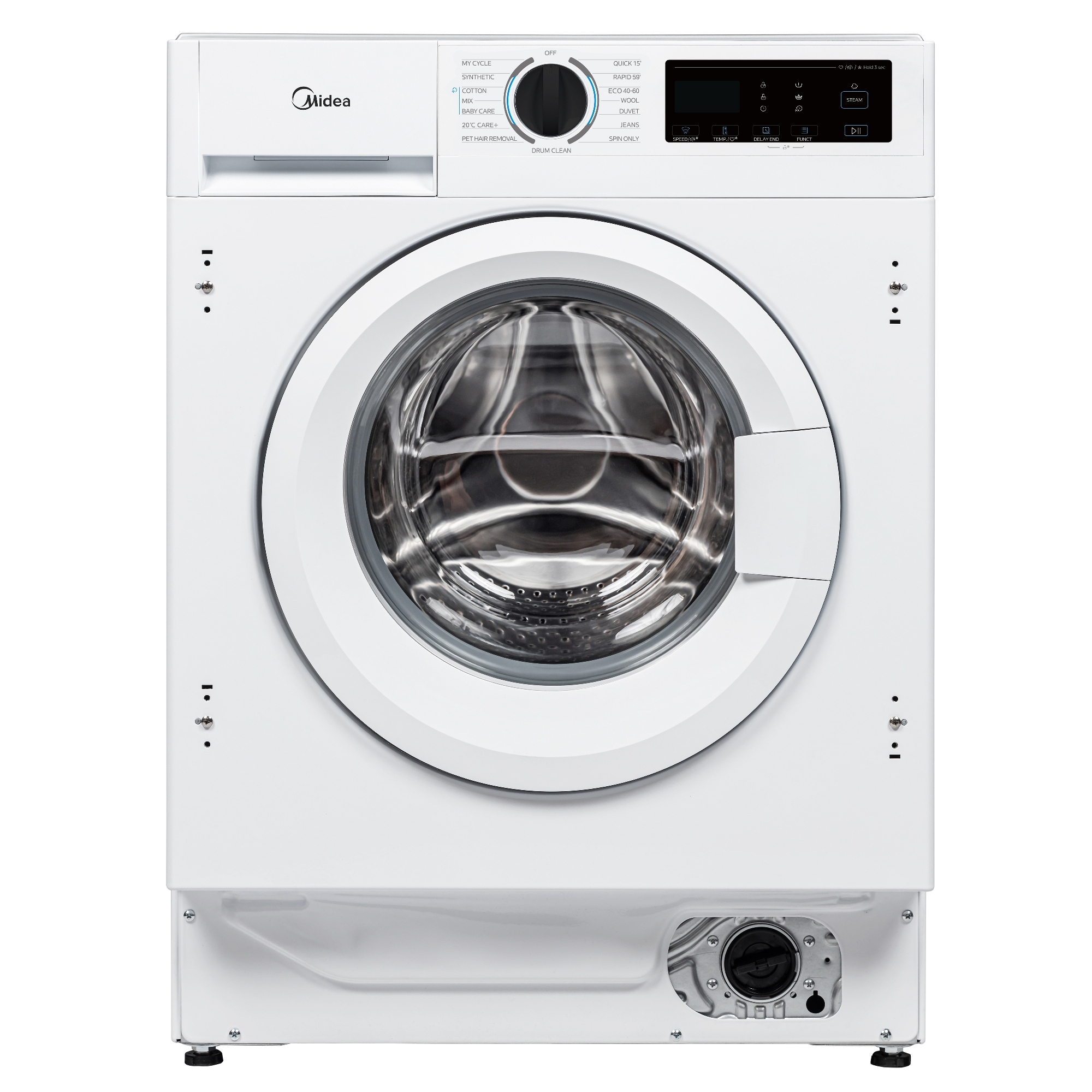
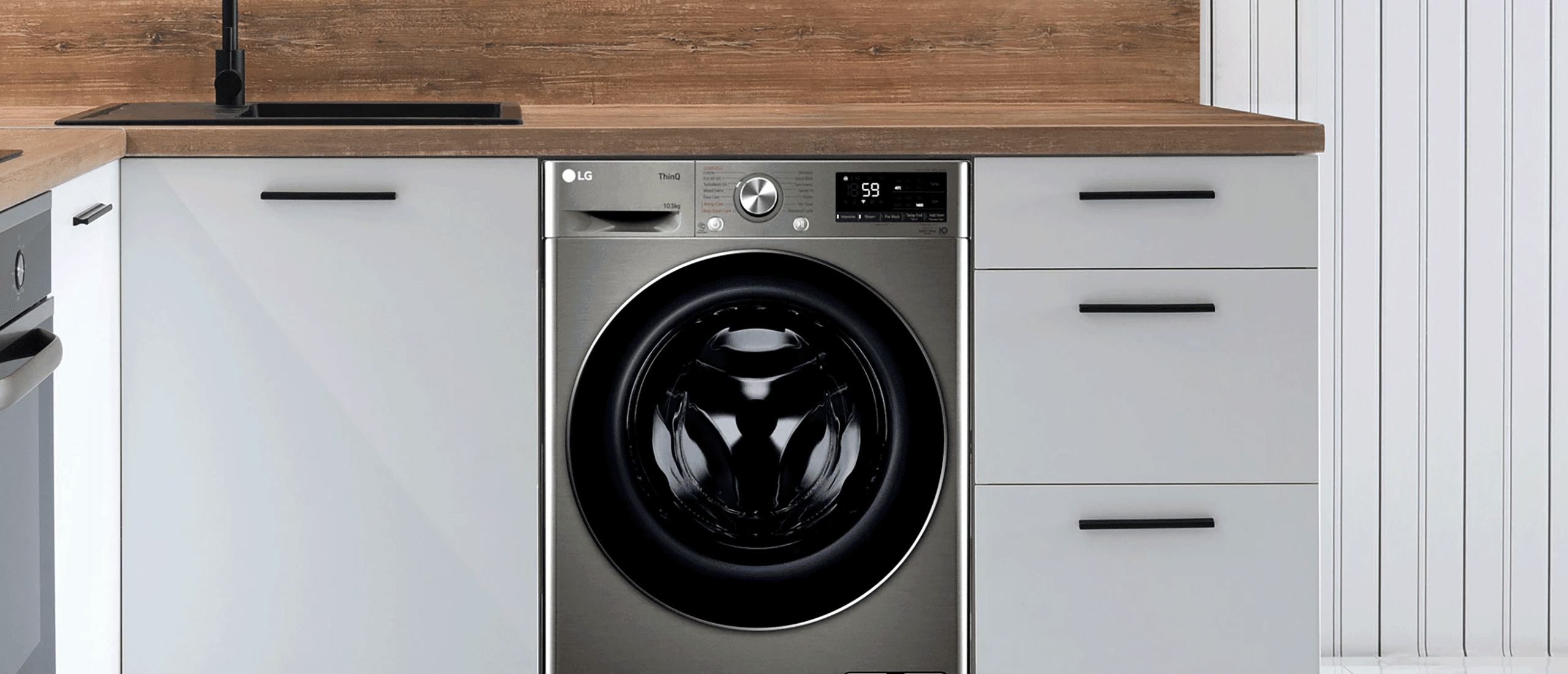
Integrated washing machines are built to fit seamlessly into cabinetry. They are hidden behind a cupboard door to blend into the surrounding design.
Pros: Blends seamlessly with kitchen cabinets.
Cons: More expensive, limited models.
Best for: Sleek kitchen designs.
Front loading washing machines have a door at the front of the unit.
Pros: Energy-efficient, gentler on clothes, better cleaning performance.
Cons: Longer wash cycles, can be harder to load and unload.
Best for: Modern homes focused on efficiency and care.
Top loading washing machines have a door at the top of the unit.
Pros: Easier to load, shorter wash cycles.
Cons: Uses more water and energy, fewer models available in the UK.
Best for: Those who prefer traditional design and ease of loading.
Size
Capacity
Washing machines come in a variety of capacities. The right capacity for you will depend on how frequently you use your washing machine, and how big your load sizes are. As a general guide, we recommend:
Small drum (up to 7kg): Suitable for singles or couples. Wash load of ~6 outfits, or 1 single duvet.
Medium drum (8-9kg): Ideal for small families, or individuals who require extra wash loads. Wash load ~8 outfits, or 1 double duvet.
Large drum (10-11kg): Ideal for medium-large sized families. Wash load of ~10 outfits, or 1 kingsize duvet.
Extra large drum (12kg+): Perfect for large families or frequent washes. Wash loads of ~12+ outfits, or 1 super kingsize duvet.
1 outfit = trousers, t-shirt, and underwear.
Dimensions
The standard dimensions of a front loading washing machine should fit underneath a kitchen counter. Their standard width is 60cm, with a height of 85cm. The depth usually falls between 42-65cm depending on the drum size.
To check if your chosen washing machine will fit into your designated space, be sure to measure the area. If you’re replacing an old washing machine, it will be easier to measure your current appliance and replace it with a washing machine of the same dimensions.
Spin Speed
Washing machine spin speeds range from 1000 to 1600rpm (rotations per minute), although you can get some with a whopping spin speed of up to 1800rpm.
Higher spin speeds reduce drying time, but can increase noise and vibration. Certains types of clothes wash better at different speeds. For example, more delicate fibres such as silks will require lower speeds.
Energy Efficiency
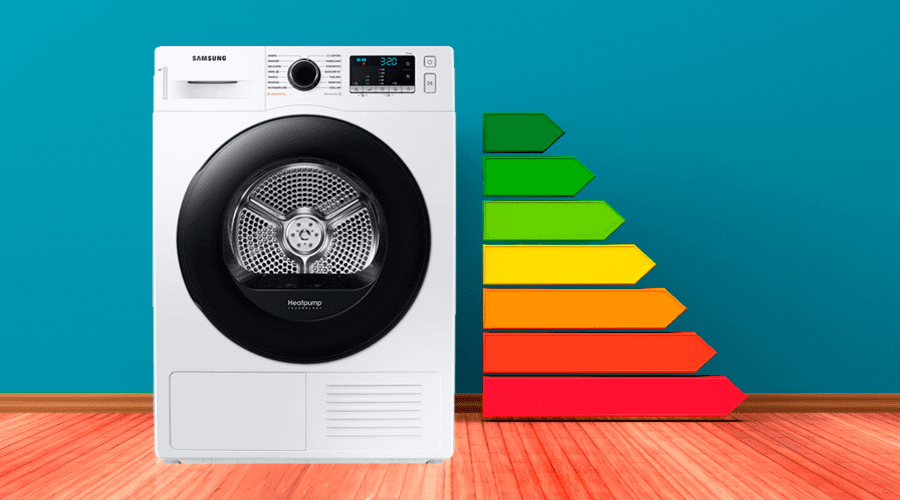
Energy-efficient washing machines save money and reduce your environmental footprint. Look for models with:
Wash Programmes
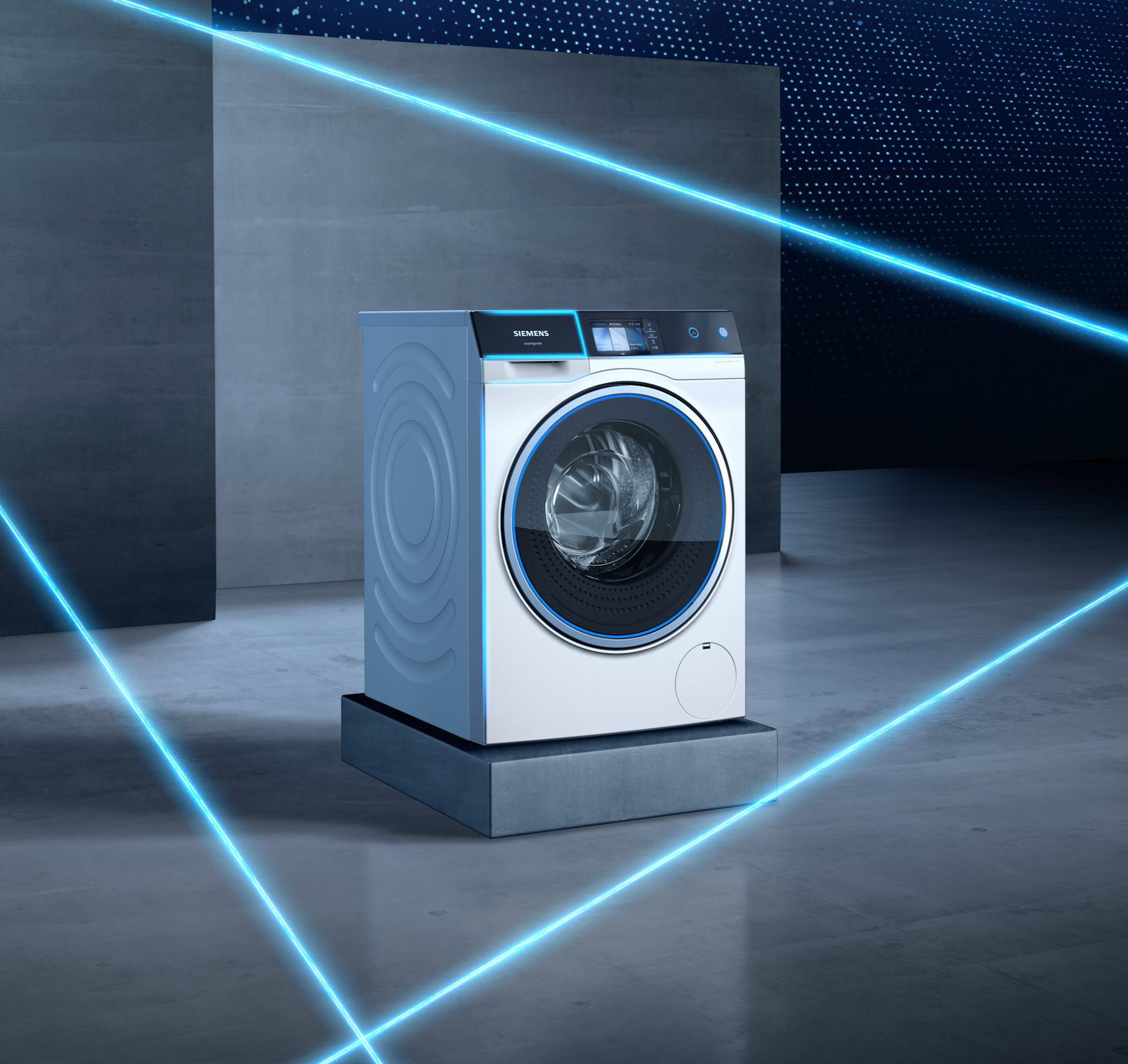
Common washing machine programs include cotton, synthetic, wool, quick wash, and eco.
Look out for more specialised programs such as allergy care, baby clothes, and sportswear, which can help to achieve better washing results.
Placement & Space Considerations
Watch out for plumbing: Remember to leave enough room for the plumbing at the back of the machine. An allowance of 7cm should be adequate for most machines.
Washing Machine Cabinet: If placing the washing machine in a kitchen or utility room, consider an integrated model to maintain aesthetic continuity.
Washing Machine in Bathroom: Ensure the machine is suitable for use in a potentially humid environment and that there is adequate ventilation.