September 02, 2026
What Extraction Rate Do I Need for My Cooker Hood?
Choosing a cooker hood can feel like a simple decision. Find a style you like, check that it's wide enough for your hob, and choose a model that fits your kitchen. Then you come across a specification such as 350m³/h, 600m³/h or 900m³/h. What does it actually mean? The extraction rate is one of the most useful specifications to understand when you're choosing a cooker hood. It tells you how much air the hood can move, helping you compare the performance of different models. But a higher number isn't automatically better. The right extraction rate depends on your kitchen, your cooking habits, the type of hood you're installing and, if you're using ducted extraction, how the system is installed. Here's how to work it out.
6 min read
What is a cooker hood extraction rate?
A cooker hood’s extraction rate tells you how much air the appliance can move in an hour. It’s usually measured in cubic metres per hour (m³/h). For example, a cooker hood with an extraction rate of 600m³/h is capable of moving up to 600 cubic metres of air per hour under the conditions used to establish that specification. The larger your kitchen, the more air there is to clear, so a larger room will generally need a higher extraction rate than a smaller one. That’s why it’s useful to work out the approximate volume of your kitchen before comparing cooker hoods.
How do I calculate the extraction rate I need?
A commonly used starting point is to aim for around 10 air changes per hour. The calculation is straightforward:
Kitchen length × kitchen width × kitchen height × 10 = approximate extraction rate required
You’ll need to make sure you take your measurements in metres. Here’s an example:
Imagine your kitchen is:
- 4m long
- 3m wide
- 2.5m high
First, calculate the volume: 4 × 3 × 2.5 = 30m³
Then multiply the volume by 10: 30 × 10 = 300m³/h
So, around 300m³/h would be a useful starting point when looking at cooker hoods for this kitchen. It isn’t a precise measurement of what every kitchen requires though. Your cooking habits, hob size, hood design and installation can all make a difference.
What extraction rate do I need for my kitchen?
Here’s a quick guide using the 10 times per hour calculation, however please note these figures are intended as guidelines rather than fixed requirements. For example, two kitchens with exactly the same dimensions might benefit from different cooker hoods if one is used mainly for occasional cooking and the other regularly has several pans, frying or grilling.
| Kitchen size | Approx. room volume | Approx. extraction rate |
|---|---|---|
| 3m × 3m × 2.4m | 21.6m³ | 216m³/h |
| 4m × 3m × 2.4m | 28.8m³ | 288m³/h |
| 4m × 4m × 2.4m | 38.4m³ | 384m³/h |
| 5m × 4m × 2.4m | 48m³ | 480m³/h |
| 5m × 5m × 2.4m | 60m³ | 600m³/h |
| 6m × 4m × 2.4m | 57.6m³ | 576m³/h |
Common Extraction Rate Questions & Answers
Generally, yes. A larger room contains more air, so a higher extraction rate can help achieve the desired number of air changes per hour. This is why calculating the volume of the room is more useful than simply choosing a cooker hood based on its size or appearance.
However, the calculation doesn’t tell the whole story. An open plan kitchen, for example, presents a different challenge from a small enclosed kitchen. There may be a much larger volume of air to consider, and cooking smells can travel beyond the immediate kitchen area.
This is one situation where looking beyond the basic calculation can be helpful.
The size of your hob does matter. Before thinking about extraction rate, make sure you’re choosing a cooker hood that’s appropriate for the size of your hob.
As a general rule, your hood should be at least as wide as the hob beneath it. A wider hood can provide additional coverage, depending on the installation and hood design. For example, a 90cm hob would generally be paired with a hood that’s at least 90cm wide. This is particularly important with larger cooking appliances and range cookers. There’s little point choosing a very powerful hood if the capture area isn’t appropriate for the cooking surface.
Think of it as two parts of the same equation:
- The width of the hood helps determine how well it captures cooking vapours.
- The extraction rate helps determine how much air it can move.
You need both to work together.
Yes, and this is something the basic kitchen-volume calculation can’t account for.
Think about how you actually cook. If most of your meals involve boiling vegetables, simmering sauces or occasional frying, your requirements may be quite different from someone who regularly cooks several dishes at once. Frying, grilling and cooking foods with strong aromas can create considerably more airborne grease, smoke, heat and cooking smells.
If you’re a keen cook, it can therefore make sense to consider a hood with a higher extraction rate than the basic calculation suggests, provided it’s suitable for your kitchen and installation.
Some cooker hoods also have a boost function, allowing you to temporarily increase extraction when you need it most. This can be useful when you’re searing meat, frying or dealing with a particularly steamy pan.
Not necessarily. It’s tempting to look at two cooker hoods and assume that the one with the biggest number must be the better appliance. But extraction rate is only one part of the picture. A more powerful hood can move more air, but you also need to consider:
- How noisy it is
- How wide it is
- Whether it suits your hob
- Whether it’s ducted or recirculating
- How the ducting will be installed
- Whether it has different speed settings
- Whether it has a boost function
- How easy the filters are to clean
Noise is particularly worth considering. A cooker hood may be capable of a very high extraction rate, but you may not want to run it at maximum speed all the time, especially in an open plan kitchen where the cooking, dining and living areas are all connected. Some models therefore offer a useful balance between everyday extraction and a higher powered boost when required.
It can have an effect on performance. The extraction rate quoted in a product specification describes what the appliance can achieve under the conditions used for testing. Once the hood is installed, the way air travels through the ducting can influence how effectively the system performs.
Long duct runs, multiple bends and restrictions can make it harder for air to move efficiently. This is why a well planned duct route is important when installing an externally vented cooker hood.
If you’re designing a new kitchen, it’s worth considering the ducting at the same time as the hood, hob and cabinetry. Don’t leave it until the kitchen is already installed.
The extraction rate calculation is still useful when comparing cooker hoods, but you should understand that recirculation and ducted extraction work differently.
- A ducted cooker hood carries extracted air outside through ducting.
- A recirculating cooker hood filters the air and returns it to the kitchen.
Recirculation can be a practical solution when you don’t have a suitable route outside, but because the air is returned to the room, it doesn’t remove heat and moisture in the same way as external extraction.
If you’re deciding between the two, it’s worth considering the extraction method alongside the extraction rate rather than treating the rate as the only specification that matters.
Open plan kitchens can make choosing an extraction system slightly more complicated. Your cooking area may technically occupy one part of a much larger room, but cooking smells, heat and steam can travel through the entire space. Because of this, the standard room-volume calculation can produce a useful starting point, but it shouldn’t necessarily be the only factor you consider.
Think about:
The total space – How large is the combined kitchen, dining and living area?
How you cook – Do you regularly fry, grill or cook for several people?
The hood position – Is the hob against a wall, beneath an island hood or served by a downdraft extractor?
Noise – Will the hood be running close to your dining or living area?
A quieter hood with suitable extraction can be particularly appealing in an open plan kitchen, where you don’t want extraction noise competing with conversation, television or music.
Island hoods can require a little more thought because they aren’t positioned against a wall. Ideally, the hood should provide suitable coverage over the hob, and its size should be considered carefully alongside the cooking appliance.
The duct route can also be more challenging if you’re choosing external extraction. Depending on the kitchen design, ducting may need to travel through or above cabinetry and towards an external outlet. This makes planning all the more important.
If an island hood isn’t practical for your kitchen, you could also consider a downdraft extractor or a hob with integrated extraction.
A range cooker doesn’t automatically mean you need the most powerful cooker hood available. What matters is the size of the cooking surface, the type of cooking you do and the hood you choose.
A larger range cooker will generally need a suitably sized hood to provide adequate coverage. From there, the extraction rate can be considered alongside the size of the room and your cooking habits.
If you’re regularly using multiple burners, grilling or cooking for large groups, a higher-capacity hood may be worth considering.
It’s also important to follow the manufacturer’s recommendations for the particular cooker and hood combination.
Extraction rate and noise often go hand in hand when comparing models. The higher the fan speed, the more noticeable the hood may become, although the actual noise level depends on the appliance and its design.
Look for the hood’s decibel (dB) rating when comparing models. This is particularly important if your kitchen is open plan or if you spend a lot of time in the kitchen while the hood is running. Rather than simply looking for the highest extraction rate, try to find a model that offers the performance you need at a noise level you’re comfortable with.
You can, but there’s not necessarily a good reason to. A hood that dramatically exceeds your requirements may cost more, produce more noise at higher settings and potentially use more energy. Instead, think about the whole picture.
Start with the size of your kitchen, then consider the size of your hob, the type of cooking you do, the hood style and your preferred extraction method. From there, you can compare models that offer an appropriate level of performance.
More powerful doesn’t automatically mean more suitable.
A simple cooker hood extraction calculator
Step 1: Measure your kitchen
Using metres, measure the: Length × Width × Height
Step 2: Calculate the room volume
For example: 5m × 4m × 2.4m = 48m³
Step 3: Multiply by 10
48m³ × 10 = 480m³/h
So, around 480m³/h gives you a useful starting point for comparing cooker hoods in this example room.
What extraction rate is right for me?
There’s no single extraction rate that works for every kitchen. As a starting point, the calculation above is a simple way to narrow down your options. But don’t stop there. Think about the way you cook, the size and position of your hob, whether your kitchen is open plan, how much noise you’re comfortable with and whether you’re planning ducted or recirculating extraction. Then check the manufacturer’s installation requirements before making your final choice.
The ideal cooker hood isn’t necessarily the one with the biggest extraction rate. It’s the one that provides the right level of extraction for your kitchen, your cooking and your installation.
Quick checklist before choosing a cooker hood
Before you buy, make sure you’ve considered:
- Kitchen size: Calculate the approximate room volume.
- Extraction rate: Use the ten times calculation above as a starting point.
- Hob width: Choose a hood that’s at least as wide as your hob, subject to the manufacturer’s recommendations.
- Cooking habits: Consider whether you regularly fry, grill, cook with several pans or prepare strong smelling foods.
- Kitchen layout: open plan kitchens may need additional consideration.
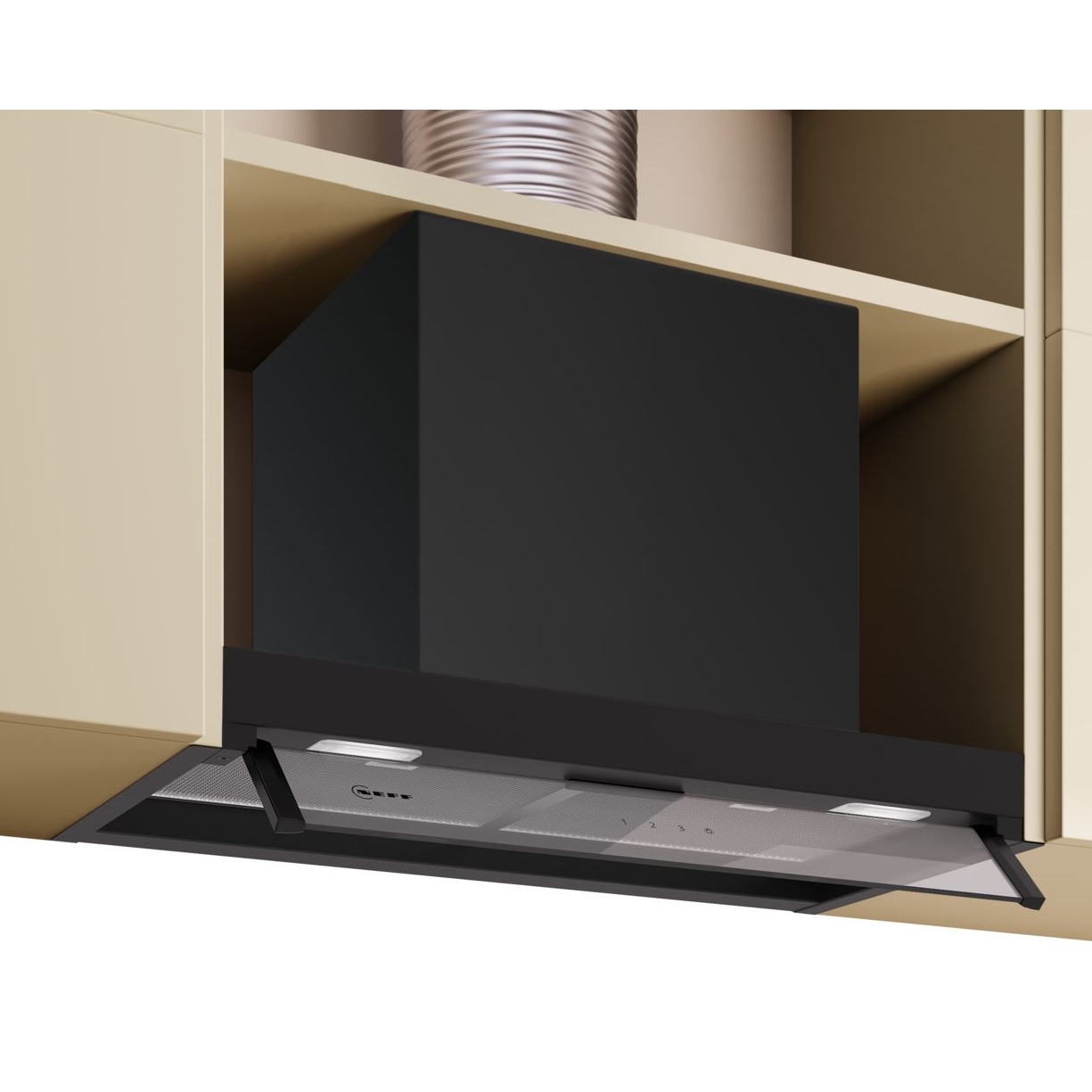
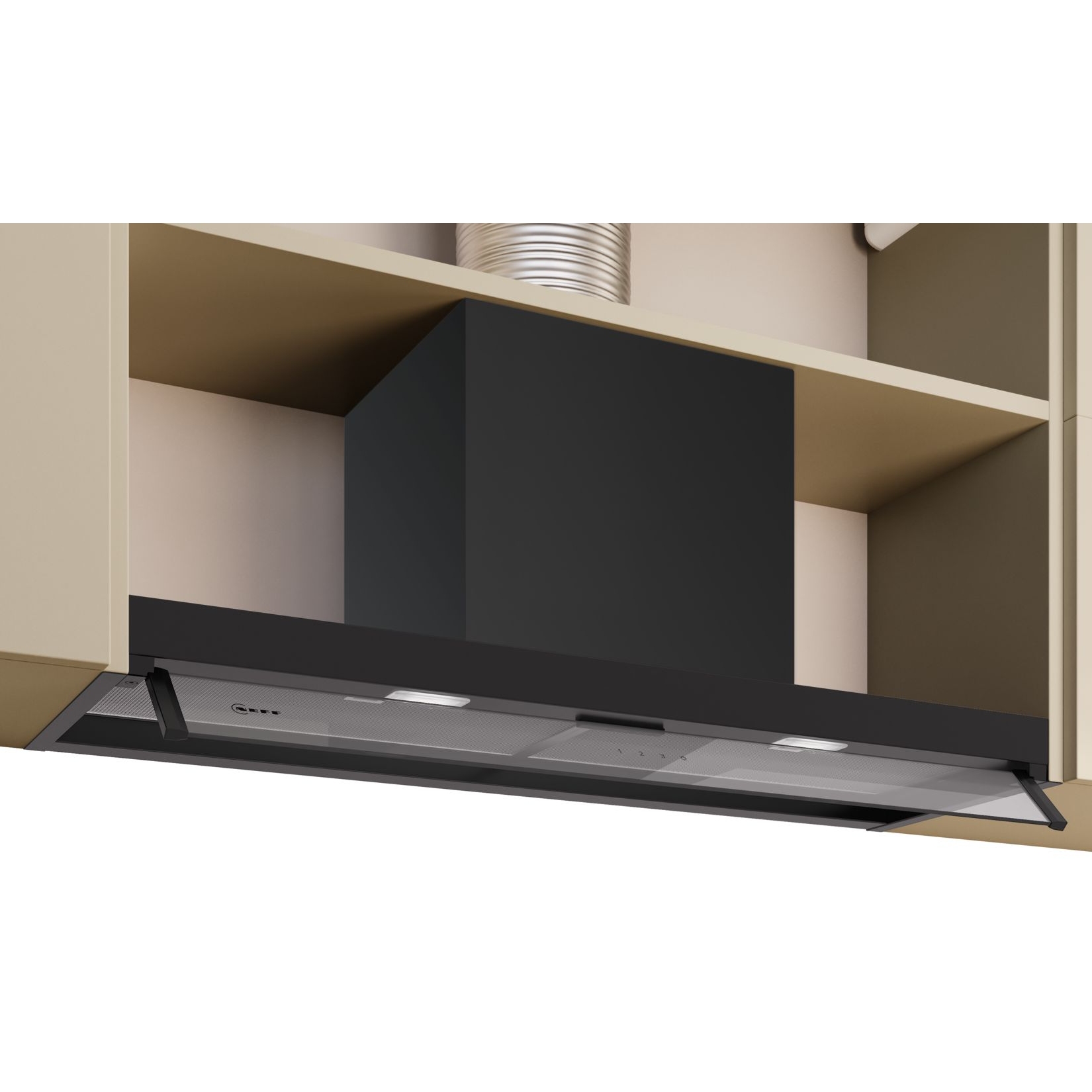
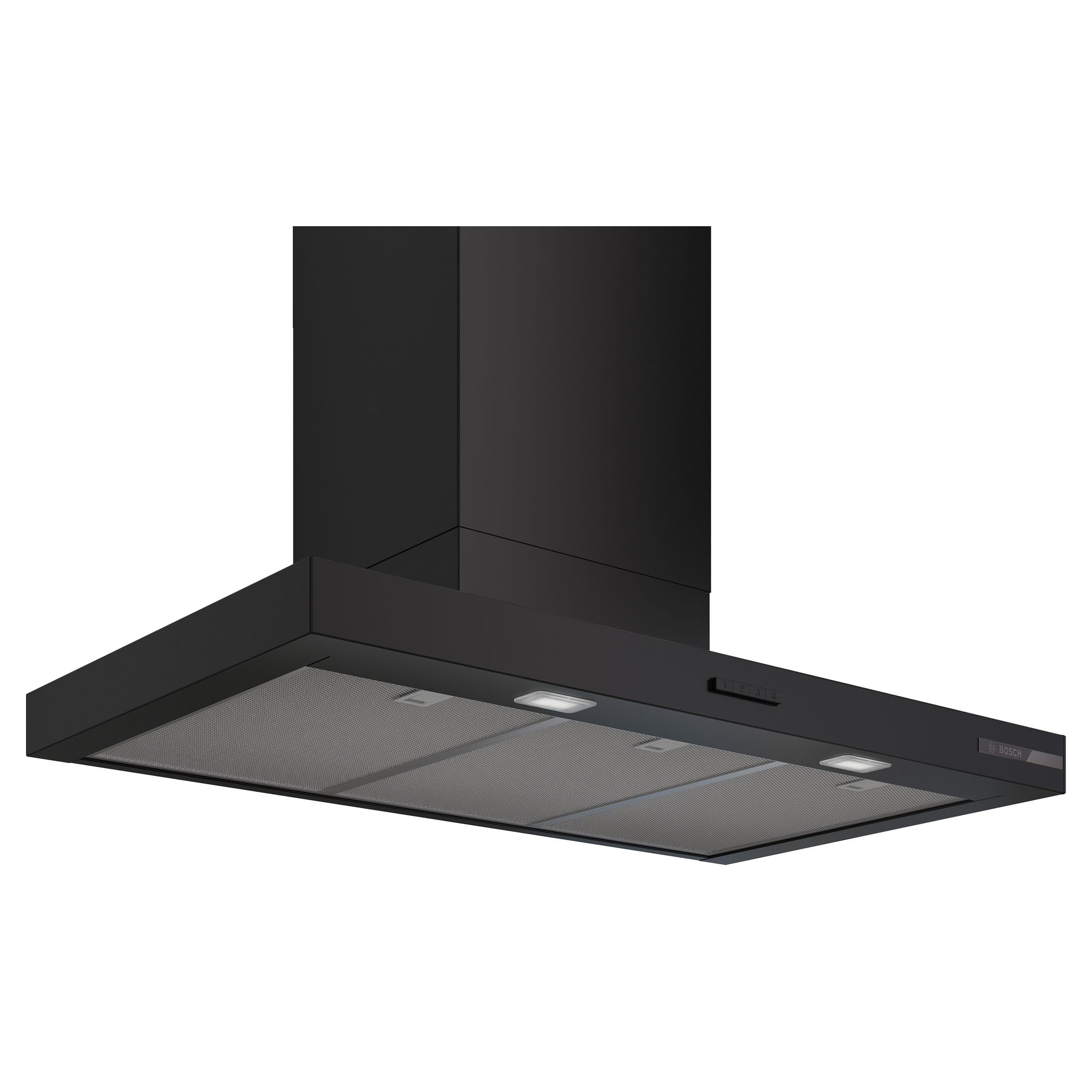
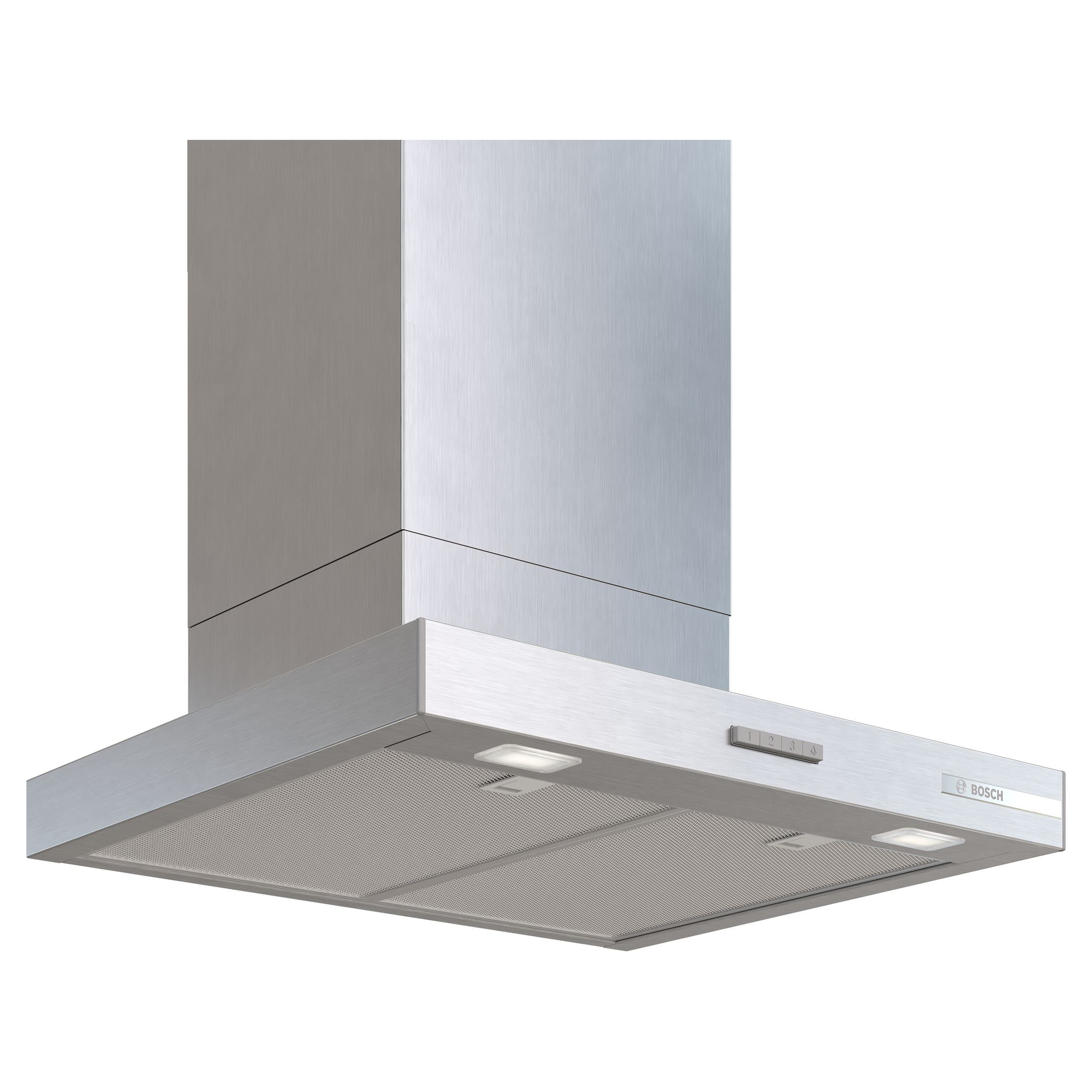
- Hood style: Integrated, chimney, canopy, island and downdraft hoods can have different installation requirements.
- Extraction method: Decide whether ducted or recirculating extraction is suitable.
- Ducting: If you’re venting outside, plan the duct route carefully.
- Noise: Check the dB rating, particularly for open plan kitchens.
- Features: Look at speed settings, boost functions, lighting, filters and other features that matter to you.
Taking a few minutes to work through these points can make choosing your cooker hood much easier, and help you find a model that’s properly suited to your kitchen rather than simply the one with the biggest number on the box.
Shop Kitchen Extraction




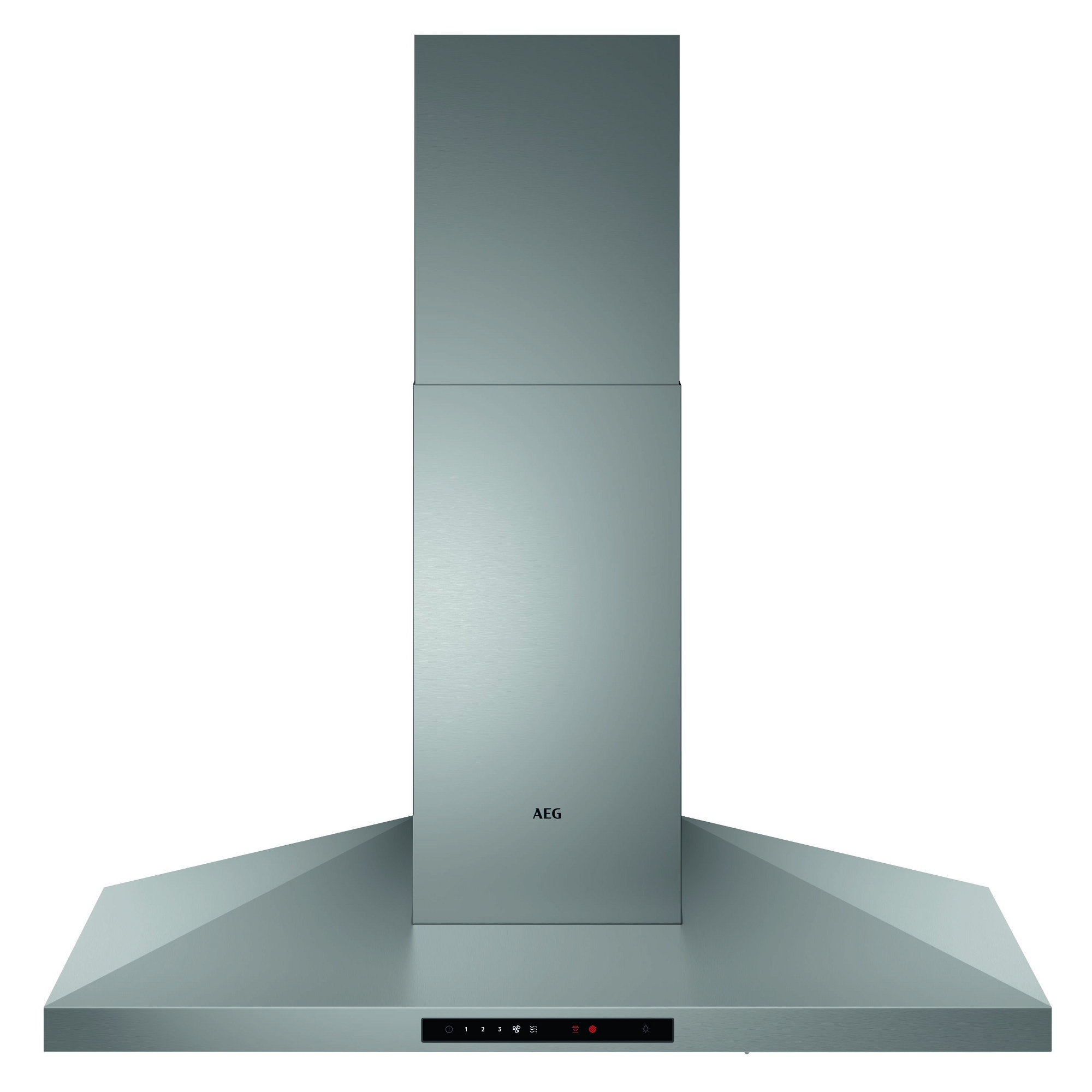

AEG DKB6971HM Series 6000 Hob2Hood Chimney Hood - Stainless Steel

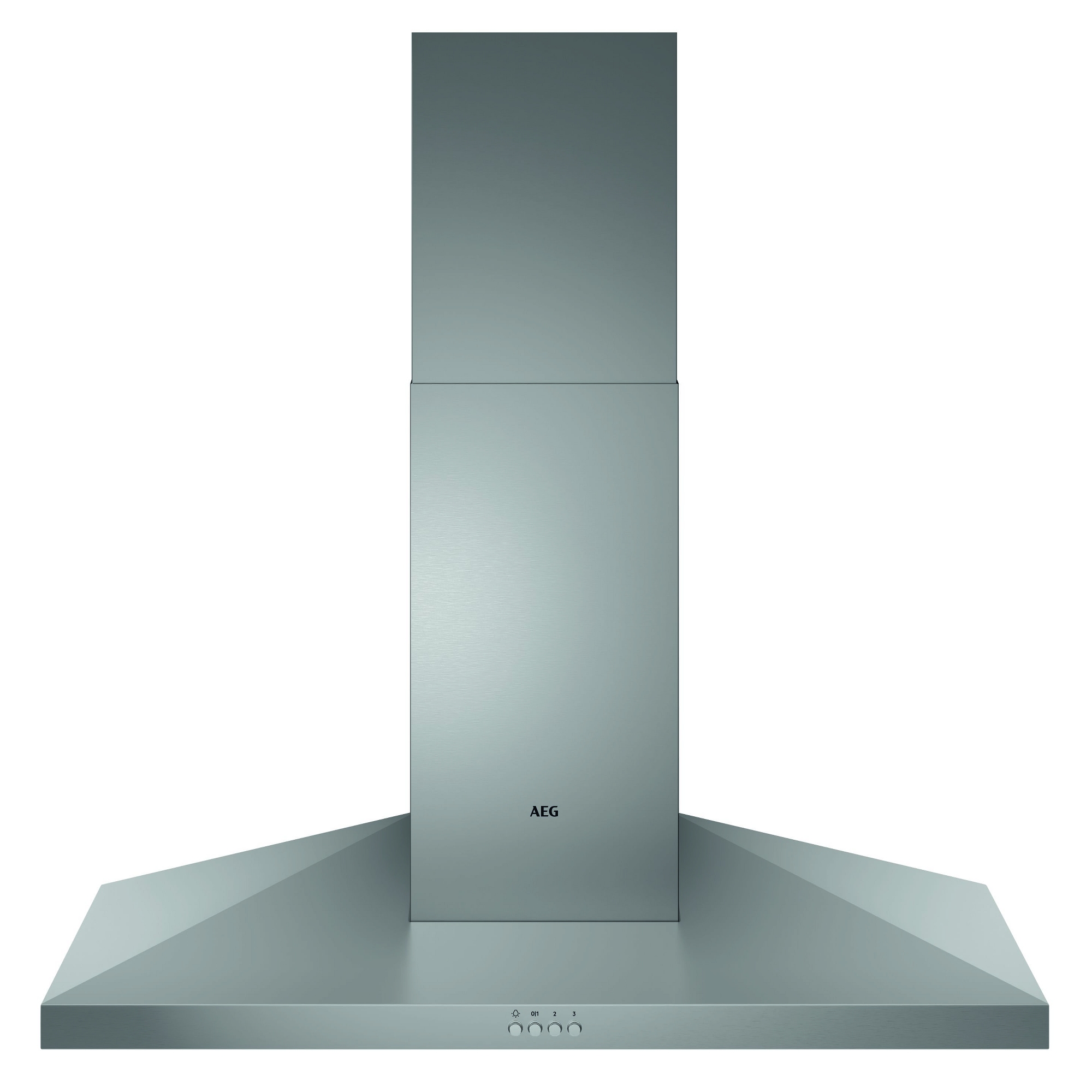
AEG 90cm Series 5000 Chimney Hood DKB4951M - Stainless Steel

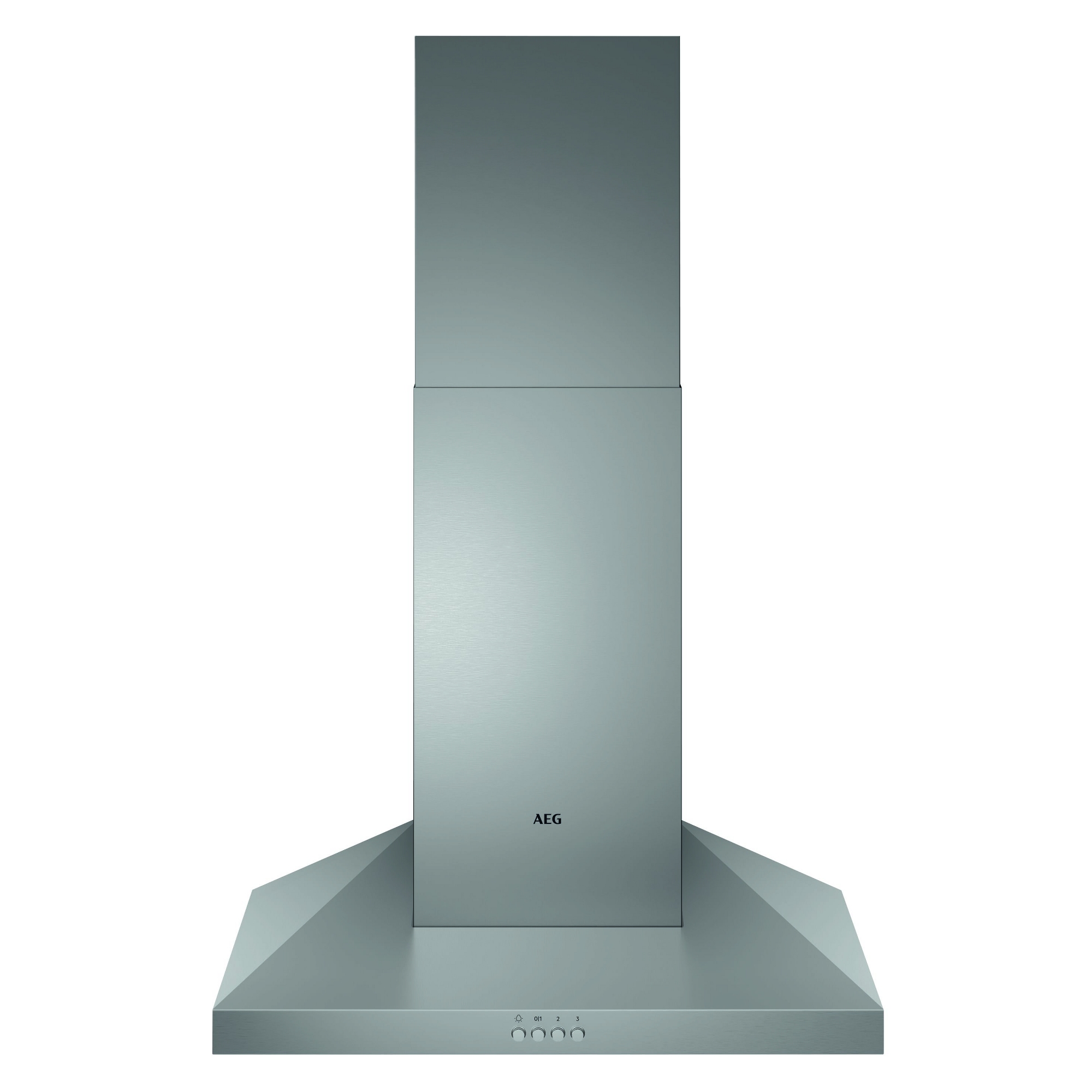
AEG 60cm Series 5000 Chimney Hood DKB4651M - Stainless Steel
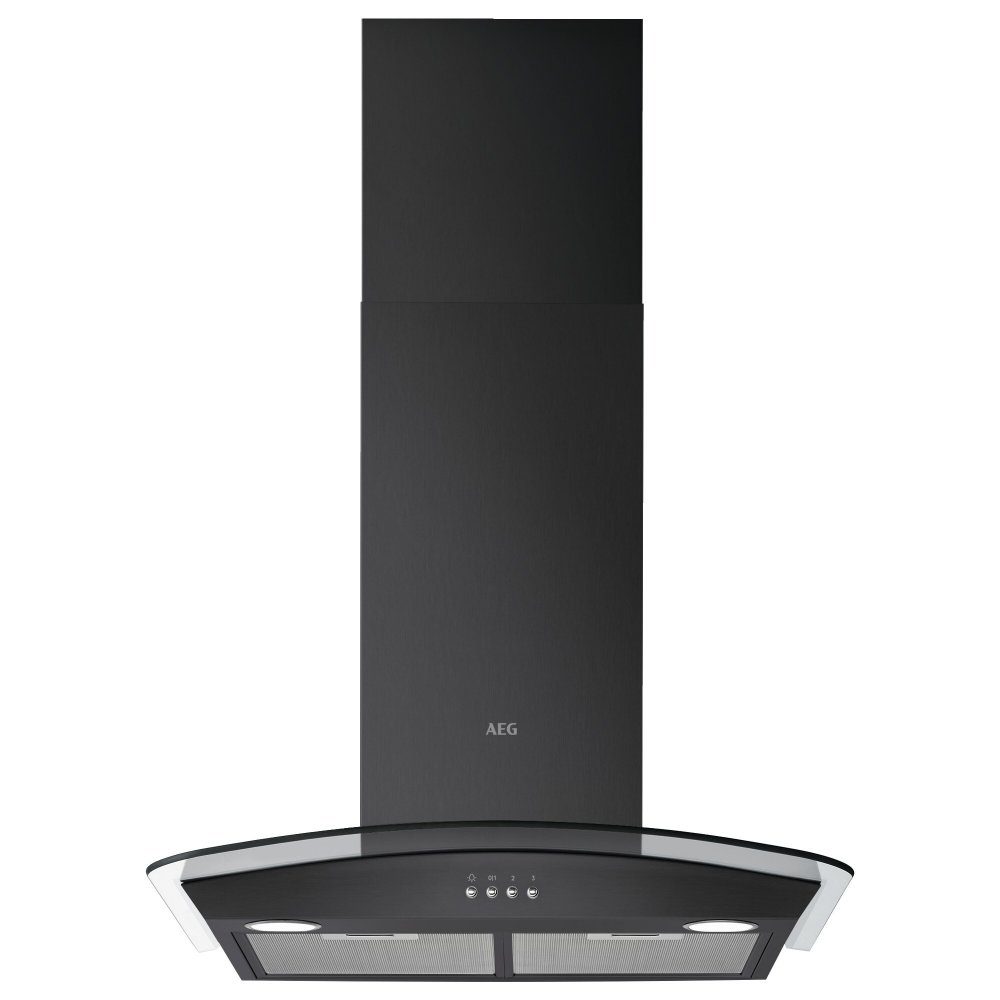
AEG 60cm Series 3000 Curved Glass Chimney Hood DTX3640B - BLACK

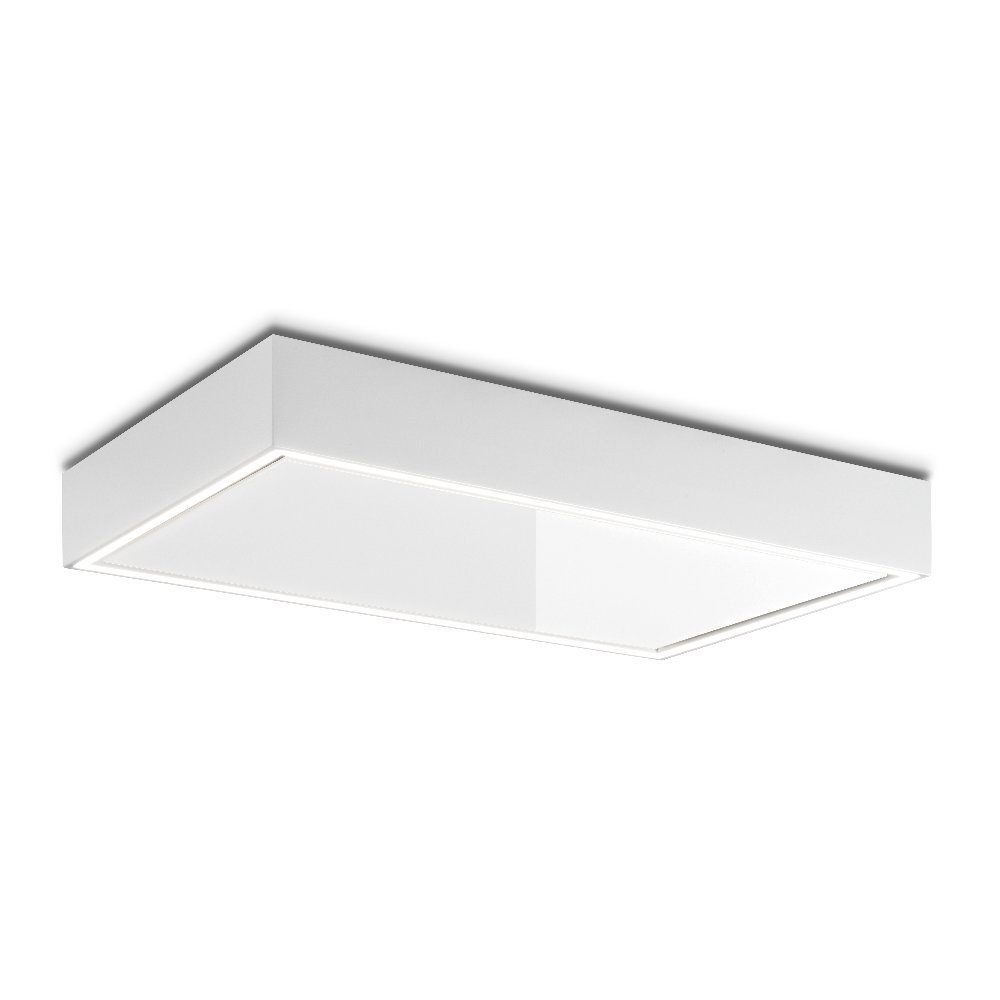

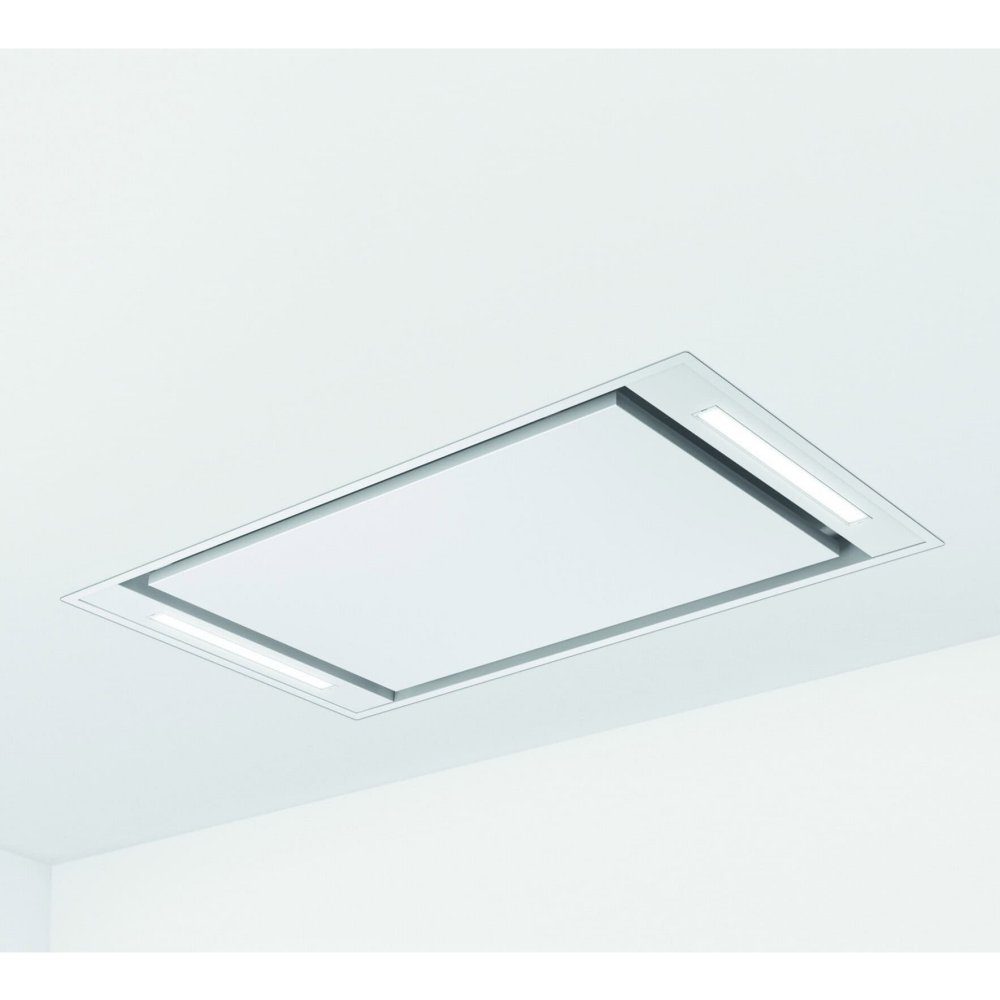

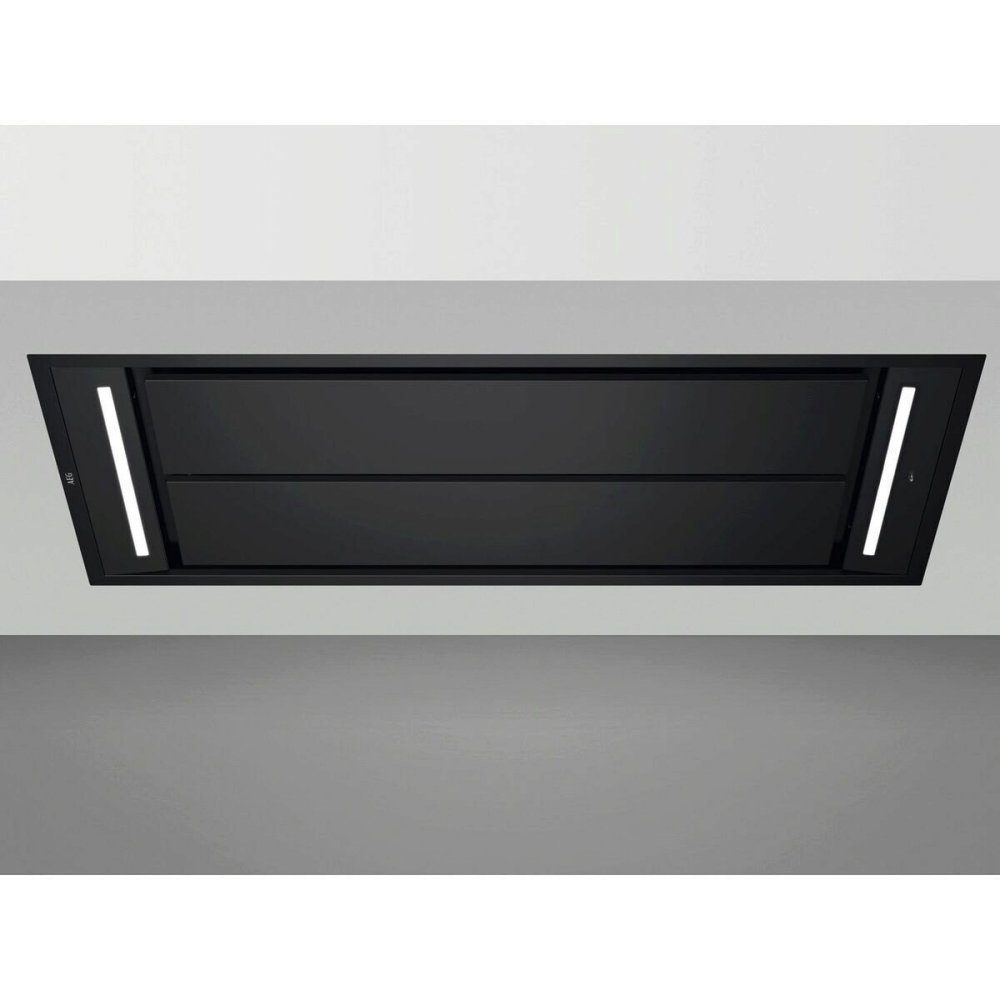
AEG 120cm Series 7 Ceiling Extractor NDC7721SB - Matte Black

AEG 120cm Series 7 Ceiling Extractor NDC7721SB - Matte Black