

August 17, 2026
Washer Dryer vs Separate Laundry Appliances: Which Is Right for Your Home?
When it comes to doing laundry, the appliances you choose can make a surprising difference to how easily your household keeps on top of washing. For smaller homes, a washer dryer can seem like the obvious solution. One appliance can wash and dry your clothes, saving valuable floor space and eliminating the need to transfer wet laundry between machines. But if you have enough room, is it better to invest in a separate washing machine and tumble dryer? There isn't a single answer that works for every household. The right choice depends on the size of your family, how frequently you do laundry, the space available in your home and how much convenience you want from your appliances.
7 min read
What is a washer dryer?
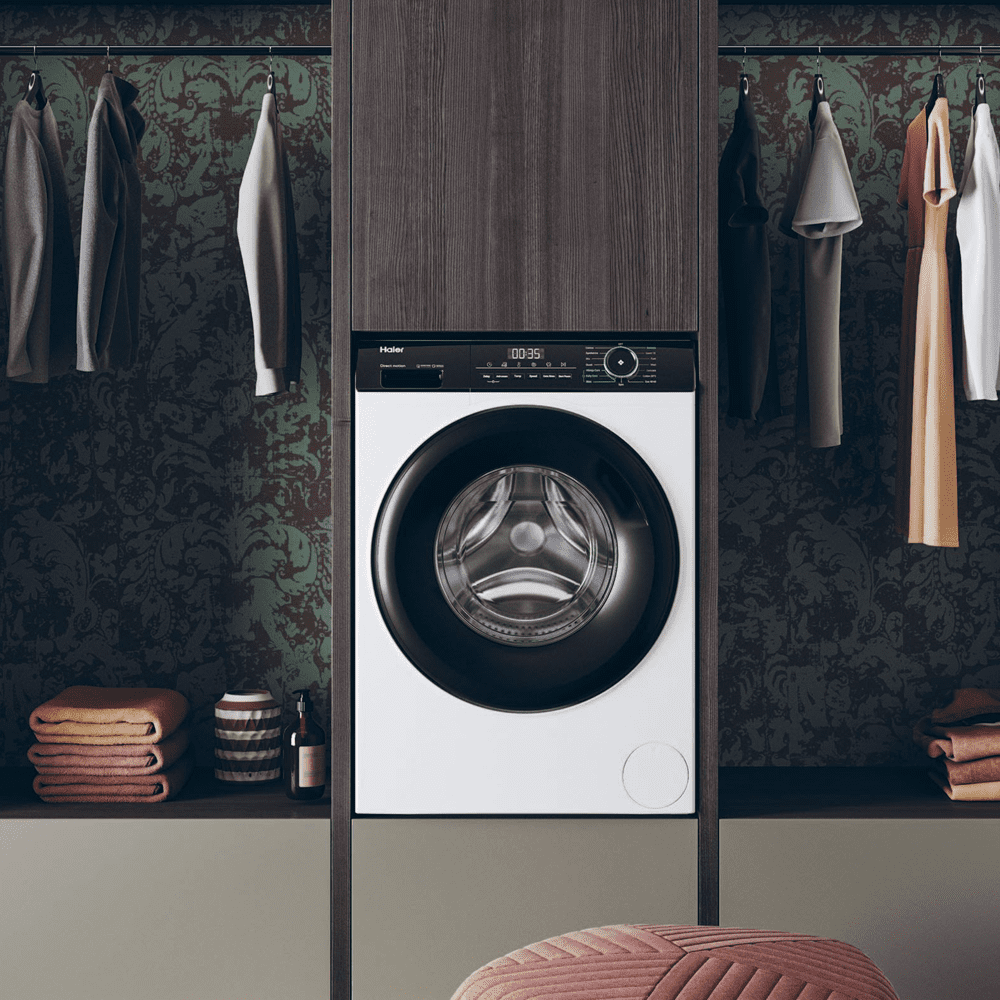
A washer dryer combines two appliances into one. It can wash your clothes and then dry them in the same drum, meaning you don’t have to move the load between cycles.
This makes a washer dryer particularly appealing where space is limited. Instead of finding room for two appliances, you only need one. For households with a smaller utility room, kitchen or laundry area, this can make a significant difference.
The advantages of a washer dryer
The biggest benefit is space saving. A washer dryer takes up roughly the footprint of a washing machine, while providing both washing and drying functionality. This can be particularly useful in flats, smaller homes or kitchens where every centimetre of space matters.
There’s also the convenience factor. Put your clothes in, select a suitable programme and the machine can wash and dry them without you having to intervene. For smaller households that don’t generate huge amounts of laundry, this may be all the capacity and functionality you need.
What about separate appliances?
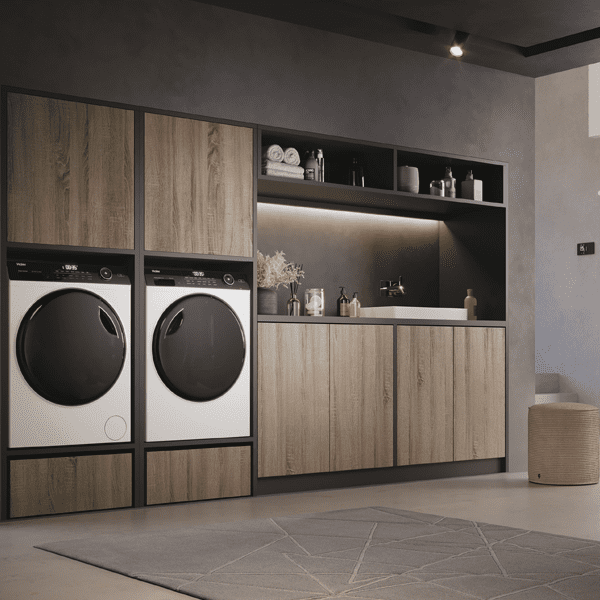
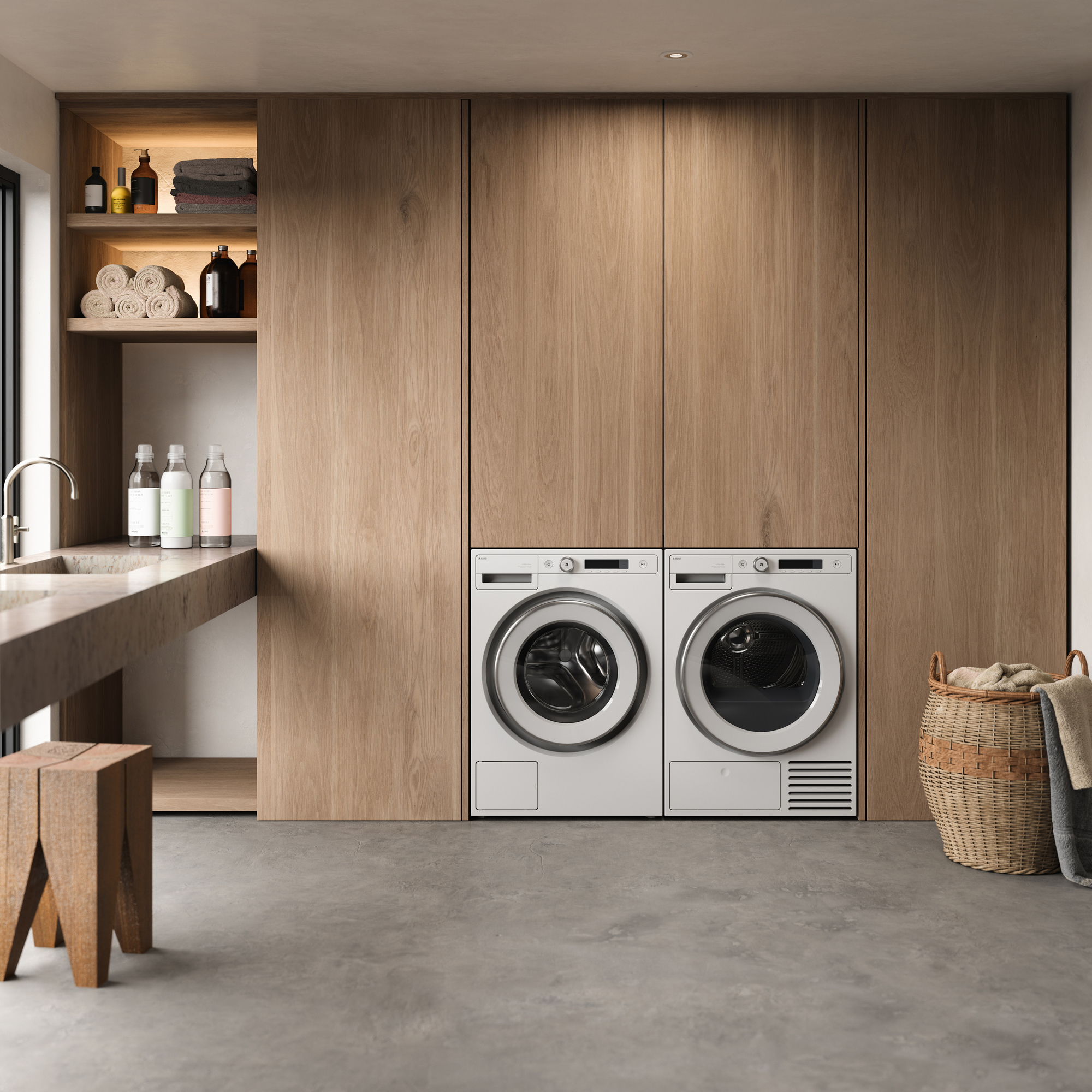
A separate washing machine and tumble dryer give you two dedicated appliances, each designed specifically for its job. This generally means greater flexibility. While one load is drying, you can start washing another. If your household gets through several loads of laundry each week, this can make it easier to work through a large pile of washing.
Separate appliances can also give you more choice when it comes to capacities and programmes. You can select a washing machine based on your washing requirements and a tumble dryer based on how much drying you typically do.
The trade off, of course, is space.
Washer dryer vs separate appliances: the key differences
The simplest way to compare the options is to think about what matters most to your household.
| Consideration | Washer dryer | Separate appliances |
|---|---|---|
| Space Required | Less | More |
| Washing & Drying |
Combined. Run one cycle at a time | Dedicated machines. Run a wash and drying cycle simultaneously |
| Convenience | Good | Good, but requires transferring loads |
| Multiple Loads | Limited | Easier to run simultaneously |
| Laundry Throughput | Generally suited to moderate volumes | Better for larger households |
| Flexibility |
Good | Excellent |
| Installation | One installation required | Two separate installations required |
| Best Suited To | Smaller homes and households | Families and frequent laundry users |

How much laundry does your household do?
This is probably the most important question to ask. If you live alone or as a couple and only do a few loads of washing each week, a washer dryer could be a very practical choice. You can wash and dry a load without needing to find somewhere to hang clothes or transfer them into another appliance.
However, larger households can have very different laundry requirements.
If you’re regularly washing towels, bedding, school clothes, sports kits and everyday clothing, the laundry pile can grow quickly. Being able to run the washing machine and tumble dryer at the same time can make a separate setup much more efficient.
Think about your peak laundry days, rather than just an average load.
Don't just compare washing capacity
One detail that’s easy to overlook with washer dryers is that the washing and drying capacities may be different. For example, an appliance might be able to wash a larger load than it can dry. If you fill the drum to its maximum washing capacity, you may not be able to dry the entire load in one go. That can mean removing some clothes before starting the drying cycle.
With separate appliances, the capacities can be chosen independently. You might opt for a washing machine and tumble dryer with similar capacities, making it easier to move a full load directly from one machine to the other.
When comparing models, always check both the washing and drying capacities, rather than assuming they are identical.
How important is speed?
If your household does laundry frequently, consider how quickly you need to get through each load. A washer dryer has to complete the washing and drying process sequentially. That means one load can occupy the machine for a considerable amount of time. With separate machines, you can start drying one load while another is washing. This can make a significant difference for busy households that need to process several loads in a day. On the other hand, if you're only doing one or two loads at a time, the additional throughput of separate appliances may not be important enough to justify the extra space.
How much space do you have?
Space can ultimately make the decision for you. If you only have room for one appliance, a washer dryer provides an obvious solution. You may be able to install it beneath a kitchen worktop or in a dedicated laundry area without sacrificing additional cupboard space. If you have a utility room, larger kitchen or another suitable area, separate appliances become a more realistic option. Some homes can also accommodate a stacked washing machine and tumble dryer, allowing you to have two appliances while keeping their footprint relatively compact. Before choosing this arrangement, make sure the appliances and stacking method are compatible and that the installation meets the manufacturer's requirements.
Which is more convenient?
Convenience means different things to different households. A washer dryer wins when convenience means putting laundry in once and leaving it to wash and dry. You don't need to remember to move wet clothes between appliances. Separate appliances win when convenience means getting through lots of laundry quickly. Being able to wash another load while the previous one is drying can be a major advantage when laundry is a constant part of your household routine. Consider which inconvenience you'd rather avoid: transferring laundry between machines, or having one appliance occupied for longer periods.
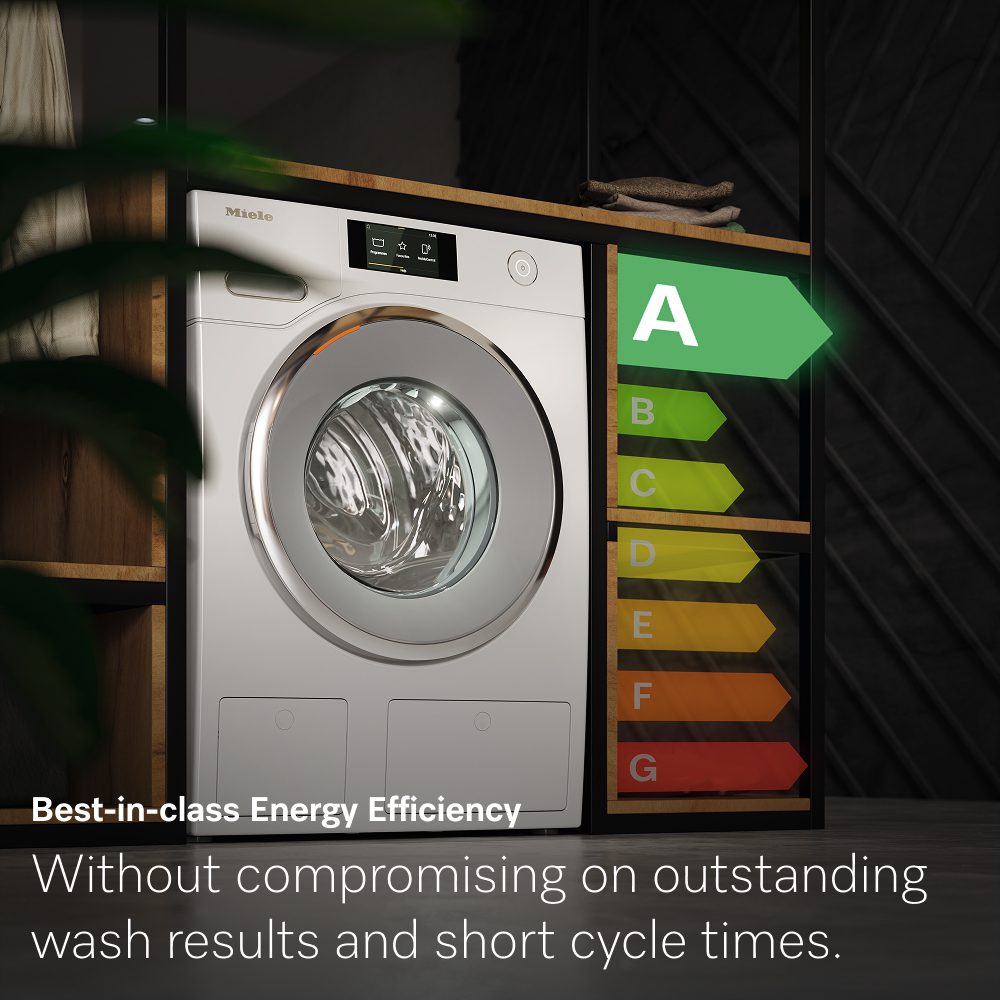
What about energy efficiency?
Energy consumption is another factor worth considering, although the answer isn’t simply that one format is always more efficient. Modern washing machines and tumble dryers are designed with efficiency in mind, and the actual energy used will depend on the appliance, programme, load size and how frequently you use it.
A washer dryer may be attractive because you only need one appliance, but separate appliances give you the option of running only the machine you need. For example, you may choose to wash clothes and then air dry them rather than automatically using a tumble dryer. If running costs are important to you, compare the efficiency information and typical programme consumption of the individual models you’re considering.
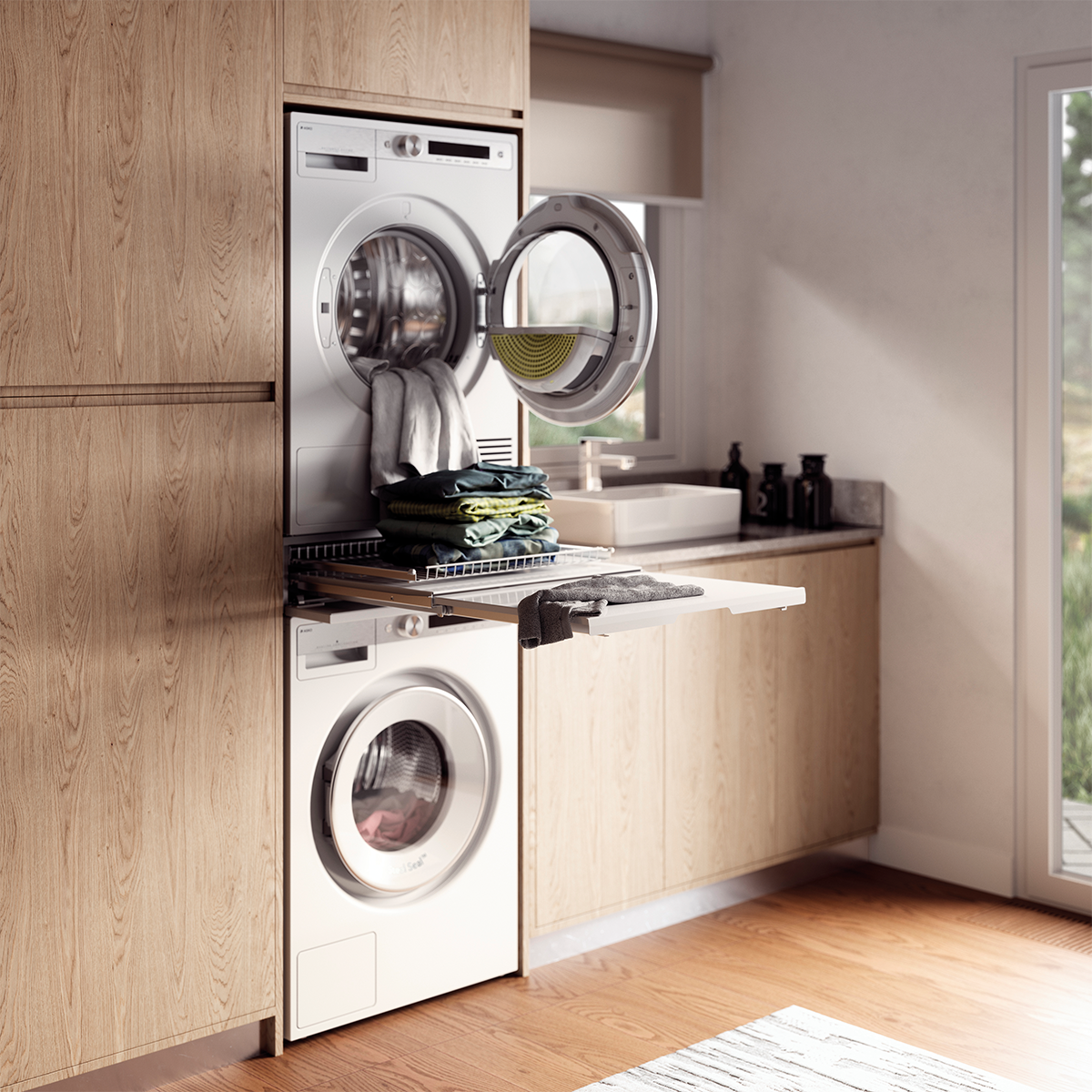
Don't forget drying options
Before choosing a tumble dryer, consider how often you actually use one. Some households use a tumble dryer for almost everything, while others primarily air-dry clothes and only use a dryer for towels, bedding or during colder weather.
If you rarely tumble dry clothes, a washer dryer may offer a convenient way to have drying functionality available without dedicating space to a separate appliance.
If your tumble dryer is likely to be running several times a week, however, a dedicated dryer could provide the capacity and flexibility you’re looking for.
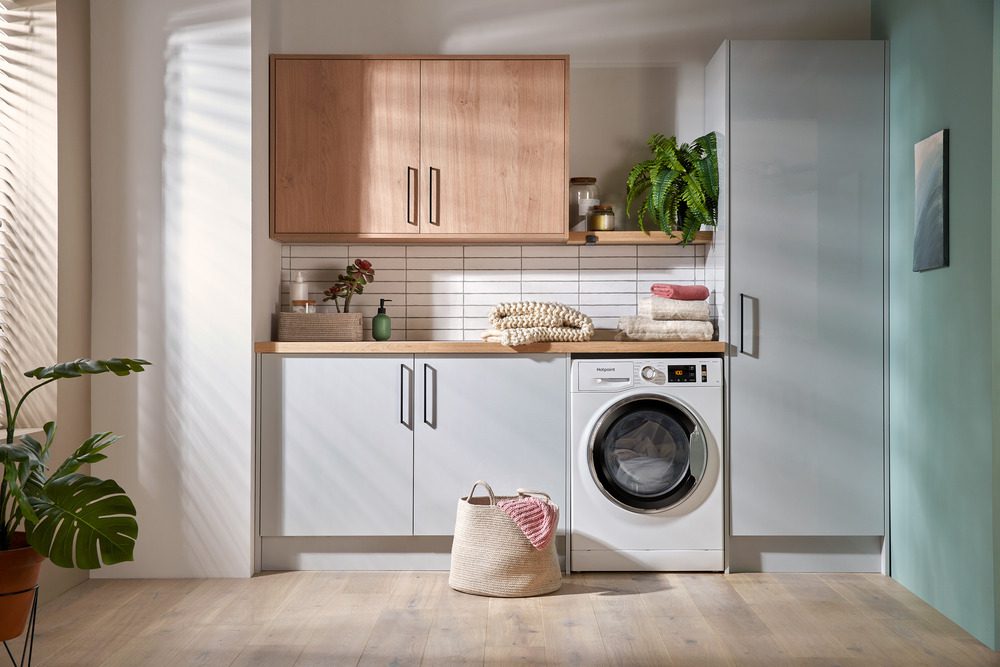
Which option is right for your household?
A washer dryer could be the better choice if you:
- Have limited space
- Live alone or as a couple
- Do a relatively small amount of laundry
- Want one appliance to handle both jobs
- Prefer not to transfer wet clothes between machines
- Don’t need to process several loads quickly
A separate washing machine and tumble dryer could be the better choice if you:
- Have a larger household
- Do several loads of laundry each week
- Regularly wash bulky items such as towels and bedding
- Want to wash and dry different loads simultaneously
- Have enough space for two appliances
- Want maximum flexibility and laundry capacity
Three questions to ask yourself before you buy
Still not sure which setup is right for you? Before making a decision, ask yourself these three questions.
Think beyond the number of people in your household. A family of four may have very different laundry needs depending on how often they wash clothes, towels and bedding. If you’re regularly doing several loads in a day, separate appliances could make life easier because you can wash one load while another is drying. If you typically do one or two loads at a time, a washer dryer may provide all the capacity you need.
Measure the space available before you start shopping. If you only have room for one standard appliance, a washer dryer could be the most practical solution. If you have a utility room or enough space to accommodate two appliances, a separate washing machine and tumble dryer gives you greater flexibility. Don’t forget to consider alternative layouts, such as stacking compatible appliances vertically. This can provide the benefits of two machines without requiring twice the floor space.
Finally, think about how you want your laundry routine to work. If your priority is convenience, a washer dryer lets you put a load in and leave it to complete both stages without transferring clothes between machines. If flexibility is more important, separate appliances allow you to wash and dry different loads at the same time, choose different programmes independently and process larger amounts of laundry more efficiently. There isn’t a right or wrong answer. The best choice is the one that removes the biggest frustration from your current laundry routine.
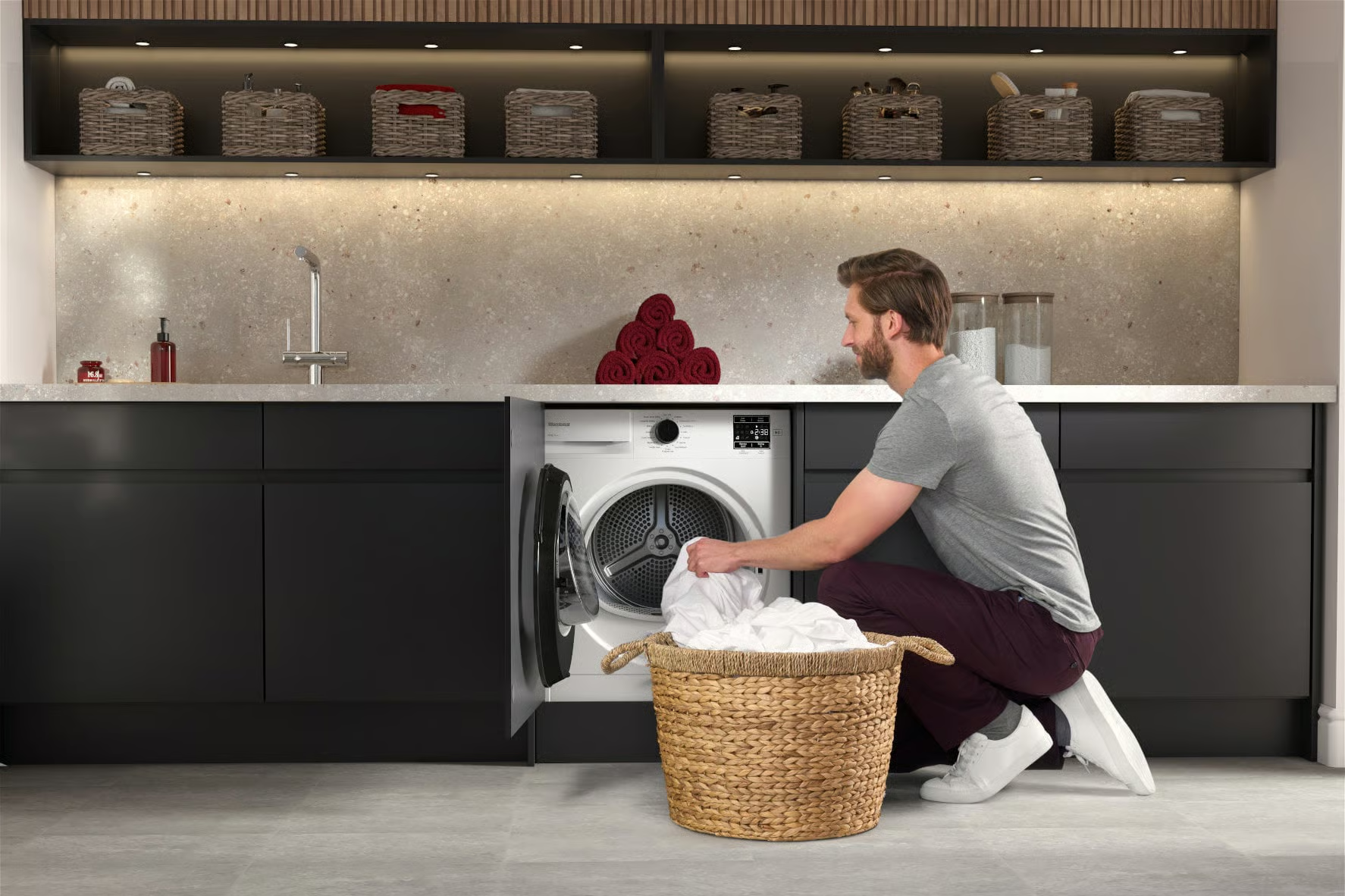
So, which should you choose?
The decision ultimately comes down to space versus capacity and flexibility.
For smaller households, a washer dryer can be an excellent all-in-one solution. It provides both functions without requiring the space of two appliances and can make laundry simple and convenient. For larger households or anyone who does frequent laundry, separate appliances are often worth considering. The ability to run the washing machine and tumble dryer independently can save time and make it much easier to keep on top of multiple loads.
There’s no need to choose the most powerful or expensive setup simply because it offers more capacity. Instead, think about your household’s actual laundry habits. If space is your biggest limitation, choose a washer dryer. If laundry volume and flexibility are your priorities, separate appliances may be the better investment.
The best setup is ultimately the one that fits both your home and the way you live.