

July 23, 2026
What Washing Machine Capacity Do I Need?
When you're shopping for a new washing machine, it's easy to get distracted by spin speeds, energy ratings and smart features. But before you compare any of that, there's one question you need to answer: What size washing machine do you actually need? Choose a machine that's too small and you'll find yourself doing laundry more often than you'd like. Go too big and you could end up paying for capacity you'll never use. And if you're considering a washer dryer, things get even more confusing because you'll notice every model has two different capacity ratings. Let's understand what those capacity figures really mean and help you work out which size is right for your household.
10 min read
What Does Washing Machine Capacity Mean?
The capacity of a washing machine is measured in kilograms, but this doesn’t refer to the weight of the machine itself. Instead, it’s the maximum weight of dry laundry the drum is designed to wash in a single cycle. So, if a machine has an 8kg capacity, it can wash up to 8kg of dry clothing, towels and bedding at once.
Most people don’t weigh their laundry before putting it in the machine, so the capacity rating is really there to give you an idea of how much washing the appliance can comfortably handle.
How Much Capacity Does Your Household Need?
A good starting point is to think about how many people live in your home. Someone living alone will naturally produce far less laundry than a family of five, so they won’t need the same size machine. While household size isn’t the only thing that matters, we recommend following the below guide:
| Household Size | Recommended Capacity |
|---|---|
| 1 Person | 6-7kg |
| 2 People | 8-9kg |
| 3-4 People | 9-10kg |
| 4-5 People | 10-11kg |
| 5+ People | 11kg + |
What Does an 8kg, 9kg or 10kg Washing Machine Actually Hold?
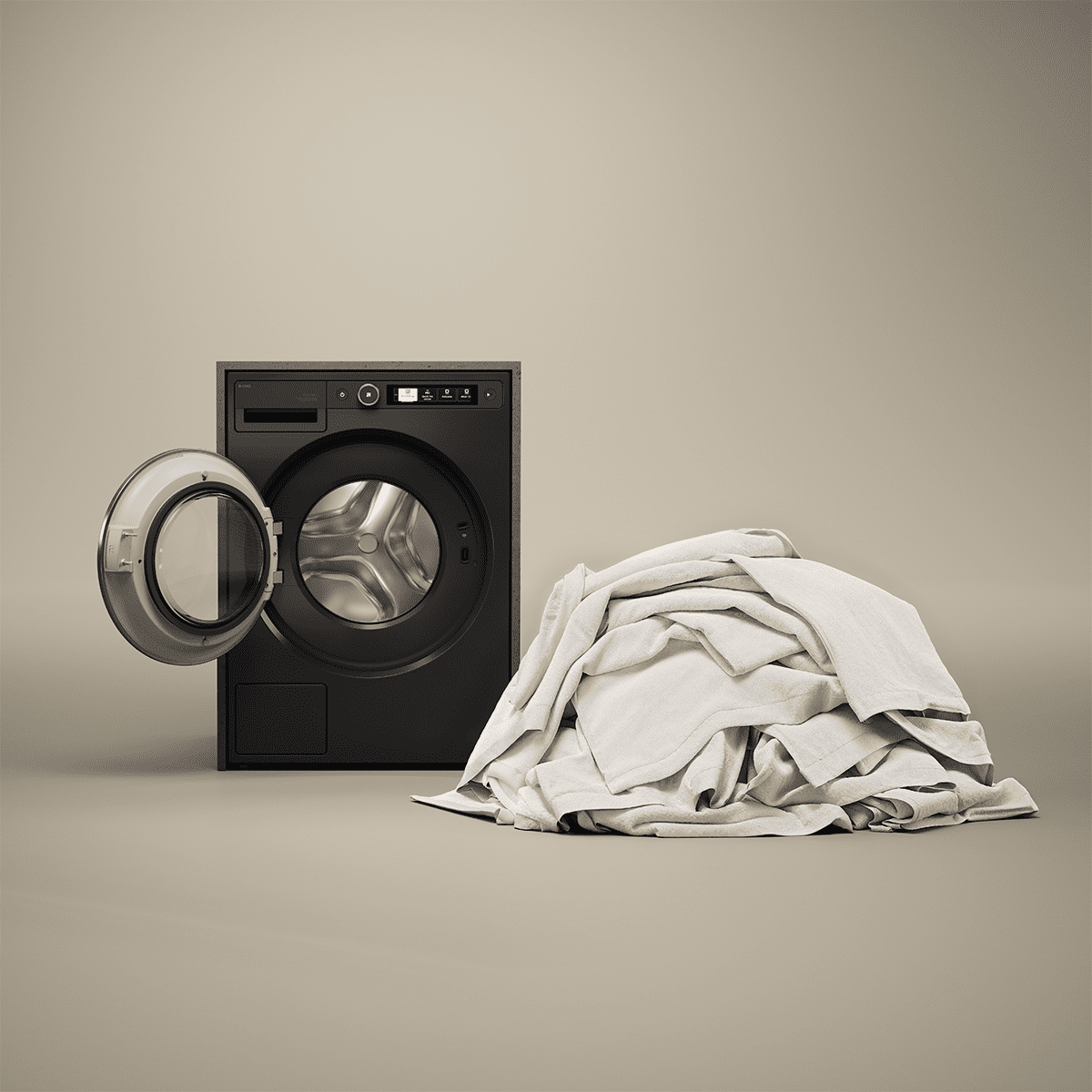
Because washing machine capacity is measured using the weight of dry laundry, it can be hard to picture what that means in real life.
Here’s a simple way to think about it:
7kg washing machines – Around 35 T-shirts or a small weekly wash
8kg washing machines – Around 40 T-shirts or a double bedding set plus towels
9kg washing machines – Around 45 T-shirts or a larger family load
10kg washing machines – Around 50 T-shirts or king-size bedding with towels
12kg washing machines – Very large family loads, bulky bedding and blankets
Your Laundry Habits Matter Too
Two families of four can have completely different laundry requirements. One household might run the washing machine every day, while another prefers to save everything up and tackle it over the weekend. Some people regularly wash sports kits, pet bedding and muddy outdoor clothing, while others mainly wash everyday clothes.
If you prefer fewer, larger loads, a bigger drum can be a real advantage. It allows you to wash more items at once, which can save time and reduce the number of cycles you need to run each week. On the other hand, if you tend to wash little and often, a smaller machine may be perfectly adequate.
And don’t forget about the bedding. One of the most common reasons people regret buying a smaller washing machine is bedding. Washing everyday clothes doesn’t take up much room, but once you start adding duvet covers, sheets and large towels, the drum can fill up surprisingly quickly.
For example:
- An 8kg machine can usually handle a double duvet set plus towels
- A 9kg or 10kg machine gives more comfort for bulkier loads
- King size bedding is often better suited to 9kg+ machines
If you want the flexibility to wash larger items at home, it’s usually worth stepping up a size.
Is It Worth Buying a Larger Machine?
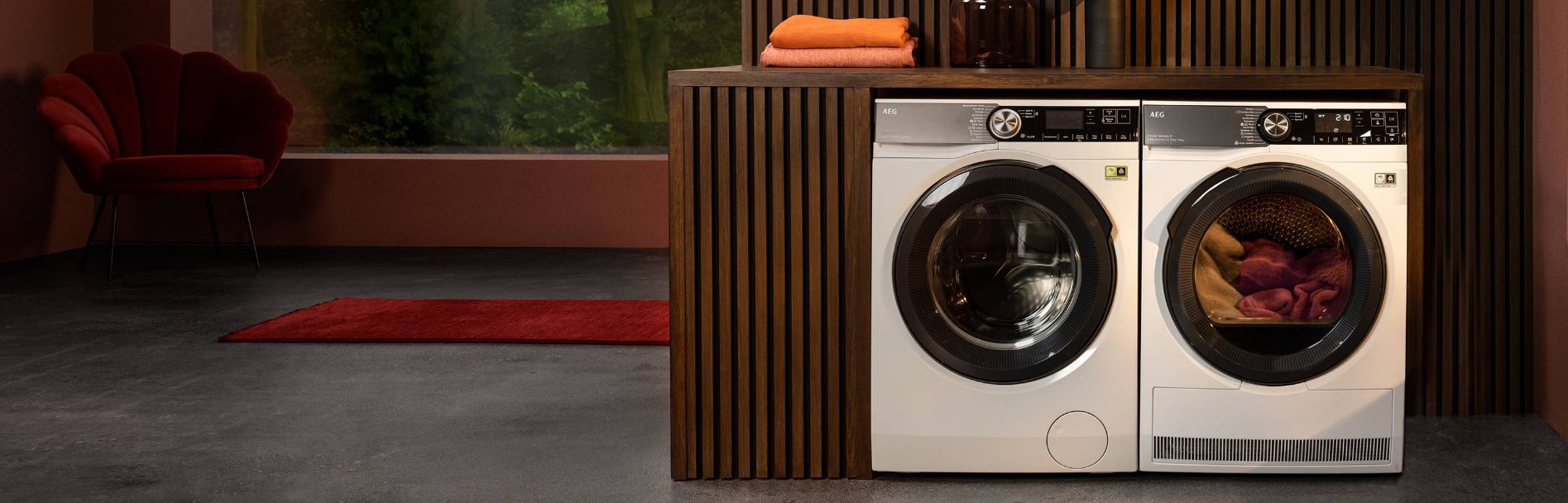
Many shoppers assume bigger is always better, but that’s not necessarily the case. Most washing machines are generally very good at detecting smaller loads and adjusting water usage accordingly, so buying a machine that’s slightly larger than your current needs isn’t usually a problem.
However, there’s little benefit in paying significantly more for a huge drum if you rarely fill it.
Most households usually opt for a washing machine between 8kg and 10kg, offering a good balance of flexibility and efficiency. If you’re choosing between two similar models and the price difference is small, the larger capacity is often worth it for future flexibility.
Understanding Washer Dryer Capacities
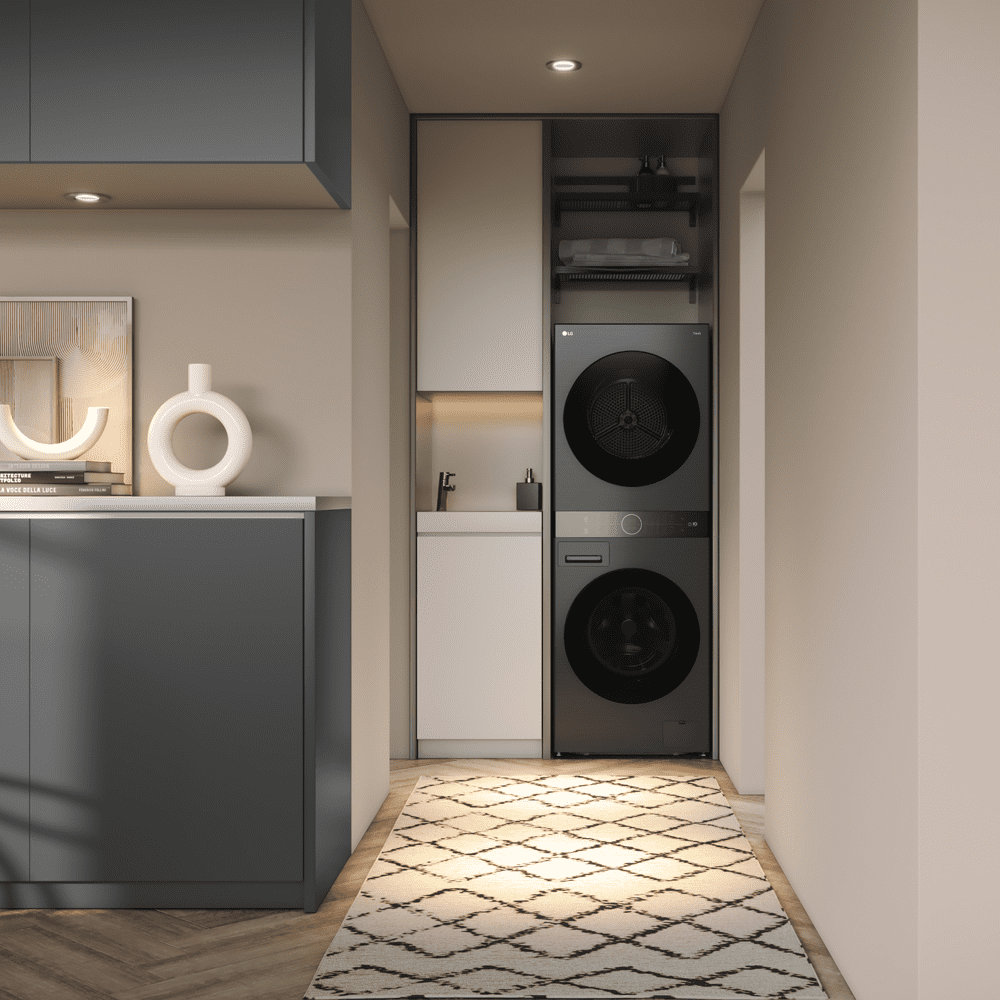
If you’re looking to purchase a washer dryer, you’ll notice something unusual straight away – two different capacities. A model might be advertised as 10kg Wash / 6kg Dry. At first glance, that can be confusing. If it can wash 10kg, why can it only dry 6kg? The answer is simple: drying needs more space than washing. When drying, hot air needs to circulate freely inside the drum. If the load is too large, clothes won’t dry properly. That’s why washer dryers always have a lower drying capacity than washing capacity.
Always look at both numbers if you’re buying a washer dryer. Understanding this difference helps you avoid one of the most common buying mistakes and ensures you choose a machine that genuinely suits your home and lifestyle.
So, what happens when you wash a full load? You can wash a full 10kg load without any issues. However, if you want to dry everything afterwards, you’ll usually need to remove some items before starting the drying cycle, typically around 4kg in this case. This is one of the most common surprises for people buying a washer dryer for the first time.
Which Washer Dryer Size Is Best?
The right choice depends on how often you plan to use the drying function. If you rely on the dryer regularly, it’s worth paying closer attention to the drying capacity than the washing figure. As a general guide:
| Washer Dryer Capacity | Best For |
|---|---|
| 8kg Wash / 5kg Dry | Singles and couples |
| 9kg Wash / 6kg Dry | Small families |
| 10kg Wash / 6kg Dry | Medium households |
| 11kg Wash / 7kg Dry | Larger families |
| 12kg Wash / 8kg Dry | Heavy laundry users |
FAQs: Washing Machine Capacities
For most families of four, an 8kg or 9kg washing machine is ideal. An 8kg machine will comfortably handle everyday clothing, towels and bedding for many households. However, if you have young children, regularly wash sports kits or prefer doing fewer loads each week, a 9kg model may offer more flexibility.
Yes, for many households it is. An 8kg washing machine is one of the most versatile sizes available. It’s suitable for couples and small families, and it can comfortably handle everyday laundry, towels and even most bedding.
Not necessarily better, just larger. A 9kg machine gives you extra space for bulkier loads and fewer wash cycles. But if you don’t regularly fill your machine, you may not notice much difference in everyday use.
Usually yes, but it depends on the duvet. A standard single or lightweight double duvet should fit in an 8kg machine. However, thicker or king size duvets may require a 9kg or 10kg drum. Always check the care label and your machine’s manufacturer guidance before washing.
For regular bedding loads, a 9kg or 10kg machine is usually the most practical choice. The extra space helps bedding move more freely, which improves washing performance and reduces strain on the machine.
Washer dryers show two numbers because they have different limits for washing and drying. For example, 10kg Wash / 6kg Dry means:
- You can wash up to 10kg of dry laundry
- You can only dry up to 6kg at a time
Not always. In most cases, you will need to reduce the load before drying because the drying capacity is lower than the washing capacity.
For couples, an 8kg Wash / 5kg Dry model is often enough. For smaller families, 9kg or 10kg wash capacities with 6kg drying capacity are more practical. Larger households that rely heavily on drying should look for higher drying capacities where possible.
Not necessarily. Modern machines adjust water and energy usage based on load size. The most efficient machine is usually one that matches your actual laundry habits rather than simply being the biggest available.