August 21, 2026
Pyrolytic vs Steam Cleaning Ovens: Which Is Best?
Let's be honest: cleaning the oven isn't exactly the most exciting household job. Whether it's grease from last Sunday's roast, cheese that somehow ended up on the oven floor, or those stubborn splashes that have been there for longer than you'd like to admit, keeping an oven clean can be a chore. Fortunately, modern ovens have a few clever tricks up their sleeves. Two of the most useful are pyrolytic cleaning and steam cleaning. Both are designed to make oven maintenance easier, but they work in very different ways. So, which is best? And is it worth paying more for a pyrolytic oven? Let's take a closer look.
6 min read
What is a pyrolytic oven?
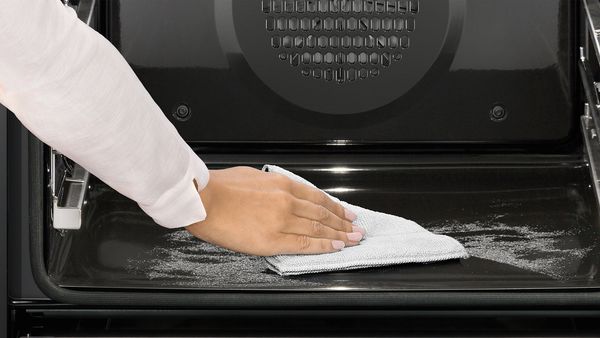
A pyrolytic oven uses extremely high temperatures to clean the inside of the oven. During a pyrolytic cleaning cycle, the oven heats to temperatures of around 400 – 500°C. This intense heat breaks down grease, food residue and other baked on debris, turning it into a fine ash. Once the programme has finished and the oven has cooled, you can simply wipe away the remaining ash with a damp cloth.
Why is pyrolytic cleaning considered self cleaning?
Pyrolytic ovens are mostly described as self cleaning ovens because the cleaning cycle does the majority of the work without needing you to manually scrub the oven cavity. There are still a few things you’ll need to do. Depending on the model, shelves and accessories may need to be removed before starting the programme, and you’ll need to wipe away the ash afterwards. But compared with traditional oven cleaning, there’s considerably less elbow grease involved.
Why choose pyrolytic cleaning?
It’s great for stubborn mess. If you regularly roast, grill or cook foods that leave behind grease and splashes, pyrolytic cleaning is particularly useful.
There’s much less scrubbing. Once the cleaning cycle has finished, you’re generally left with ash rather than baked-on grease.
It’s great for frequent cooks. The more you use your oven, the more useful a powerful cleaning function can become.
It’s convenient. You can run the cleaning programme when you’re not cooking and let the oven take care of the hard work.
Are there any downsides? Pyrolytic cleaning uses very high temperatures. Cleaning programmes can take a couple of hours or more, depending on the model and programme selected, and they use more energy than a lower temperature cleaning cycle. The oven door will also lock during the cycle as a safety measure. Always follow the manufacturer’s instructions and check which accessories can remain inside the oven.
What is a steam cleaning oven?
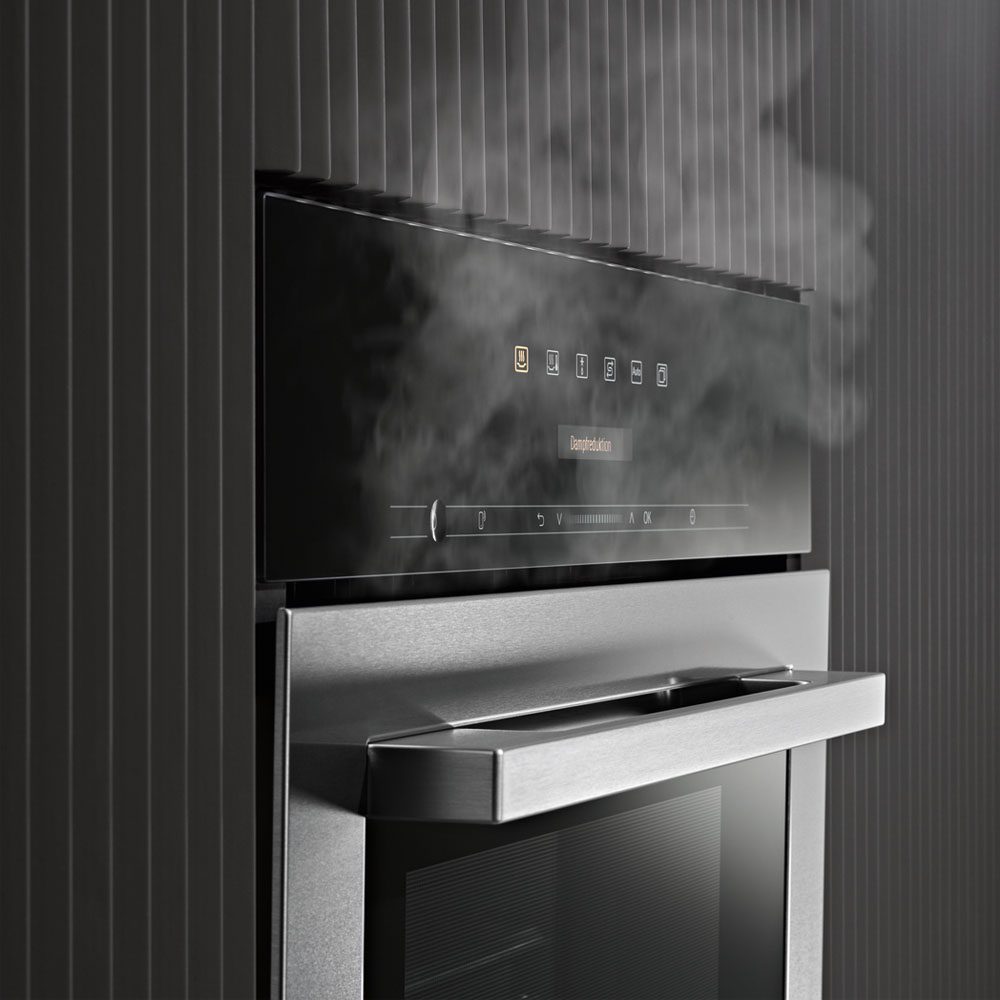
Steam cleaning takes a much gentler approach. Instead of using extremely high temperatures to burn away residue it introduces steam and moisture into the oven cavity. The moisture helps soften grease and food residue, making it much easier to wipe away once the programme has finished. Some ovens have a dedicated steam cleaning programme, while others use a steam assist function. The exact system varies between manufacturers, so it’s worth checking the individual oven’s specifications.
How does steam cleaning work?
The process usually varies slightly from one model to another, but it generally involves:
- Adding the recommended amount of water to the oven or its water reservoir.
- Selecting the steam cleaning programme.
- Allowing the oven to heat the water and produce steam.
- Letting the steam loosen grease and food residue.
- Wiping the softened residue away once the programme has finished.
And this is the key difference between the two technologies. Steam cleaning makes cleaning easier. Pyrolytic cleaning does much more of the cleaning for you.
Why choose steam cleaning ovens?
It’s great for regular maintenance. If you clean your oven regularly, steam can help stop everyday grease and food residue from becoming stubborn, baked on mess.
It uses lower temperatures. Steam cleaning doesn’t need the extreme temperatures required by a pyrolytic cycle.
It’s convenient for everyday mess. A quick steam cleaning cycle can be a handy way to freshen up the oven after regular use.
You don’t need harsh cleaning products. The steam helps loosen residue naturally, although you will still need to wipe the oven afterwards.
Pyrolytic vs steam cleaning: what's the difference?
The simplest way to remember it is that pyrolytic cleaning burns the mess away, while steam cleaning loosens the mess.
| Pyrolytic cleaning | Steam cleaning | |
|---|---|---|
| How it works | Uses very high temperatures to break down grease and food residue | Uses steam and moisture to loosen residue |
| Temperature | Very high | Lower |
| Manual cleaning | Minimal after the cycle | Usually required |
| It's best for | Heavy, baked on mess | Regular maintenance |
| Energy use during cleaning | Higher | Lower |
| Cleaning cycle | Longer | Shorter |
| Cleaning power | Very high | Gentle |
Choose pyrolytic if you...
Cook regularly - If your oven is used several times a week, or even several times a day, a powerful cleaning function can make a noticeable difference.
Often cook messy foods - Roasts, grilled foods and dishes that bubble or splatter can leave a lot of residue behind. Pyrolytic cleaning is particularly well suited to this kind of mess.
Really don't like cleaning your oven - If you'd rather spend your time cooking than scrubbing, pyrolytic cleaning is hard to beat.
Want the most thorough cleaning option - The high temperatures used during pyrolytic cleaning make it particularly effective against stubborn, baked on residue.
Choose steam cleaning if you...
Prefer to clean little and often - Steam cleaning is particularly useful if you're happy to give the oven a quick clean regularly rather than waiting for a serious build up of grease.
Mostly deal with everyday mess - For lighter grease and food residue, steam can make the final wipe down much quicker and easier.
Prefer a lower temperature cleaning process - If the idea of your oven heating to 400°C or more just to clean itself isn't particularly appealing, steam cleaning offers a gentler alternative.
Don't mind doing a little wiping - Steam does the loosening, but you'll still need to finish the job.
Are there any other self cleaning ovens?
Pyrolytic isn’t the only self cleaning technology you’ll come across. Some ovens use catalytic liners, which are specially treated surfaces designed to absorb and break down grease. These work differently from both pyrolytic and steam cleaning systems. Take a look at our Self Cleaning Built In Ovens guide to learn more:
Shop Built In Ovens


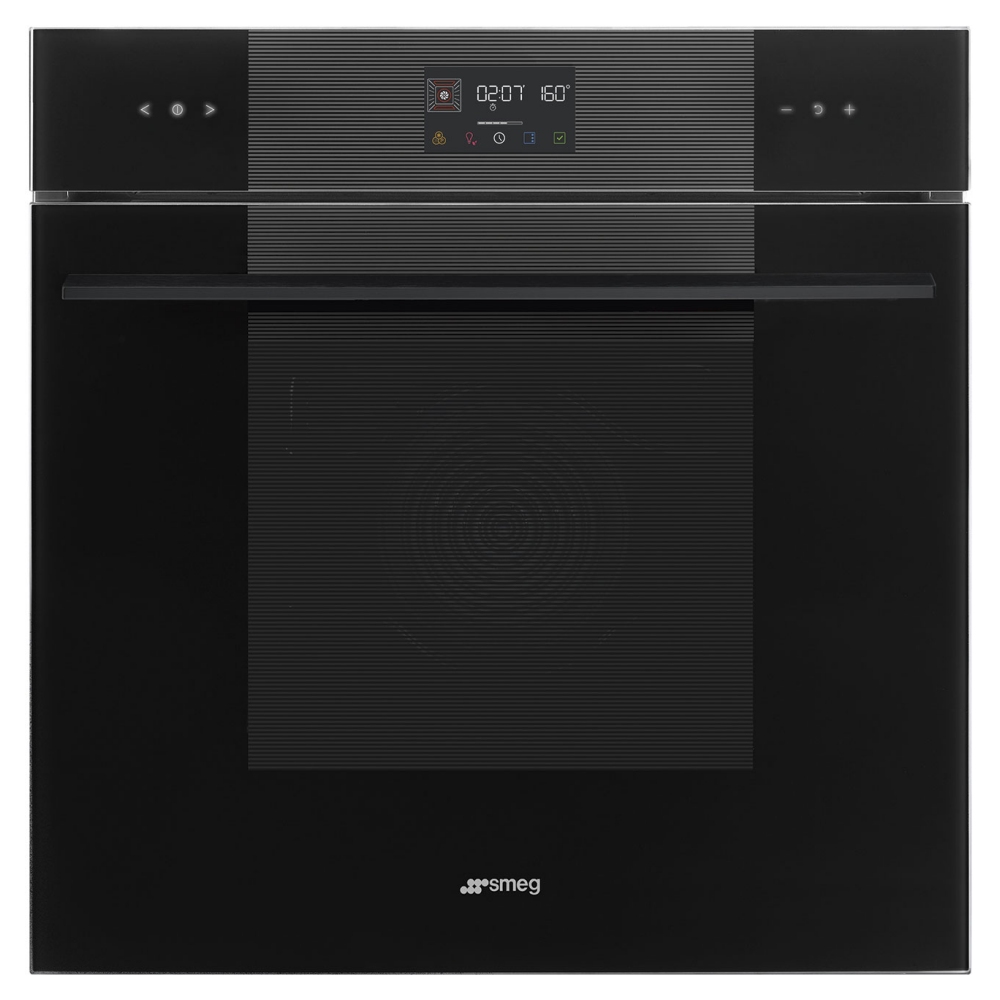

Smeg Linea Pyrolytic Multifunction Single Oven SOP6102TB3 - BLACK

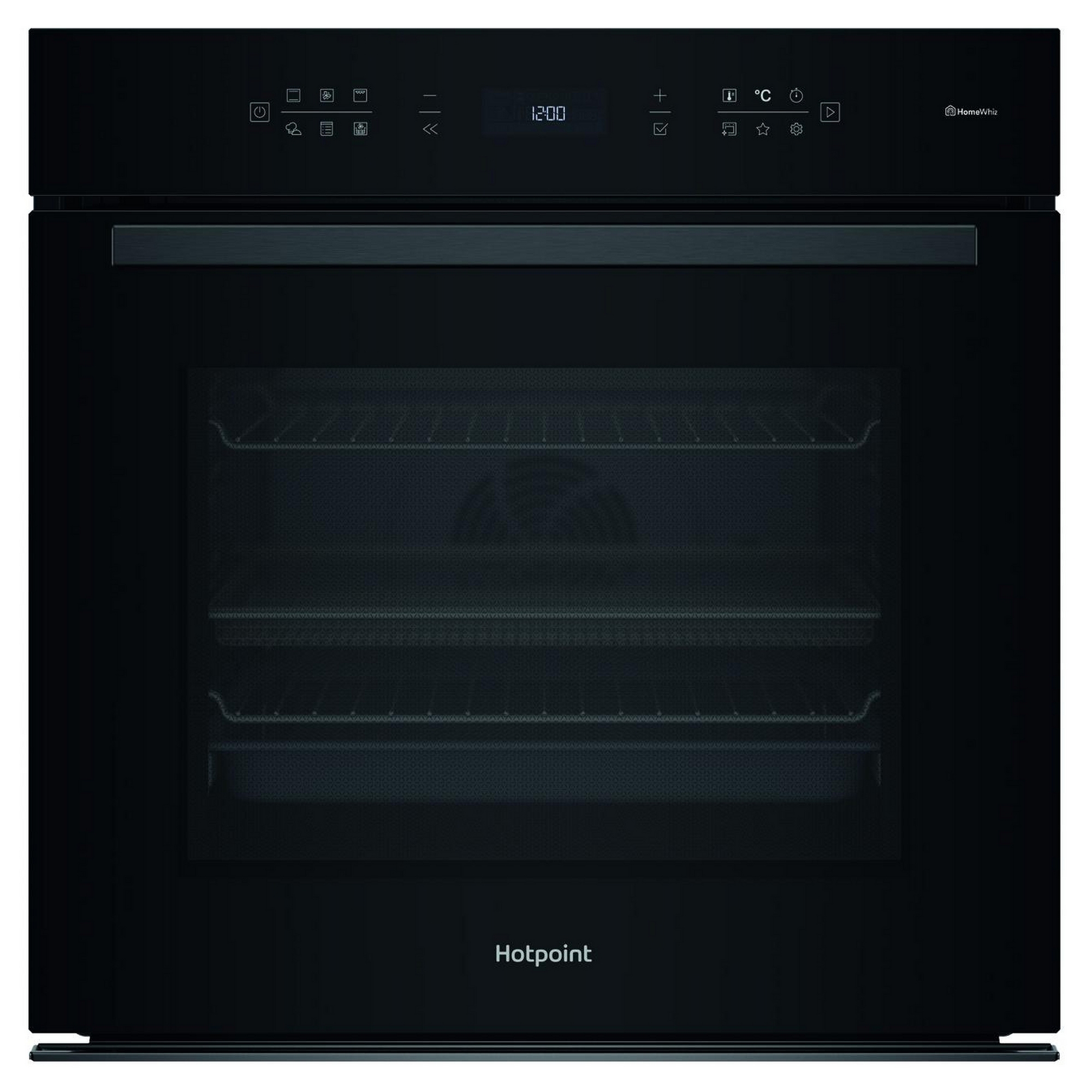


Smeg Linea Pyrolytic Multifunction Single Oven SOP6102TB3 - BLACK
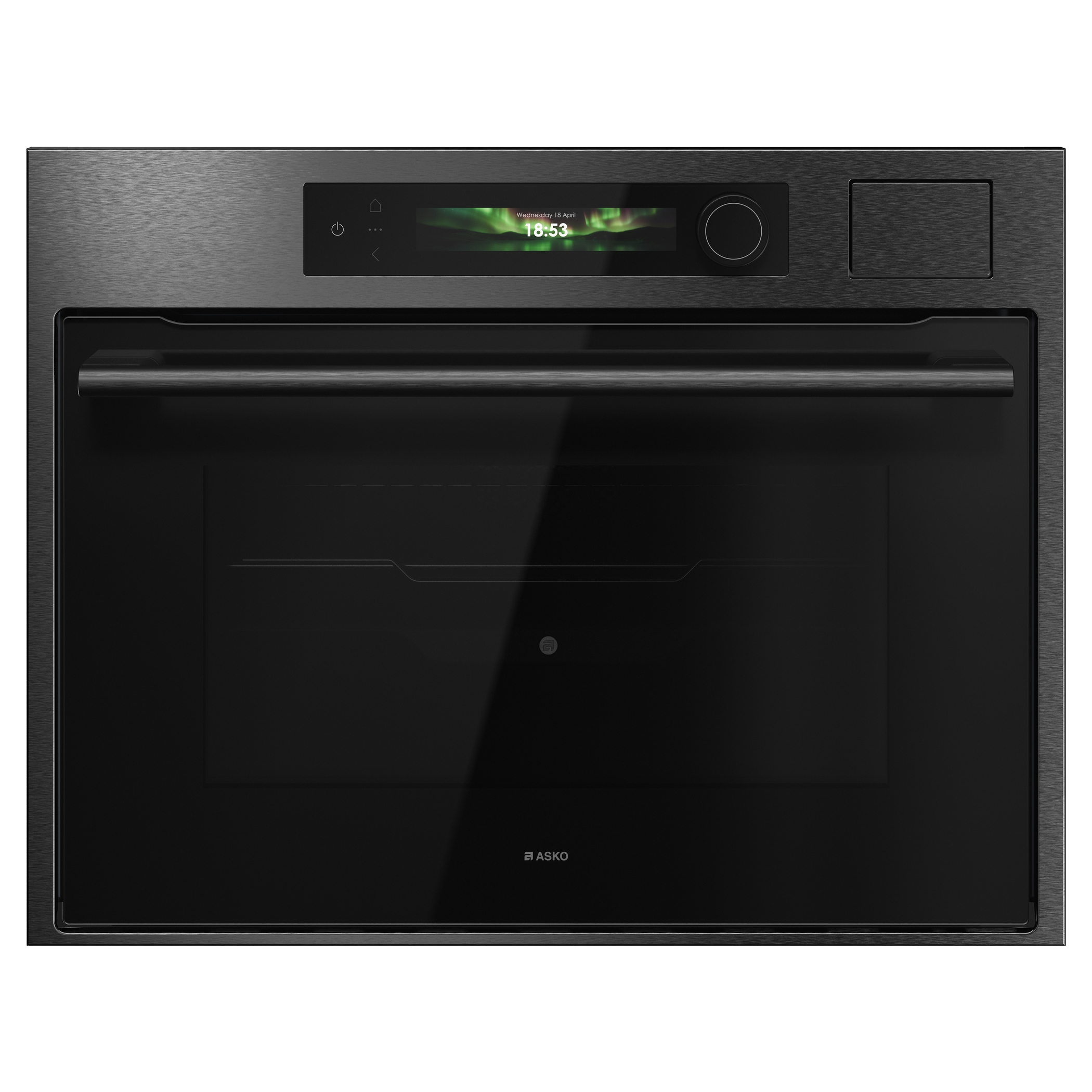

Asko Series 6 45cm Built-in Compact Oven with steam OCS64BSH - Black Steel
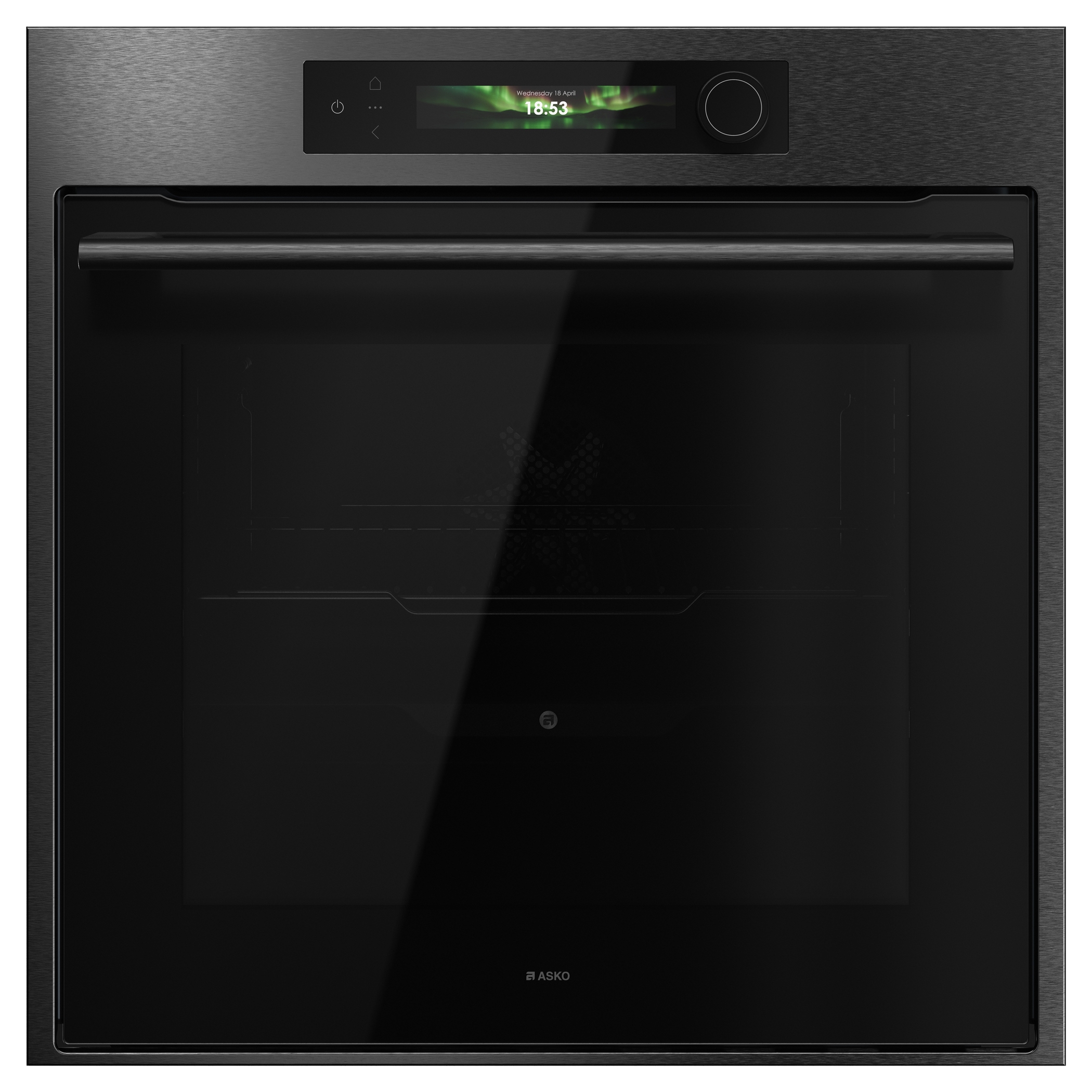
Asko Series 6 Pyrolytic Multifunction Single Oven OTP66BSH - Black Steel