

March 16, 2026
Self Cleaning Built In Ovens
Let's be honest, cleaning the oven is nobody's favourite kitchen job. Burnt on grease, food splatters and stubborn stains can quickly build up, turning what should be a simple wipe down into a serious scrubbing session. That's why many modern built in ovens now include cleaning functions designed to make maintenance much easier. However, the term "self cleaning oven" can be a little misleading. While these ovens significantly reduce the amount of manual cleaning required, most still need a quick wipe down afterwards. The real difference lies in the technology used.
9 min read
The Three most common oven cleaning systems
Pyrolytic Cleaning
Catalytic Cleaning
Steam Cleaning
Pyrolytic Cleaning
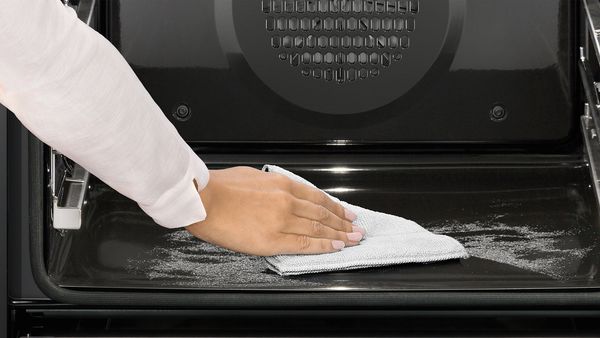
Pyrolytic cleaning is widely regarded as the most effective oven cleaning method available.
During a pyrolytic cleaning cycle, the oven heats to extremely high temperatures, typically around 480°C to 500°C. At these temperatures, grease, food residue and spills are reduced to a fine ash.
Once the cycle is complete and the oven has cooled down, all that’s usually required is a quick wipe with a damp cloth to remove the remaining ash.
Benefits of pyrolytic cleaning
- Minimal manual scrubbing
- No harsh cleaning chemicals required
- Effective on heavy grease and burnt on food
- Helps keep the oven interior looking like new
What it doesn't do
Pyrolytic cleaning isn’t entirely hands off. Large food deposits should still be removed before running the cycle, and you’ll need to wipe away the ash afterwards.
Catalytic Cleaning
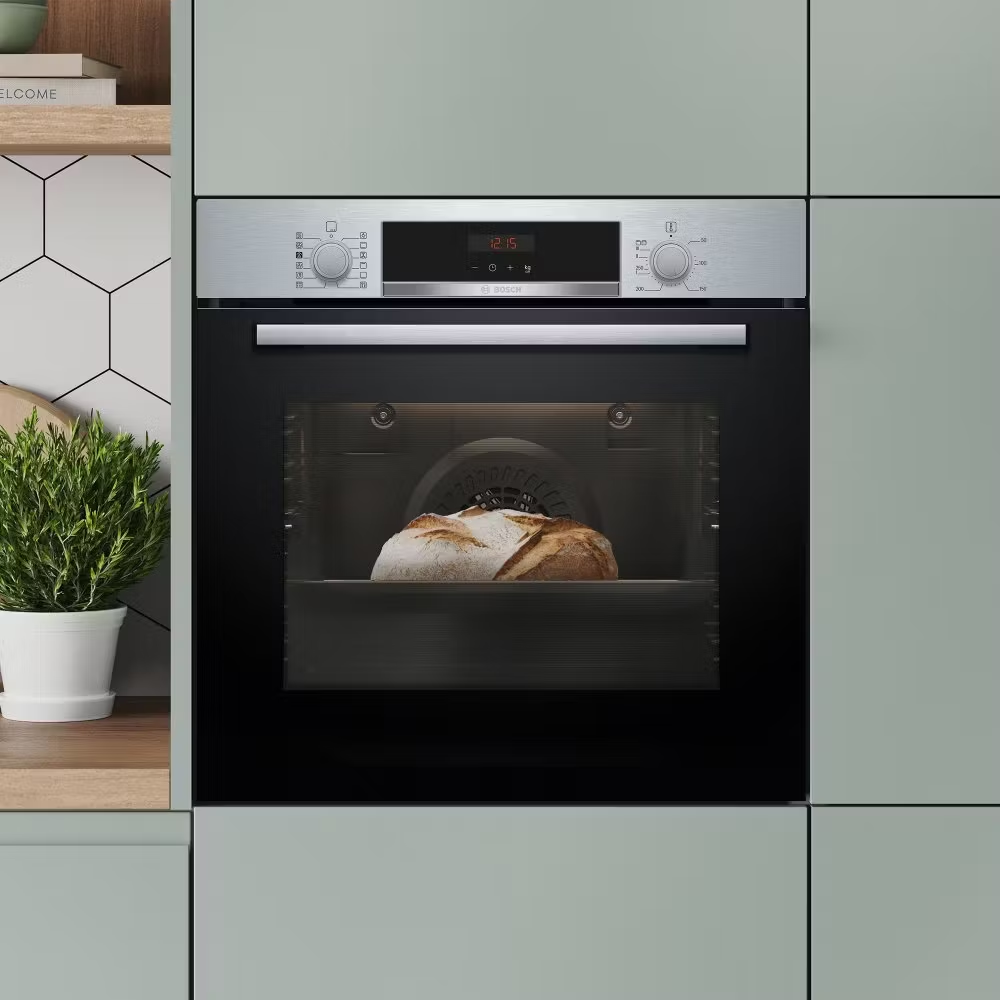
Catalytic cleaning works differently. Instead of running a dedicated cleaning programme, catalytic ovens use specially coated panels on the interior walls. These panels absorb and break down grease while the oven is in use.
As the oven heats up during normal cooking, the catalytic liners gradually reduce grease build up, helping keep the cavity cleaner between deeper cleans.
Catalytic cleaning is ideal for households looking for lower maintenance oven care without the high temperatures of a pyrolytic cycle.
Benefits of catalytic cleaning
- Works automatically during cooking
- No separate cleaning cycle required
- Lower energy use than pyrolytic cleaning
- Helps reduce grease build up over time
What it doesn't do
Catalytic liners are usually fitted only to selected interior surfaces, not the entire oven cavity. The oven floor, door and shelves may still require manual cleaning, and the liners can eventually need replacing after years of use.
Steam Cleaning
Steam cleaning uses moisture rather than extreme heat. A small amount of water is placed inside the oven, where it heats up and creates steam. The steam softens grease and food residue, making it easier to wipe away afterwards.
Many manufacturers offer steam cleaning as either a standalone feature or as a complement to pyrolytic cleaning.
Benefits of steam cleaning
- Quick and easy to use
- Lower energy consumption
- Ideal for light cleaning between deep cleans
- No cleaning chemicals required
What it doesn't do
Steam cleaning won’t usually remove heavy burnt on residue on its own. For tougher messes, you’ll still need some manual cleaning or a pyrolytic cycle. Think of steam cleaning as a convenient maintenance tool rather than a complete deep cleaning solution.
Which Cleaning System Is Best?
The right choice depends on how often you cook and how much maintenance you’re willing to do.
For busy households that regularly use their oven, pyrolytic cleaning is often the most effective solution. If you prefer a lower energy option that works in the background, catalytic cleaning may be a better fit. Steam cleaning is useful for keeping on top of minor spills before they become stubborn stains.
| Cleaning Method | Best For | Manual Cleaning Required |
|---|---|---|
| Pyrolytic Cleaning | Deep cleaning and heavy use | Minimal |
| Catalytic Cleaning | Everyday grease management | Moderate |
| Steam Cleaning | Light maintenance and freshening up | Moderate |
Popular Oven Brands and Their Cleaning Technologies
Different manufacturers take slightly different approaches to oven cleaning.
- Bosch offers a wide range of pyrolytic built in ovens with multiple cleaning programmes.
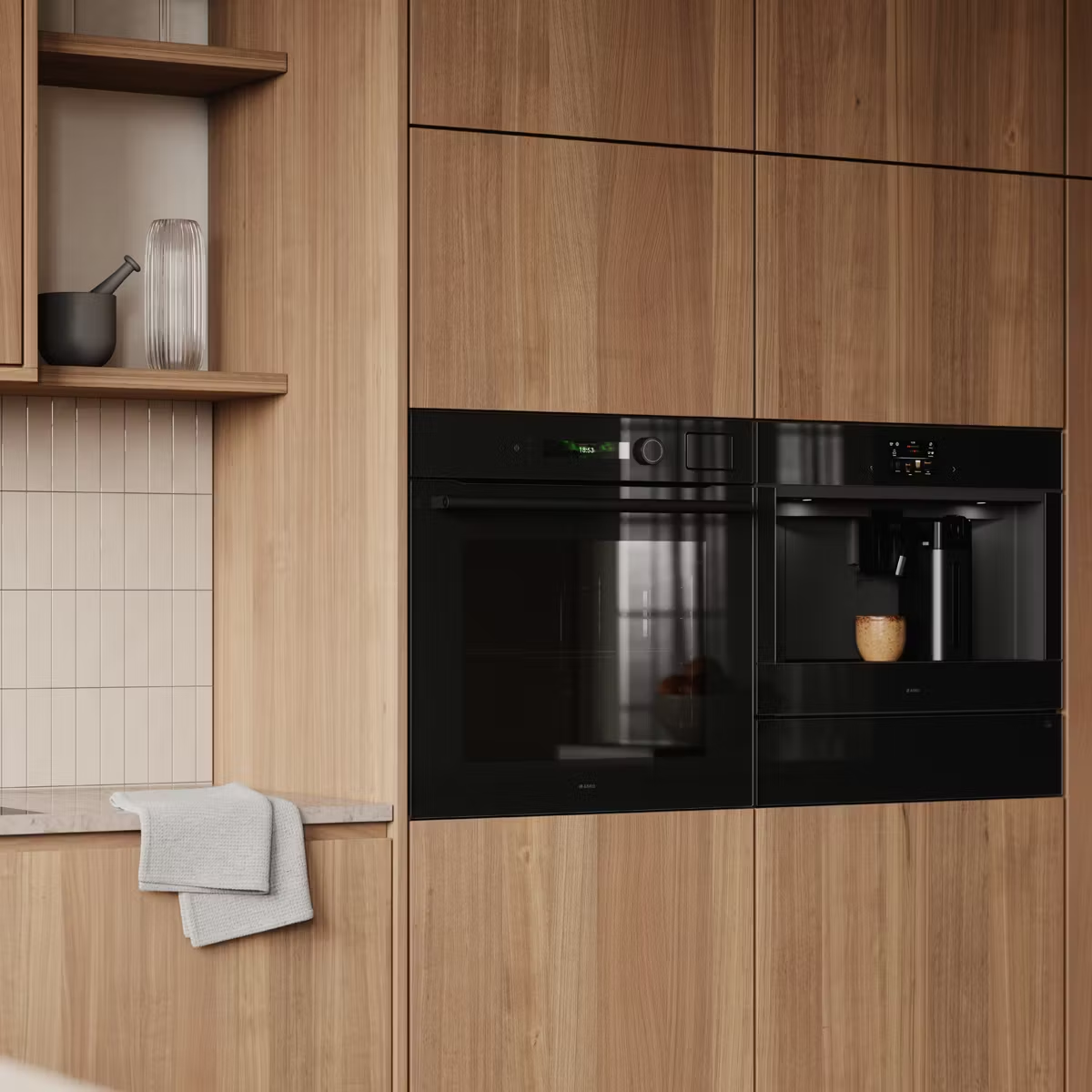
- ASKO combines pyrolytic cleaning with durable Scandinavian design and intuitive controls.
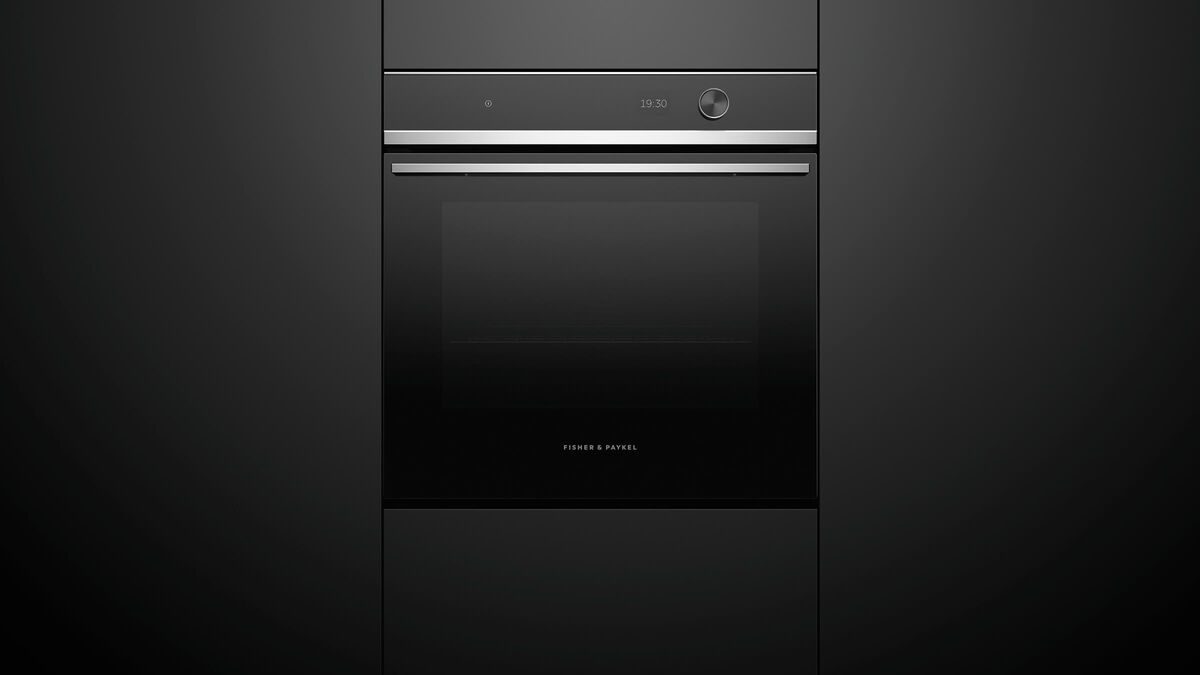
- Fisher & Paykel focuses on user friendly interfaces and flexible cleaning options.
- AEG includes pyrolytic models with smart features such as cleaning reminders.
- Miele combines pyrolytic cleaning with SteamClean technology on selected models for enhanced convenience.
Product Deals by Category


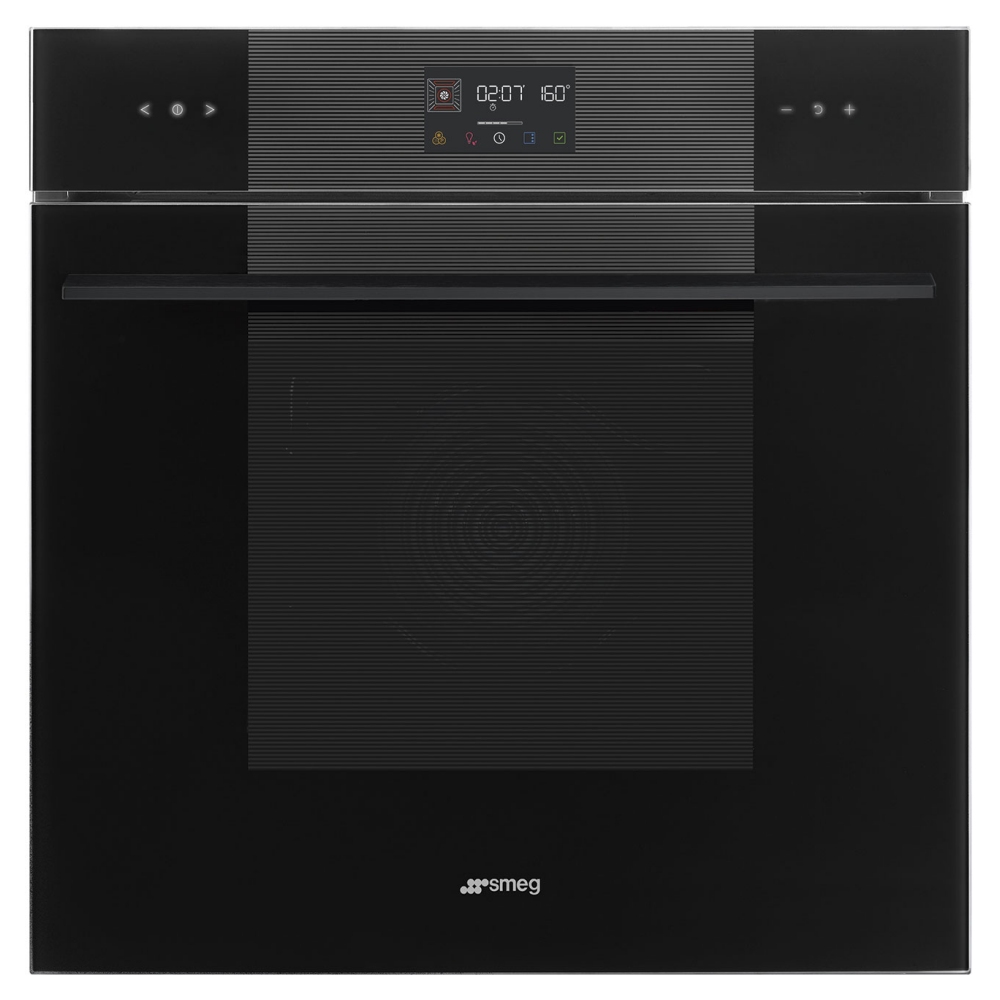

Smeg Linea Pyrolytic Multifunction Single Oven SOP6102TB3 - BLACK


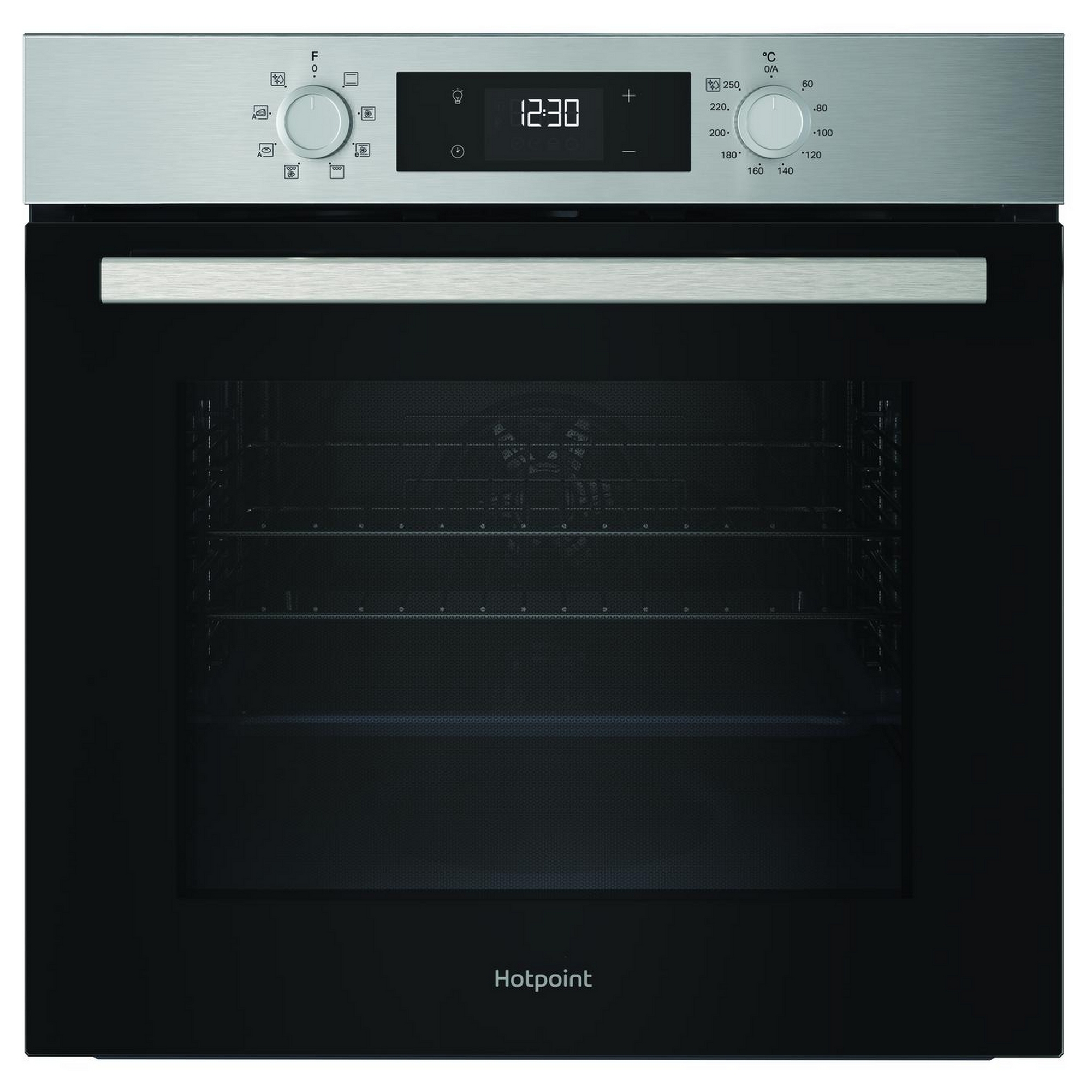

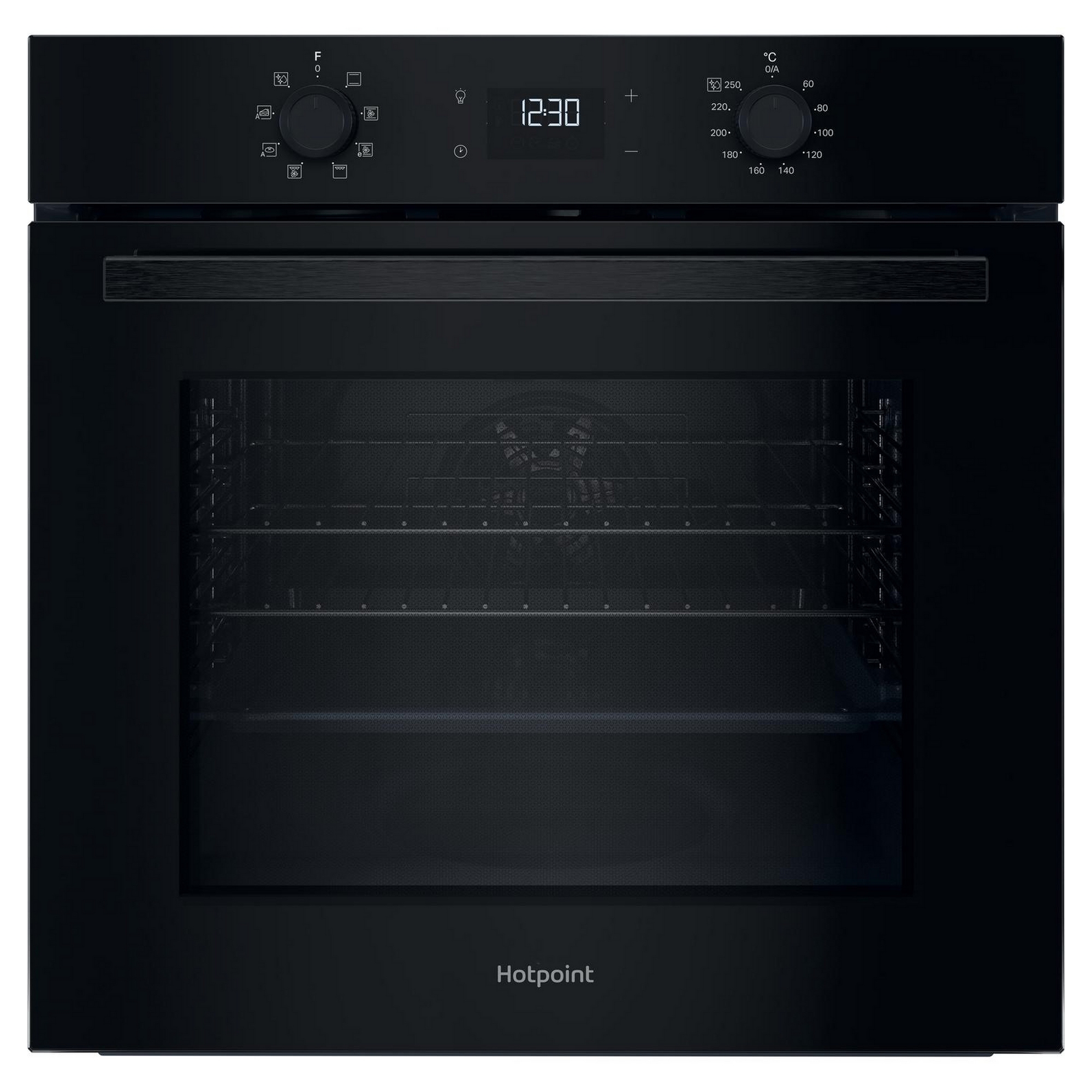
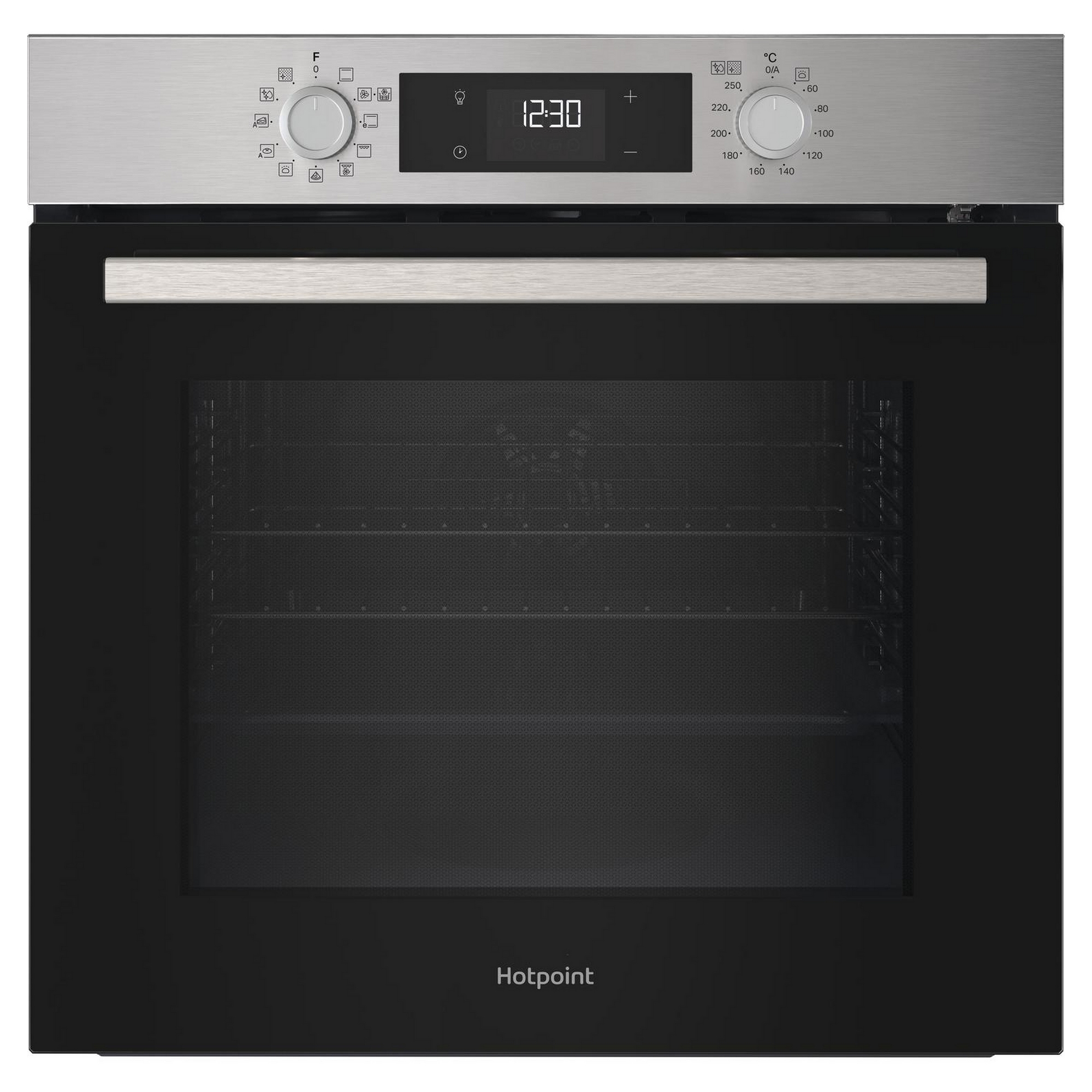
Smeg Linea Pyrolytic Multifunction Single Oven SOP6102TB3 - BLACK
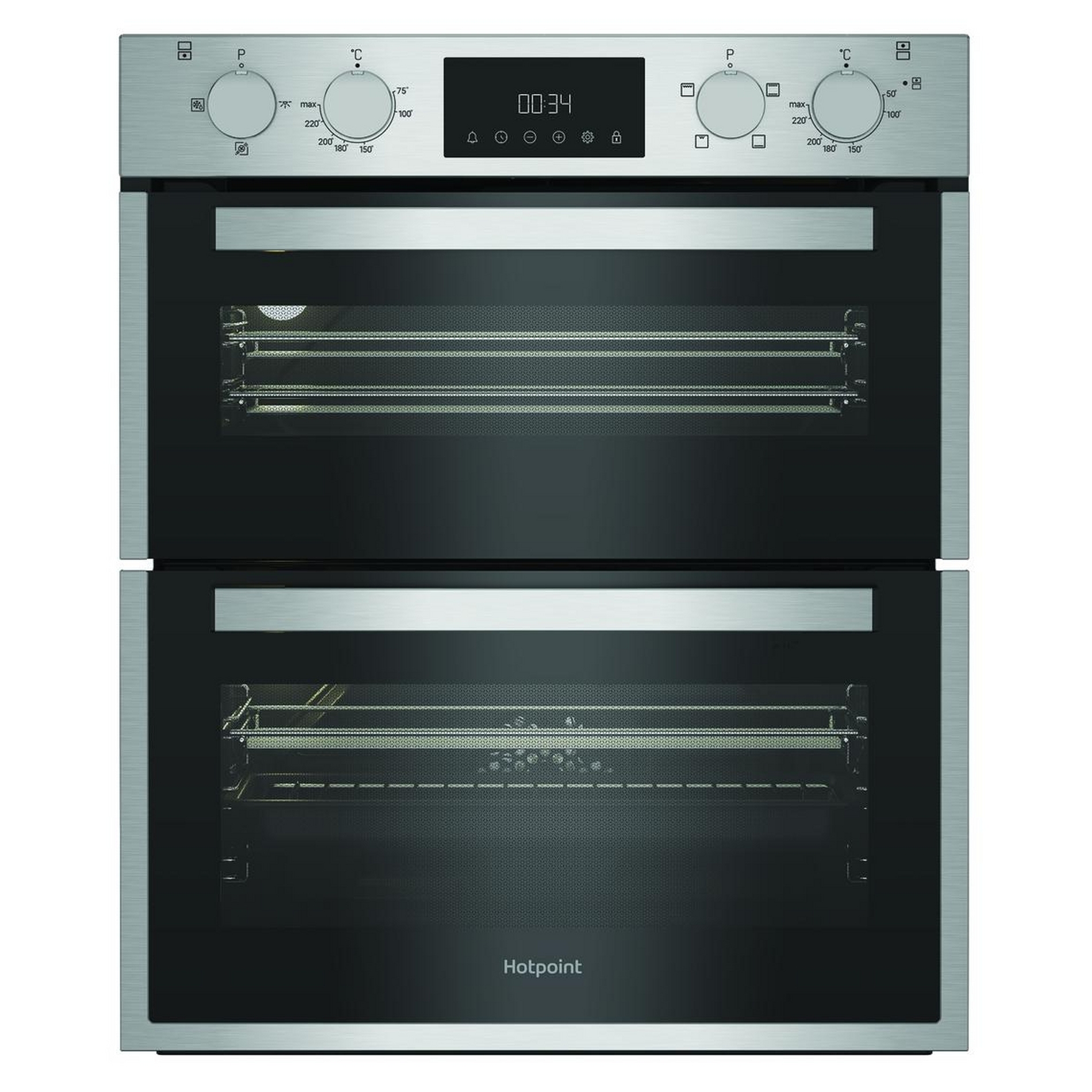
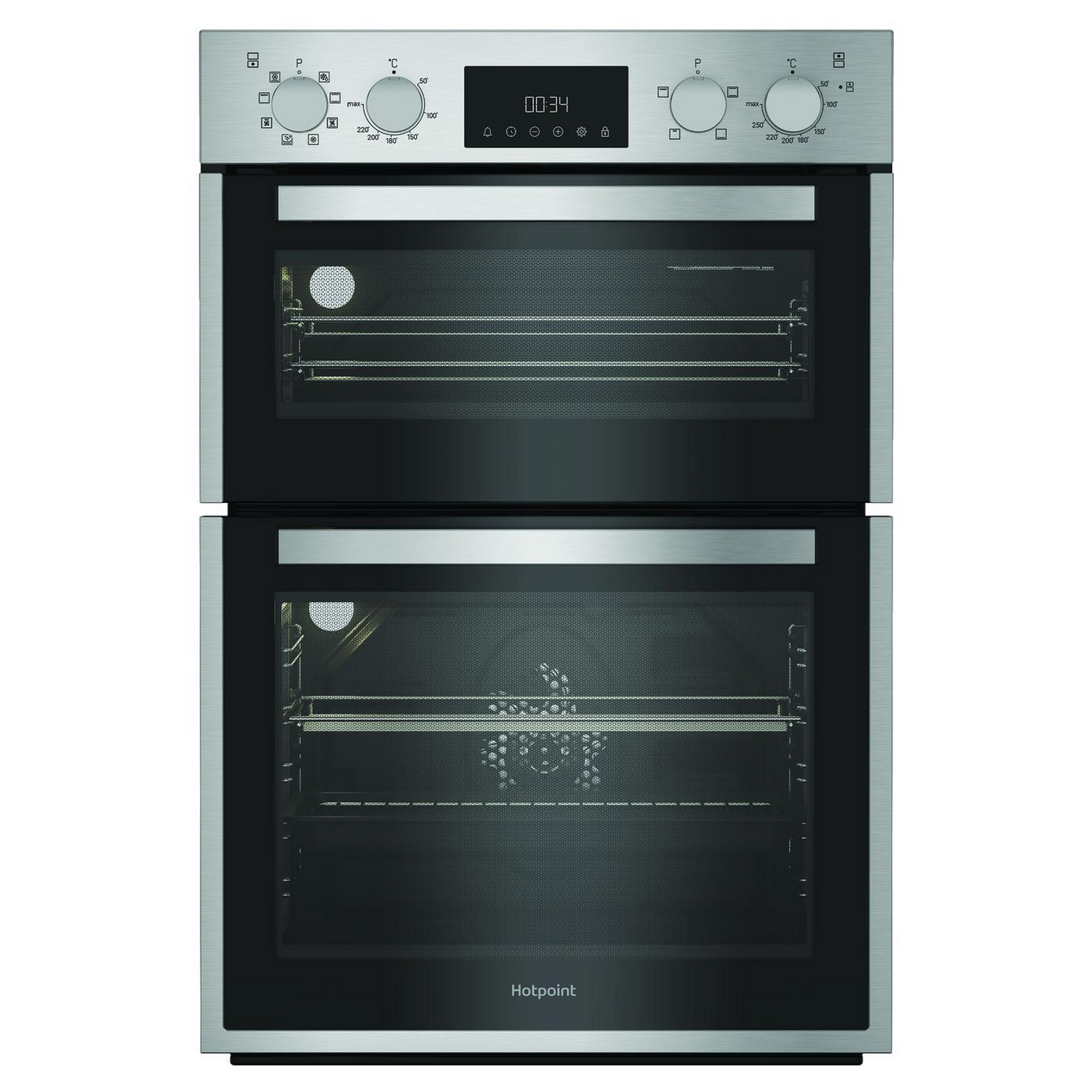
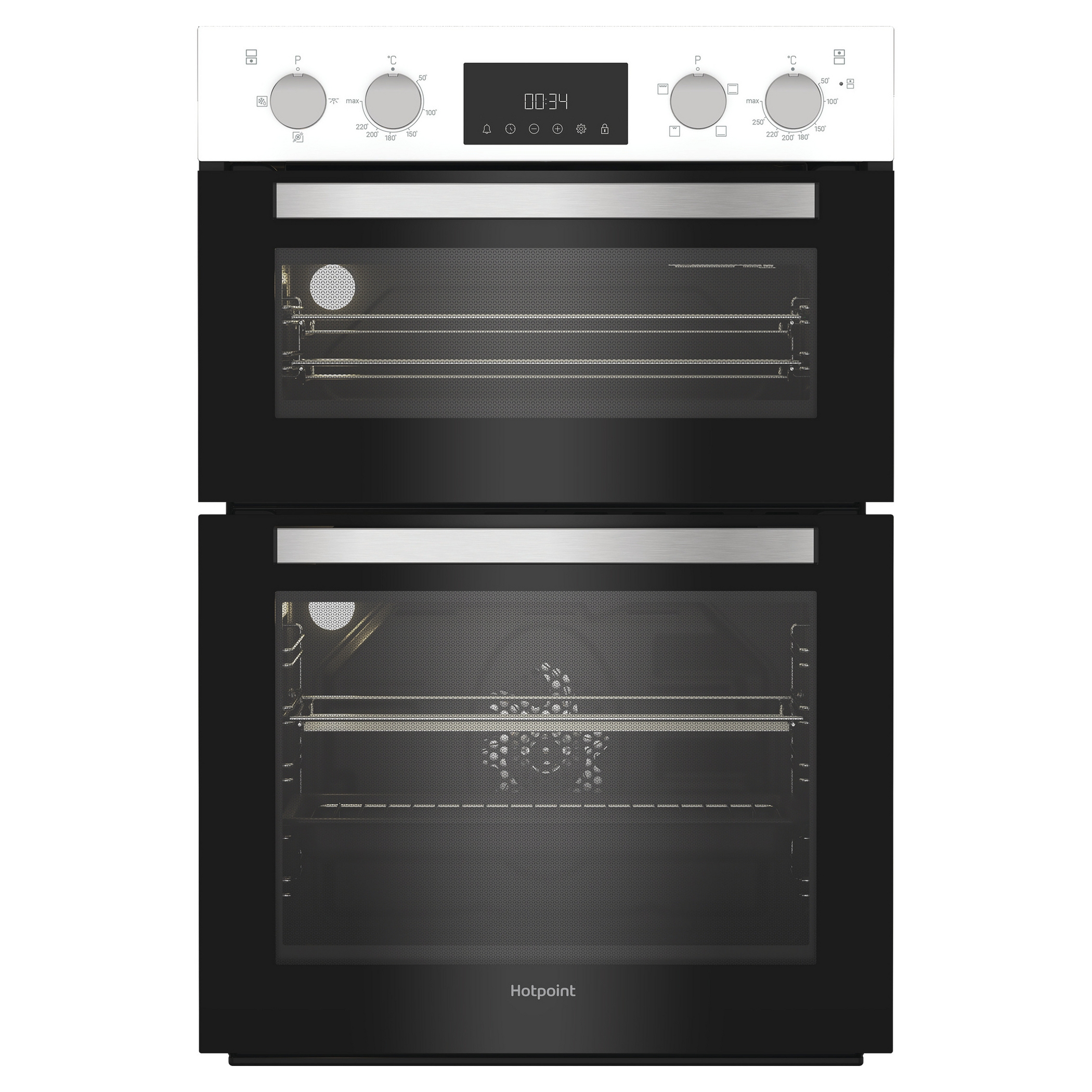
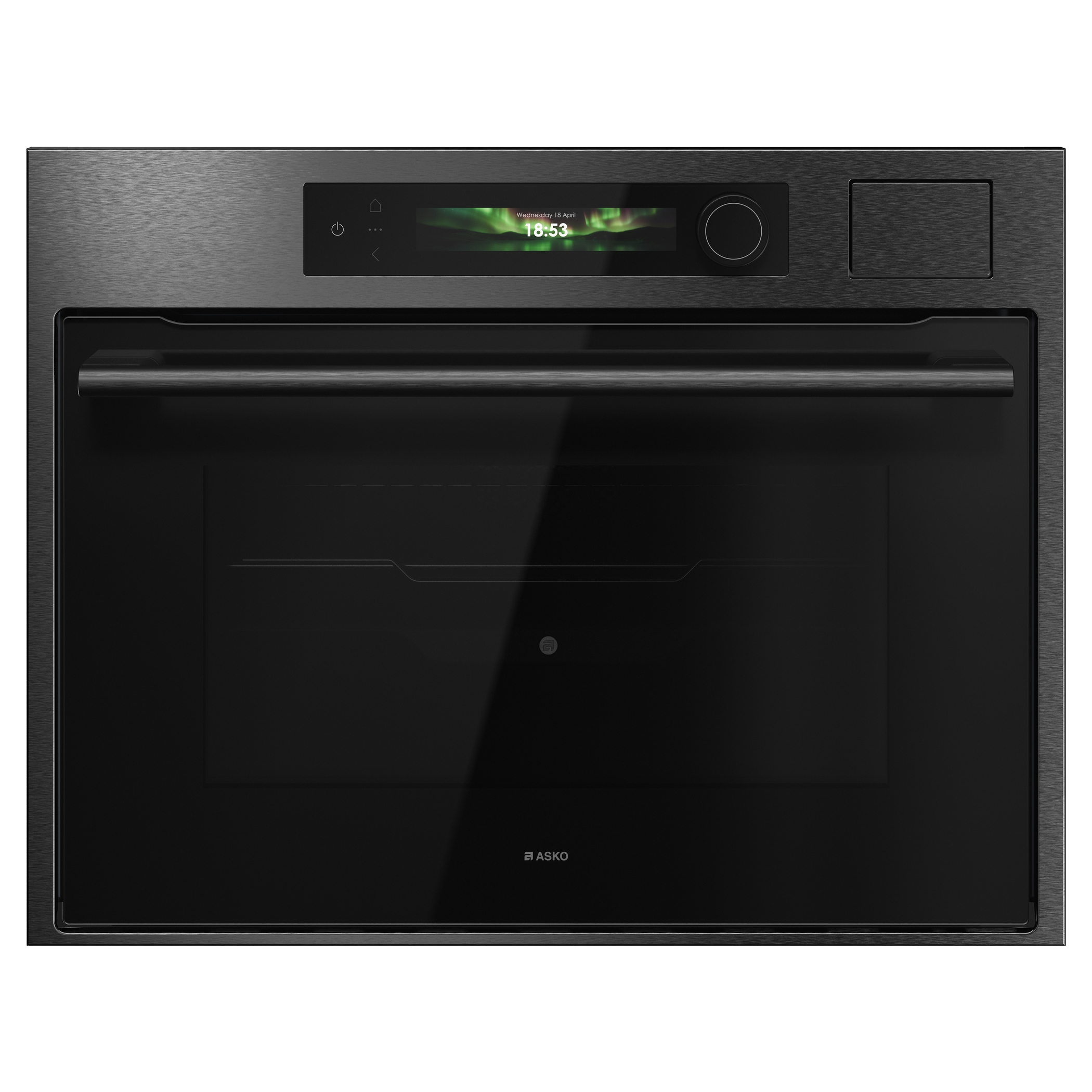

Asko Series 6 45cm Built-in Compact Oven with steam OCS64BSH - Black Steel
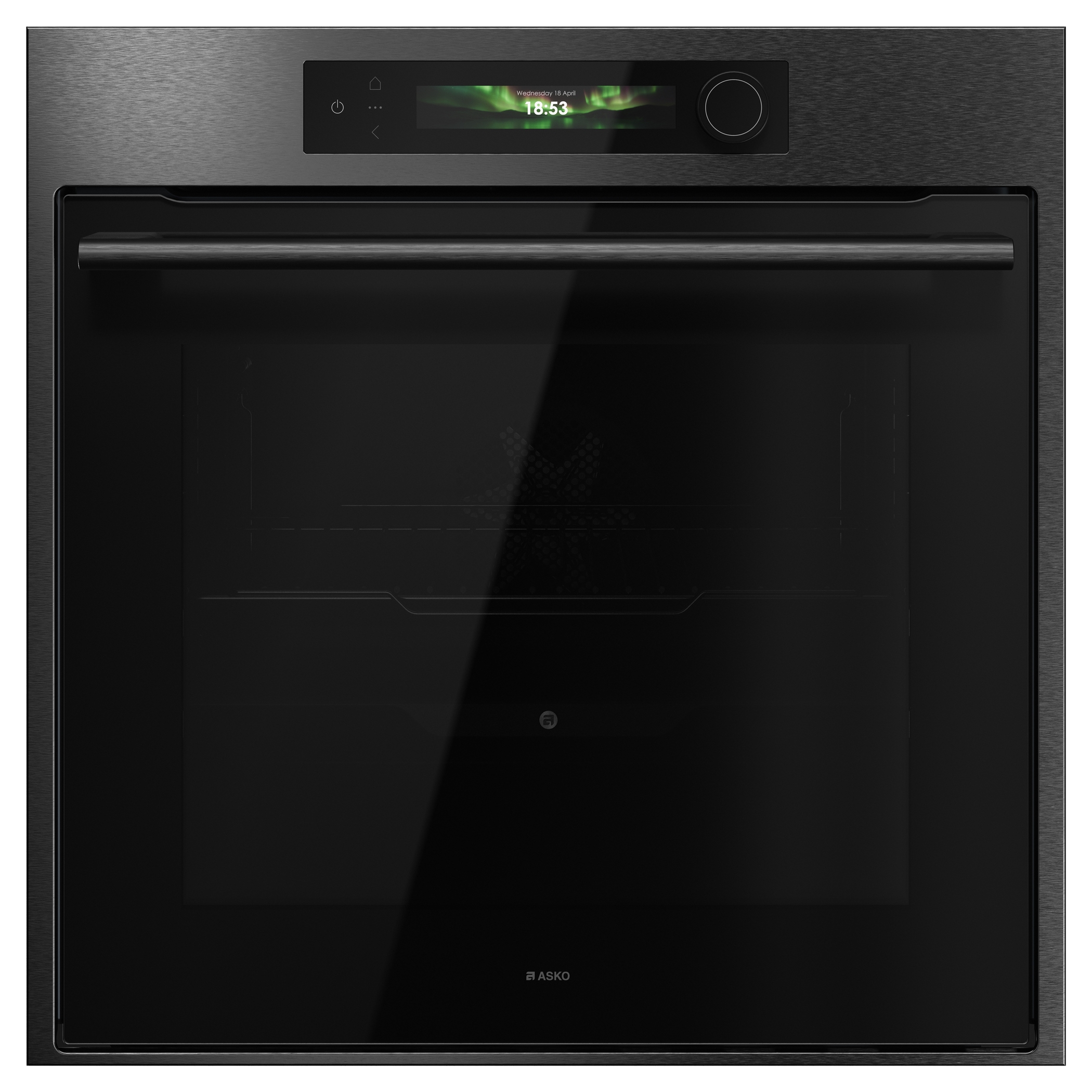
Asko Series 6 Pyrolytic Multifunction Single Oven OTP66BSH - Black Steel

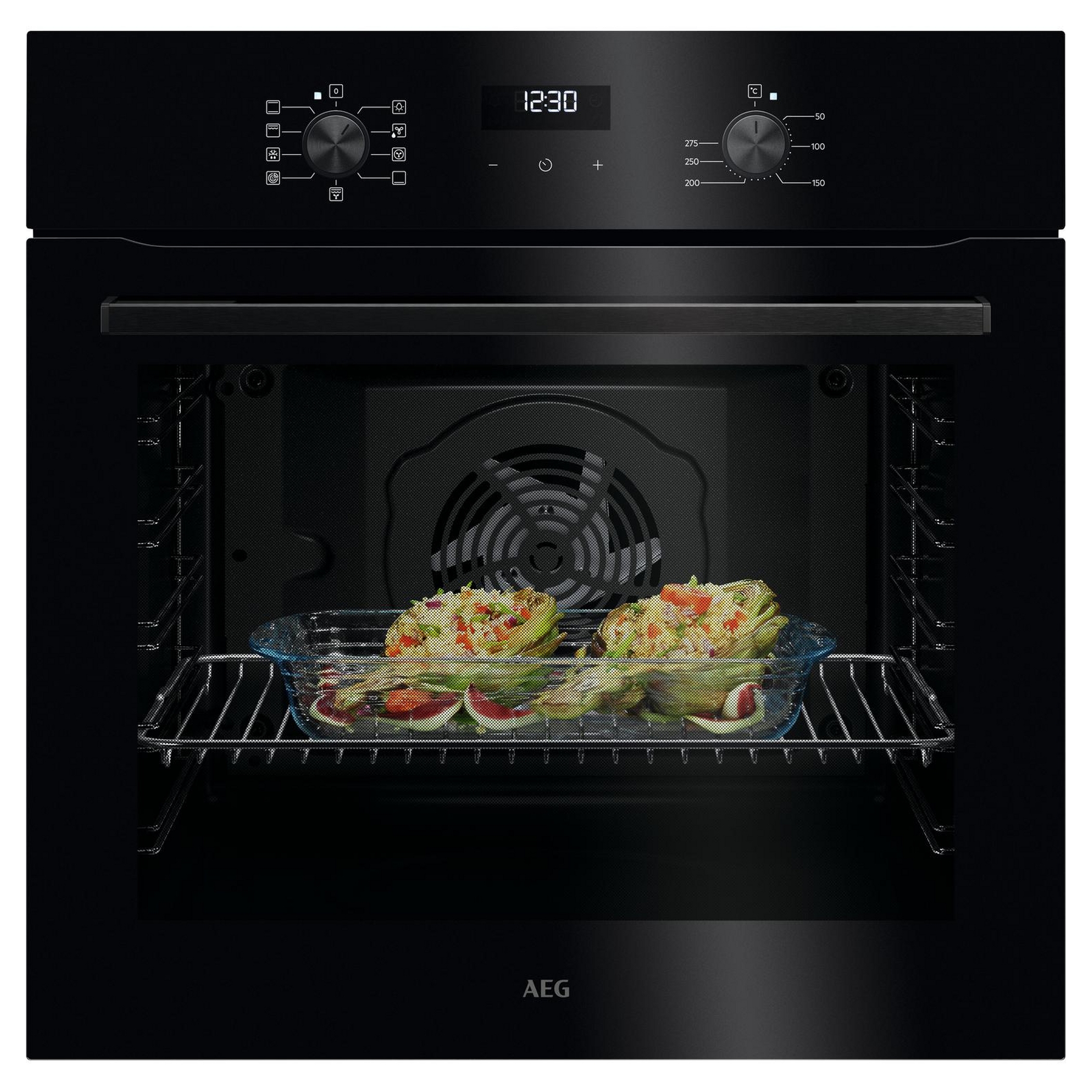

AEG Series 5000 60cm Built In Electric Single Oven OU5AB20XK - Black
Self Cleaning Ovens FAQs
Not completely. Most self cleaning ovens still require some manual work afterwards, such as wiping away ash, cleaning shelves or removing residue from the door glass.
For frequent cooks, pyrolytic cleaning can save significant time and effort by reducing heavy grease and burnt on food to ash.
Pyrolytic cleaning uses extremely high temperatures to burn away residue during a dedicated cleaning cycle. Catalytic cleaning uses special liners that absorb grease during normal cooking.
Steam cleaning is excellent for light maintenance but is generally less effective on stubborn, baked on food deposits.
Pyrolytic cleaning typically requires the least manual intervention, although a quick wipe down is still needed once the cycle is complete.