December 18, 2024
The Ultimate Utility Room Guide
A utility room is a dedicated space in your house to store functional products that you might want to keep out of sight. Often known in the UK as a laundry room, it’s the ideal place to store items like your washing basket, ironing board and cleaning products. One major benefit of having a utility room is having a dedicated place to complete household chores like washing and ironing. Essentially a kitchen overflow, you can use a utility room to increase your kitchen space and store less used cooking apparatus out of the way until it’s needed.
What Should You Put In A Utility Room?
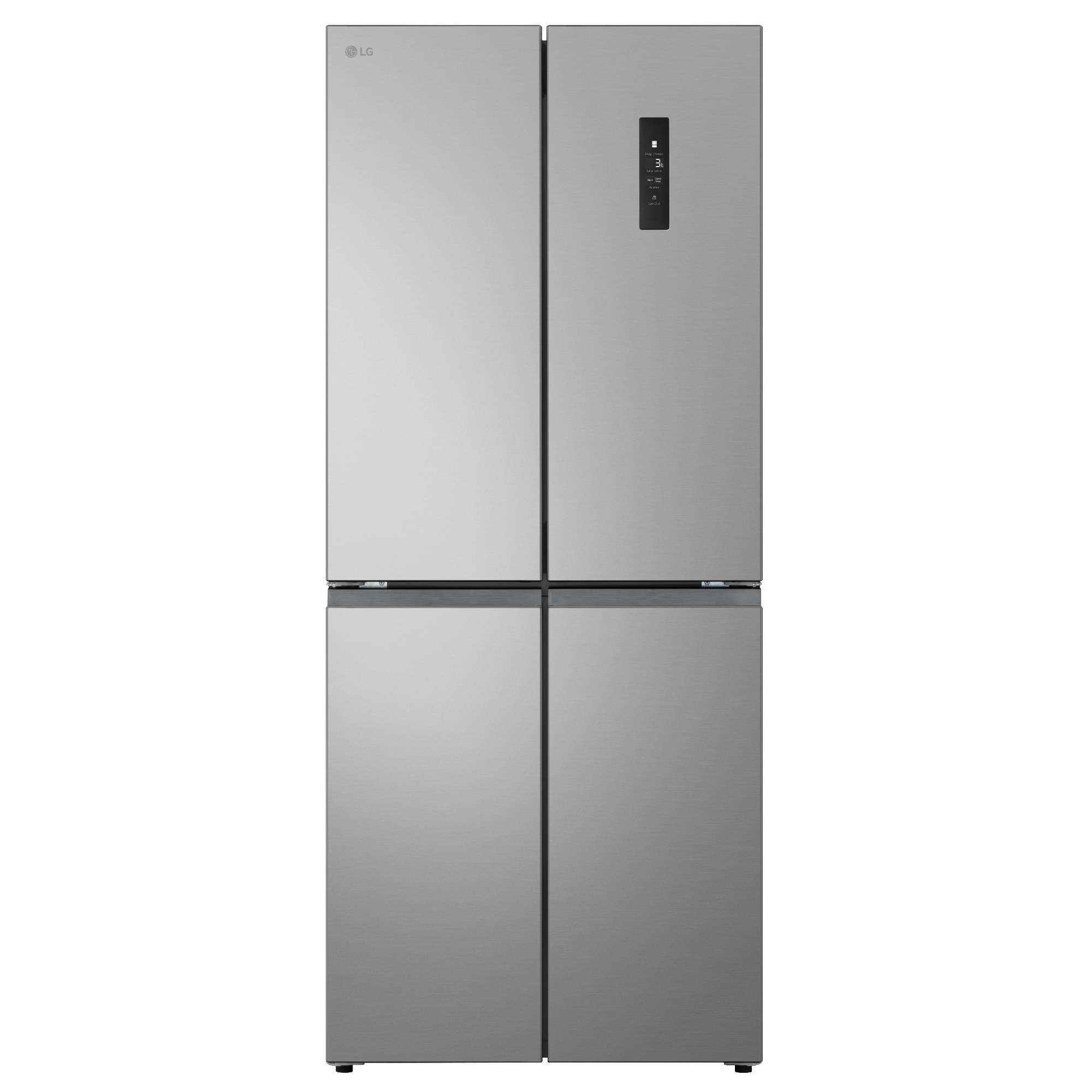
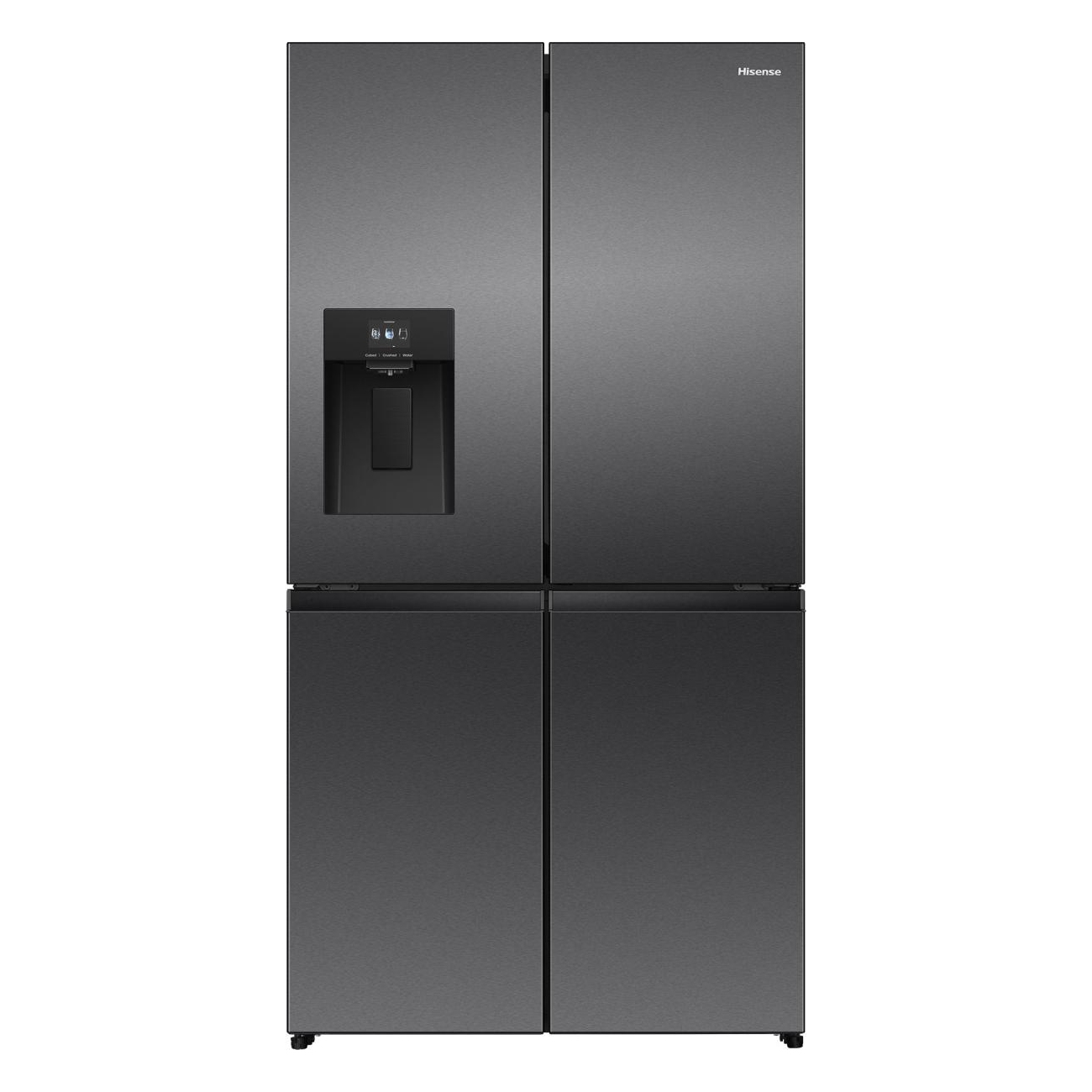
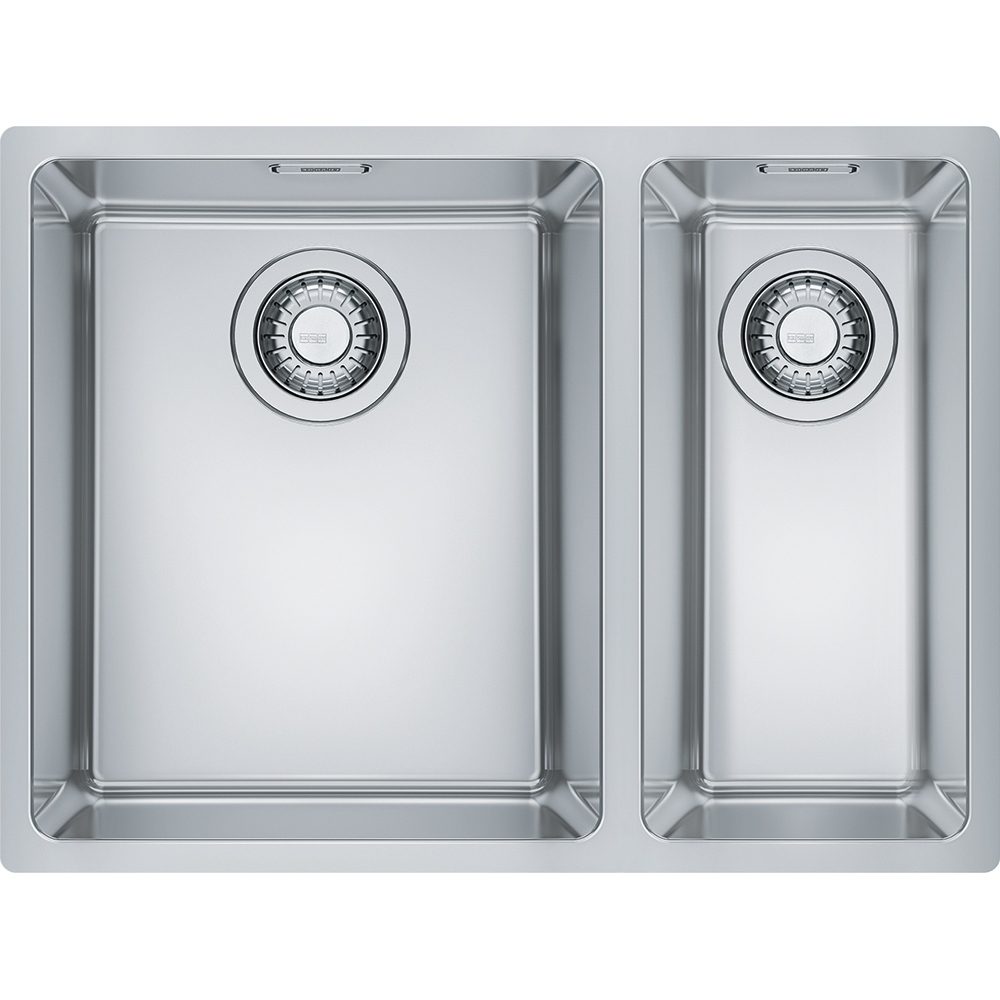
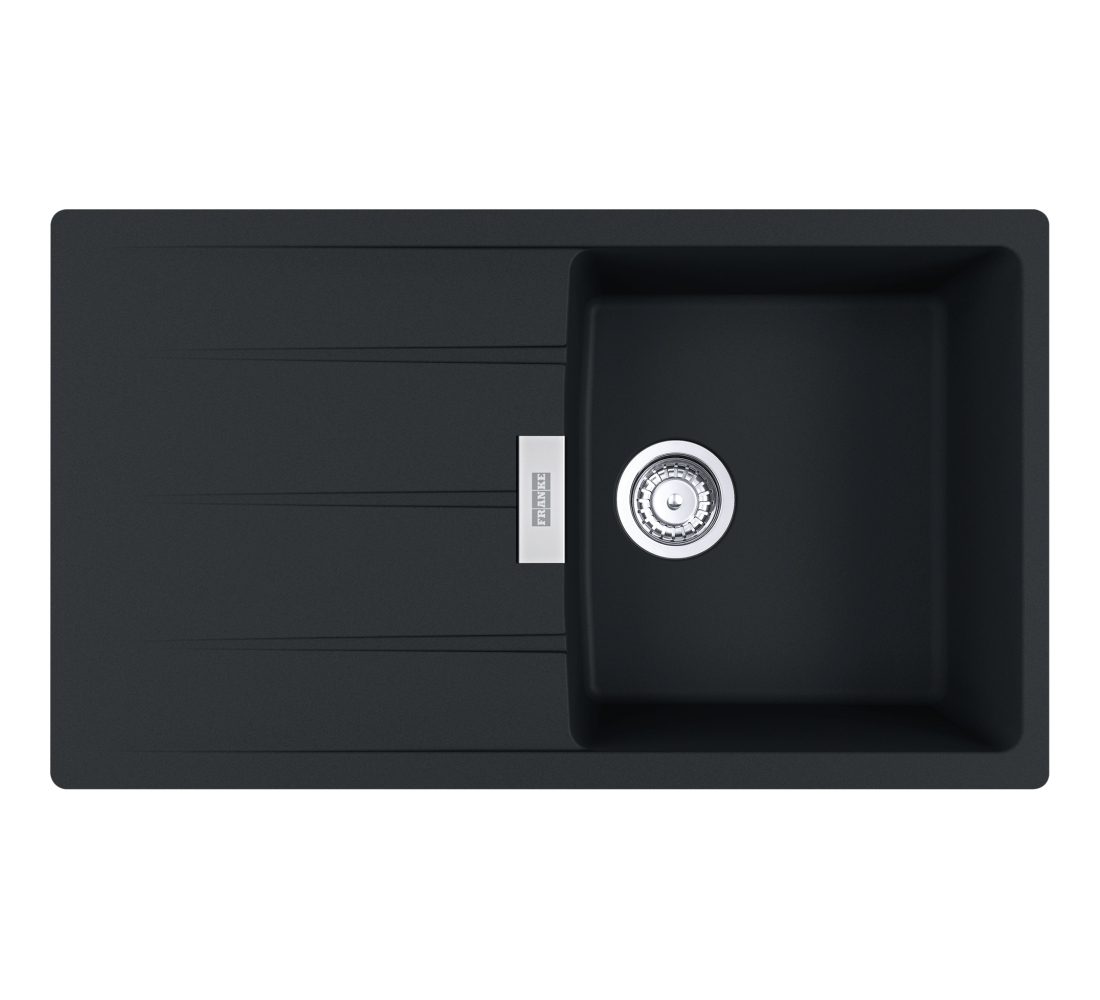
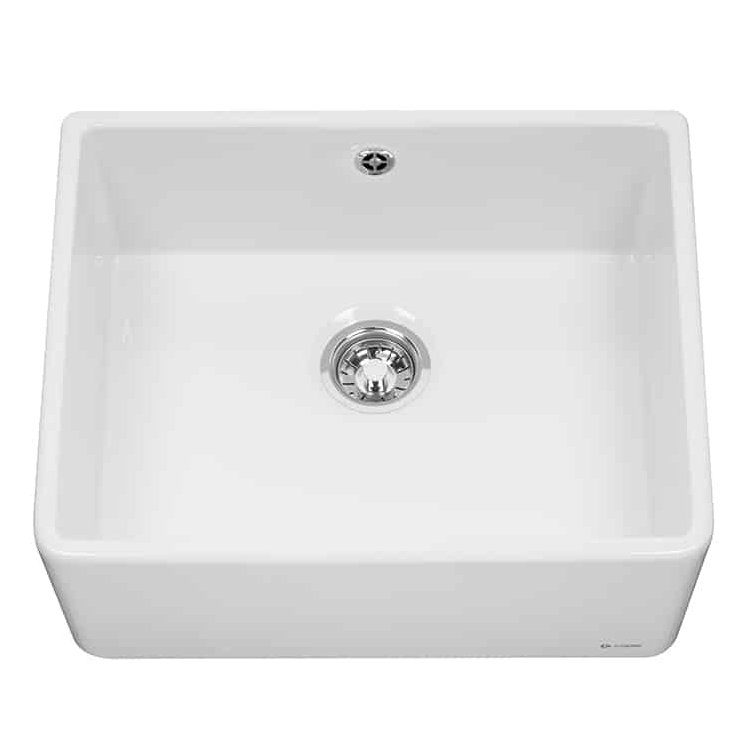
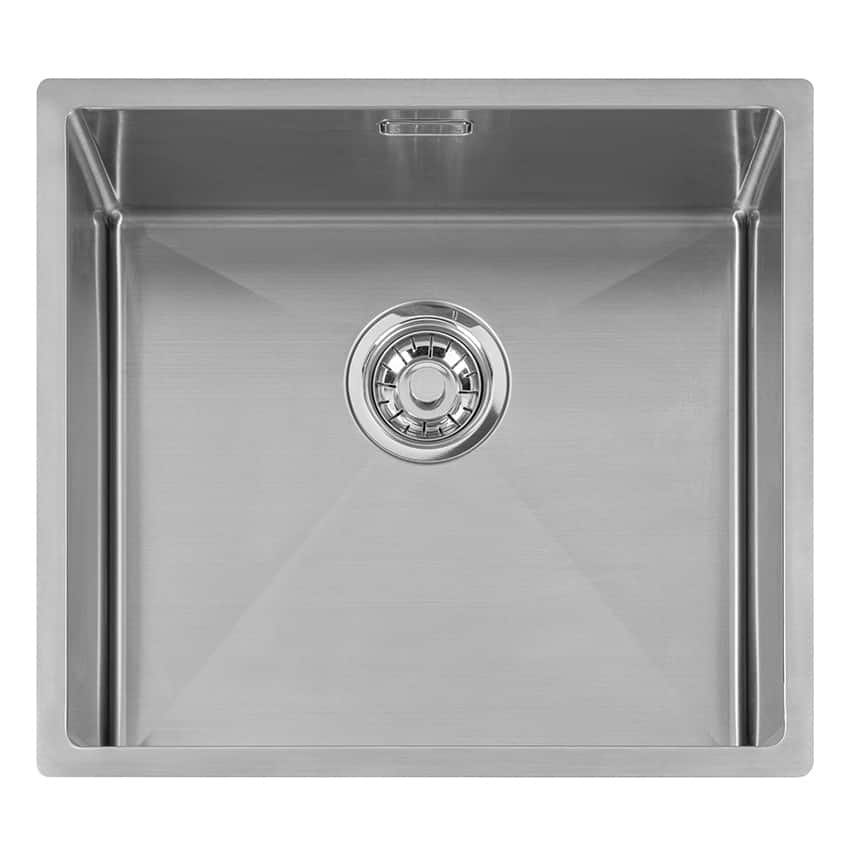
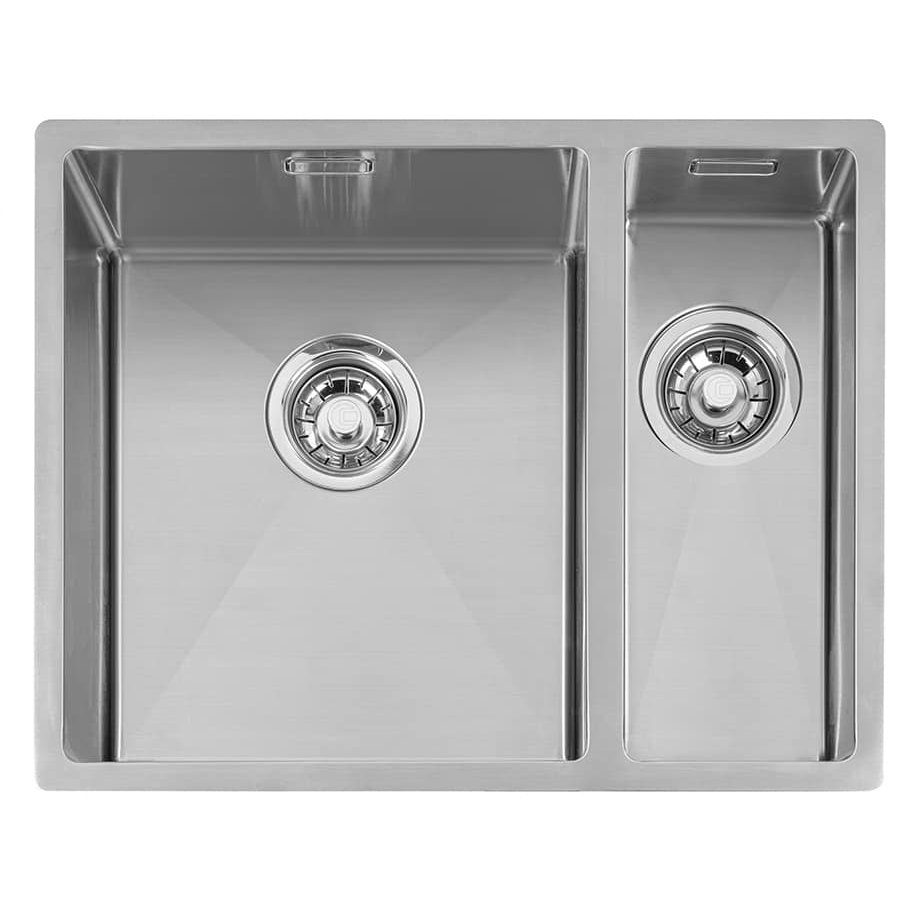
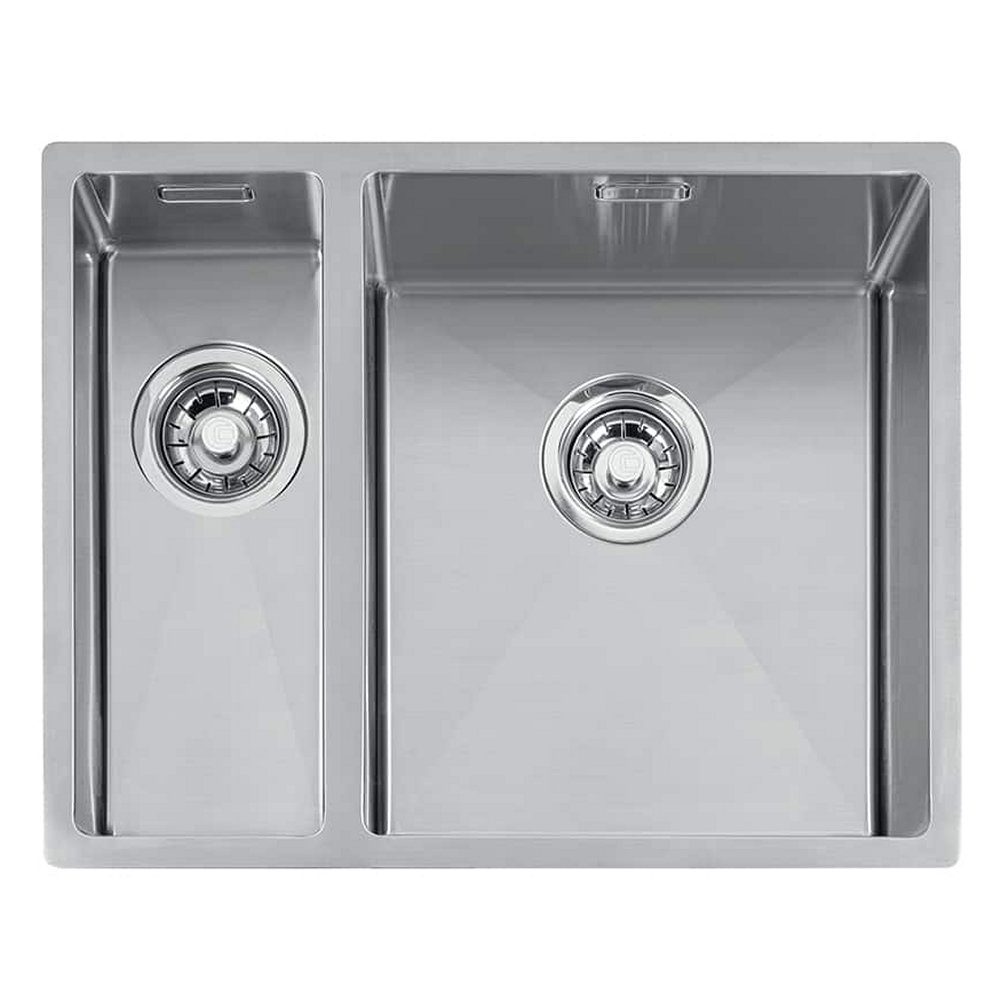
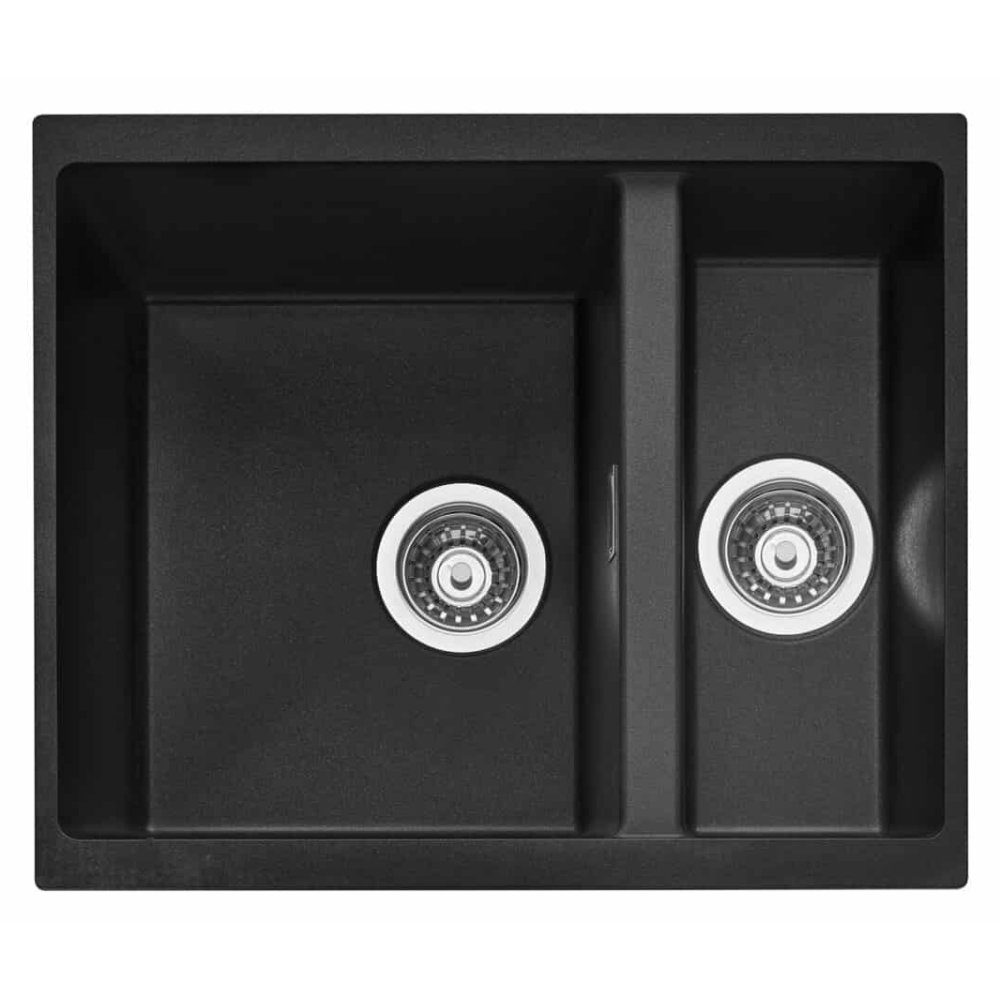
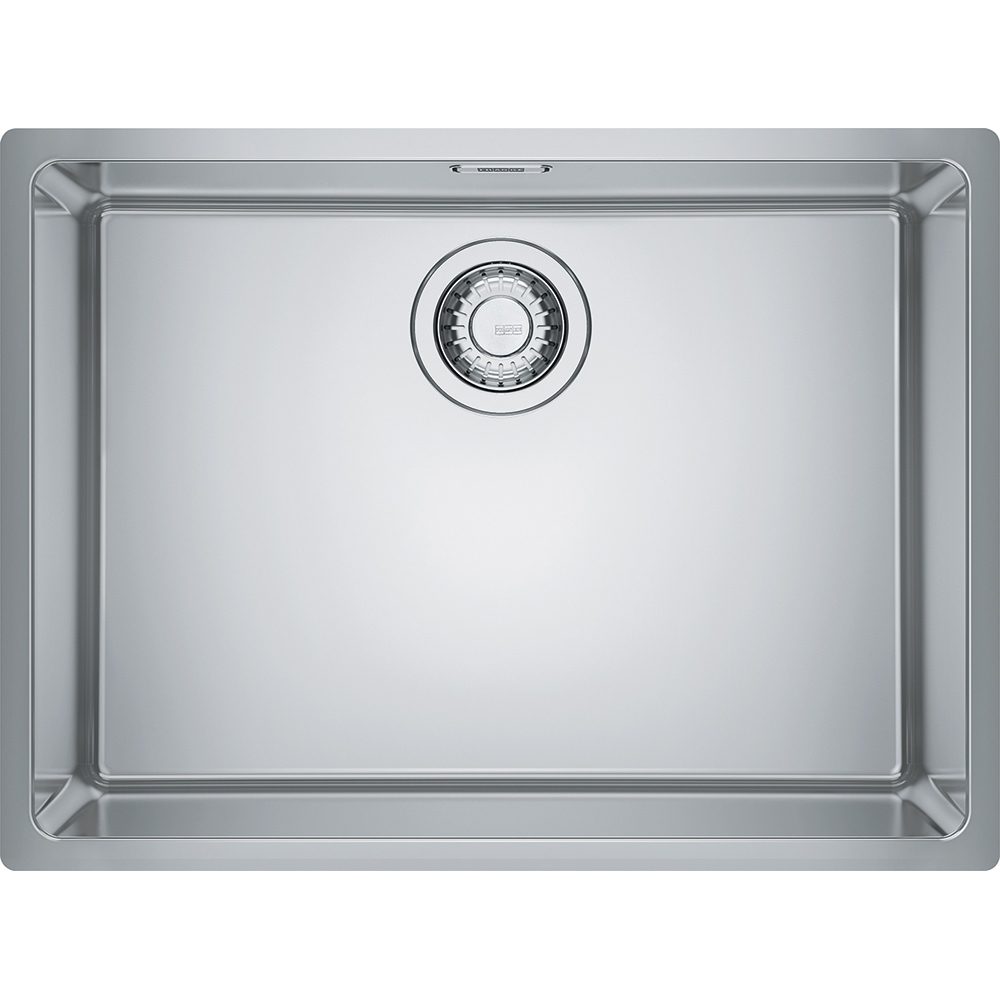
What you keep in your utility room depends on how much space you have, as well as your needs. The most common use of a utility room is for cleaning activities. Appliances you’d expect to see in a utility room include a washing machine, tumble dryer or washer dryer. Another popular utility room essential is a sink. If you opt for a tap with a pull out nozzle, you can get into those hard to reach areas with ease. You can also hand wash delicate clothing or arrange flowers here keeping your kitchen sink free for every day dishes without any cross contamination. Some people also keep an additional fridge or freezer in their utility room. This is especially handy for storing extra drinks or food when you’re hosting, or for ice creams and meat ready for Summer BBQ’s.
Utility rooms provide a practical multifunctional space. For example, a utility room could also double up as a boot room. Most utilities have a hard wearing floor rather than a carpet, making it the perfect place to clean muddy boots or pets! Keeping messier tasks out of the kitchen is more hygienic and also allows you to keep your kitchen clutter free. If room allows for it, you could keep your winter coats, wellies and sports kits in the utility room too.
Consider...
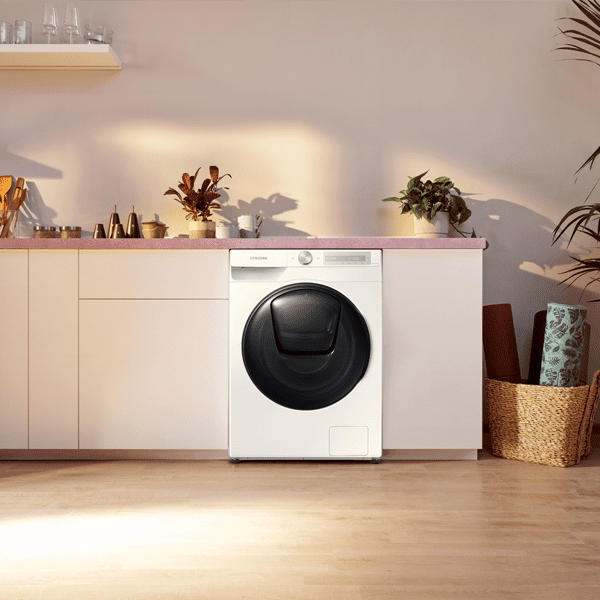
Laundry Appliances
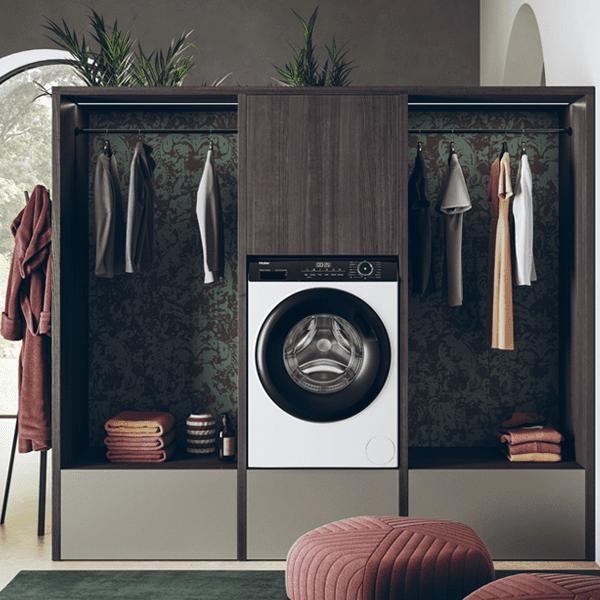
Having a separate space for your laundry appliances keeps things organised and reduces noise levels in your kitchen.
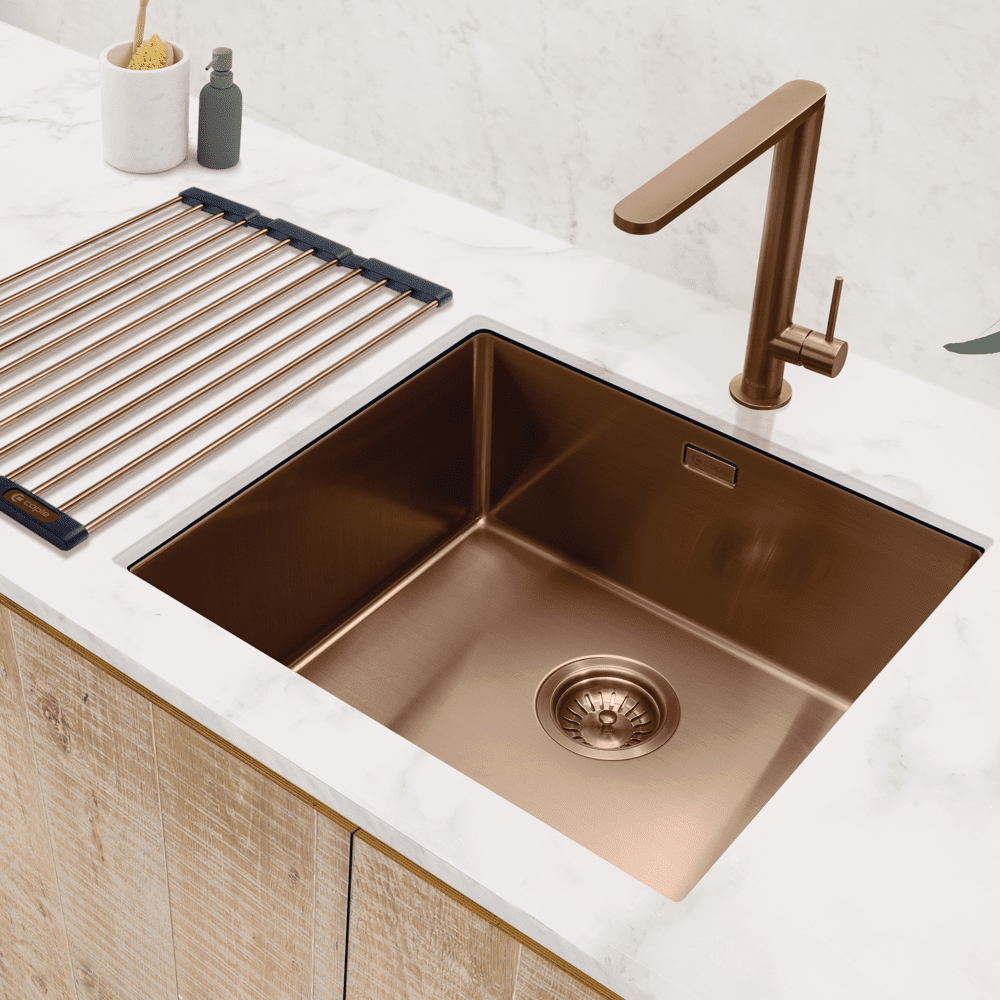
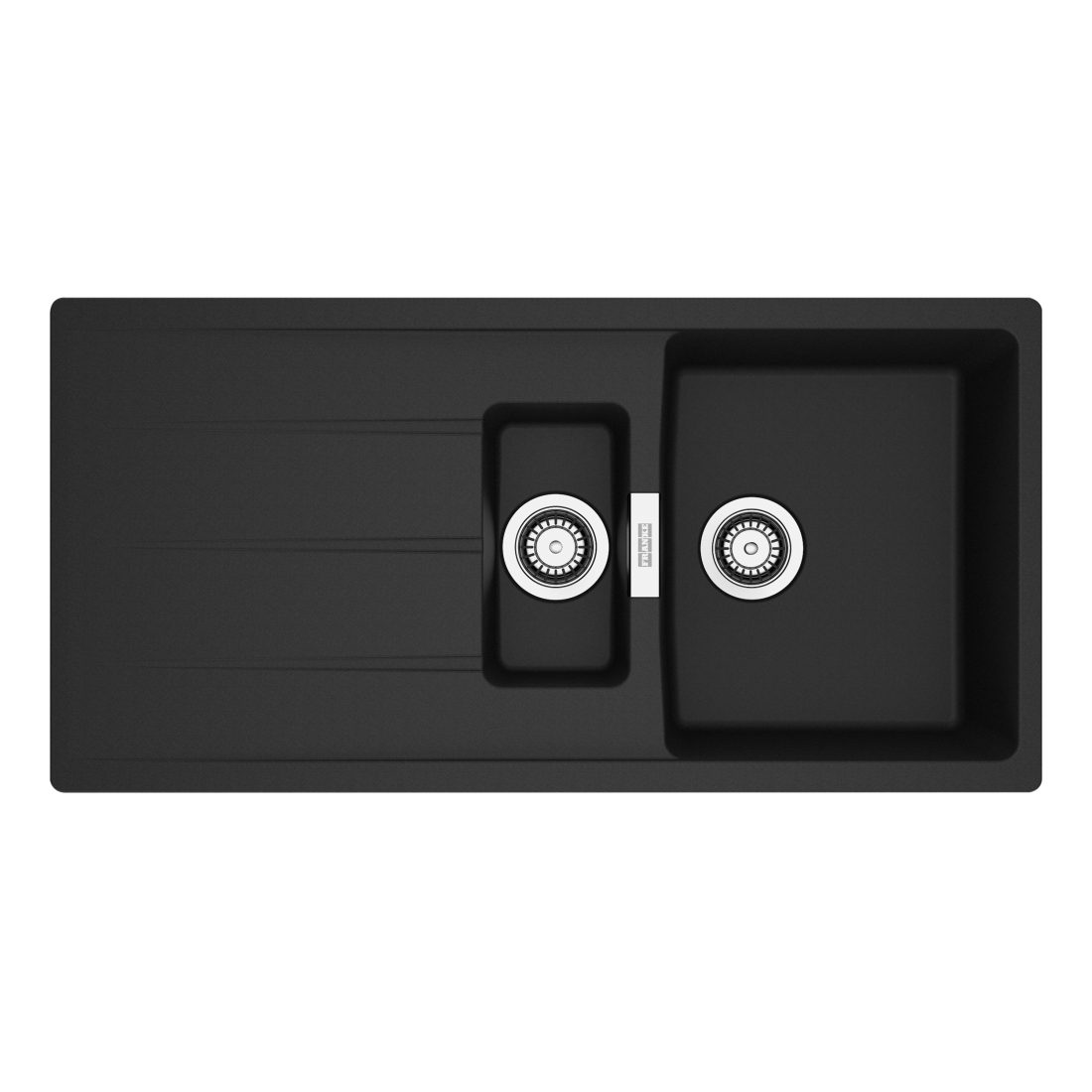
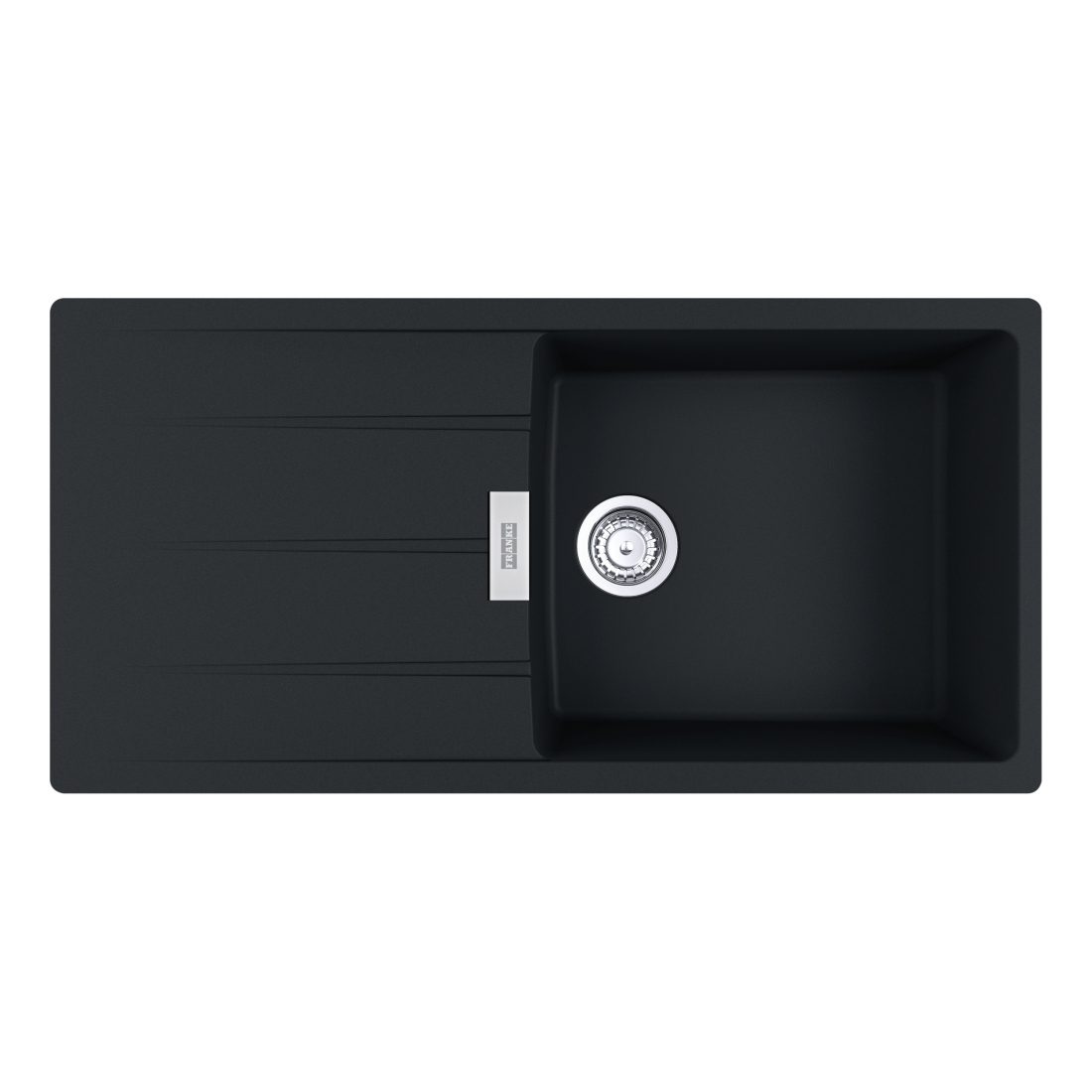
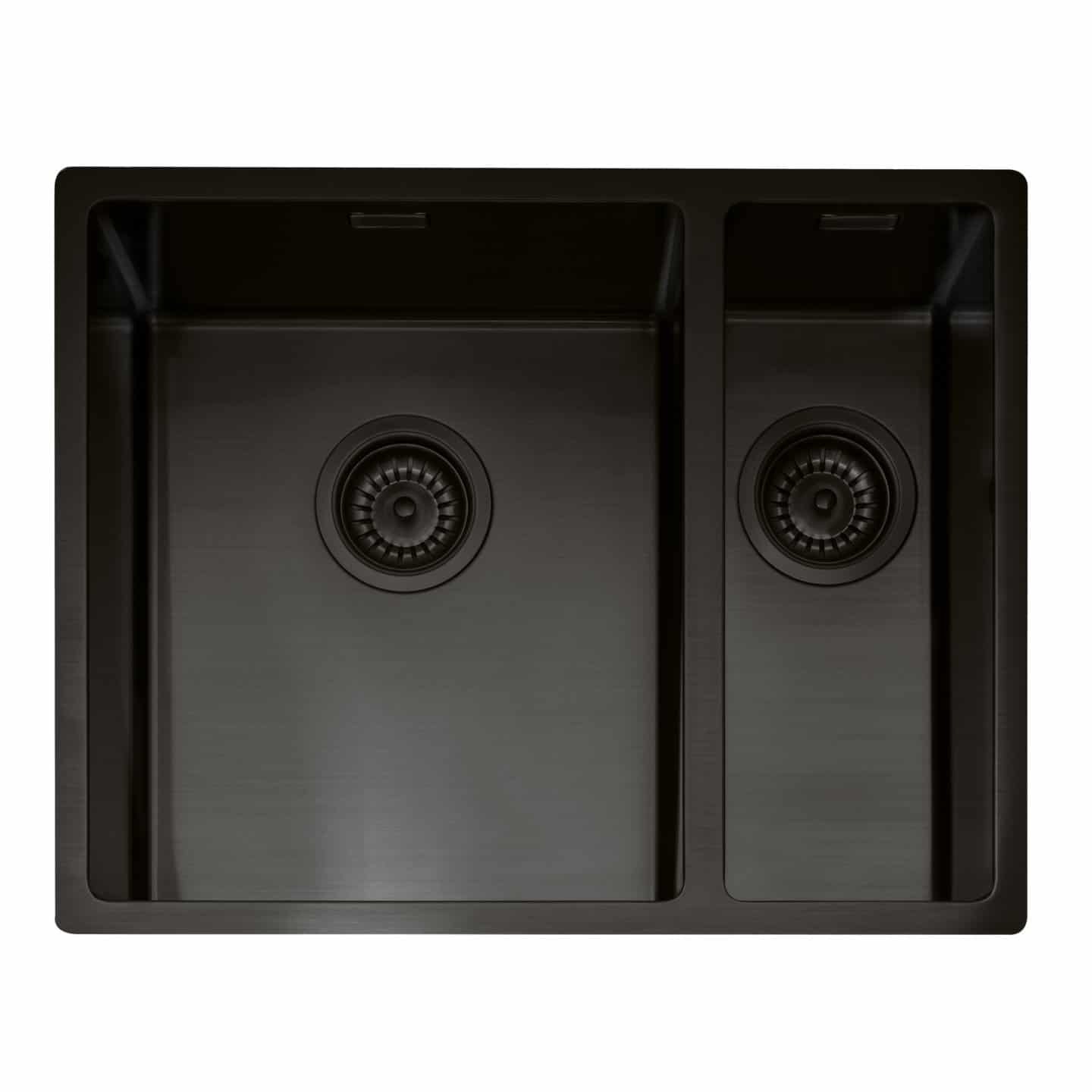
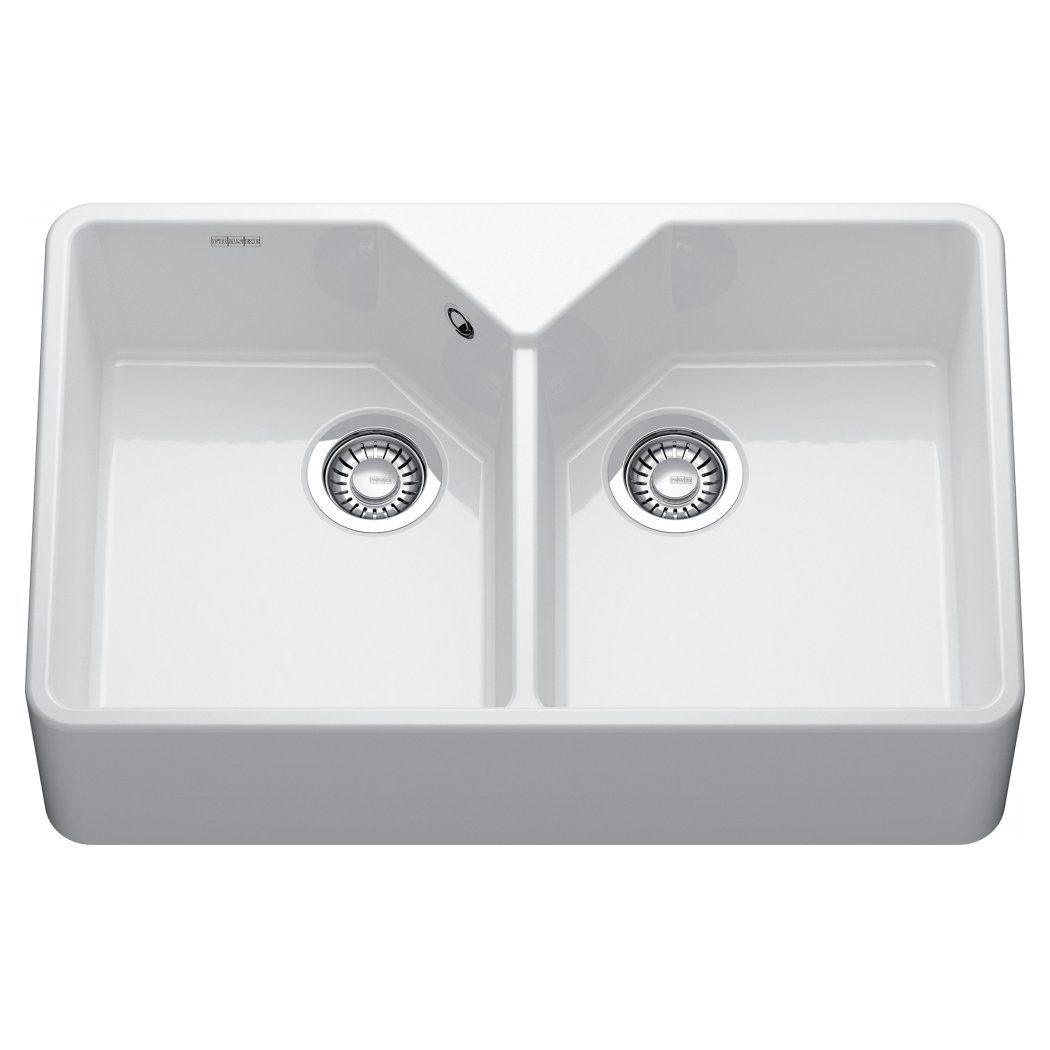
Sinks & Taps
An additional sink and tap is useful for dirtier tasks such as cleaning muddy boots or arranging flowers.
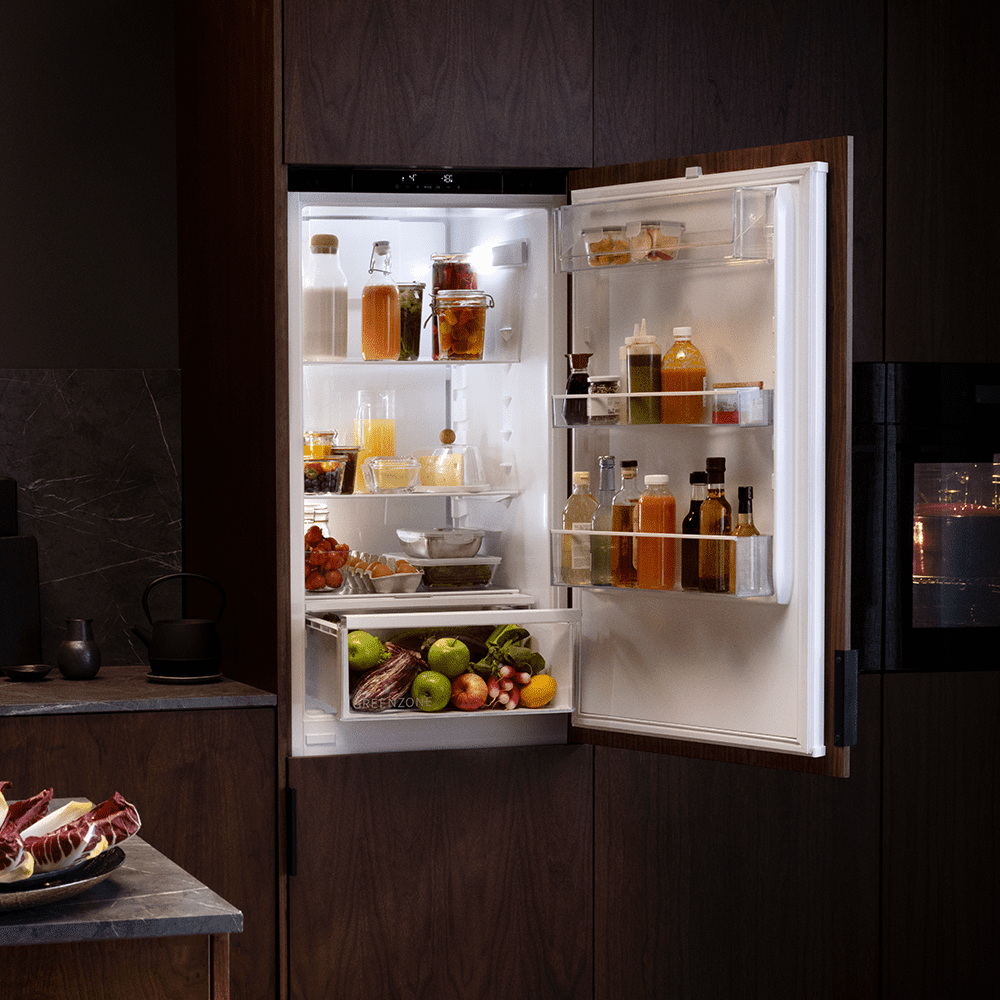
Refrigeration Appliances
If you have room for additional food storage, it can be handy to store bulkier items like bags of ice cubes and joints of meat.
Does A Utility Room Add Value To Your House?
In the rise of open plan living, there is certainly value in keeping clutter out of sight. Having a sleek and streamlined kitchen dining area can make your home feel more spacious. When laundry piles and cleaning products are hidden away you can relax without thinking about your long to-do list. Having a separate space for household tasks can boost productivity. Plus clever organisation makes it easier to find the things you need. Keeping your laundry appliances separate will also reduce noise in your main living space. No more being disrupted by a noisy spin cycle!
If you are thinking about adding a utility room to your home, there are a few things to consider. The most important factor is how much space you have available. If you are adding an extension to your property the costs could be considerable. However if you’re thinking of utilising otherwise unused space, you can create a utility room without spending much money at all.
When it comes to selling a property, having a utility room can be a key selling point. Many potential buyers will be attracted to practical storage space and having an additional room. It is worth noting that whilst a utility room is a useful addition to any home, there is no set figure on how much it could add to your house value. Some experts estimate it could be as much as 5% but this is down to a number of factors. Our advice is to create a utility room if you have space, using budget friendly materials to make it cost effective.
How To Organise Your Utility Room
Firstly, you’ll need to decide what the primary use will be. Are you mainly using the utility room for washing and laundry? Do you enjoy batch cooking? Do you have a busy household with lots of wellies and muddy football boots?
If you want to use the space as a laundry room, you’ll need to ensure there is enough room for your appliances. If you have a vented tumble dryer, it’ll need installing next to an external wall so that hot air can flow outside. Integrated appliances will need to sit behind your cabinetry, which can help to make the space look neat and tidy. You have more flexibility with freestanding appliances, especially condenser dryers as these don’t need to vent outside. As long as you have plenty of ventilation around it, you can install a condenser dryer wherever you like. A washing machine, on the other hand will need to be near to your water supply and electrical supply.
For those who love to cook or entertain, an undercounter fridge or freezer would be a welcome addition in the utility room. You could also use this space to store appliances that aren’t used every day, like stand mixers and juicers. Adding plenty of storage for jars, pots and pans helps you to separate your every day essentials from items that are occasionally used.
Adding a shoe rack and coat hooks is especially handy if you use the utility room door as your main entrance. Keeping a bench or banquette near the door means you can easily remove shoes as soon as you walk in. This stops mud being walked through the house, plus your shoes will always be where you need them!

How To Maximise Space In A Small Utility Room
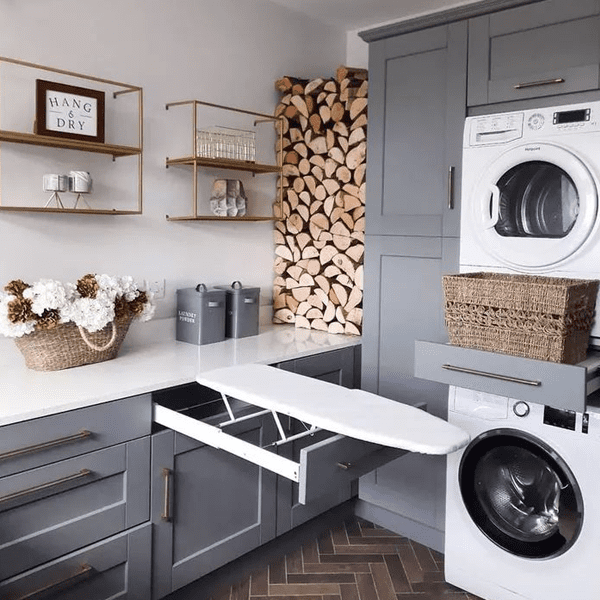
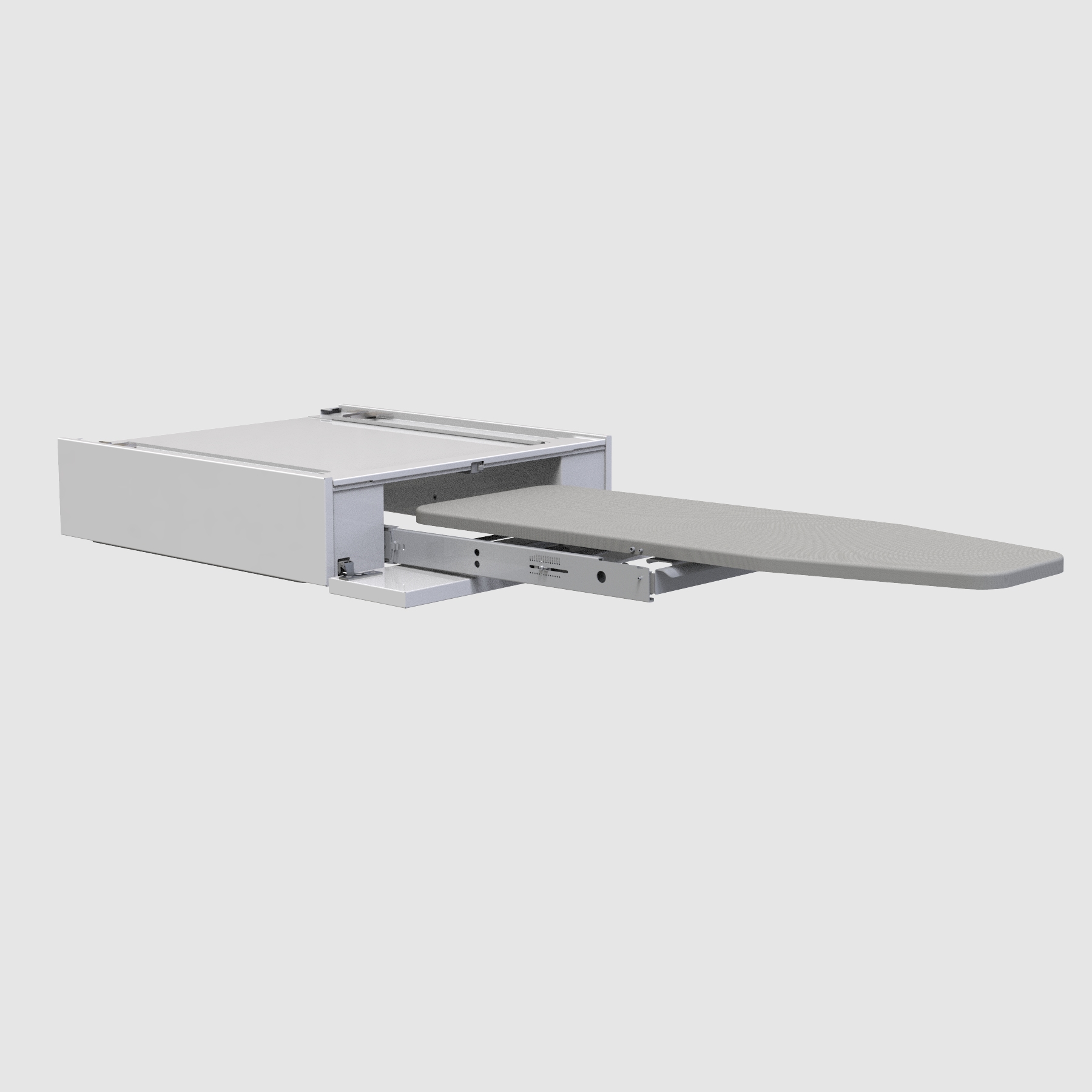
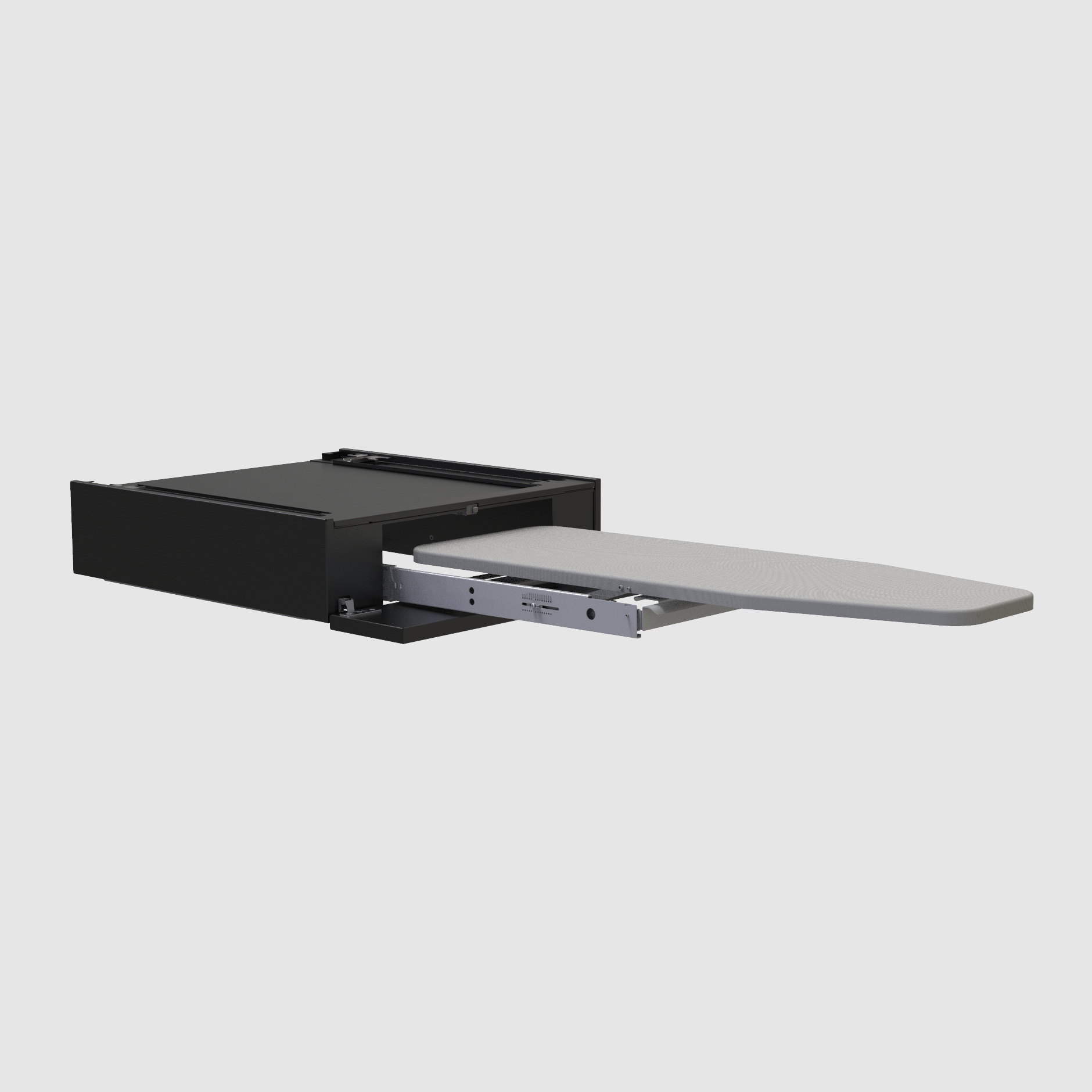
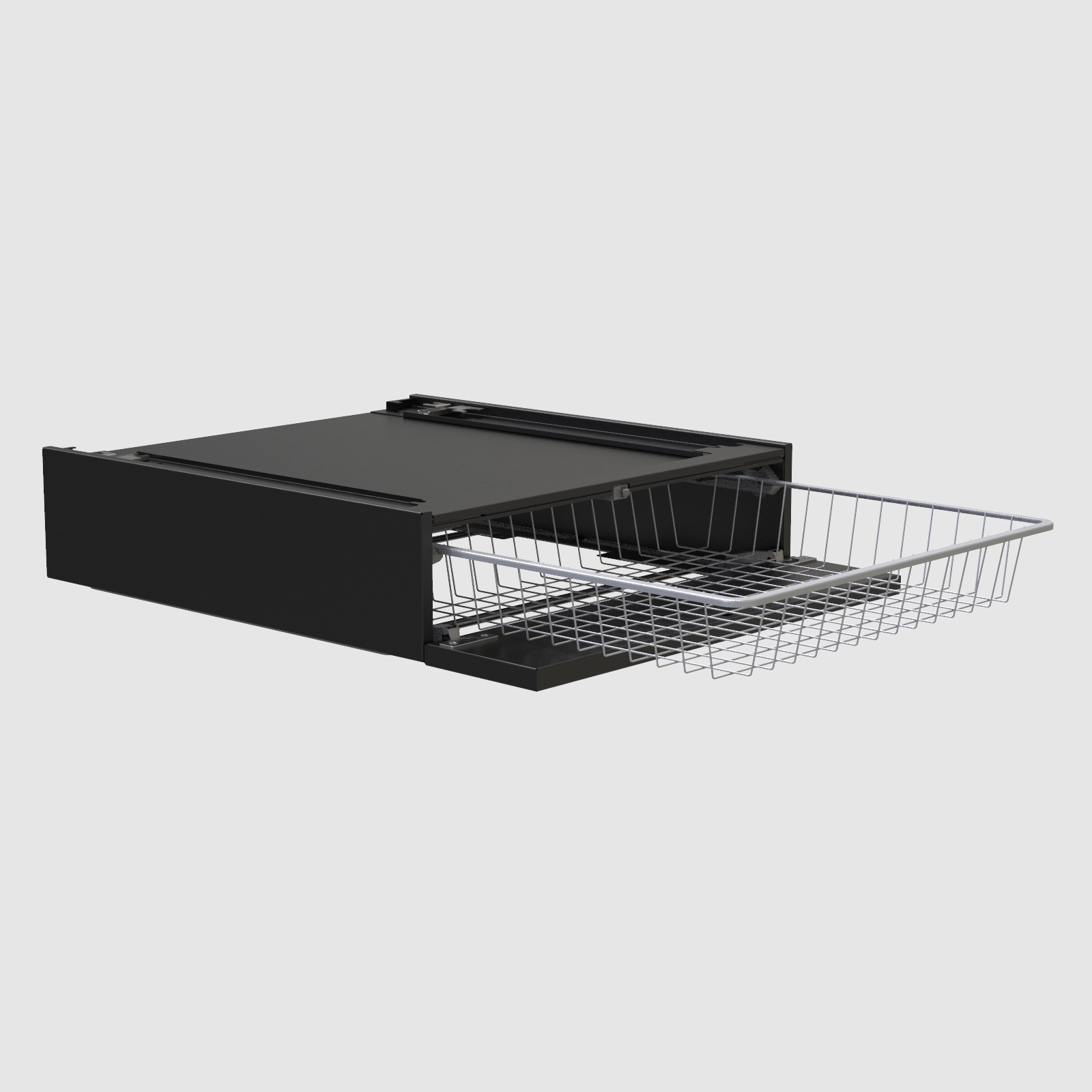
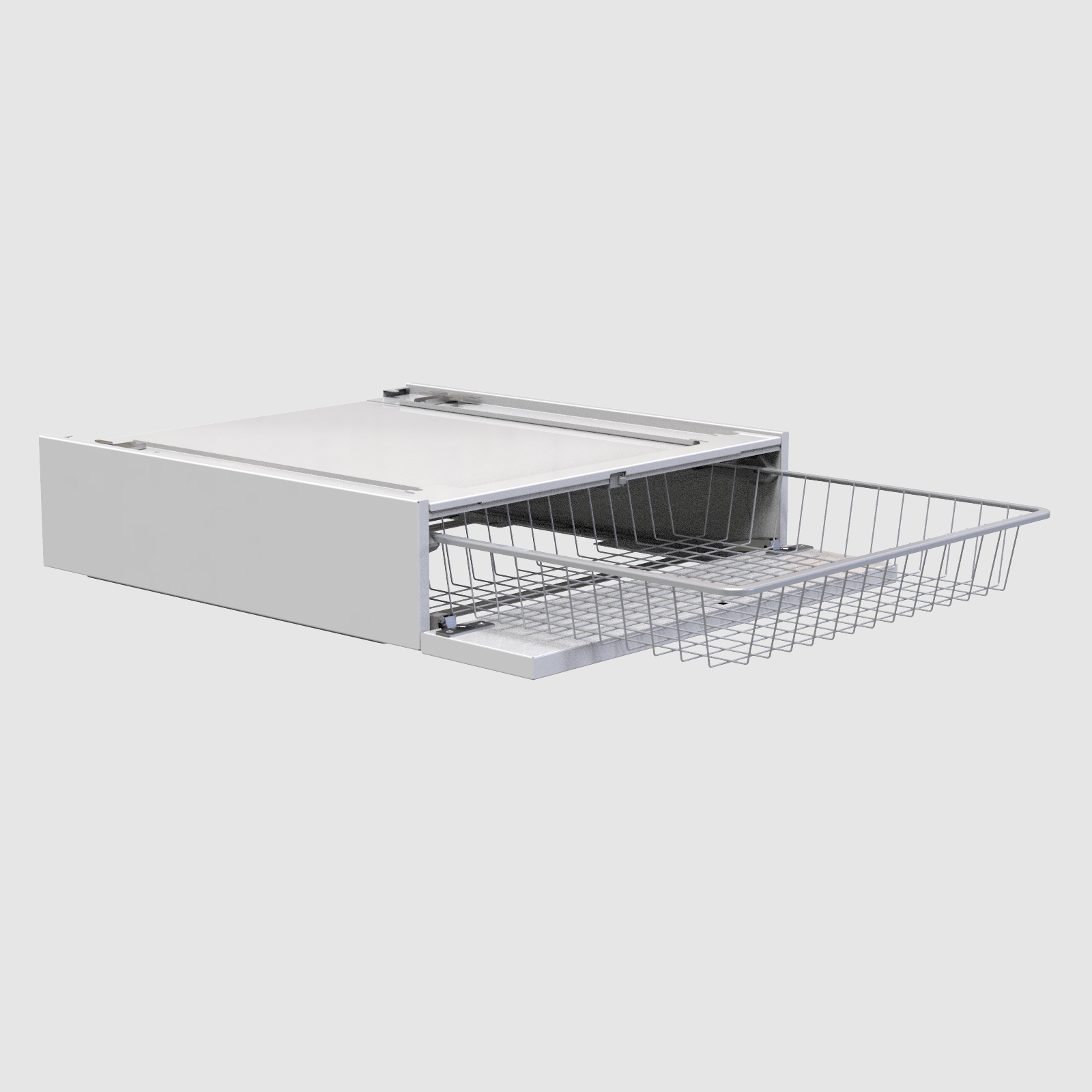
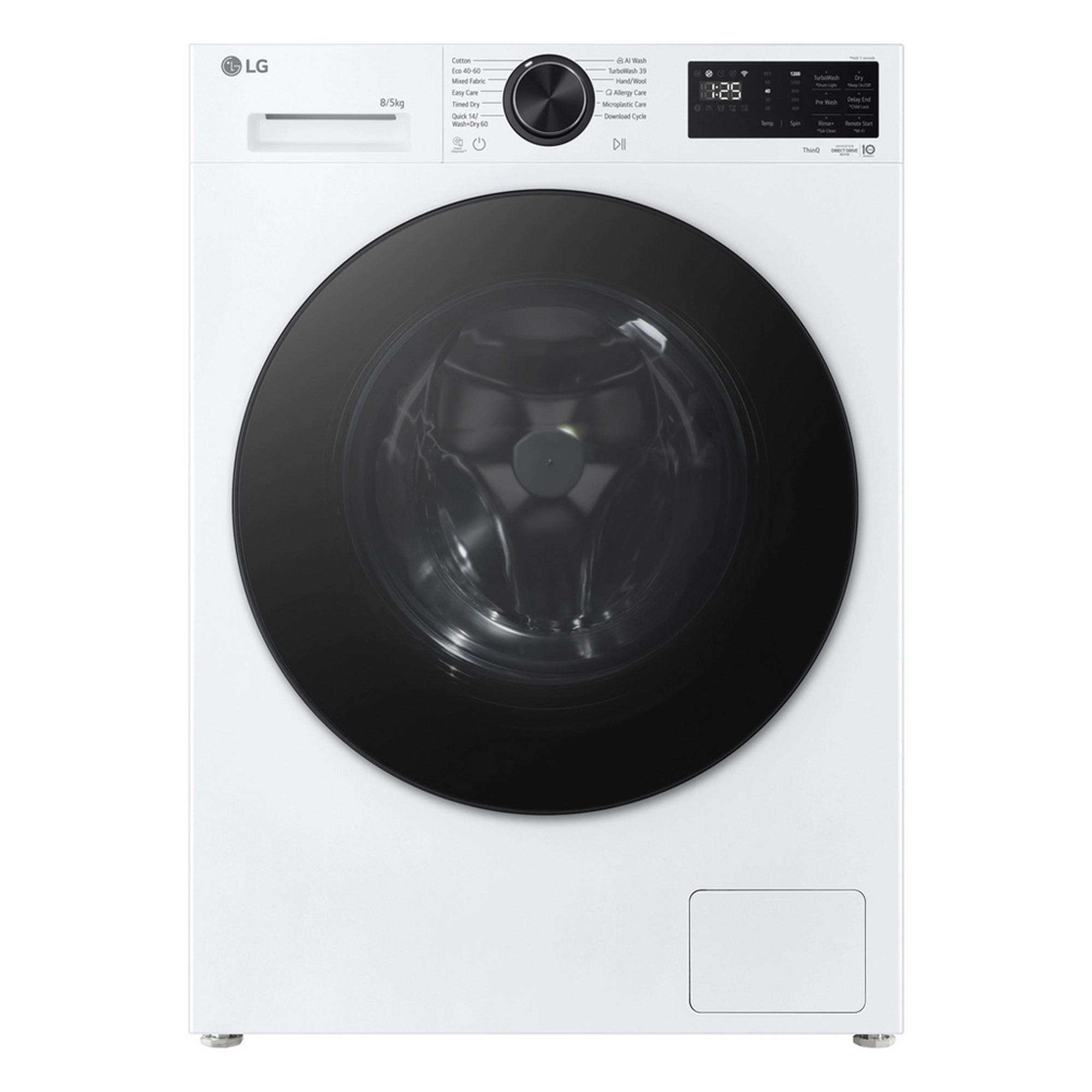
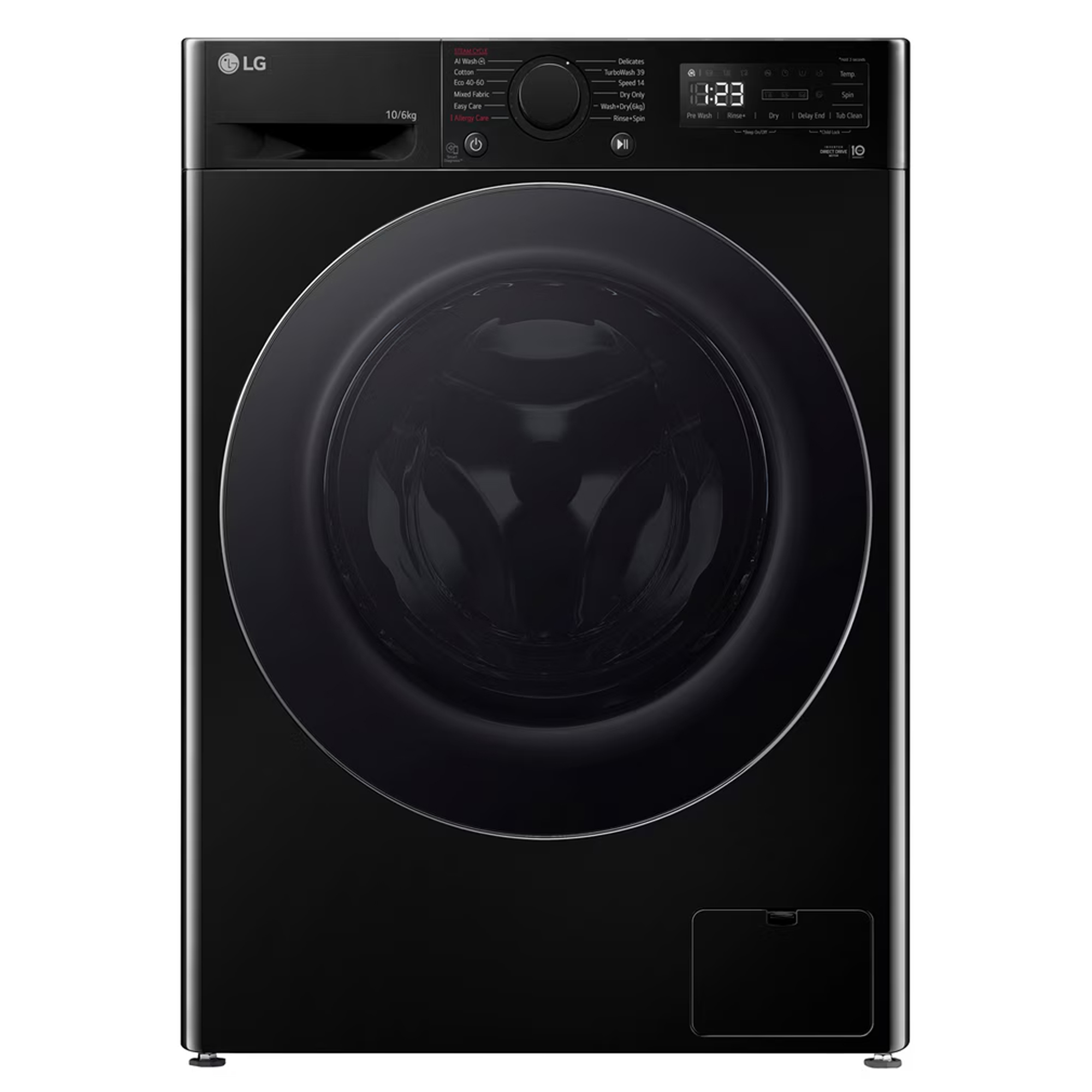
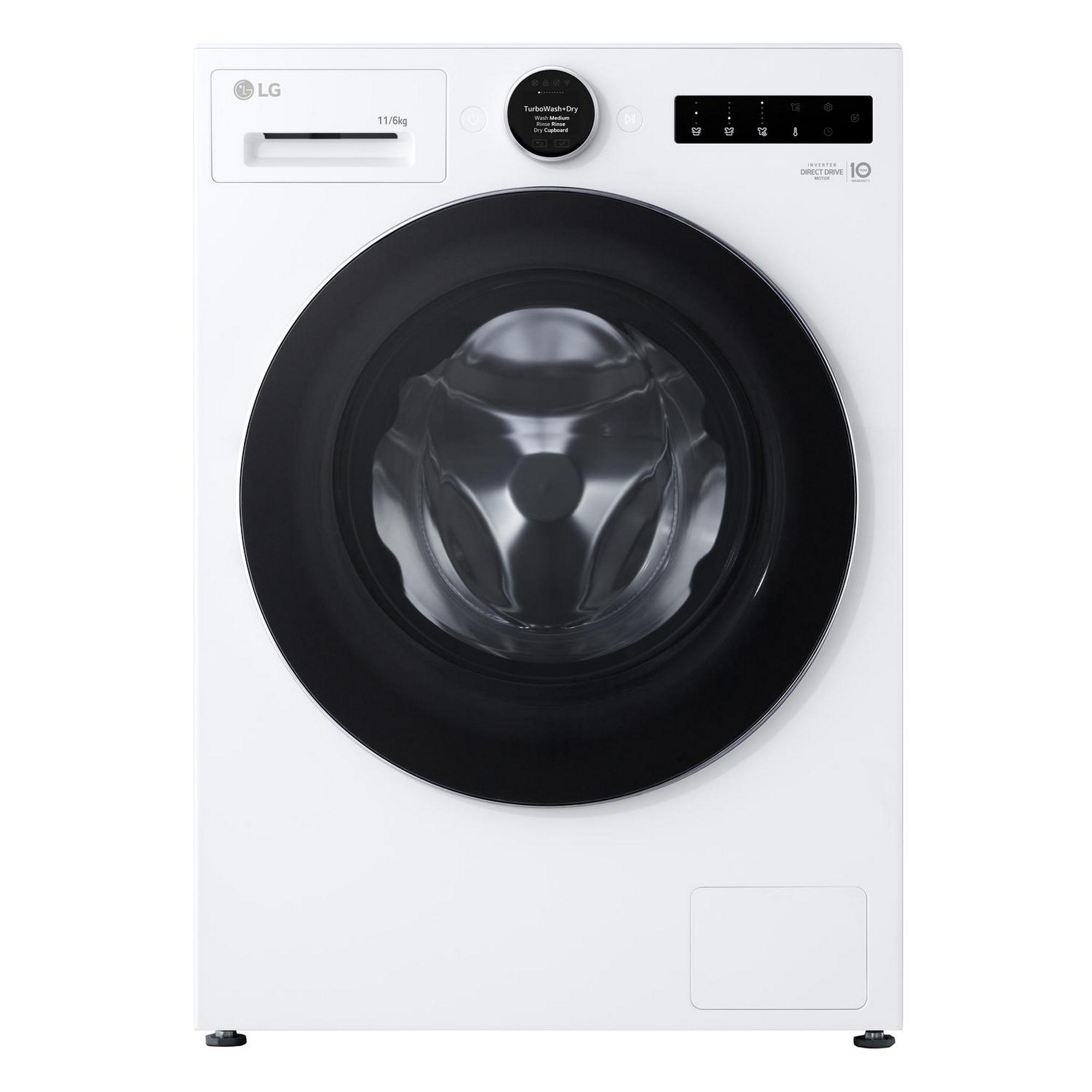
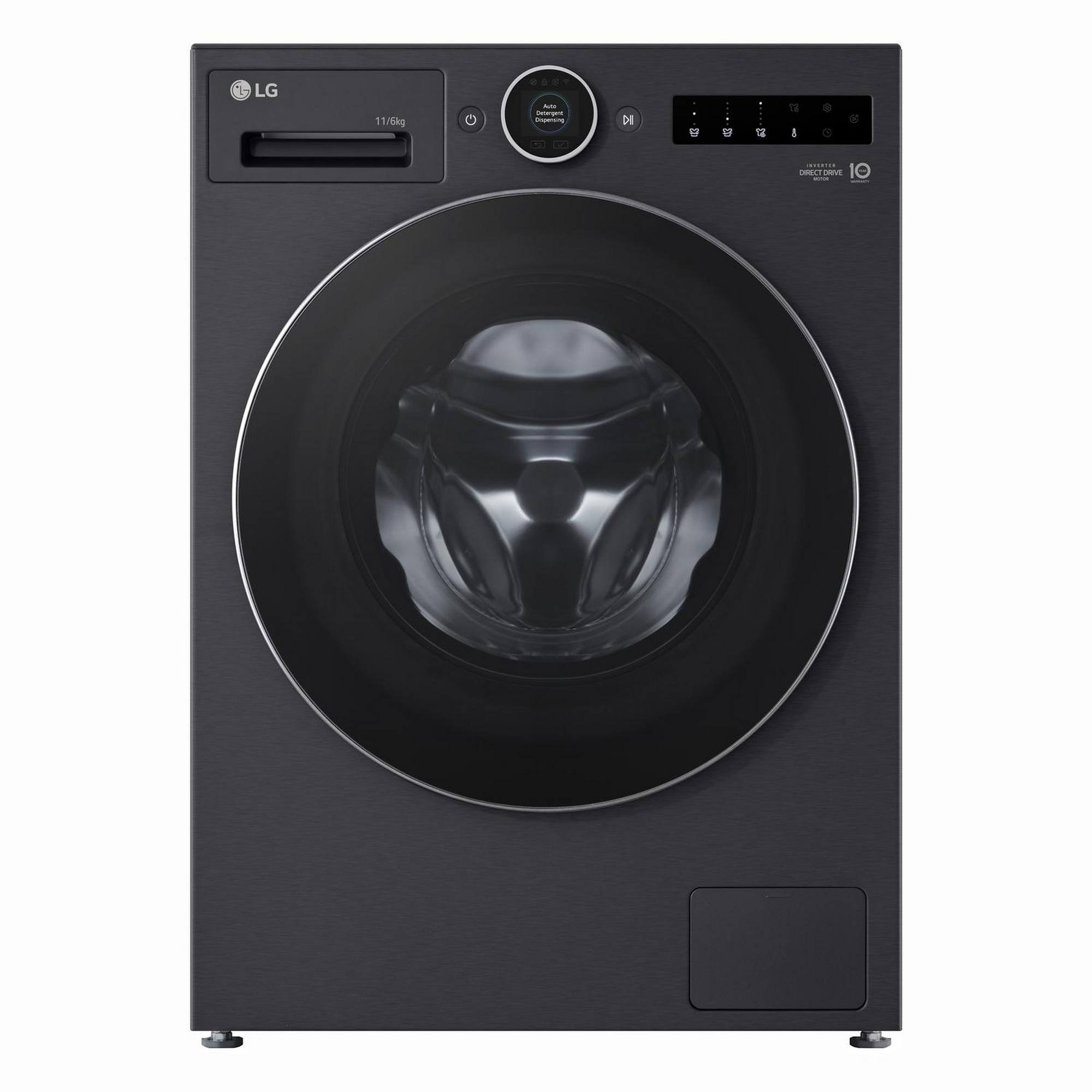
A small utility room can still be very useful. Using some simple yet clever storage solutions can help you to maximise your space. A stacking kit helps you to safely stack your tumble dryer on top of your washing machine. Using a stacking kit frees up valuable floor space. Some stacking kits also feature a pull out drawer which you can put your laundry basket on whilst loading and unloading, handy! If you are very restricted on space, you can combine two appliances in one by opting for a washer dryer.
Building full height storage cupboards means you can utilise every nook and cranny. Invest in a collapsible stool for quick access to the harder to reach shelves. You could keep surplus laundry detergent and cleaning products above your appliances ready for when you need them. This is also a useful place to store extra towels and tea towels, keeping your kitchen cupboards free.
If you don’t have much space near the door, adding a clothes rail into a full height cupboard keeps coats out of the way. Keeping coats and shoes inside a cupboard will make your space feel less cluttered. An ironing board can also sit neatly inside a tall cupboard, ideally on hooks inside the door.
A utility room doesn’t only have to be practical, it can be pretty too! Use open shelving above the sink to display glass jars, containers and even flowers. Make sure to add task lighting to key areas such as above the sink (if there’s no natural light) and around your appliances. Using colour can transform a small room. Use lighter colours to give the illusion of more space. Or alternatively you could use bold and bright colours to make a serious style statement. Who says utility rooms have to be boring?! By making your utility room look great, you’ll want to spend more time in there, ultimately completing more chores!
Consider These Laundry Appliances...
Washing Machines
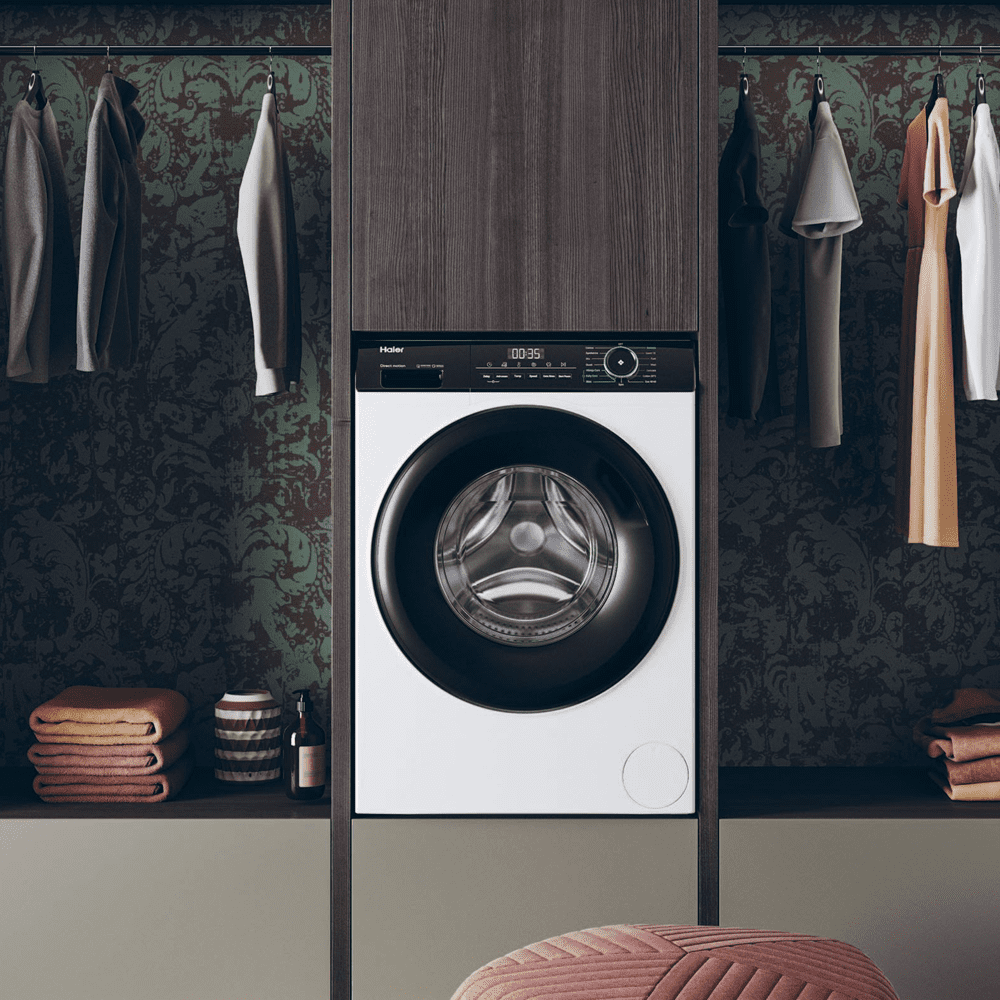
Stacking your laundry appliances gives you more floor space. It makes loading and unloading the washing much easier too!
Tumble Dryers
An additional sink and tap is useful for dirtier tasks such as cleaning muddy boots or arranging flowers.
Washer Dryers
Hooks help to store collapsible items like ironing boards and drying racks.
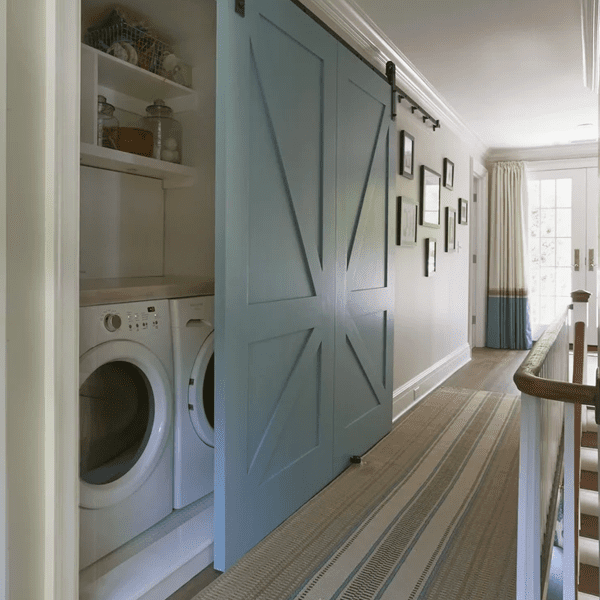
Unusual Places For A Utility Room
The most common place for a utility room is next to the kitchen. This is for two main reasons. Firstly, you can easily plumb in appliances to the main water supply. For example, a washing machine needs connecting to the existing hot and cold water supply plus the waste pipe. Secondly, most people use the utility room as an extension of the kitchen. If you’re using the storage space for additional pots, pans and crockery, it makes sense to be close to the kitchen. This also applies if you are adding an extra fridge or freezer.
However if you don’t have space near your kitchen for a utility, there are plenty of other places you can create one! Let’s take a look at some of the other places you could add a utility room.
Garage Conversion
A garage conversion is an ideal place for a utility room. Close access to outside helps when taking washing out to dry. A garage already has a hard wearing floor making it the perfect place to keep dirty shoes and bigger things like bikes and sports gear.
While it isn’t usually necessary to have planning permission for a garage conversion, it’s always best to check before you carry out any work.
Under Stairs Cupboard
An under the stairs cupboard is usually a compact space without much useable space. Although often used as a ‘junk’ cupboard, you can utilise the space with proper planning and a little creativity.
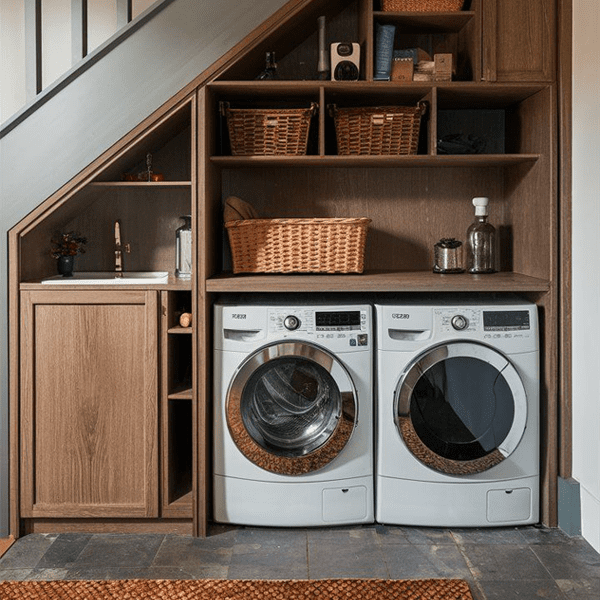
Adding a washing machine, tumble dryer and some storage baskets you can create a mini laundry room. Pull out drawers or drying racks will also help you to maximise the functionality.
Downstairs Bathroom
Another practical space that could double up as a utility is the downstairs toilet. Apart from a sink and toilet, your downstairs loo doesn’t take up much space. Therefore you could add in storage for cleaning and laundry products.
You could even create a mini wet room with a tiled area and low level shower for hosing down your muddy pets. Especially handy to have after straight after wet walks!
Product Deals by Category



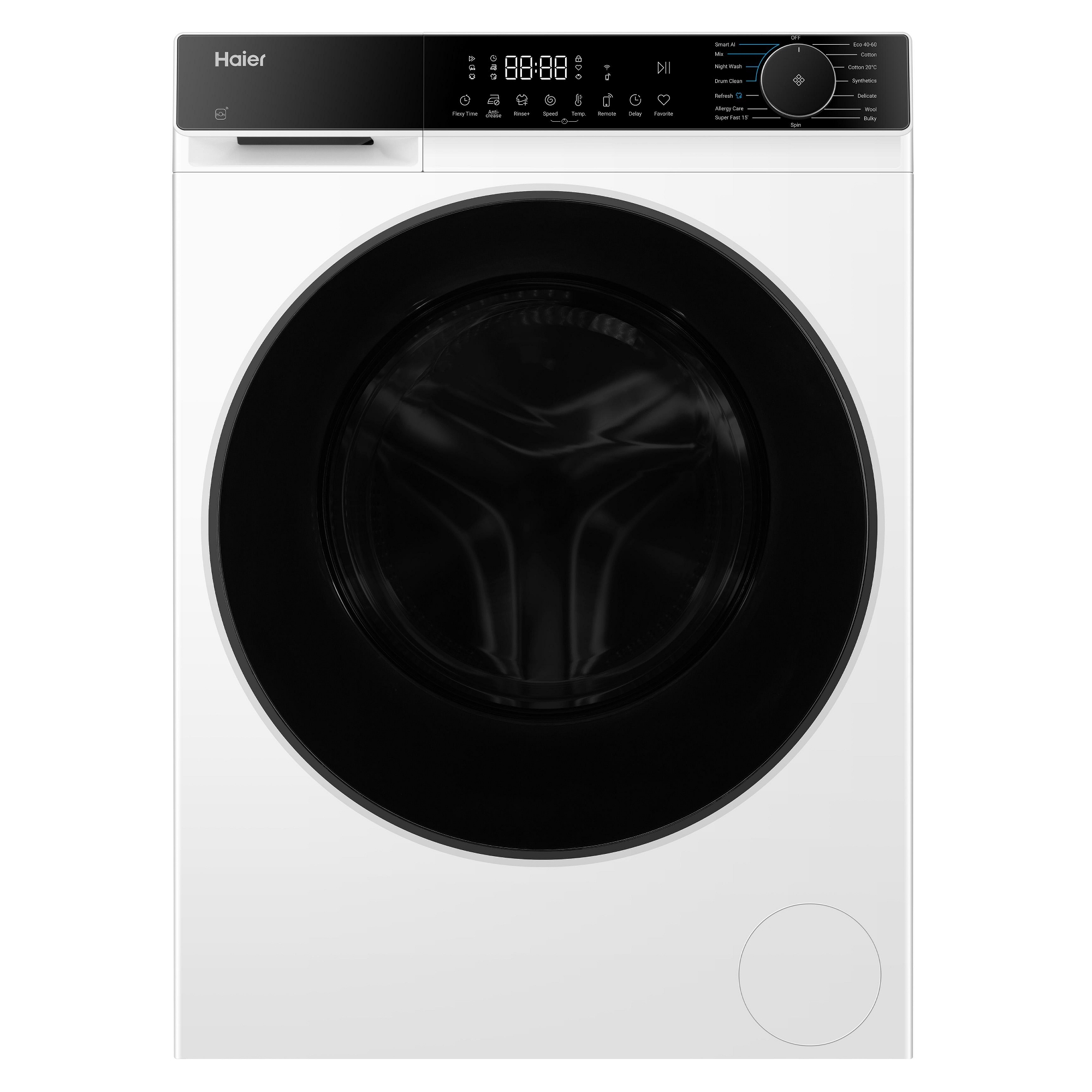

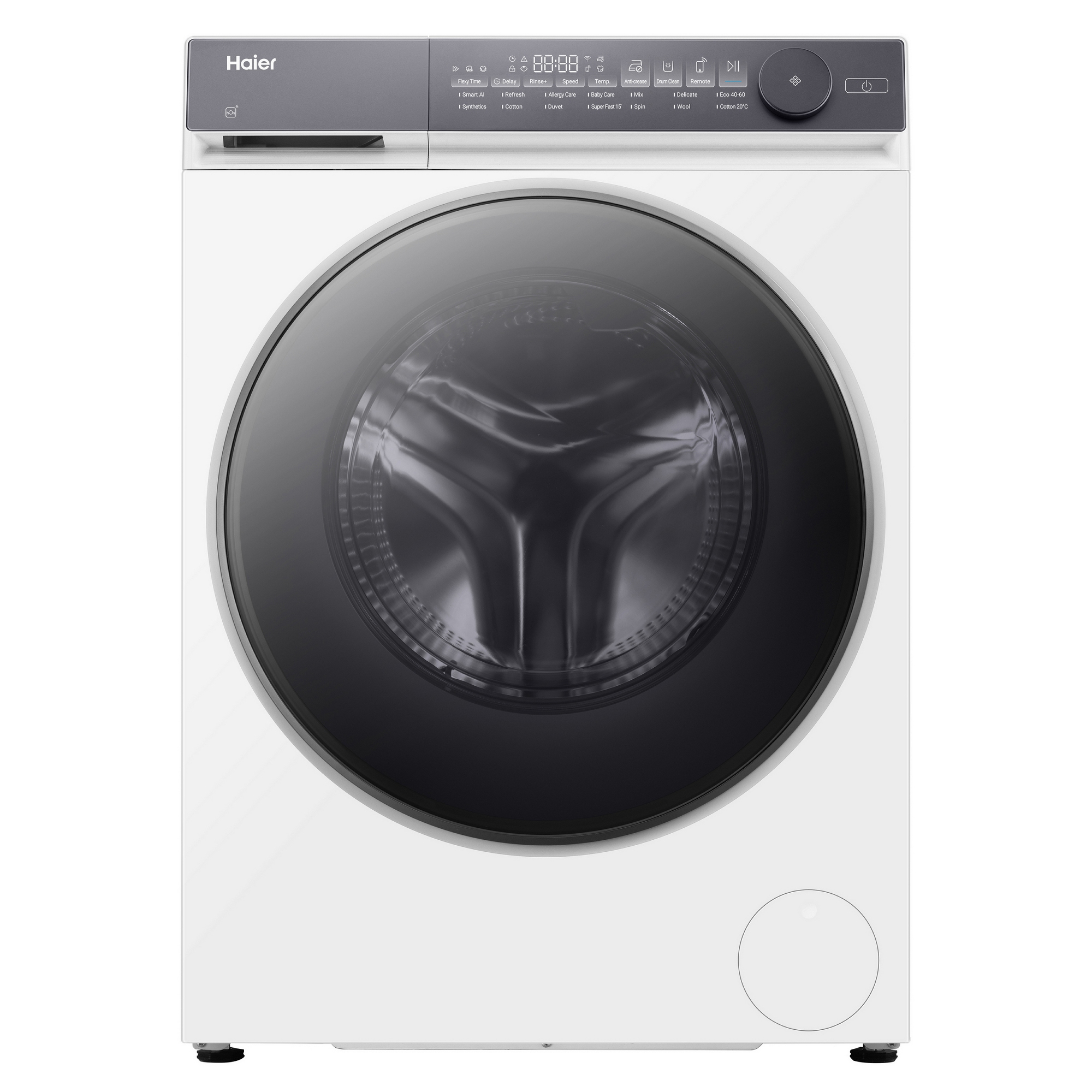
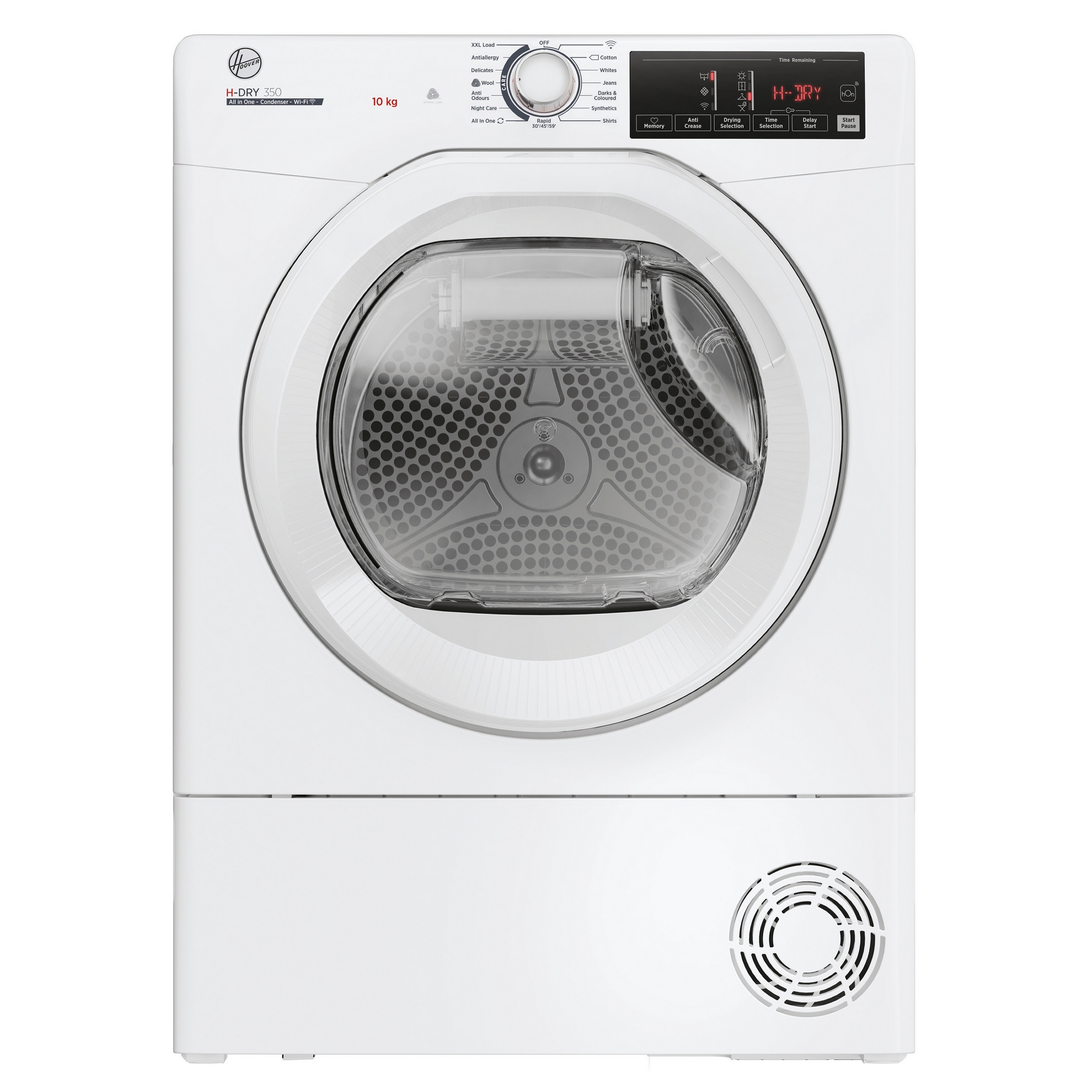

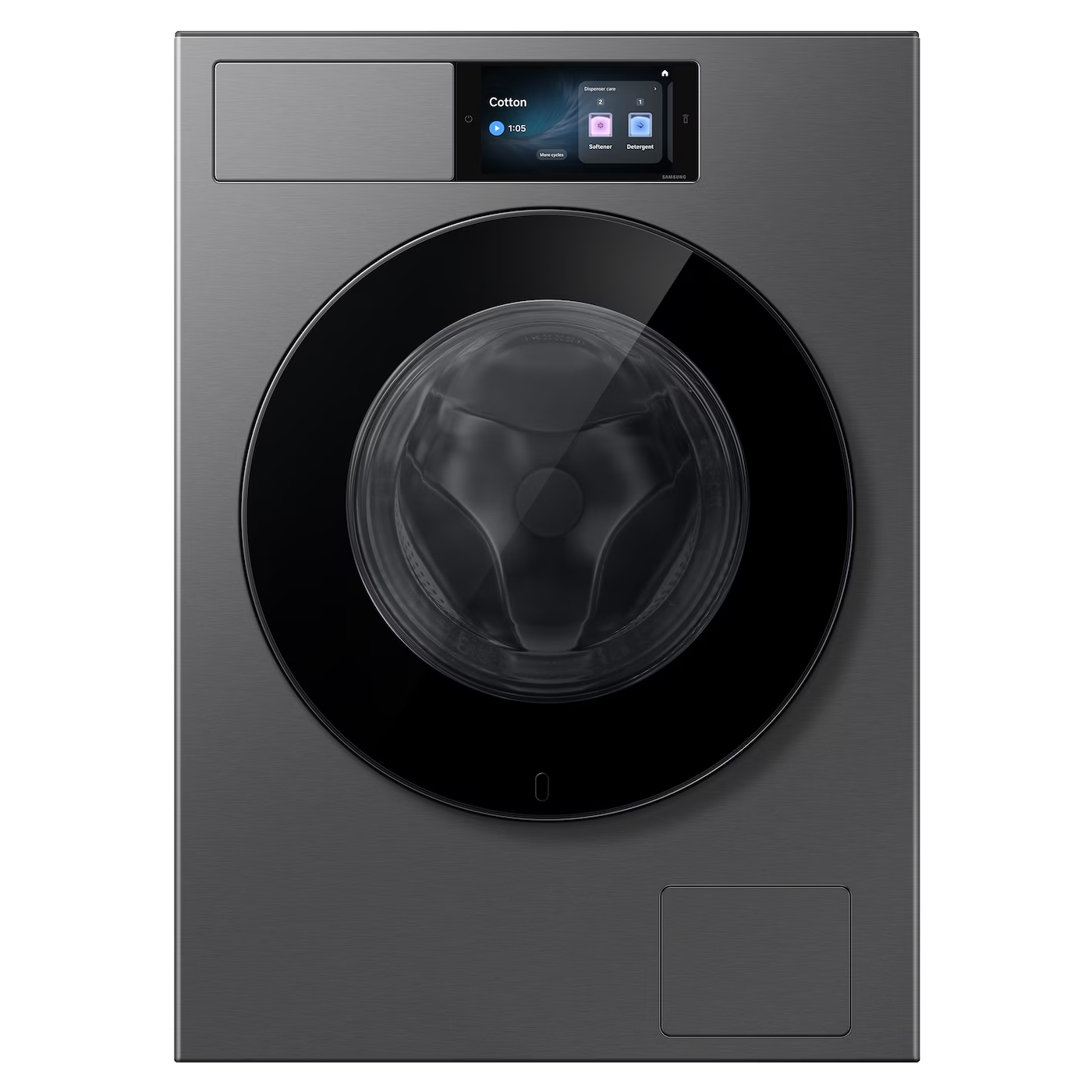

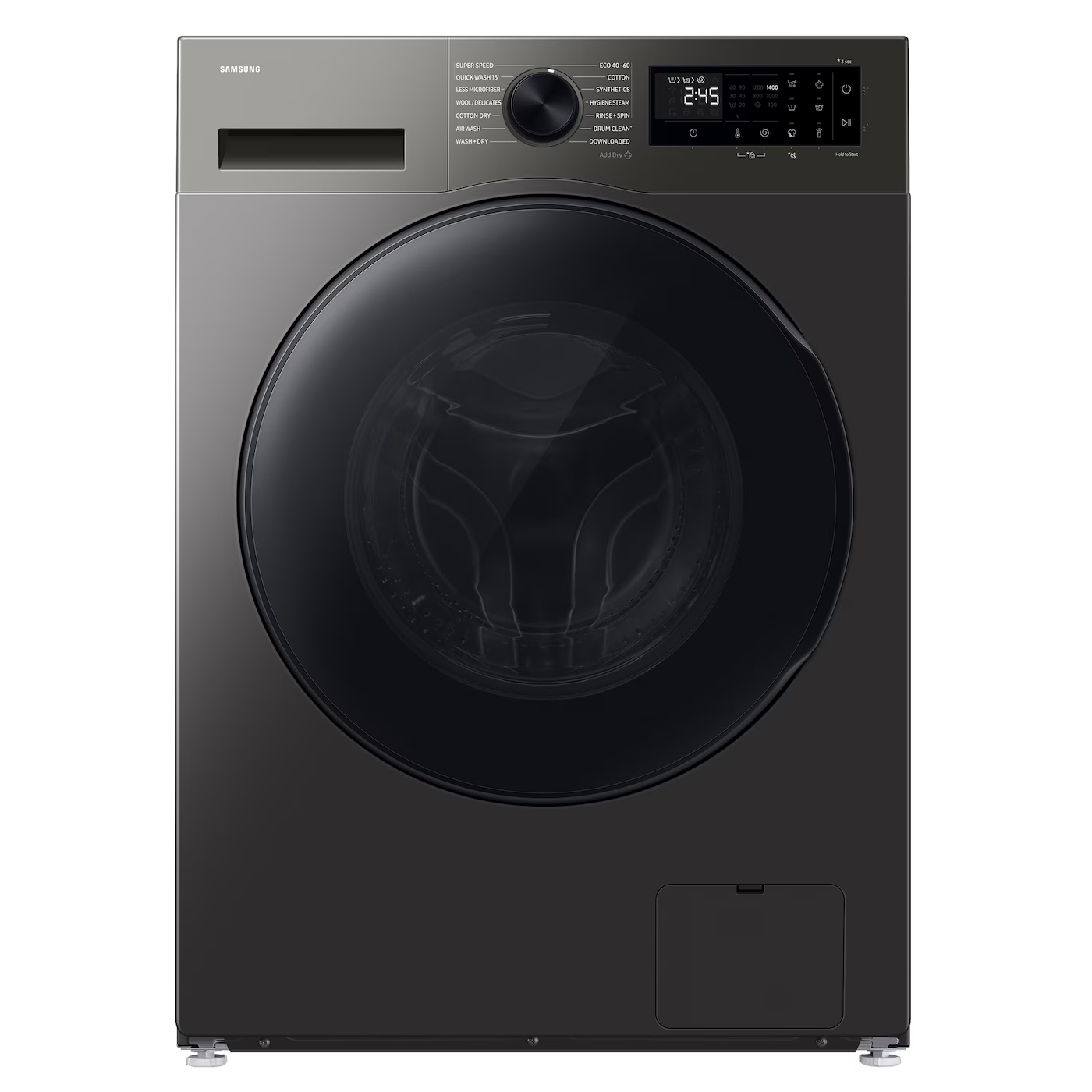
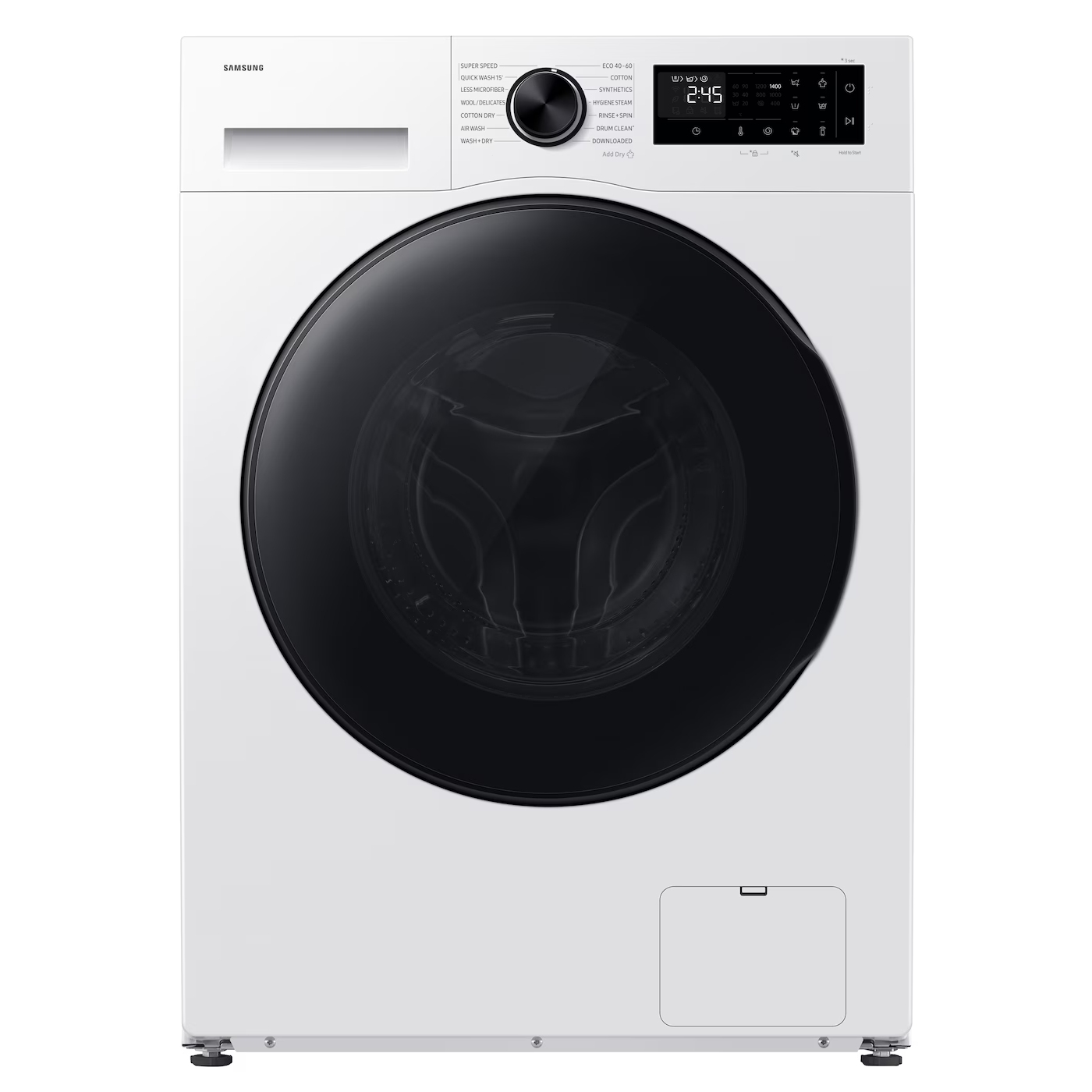
Samsung 9kg Series 9 Auto Dosing Washing Machine 1400rpm WF90H09C4ST1 - Dark Steel


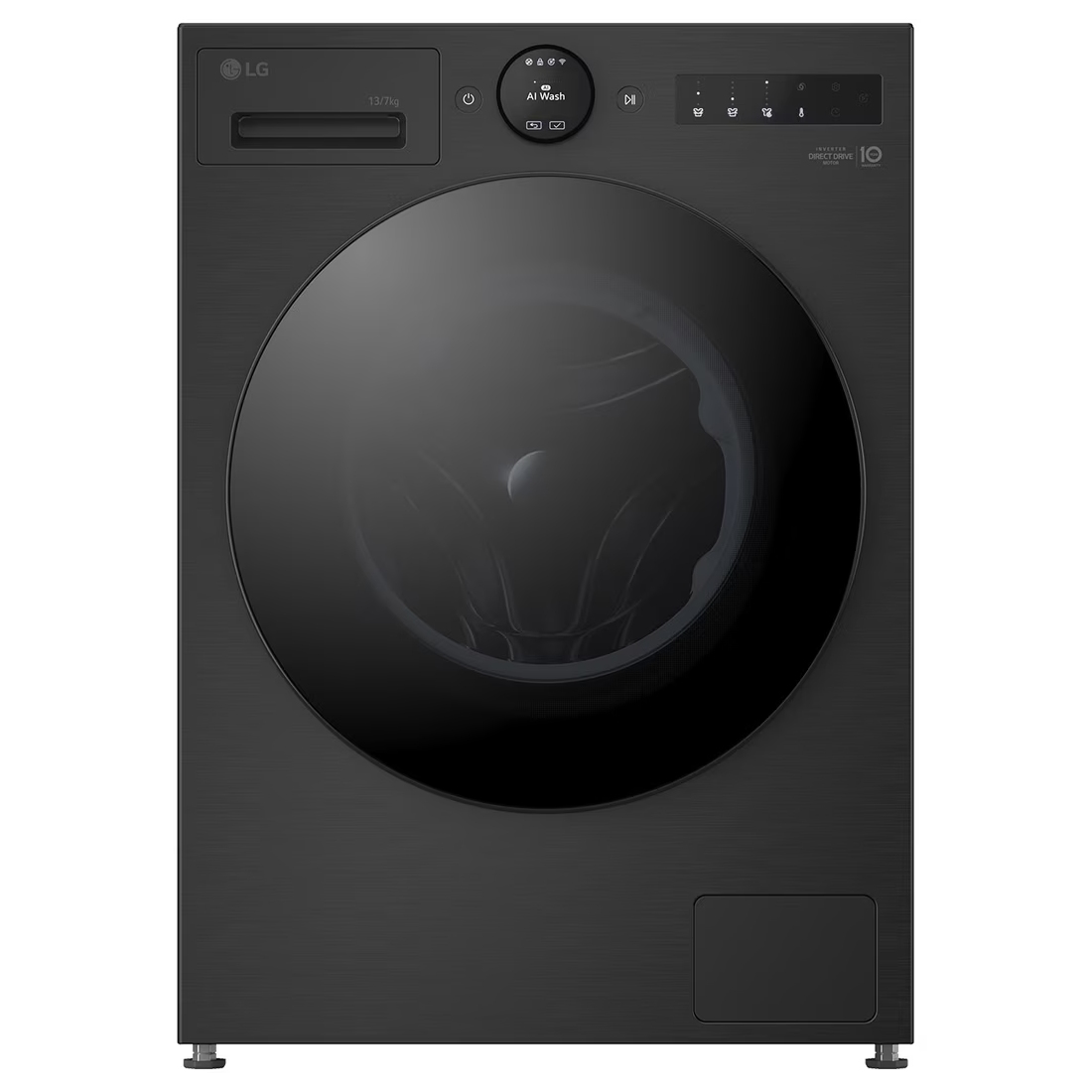
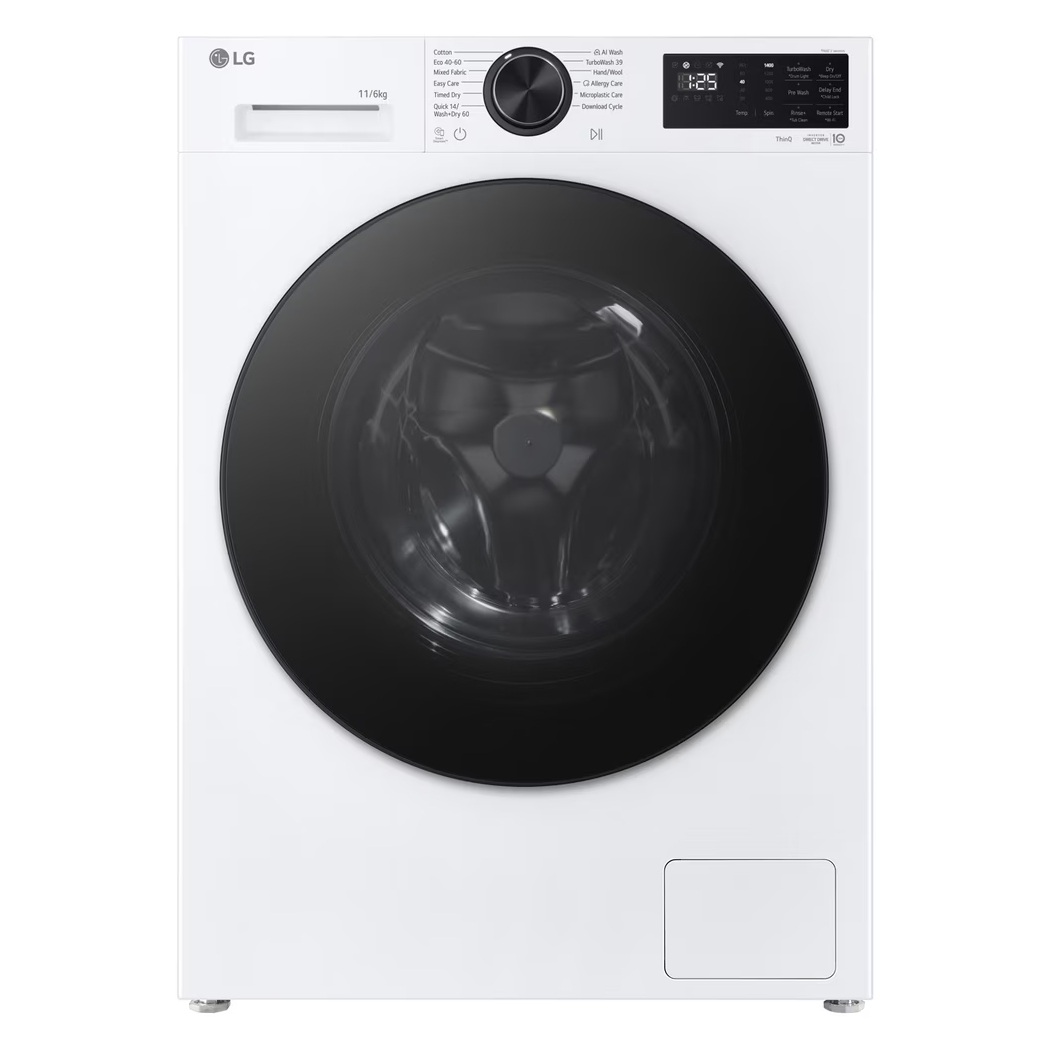

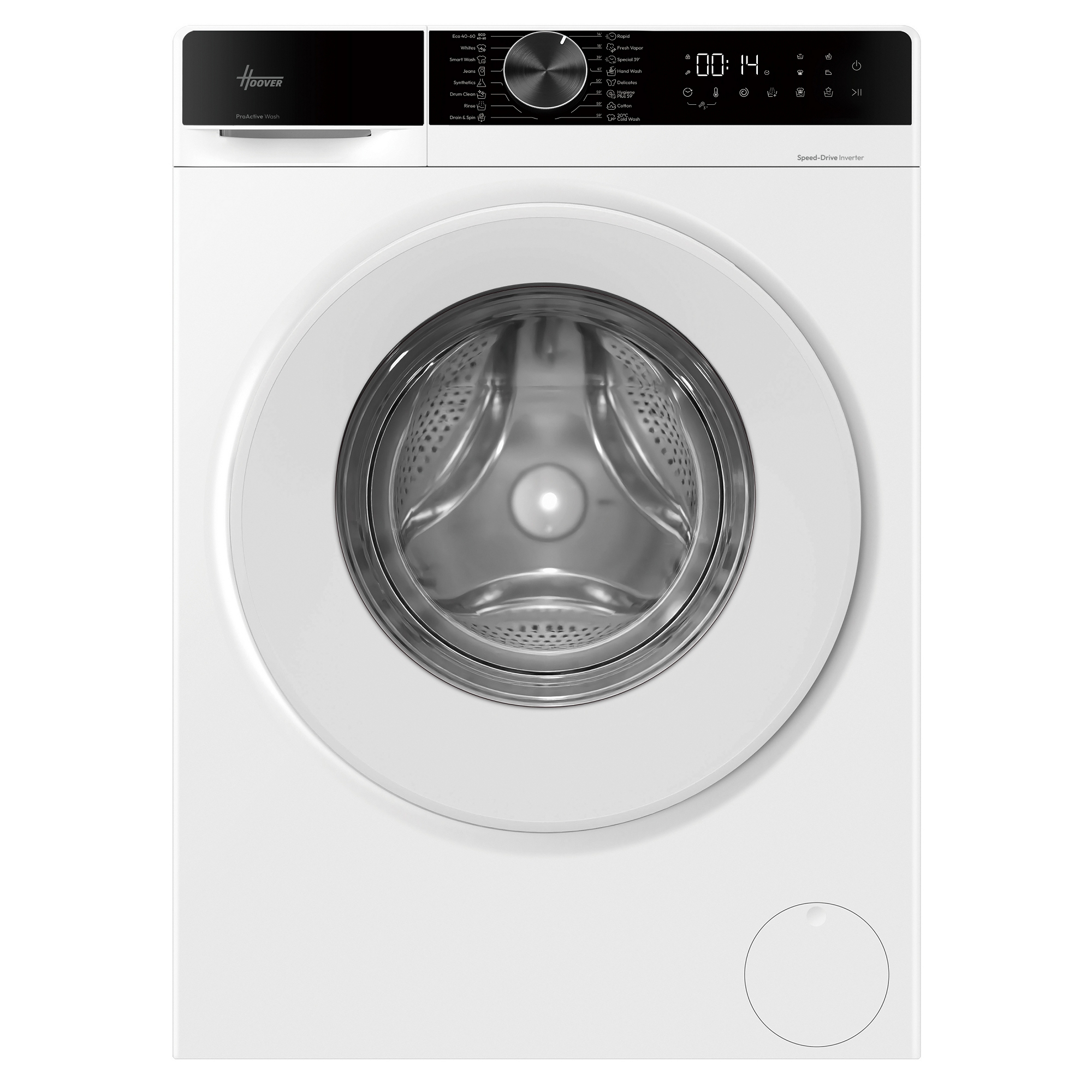
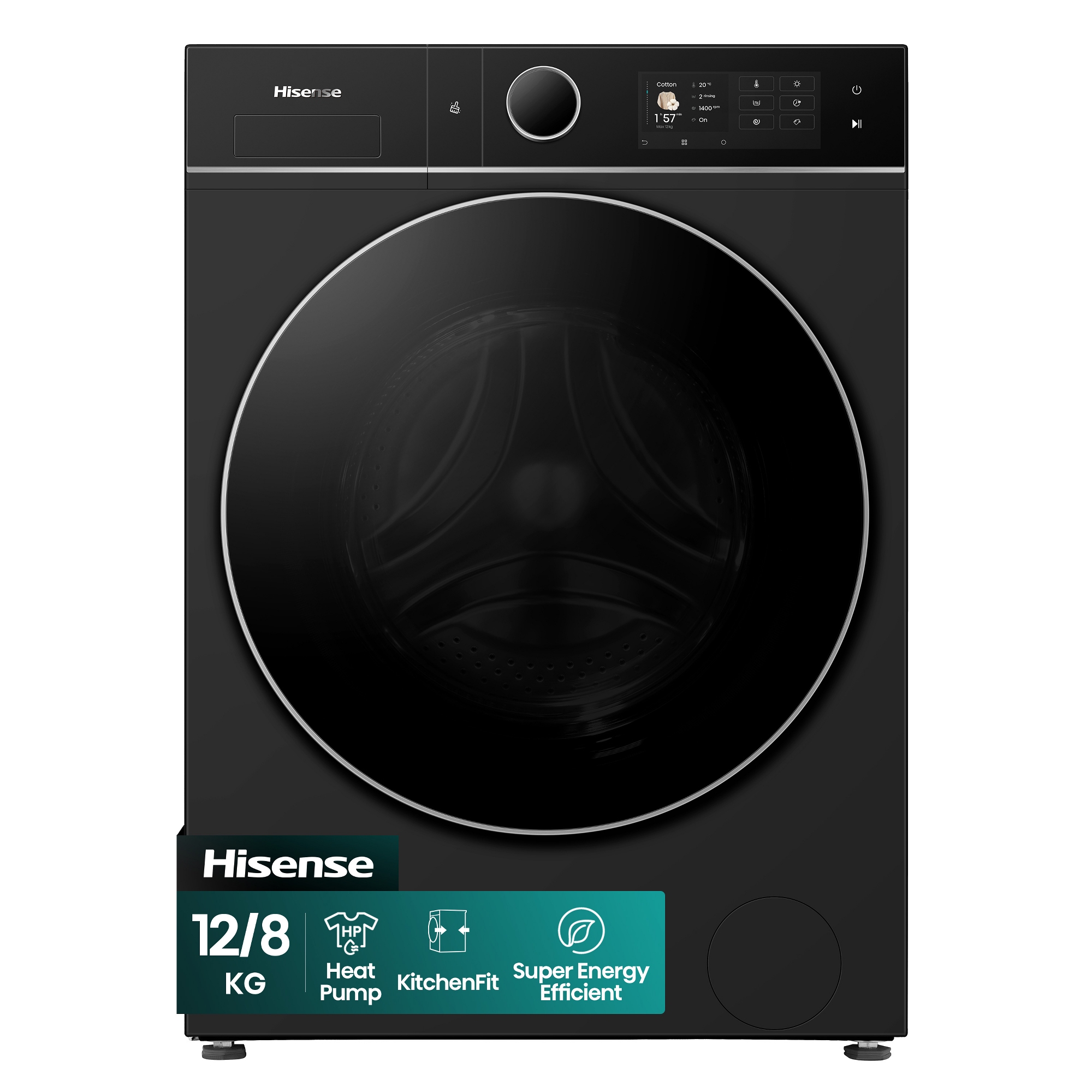

Hisense 12kg/8kg 5i Series Autodose WiFi Heat Pump Washer Dryer WD5I1245BBRH - Black
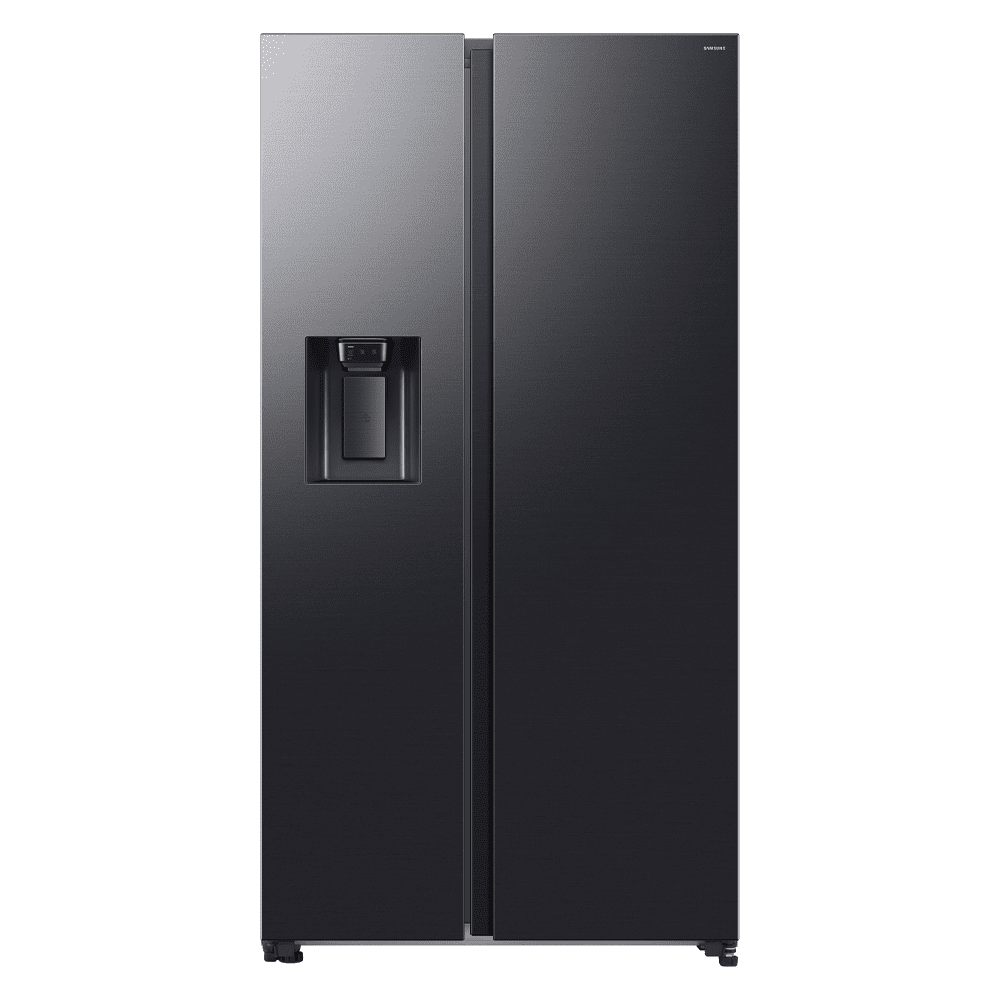

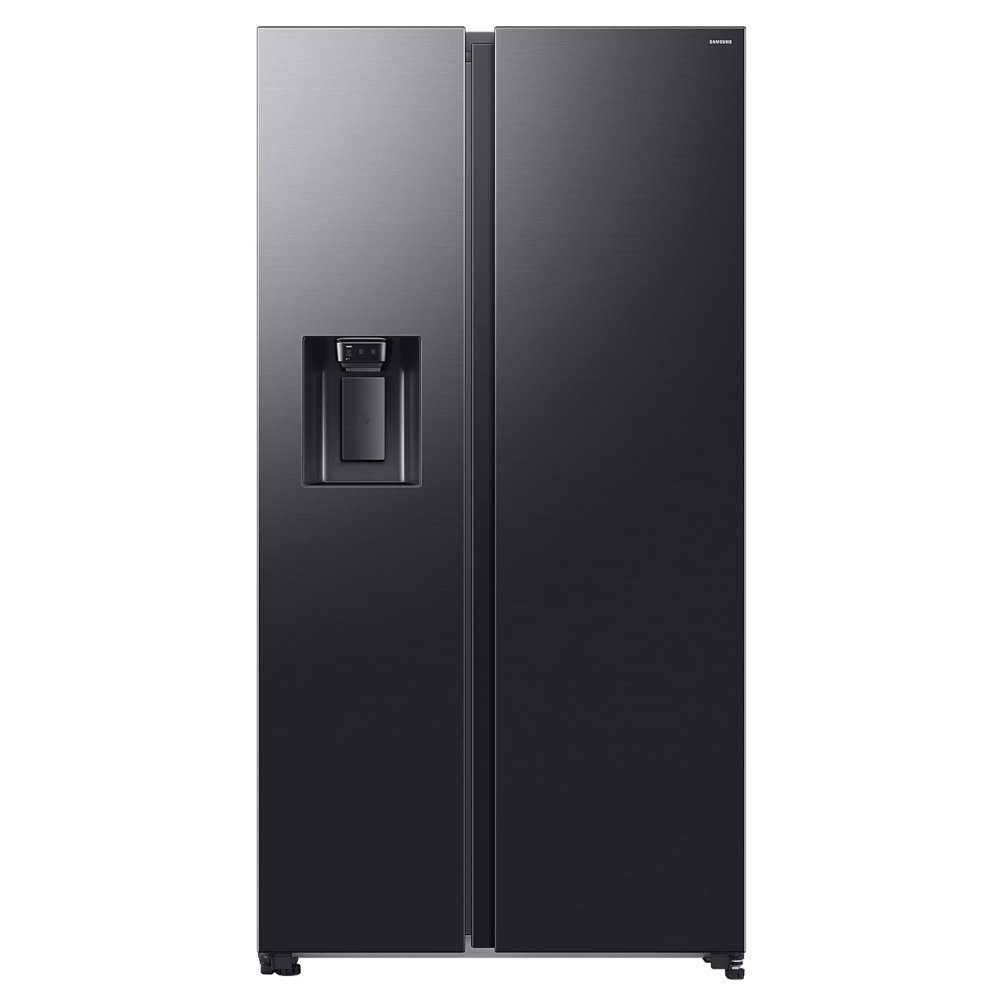
Samsung Series 6 AI SpaceMax American Fridge Freezer Ice & Water RS70F64KDFEU - Black Steel

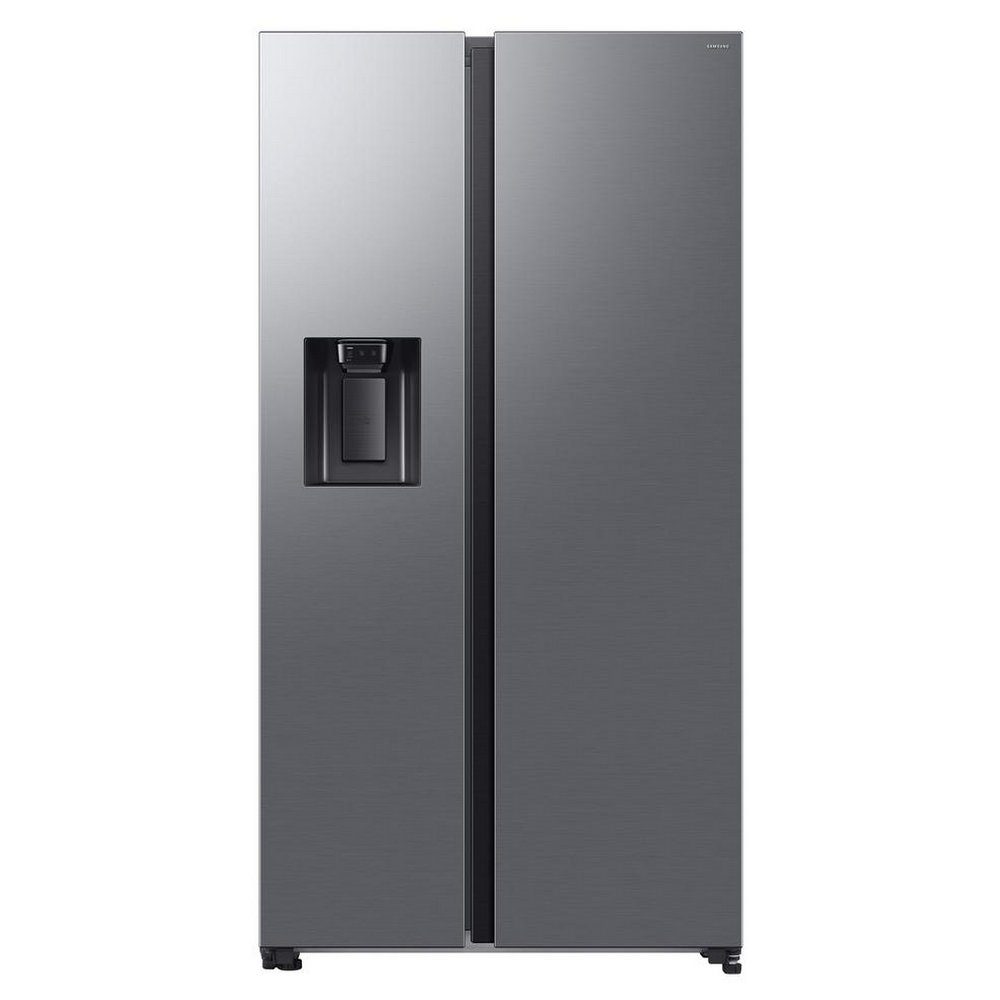
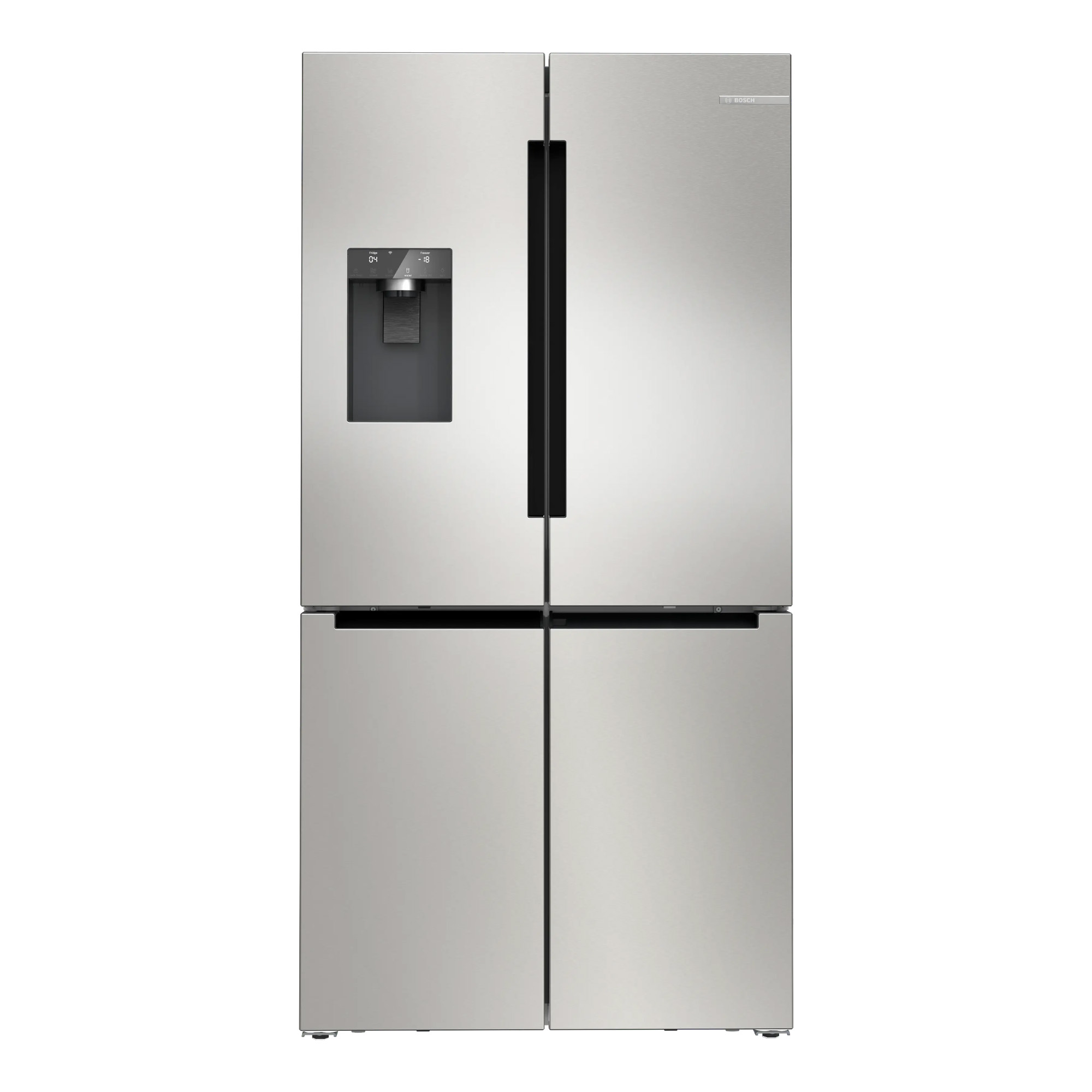
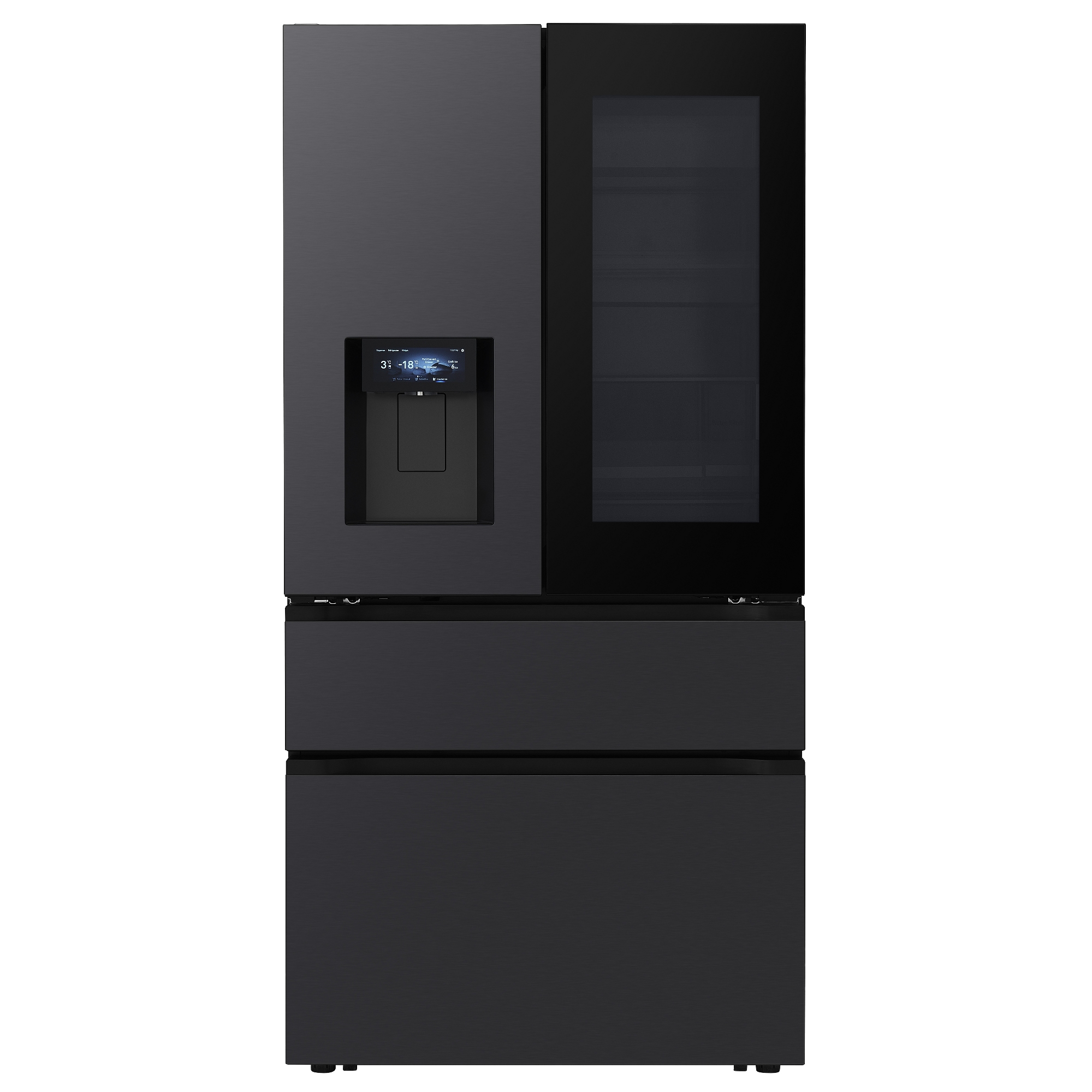
Samsung Series 6 AI SpaceMax American Fridge Freezer Ice & Water RS70F64KDFEU - Black Steel