

July 23, 2026
Heat Pump vs Condenser vs Vented Tumble Dryers
Buying a tumble dryer should be straightforward, but once you start comparing models, it quickly becomes clear there’s more to consider than just price and capacity. At first glance, most tumble dryers look similar. They all dry clothes, after all. But the way they remove moisture, how much electricity they use, how they’re installed, and what they cost to run can vary significantly. The three main types you’ll come across are heat pump tumble dryers, condenser tumble dryers, and vented tumble dryers. Each works differently, and each suits different homes, budgets, and laundry habits. If you’re choosing a tumble dryer for the first time, or replacing an older model, it helps to understand what separates them before making a decision. The right dryer won’t just dry your clothes well. It should fit your home, your routine, and your long term budget too.
7 min read

How Do Tumble Dryers Remove Water?
All tumble dryers perform the same basic task: they circulate warm air through wet clothes to evaporate moisture. The difference lies in what happens to that moisture afterwards, and how the machine generates or reuses heat. Some dryers vent damp air outside your home. Others collect moisture in a removable water tank. More advanced models recycle the warm air internally, dramatically reducing energy use.
That single difference is what separates the three main tumble dryer types, and it has a direct impact on installation, performance, and running costs.
Vented Tumble Dryers
A vented tumble dryer is the most traditional and straightforward option. It works by pulling in air, heating it, passing it through your laundry, and then expelling the moist air outside through a vent hose or fixed wall outlet. Because warm air is constantly replaced, vented dryers tend to dry clothes quickly, often faster than other types.
For many households, that speed and simplicity can still make them appealing.
Why choose a vented dryer?
Vented tumble dryers are often chosen because they offer:
- Lower upfront purchase costs
- Faster drying times
- Simpler operation and fewer internal components
- Straightforward maintenance
They’re often one of the most affordable tumble dryers to buy, making them attractive if you’re working within a tighter budget.
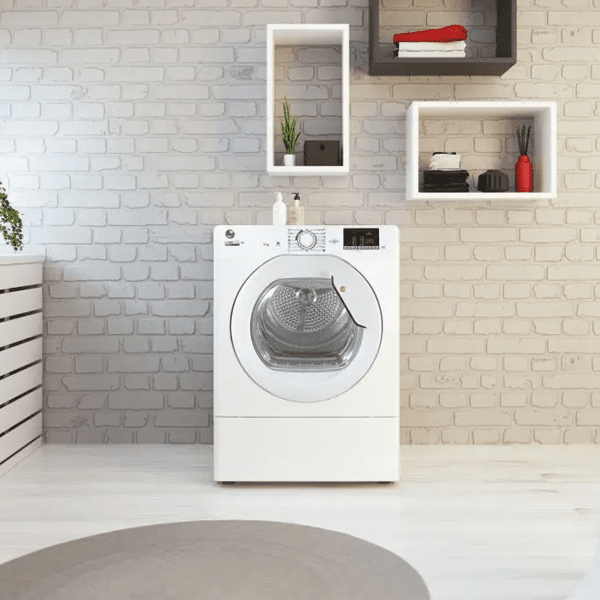
Running costs of a vented tumble dryer
While they’re cheaper to buy, vented dryers are usually the most expensive to run.
Because heated air is continuously expelled rather than reused, the machine has to generate fresh heat throughout the entire cycle.
Typical energy consumption:
- Around 4–5 kWh per cycle
- Estimated cost per load: £1.10–£1.45
- Annual running cost (4 loads per week): £230–£300+
Depending on your electricity tariff, this can add up significantly over time. So while a vented dryer may save money initially, it often costs more in the long run.
Things to consider before buying
Installation is the biggest limitation of a vented tumble dryer. It needs access to an external wall, window, or permanent vent so moist air can escape safely. Without proper ventilation, damp air can build up indoors and lead to condensation problems.
That makes vented dryers less practical in:
- Flats or apartments
- Internal utility rooms
- Homes without easy external wall access
- Rental properties where structural changes aren’t possible
They also tend to run at higher temperatures, which can be harder on delicate fabrics over time. If you need something simple and affordable, and you have the right installation space, a vented dryer can still be a practical choice.
Condenser Tumble Dryers
A condenser tumble dryer removes the need for an external vent. Instead of sending moisture outside, it cools the warm, damp air inside the machine, turning the moisture into water, which is then collected in an internal tank.
You simply empty the tank after each cycle, or on some models, connect the dryer directly to a drain for automatic emptying. That flexibility makes condenser dryers a popular choice in modern homes.
Why choose a condenser dryer?
Condenser tumble dryers are typically chosen because they offer:
- No external vent required
- Easier installation
- Greater flexibility in placement
- Faster drying than many heat pump models
- Good balance between price and convenience
You can usually install them almost anywhere with access to a plug socket, whether that’s a kitchen, utility room, or laundry cupboard.
For many households, they offer a useful middle ground between affordability and practicality.
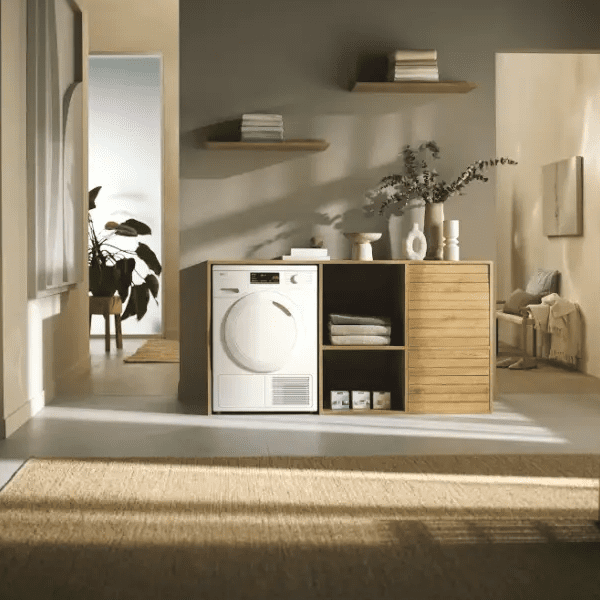
Running costs of a condenser tumble dryer
Condenser dryers are usually less expensive to run than vented models, but they still consume considerably more energy than heat pump dryers.
Typical energy consumption:
- Around 3–4.5 kWh per cycle
- Estimated cost per load: 85p–£1.25
- Annual running cost (4 loads per week): £180–£260
That places them firmly in the middle. You may pay slightly more upfront than for a vented dryer, but the improved flexibility often makes it worthwhile.
Things to consider before buying
The biggest day to day consideration is maintenance. Unless connected to a drain, the water tank needs regular emptying. It’s simple enough, but it’s another small task to remember.
Condenser dryers also release more ambient heat into the room during operation. In smaller or poorly ventilated spaces, this can make the room noticeably warmer.
They’re often ideal for homeowners who want installation flexibility without investing in a premium heat pump model.
Heat Pump Tumble Dryers
A heat pump tumble dryer is the most energy efficient type available, and increasingly the preferred choice for modern households. Rather than generating new heat throughout the cycle, a heat pump dryer captures and reuses warm air in a closed loop system.
In simple terms, it works a bit like a refrigerator in reverse: Warm air dries the clothes, moisture is extracted and turned into water, and the remaining heat is recycled back into the system. Because very little energy is wasted, heat pump dryers use significantly less electricity.
Why choose a heat pump dryer?
Heat pump tumble dryers are often chosen for:
- Exceptional energy efficiency
- Lower long term running costs
- Gentler drying temperatures
- Better fabric protection
- Flexible installation (no vent needed)
They’re particularly good for delicate clothing, sportswear, and fabrics that can be damaged by intense heat.
Lower temperatures mean less shrinkage, less fading, and less wear over time.
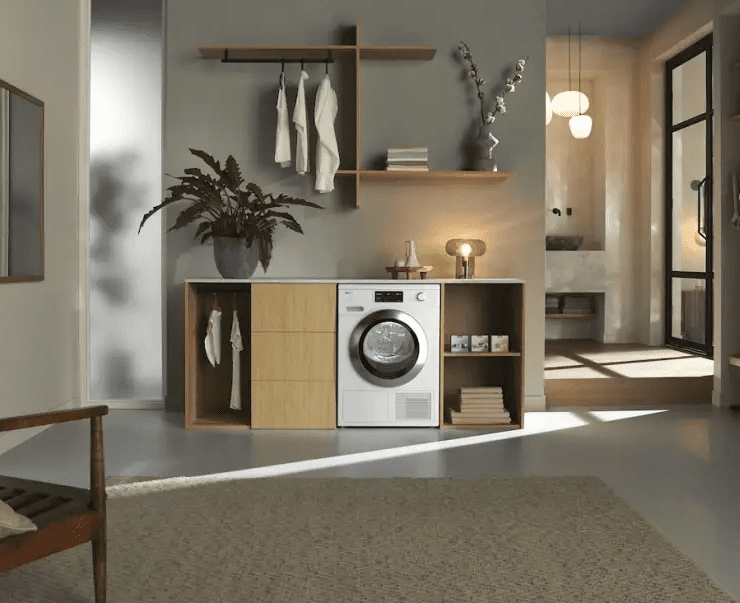
Running costs of a heat pump tumble dryer
This is where heat pump dryers stand out. Typical energy consumption:
- Around 1.2–2 kWh per cycle
- Estimated cost per load: 35p–60p
- Annual running cost (4 loads per week): £70–£125
Compared to a vented dryer, that could mean saving £100–£180 per year depending on usage. Over several years, those savings can easily offset the higher purchase price.
Things to consider before buying
The main limitation compared to the others is drying time. Because heat pump dryers work at lower temperatures, cycles are usually longer. That can be frustrating if speed is your priority, but many households find the efficiency savings and gentler fabric care more than worth it.
They also tend to cost more upfront. Typical purchase prices are higher, but for frequent laundry users, they often deliver the best long term value.
Heat Pump vs Condenser vs Vented: Side by Side Comparison
| Feature | Vented Dryer | Condenser Dryer | Heat Pump Dryer |
|---|---|---|---|
| Installation | Needs external vent | No vent required | No vent required |
| Energy Efficiency | Low | Moderate | High |
| Drying Speed | Fast | Moderate | Slower |
| Upfront Cost | Lowest | Mid range | Highest |
| Running Cost | Highest | Medium | Lowest |
| Maintenance | Minimal | Empty water tank | Empty tank + filter care |
| Fabric Care | Standard heat | Moderate heat | Gentle heat |
| Best for | Budget buyers | Flexible placement | Long term savings |
What Matters Most When Choosing a Tumble Dryer?
Your home layout
If you can’t install an external vent, a vented dryer is immediately ruled out. Unfortunately this is common in flats, new build homes, internal utility spaces and rented properties. In these cases, condenser and heat pump dryers are the practical options.
Your energy bills
This is where many buyers underestimate the long term difference. A cheaper dryer can cost significantly more over its lifetime. For example:
- Vented dryer: up to £300 per year
- Condenser dryer: around £200 per year
- Heat pump dryer: as little as £70–£125 per year
If you dry clothes frequently, those savings can become substantial.
Your laundry routine
Think about how often you use your dryer. If you dry laundry daily or several times a week, investing in a heat pump dryer often makes financial sense. If you only use a dryer occasionally, a condenser or even vented dryer may be perfectly adequate. Don’t forget, we also suggest asking yourself:
- Do you need fast drying?
- Do you dry delicate fabrics?
- Are you replacing an existing dryer in the same space?
These practical details often make the decision easier.
Common Tumble Dryer Buying Mistakes to Avoid
Choosing based on upfront cost alone
A dryer that costs less today may cost much more over the next five years. Running costs matter.
Ignoring installation requirements
Always check whether you can accommodate external venting, drain access, adequate airflow around the appliance. The wrong choice can lead to frustrating installation issues later.
Underestimating drum size
A slightly larger drum can reduce the number of cycles you need each week, saving both time and energy. For families, this can make a surprising difference.
Which Tumble Dryer Is Best for Me?
Each tumble dryer type has clear advantages:
- A vented tumble dryer is simple, fast, and affordable, but costs more to run and requires external ventilation.
- A condenser tumble dryer offers flexible installation and a good balance of convenience and performance.
- A heat pump tumble dryer is the most energy efficient option, offering lower long term running costs and gentler care for your clothes.
For many households, heat pump dryers now offer the best overall value, especially as energy efficiency becomes more important.
But the right choice depends on your home, your budget, and how often you rely on your dryer. Choose the model that fits your daily routine, not just the one with the lowest price tag.
Shop Tumble Dryers
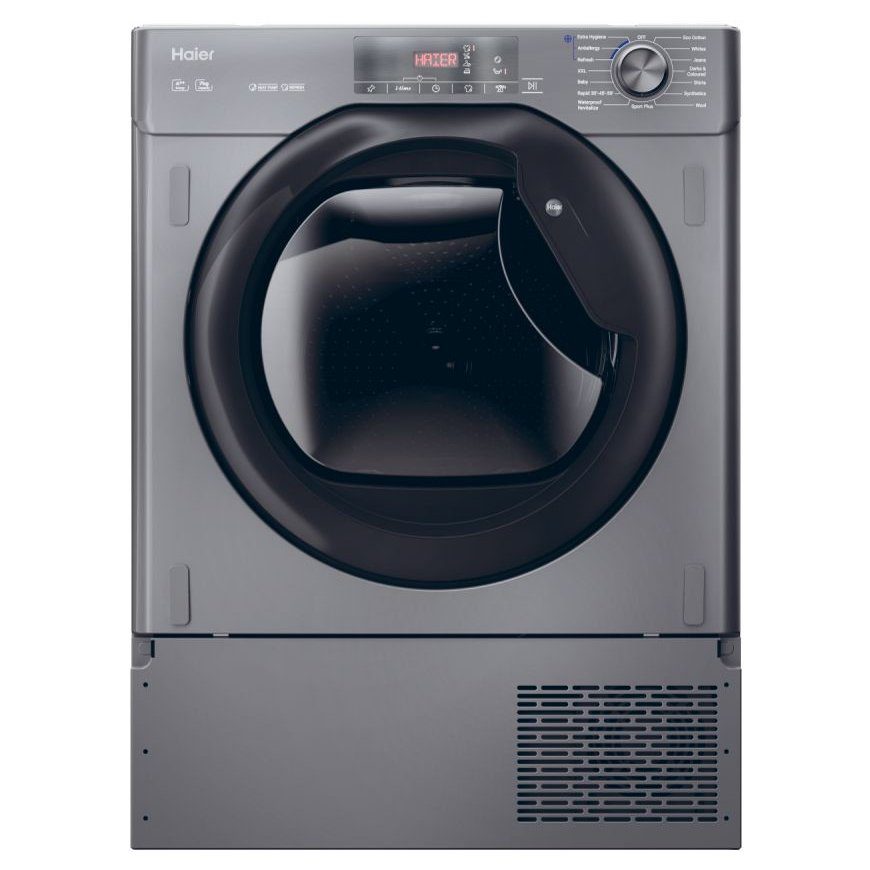



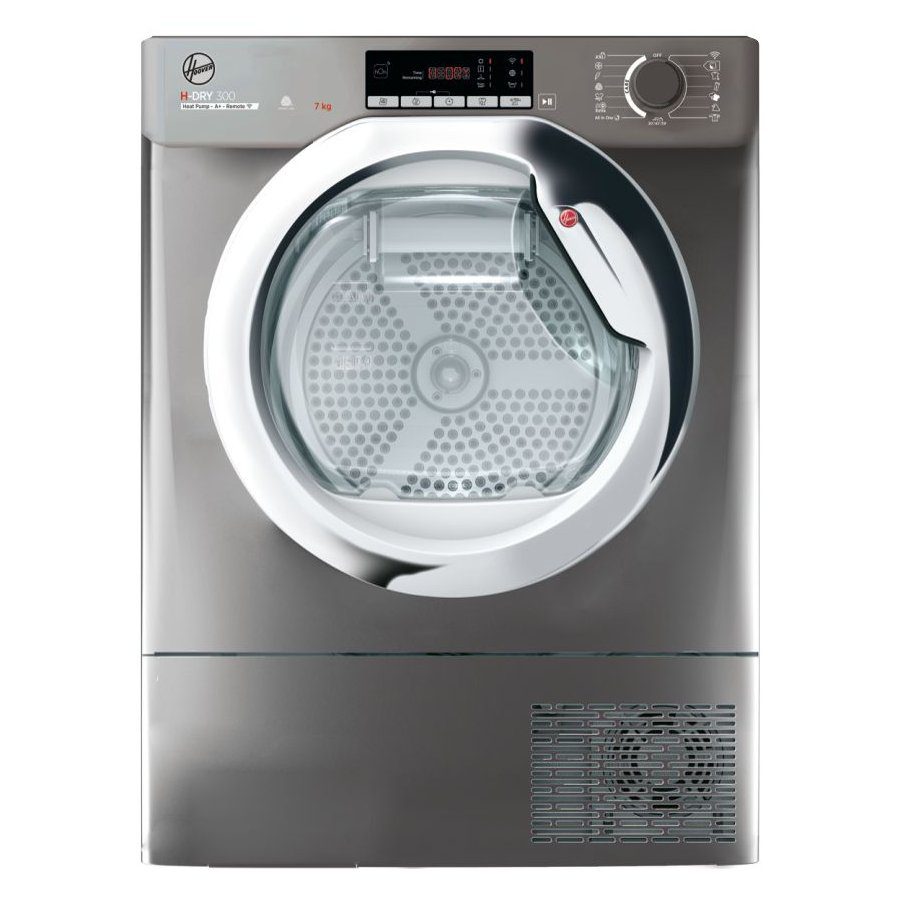


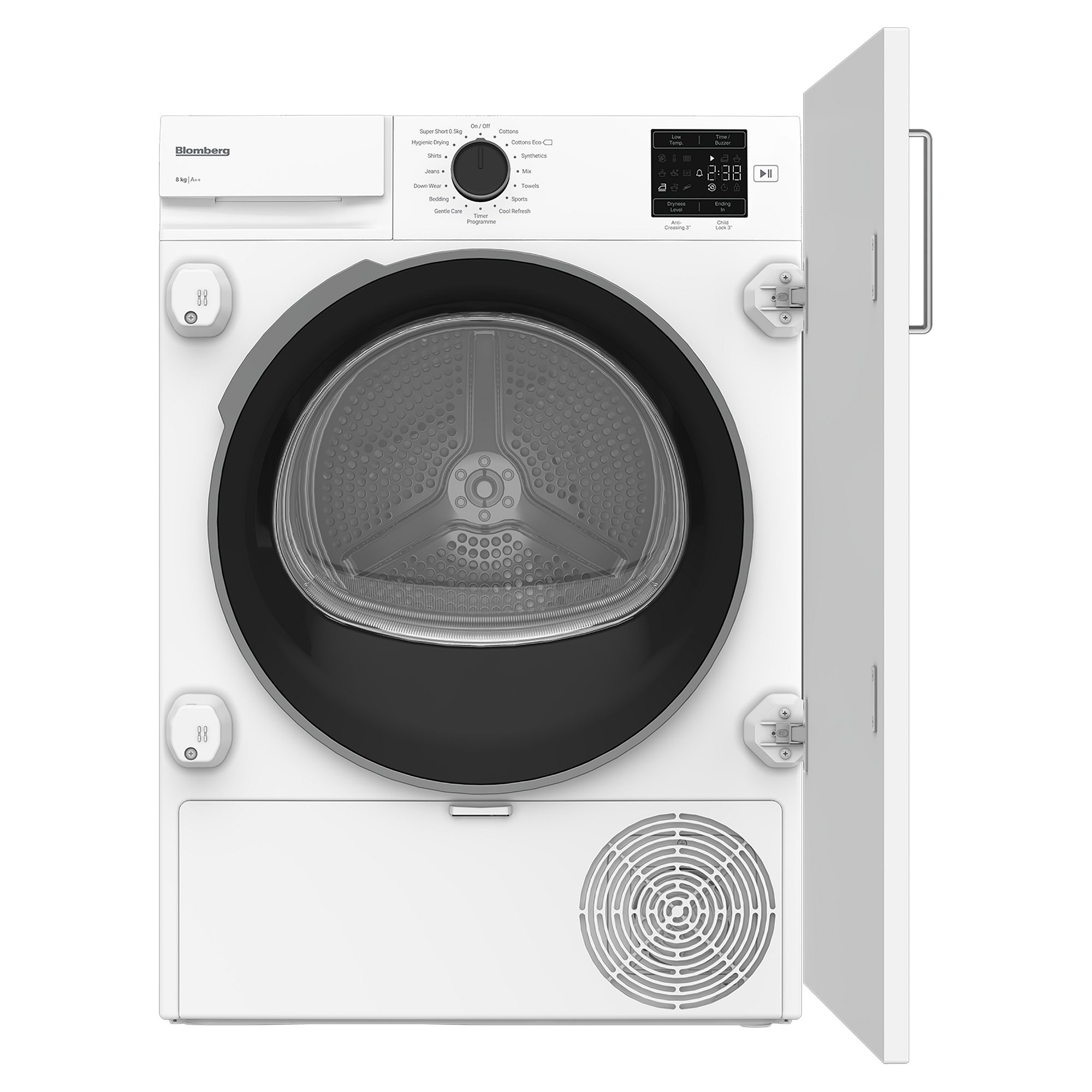

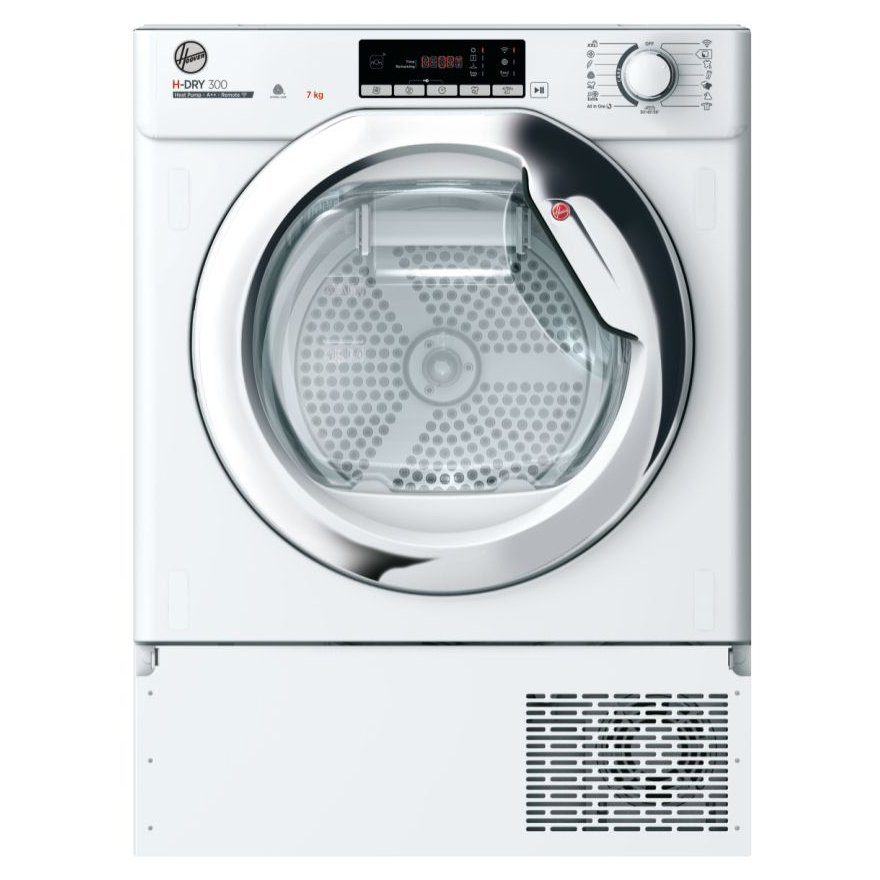
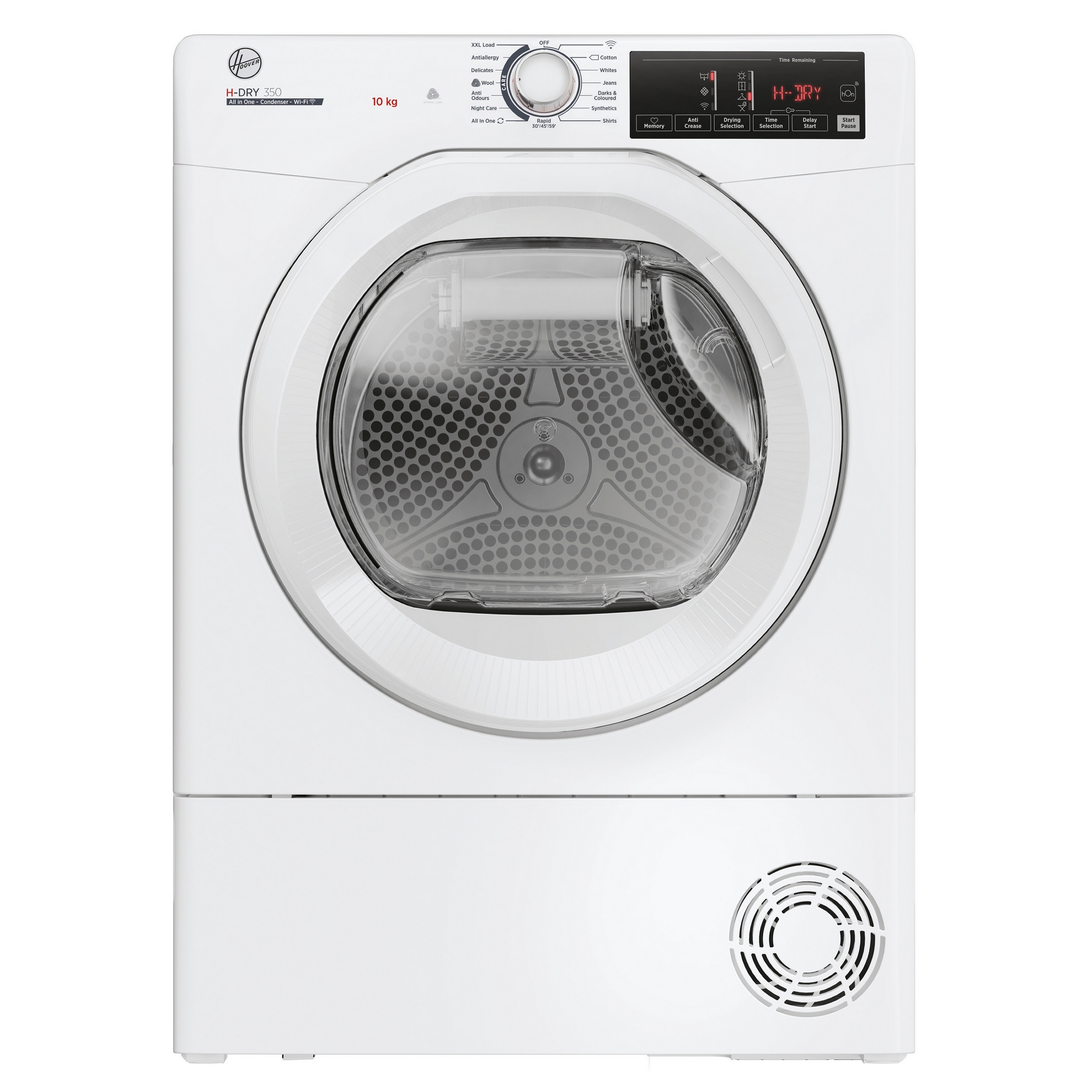

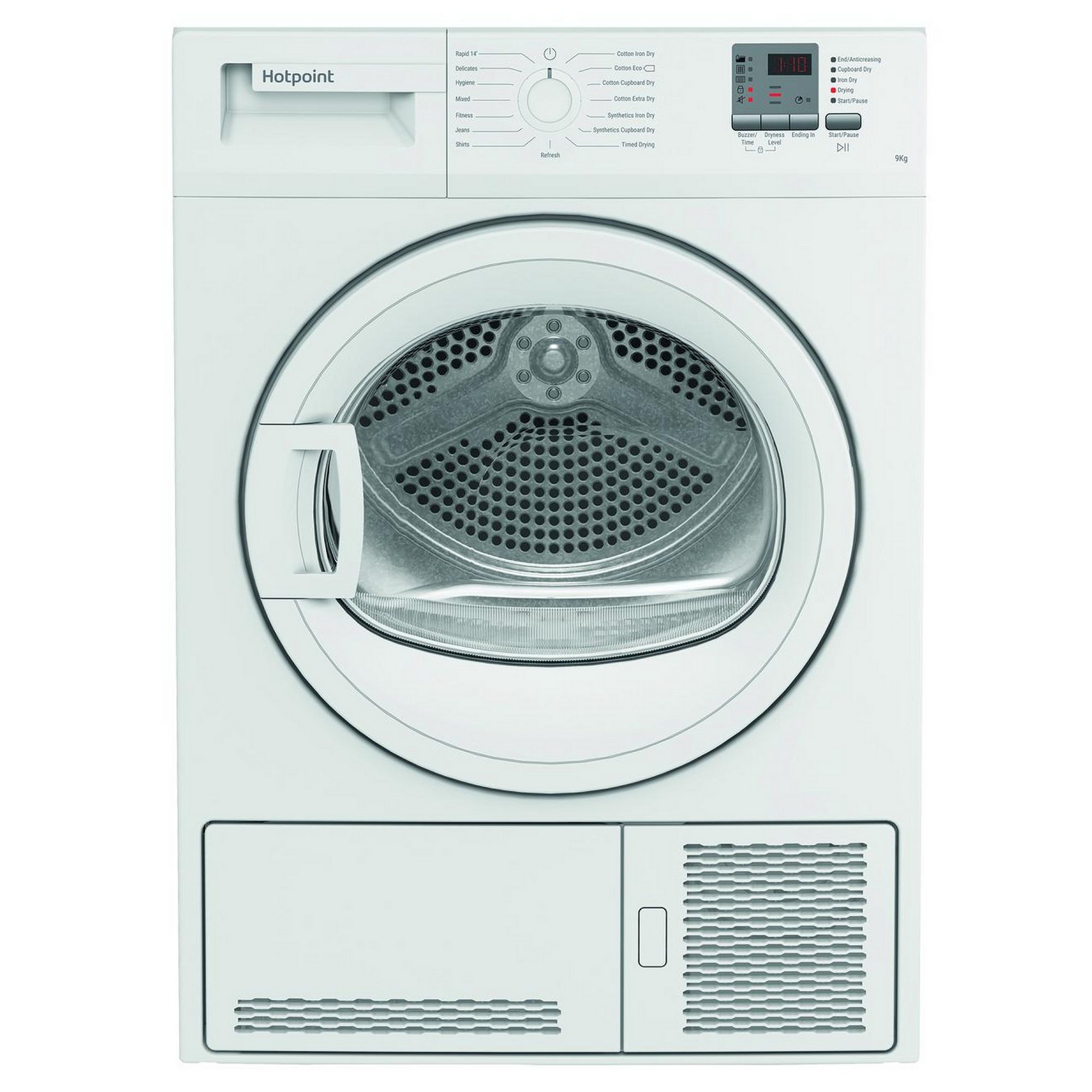

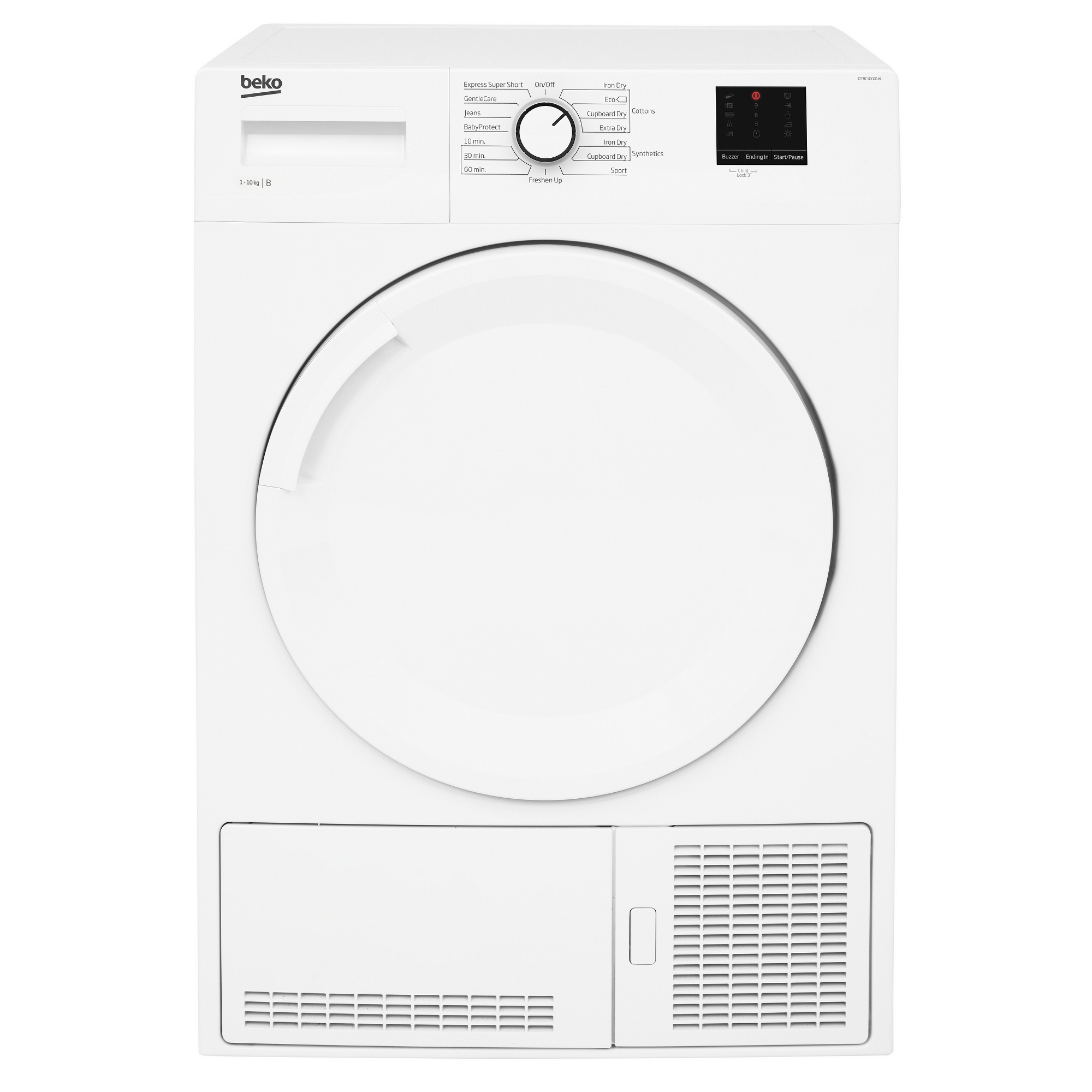

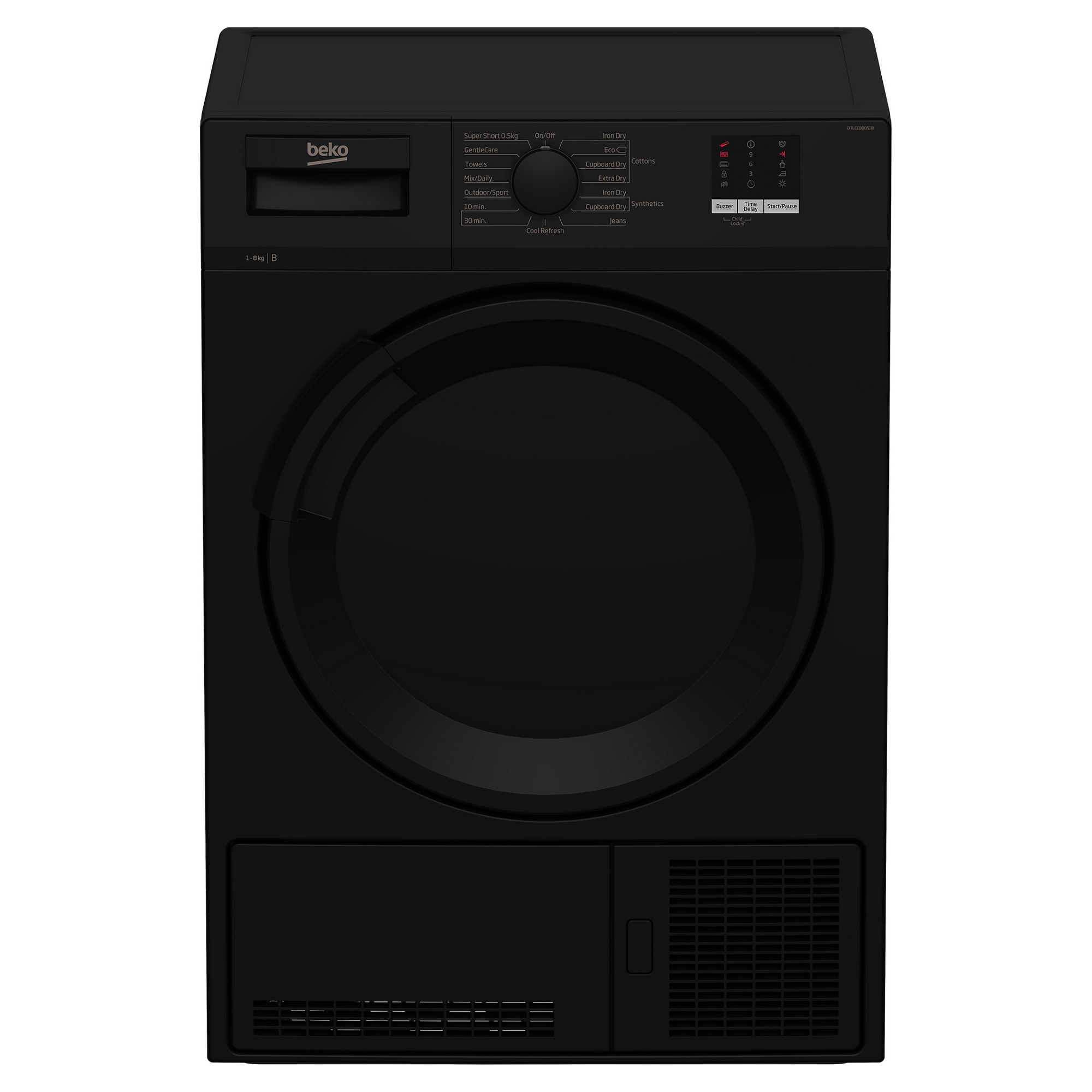
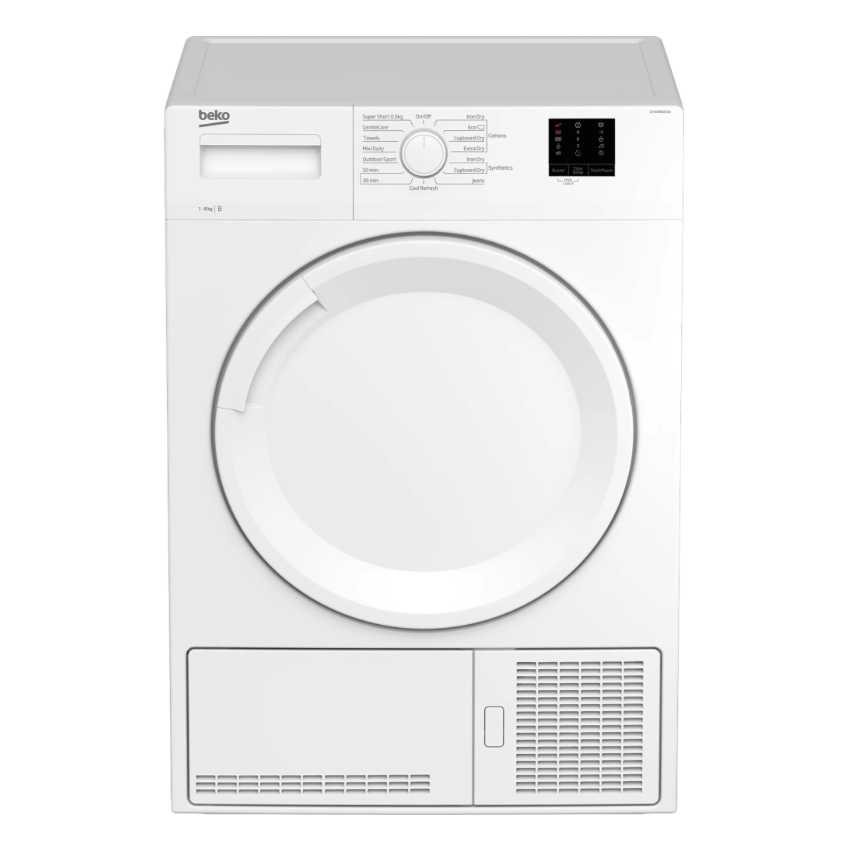



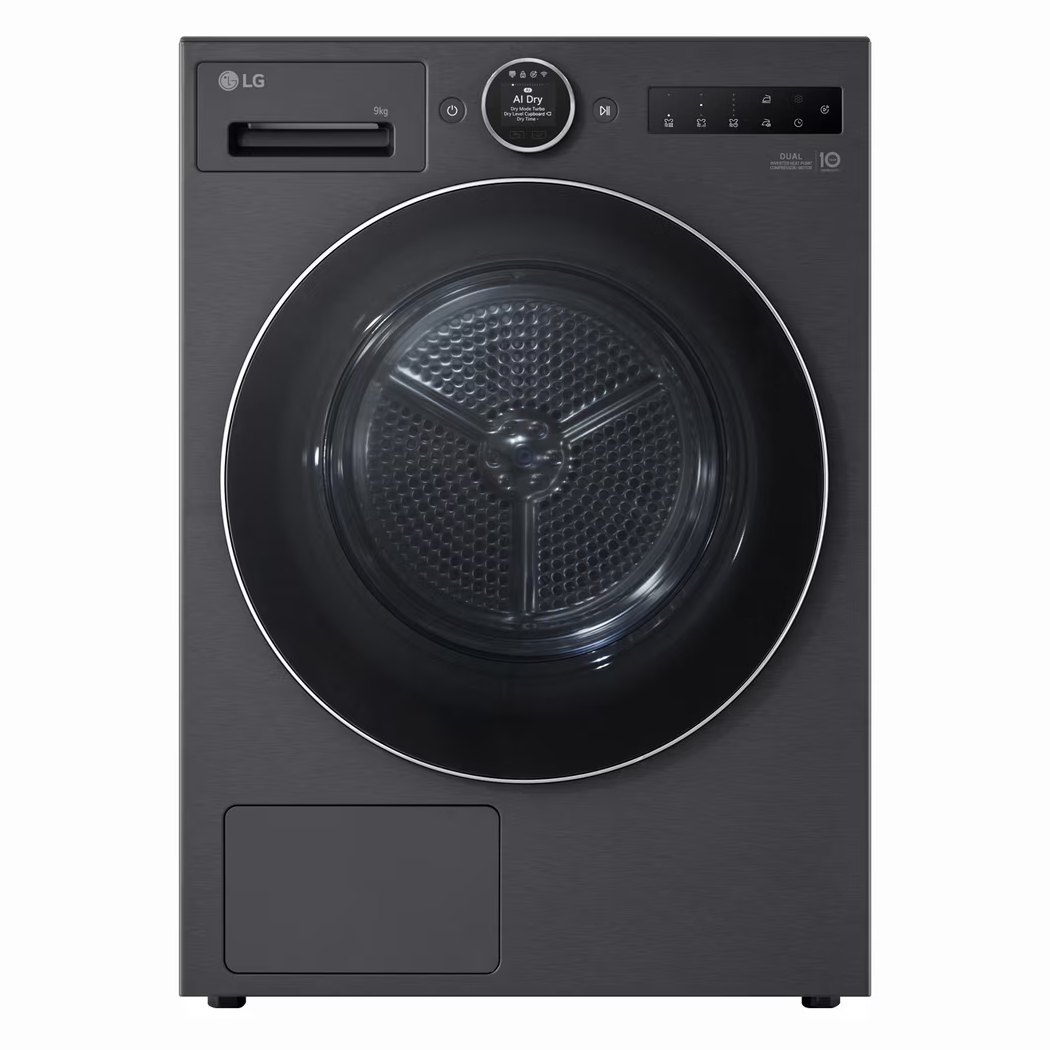
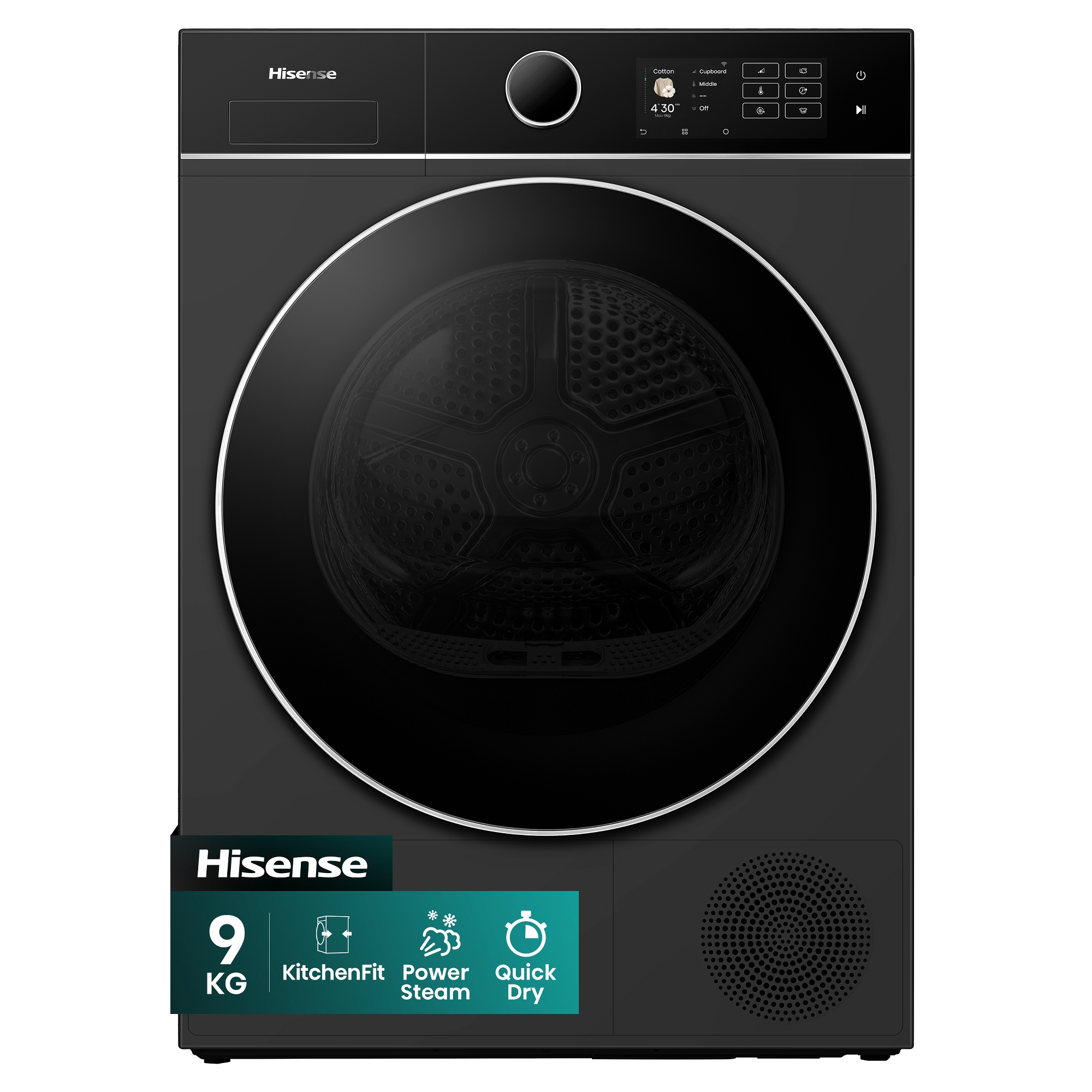

Hisense 9kg KitchenFit 5i Series Heat Pump Condenser Dryer DH5I904BBBC - Black

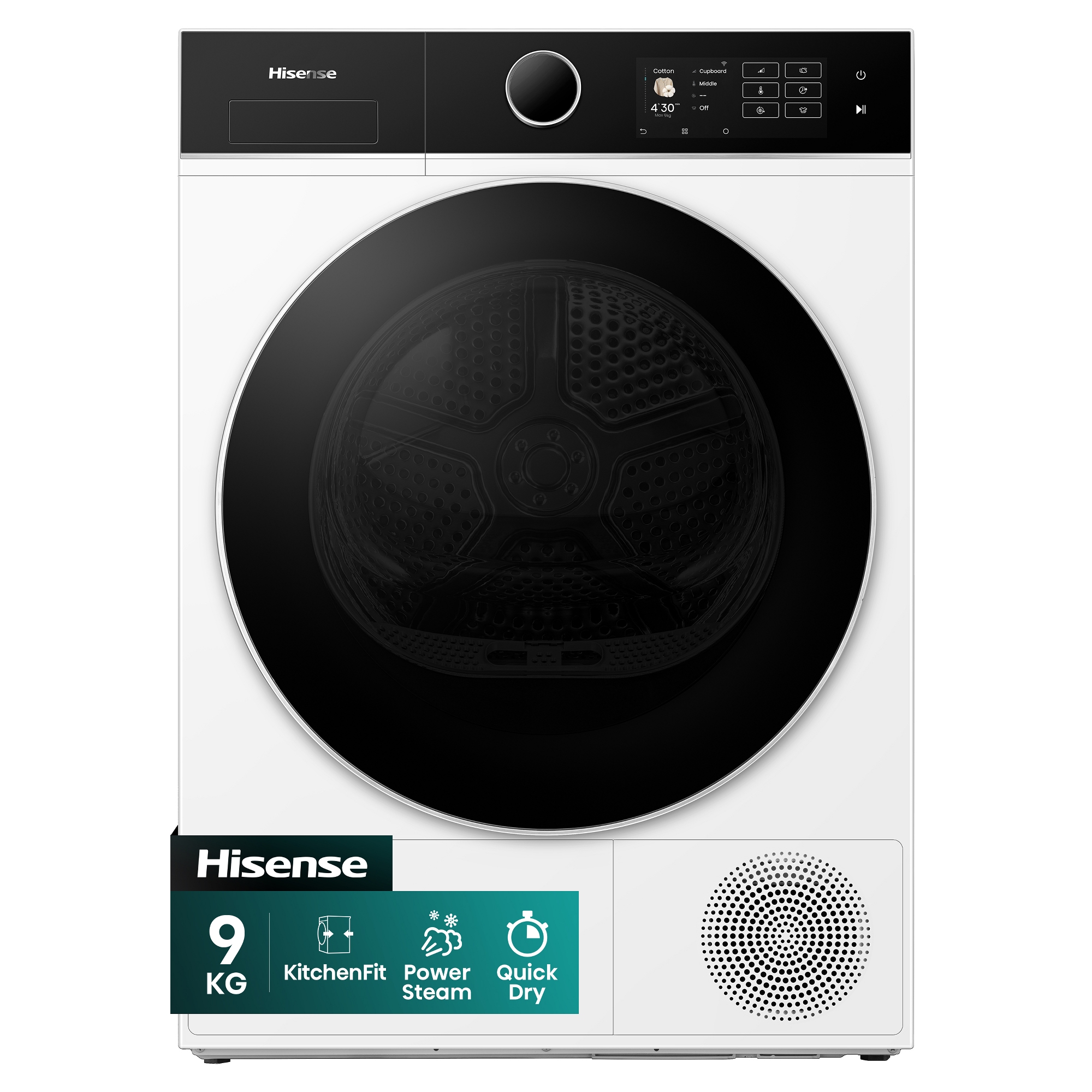
Hisense 9kg KitchenFit 5i Series Heat Pump Condenser Dryer DH5I904BWBC - White
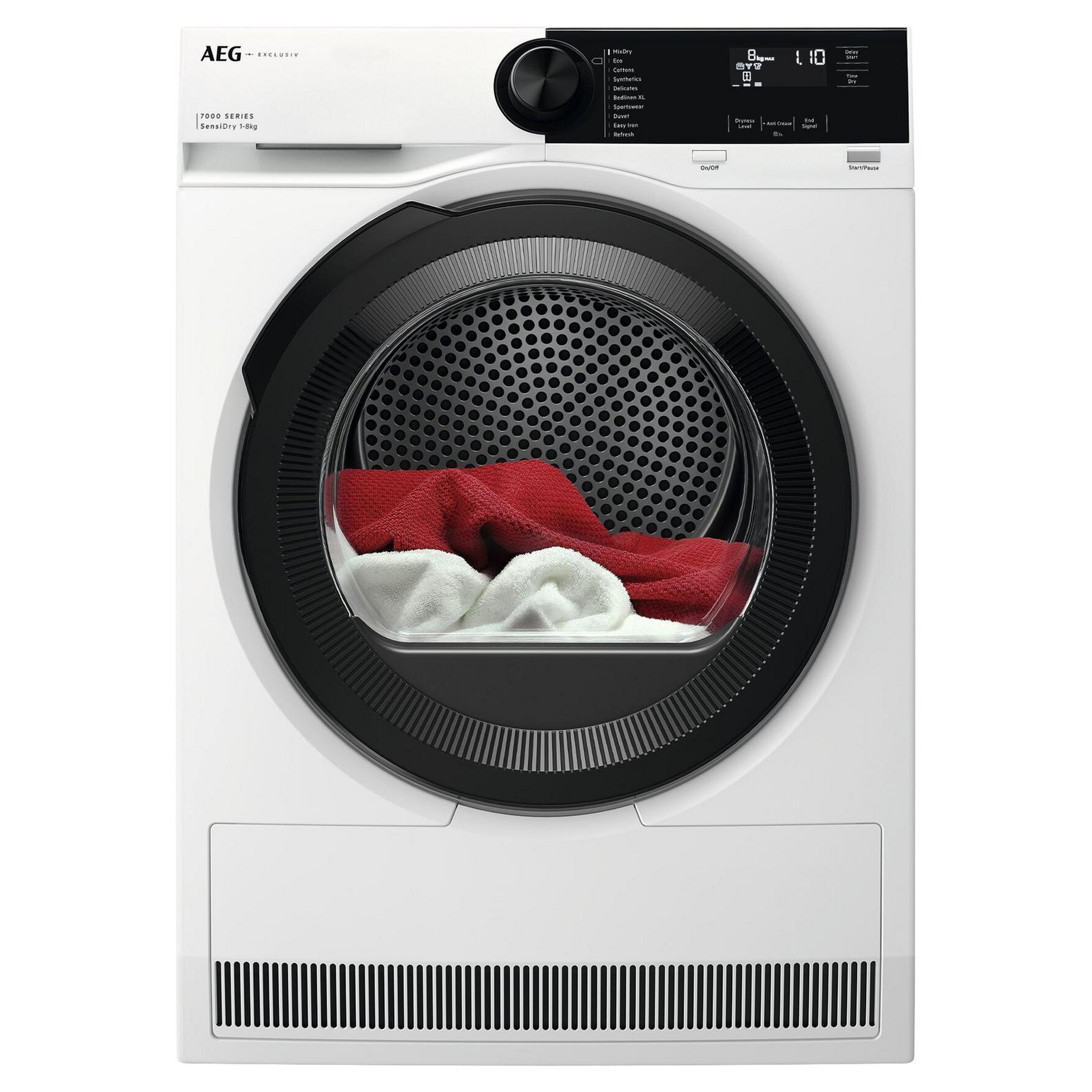

AEG Exclusiv 8kg Heat Pump Tumble Dryer TR728CT4B - White