

August 24, 2026
Cordless Vacuum Cleaner Buying Guide
A cordless vacuum cleaner can make cleaning feel less like a chore. There’s no cable to plug in, no searching for the nearest socket and no dragging a bulky machine from room to room. When crumbs appear in the kitchen, muddy paw prints arrive in the hallway or pet hair gathers along the edges of the sofa, you can simply pick it up and get on with it. That ease of use is the reason so many people switch to cordless cleaning, but it’s also where expectations can become slightly misleading. Two vacuums that look similar on paper can behave very differently in the home. One might promise a long runtime but feel underpowered on carpet. Another might have a smaller battery yet clean faster because airflow and brush design do more of the work. Choosing well isn’t about chasing headline specifications. It’s about understanding how battery life, suction performance, floor type and day to day usability come together in a real home.
12 min read
Battery Life
Battery life is usually the first number people compare, but it rarely tells the full story. Most manufacturers quote their maximum runtime under ideal conditions: the vacuum may be in its lowest power setting, using a non motorised attachment and cleaning a smooth surface with very little resistance. That figure can look impressive, but it doesn’t necessarily represent how the vacuum will perform when you’re cleaning carpets, dealing with pet hair or using a motorised floor head.
For most homes, the more useful question to ask is: can it clean the areas you regularly vacuum without you having to stop and recharge? Around 30 to 45 minutes of realistic cleaning time can often be more useful than a headline runtime of an hour or more that is only achievable in an eco setting.
The size and layout of your home make a big difference here. A small flat may only need 20 minutes of cleaning at a time, so paying extra for an enormous battery may not make much sense. A larger family home, on the other hand, may benefit from a longer runtime or a removable battery that can be swapped over when the first one runs down. It’s also worth considering how you actually clean. If you tend to do one full house clean at the weekend, battery capacity becomes more important. If you mostly use your vacuum for quick daily jobs, the kitchen after dinner, the hallway after the dog comes in or the sofa between deeper cleans, then convenience and charging speed may matter more than maximum runtime.
Removable battery systems can be particularly helpful in larger homes or multi floor properties. Some cordless ranges allow you to buy an additional battery, meaning you can continue cleaning rather than waiting for a recharge cycle. This can also be useful if you already own other tools within the same battery ecosystem.
Integrated batteries can still work extremely well, particularly when the vacuum is designed to manage power efficiently. The important thing is to look beyond the biggest number on the box and think about how much runtime you are likely to get in the power mode and floor conditions you actually use.
Suction vs Airflow
Suction numbers are often treated as the main measure of vacuum performance, but they only tell part of the story. A powerful motor is useful, but cleaning performance also depends on how effectively the vacuum moves air through the machine, how well the floor head interacts with the surface and how efficiently the brush roll lifts dirt. Independent testing bodies such as Which? consistently show that airflow design, brush roll efficiency and how well the vacuum seals against the floor surface are just as important as motor strength.
This becomes especially important when comparing different types of flooring. On a smooth hard floor, loose crumbs and dust are relatively easy to collect. On carpet, however, dirt can settle deep into the fibres. The vacuum needs enough airflow to pull debris upwards, but the brush roll also has to loosen embedded dirt before it can be removed.
This is why a vacuum with a moderate looking suction figure can sometimes perform better in a real home than one with a more impressive number on the specification sheet. If the floor head is well designed and the brush roll makes good contact with the surface, it may clean more effectively without needing to run at maximum power all the time.
Automatic power adjustment can also be useful. Some vacuums detect changes in floor resistance or the amount of dirt being collected and increase power when needed. On easier surfaces, they can reduce power again to help preserve battery life. This can make cleaning feel more consistent without requiring you to constantly change settings yourself.
Boost or turbo modes are worth having, but they shouldn’t necessarily be the main reason you choose a vacuum. These modes can be very useful for a heavily soiled carpet, a concentrated patch of pet hair or a quick deep clean, but they usually reduce runtime significantly. A vacuum that only performs well in boost mode may be less practical than one with stronger everyday performance.
Hard Floors vs Carpet
Floor type is one of the most important factors in choosing a cordless vacuum, yet it’s easy to overlook. The best vacuum for a mostly carpeted home may not be the best choice for a kitchen and living space dominated by laminate, vinyl or tile.
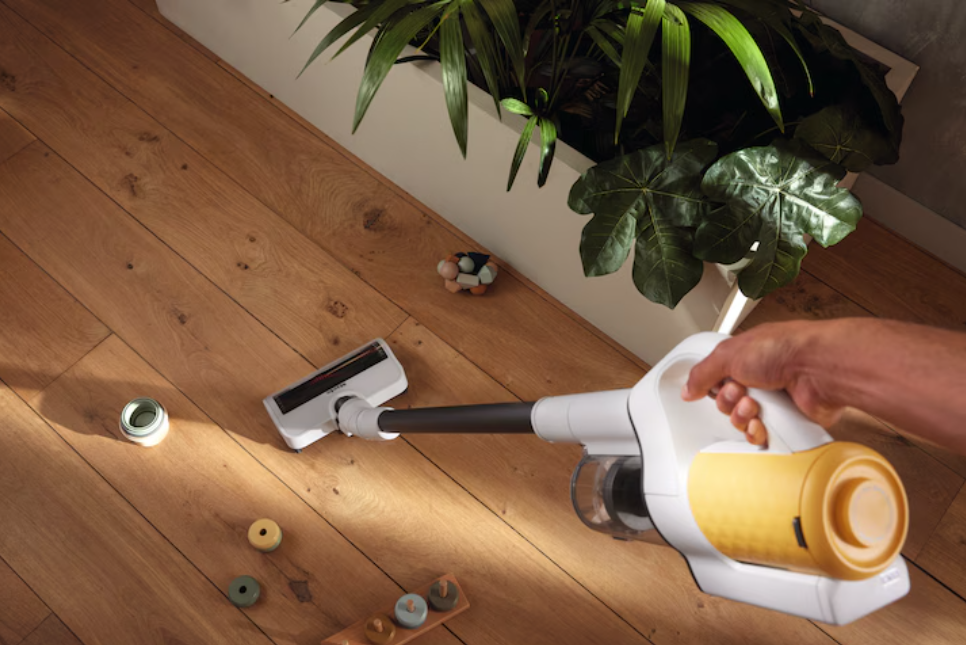
Hard floors benefit from controlled airflow and a floor head that can pick up fine dust without scattering larger debris. Anyone who has watched a vacuum push crumbs across a kitchen floor rather than pick them up will know why floor head design matters. Soft rollers can be particularly effective on hard flooring because they collect fine dust while helping larger particles into the vacuum.
Carpet requires a different approach. Dirt, dust and hair can become trapped between fibres, especially on medium and deep-pile carpets. A motorised brush roll helps agitate the fibres and loosen this debris, while the vacuum’s airflow removes it. The thickness of your carpet is worth considering too. A vacuum head that glides easily across a low pile carpet may feel harder to push on a thick or plush surface. Adjustable floor heads or automatic power systems can help by responding to the resistance of the floor.
Homes with a mixture of carpet and hard flooring often benefit most from a vacuum that can adapt automatically. Constantly stopping to change power settings or swap attachments can make cleaning feel more complicated than it needs to be. A good all rounder should move comfortably from the kitchen to the living room and hallway without needing much intervention.
Dustbin Capacity
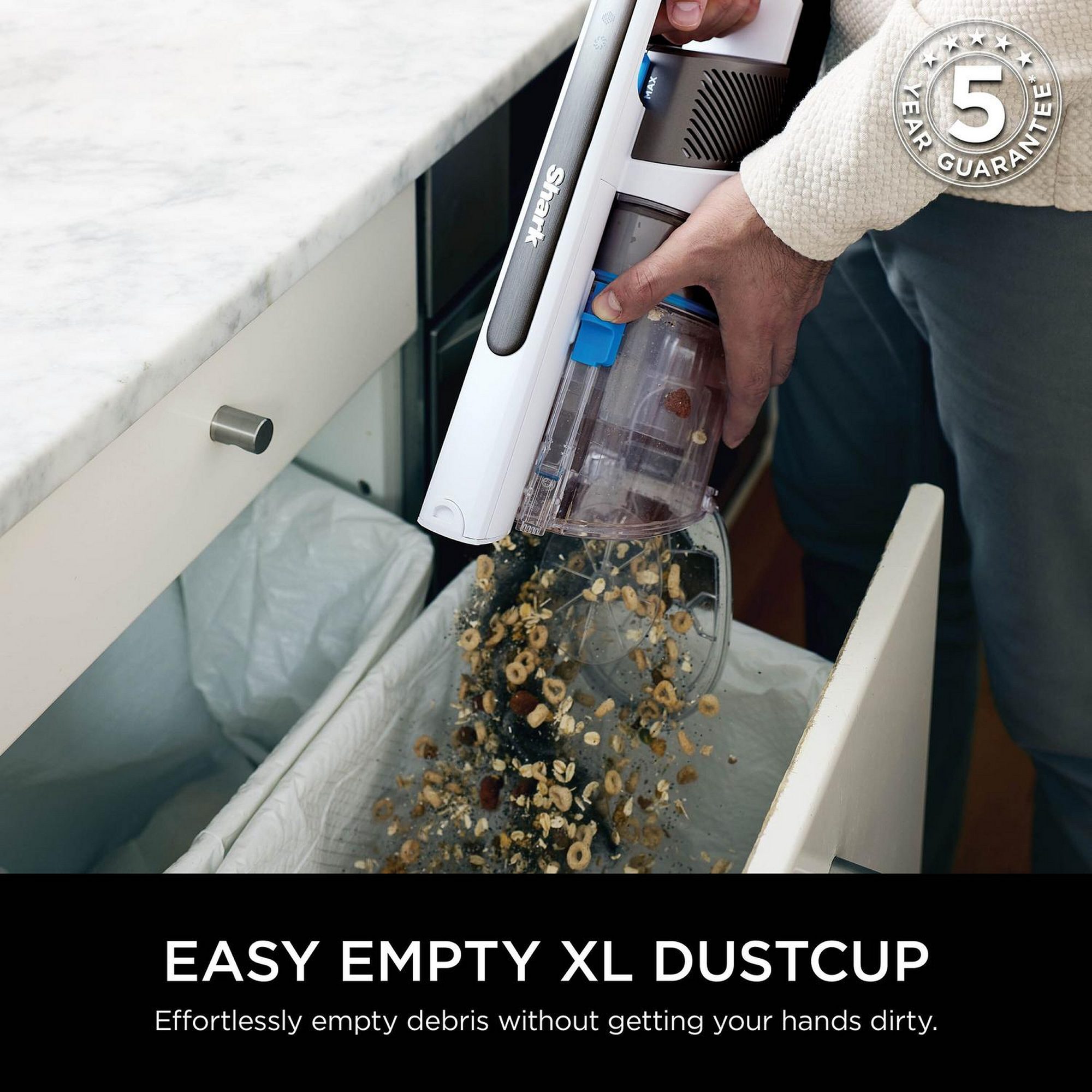
Most cordless vacuums have a bin somewhere between 0.3L and 0.8L. Smaller bins can help keep the vacuum compact and lightweight, but they fill more quickly. Larger bins reduce the number of times you need to empty them, although they can make the vacuum feel bulkier once attached to the main unit. How often you vacuum makes a difference here. In a small, tidy flat with hard floors, a compact bin may be more than enough. In a busy family home, the bin can fill surprisingly quickly with crumbs, dust, hair and everyday debris.
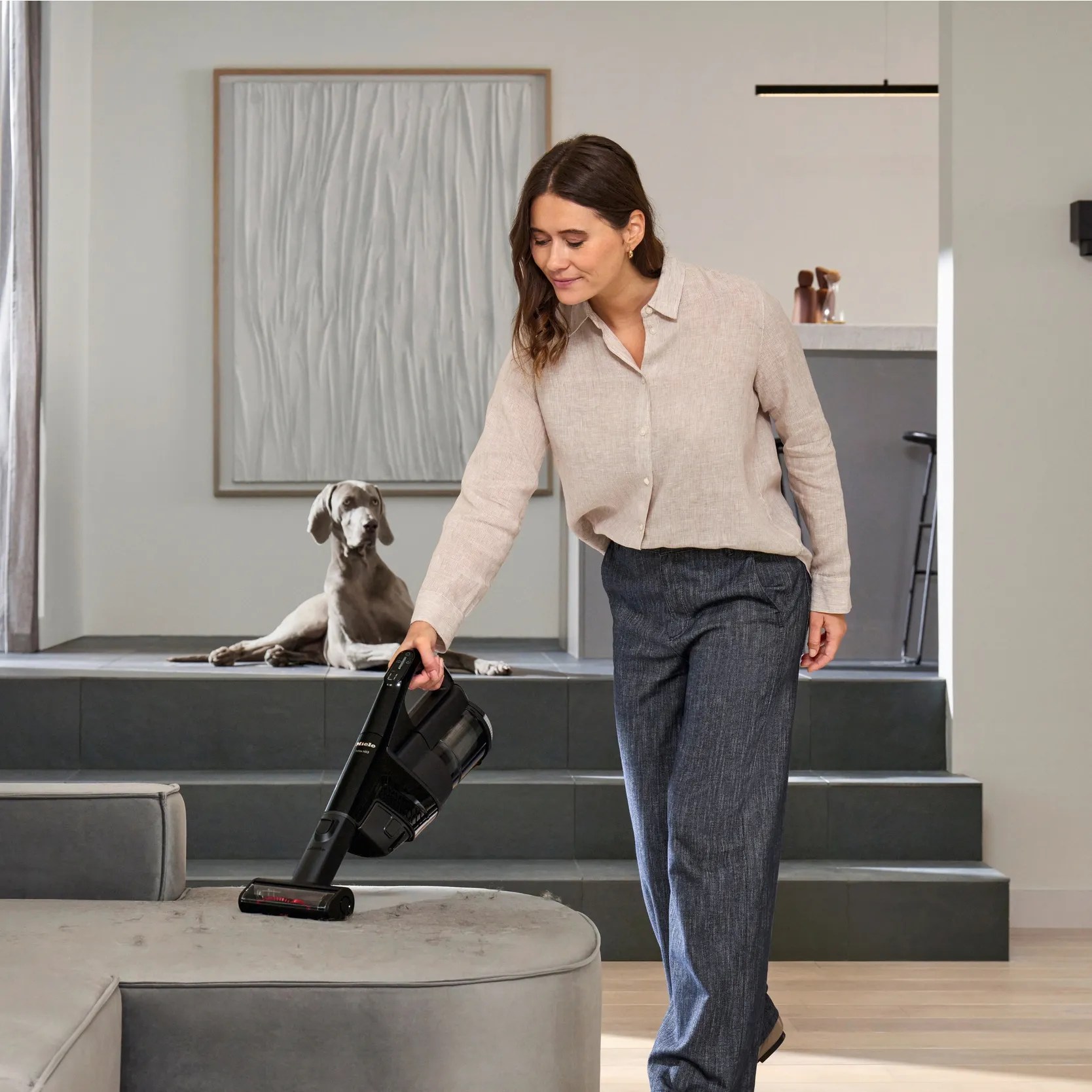
Pet owners should pay particular attention to bin capacity. Pet hair takes up a lot of physical space, even when it doesn’t weigh very much, so a bin can look full after cleaning just one or two rooms. The same applies to heavily carpeted homes, where deeper cleaning can collect a surprising amount of dust.
It’s also worth considering how the bin empties, not just how large it is. A simple one button emptying system is much more convenient than a design that requires you to remove filters or touch the collected debris. Some premium models go a step further with self emptying docks, which can be particularly useful for people who vacuum frequently or simply want less contact with dust.
Noise Levels
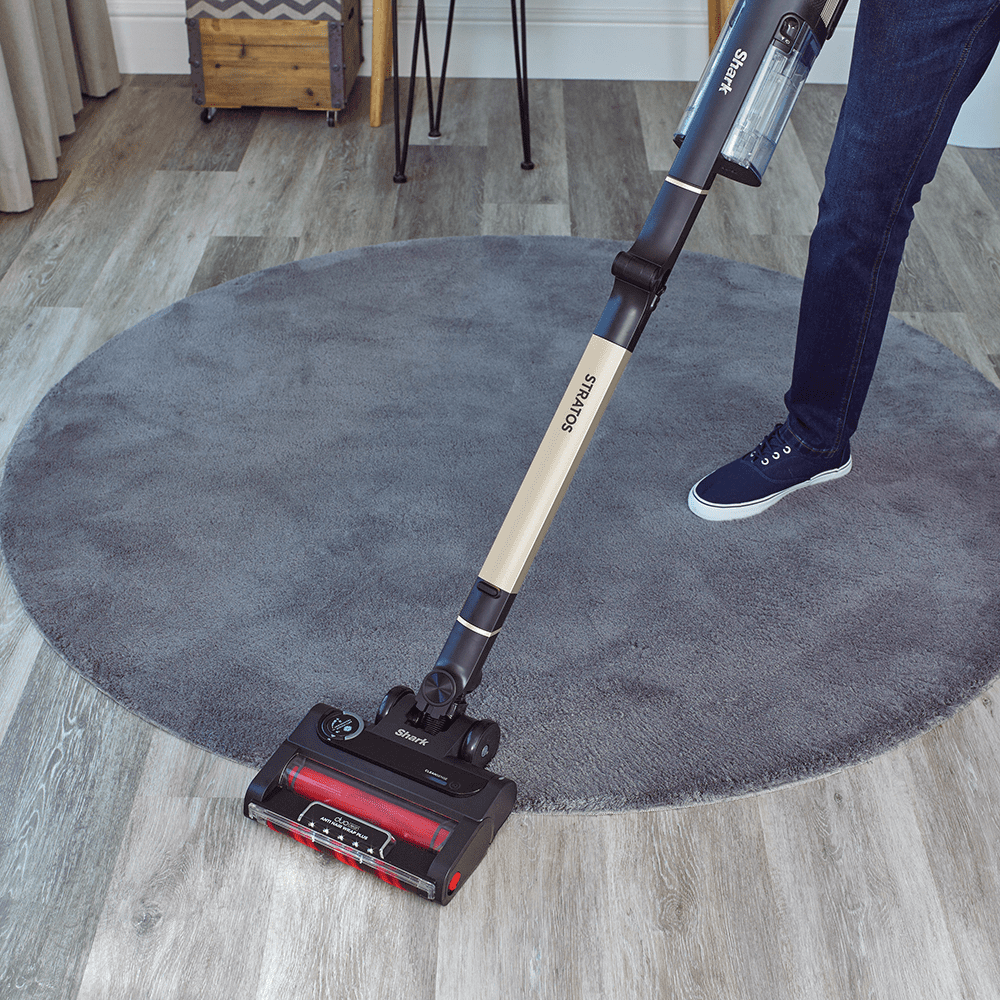
Noise is one of those specifications that’s easy to ignore when comparing cordless vacuums, but it can make a real difference once the vacuum becomes part of your everyday routine. If you’re only using it for a quick five minute clean, almost any model will be tolerable. If you’re vacuuming the whole house, cleaning around sleeping children or using it regularly in a flat, the sound level becomes much more important.
Cordless vacuums typically operate somewhere between the mid-70-80 decibels, although the exact figure varies depending on the model and how it is measured. It’s also important to remember that a decibel figure doesn’t tell you exactly how a vacuum will feel in use. The pitch of the motor, the sound of the brush roll and the way airflow moves through the machine can all affect how intrusive it seems.
For example, several Bosch cordless vacuum cleaners are listed at around 82 dB(A),whereas some of their more compact models are listed at 85 dB(A). That difference may not sound huge on paper, but the decibel scale is logarithmic, so even relatively small changes can be noticeable. Bosch’s figures also vary between individual models, which is a useful reminder not to assume every vacuum in the same brand or range will sound identical.
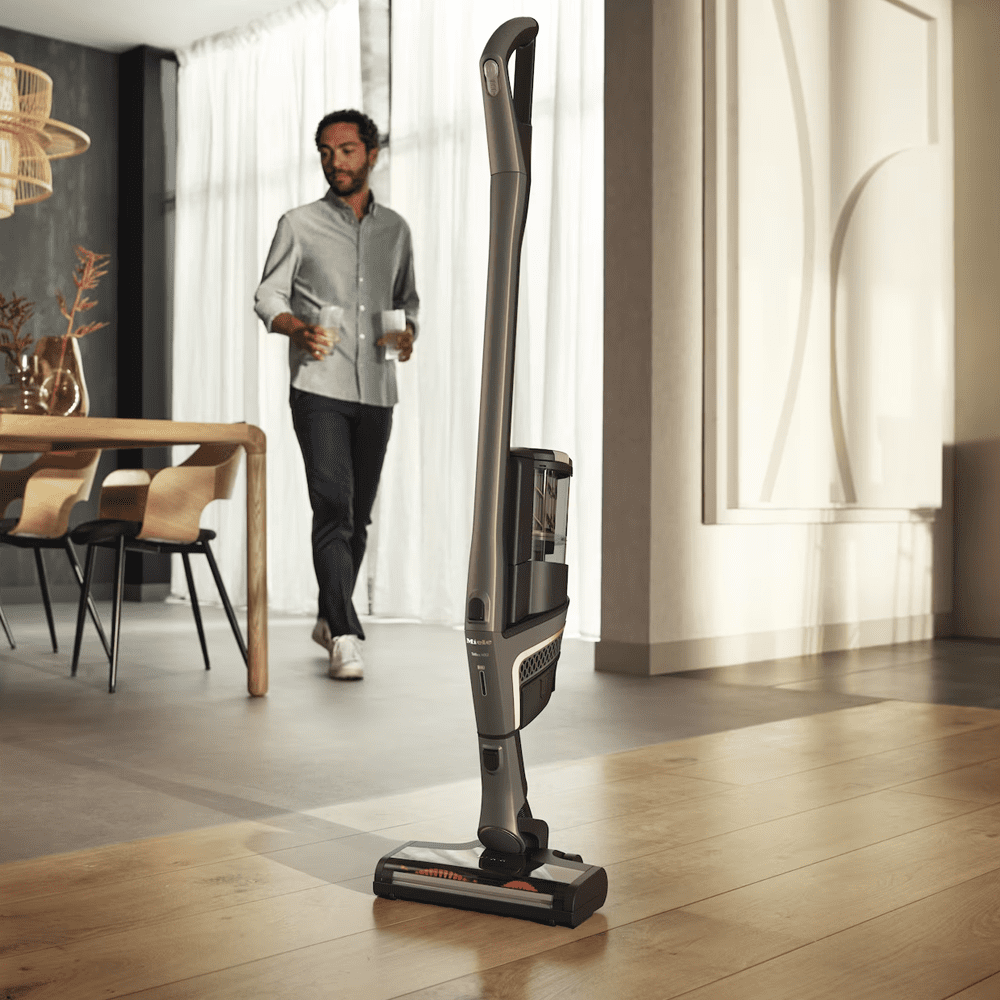
By comparison, the Miele Triflex range is listed at 77 dB for models. On paper, that puts these models below the 82–85 dB figures listed for the Bosch examples. This may help explain why users who are sensitive to noise may be drawn towards Miele’s approach, particularly for regular cleaning sessions. Of course, the way each vacuum sounds in a real home will still depend on the floor surface and power setting being used.
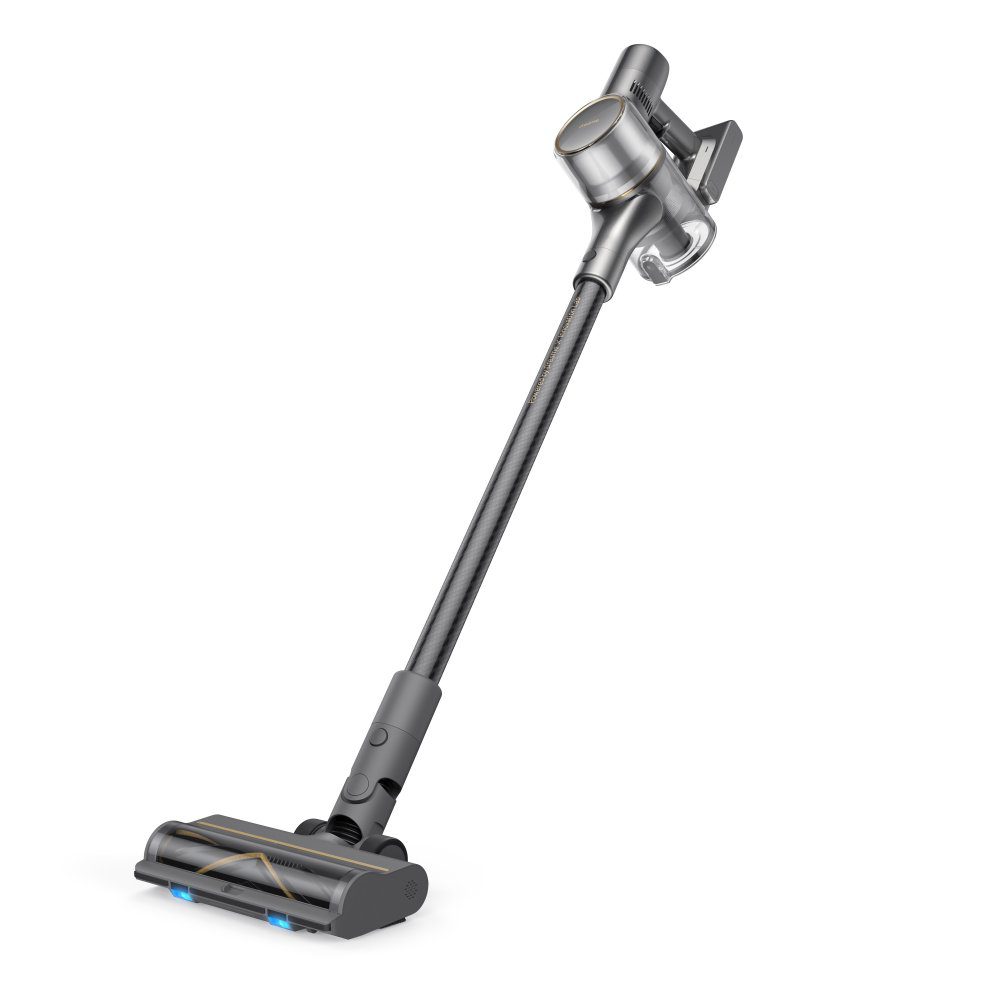
Dreame cordless vacuums tend to focus heavily on suction performance, particularly on their more powerful models, and this can mean that noise becomes more noticeable when higher power modes are used. When comparing Dreame models, it’s worth checking the individual product specification rather than assuming the same noise level across the entire range.
Noise is particularly worth considering in certain types of household. In a flat or apartment, a quieter vacuum can be more considerate to neighbours, especially if you tend to clean early in the morning or later in the evening. For families with babies or young children, a lower and less intrusive motor sound can make quick cleaning sessions easier to fit around naps. People working from home may also appreciate a vacuum that doesn’t dominate the house when someone else is cleaning.
Weight, Handling and Everyday Usability
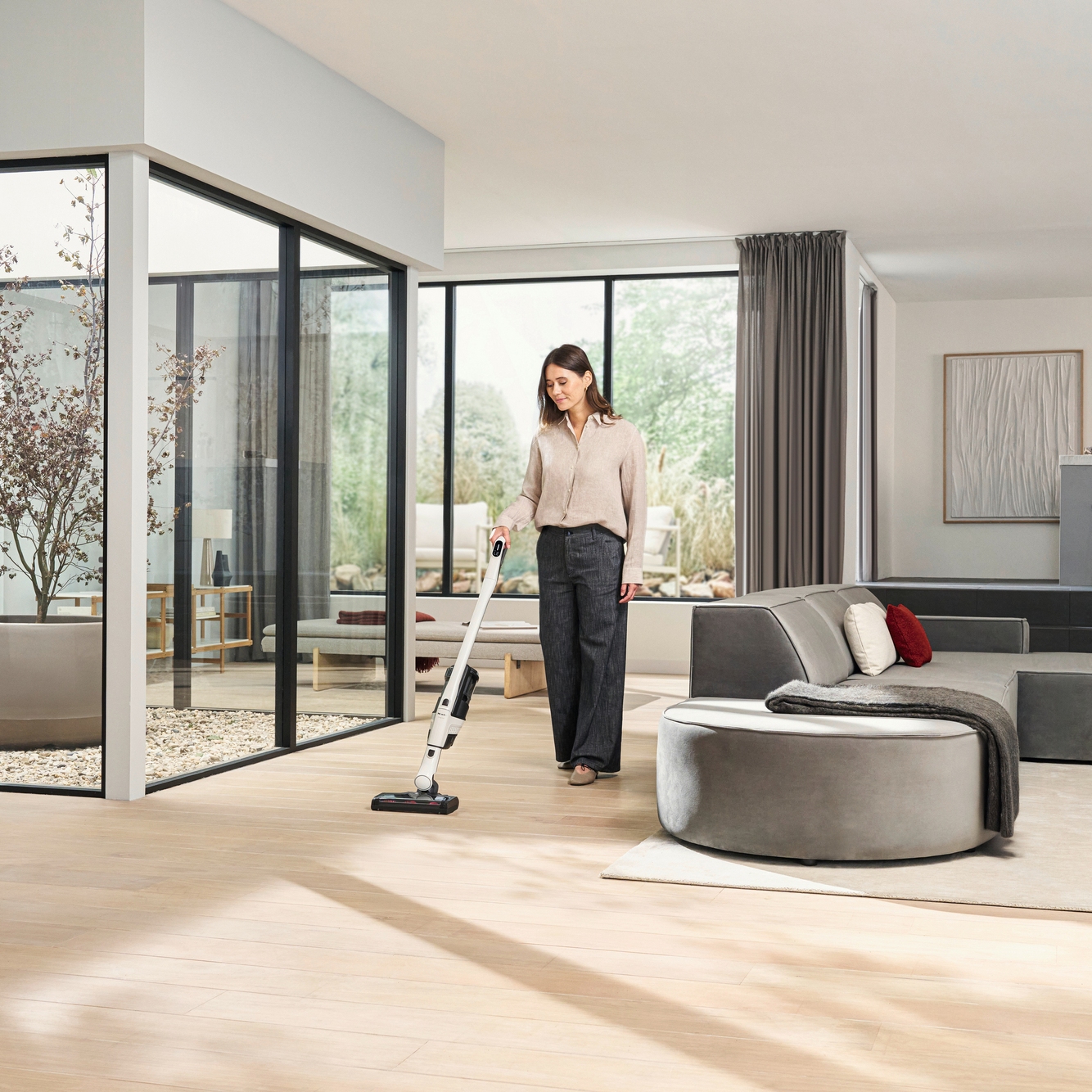
One of the biggest differences between a vacuum that looks good in a specification table and one you genuinely enjoy using is how it feels in your hands.
Weight matters, but balance often matters more. A vacuum can be relatively light and still feel tiring if most of its weight sits near your wrist. Conversely, a slightly heavier model may feel more comfortable if the weight is distributed well and the floor head moves smoothly. This is especially important if you regularly clean stairs, reach up to remove cobwebs or use the vacuum as a handheld cleaner. A front heavy design can quickly become uncomfortable when cleaning above floor level, even if it feels fine when pushed along the ground.
Consider the size and layout of your home too. In a single storey flat, overall weight may not be a major concern. In a multi floor house, carrying the vacuum upstairs several times a week can make a lighter model much more appealing.
Manoeuvrability is equally important. A flexible floor head that turns easily around furniture can save time, while a low-profile design may make it easier to clean beneath sofas and beds. Features like headlights can also be useful for revealing dust in darker corners, although they are more of a convenience feature than an essential.
The easiest vacuum to use is often the one that gets used most often. If it feels comfortable, turns easily and can be grabbed without effort, it is far more likely to become part of your regular cleaning routine.
Storage, Charging & Everyday Practicality
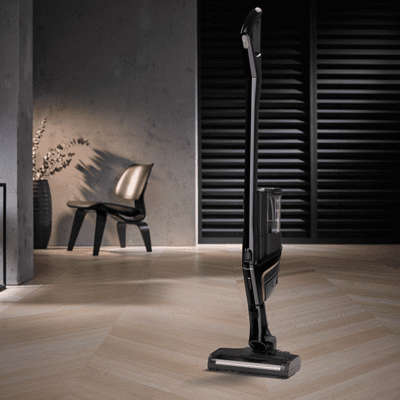
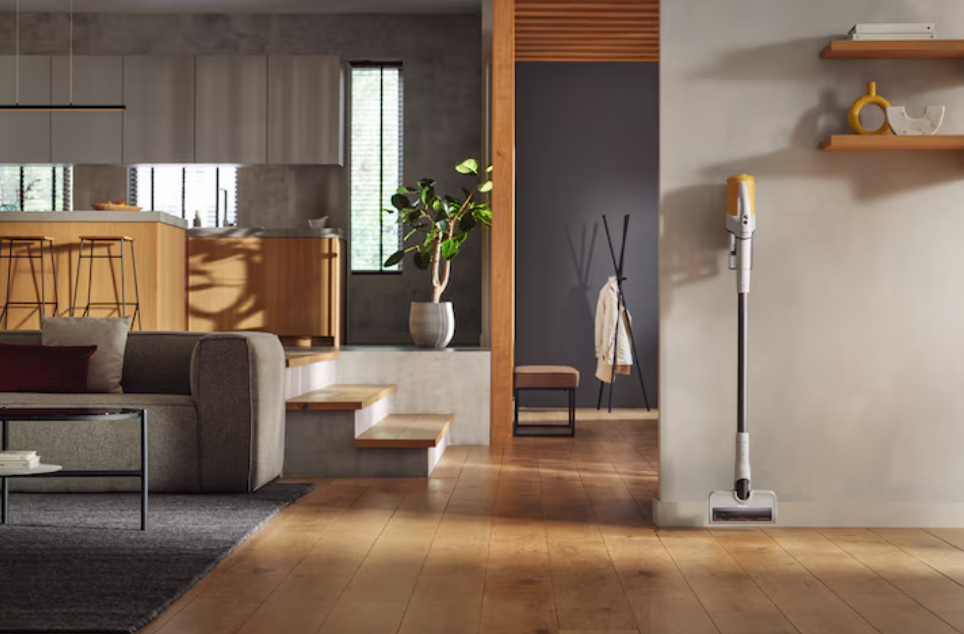
A cordless vacuum only feels truly convenient if it fits naturally into your home. Even an excellent cleaner can become frustrating if there is nowhere sensible to store it or if the charging setup is awkward.
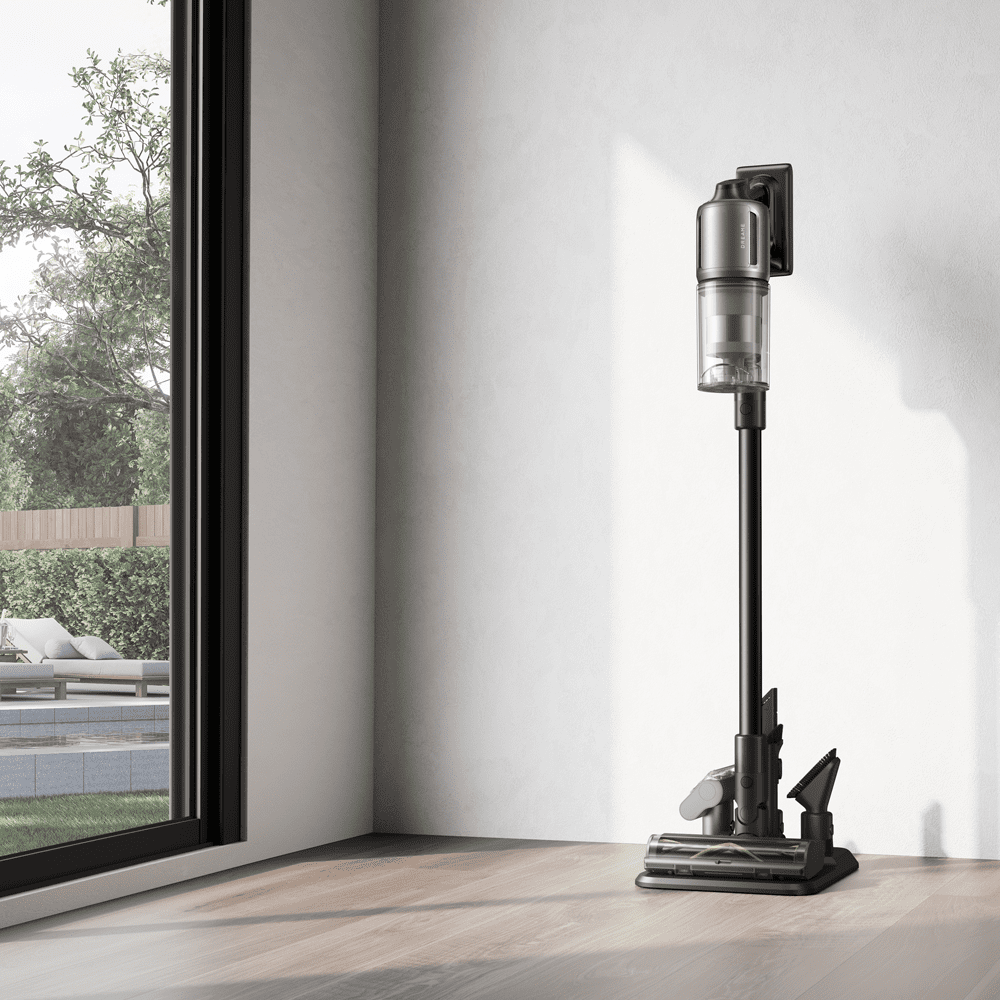
- Wall mounted docks are a popular option because they keep the vacuum upright, charged and ready to use without taking up valuable floor space. They can work particularly well in utility rooms, cupboards or under stairs storage areas.
- Freestanding charging docks are useful for renters or anyone who doesn’t want to drill into a wall. These can also make it easier to move the vacuum’s storage location if your needs change.
Think about where you are likely to use the vacuum most often. If the charging point is tucked away at the opposite end of the house, you may be less inclined to grab it for a quick kitchen clean. A convenient location can make a bigger difference to everyday use than an extra attachment or a slightly larger battery.
Don’t forget accessory storage! A crevice tool that is stored neatly with the vacuum is far more likely to be used than one that disappears into a drawer. Some docks include storage for the most commonly used attachments, which helps keep everything together.
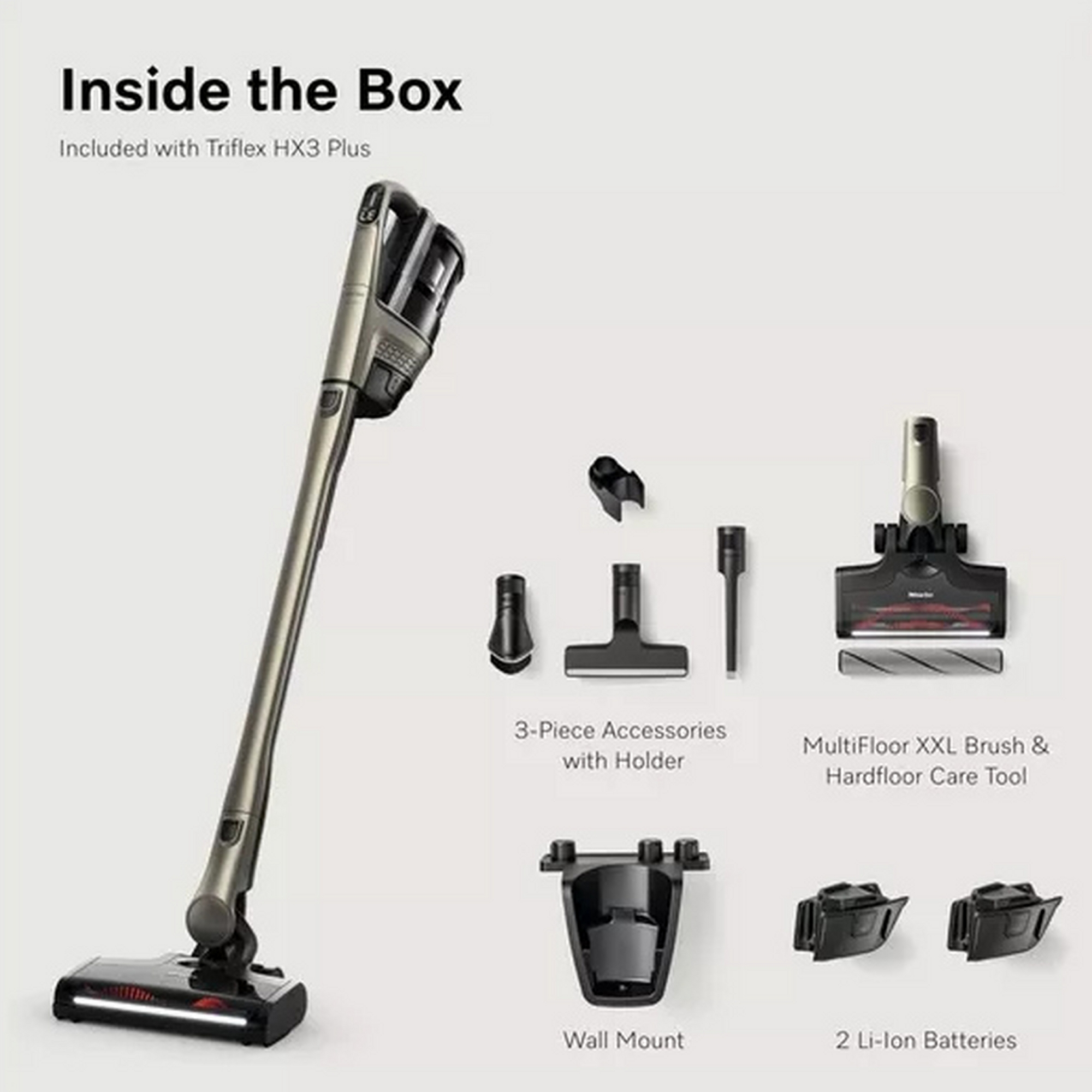
Cordless Stick Vacuum Cleaner Accessories
Accessories can make a cordless vacuum much more useful around the home, but more attachments don’t always mean better value. The most important thing is choosing tools that suit the way you actually clean, whether that’s pet hair on the sofa, crumbs in the car or dust in hard to reach places. Usually a crevice tool, upholstery tool and dusting brush will cover the majority of jobs. A crevice tool is ideal for skirting boards, between sofa cushions and tight spaces, while an upholstery tool is useful for sofas, stairs and fabric furniture. A soft dusting brush can help clean shelves, blinds and more delicate surfaces.
Bosch Accessories
Bosch offers one of the widest ranges of accessories, particularly across its Unlimited cordless range. Depending on the model, you may find flexible crevice tools, long nozzles, mattress tools, upholstery brushes and motorised Mini Power Nozzles. These can be especially useful for pet owners, car cleaning and larger homes where the vacuum is used for more than just the floors. Bosch is a good choice if you want to build a more versatile cleaning setup and use one vacuum for lots of different jobs.
Dreame Accessories
Dreame tends to focus on including a useful selection of accessories with the vacuum, rather than requiring you to buy lots of extras separately. Depending on the model, this can include crevice tools, combination brushes and motorised mini brushes for upholstery and smaller surfaces. The motorised mini brush is particularly useful for pet hair, sofas, stairs and car seats. As accessory bundles can vary between models, it’s worth checking exactly what’s included before buying.
Miele Accessories
Miele takes a more targeted approach, offering accessories designed for specific cleaning jobs. Its cordless range can include crevice nozzles, upholstery tools, dusting brushes and flexible extensions, with additional accessories available separately. This makes Miele a good option if you’d rather start with the essentials and add specialist tools as your needs change.
Storage, Charging & Everyday Practicality
Cordless vacuums fall into three broad performance tiers:
- Entry level models, usually around £150 to £250, suit smaller homes, lighter cleaning routines and mostly hard flooring. Dreame’s lower end ranges often sit here, offering strong specifications for the price but simpler overall systems.
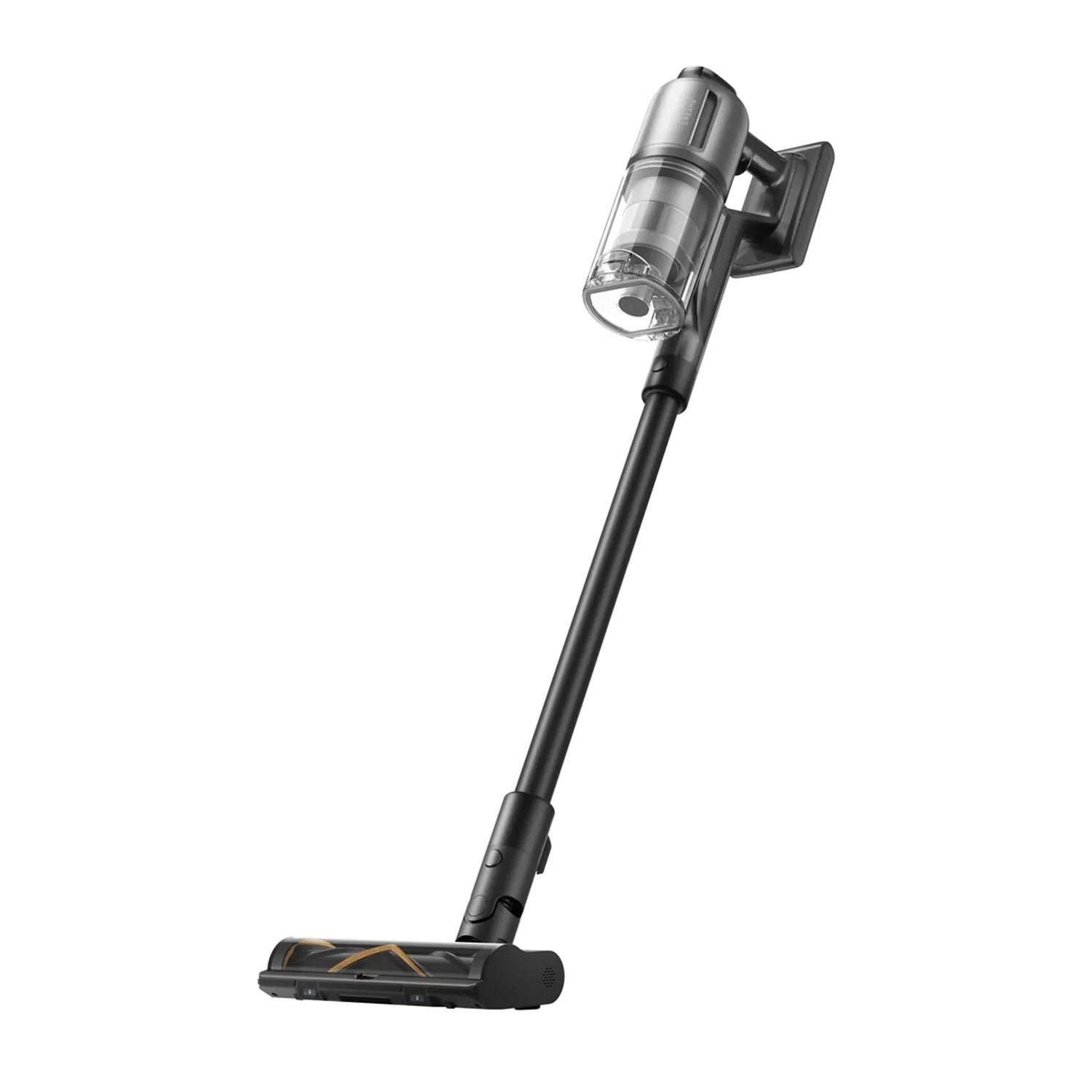
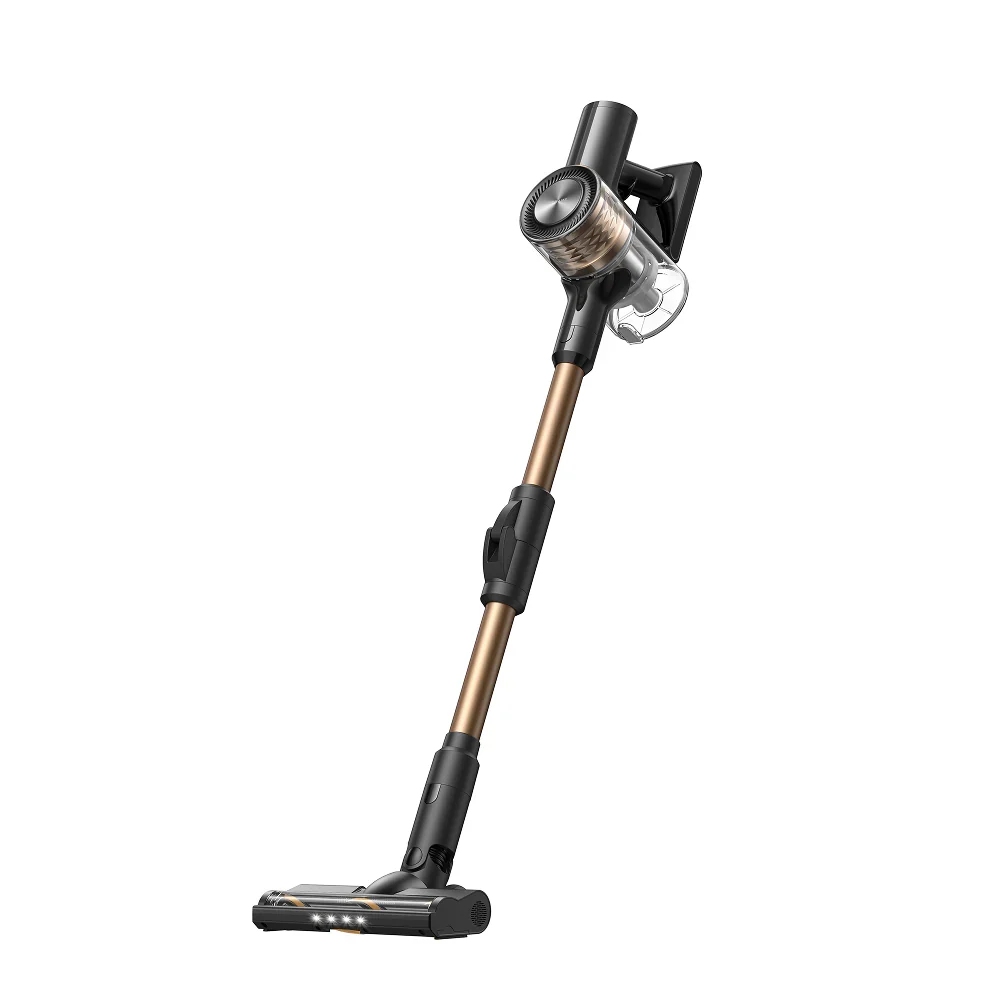
- Mid range models, usually between £250 and £450, offer the best balance for most households. This is where Bosch Unlimited 7 and Dreame devices sit, combining solid suction, better battery efficiency and more capable floor heads.
- Premium models, often £450+, prioritise refinement over raw specs. Miele’s Triflex range is a good example, focusing on filtration, durability and consistent performance across long term use.
Browse Cordless Vacuum Cleaners


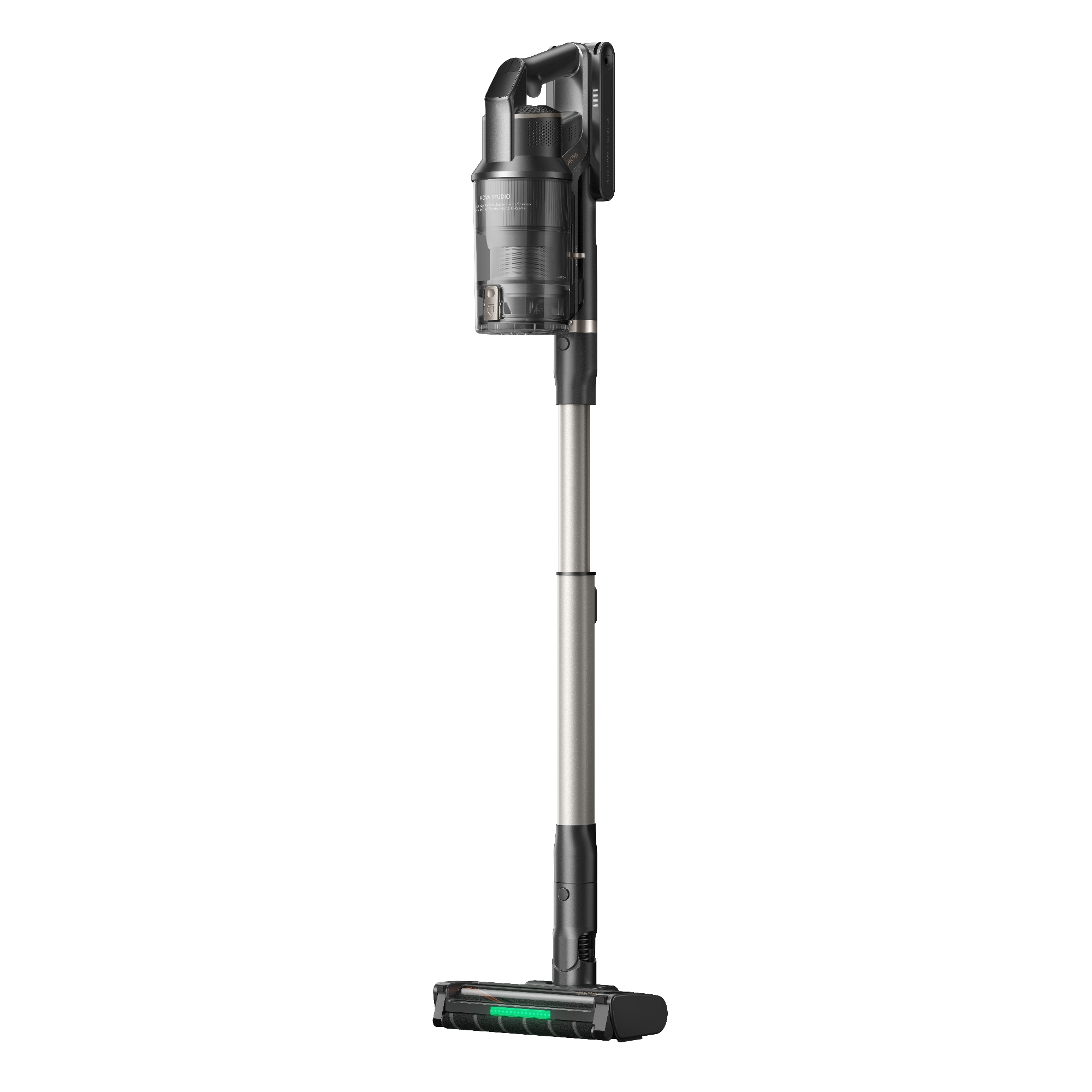

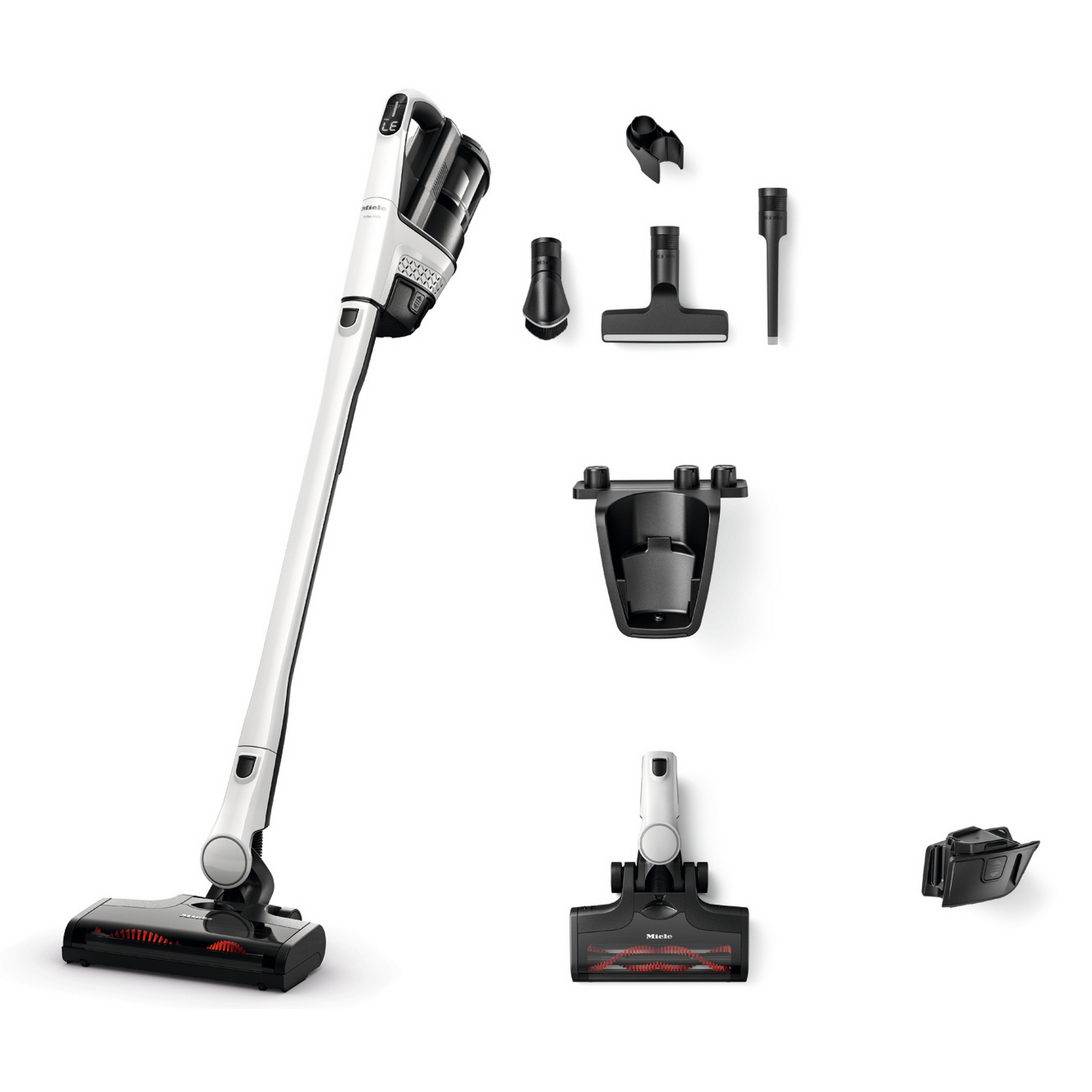

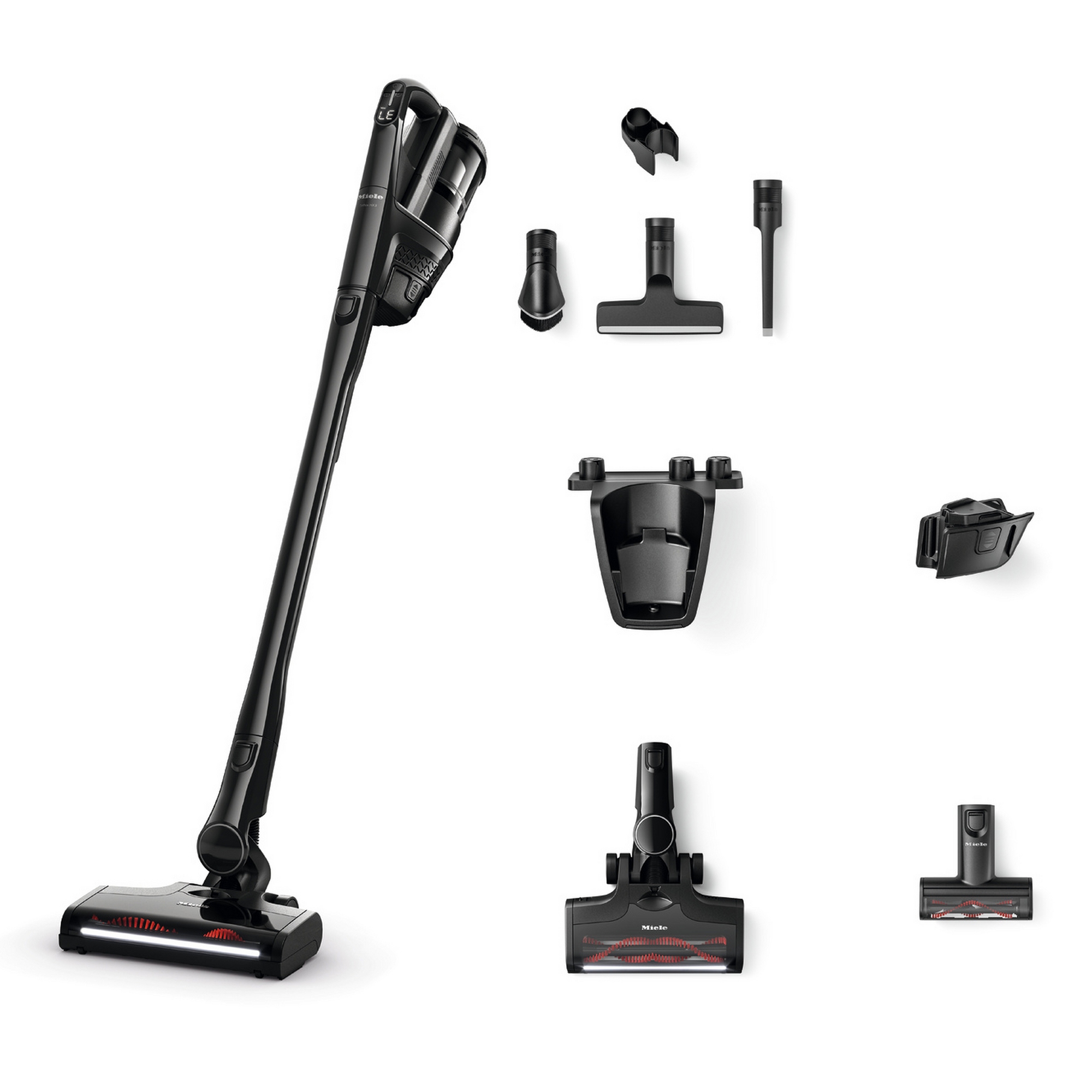
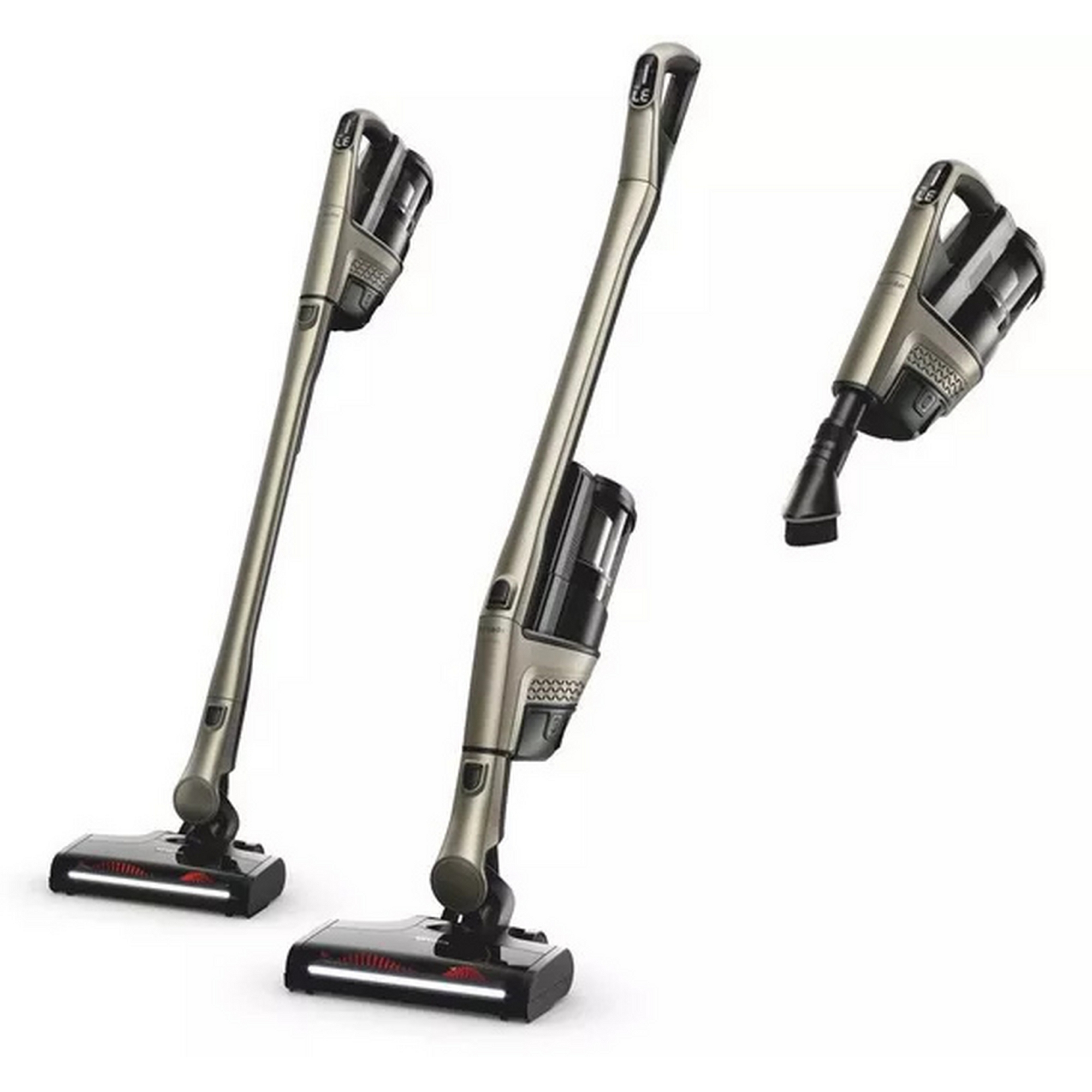
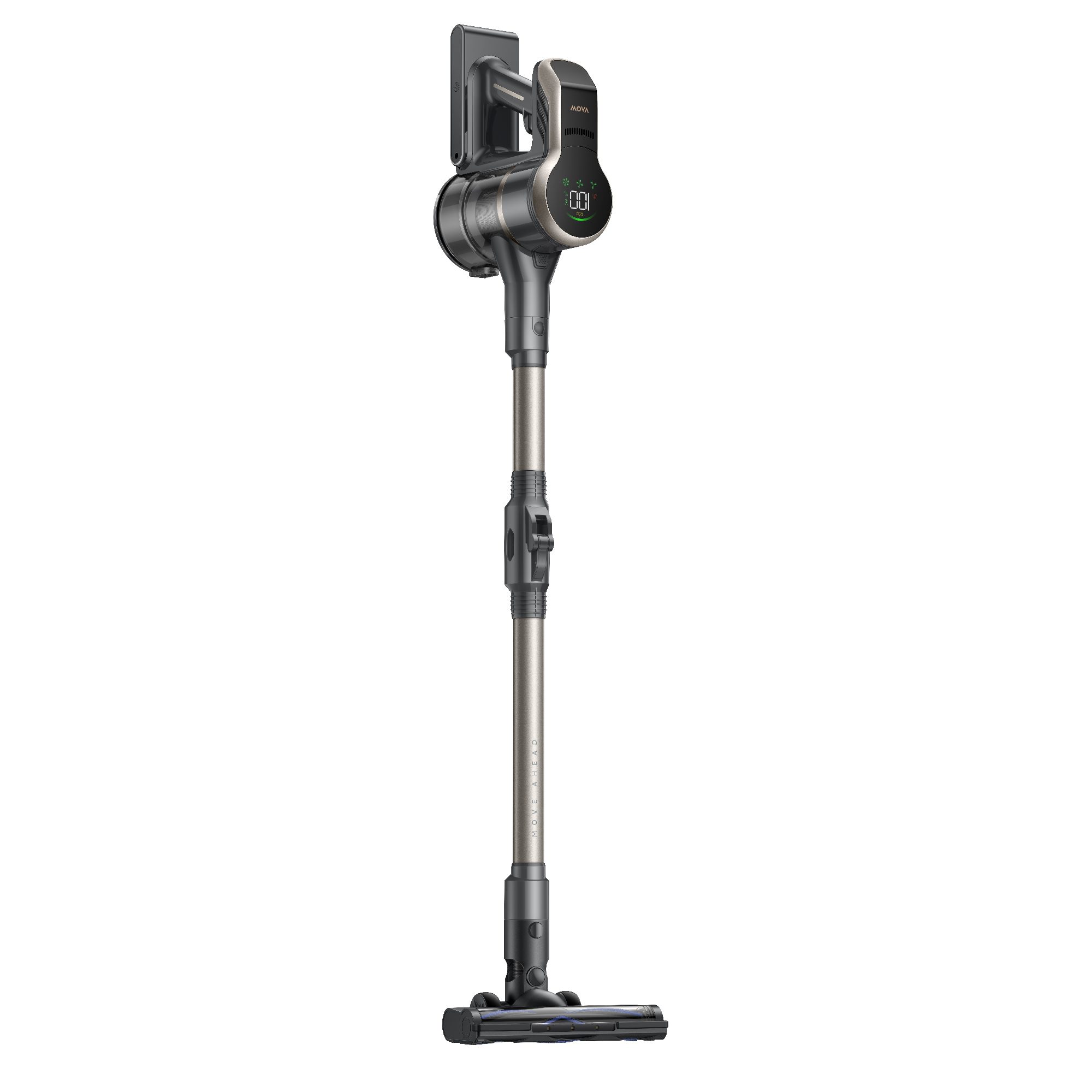
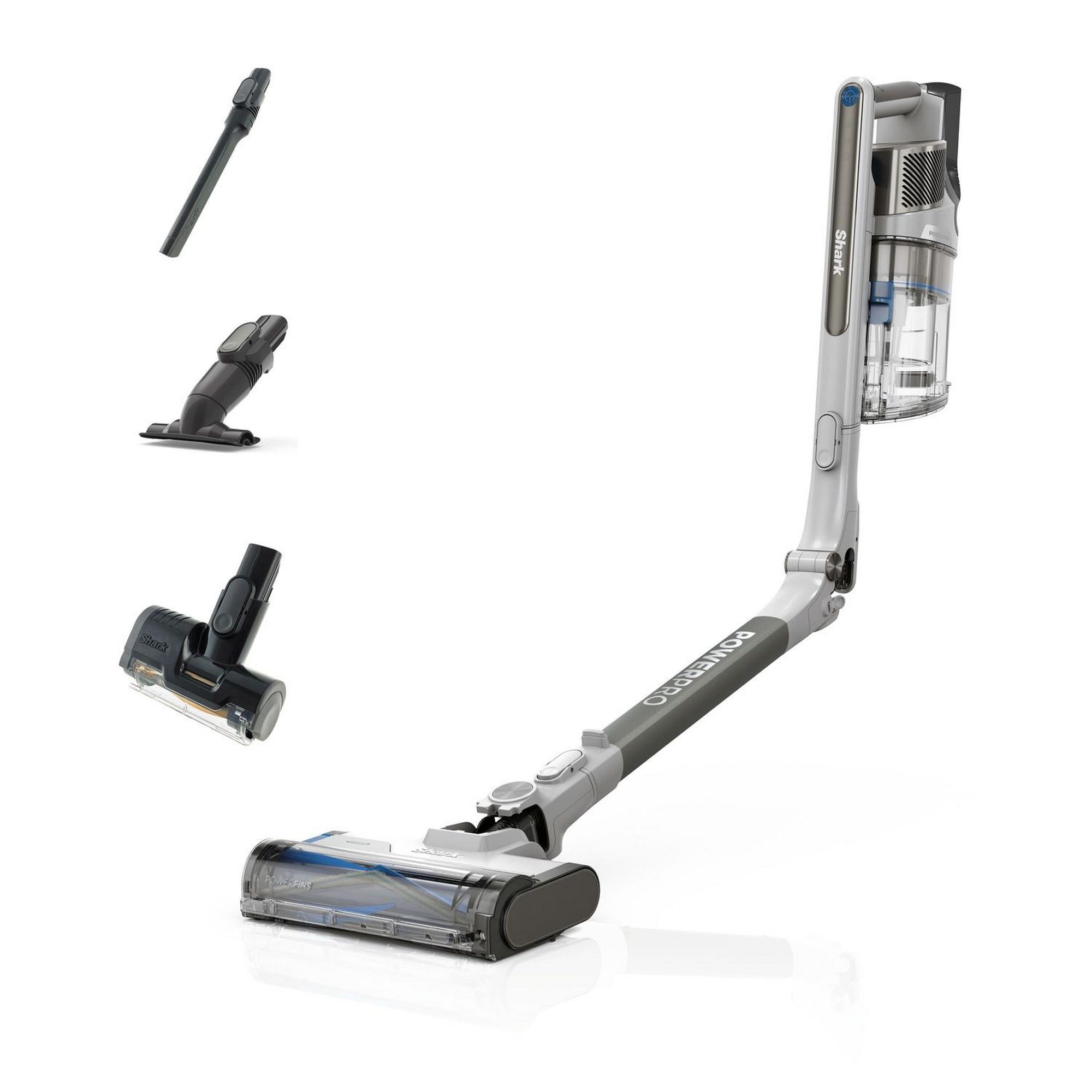

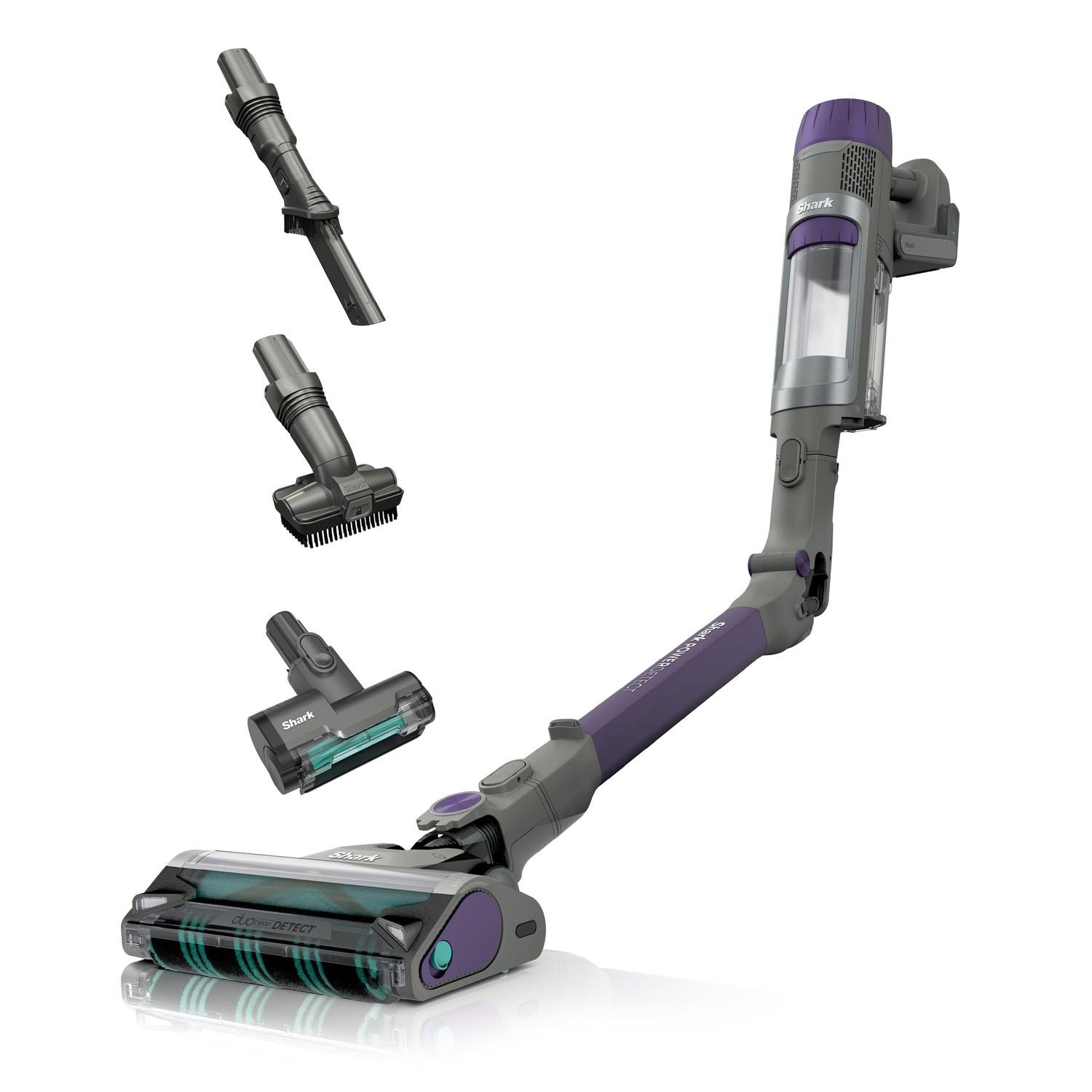
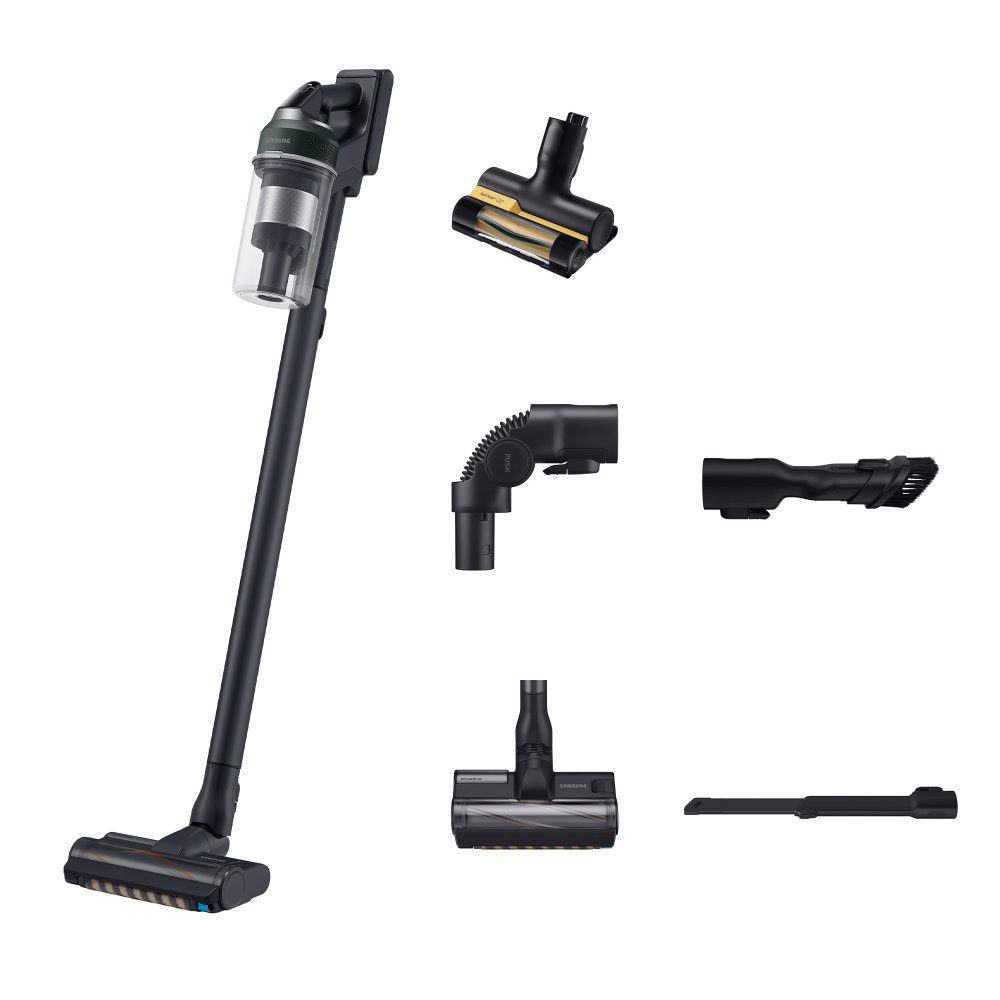

FAQs: Cordless Vacuum Cleaners
Models like the Bosch Unlimited 7 perform well across mixed flooring thanks to automatic power adjustment and balanced brush design.
Most homes are comfortably covered by 30 to 45 minutes of consistent cleaning time, depending on floor type and power mode usage.
Yes, but performance depends more on brush roll design and airflow efficiency than suction figures alone.
The Miele Triflex models are a strong option due to filtration quality and anti tangle brush design, while Dreame offers good value alternatives too.
Cordless vacuums are better for convenience and daily use, while uprights may still perform better in large carpet heavy homes requiring deep cleaning.
The most important features are floor head design, battery consistency, filtration (especially HEPA), and ease of handling rather than raw suction numbers.