

August 11, 2026
Finding the Perfect Hob and Oven Combination
You've chosen your kitchen cabinets, spent hours comparing worktops and finally settled on the perfect colour scheme. The finish line is in sight... until someone asks what seems like a simple question - Have you decided on your hob and oven? Suddenly, you're faced with hundreds of options. Induction or gas? Steam oven or multifunction? Black glass or matte? Should everything match, or is it perfectly acceptable to mix brands? And once you've narrowed it down, there's another decision waiting: should you choose appliances because they look beautiful together, because they offer the latest technology, or because they simply suit the way you cook? It's easy to assume the answer lies in buying the most expensive model or choosing a matching set from one manufacturer. When actually, creating the perfect pairing is rarely that straightforward.
16 min read
The Simple Answer
The best hob and built in oven combination isn’t necessarily the one with the longest list of features or the biggest price tag. It’s the one that fits seamlessly into your everyday life. It should suit your cooking style, complement your kitchen, feel intuitive to use and, ideally, still make you smile every time you switch it on years from now. Whether you’re renovating your forever home, upgrading a well loved kitchen or planning your very first fitted kitchen, this guide is designed to help you cut through the jargon. We’ll explore the different types of hobs and ovens, explain which features are genuinely worth considering, look at the benefits of mixing brands versus staying within the same collection, and even discuss the small design details that can make a surprisingly big difference once everything is installed.
Because choosing kitchen appliances isn’t just about cooking. It’s about creating a space that works beautifully, looks considered and feels like home.
Start with Your Lifestyle
One of the biggest mistakes people make is shopping for features before thinking about how they’ll actually use them. It’s tempting to compare power ratings, cooking functions and the latest technology, but the reality is that your ideal appliances depend far more on your lifestyle than a specification sheet.
Imagine a couple who cook together most evenings, enjoying fresh ingredients and experimenting with new recipes at the weekend. Their priorities are likely to be very different from those of a family of five trying to get dinner on the table after football practice, or someone who mainly relies on frozen meals and occasional baking.
The questions worth asking yourself are surprisingly simple:
- How often do you cook from scratch?
- Do you regularly entertain guests?
- Are you an enthusiastic baker, or is your oven mainly used for pizzas and the occasional roast dinner?
- Do you need extra cooking space during Christmas and family celebrations?
- Would you rather have appliances packed with smart features, or something intuitive that anyone in the household can use without reaching for the instruction manual?
There are no right or wrong answers, but answering them honestly will help narrow your options far more effectively than choosing the appliance with the longest list of features. For many households, a straightforward multifunction oven paired with a dependable induction hob will tick every box. Others may find themselves drawn towards the precision of gas cooking or the versatility of premium ovens that offer steam functions, food probes and automatic cooking programmes.
It’s also worth remembering that the kitchen itself often shapes your decision just as much as your cooking habits.
Your Kitchen Has a Say Too
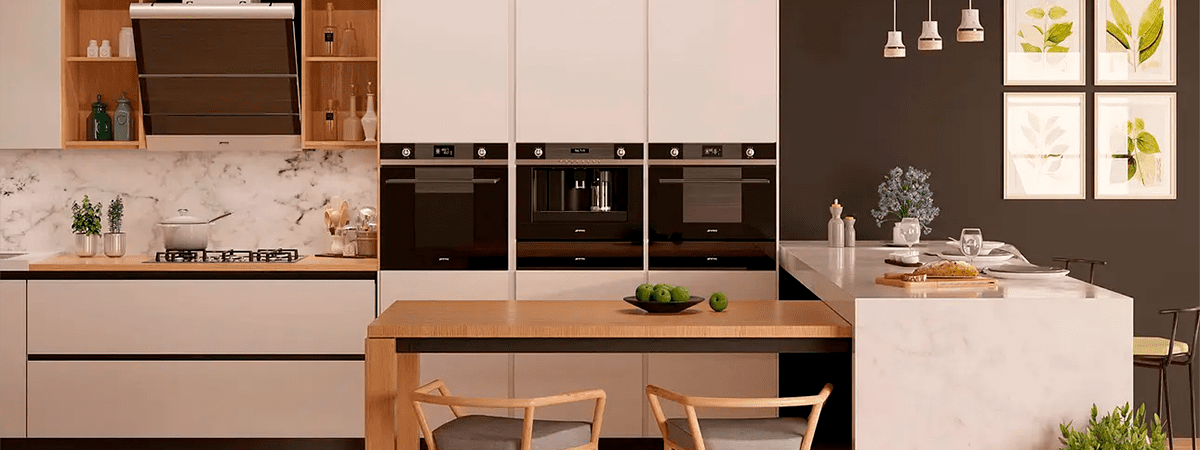
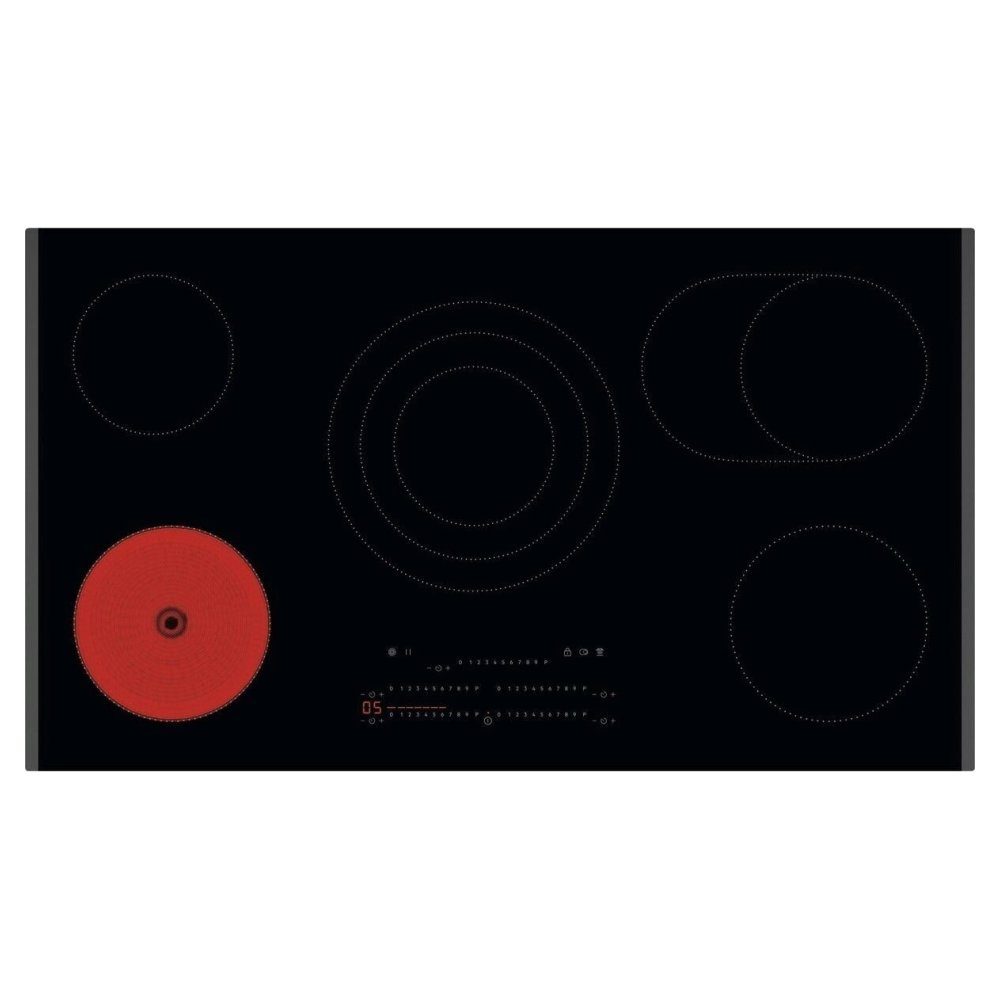
Even the most impressive appliances can feel like the wrong choice if they don’t suit the space around them. A compact apartment kitchen has very different requirements from a spacious open plan family kitchen, and the appliances that look fantastic in a showroom may not always be the best fit once they’re installed. If worktop space is limited, for example, a traditional four zone hob may be all you need. On the other hand, keen cooks with generous work surfaces might appreciate the flexibility of a wider five zone model, especially when preparing meals for larger gatherings.
Likewise, if your kitchen has a clean, handleless design with uninterrupted lines, the appearance of your appliances becomes just as important as their performance. Details such as the colour of the glass, the style of the display and even the finish of the handles can influence whether your kitchen feels carefully curated or simply assembled.
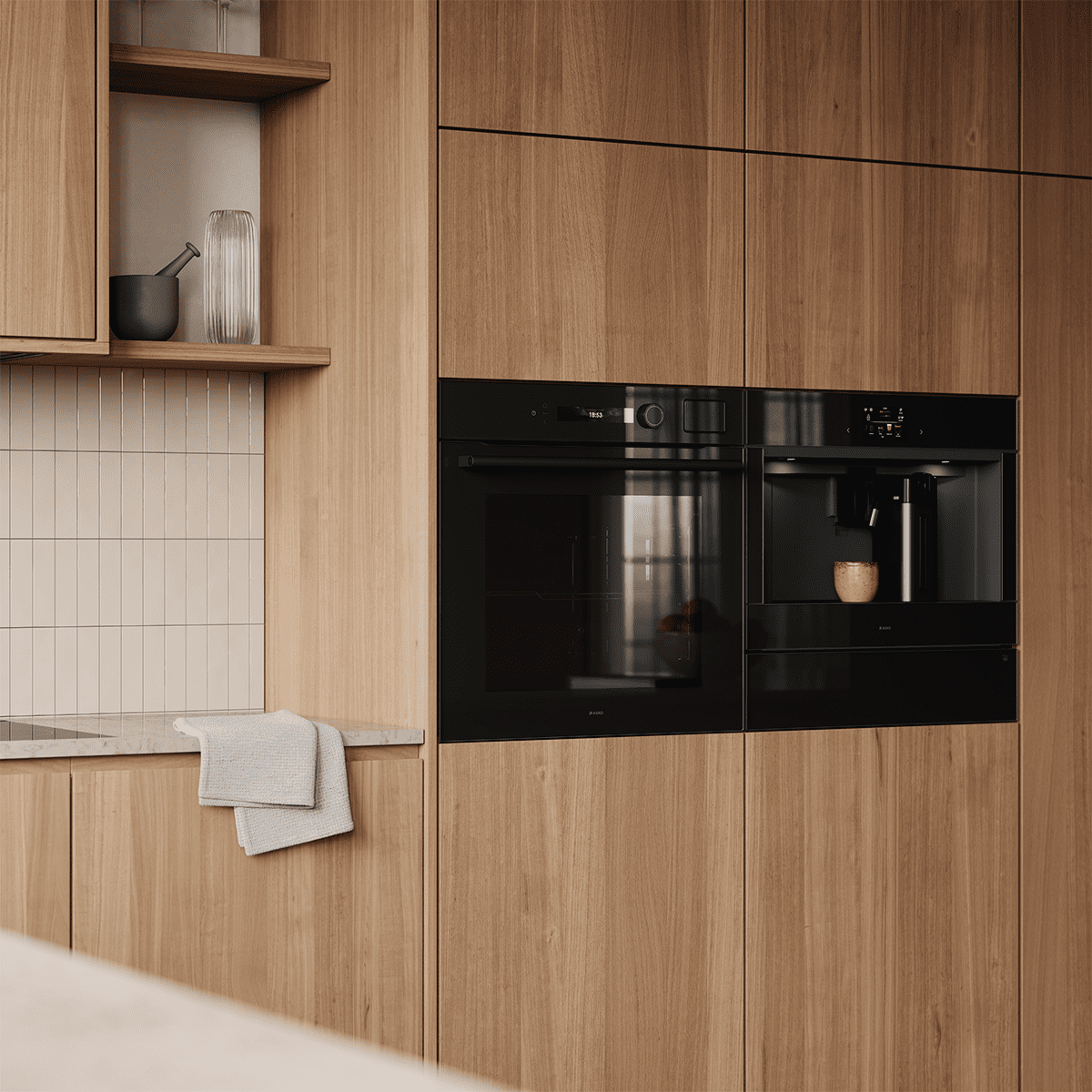
Many manufacturers recognise this, which is why they’ve moved away from designing individual appliances in isolation. Brands such as AEG, Miele, NEFF, ASKO and Hisense all offer collections or product families where ovens, hobs, warming drawers and other appliances share a consistent design language. It isn’t just about matching logos. You’ll often find the same glass tint, display style, control layout and trim finish carried throughout the range, creating a more cohesive appearance once everything is installed.
That doesn’t mean you have to buy everything from one manufacturer, but it’s a useful reminder that aesthetics deserve just as much consideration as cooking performance. After all, these appliances will probably remain part of your kitchen for the next ten to fifteen years.
Choosing the Right Hob
For many people, the hob is the appliance they interact with most often. Whether you’re boiling pasta, simmering sauces or frying breakfast on a Saturday morning, its responsiveness can completely change the cooking experience. The good news is that today’s market offers something for almost every style of cooking.
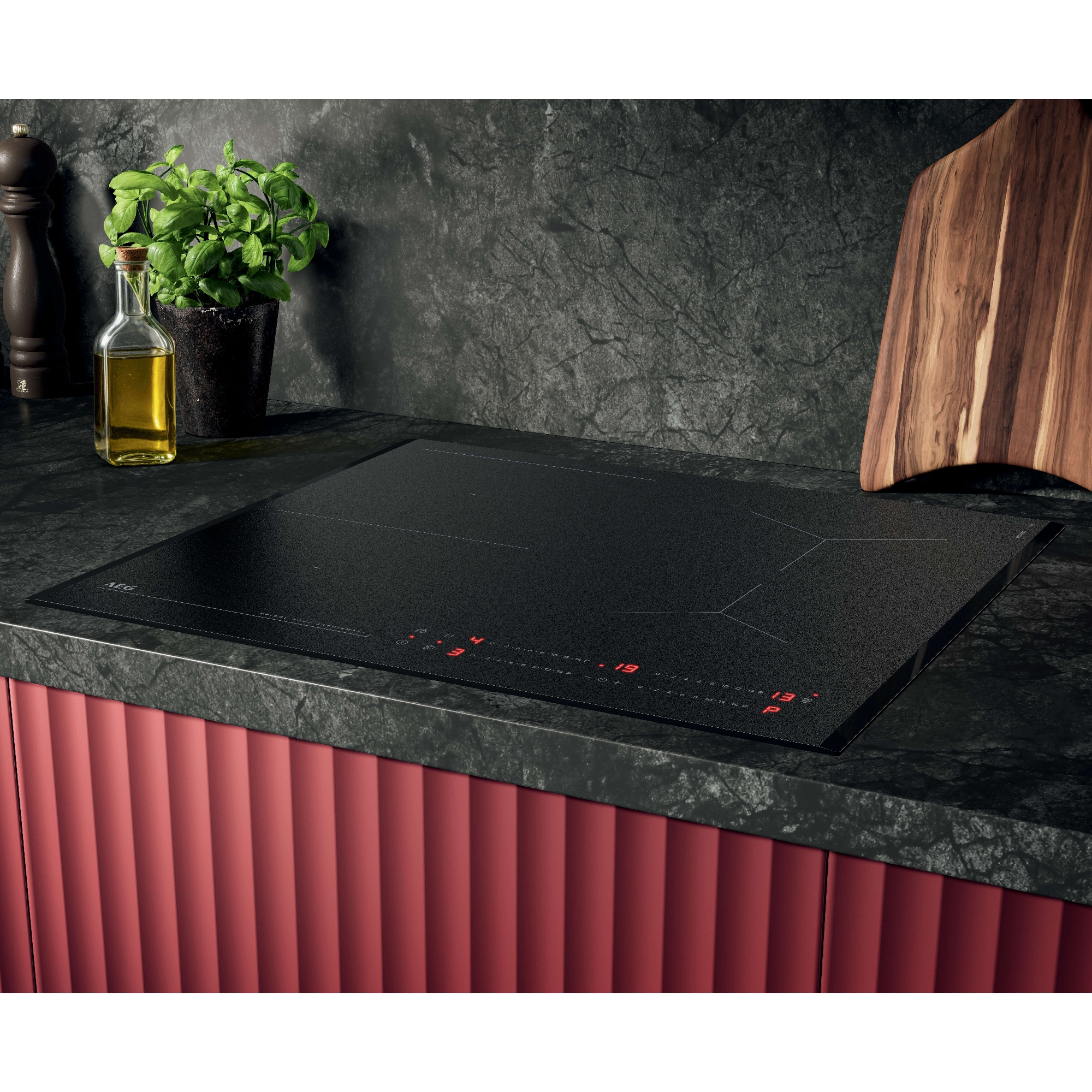
Induction Hobs
Induction has become the preferred choice for many modern kitchens, and it's easy to see why. Unlike traditional electric hobs, induction doesn't heat the glass itself. Instead, it uses magnetic technology to heat the pan directly, meaning water boils quickly, temperature changes happen almost instantly and the surrounding surface stays noticeably cooler. For busy families, that speed can make everyday cooking feel less rushed. For enthusiastic home cooks, the precise control means sauces are less likely to catch and delicate dishes become easier to manage.
Manufacturers have continued refining the technology too. AEG has developed induction models with flexible cooking zones that adapt to different pan sizes, while NEFF has introduced intuitive control systems designed to make adjusting heat levels feel effortless. At the premium end of the market, Miele and ASKO place considerable emphasis on precision, elegant minimalist styling and features that reward people who spend a lot of time in the kitchen. That doesn't mean induction is reserved for luxury kitchens. Brands such as Hisense and Bosch have helped make induction more accessible, bringing many of its everyday benefits to homeowners working within tighter budgets.
There is one consideration worth mentioning, however. Induction requires compatible cookware. Most modern pans already work perfectly, but if you've inherited a cherished collection of copper or aluminium cookware, it's worth checking before making the switch.
Gas Hobs
Despite the rise of induction, gas continues to have a loyal following, particularly among people who enjoy traditional cooking techniques. There's something reassuring about seeing a visible flame. Heat adjustments happen instantly, making it easy to move from a rolling boil to a gentle simmer with a simple twist of the control knob. Professional chefs have long appreciated that responsiveness, and many home cooks still wouldn't consider anything else.
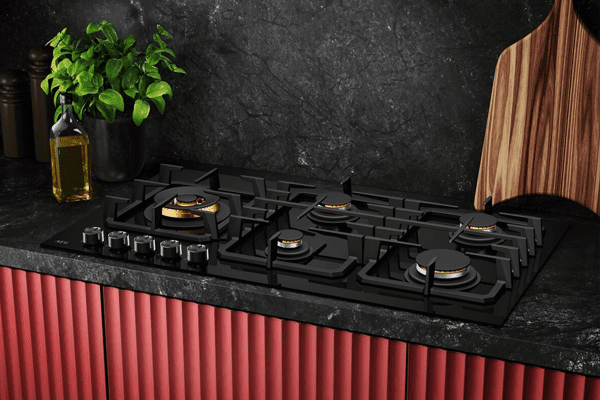
Today's gas hobs have evolved too. Alongside classic stainless steel designs, gas on glass models have become increasingly popular, combining the familiar performance of gas with sleek black glass surfaces that feel much more contemporary. Homeowners who aren't quite ready to leave gas behind but want their kitchen to have a cleaner, more modern appearance, gas on glass often offers the best of both worlds.
While the glossy glass surface is generally easier to wipe clean than traditional enamel, it's worth remembering that the cast iron pan supports still need to be lifted away for a proper clean. If low maintenance is high on your priority list, that's something to bear in mind.
Ceramic Hobs
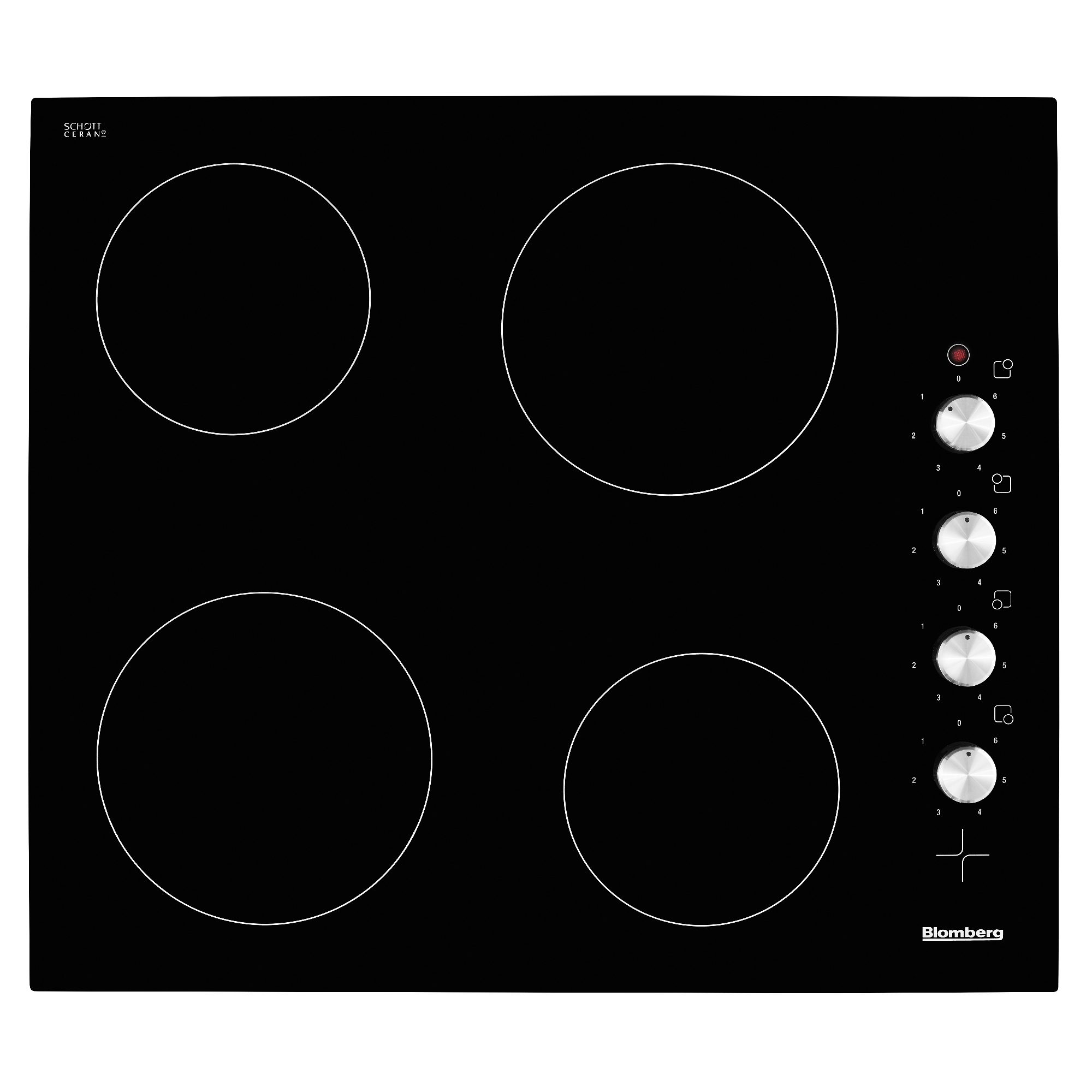
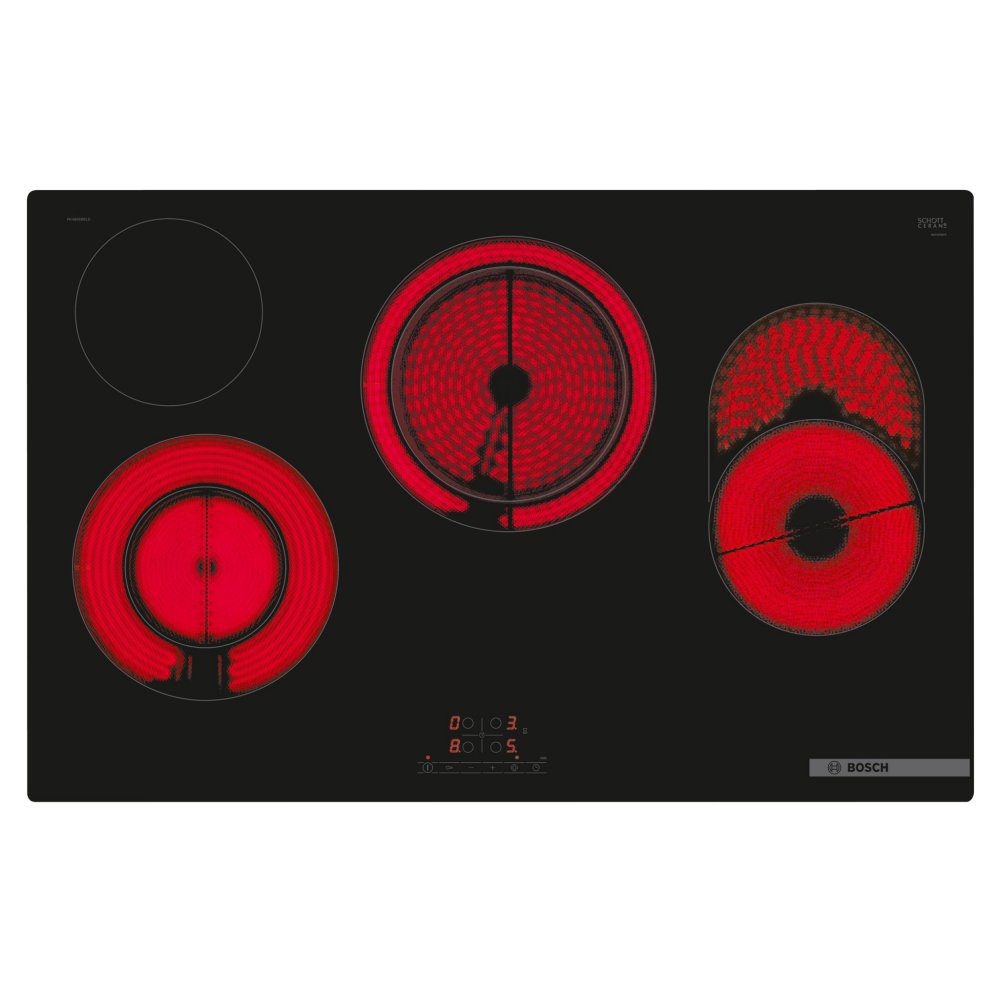
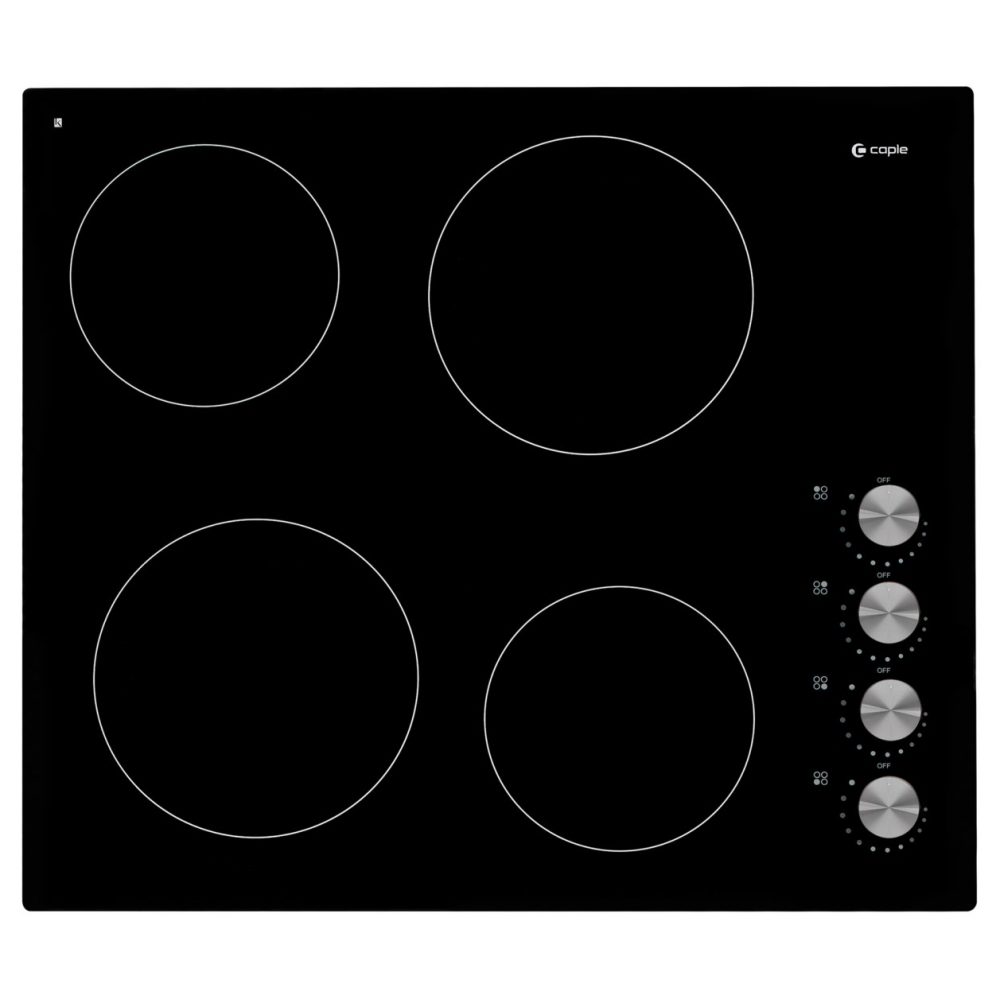
Ceramic hobs often sit quietly between gas and induction, yet they're still a fantastic option for many homes. They offer the sleek appearance of a glass cooking surface without requiring induction-compatible cookware, making them particularly appealing if you're replacing an older electric hob and don't want to invest in new pans.
Although they take a little longer to heat up and cool down than induction, they're reliable, straightforward to use and available across a wide range of budgets.
For first time buyers, landlords or anyone renovating on a tighter budget, a ceramic hob paired with a quality multifunction oven can represent excellent value without sacrificing style.
Finding the Right Built In Oven
If the hob is where the cooking begins, the oven is where meals often come together. Fortunately, modern built in ovens are about far more than simply getting hot. Advances in airflow, temperature control and self cleaning technology have made them more capable than ever before, but that doesn’t mean everyone needs every feature available.
Much like choosing a car, it’s about finding the model that suits the journeys you make most often. If your oven mainly cooks lasagne, frozen chips and the occasional roast, a dependable fan oven could be all you’ll ever need. If baking is your passion or you love entertaining, investing in additional cooking functions may transform the way you use your kitchen.
Fan and Multifunctional Ovens
For most households, a multifunction oven strikes an excellent balance between simplicity and versatility. Rather than relying on a single heating method, these ovens combine several cooking modes. Fan cooking delivers even temperatures throughout the cavity, while conventional heat, grilling, pizza settings and specialist programmes provide greater flexibility for different recipes. Many manufacturers have also introduced steam assisted cooking into selected models. Rather than replacing conventional cooking, gentle bursts of steam can help bread develop crisp crusts, keep meat succulent and prevent cakes from drying out. It’s an innovation that’s become increasingly accessible across the market.
AEG has been instrumental in bringing steam assisted cooking to more homeowners, while Miele continues to build upon its reputation for precision cooking programmes that remove much of the guesswork from complex dishes. ASKO also offers beautifully engineered multifunctional ovens with a focus on consistency and understated Scandinavian design, while NEFF remains a favourite among enthusiastic home cooks thanks to thoughtful features that genuinely enhance everyday cooking.
At a more accessible price point, brands including Hisense, Bosch, Hotpoint and Caple have significantly expanded the functionality available in their built in ovens, meaning impressive cooking performance is no longer reserved exclusively for premium budgets. The key is deciding which features you’ll genuinely use, rather than paying for technology that sounds impressive but rarely leaves the demonstration mode.
Looking Beyond the Specification Sheet
Modern kitchen appliances have never been more impressive on paper. Compare two built in ovens online and you’ll quickly find yourself reading about cooking functions, temperature ranges, cleaning systems and energy ratings. While those details are certainly important, they only tell part of the story.
The real question is this: what will the appliance be like to live with every day?
Some of the things homeowners appreciate most after a few months of ownership are rarely highlighted in a product specification. For example, how intuitive are the controls? Can you quickly adjust the temperature without reaching for the instruction manual, or does every change involve navigating multiple menus? A beautifully designed TFT display might look impressive in a showroom, but if it’s difficult to read in bright daylight or overly complicated to use, it may become more frustrating than helpful.
The same applies to the feel of the appliance itself. Does the oven door close with a reassuring solidity? Are the shelves easy to slide in and out when wearing oven gloves? Can the side runners be removed for cleaning without turning it into a weekend project? These are small details individually, yet together they shape your experience every time you cook.
Cleaning is another consideration that’s often underestimated. Pyrolytic cleaning programmes can dramatically reduce maintenance by heating the oven to extremely high temperatures, leaving behind little more than a fine ash to wipe away. Catalytic liners, meanwhile, help absorb grease during everyday cooking, while steam-cleaning functions offer a gentler way to freshen the oven between deeper cleans. Different manufacturers take different approaches. Miele has long been recognised for engineering appliances that prioritise longevity and ease of maintenance, while AEG, NEFF, ASKO and Hisense each offer self cleaning technologies across selected ranges. Rather than focusing on the badge, it’s worth comparing which cleaning system best suits the way you cook.
The same principle applies to your hob. If you cook several meals a day, you’ll quickly notice whether the touch controls remain responsive with damp hands, whether fingerprints are easy to wipe away and whether the cooking zones accommodate the pans you use most often. These aren’t the features that usually appear in bold on a product page, but they’re often the ones that make the biggest difference once the novelty of a new kitchen has worn off.
Whenever possible, we recommend visiting a showroom and spend a few minutes interacting with the appliances. Open the doors, turn the control knobs, explore the menus and imagine using them on a busy Tuesday evening rather than during a leisurely Saturday morning browse. Sometimes that hands on experience tells you far more than any specification sheet ever could.
Pairing Your Hob and Oven
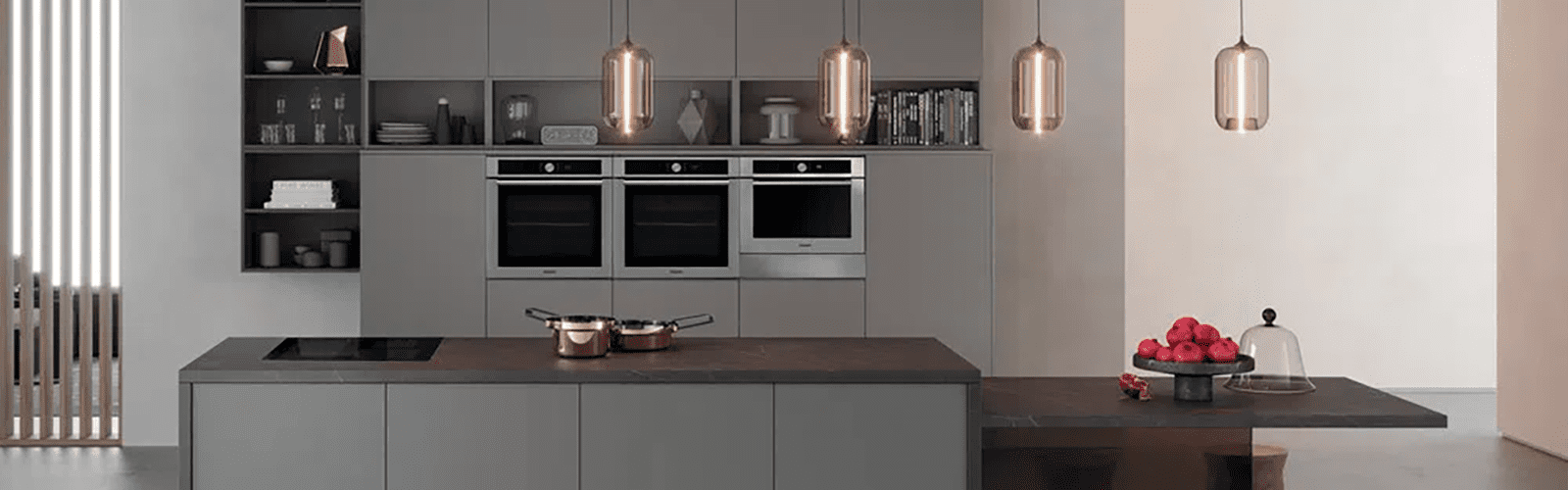
This is where many buying guides simply recommend matching appliances and move on. However, creating the perfect pairing is about balancing three things:
- How the appliances perform,
- How they look together,
- How they fit into your everyday life.
A keen baker might happily invest more in the oven while choosing a simpler hob. Someone who loves stir-fries and fast-paced cooking may place greater importance on responsive hob controls than additional oven functions. Neither approach is wrong. The best pairing is the one that reflects the way your kitchen actually works.
Should Everything Match?
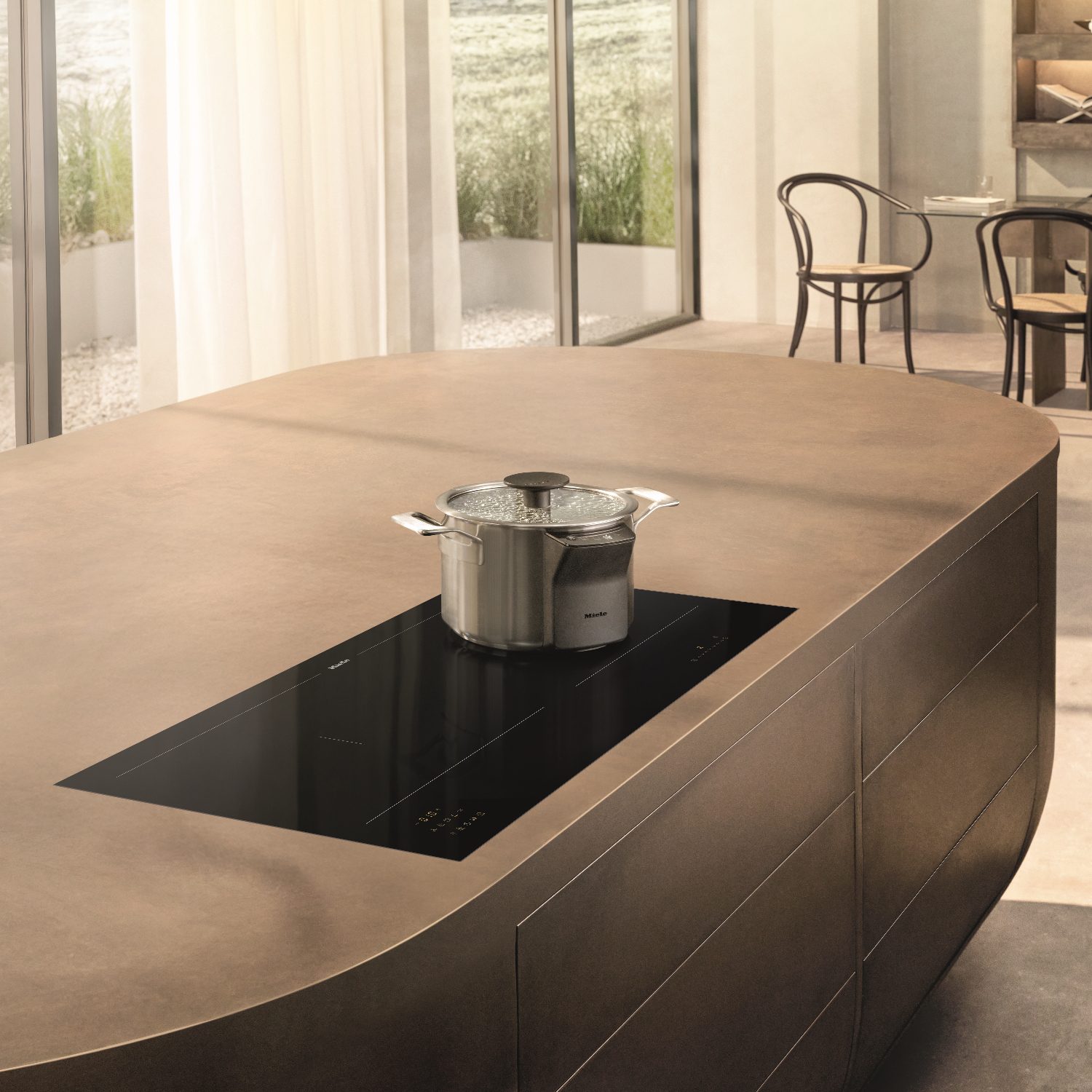
Not necessarily. Some homeowners instinctively buy appliances from the same manufacturer, while others choose what they believe to be the best individual product in each category. Both approaches have genuine advantages.
Staying within one brand often creates a more coordinated appearance. Displays tend to use similar colours and typography, handles share the same proportions and the black glass usually carries the same subtle tint. It’s these small details that designers notice. For example, an oven with crisp white LED controls can look noticeably different when paired with a hob featuring bright red touch controls. Likewise, one manufacturer’s black glass may have a warmer charcoal tone while another leans towards a cooler graphite finish.
Individually those differences seem minor. Installed side by side, they can become surprisingly obvious. This is where buying within a single product family can really pay dividends.
Manufacturers such as AEG, Miele, NEFF and ASKO don’t simply produce appliances, they develop complete design collections. Within these ranges you’ll often find identical display graphics, matching handles, coordinated stainless steel trims and consistent user interfaces that create a polished, intentional appearance throughout the kitchen.
That said, don’t let aesthetics stop you choosing appliances you genuinely prefer. It’s becoming increasingly common for homeowners to pair an oven from one manufacturer with a hob from another, particularly if one brand offers a feature that perfectly suits their cooking style. Perhaps you’ve fallen in love with a Miele single oven because of its automatic cooking programmes, but prefer the flexible cooking zones found on an AEG induction hob. Maybe a competitively priced Hisense oven allows you to invest a little more in a premium induction hob without exceeding your budget. Those combinations can work beautifully.
The important thing is looking beyond the logo. Compare the glass finish, the display style, the trims and the overall design language. If they complement one another, nobody will notice they’re from different manufacturers unless you point it out.
It's About More Than Black Glass
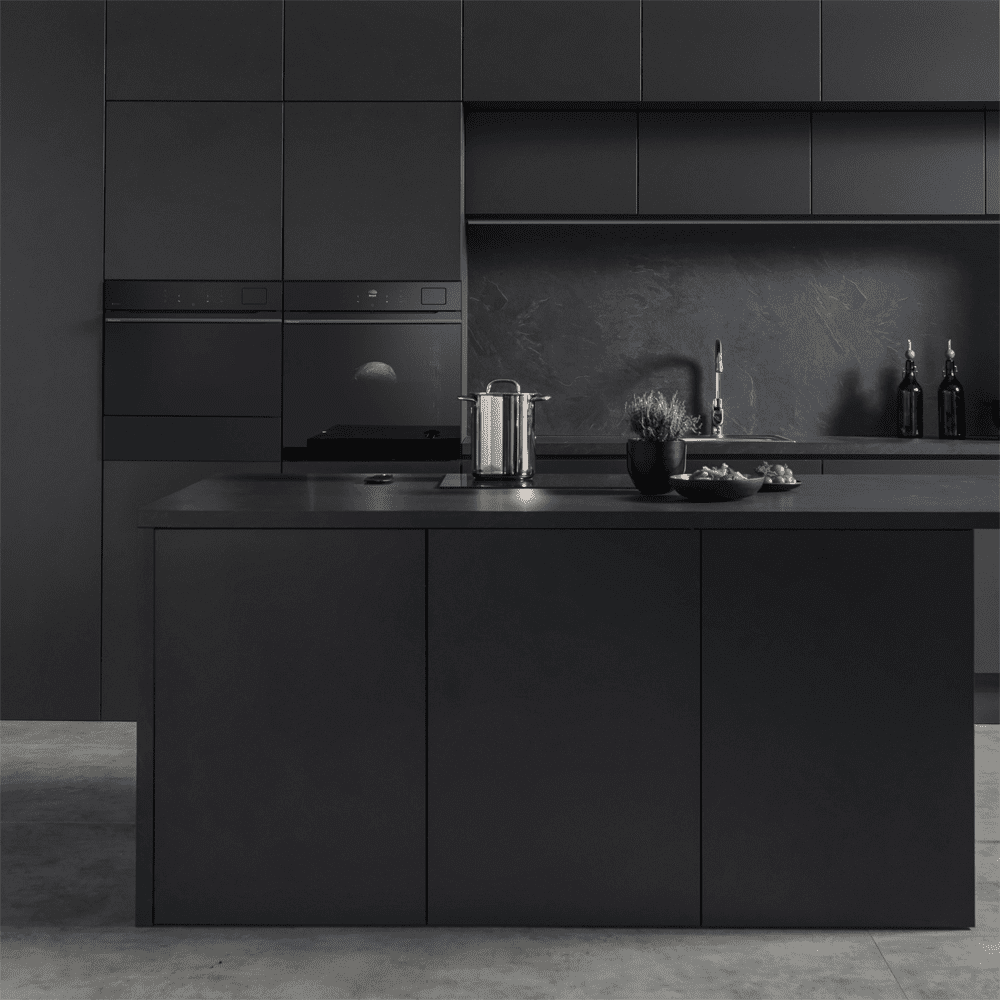
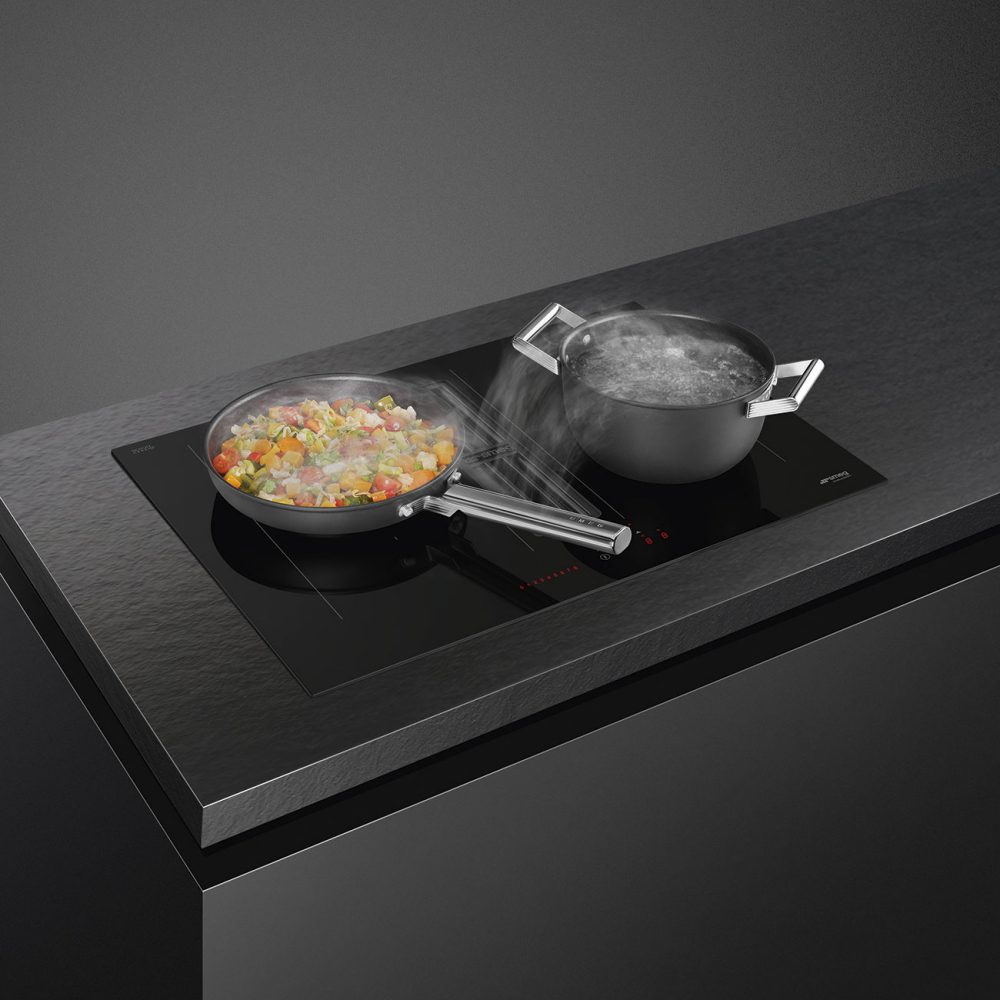
One of the biggest surprises for homeowners is discovering that not all black appliances look the same. Some ovens have deep mirror-like glass that reflects light dramatically, while others use softer satin finishes that feel more understated. The same applies to hobs.
Glossy finishes remain incredibly popular because they create a clean, contemporary appearance and beautifully reflect surrounding light. They’re particularly effective in smaller kitchens where those reflections help create a brighter, more open feel. The trade off is that fingerprints, dust and smudges can sometimes be more noticeable.
Matte finishes, meanwhile, have become increasingly sought after in premium kitchens. Their softer appearance pairs beautifully with natural timber, stone worktops and handleless cabinetry, creating a calm, architectural aesthetic. Many homeowners also appreciate that matte surfaces tend to disguise fingerprints more effectively during day-to-day use.
Then there are the finer design details. Some ovens feature sleek TFT colour displays with crisp graphics and intuitive menus. Others opt for minimalist white LEDs that disappear into the glass when switched off, creating an almost seamless appearance. Touch controls, rotary dials, retractable knobs and brushed metal handles all contribute to the overall personality of an appliance.
None of these elements affect how well your dinner cooks. But together they influence how your kitchen feels every single day. That’s why it’s always worth viewing appliances together whenever possible, rather than comparing them on separate product pages. Even official photographs can vary in lighting and colour balance, making subtle differences harder to spot until installation day.
Ultimately, the best hob and oven pairing is the one that feels considered, not because every logo matches, but because every choice reflects the way you live, cook and enjoy your home.
Shop Your Perfect Hob and Oven Combination
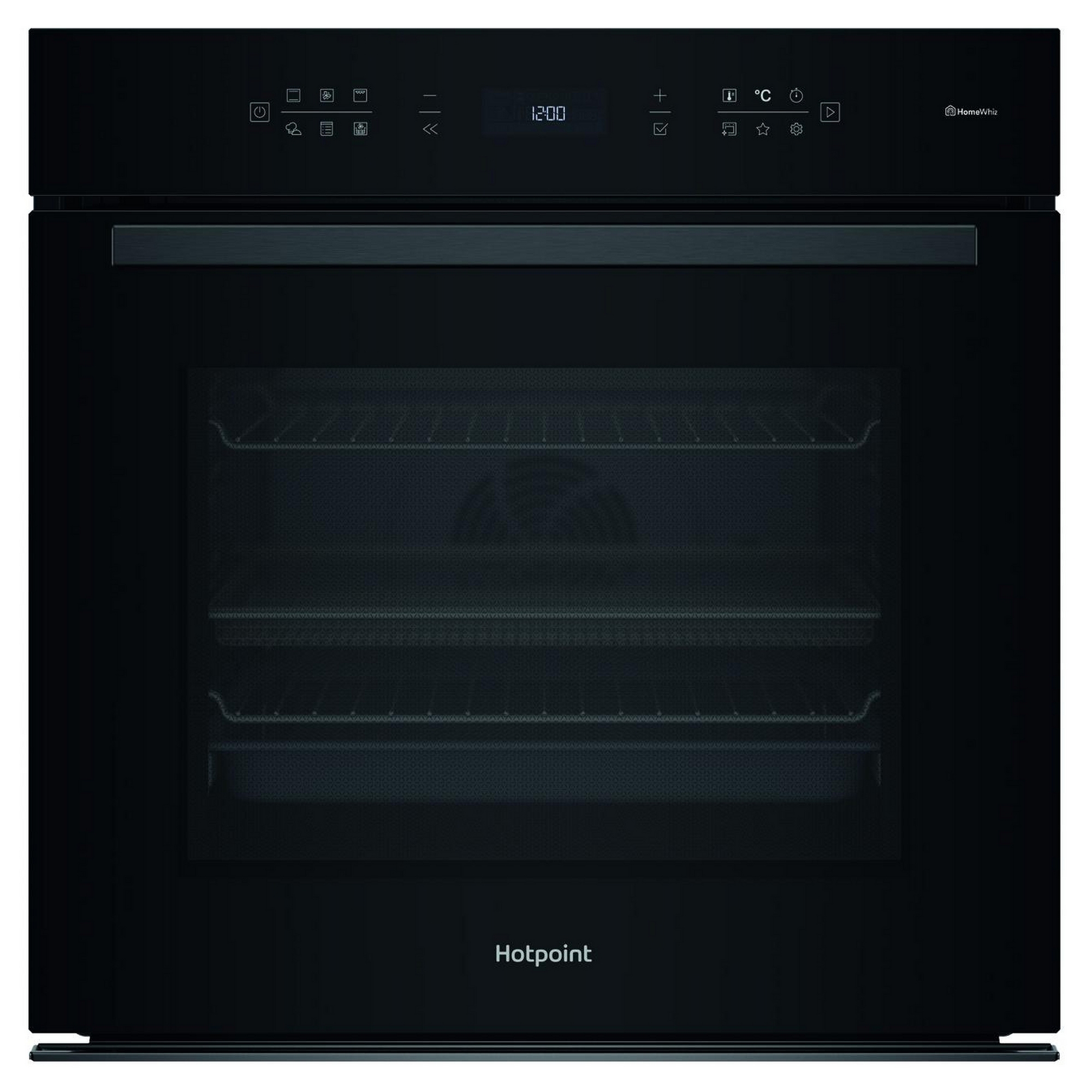


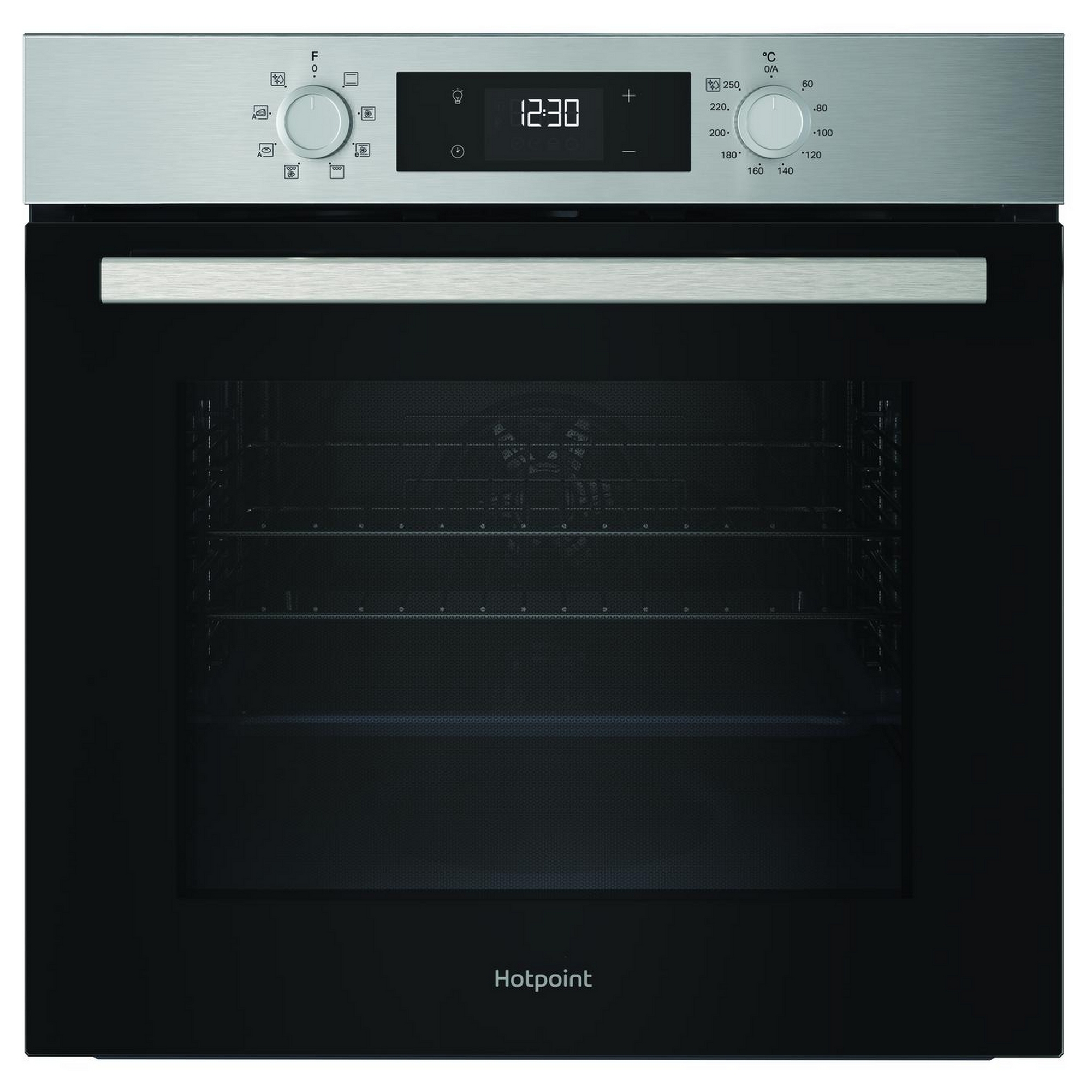
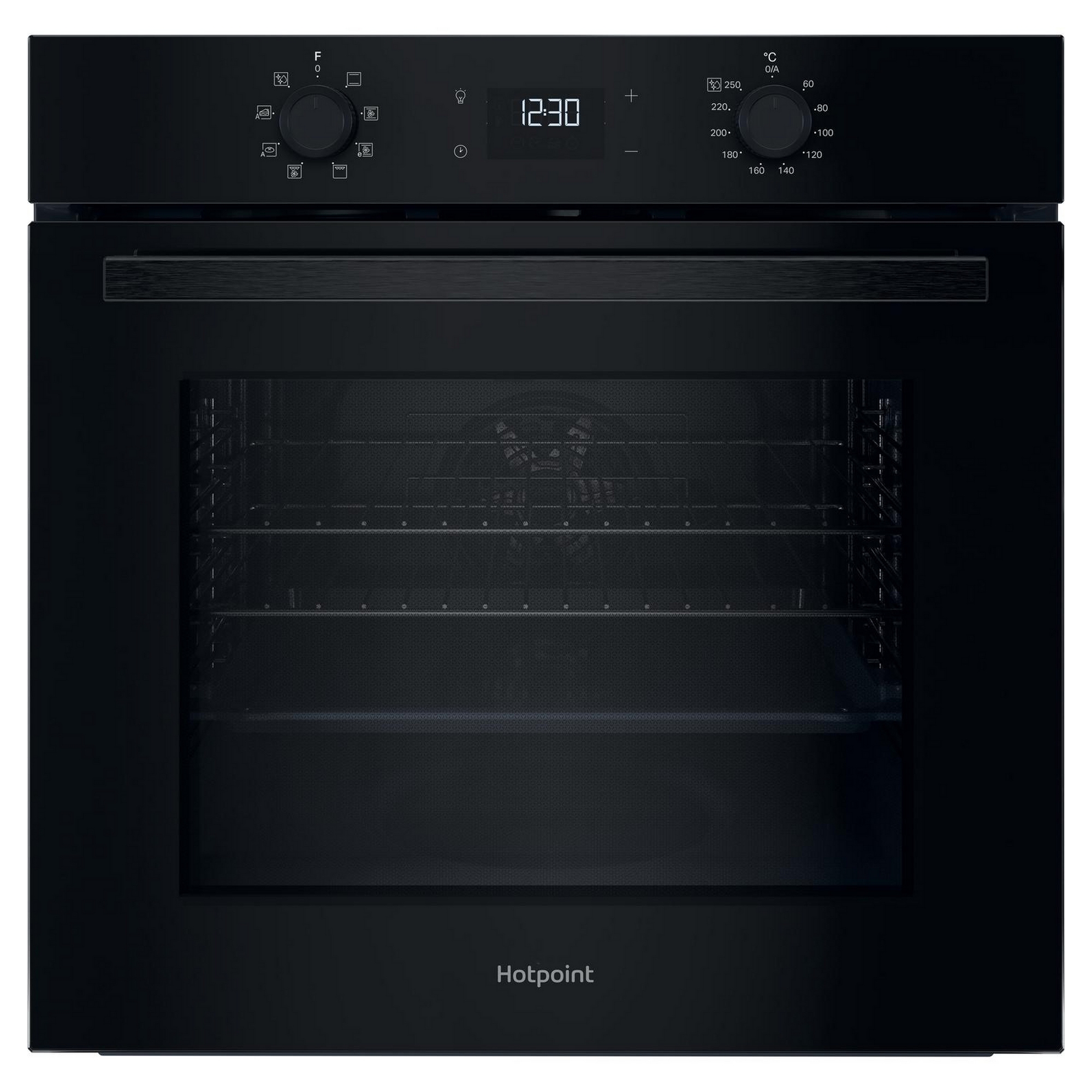
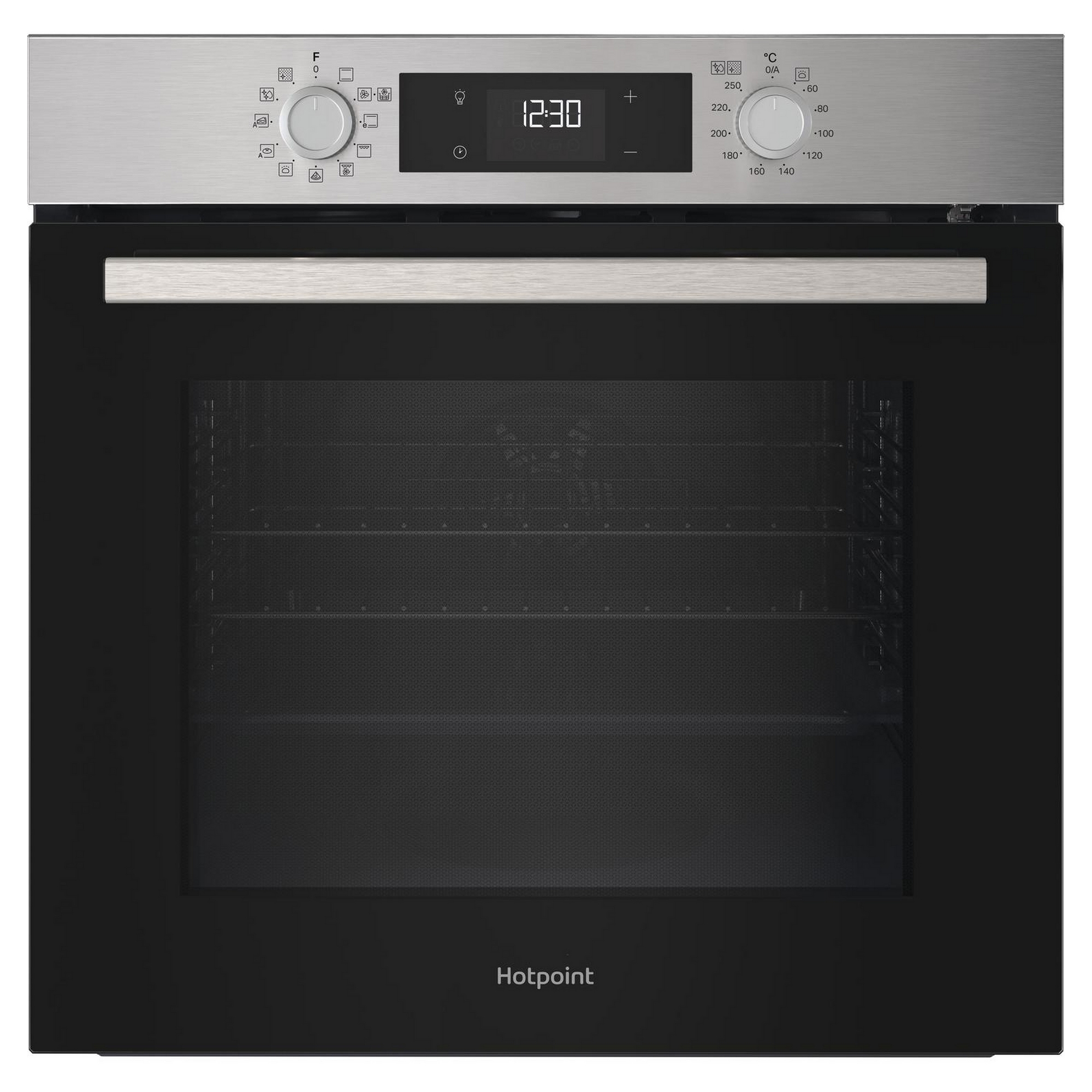
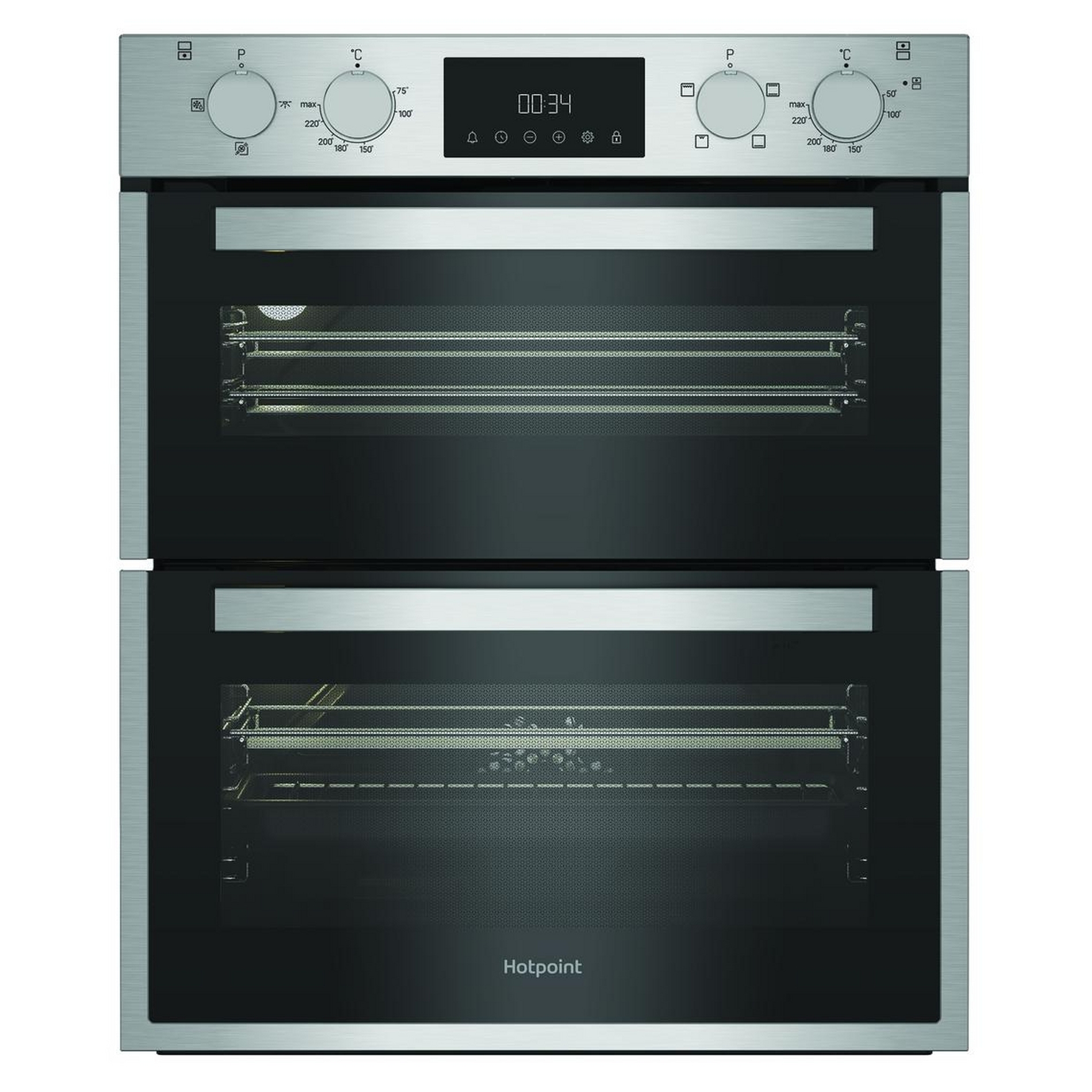
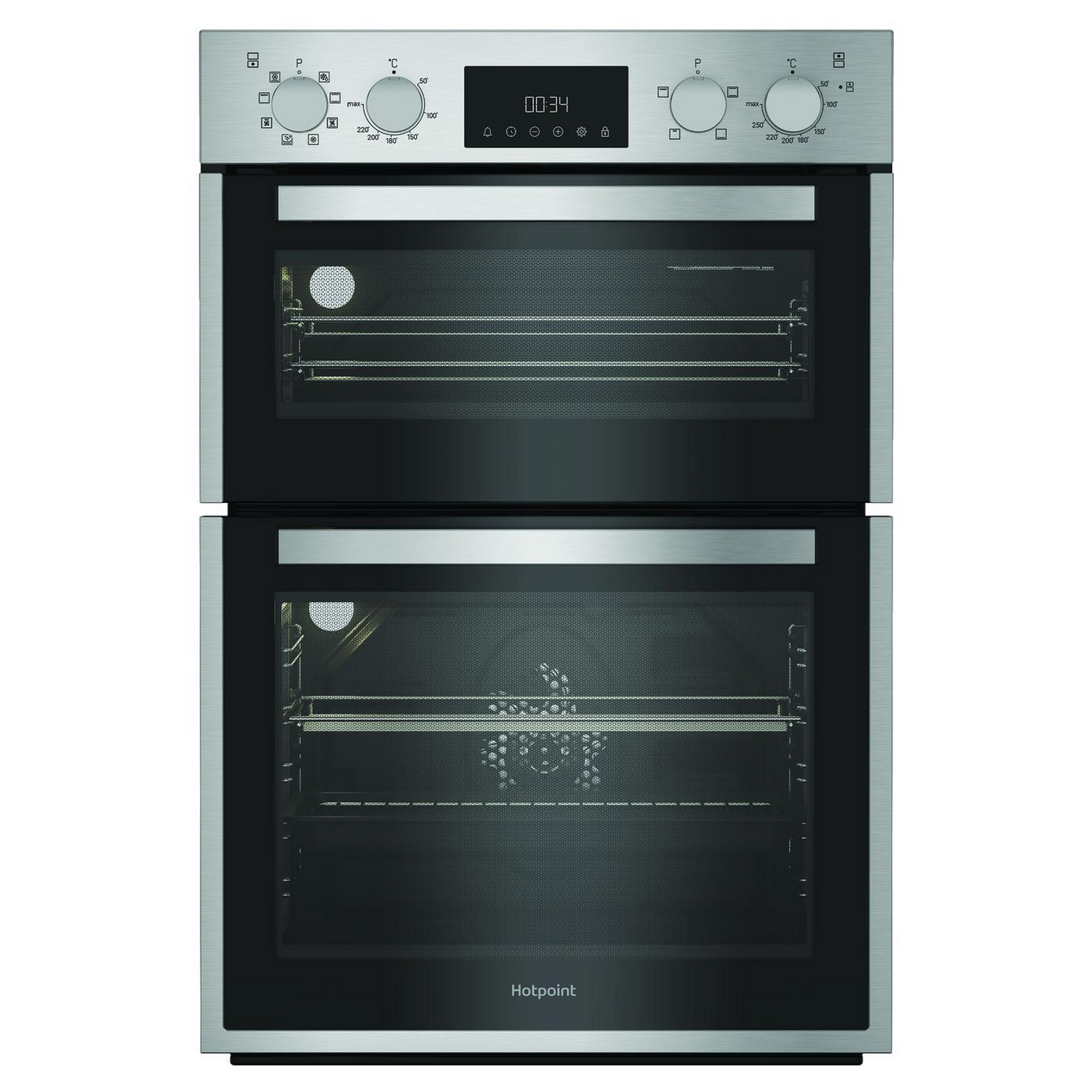
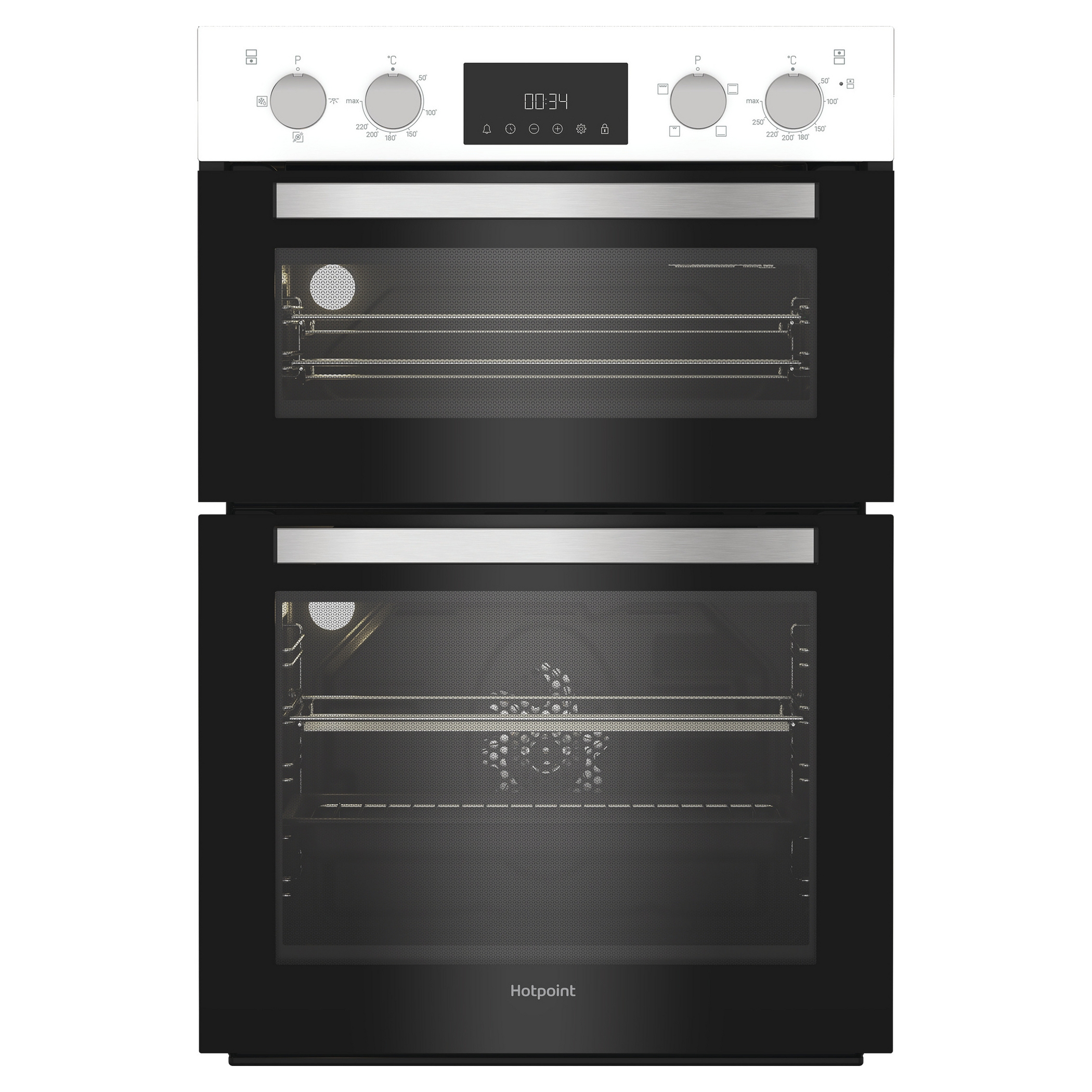
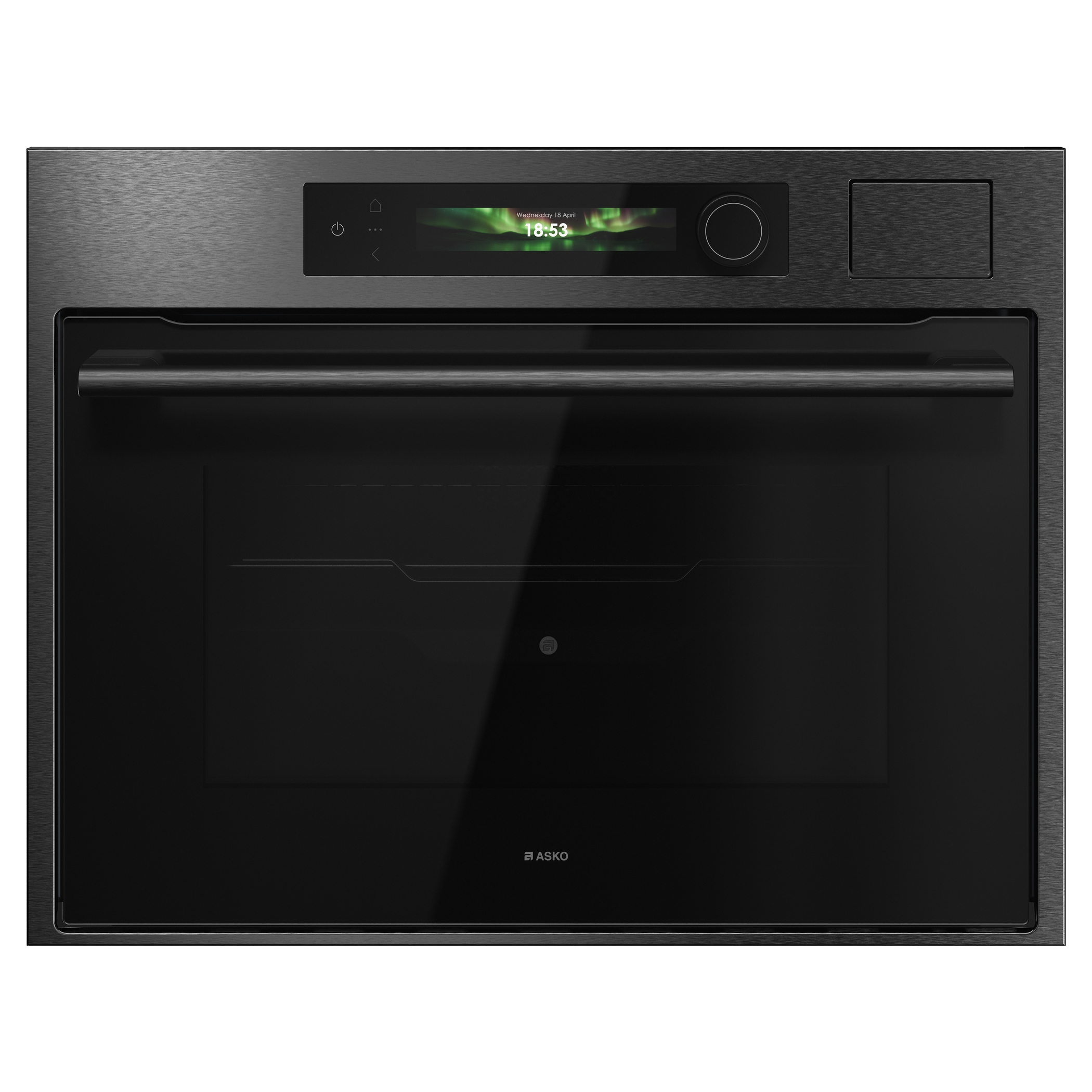

Asko Series 6 45cm Built-in Compact Oven with steam OCS64BSH - Black Steel
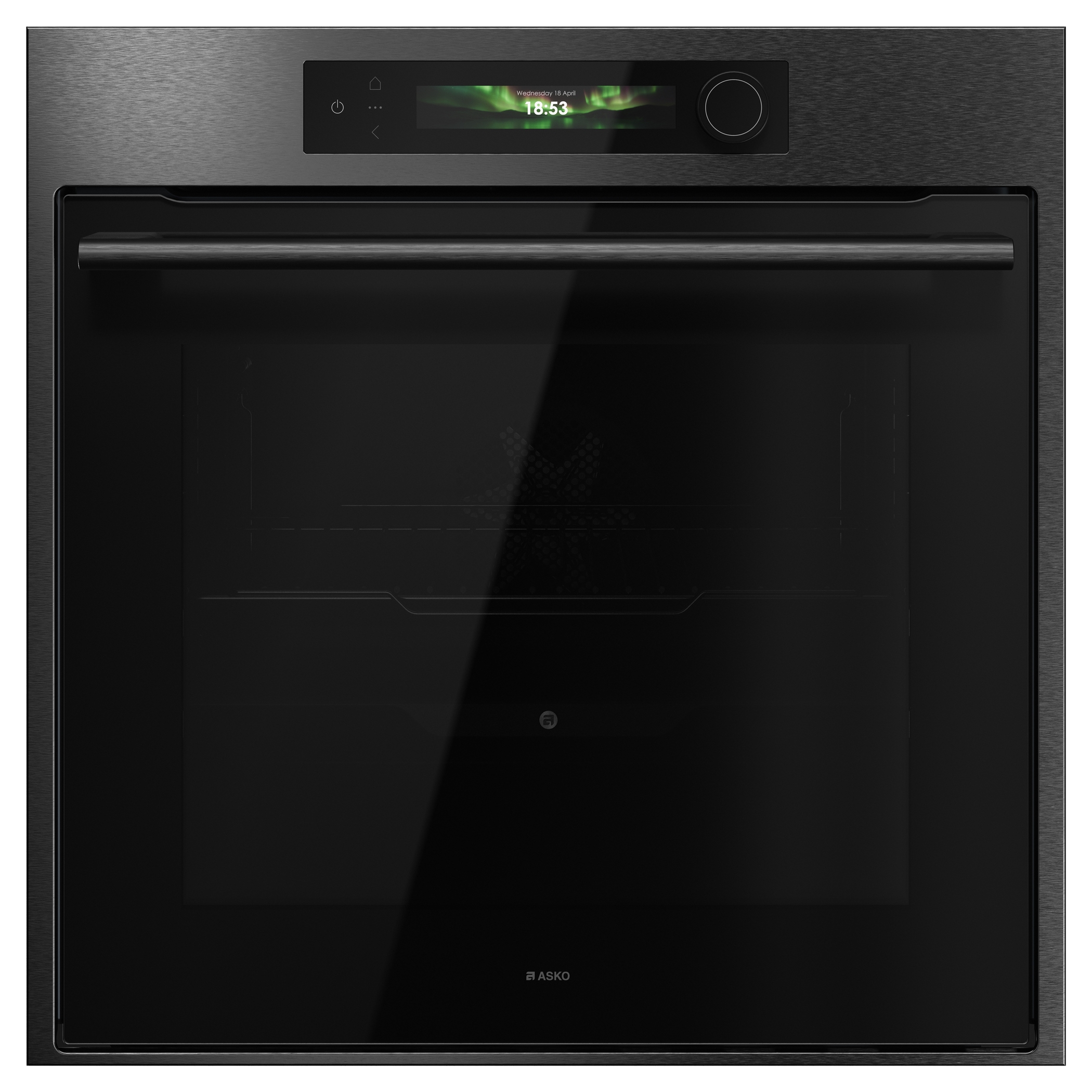
Asko Series 6 Pyrolytic Multifunction Single Oven OTP66BSH - Black Steel

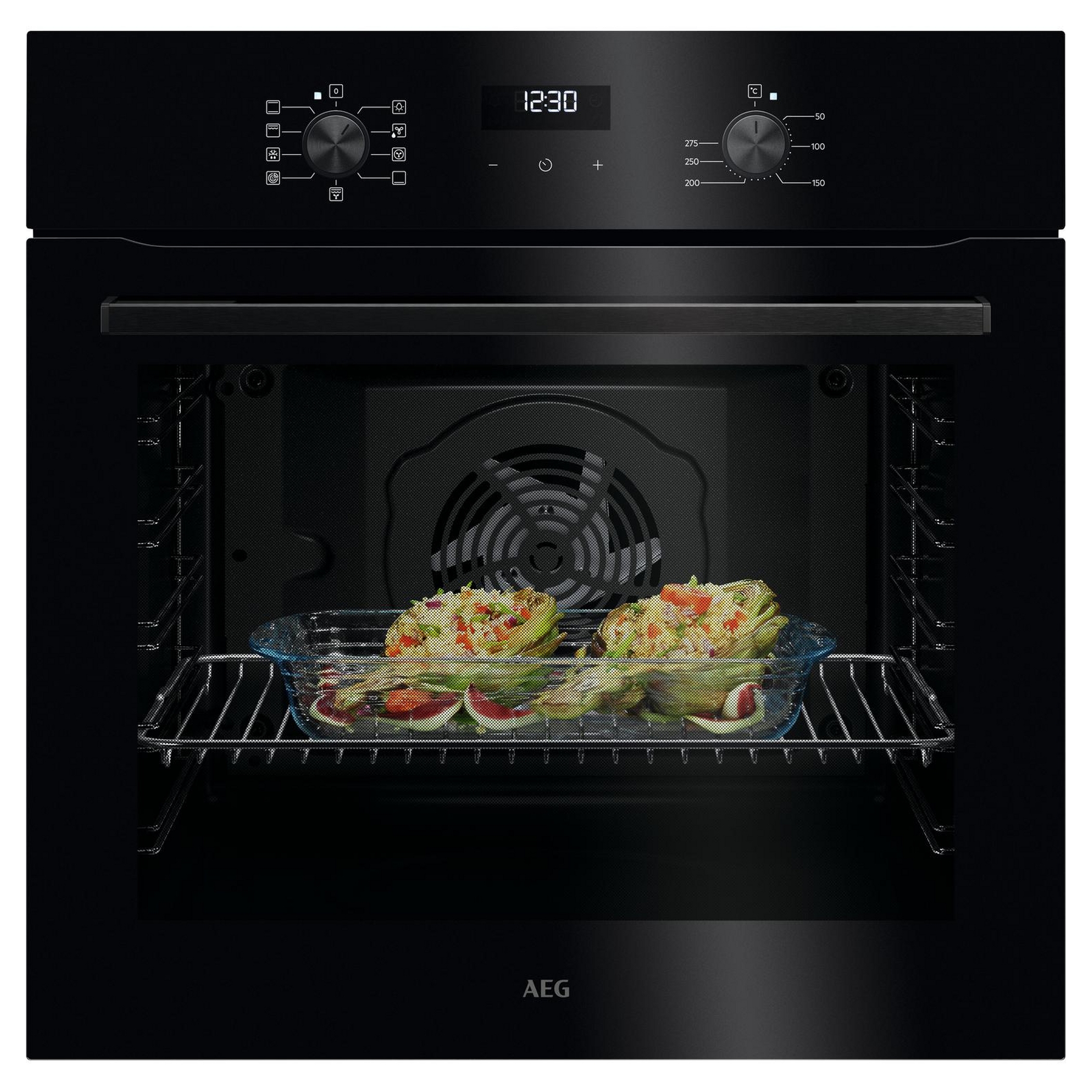

AEG Series 5000 60cm Built In Electric Single Oven OU5AB20XK - Black
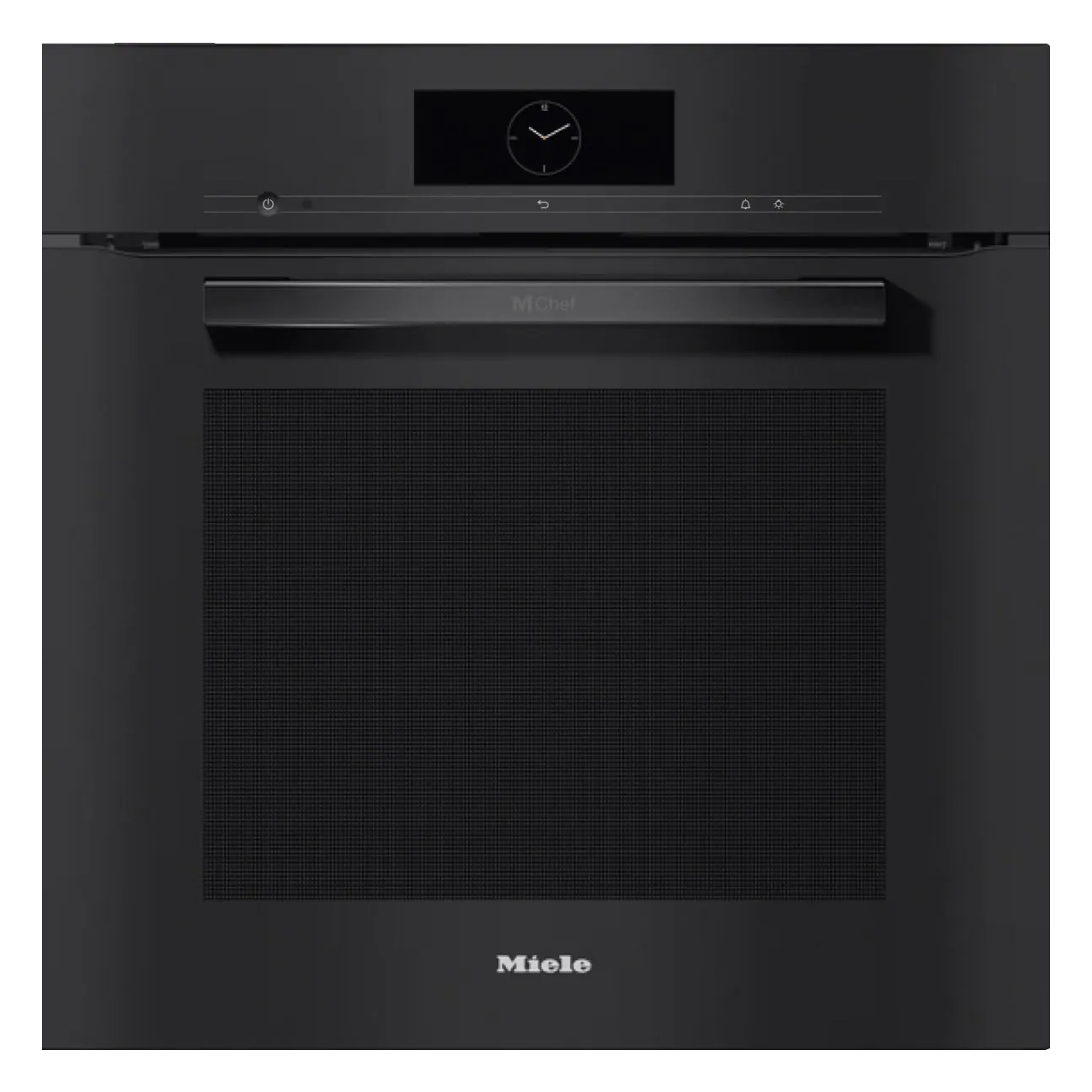

Miele VitroLine Dialog M-Touch Pyrolyitc Single Oven DO7860OBBL - BLACK

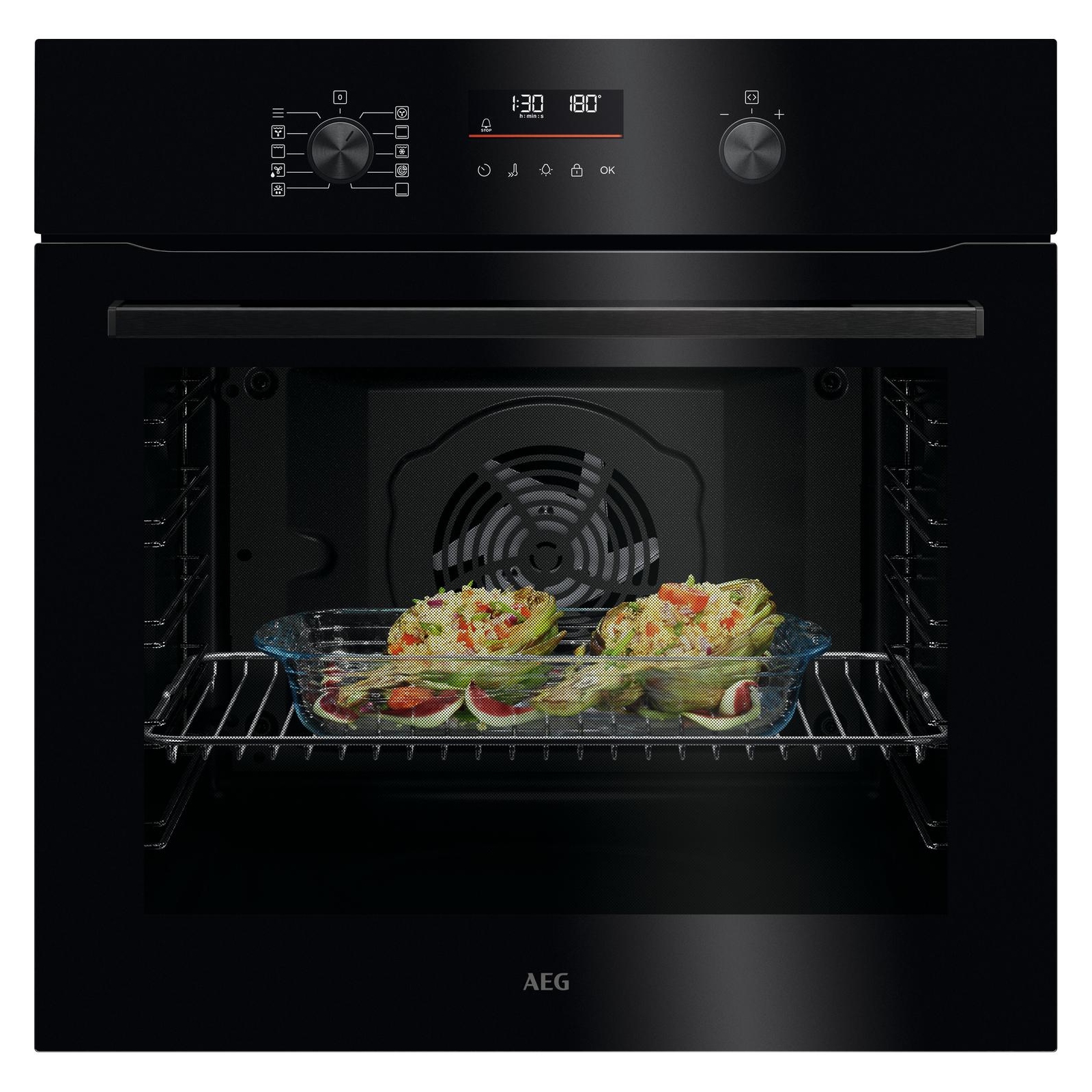
AEG 60cm Series 5000 SurroundCook Pyrolytic Built In Single Oven OU5PB40XK - Black
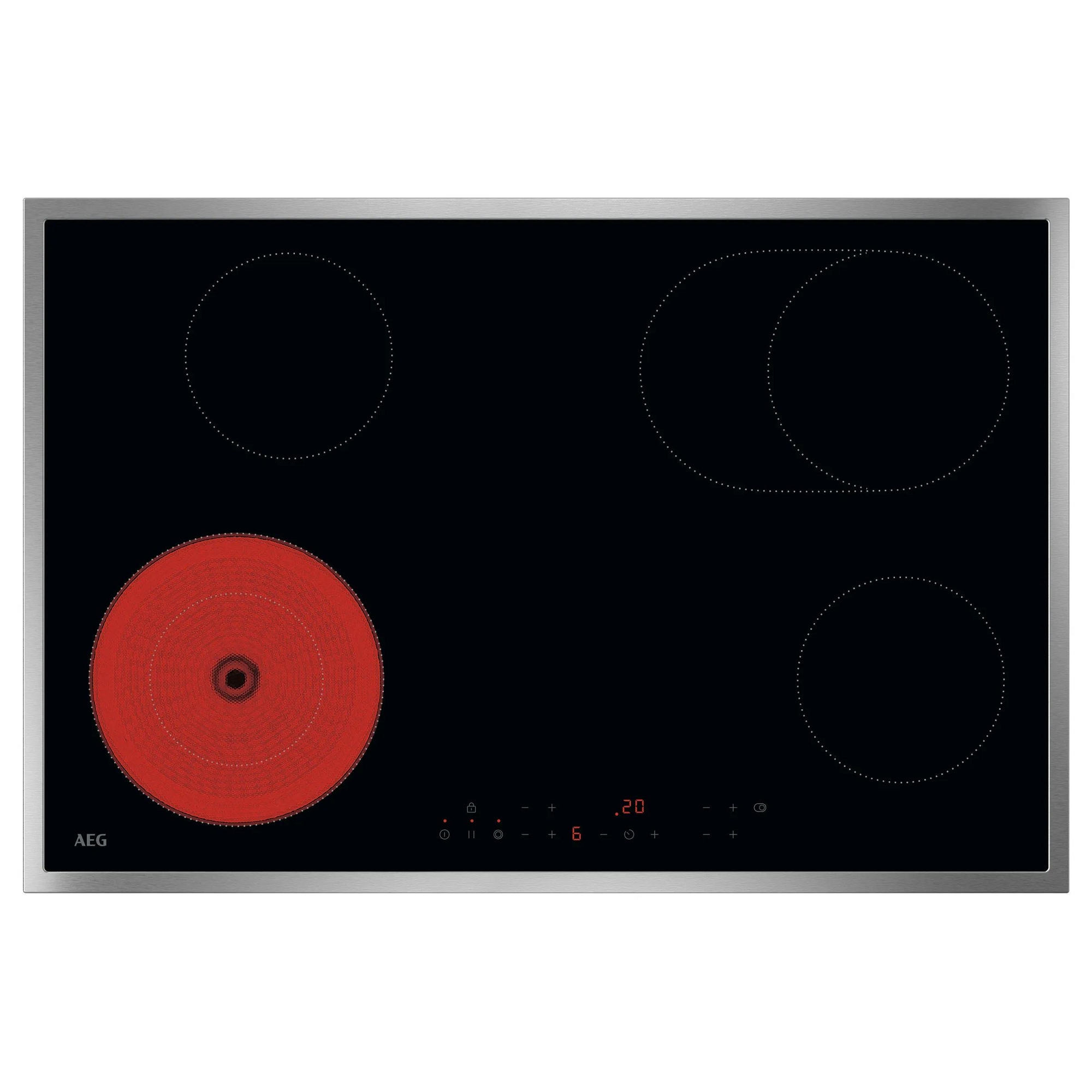
AEG 77cm Series 3000 4 Zone Ceramic Hob NRN84A06XB - Stainless Steel
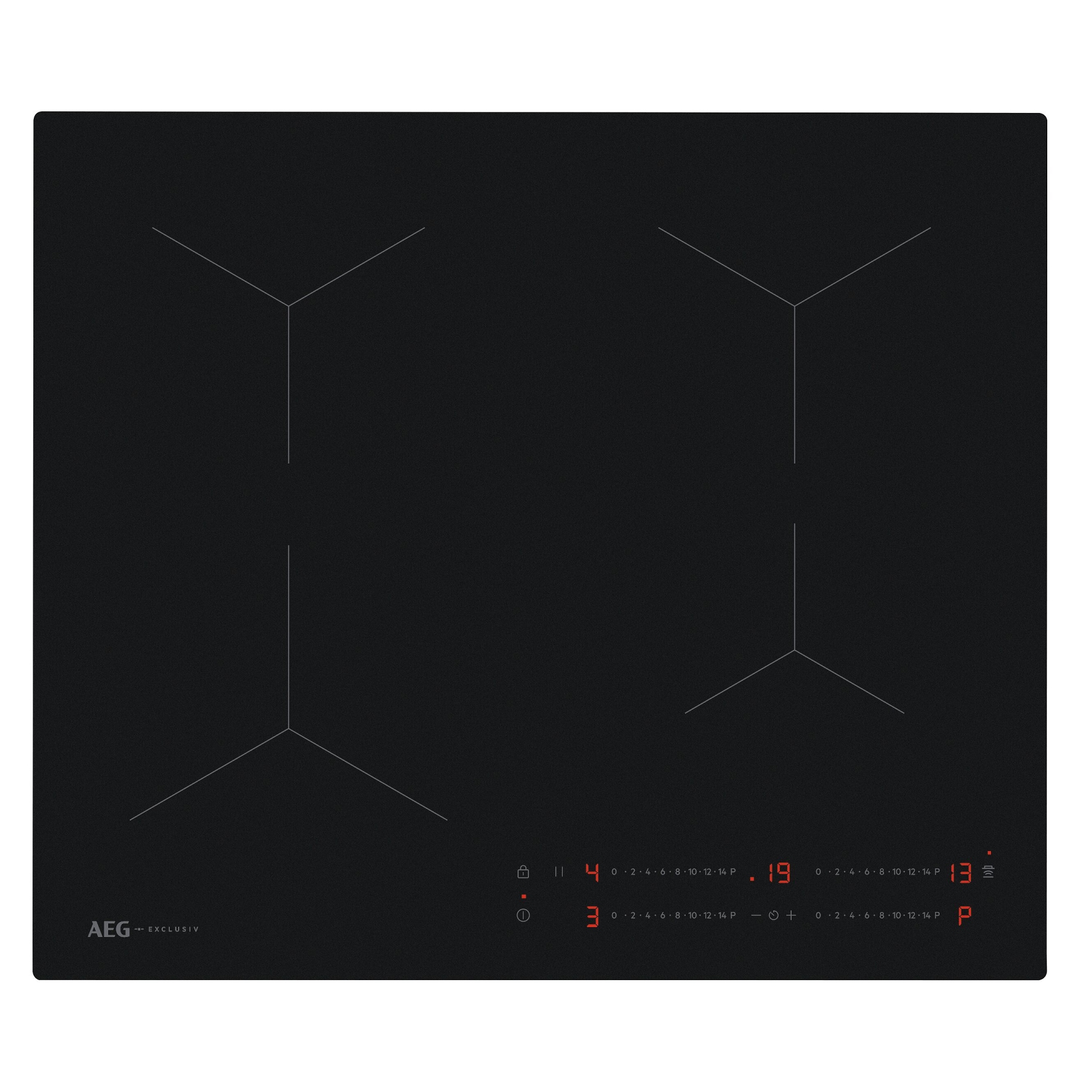
AEG 58cm Exclusiv Series 5000 Frameless 4 Zone Induction Hob SO64IA0BIT - Matte Black
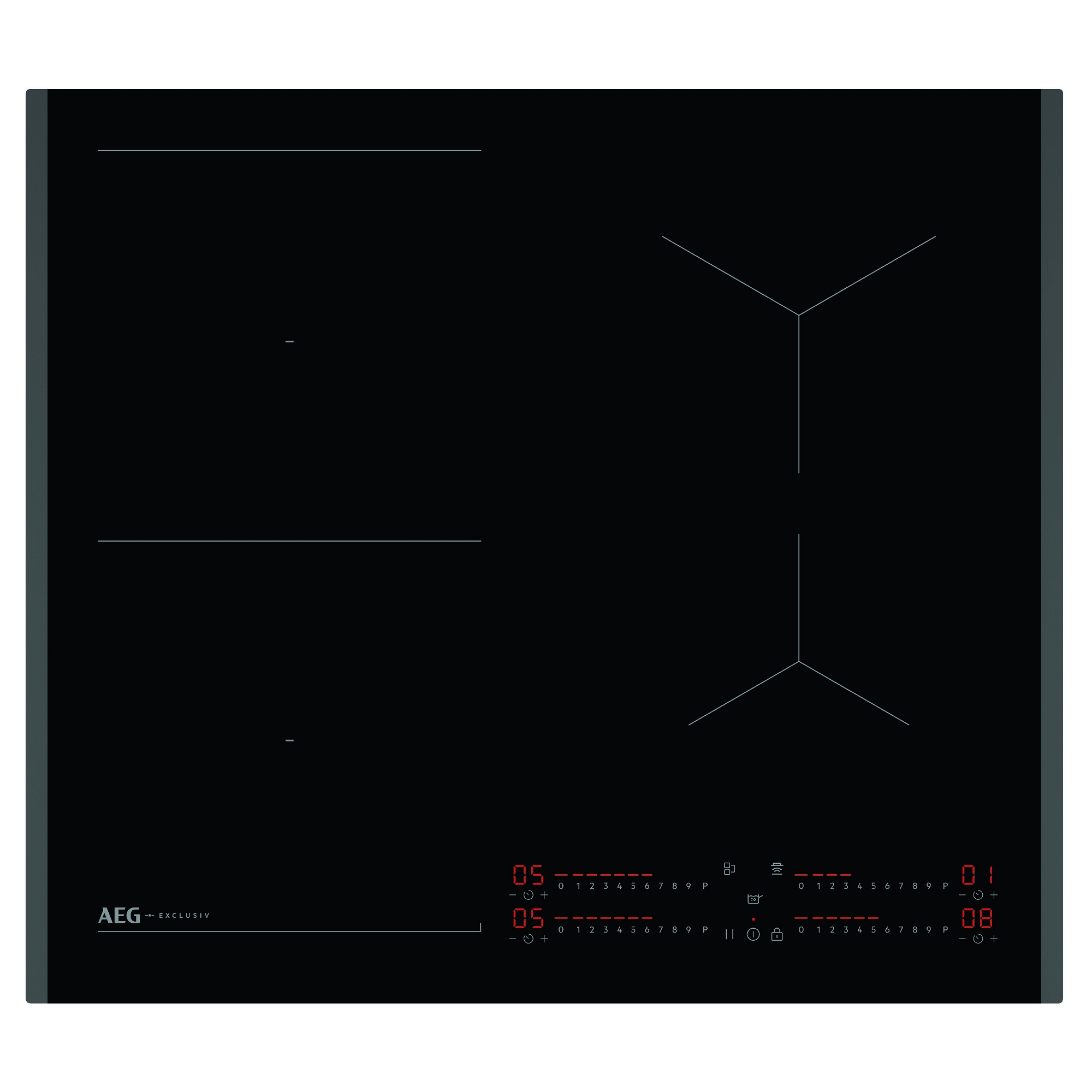
AEG 59cm Exclusiv Series 7000 Bevelled Edge 4 Zone Induction Hob SI64IB1BFB - Black
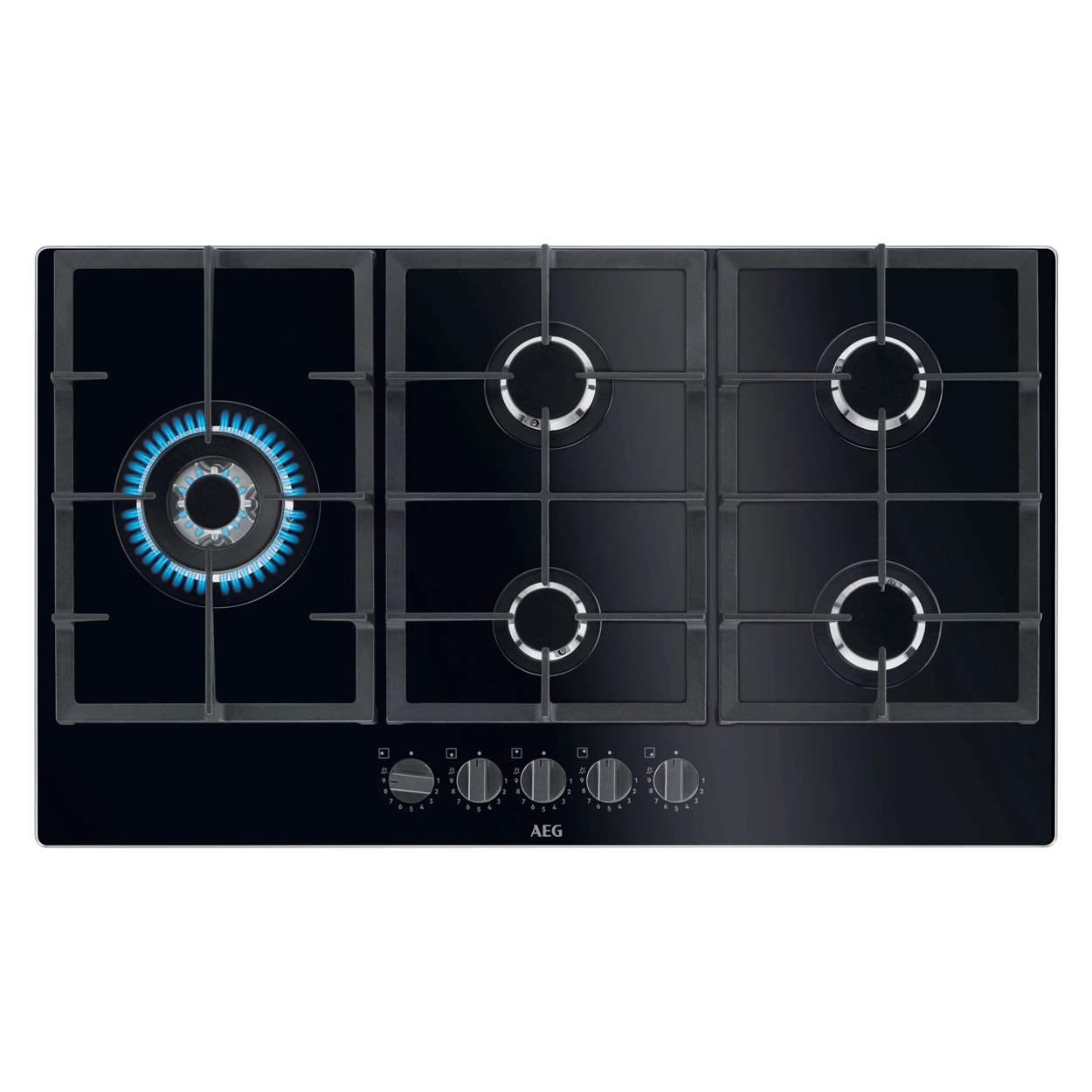
AEG 86cm Series 6000 5 Burner Gas On Glass Hob HKB95820NB - Black
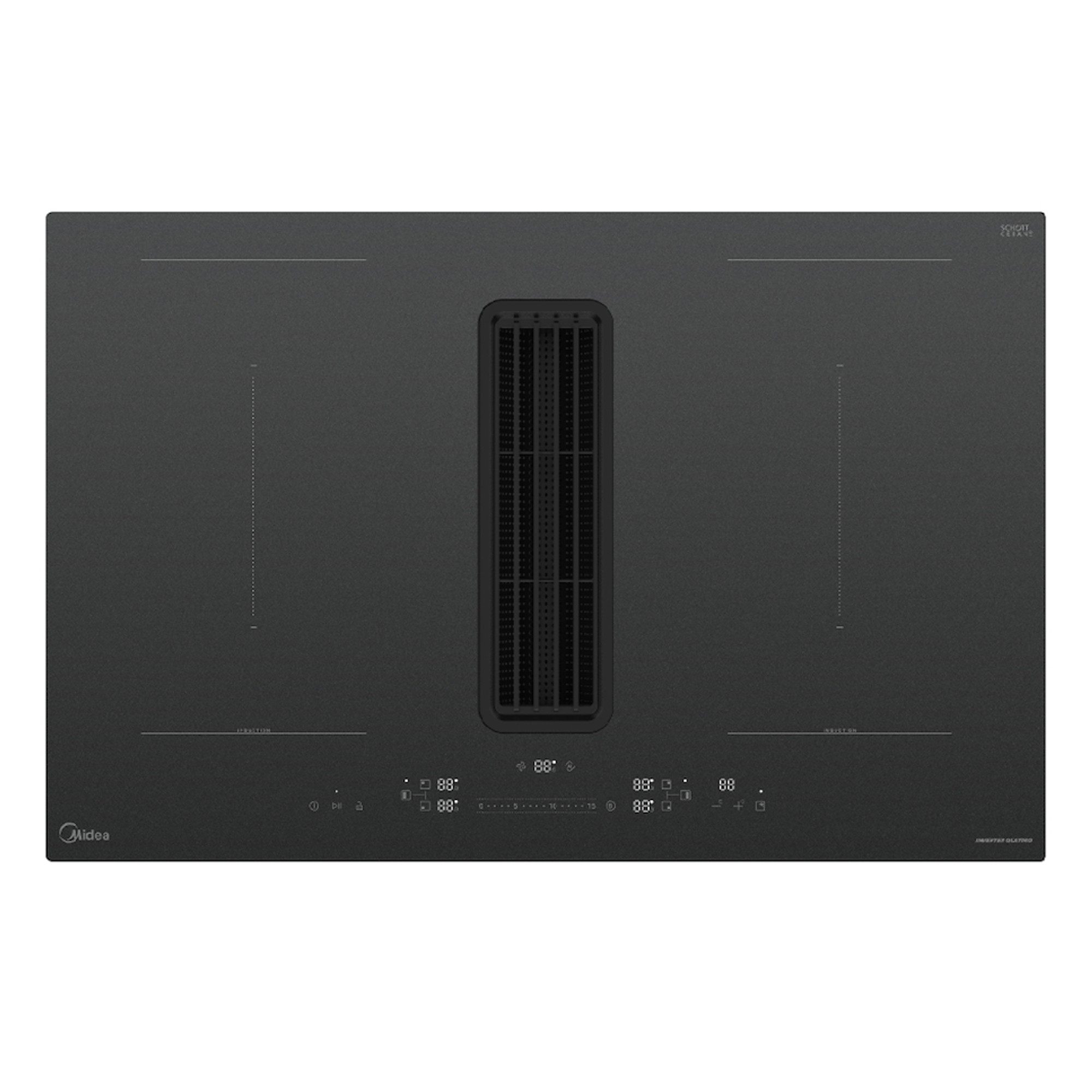

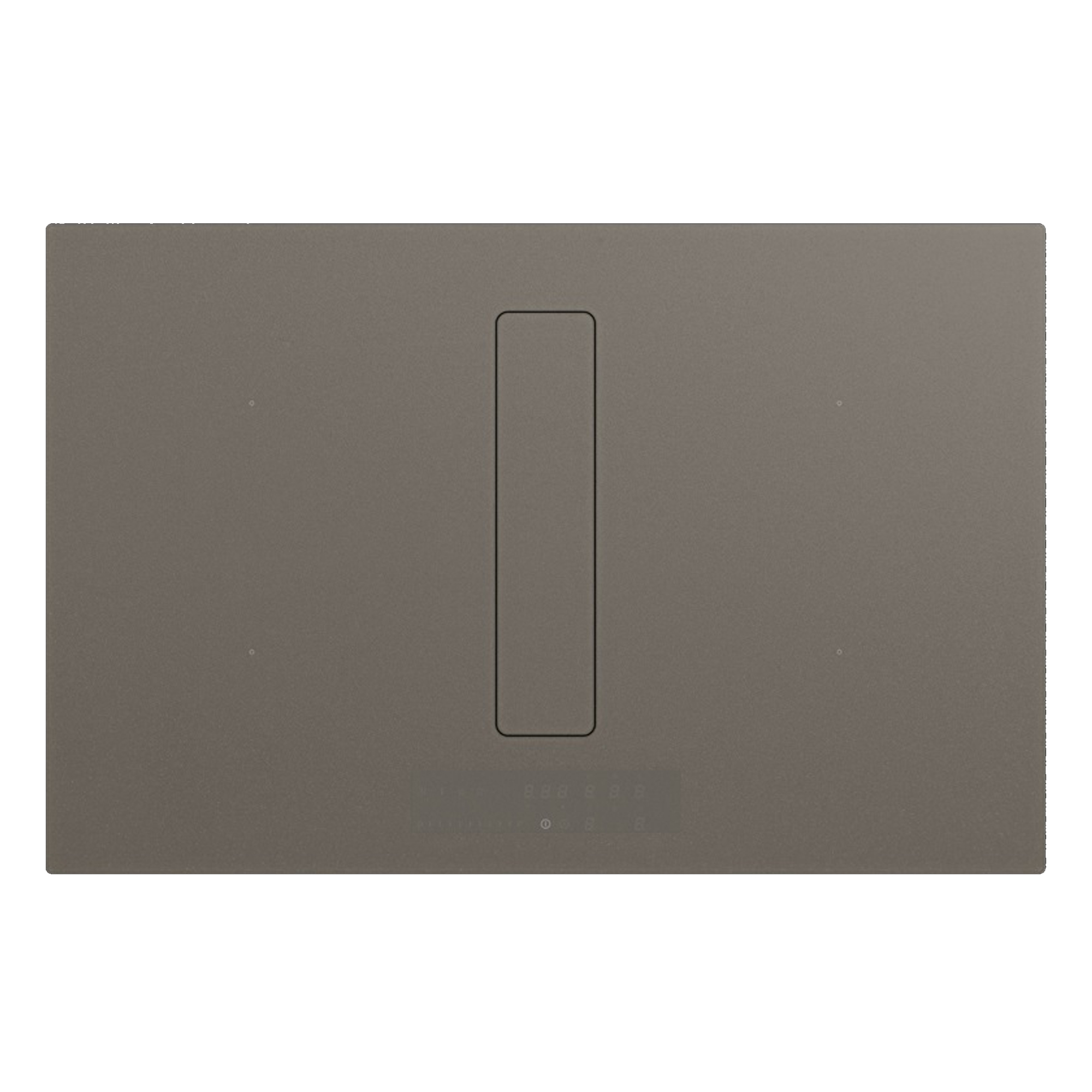

AEG 77cm Series 3000 4 Zone Ceramic Hob NRN84A06XB - Stainless Steel
AEG 58cm Exclusiv Series 5000 Frameless 4 Zone Induction Hob SO64IA0BIT - Matte Black
AEG 59cm Exclusiv Series 7000 Bevelled Edge 4 Zone Induction Hob SI64IB1BFB - Black
AEG 86cm Series 6000 5 Burner Gas On Glass Hob HKB95820NB - Black
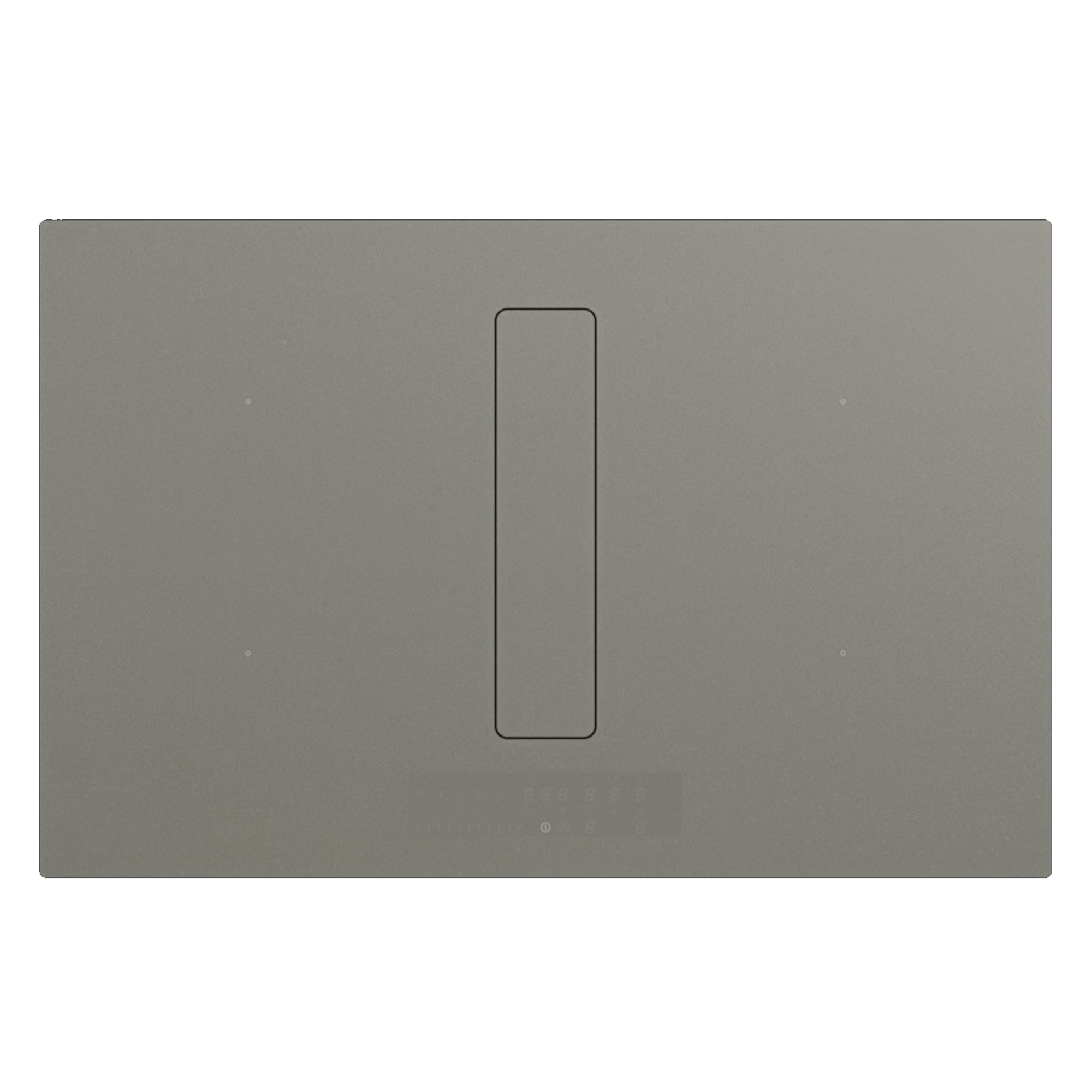
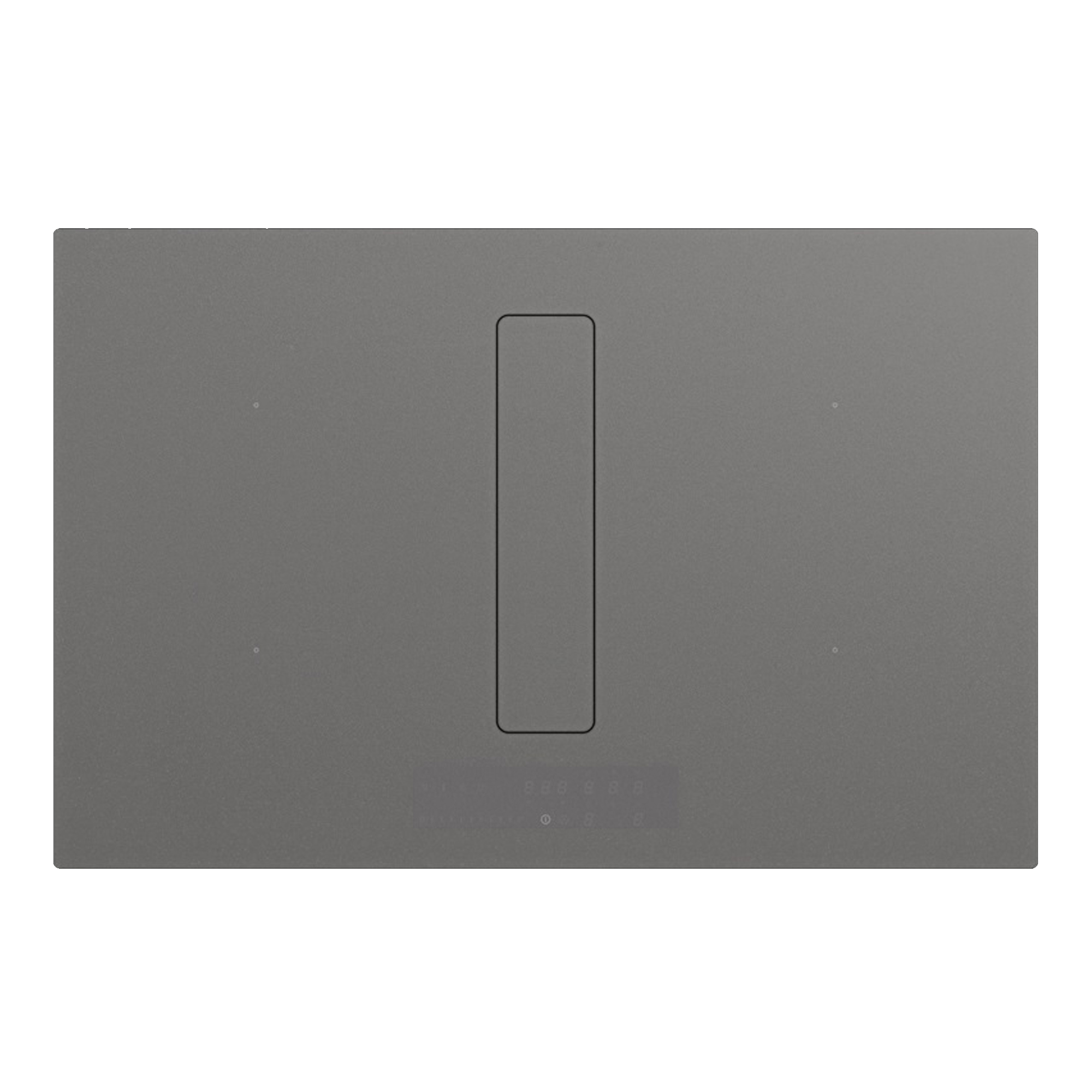
Asko Series 6 Pyrolytic Multifunction Single Oven OTP66BSH - Black Steel
AEG Series 5000 60cm Built In Electric Single Oven OU5AB20XK - Black
Asko Series 6 Pyrolytic Multifunction Single Oven OTP66BSH - Black Steel
AEG Series 5000 60cm Built In Electric Single Oven OU5AB20XK - Black
Miele VitroLine Dialog M-Touch Pyrolyitc Single Oven DO7860OBBL - BLACK
AEG 60cm Series 5000 SurroundCook Pyrolytic Built In Single Oven OU5PB40XK - Black
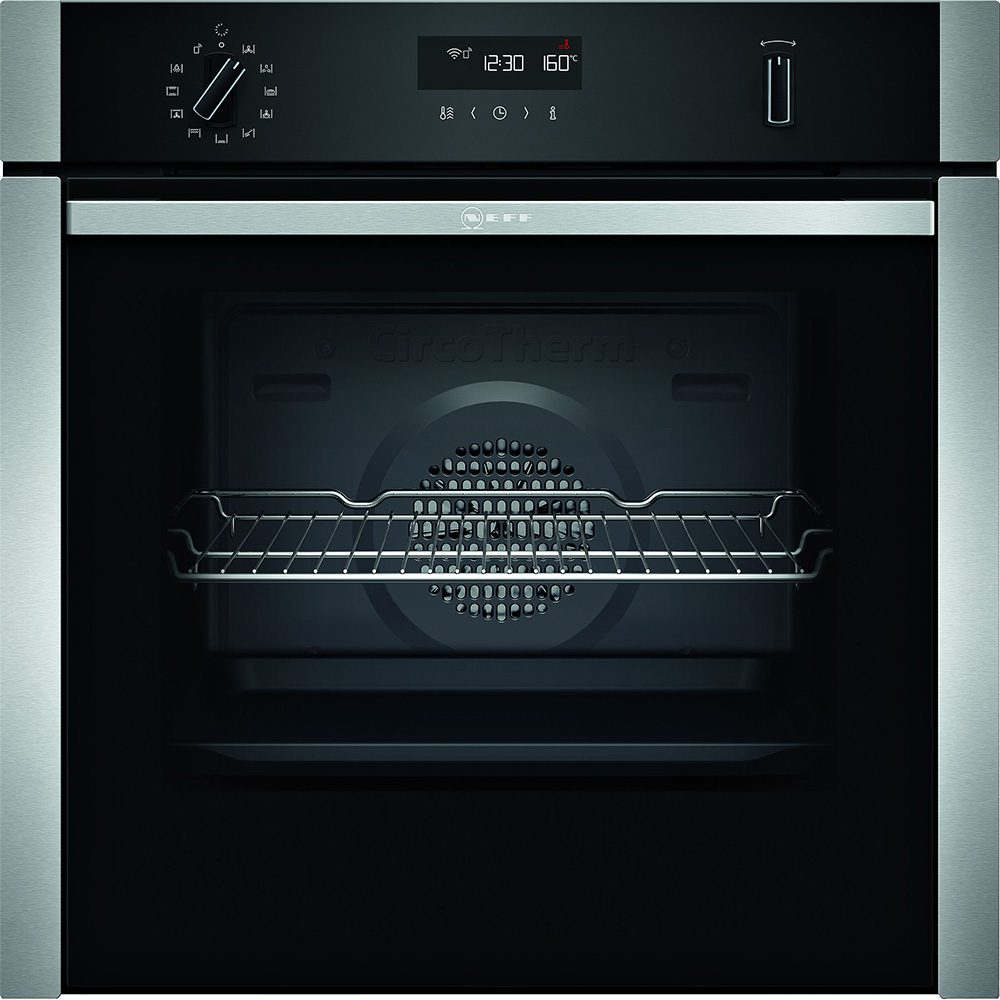

Neff N50 Slide + Hide Pyrolytic Single Oven B6ACH7HH0B - Stainless Steel
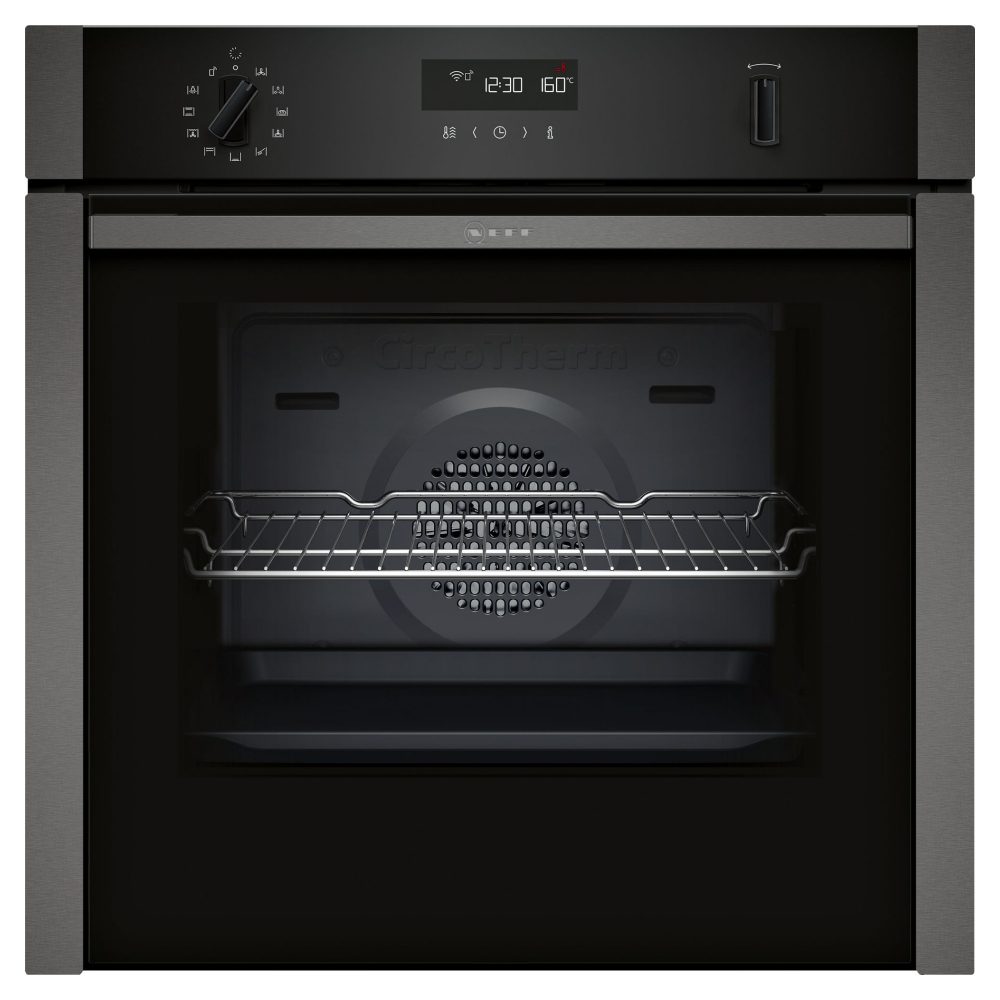
Neff N50 Slide + Hide Pyrolytic Single Oven B6ACH7HG0B - Graphite
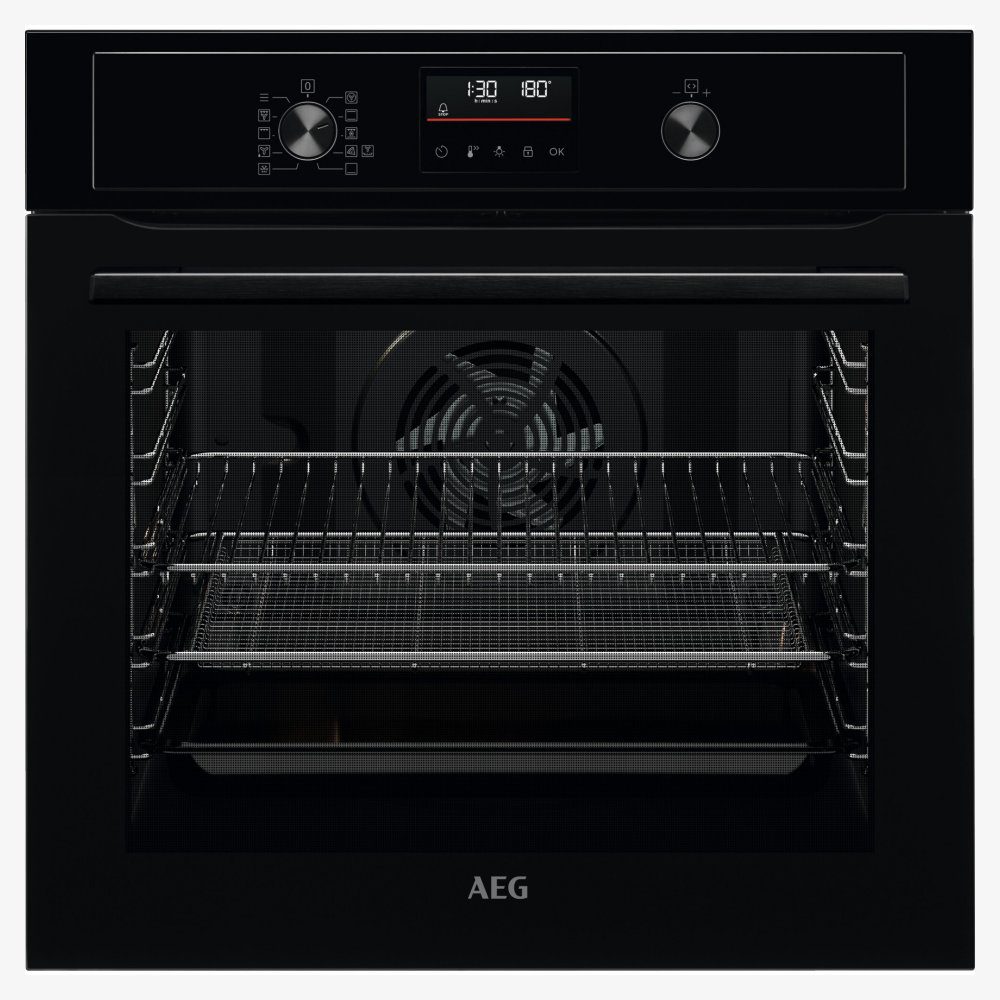
AEG Series 3000 Multifunction Single Oven BEX535A61B - BLACK

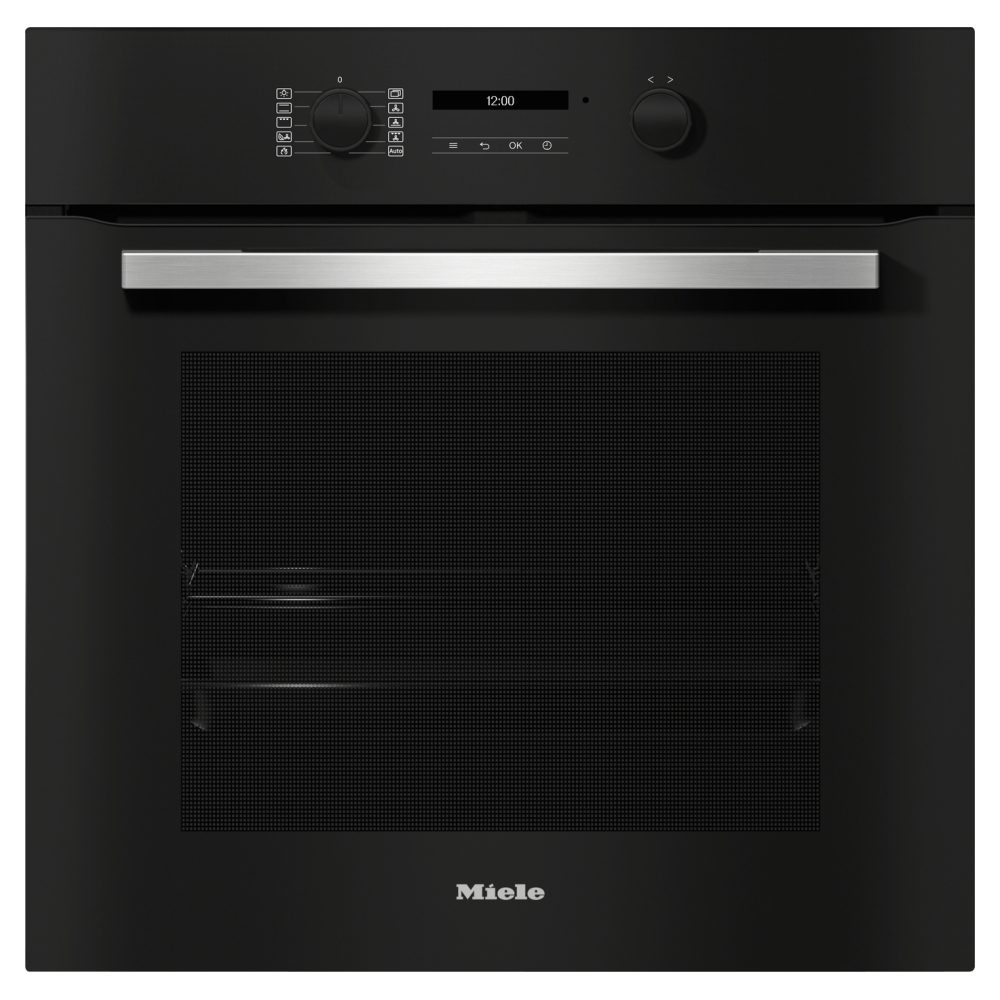
Miele Discovery Built In Pyrolytic Single Oven H2766-1BP - Black
AEG 77cm Series 3000 4 Zone Ceramic Hob NRN84A06XB - Stainless Steel
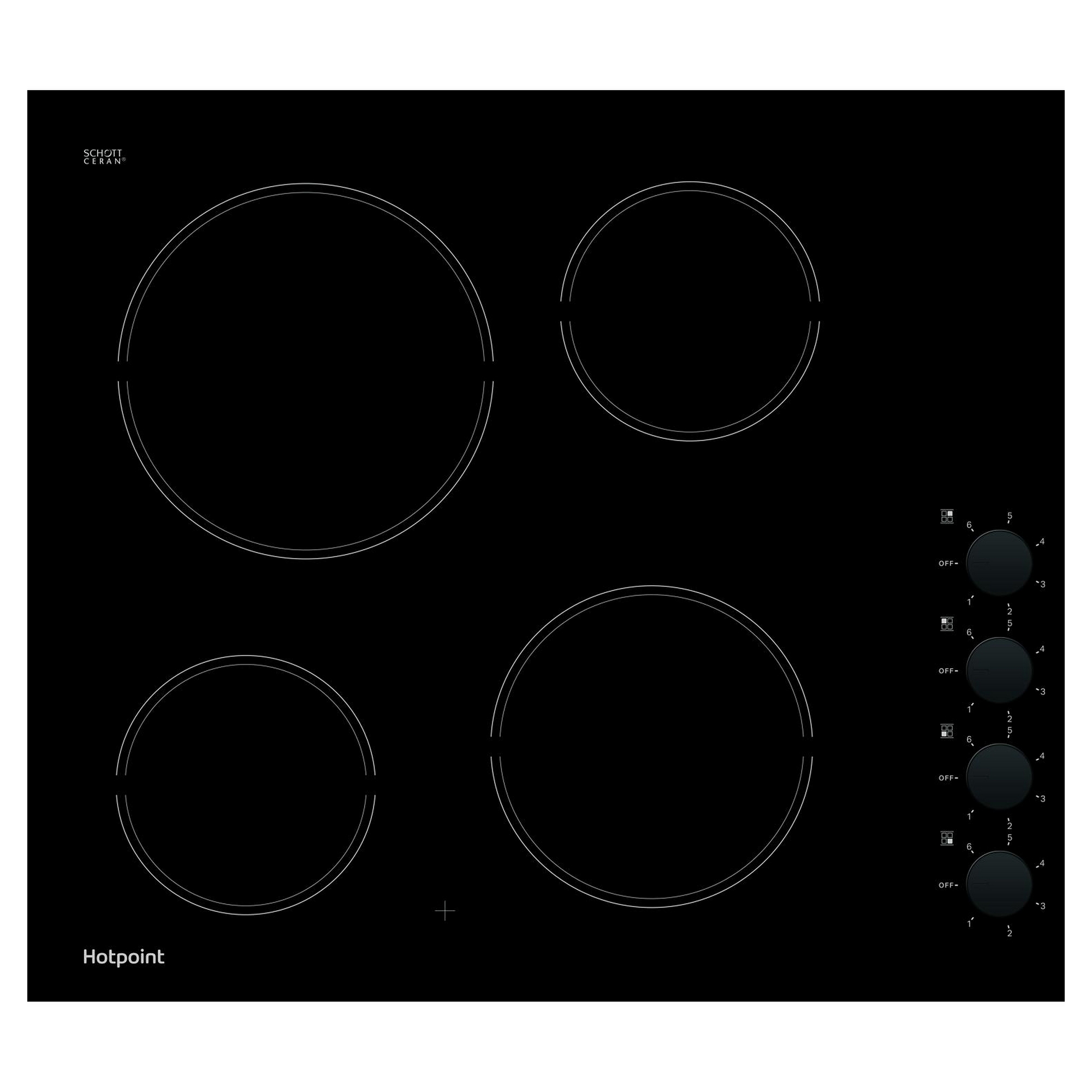
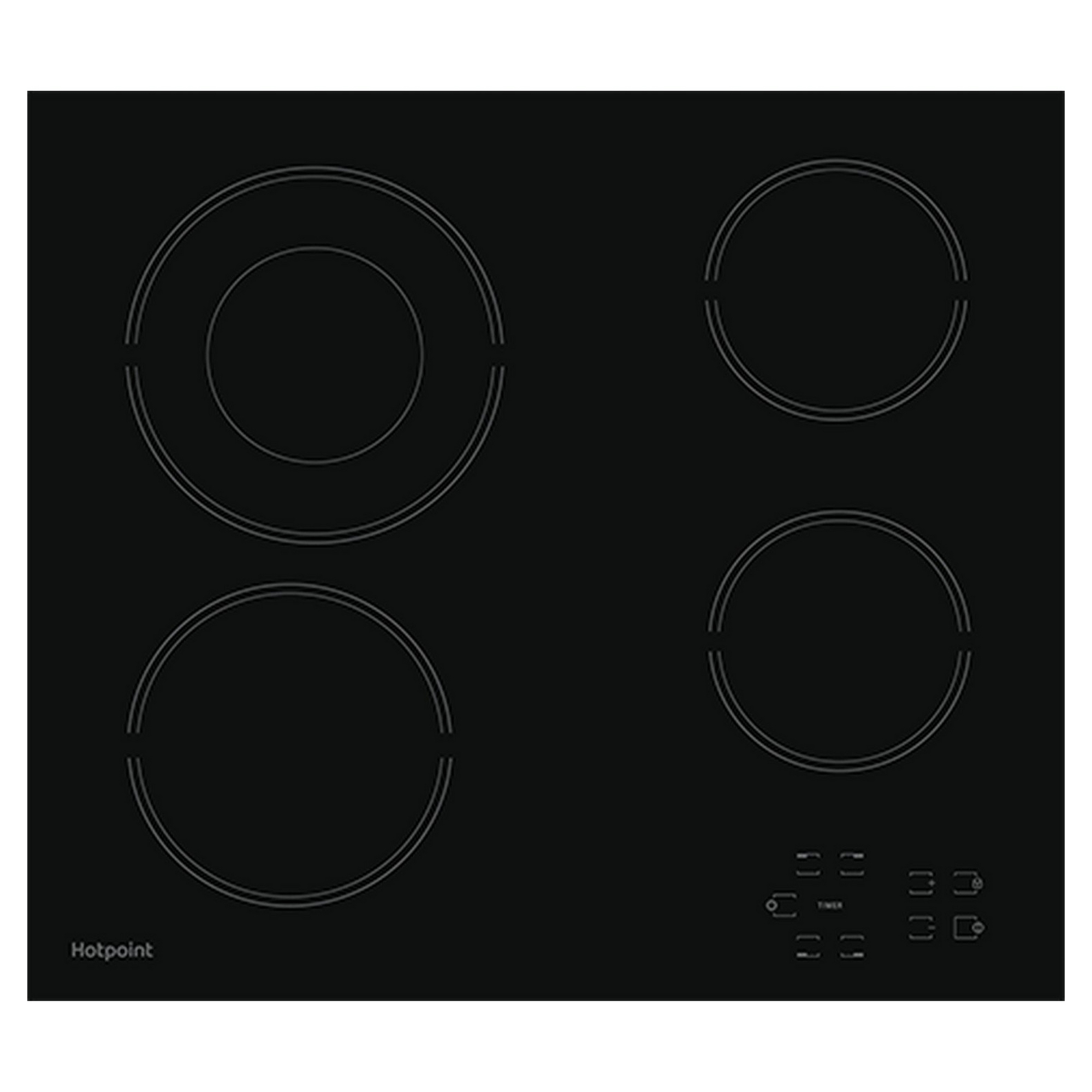
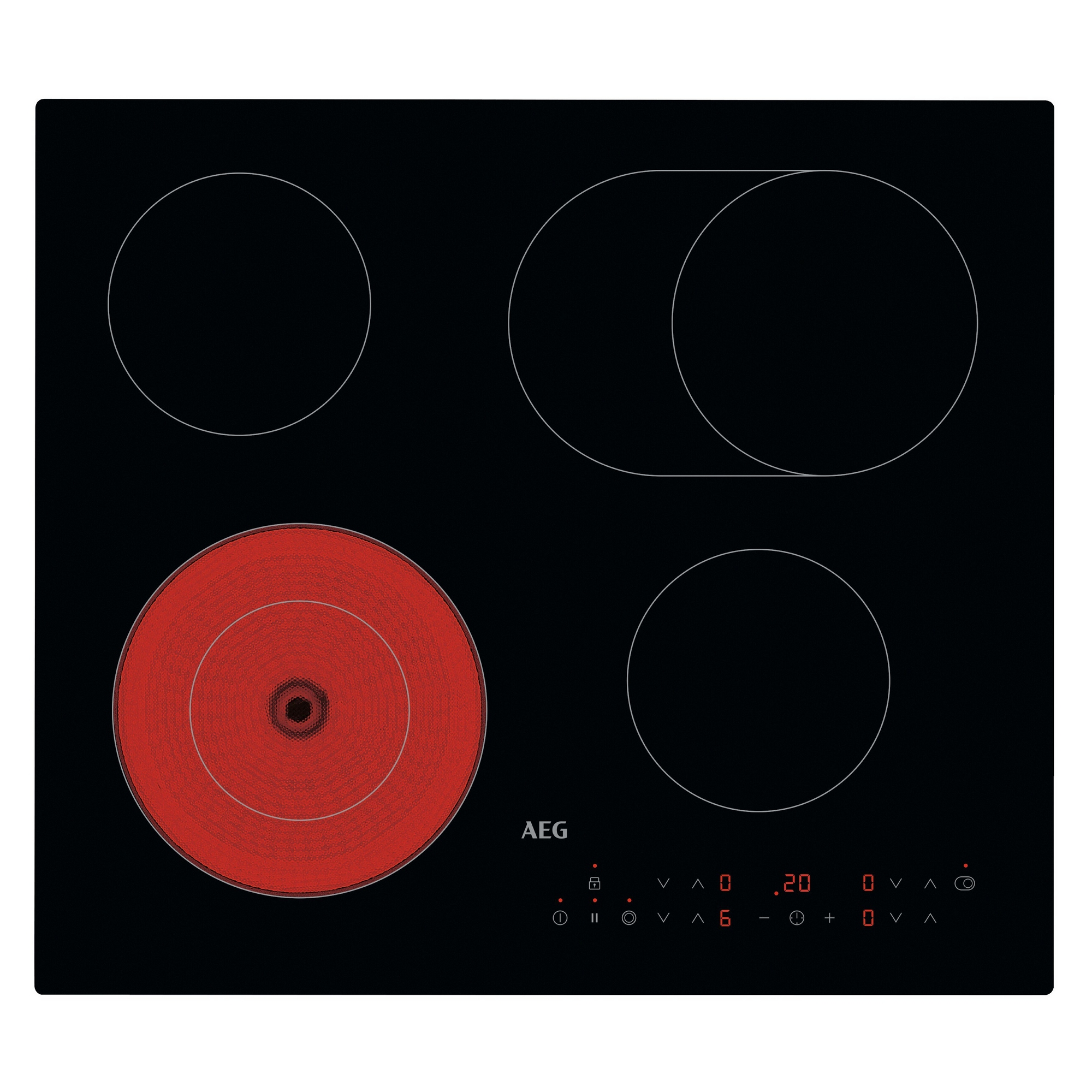
AEG 59cm 4 Zone Ceramic Hob HRX64360CB - Black
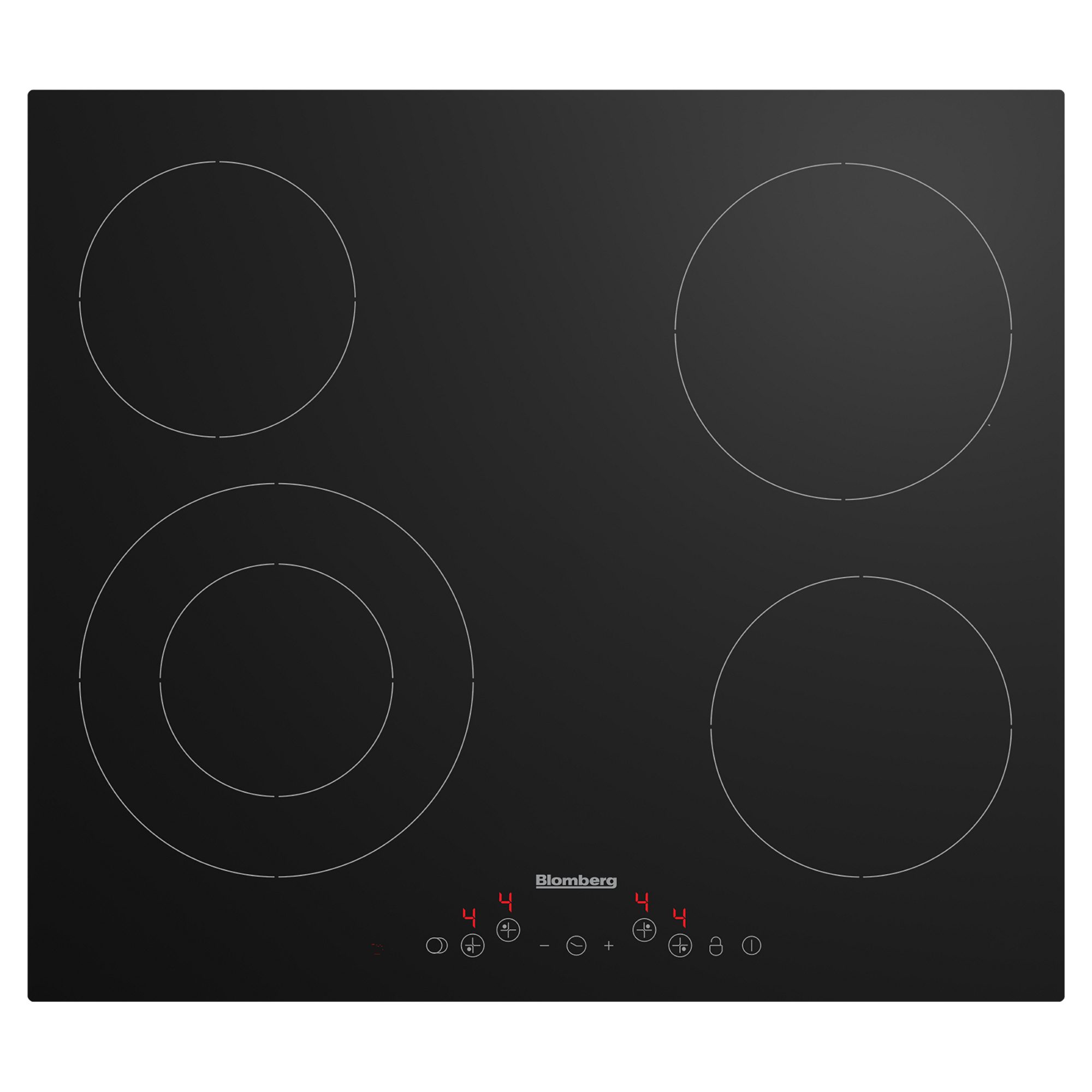

AEG 77cm Series 3000 4 Zone Ceramic Hob NRN84A06XB - Stainless Steel
AEG 59cm 4 Zone Ceramic Hob HRX64360CB - Black

AEG 91cm Series 3000 5 Zone Bevelled Ceramic Hob TP95RA07FB - Black

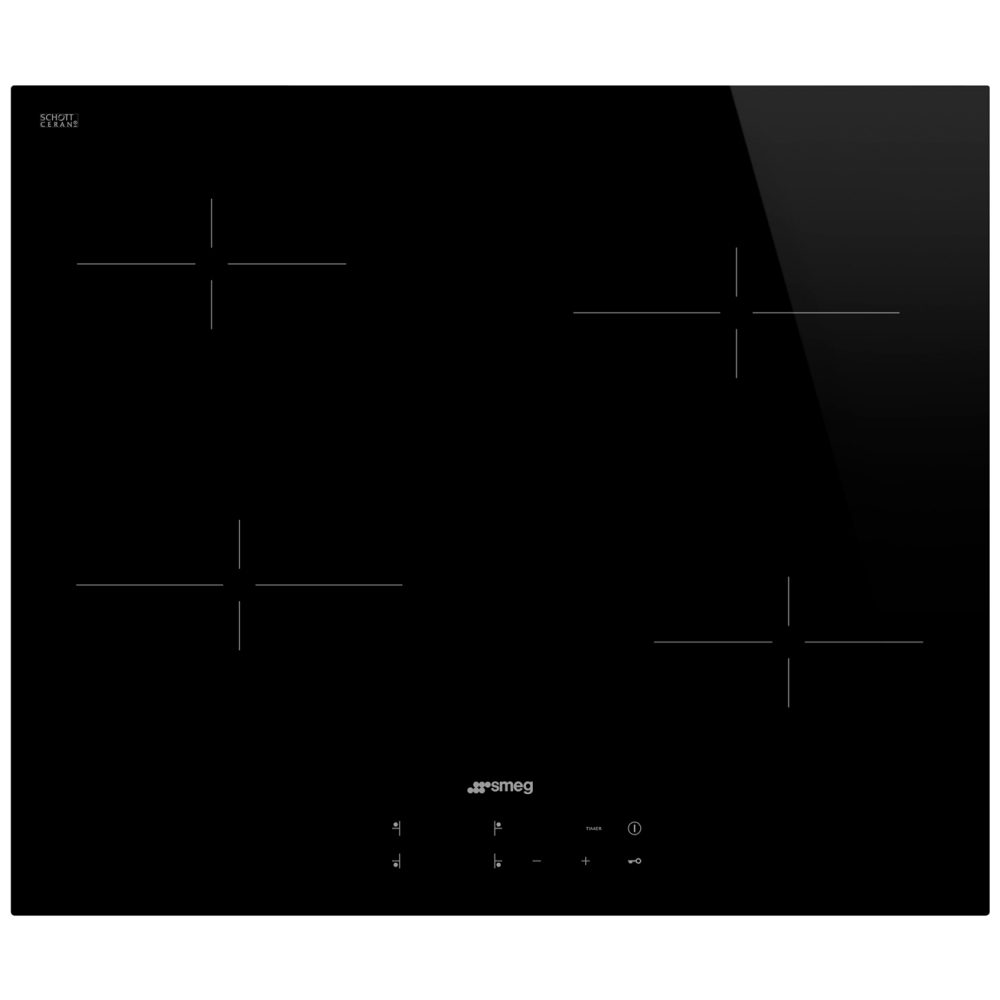

AEG 58cm Exclusiv Series 5000 Frameless 4 Zone Induction Hob SO64IA0BIT - Matte Black
AEG 59cm Exclusiv Series 7000 Bevelled Edge 4 Zone Induction Hob SI64IB1BFB - Black
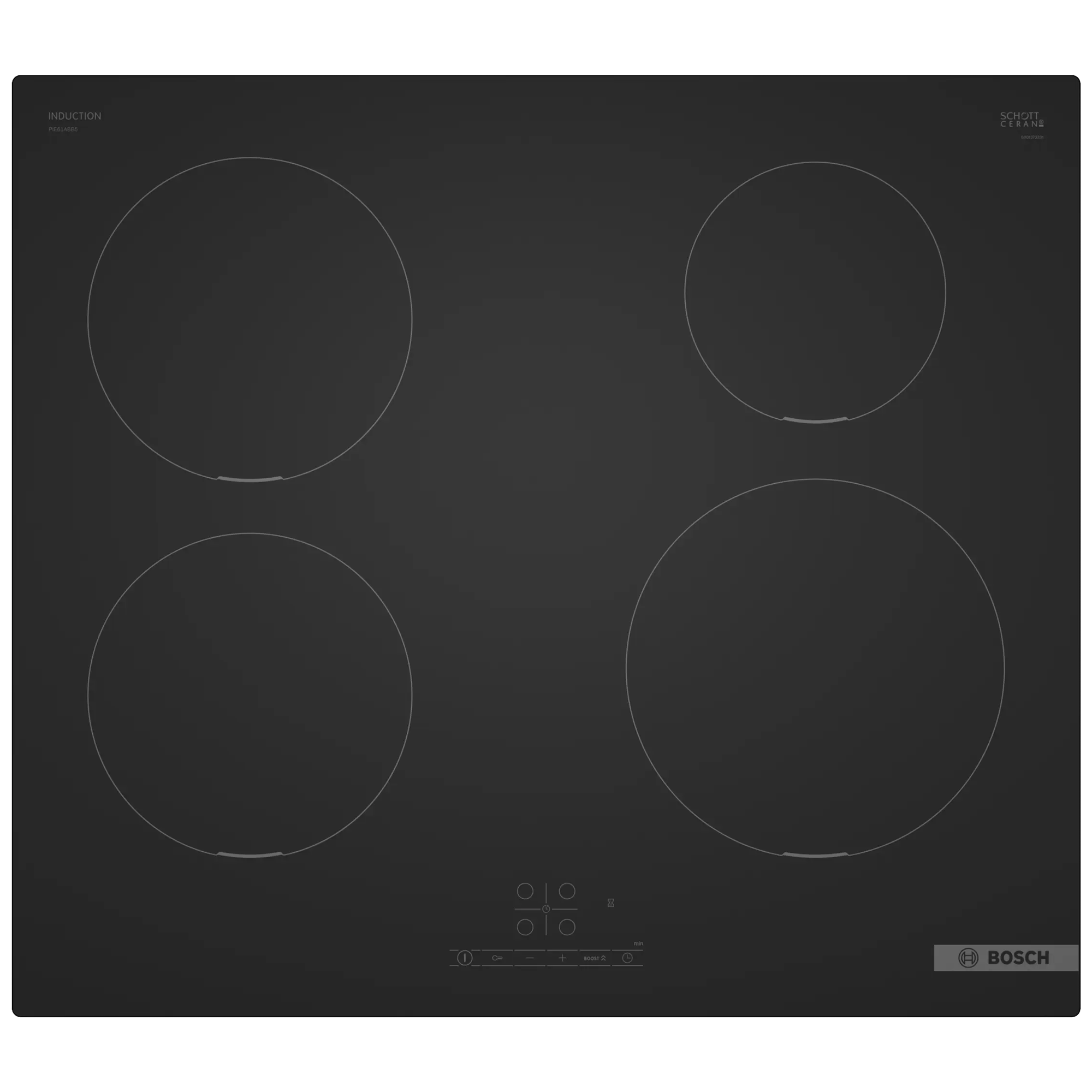
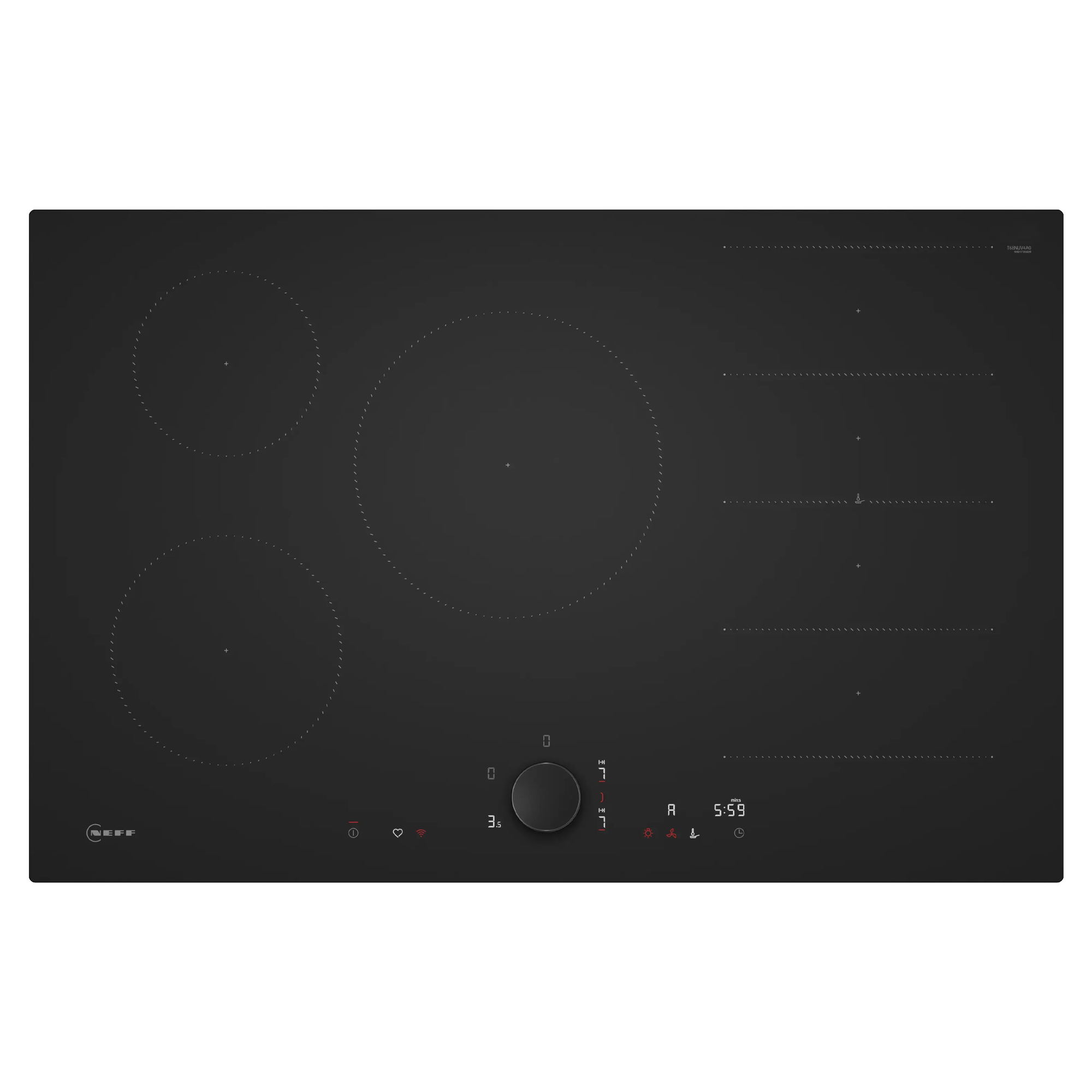
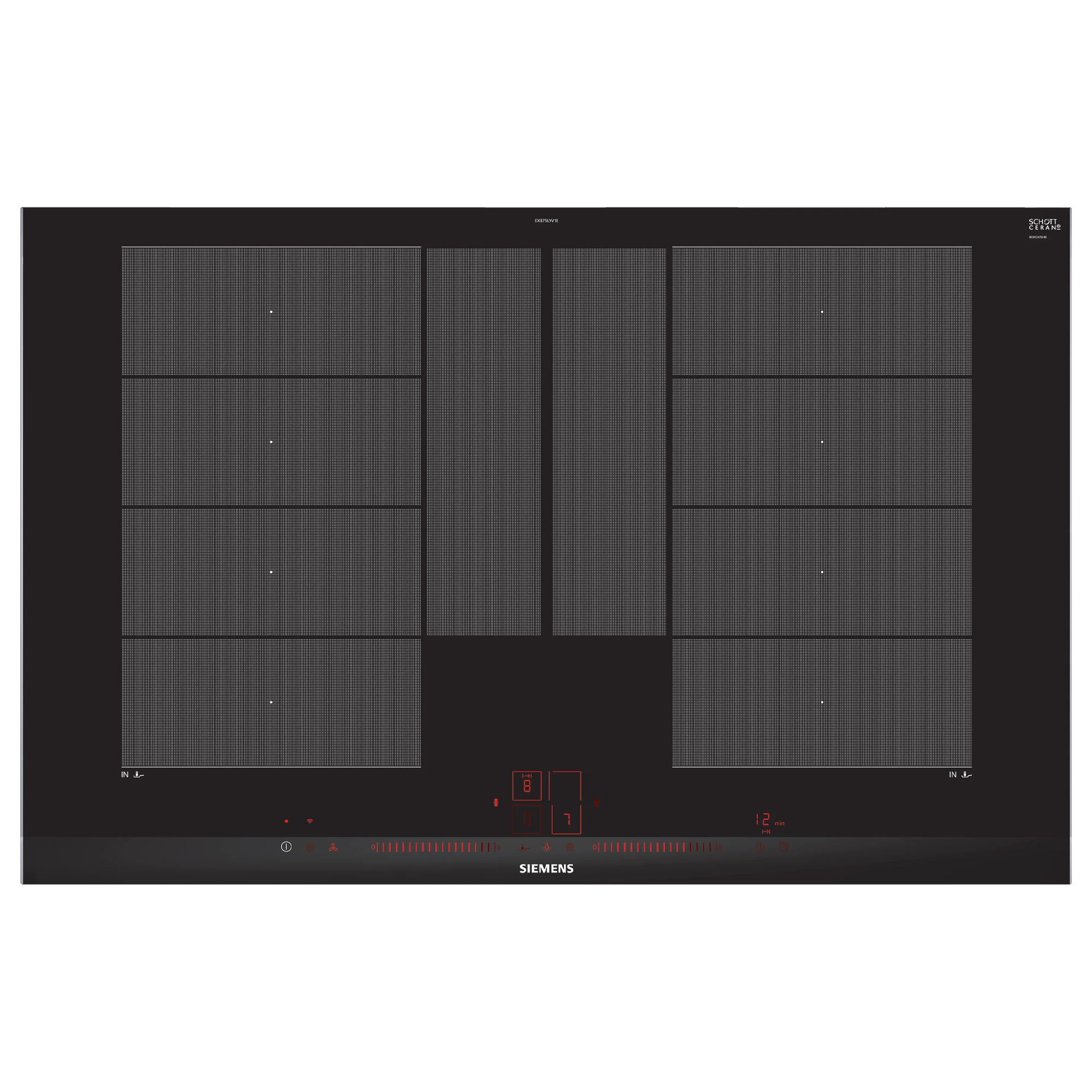

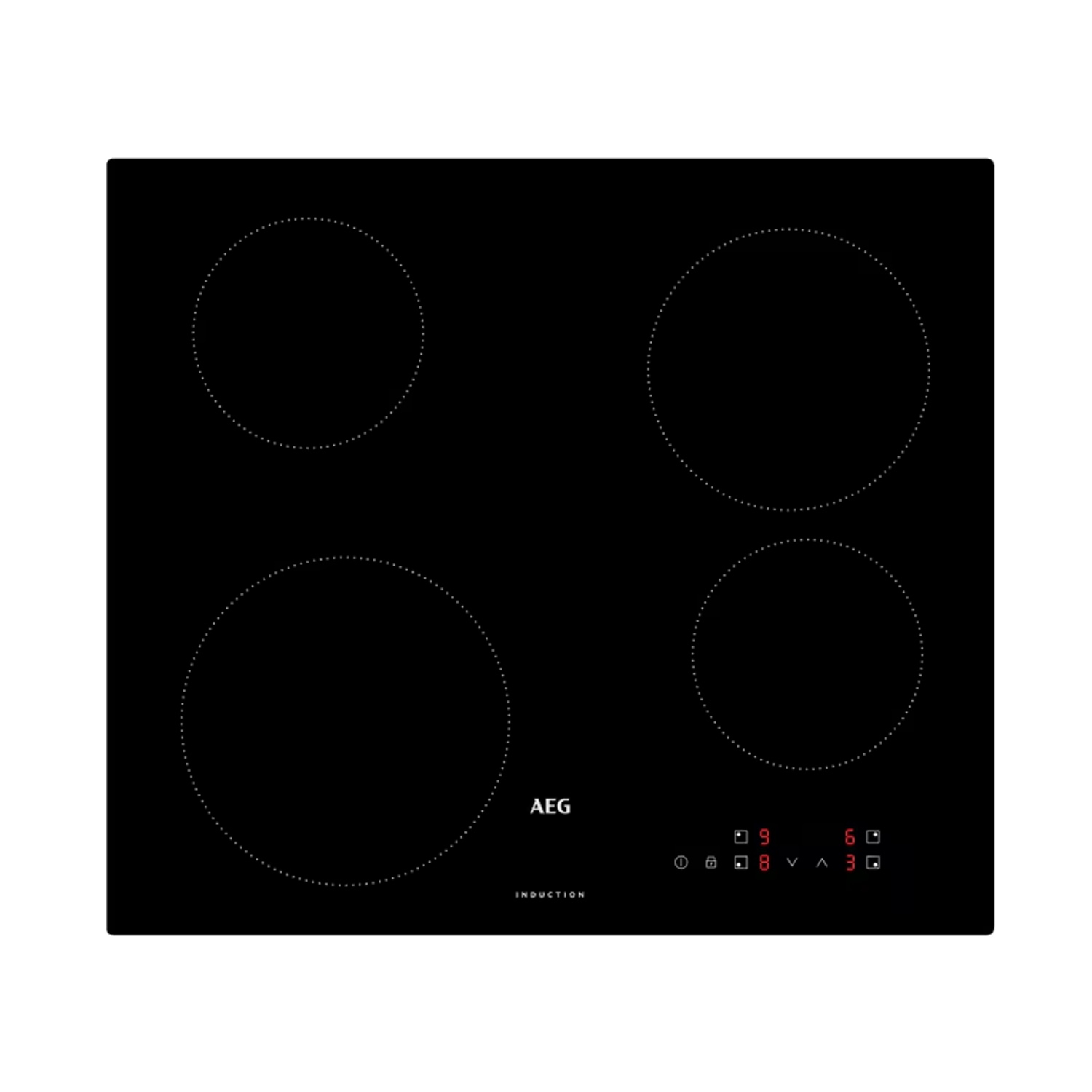
AEG 3000 60cm Induction Hob IBS6420SCB - Black
AEG 58cm Exclusiv Series 5000 Frameless 4 Zone Induction Hob SO64IA0BIT - Matte Black
AEG 59cm Exclusiv Series 7000 Bevelled Edge 4 Zone Induction Hob SI64IB1BFB - Black
AEG 3000 60cm Induction Hob IBS6420SCB - Black
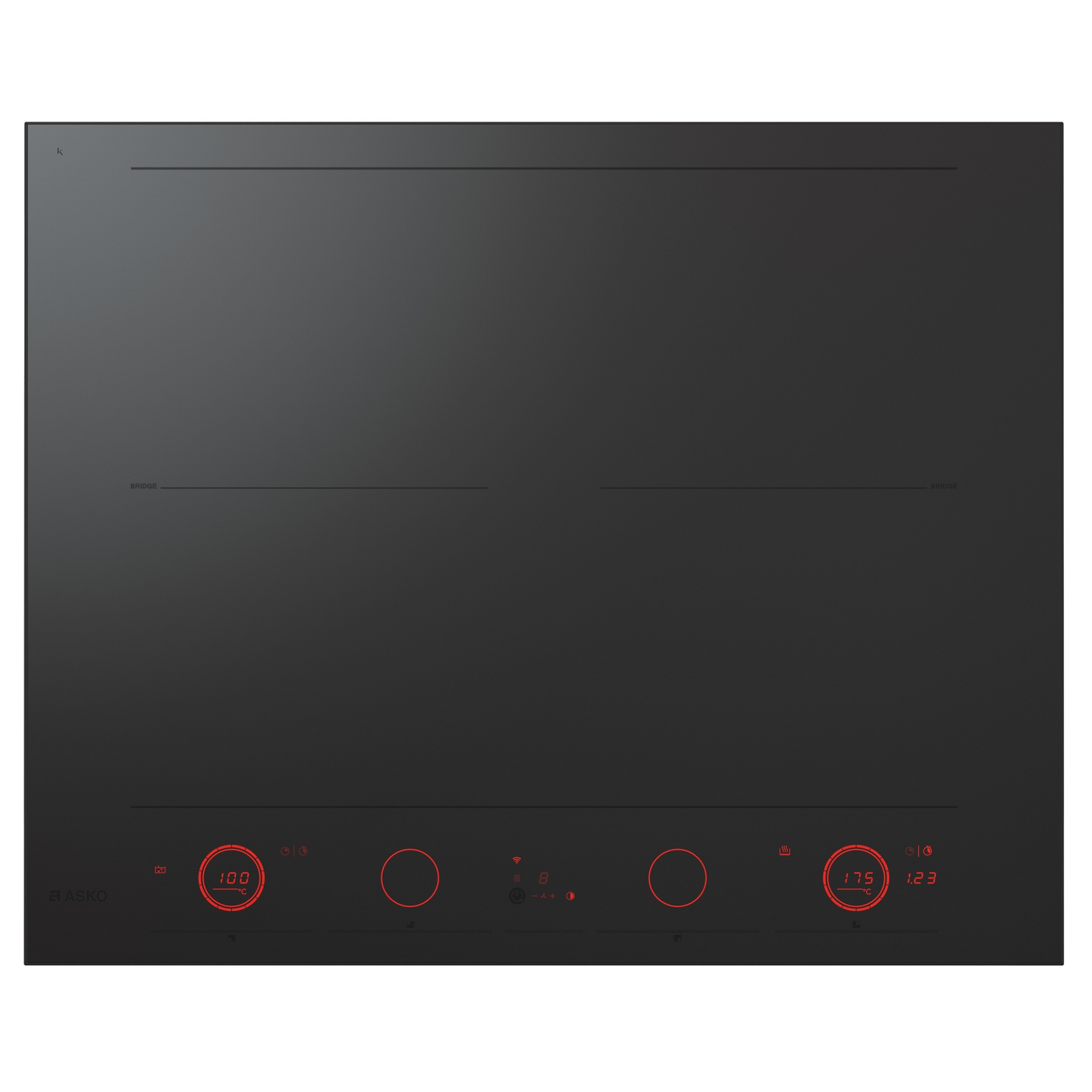
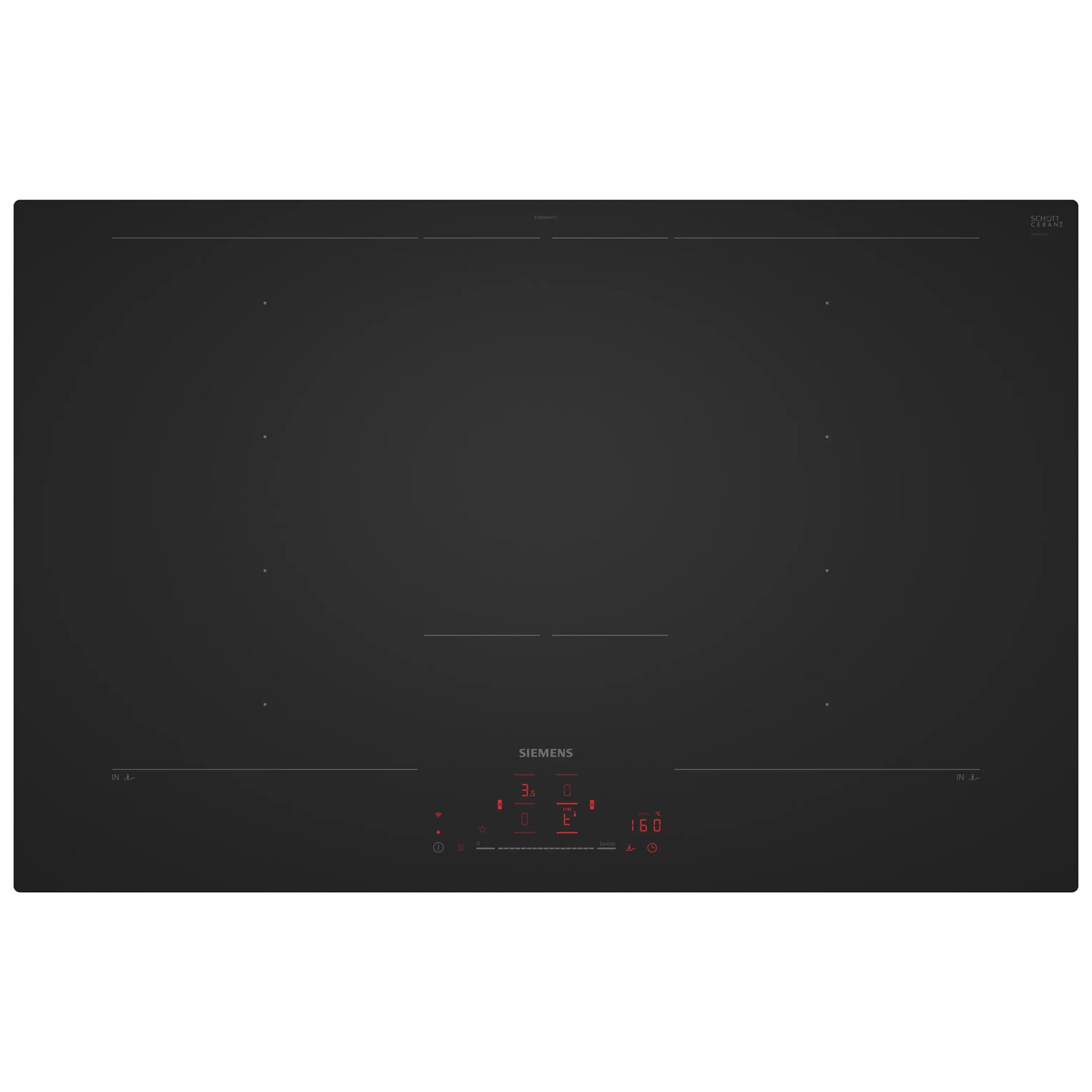
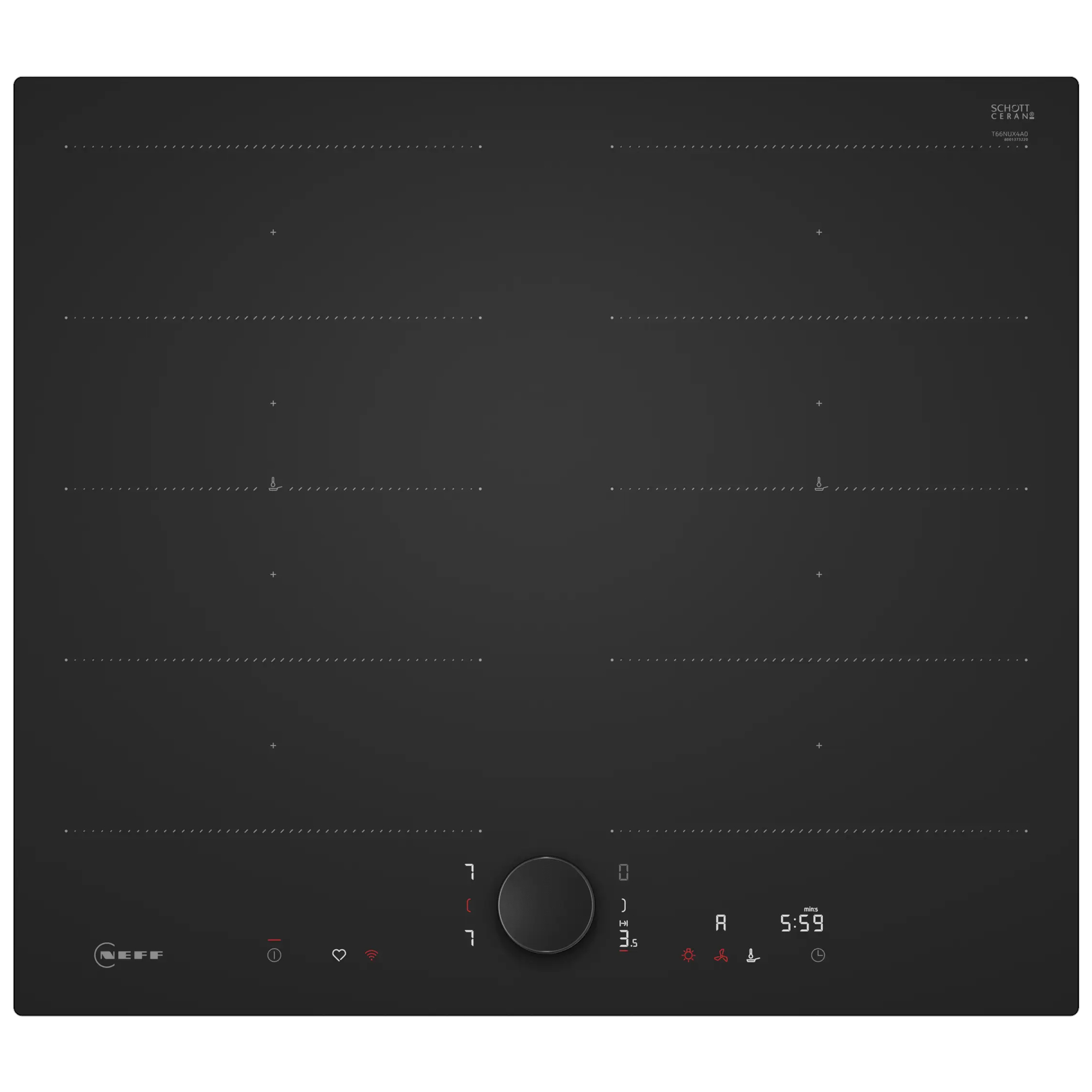
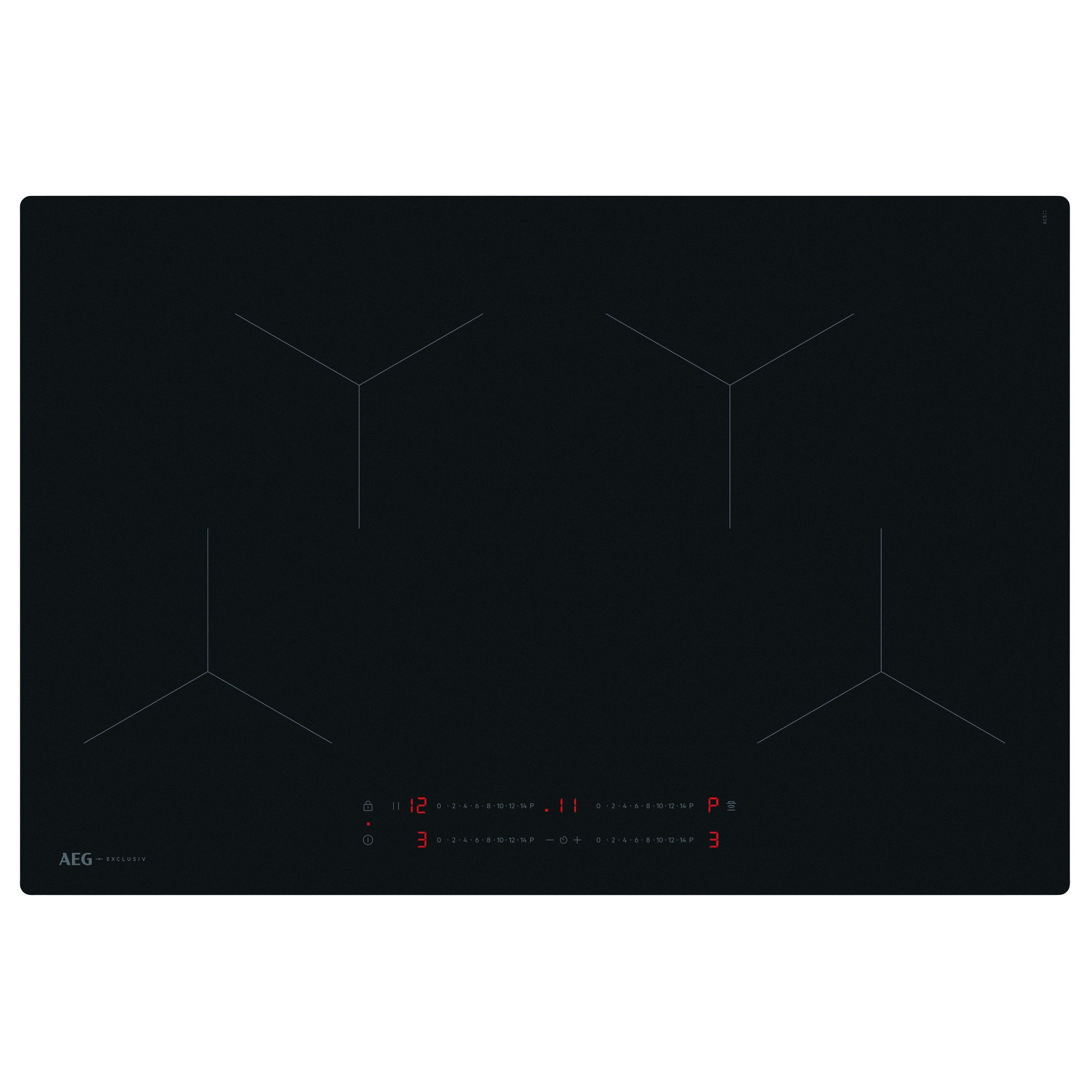
AEG Exclusiv SaphirMatt SE Series 5000 80cm 4 Zone Induction Hob SO84IA0BIT - Matte Black
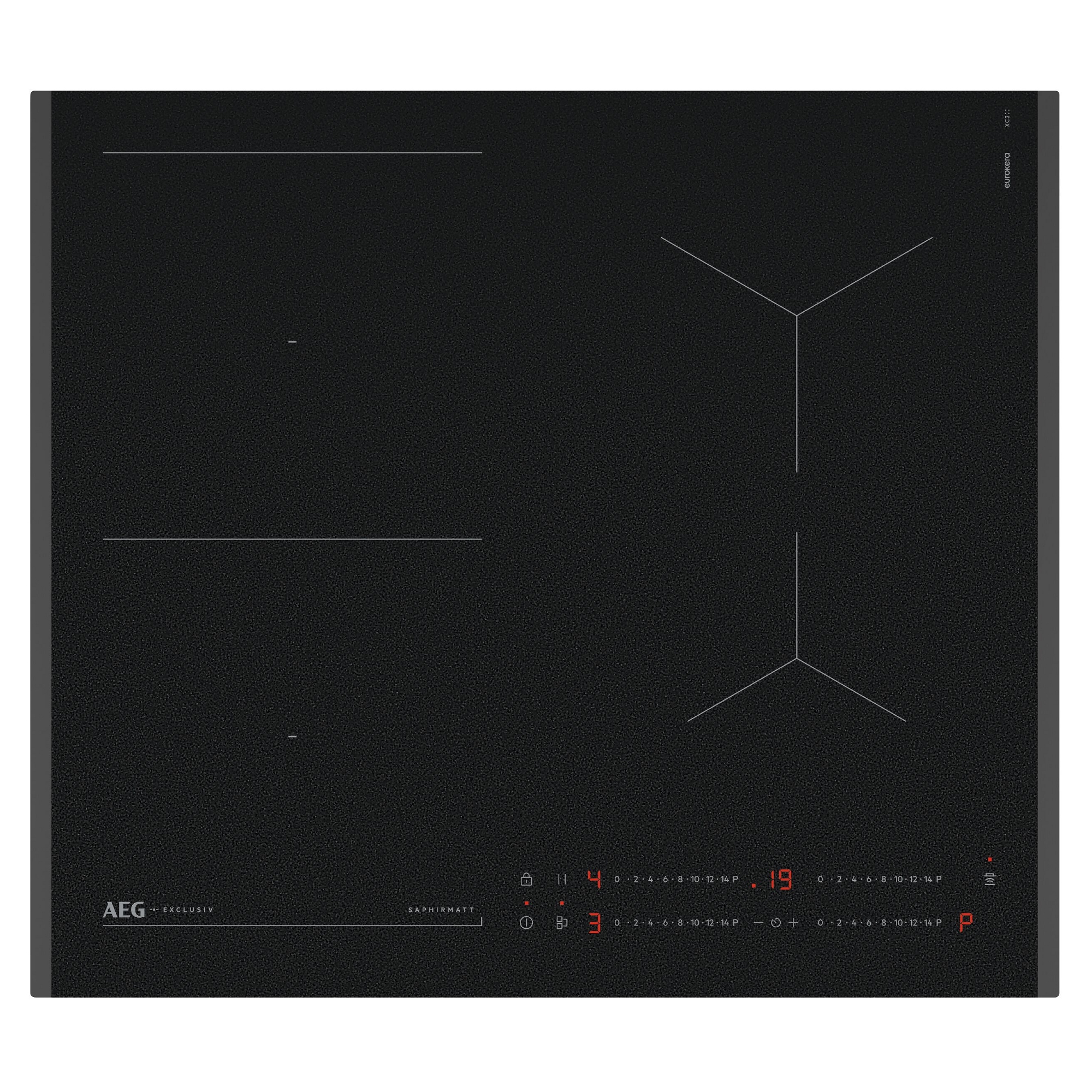
AEG Exclusiv SaphirMatt Series 6000 60cm Bevelled Edge Induction Hob SO64IB0BFZ - Matte Black
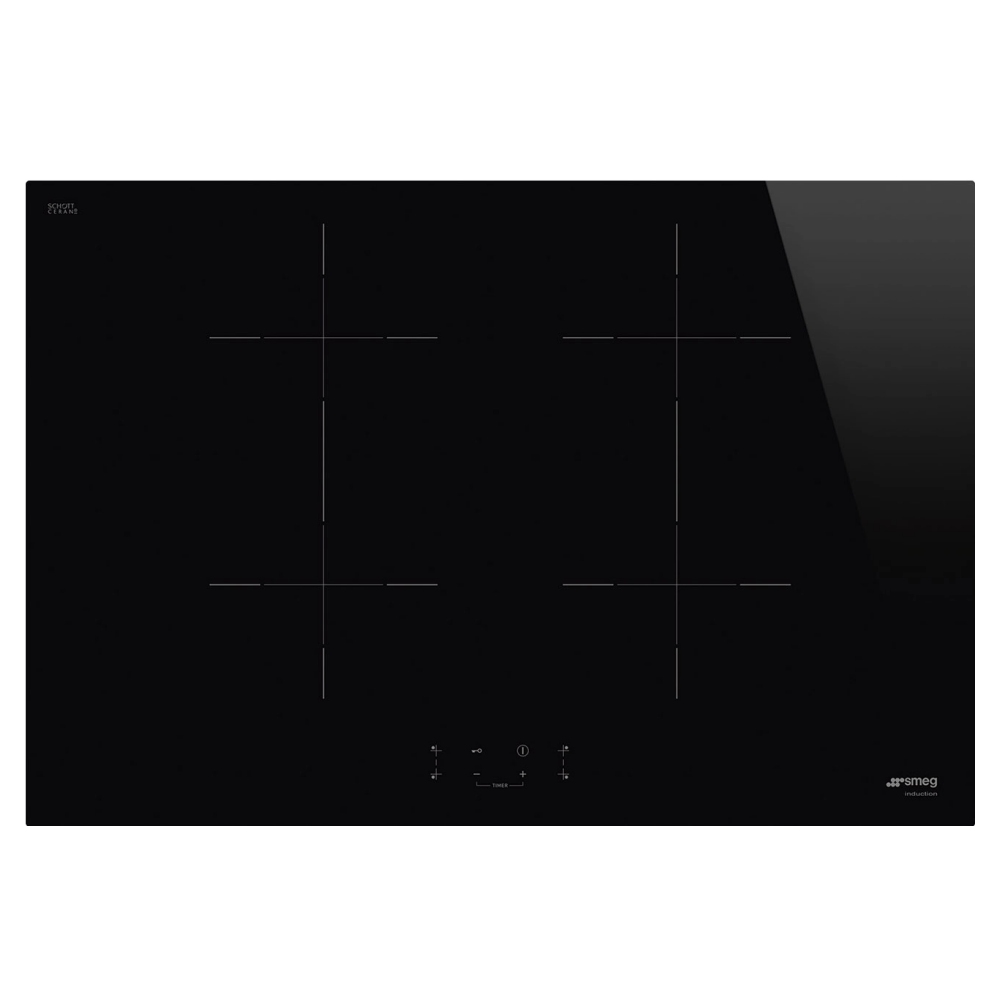
Smeg 75cm 4 Zone Multizone Induction Hob SIB2741D - BLACK
AEG 86cm Series 6000 5 Burner Gas On Glass Hob HKB95820NB - Black
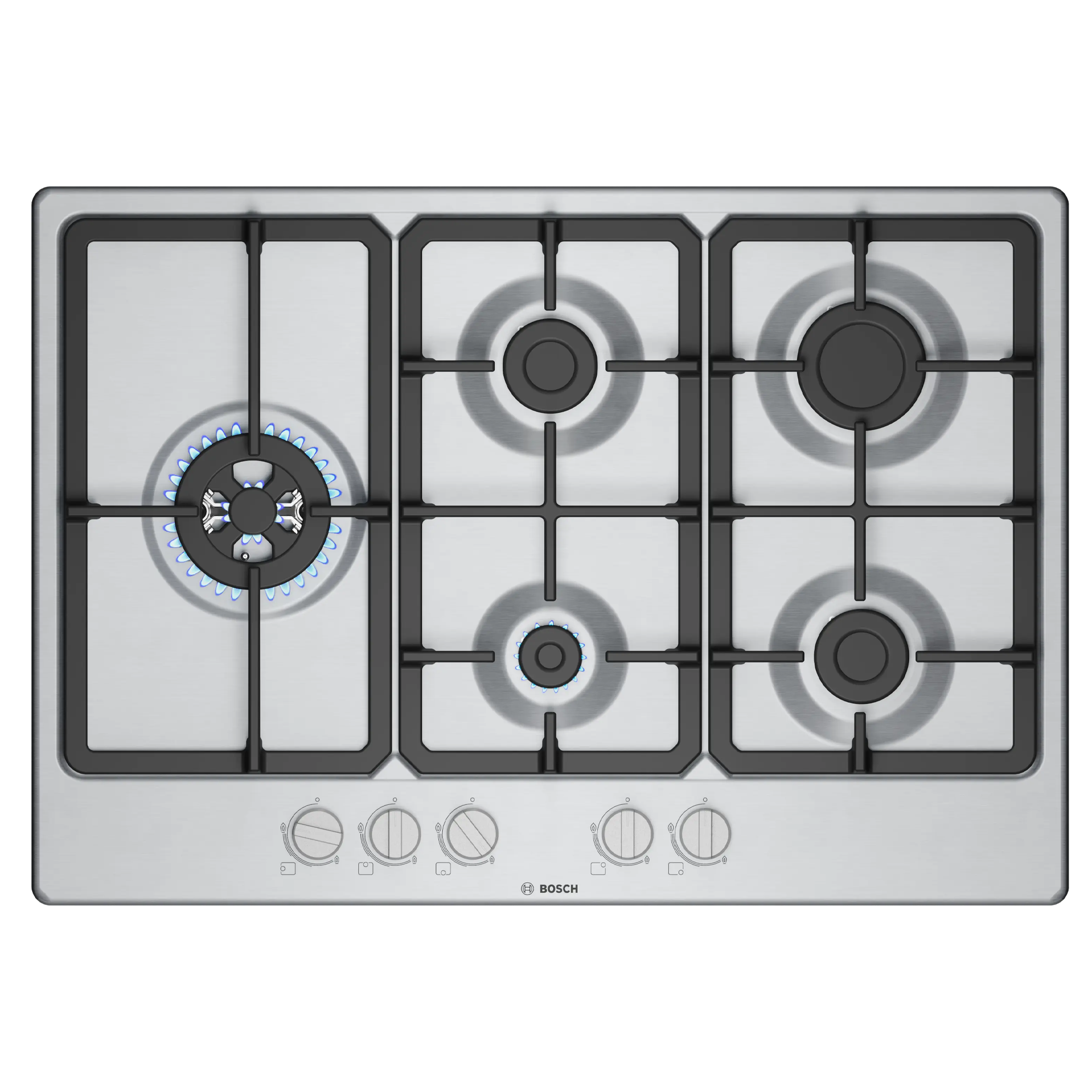
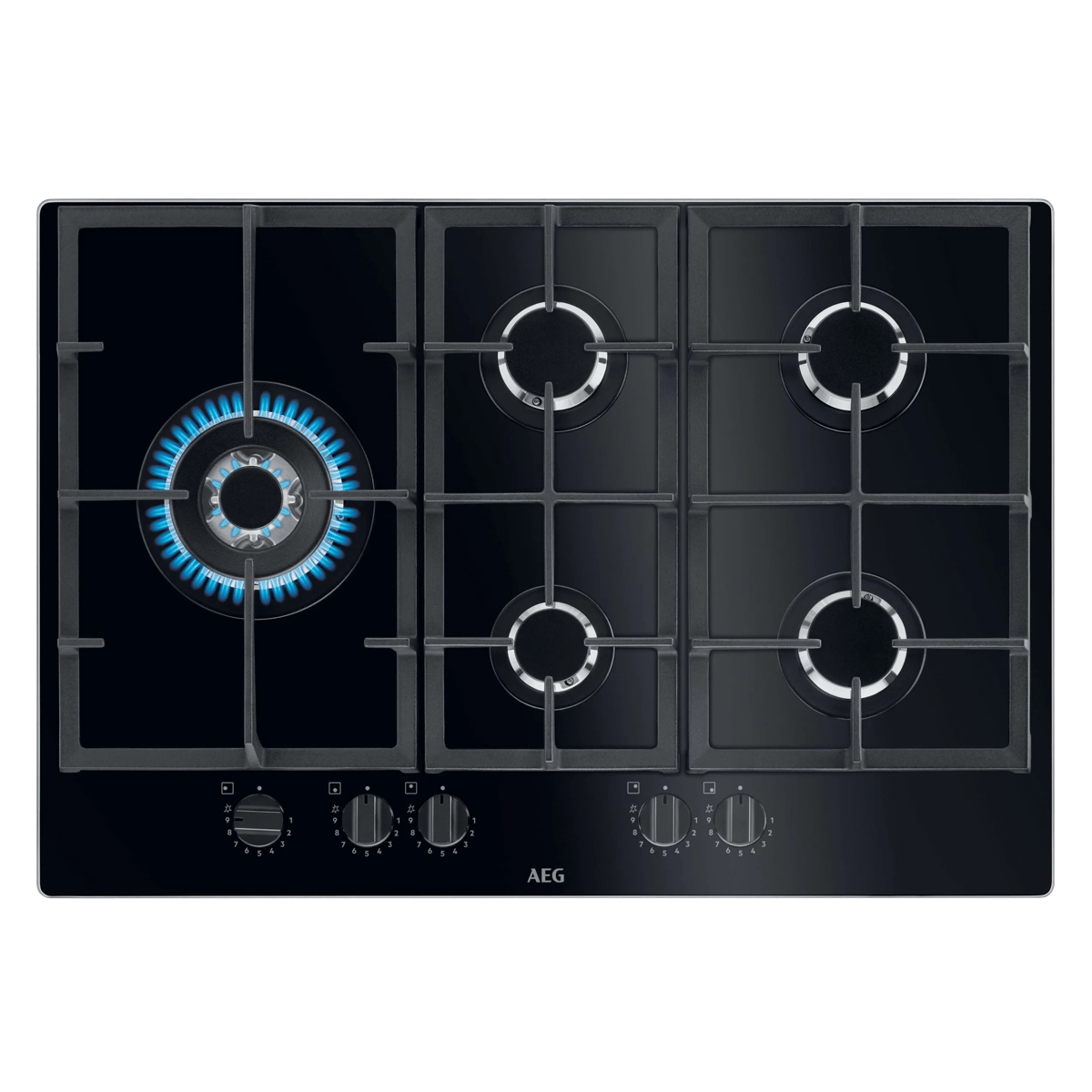
AEG Series 6000 74cm 5 Burner Gas On Glass Hob HKB75820NB - Black
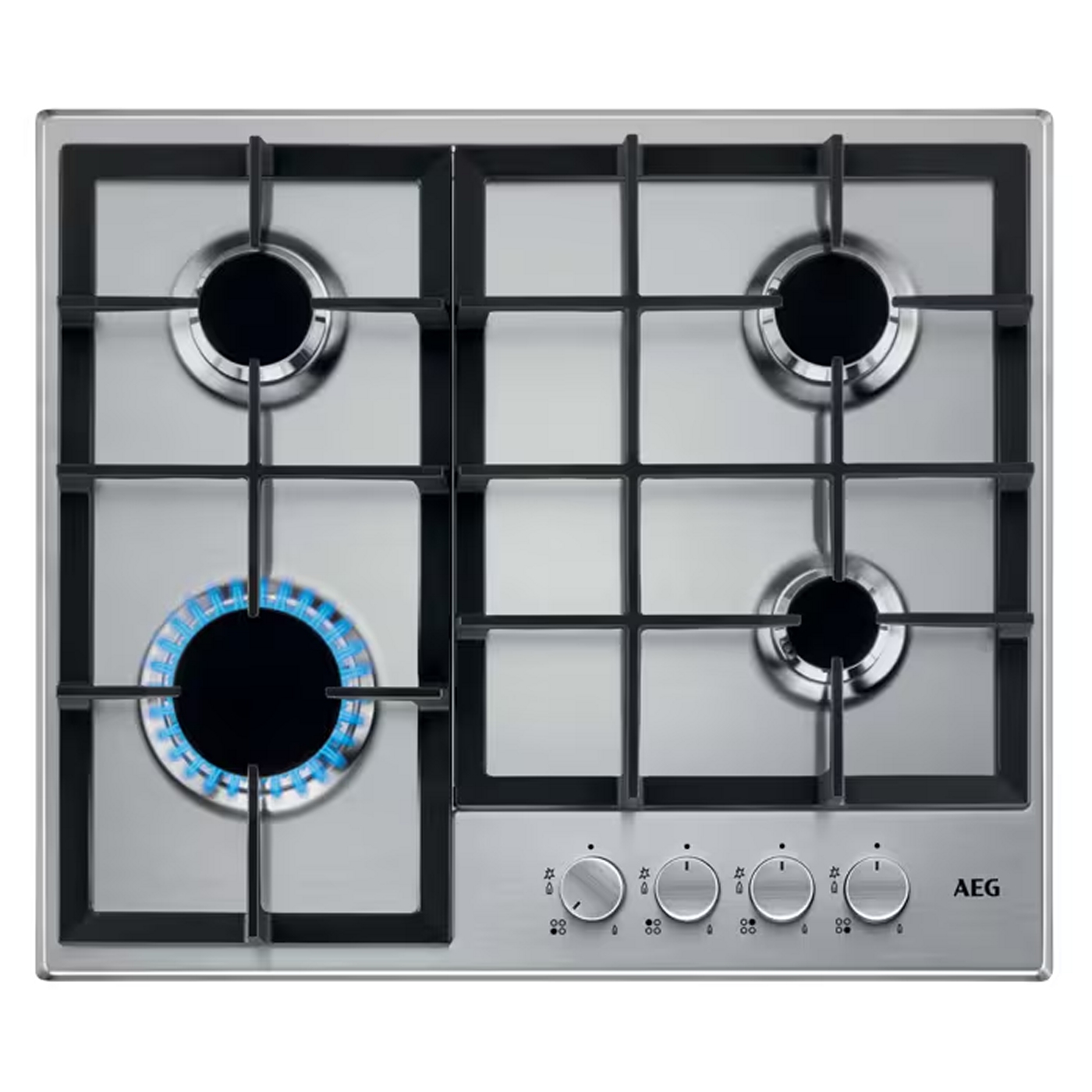
AEG Series 3000 60cm 4 Burner Gas Hob HGE64200SM - Stainless Steel
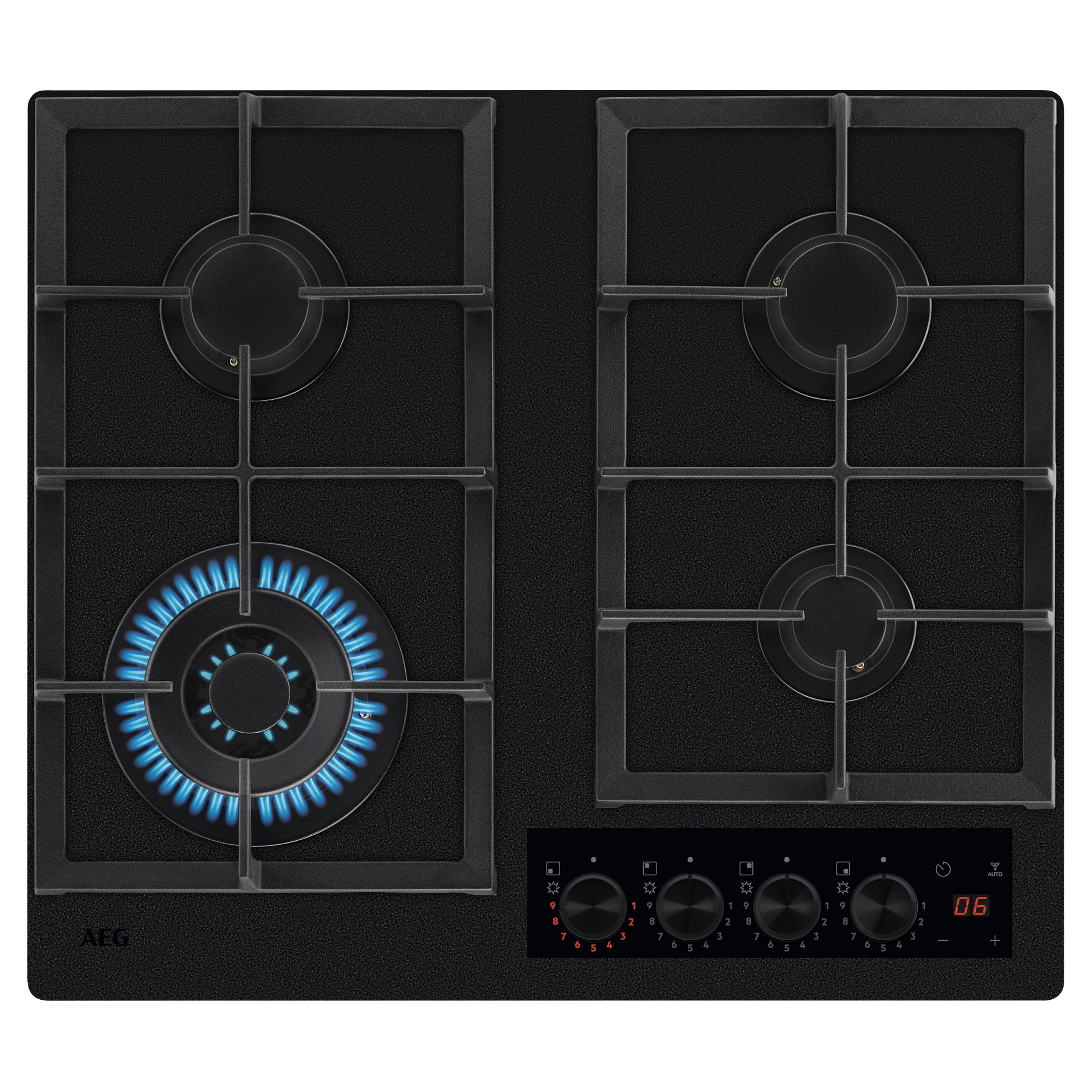
AEG 60cm Series 8000 Flamelight Gas on Glass Hob HKB64341NL - Black
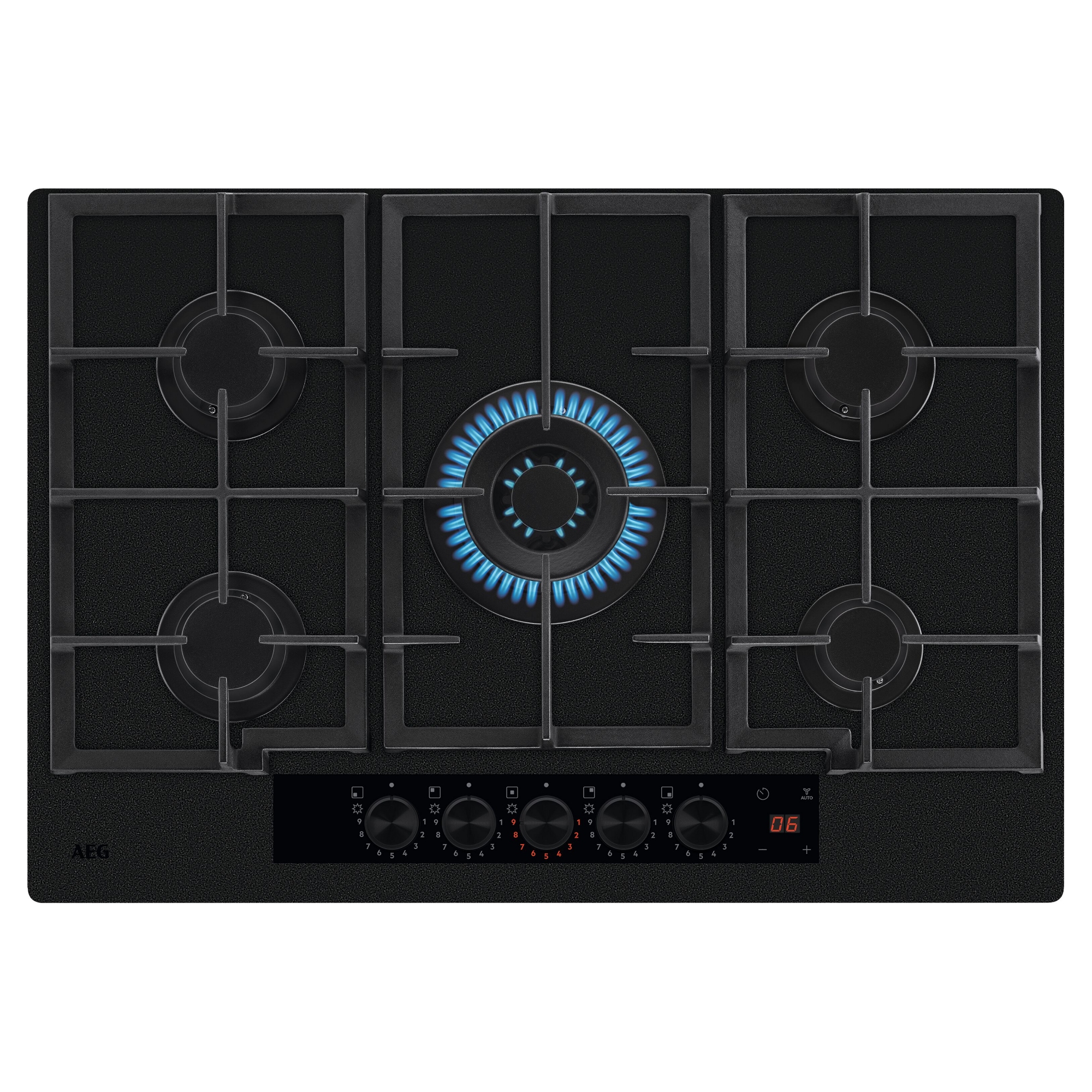
AEG 75cm Series 8000 Flamelight Gas on Glass Hob HKB75341NL - Black
AEG 86cm Series 6000 5 Burner Gas On Glass Hob HKB95820NB - Black
AEG Series 6000 74cm 5 Burner Gas On Glass Hob HKB75820NB - Black
AEG Series 3000 60cm 4 Burner Gas Hob HGE64200SM - Stainless Steel
AEG 60cm Series 8000 Flamelight Gas on Glass Hob HKB64341NL - Black
AEG 75cm Series 8000 Flamelight Gas on Glass Hob HKB75341NL - Black
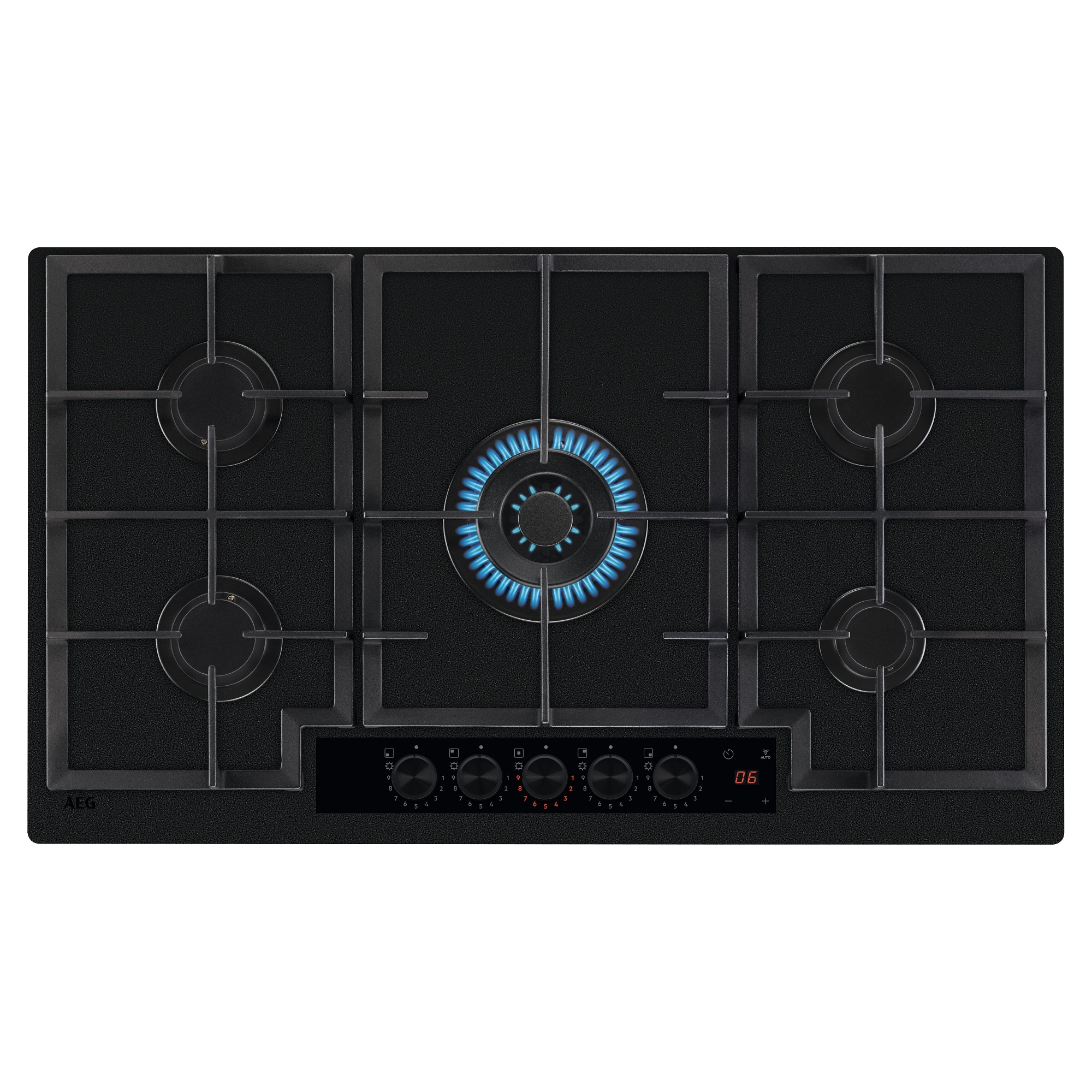
AEG 90cm Series 8000 Flamelight Gas on Glass Hob HKB95341NL - Black
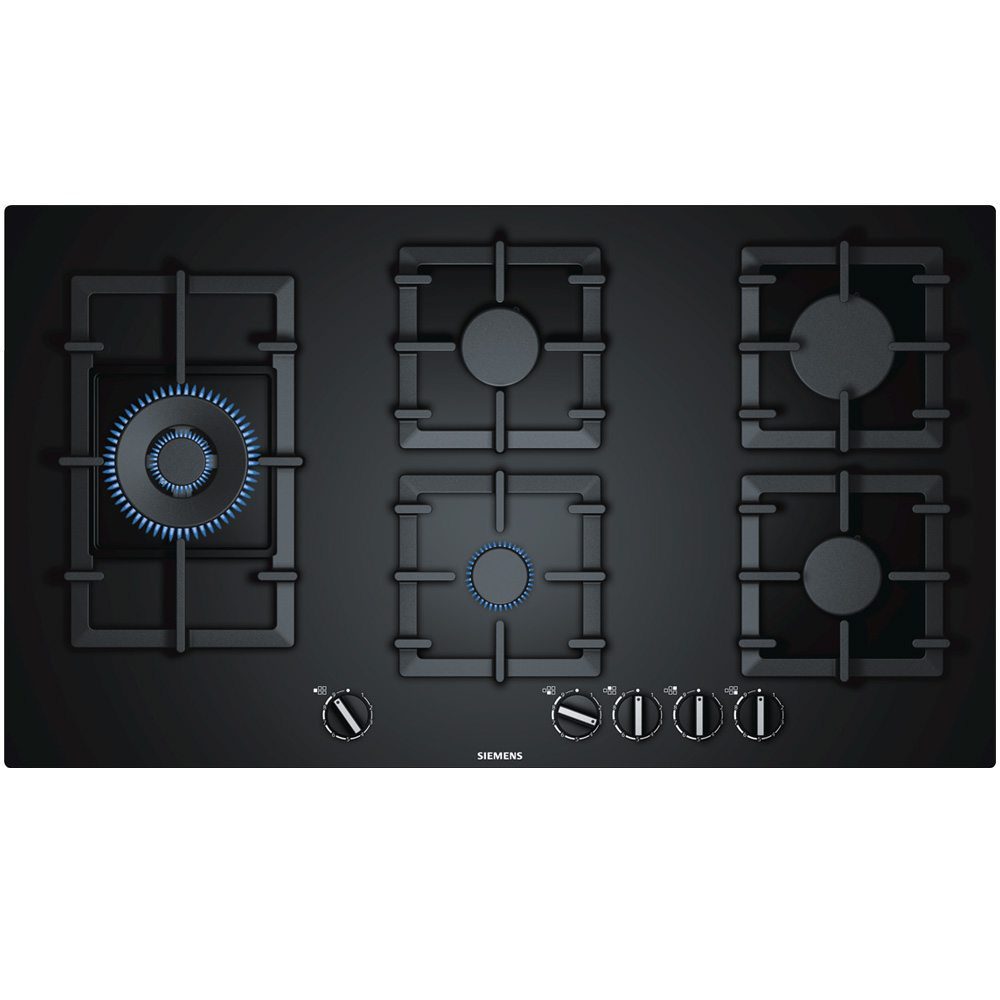
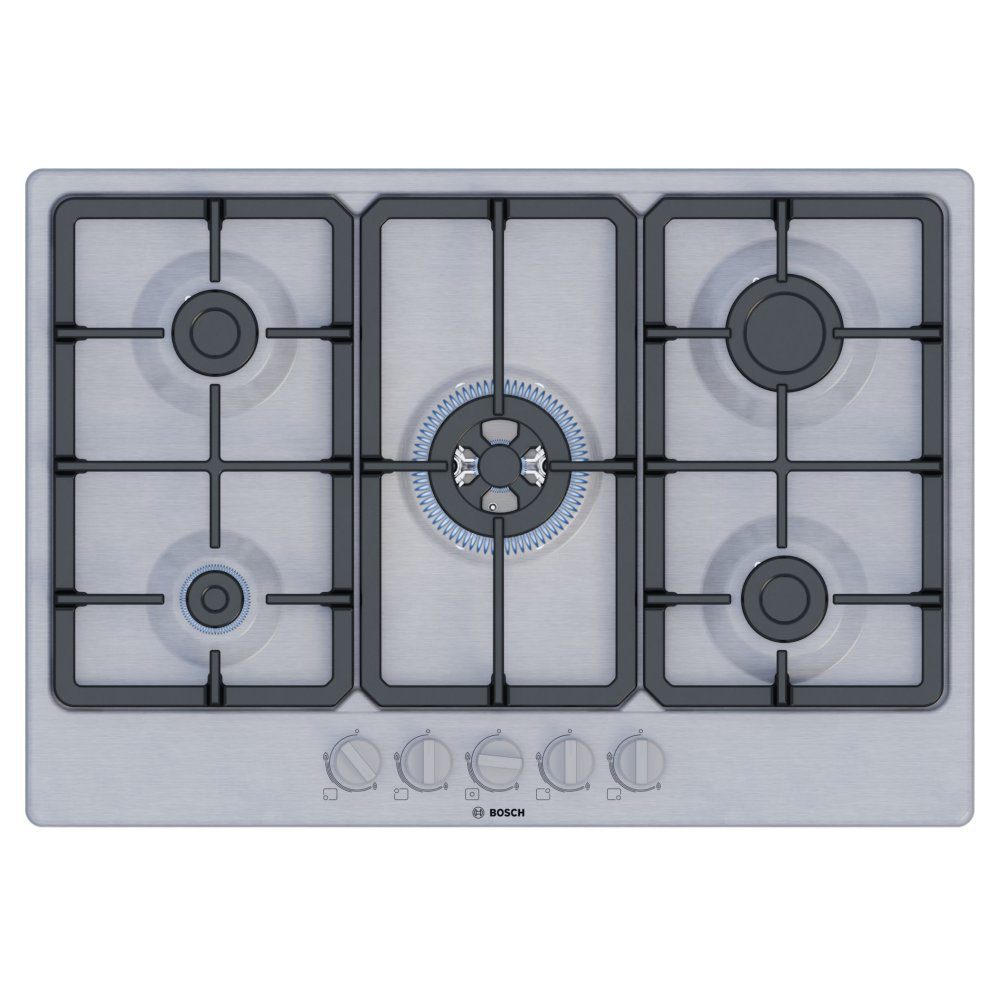
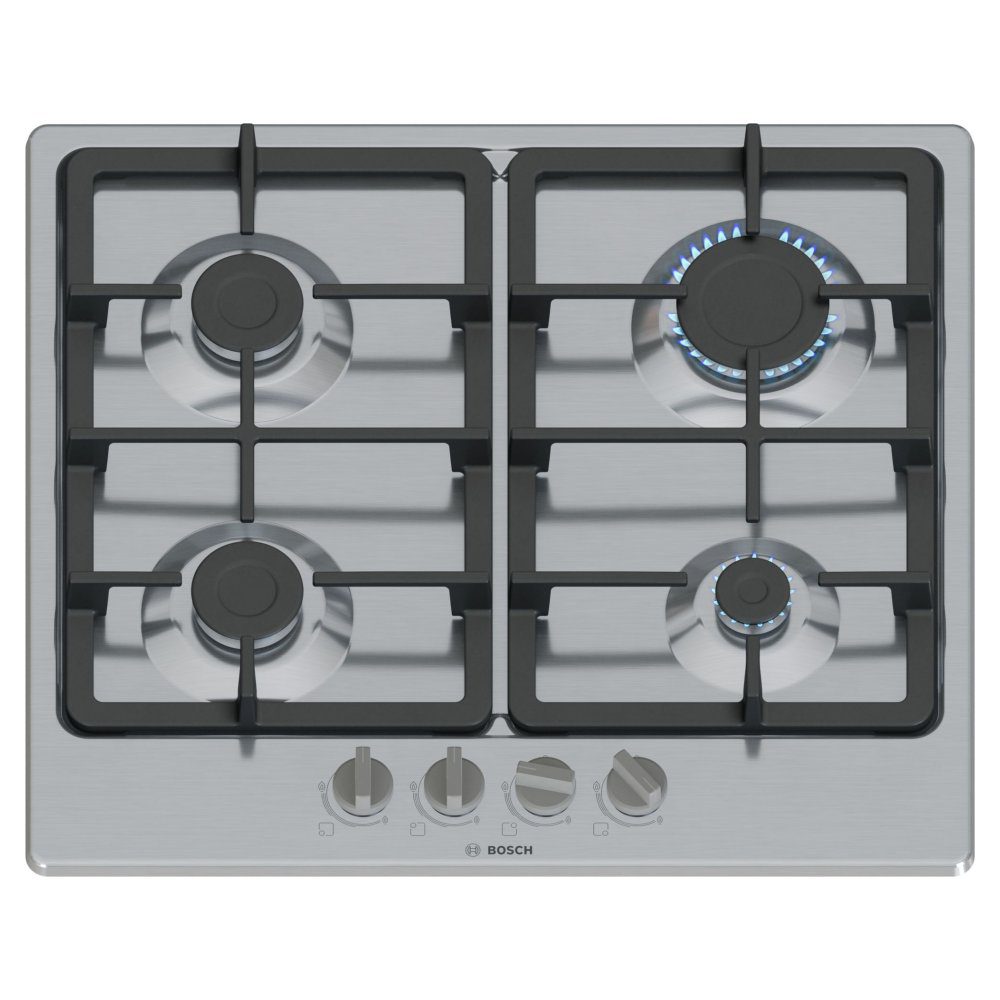
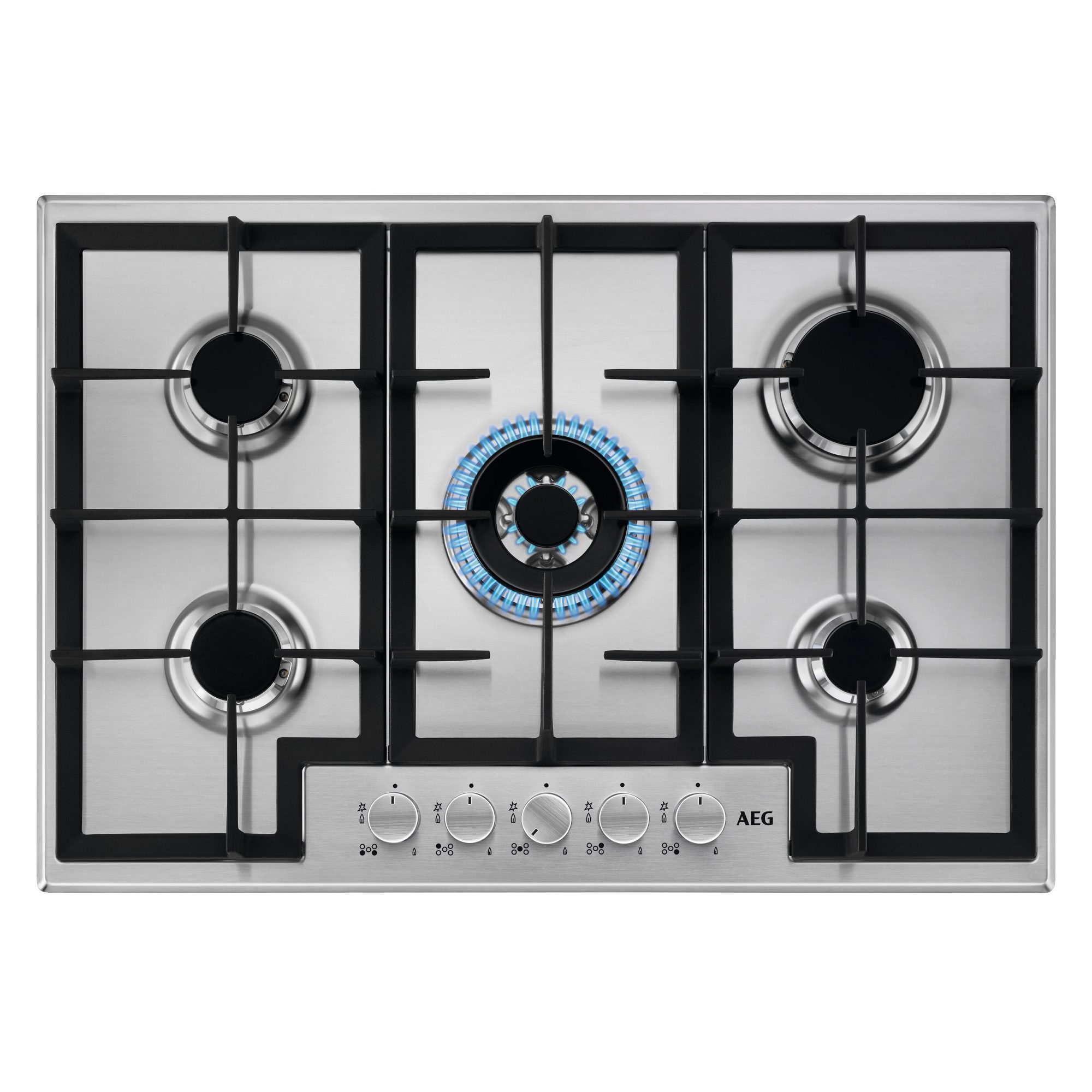
AEG 75cm Series 3000 5 Burner Gas Hob HGX75400SM - Stainless Steel
FAQs: Pairing a Hob and Built In Oven
Not necessarily. Choosing appliances from the same manufacturer can create a more coordinated appearance, particularly if they’re part of the same design collection. However, many homeowners successfully combine brands to achieve the right balance of performance, features and value.
Neither is universally better, it depends on your cooking style. Induction is fast, energy efficient and easy to clean, making it a popular choice for modern family kitchens. Gas remains a favourite among many experienced cooks thanks to its instant flame control and familiar cooking experience. Gas on glass hobs also provide a contemporary alternative for those who want traditional cooking with a more modern aesthetic.
If you cook regularly, bake often or enjoy experimenting with new recipes, investing in a premium oven can be worthwhile. Higher-end models frequently offer more precise temperature control, improved build quality, advanced cleaning systems and additional cooking functions that genuinely enhance the cooking experience.
Manufacturers often design appliances within the same collection to complement one another. Matching glass finishes, display styles, handles and control layouts can create a more seamless, professionally designed appearance throughout the kitchen.
A standard four zone hob is perfectly suited to many homes. Larger families, keen entertainers or enthusiastic cooks may benefit from wider five zone models or flexible cooking zones that accommodate larger pans and griddles.
Start with the way you live, not the list of features. Think about how often you cook, who you cook for, the style of your kitchen and the features you’ll genuinely use. The right appliances aren’t necessarily the most expensive, they’re the ones that fit naturally into your everyday life.