

July 30, 2026
Why Does My Vacuum Cleaner Lose Suction? Common Causes and How to Fix Them
There's nothing more frustrating than switching on your vacuum cleaner only to find it's not cleaning as well as it used to. Whether it's leaving crumbs behind, struggling with pet hair or simply not lifting dirt as effectively, a loss of suction can quickly turn cleaning into a chore. The good news is that, in many cases, the problem is surprisingly easy to fix. From full dust bags and clogged filters to tangled brush rolls, most suction issues can be resolved with a little routine maintenance. Let’s look at the most common reasons why a vacuum cleaner loses suction, how to fix them and when it might be time to consider replacing your appliance.
11 min read

How Does a Vacuum Cleaner Create Suction?
Before looking at the causes, it helps to understand how a vacuum cleaner works. Every vacuum relies on airflow. The motor creates a powerful stream of air that pulls dust, dirt and debris through the floorhead, along the hose and into the dust bag or collection bin. As the air passes through the vacuum, filters capture fine particles before cleaner air is released back into the room.
Anything that restricts this airflow can reduce suction, which is why even a small blockage or dirty filter can have such a noticeable effect on cleaning performance. Fortunately, most of these problems are easy to identify and fix.
Is the Dust Bag or Dust Container Full?
One of the most common reasons for reduced suction is also the easiest to overlook. As a dust bag or collection bin fills up, there’s less room for air to move freely through the vacuum. Eventually, performance begins to drop, making it harder to pick up dirt effectively.
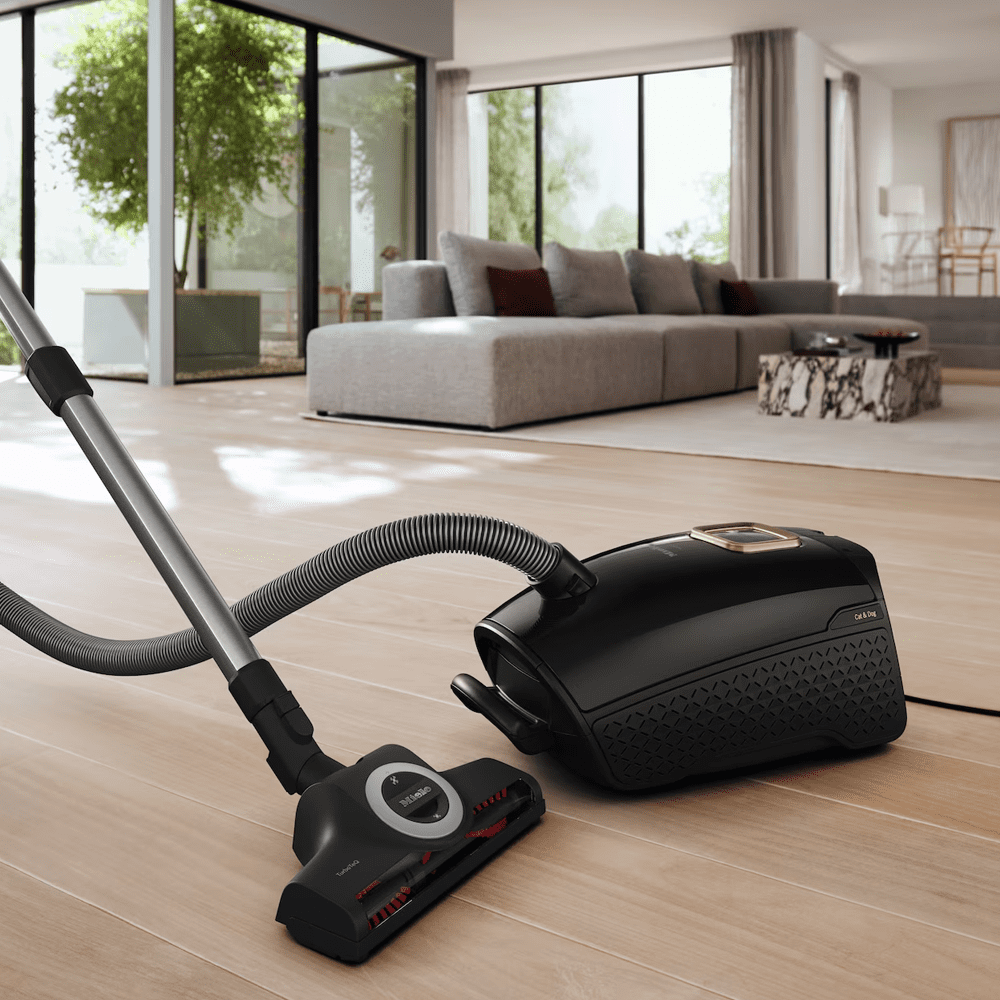
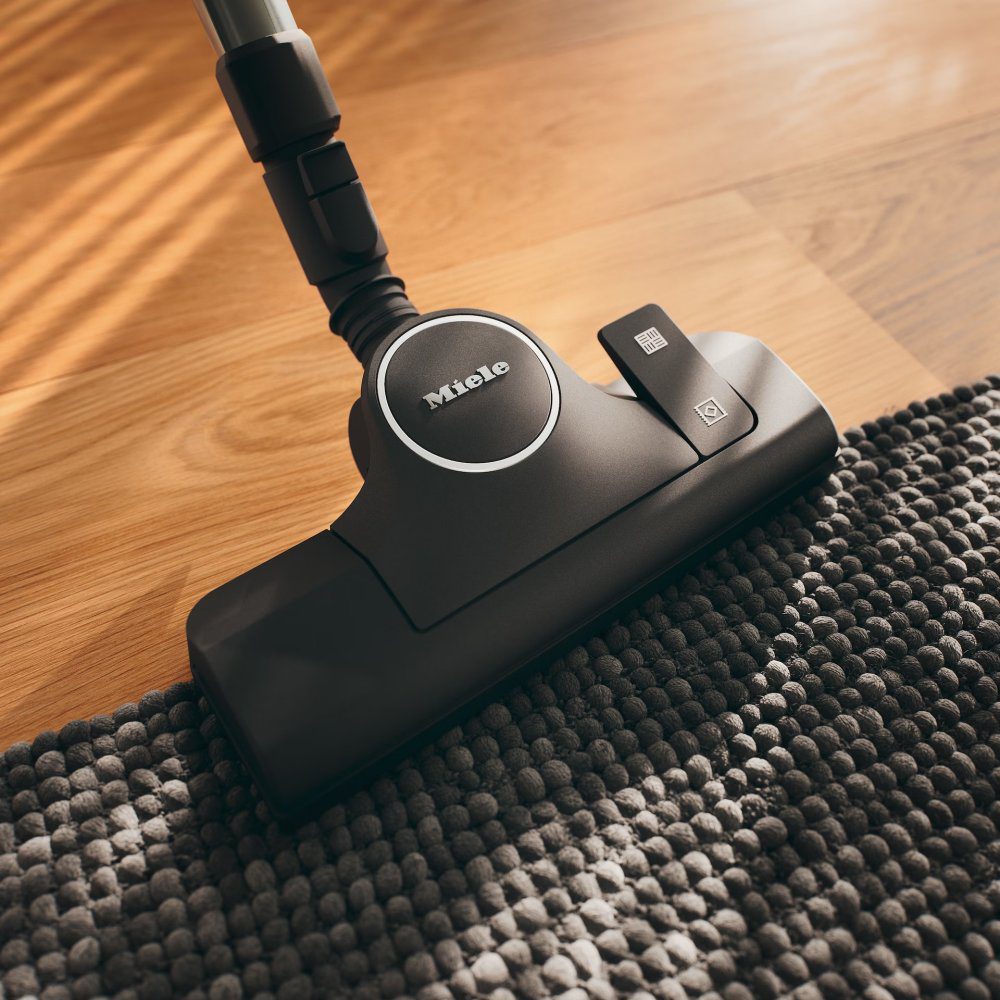
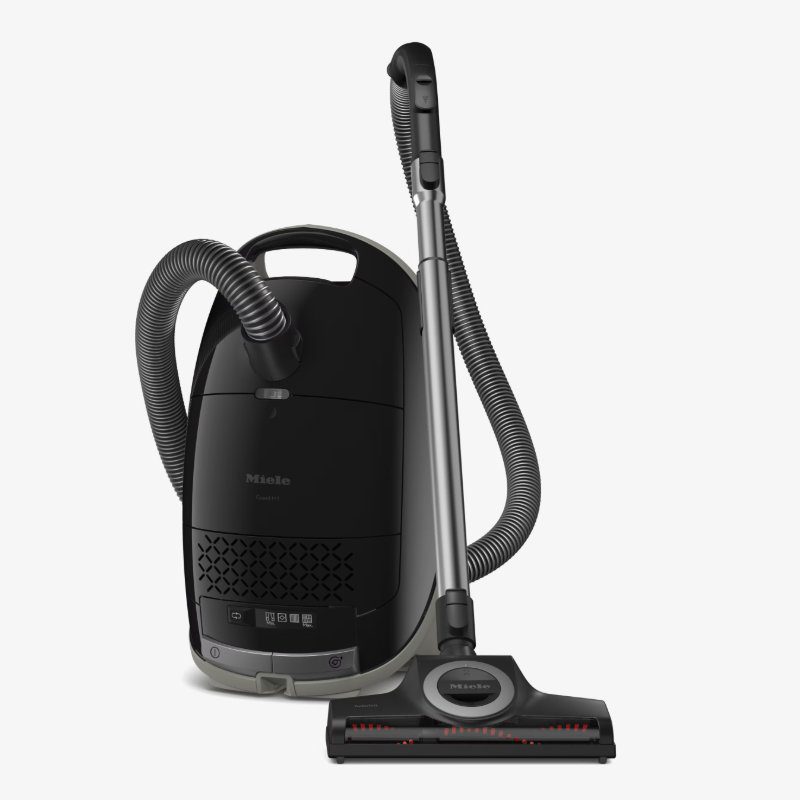
If you have a bagged vacuum, check whether the bag is close to full and replace it if needed. Modern bagged vacuums, such as many models in the Miele Complete C3 range, are designed to maintain strong suction until the bag is nearing capacity, but changing it regularly will always help keep your vacuum working at its best.
If you use a bagless vacuum, empty the dust container before it reaches the maximum fill line. Overfilling doesn’t just reduce suction, it can also put unnecessary strain on the filters. If emptying the vacuum doesn’t solve the problem, the next thing to check is the filtration system.
Dirty Filters Can Restrict Airflow
Even if the dust bag or bin isn’t full, clogged filters can have a similar effect. Vacuum filters are designed to trap fine dust, pollen, pet dander and other tiny particles. Over time, those particles build up and reduce the amount of air that can pass through the machine.
Many vacuums include washable filters that simply need rinsing and left to dry completely before being refitted. Others use replaceable filters that should be changed periodically, following the manufacturer’s recommendations. If your vacuum has started to lose suction gradually over several months, the filters are one of the first places worth checking.
Check for Blocked Hoses and Floorheads
If cleaning the filters hasn’t restored your vacuum’s performance, it’s time to check for blockages. Small toys, socks, large pieces of paper and even compacted pet hair can become lodged inside the hose or floorhead, restricting airflow. Disconnect the hose if possible and look through it towards a light source. If you can’t see clearly through it, there’s a good chance something is causing a blockage.
You should also inspect the floorhead, particularly around the air intake, as larger debris can sometimes become trapped before it even reaches the hose.
Removing blockages as soon as you spot them helps restore airflow and prevents the motor from working harder than necessary. If everything appears clear, it’s worth taking a closer look at the brush roll itself.
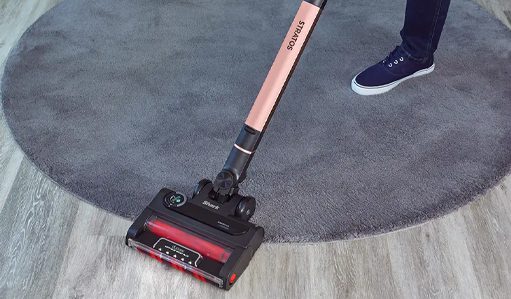
Hair Wrapped Around the Brush Roll
Even if the dust bag or bin isn’t full, clogged filters can have a similar effect. Vacuum filters are designed to trap fine dust, pollen, pet dander and other tiny particles. Over time, those particles build up and reduce the amount of air that can pass through the machine.
Many vacuums include washable filters that simply need rinsing and left to dry completely before being refitted. Others use replaceable filters that should be changed periodically, following the manufacturer’s recommendations. If your vacuum has started to lose suction gradually over several months, the filters are one of the first places worth checking.
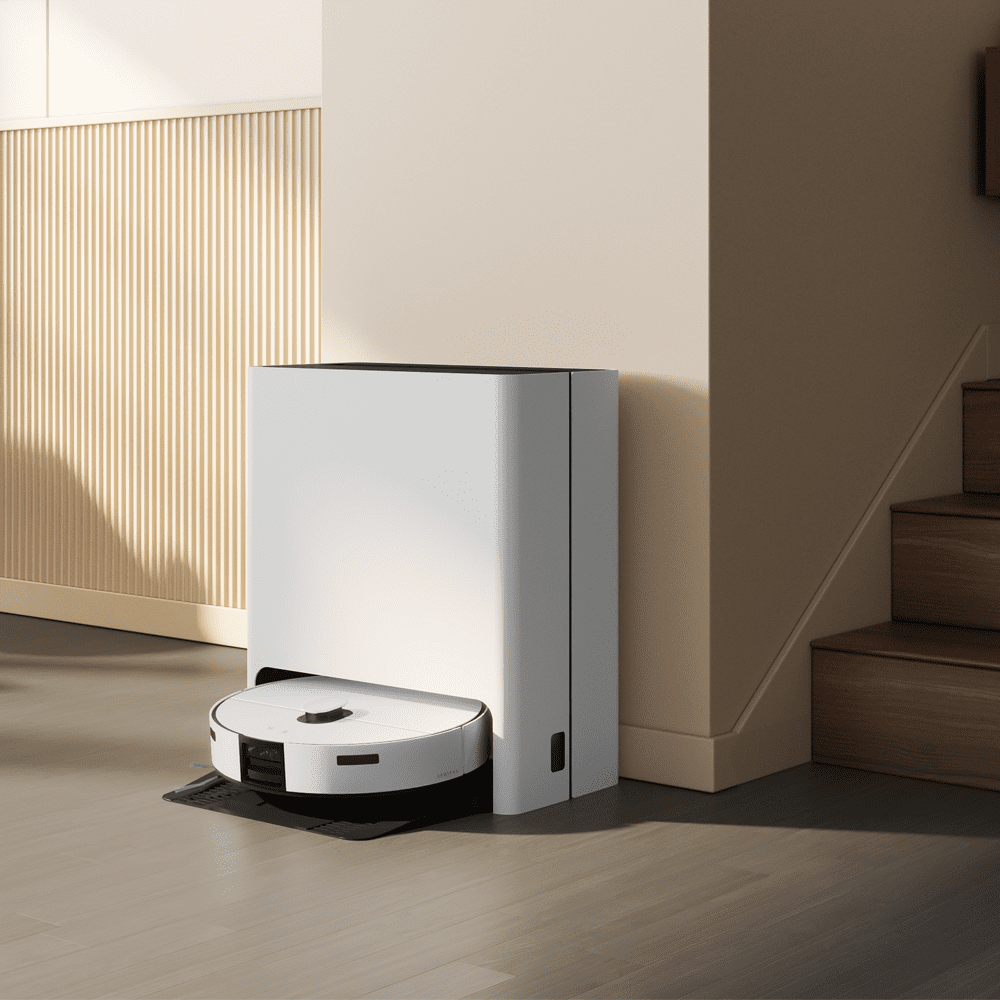
Are You Using the Right Floor Setting?
Of course, reduced cleaning performance isn’t always caused by a blockage. Many vacuums include different settings for carpets and hard floors. If the wrong setting is selected, the floorhead may not make proper contact with the surface, reducing how effectively the vacuum cleans.
For example, a brush roll designed for carpets may need to be switched off when cleaning delicate hard flooring, while thicker carpets often benefit from a higher suction setting or an active brush head. Taking a moment to adjust the settings for each floor type can make a noticeable difference to your cleaning results.
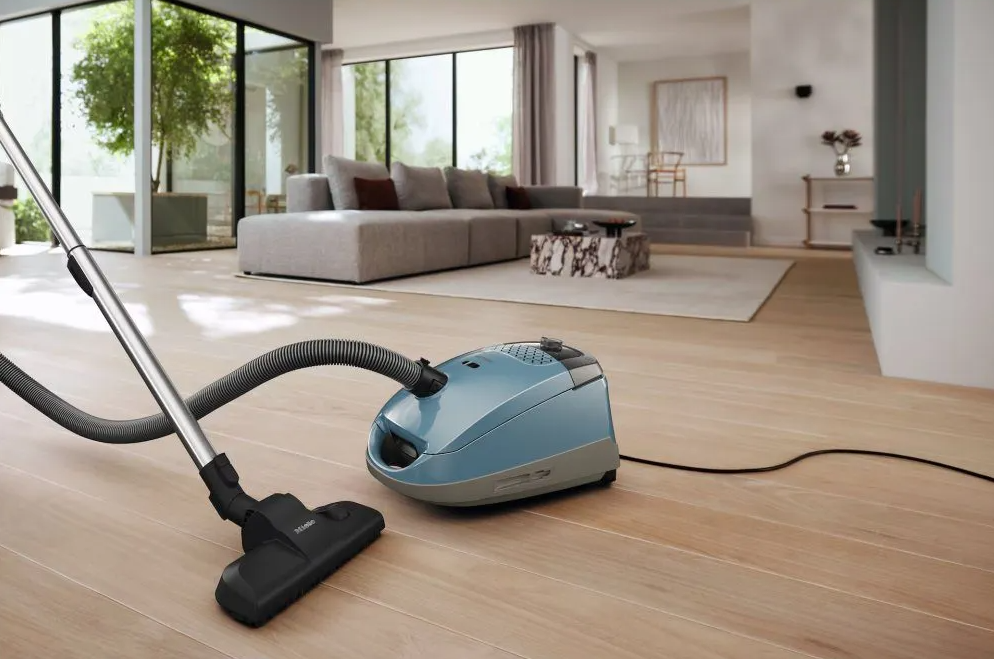
Check for Air Leaks
Strong suction depends on a sealed airflow system. If the hose has developed a crack, the seals around the dust container aren’t fitted correctly or the bag hasn’t been installed properly, air can escape before it reaches the floorhead.
Even a small air leak can noticeably reduce cleaning performance. Inspect the hose for splits, make sure all connections are securely fitted and check that the dust bag or dust container is seated correctly before using the vacuum again.
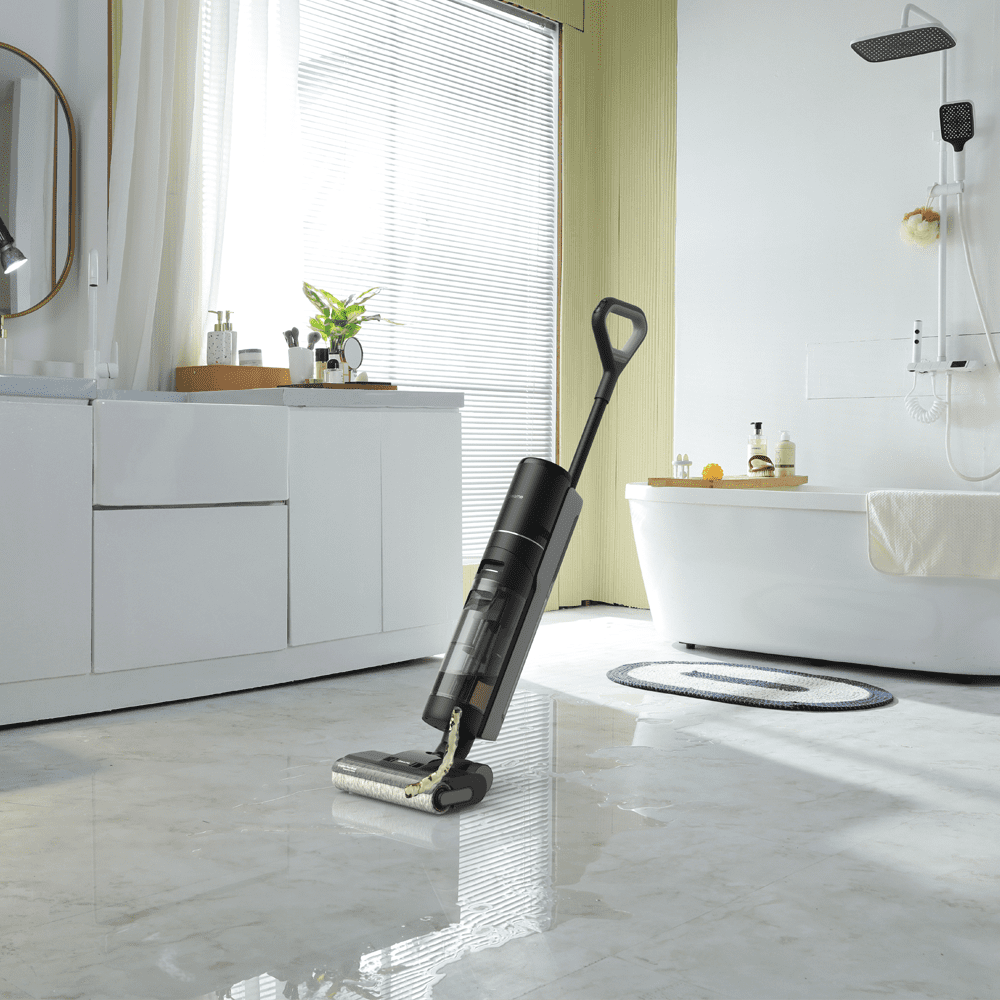
Routine Maintenance Makes a Big Difference
Most suction problems can be avoided altogether with a little routine maintenance. Spending just a few minutes looking after your vacuum every now and then will help it clean more effectively and may even extend its lifespan.
We recommend:
- Emptying the dust bag or container before it’s completely full.
- Cleaning or replacing filters as recommended by the manufacturer.
- Removing hair from the brush roll regularly.
- Checking the hose and floorhead for blockages.
- Wiping the dust container clean on bagless models.
- Inspecting seals and connections for signs of wear.
Looking after these simple jobs not only helps maintain strong suction but also reduces the likelihood of more serious problems developing over time.
Is the Motor Overheating?
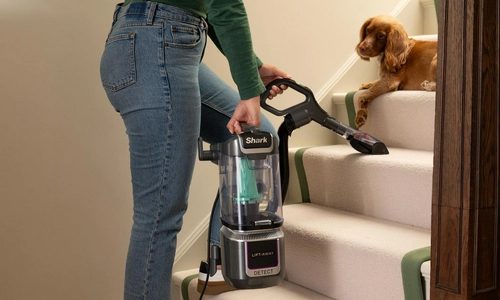
If your vacuum is still losing power, it’s worth considering whether the motor is overheating. Many vacuum cleaners include built in safety systems that protect the motor from damage. Or if airflow becomes heavily restricted by clogged filters or blockages, the motor may automatically reduce power or switch off altogether until it has cooled down.
Should this happens, unplug the vacuum, clear any blockages, clean the filters if necessary and allow the machine to cool before using it again. If overheating happens regularly despite routine maintenance, it could indicate a more serious fault that may require professional repair or signal that it’s time to replace the machine.
When Is It Time to Replace Your Vacuum Cleaner?
While many suction problems are easy to fix, every appliance has a lifespan. If you’ve cleaned the filters, emptied the dust container, removed blockages and checked for air leaks but your vacuum still struggles to pick up dirt, it may be reaching the end of its useful life.
Other signs it could be time for an upgrade include:
- Loss of suction despite regular maintenance.
- Frequent overheating.
- Unusual noises from the motor.
- Cracked hoses or damaged floorheads.
- Replacement parts becoming difficult to find.
Newer vacuums often offer improved filtration, quieter operation and features such as anti-tangle brush rolls, automatic floor detection and self-emptying technology on robot models. If your current machine is several years old, upgrading could make everyday cleaning quicker, easier and more efficient.

Replacing Your Vacuum
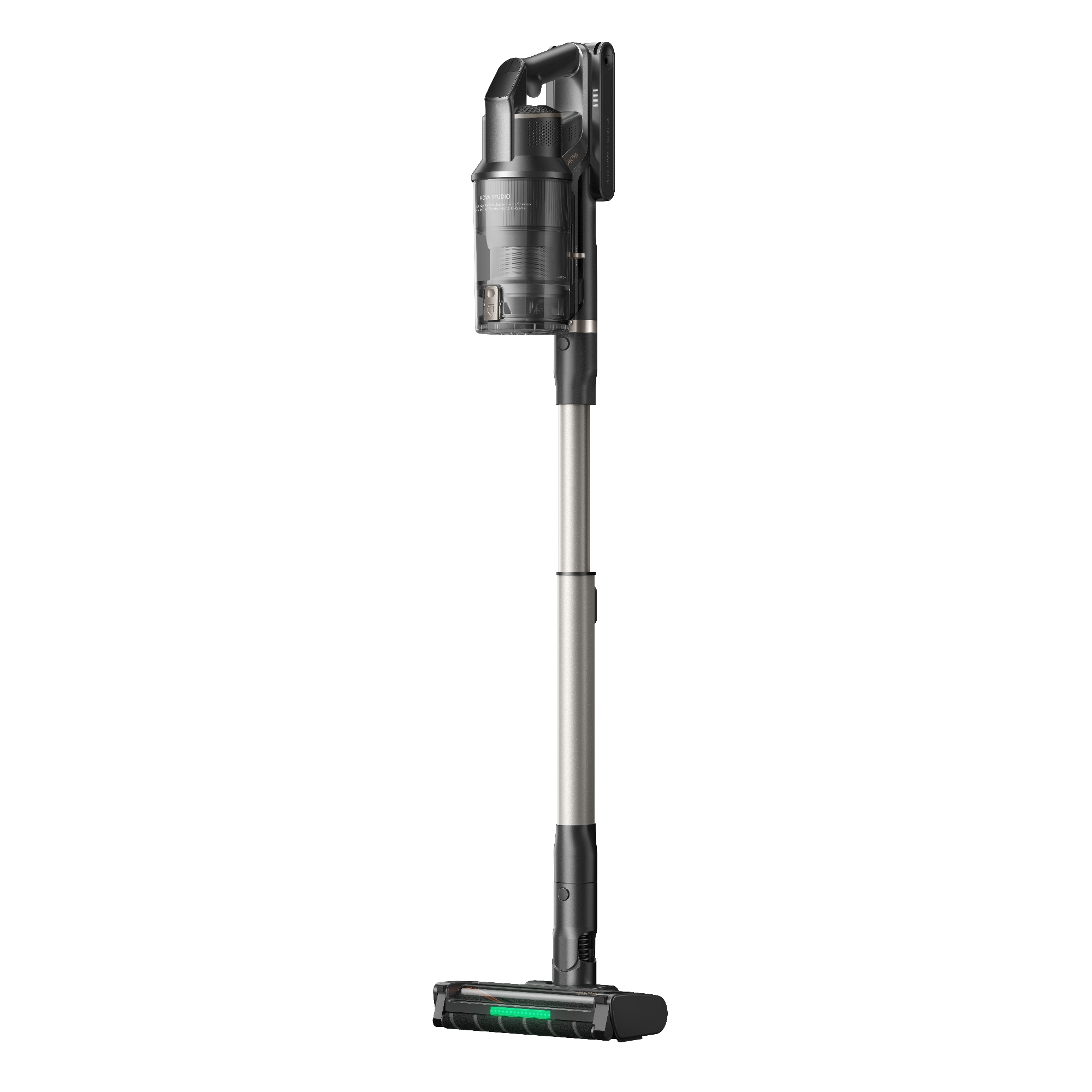
If you’re replacing your current vacuum, it’s worth looking beyond raw suction power alone. Features such as high-quality filtration, efficient airflow systems and easy to maintain brush rolls all help a vacuum deliver reliable cleaning results over the long term.
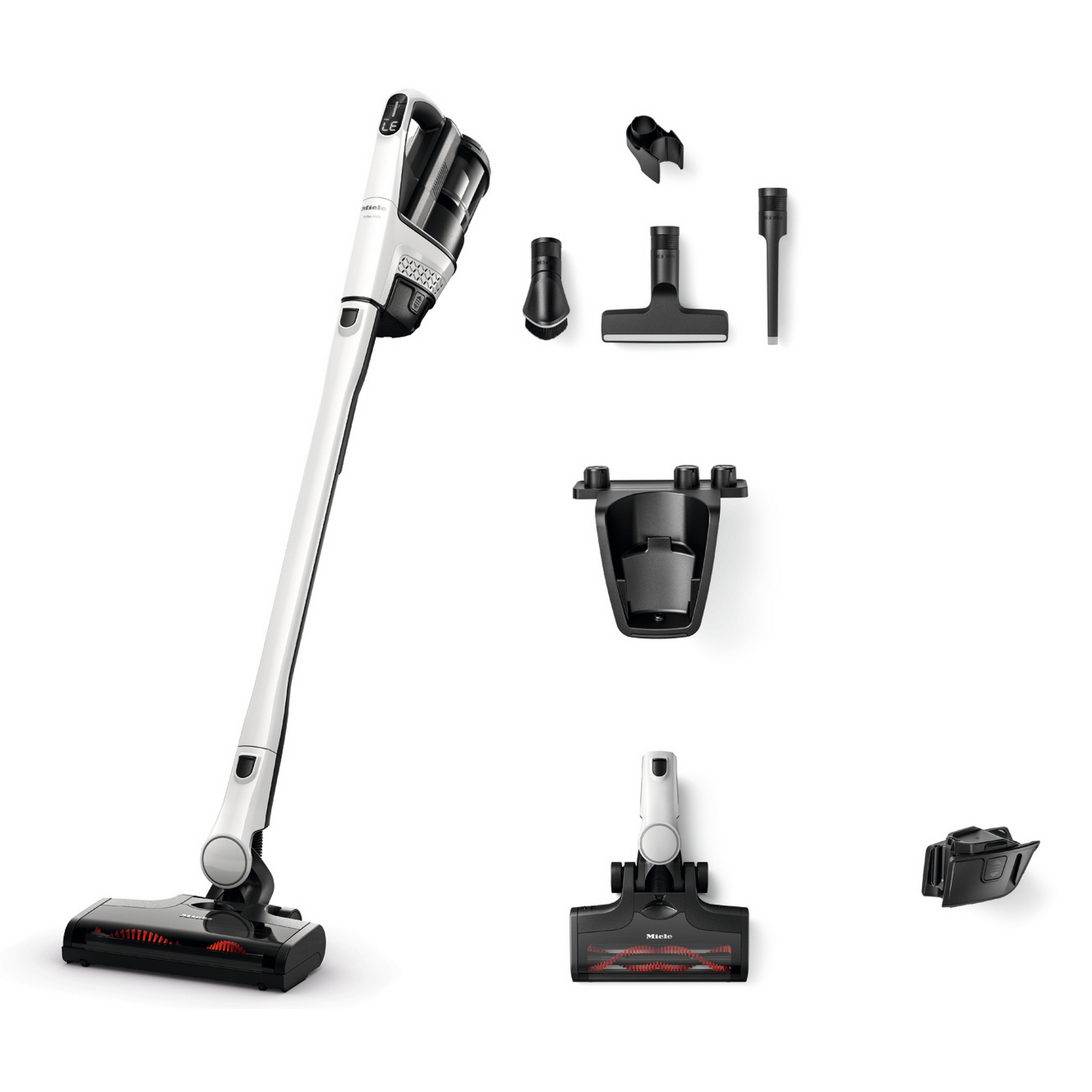
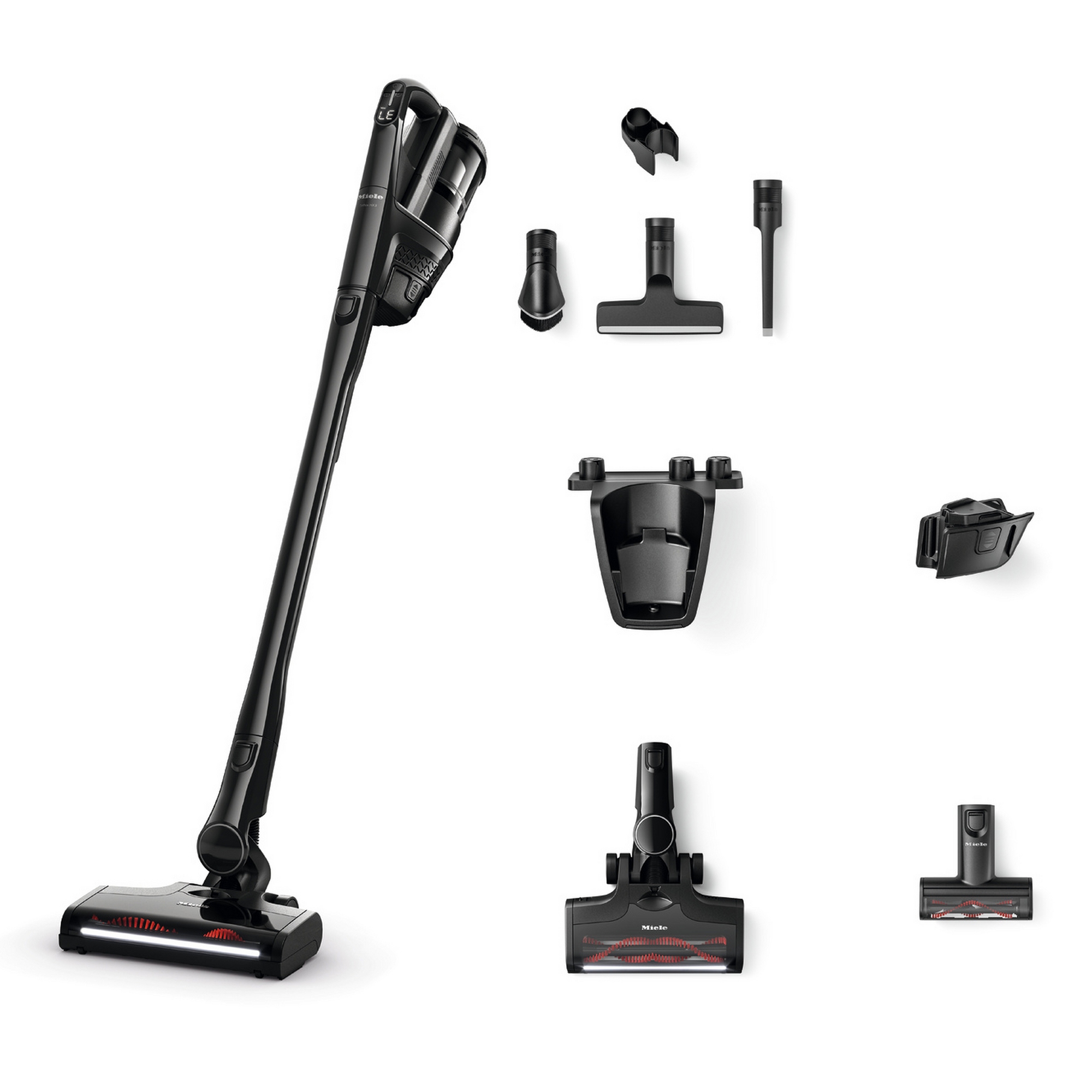
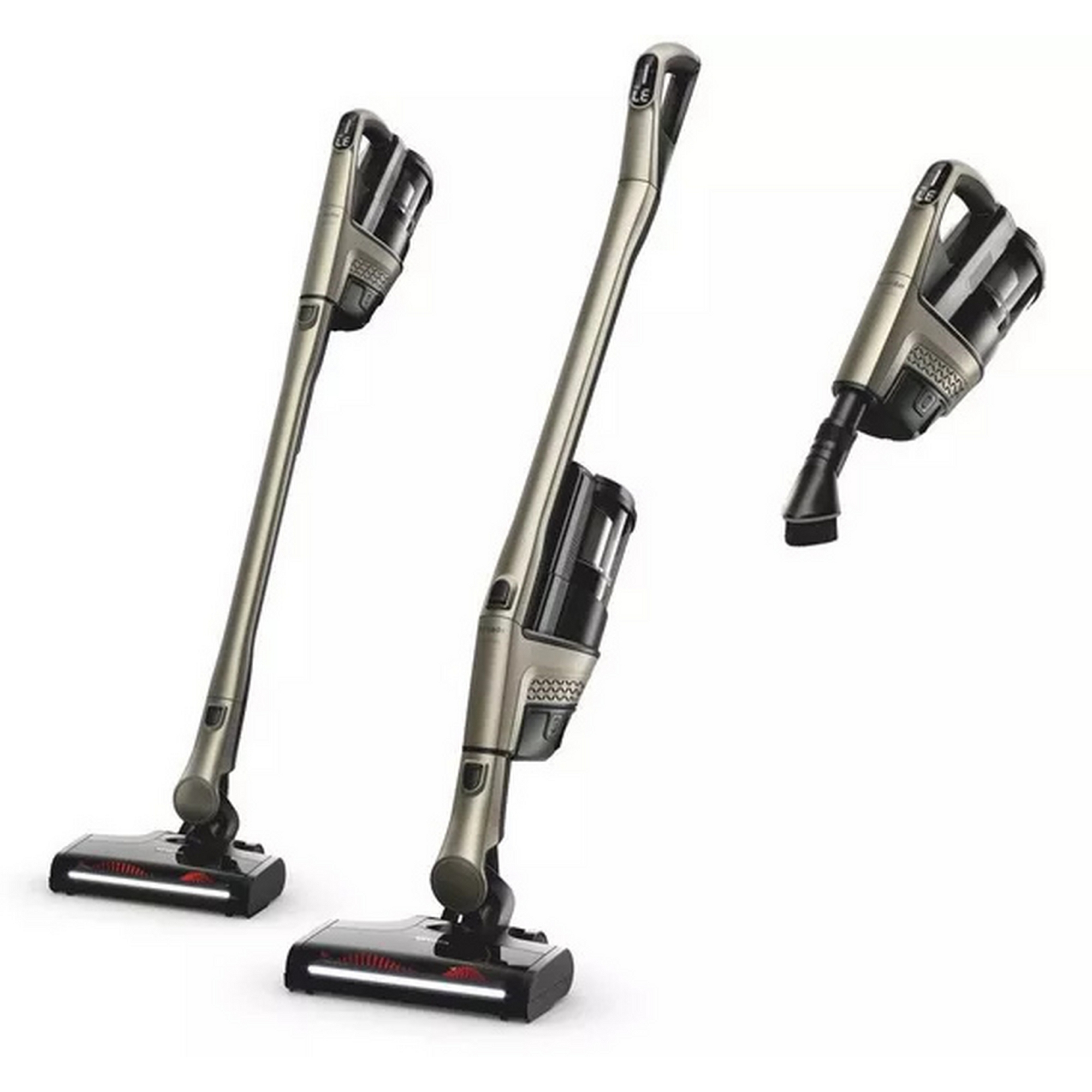
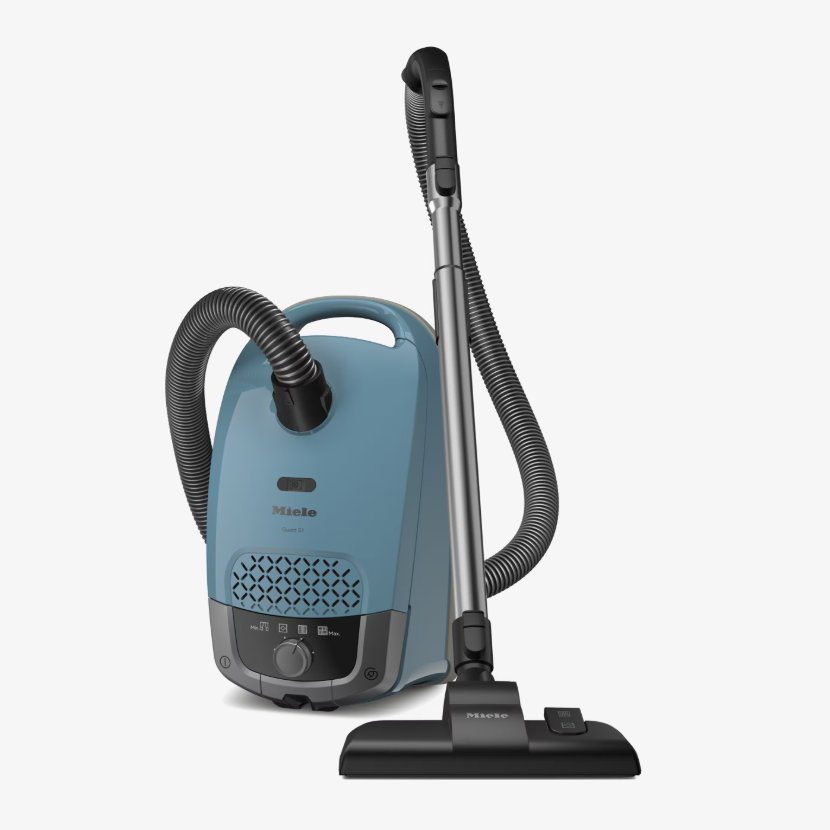
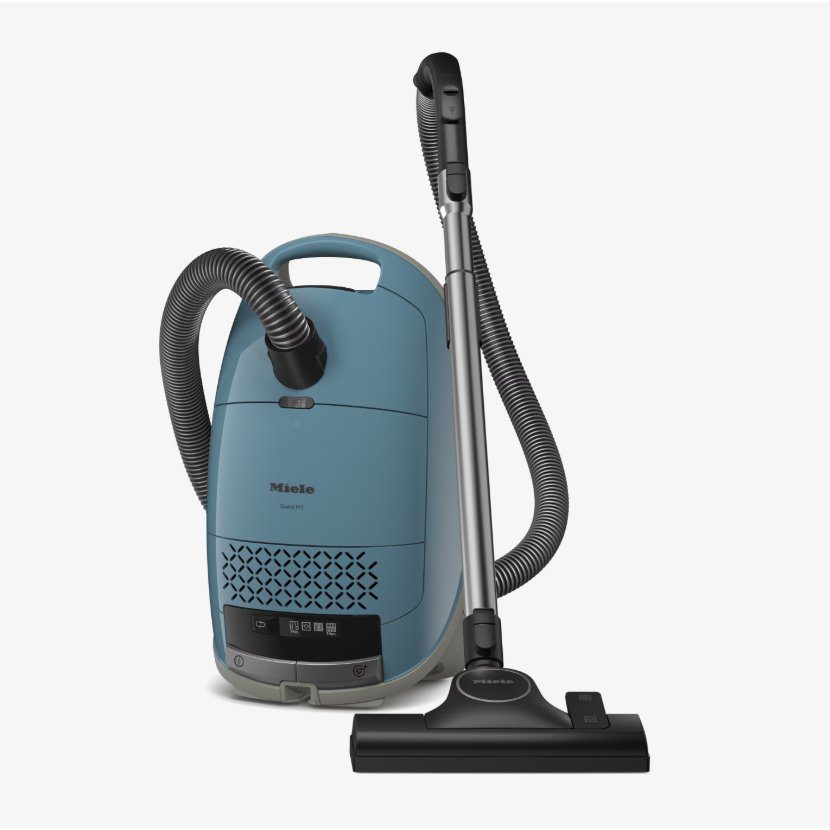
Bagged vacuums like the Miele Complete C3 are well known for their strong, consistent suction and excellent filtration, making them a popular choice for larger homes and allergy sufferers. For quick everyday cleaning, cordless models such as the Miele Triflex HX2 combine impressive performance with the flexibility to move easily around the home.
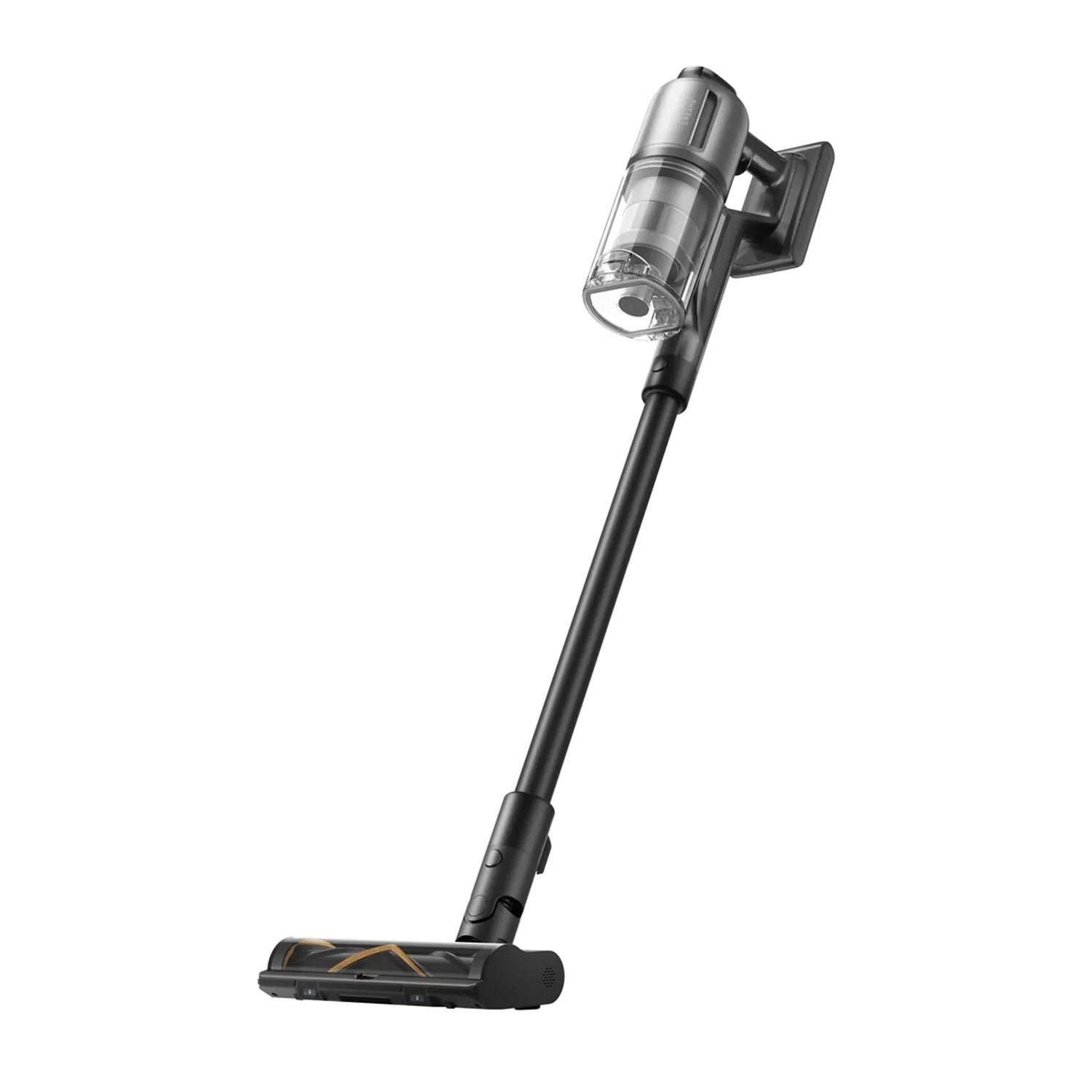
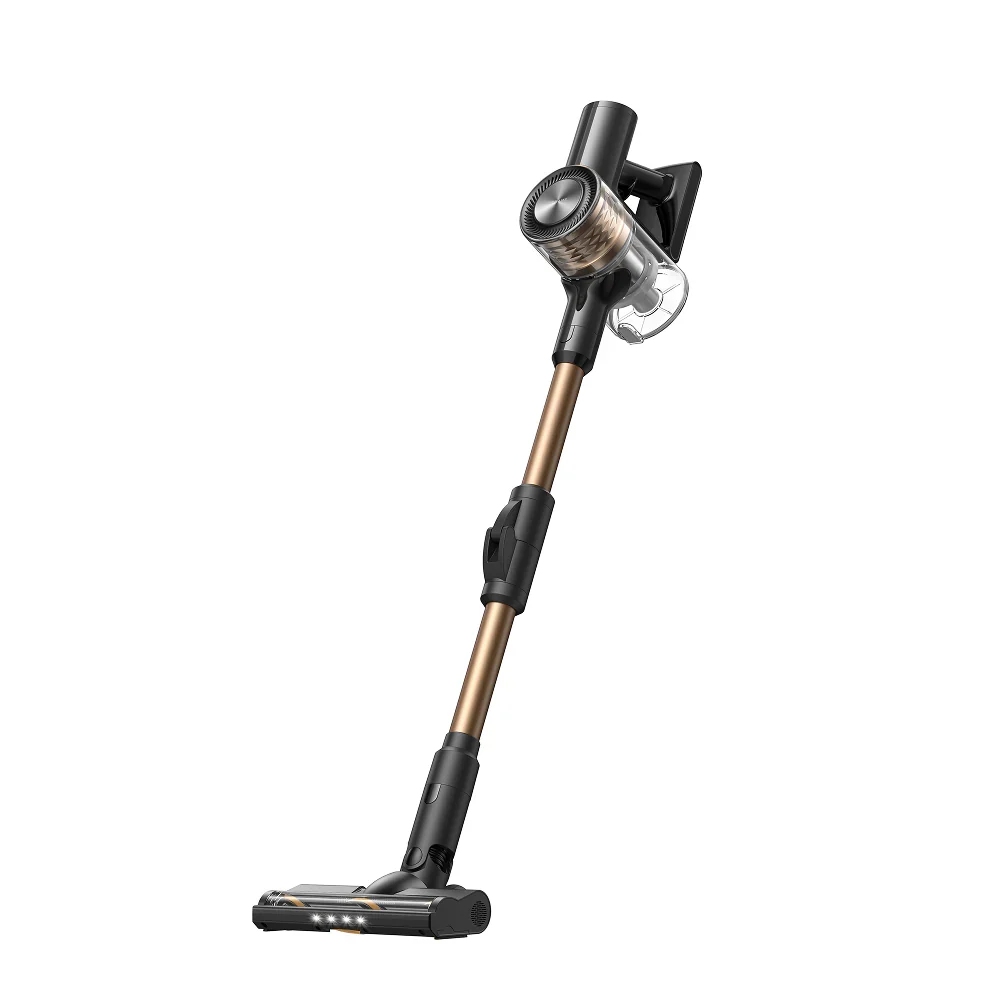
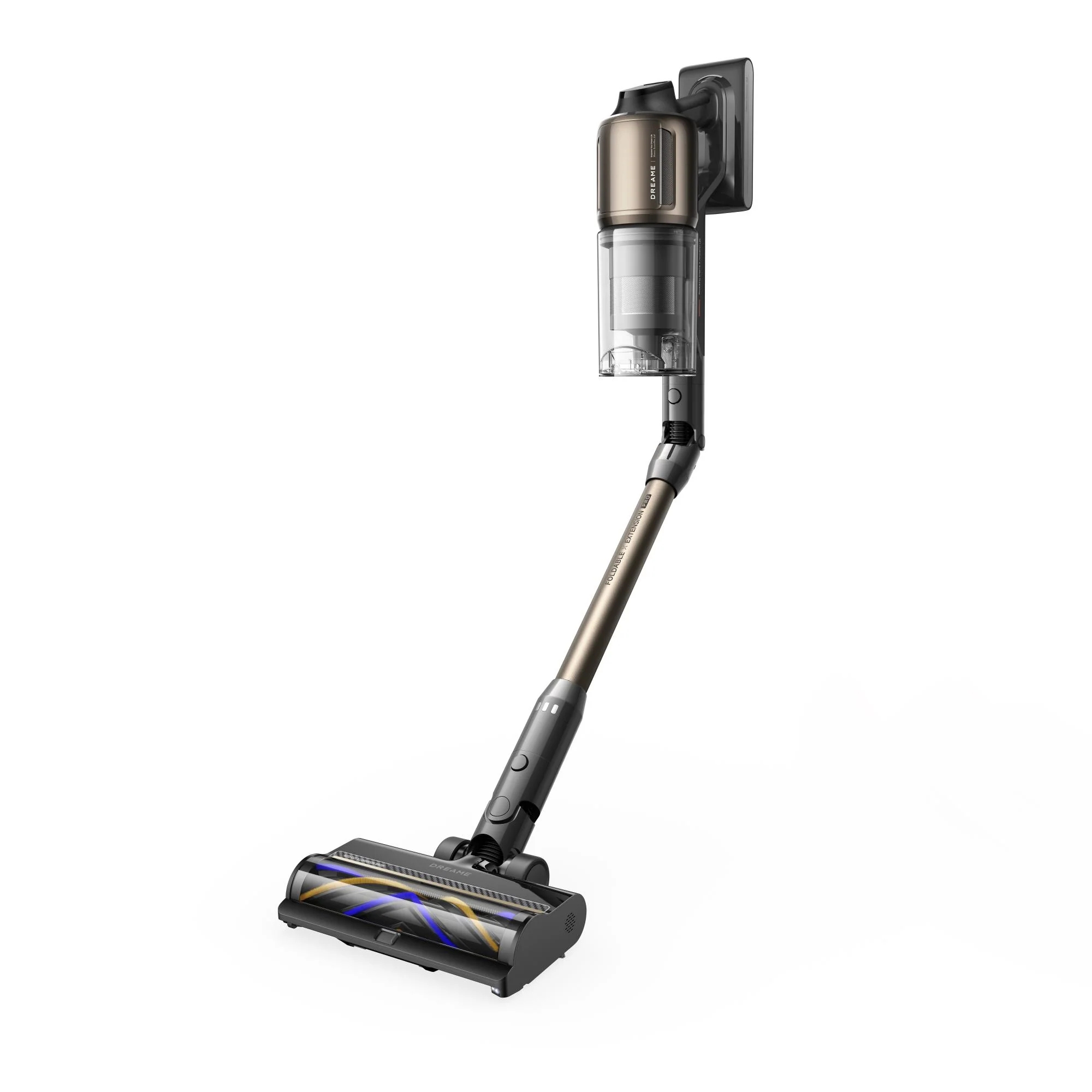
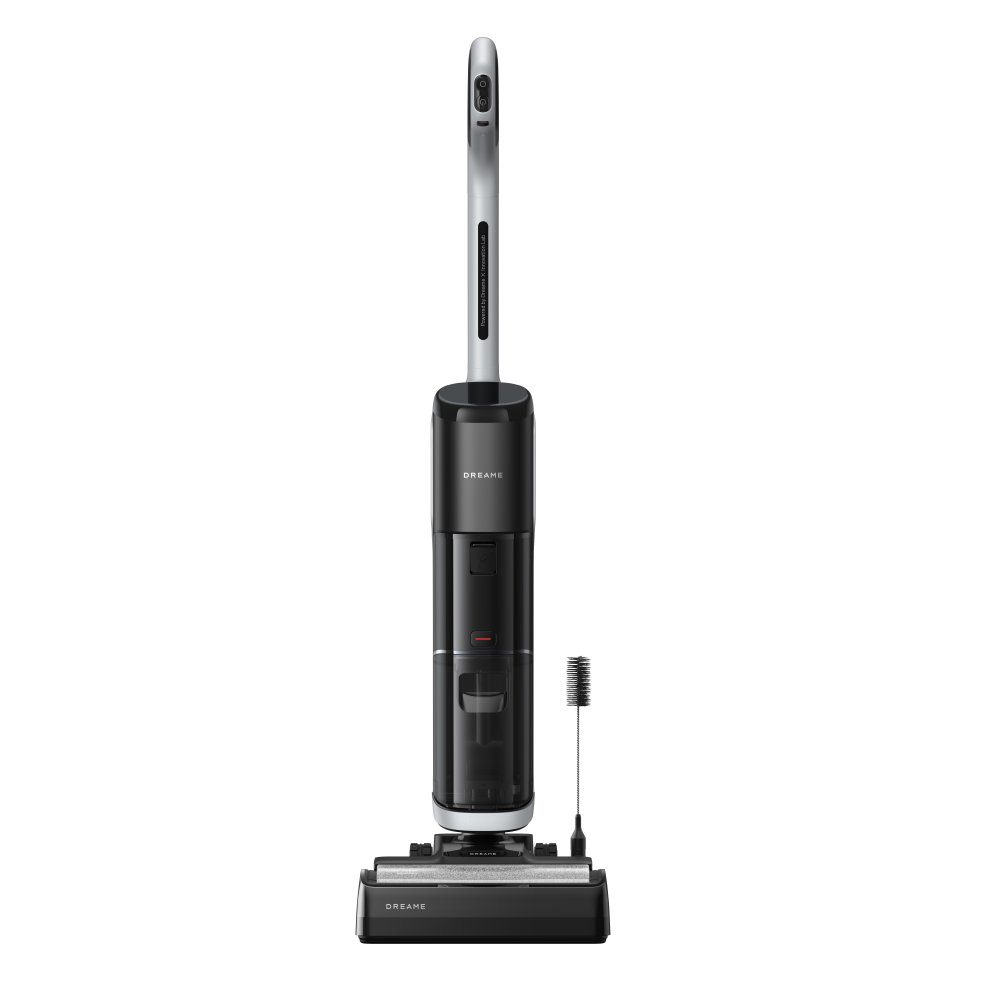
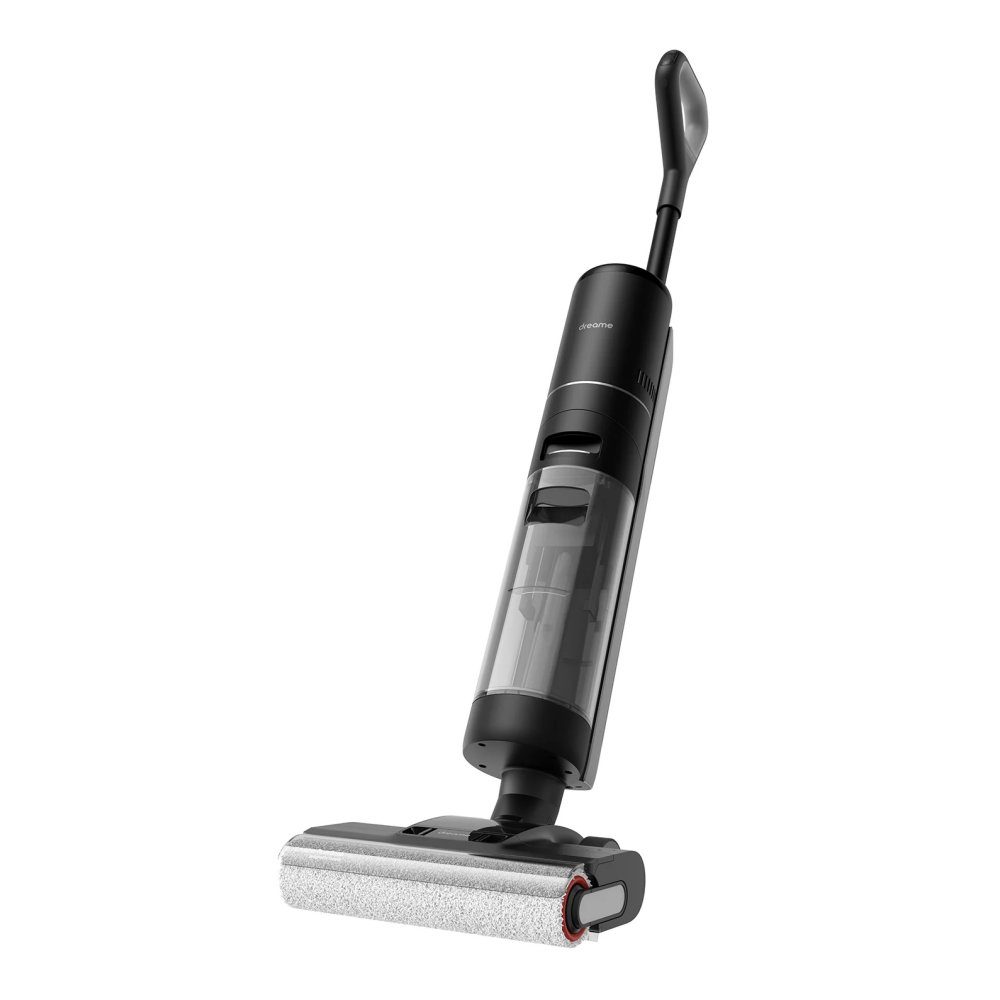
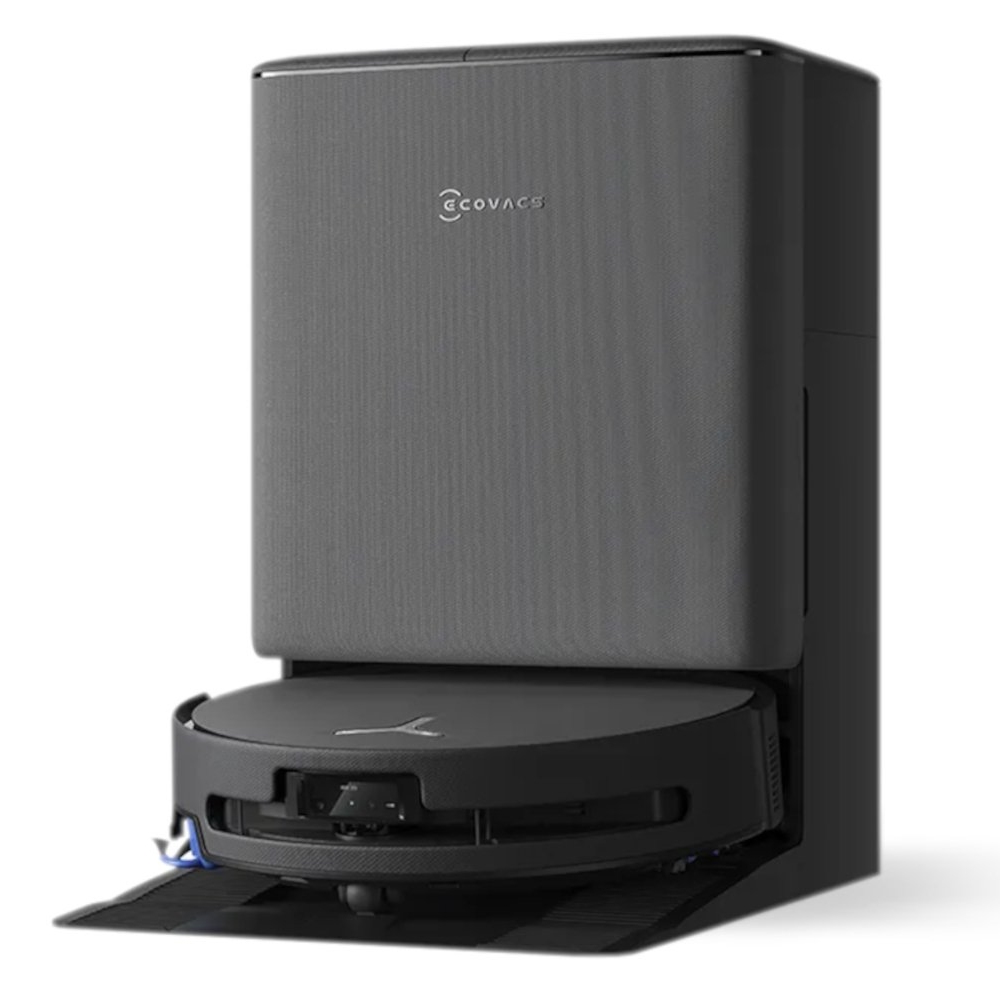
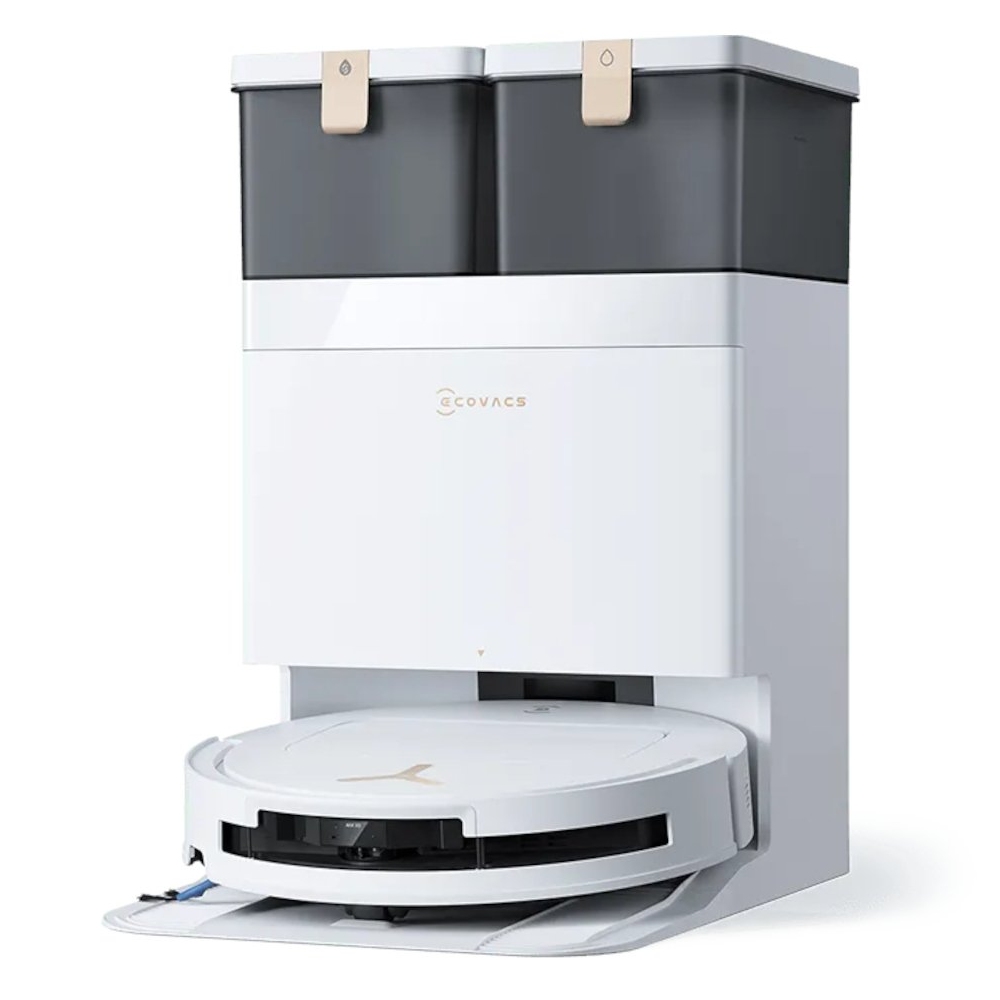
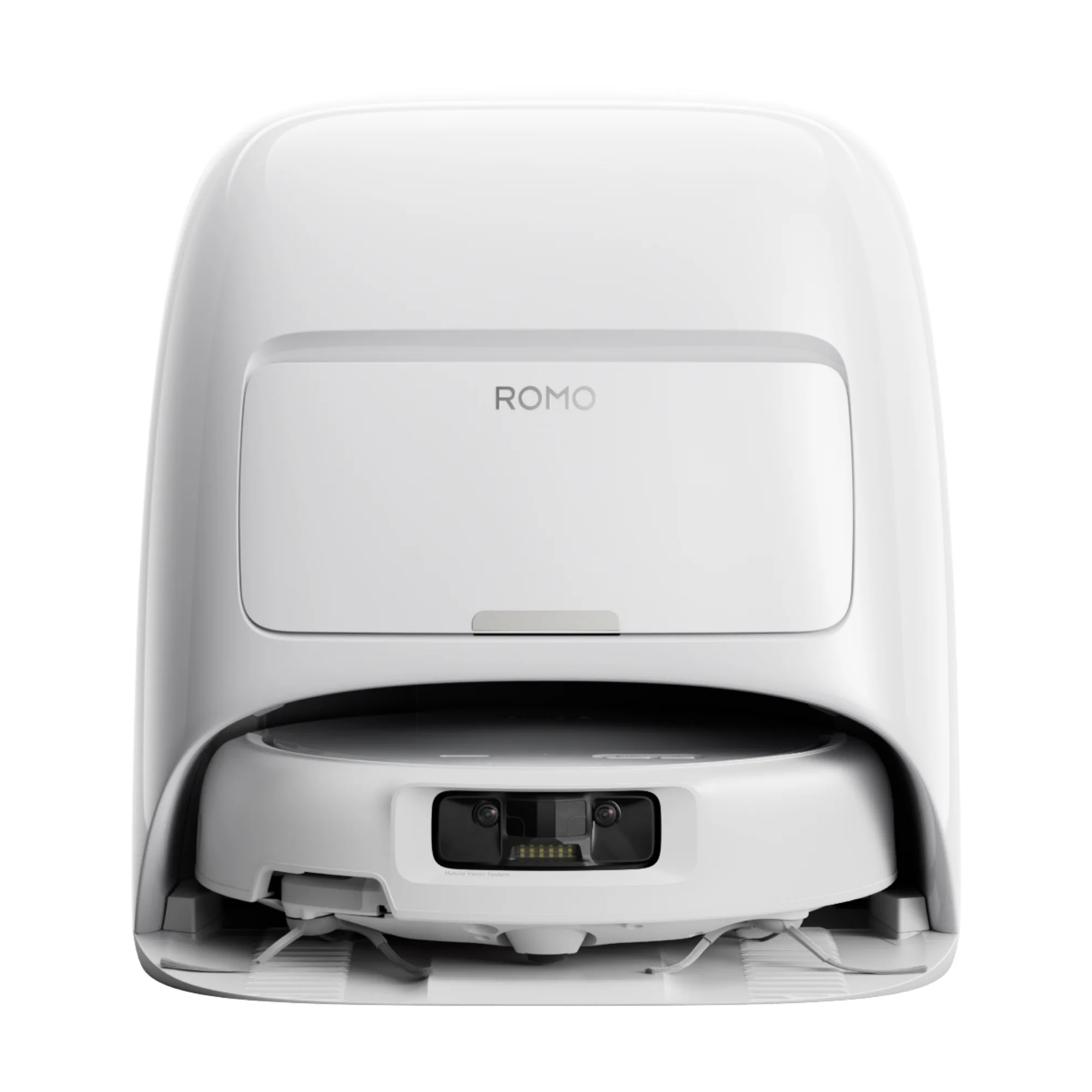
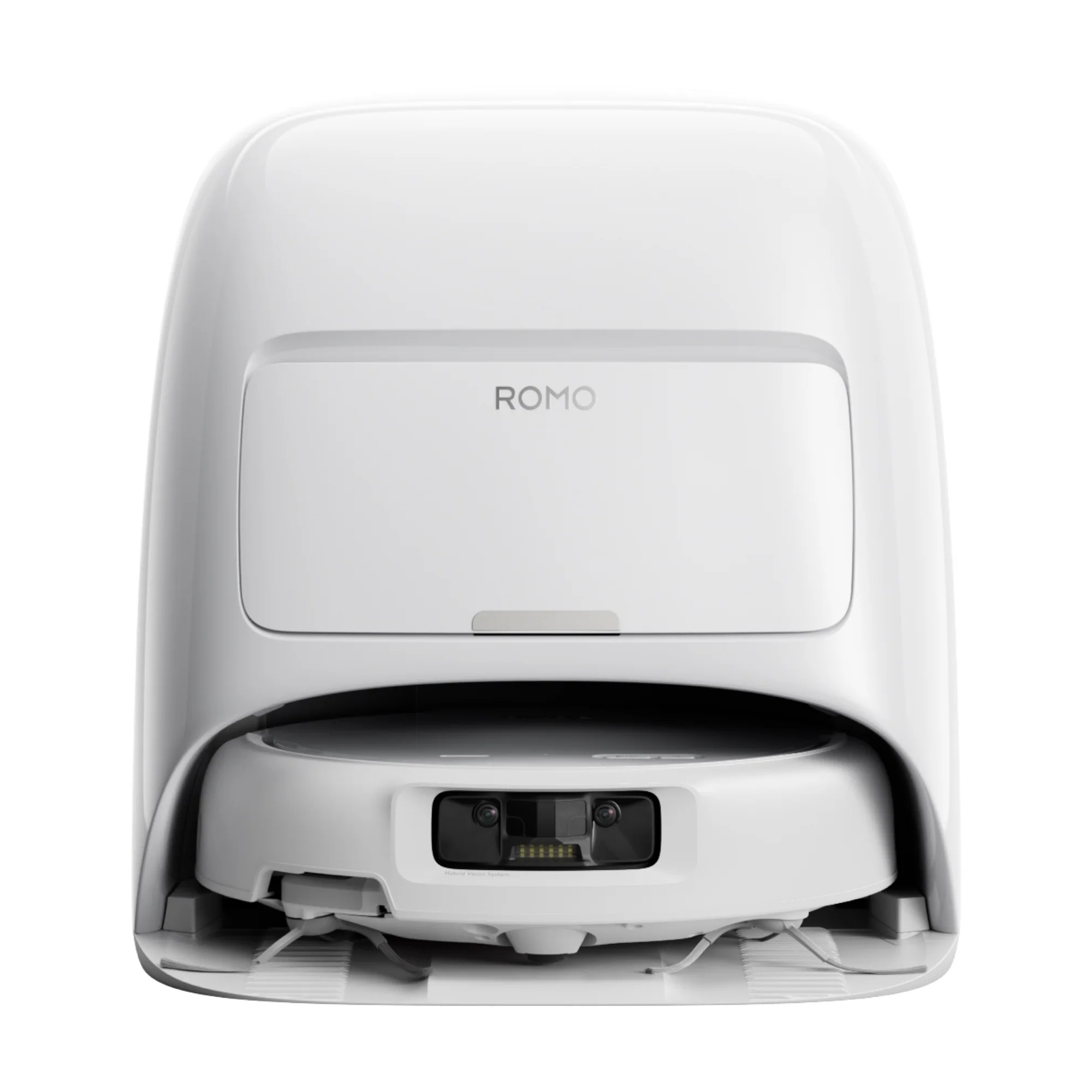
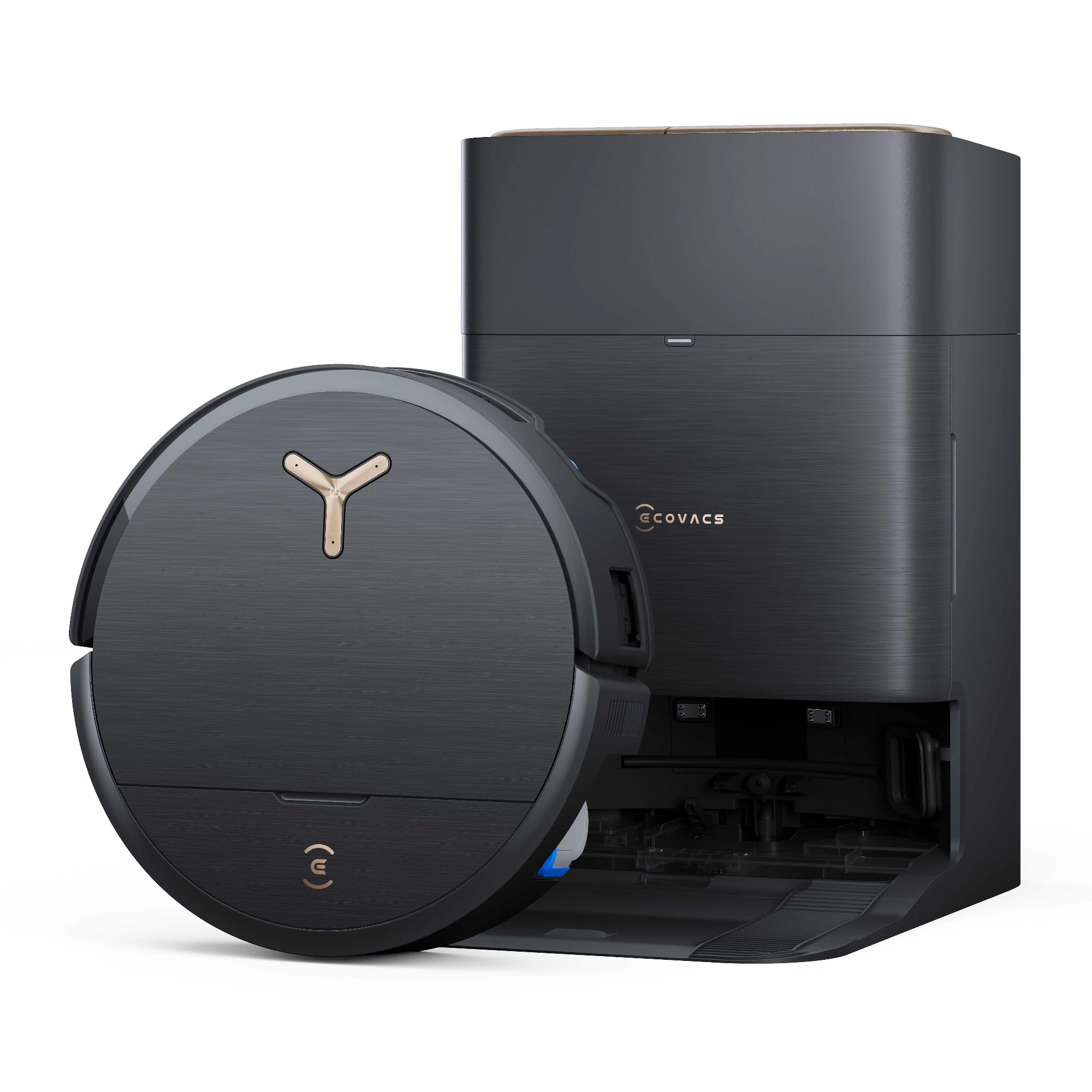
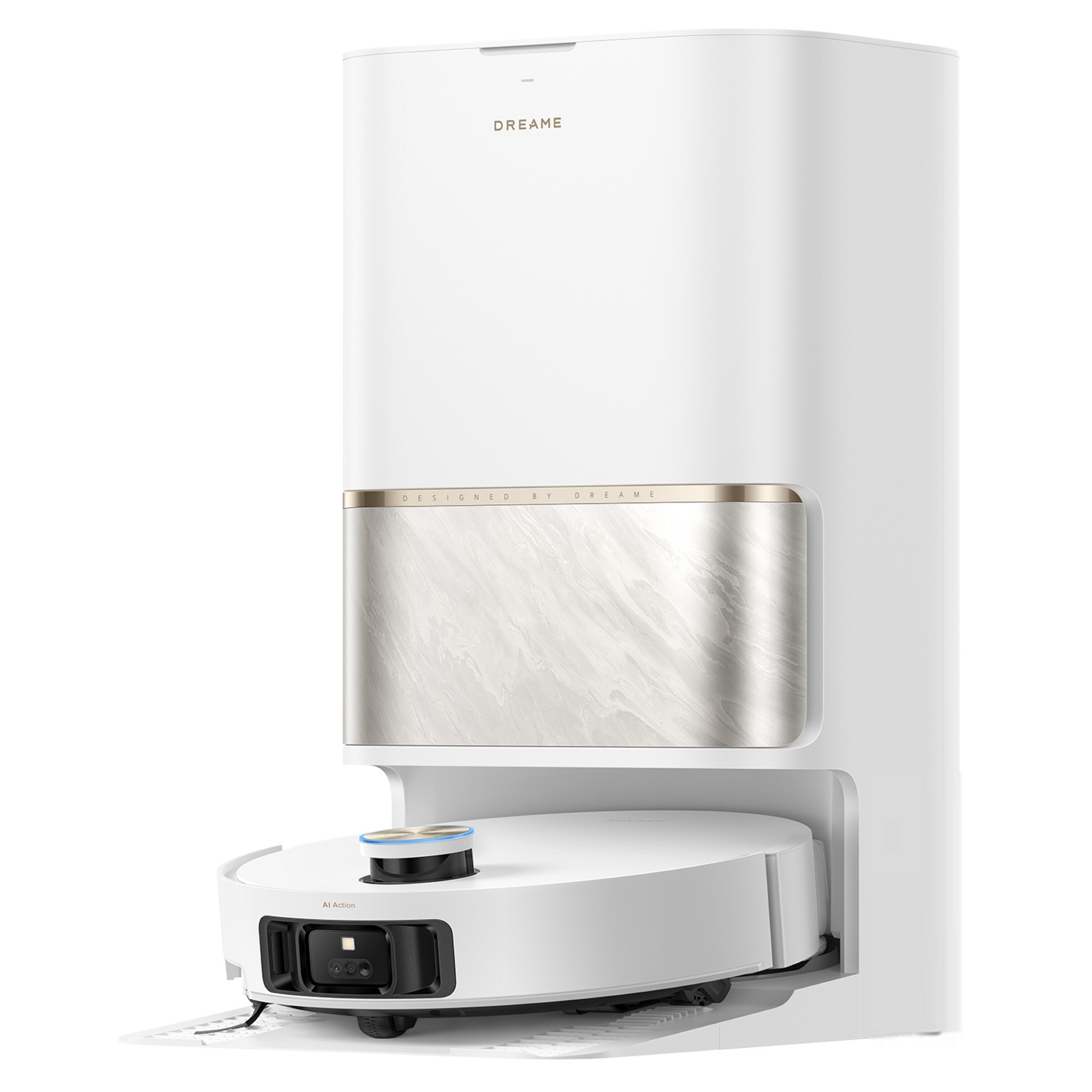
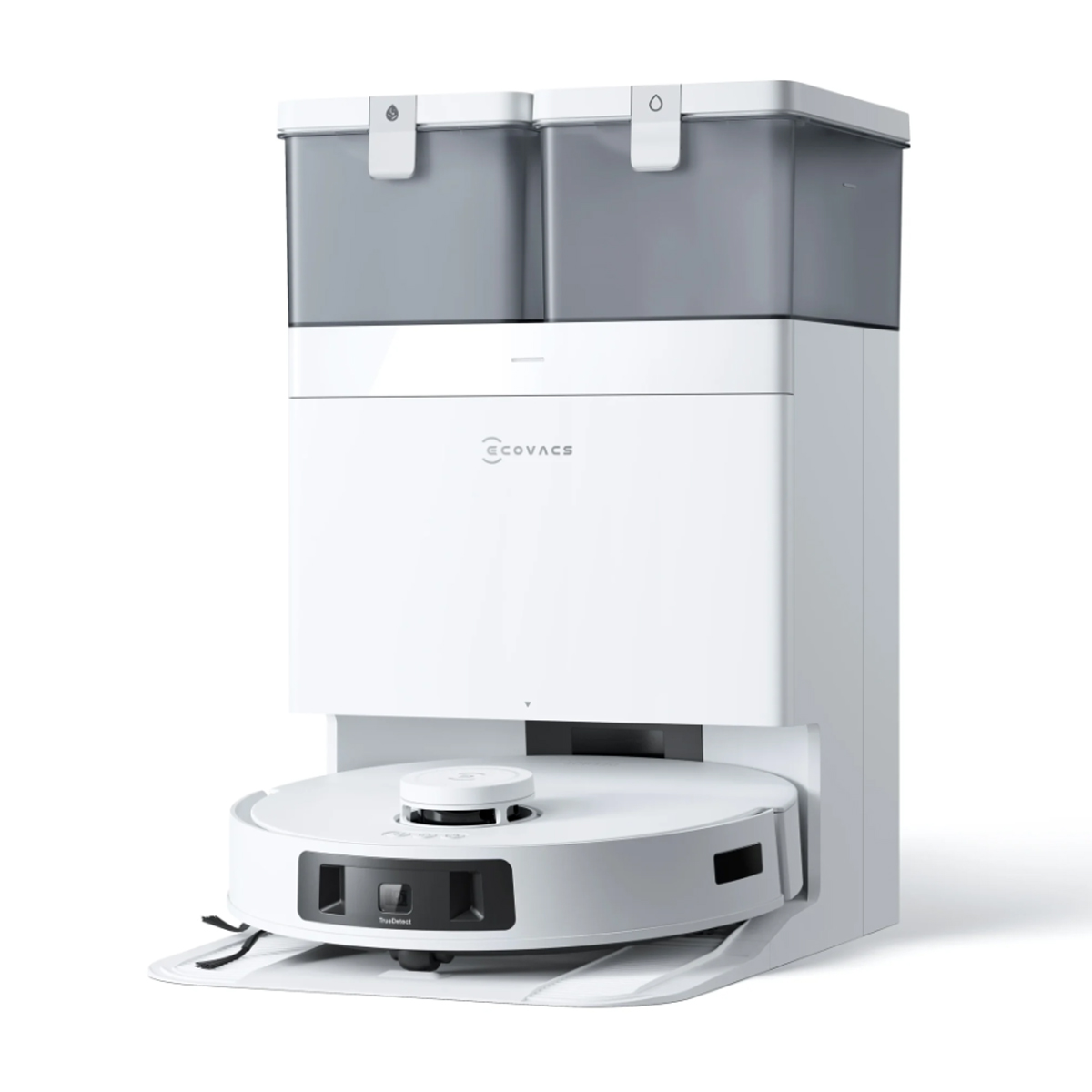
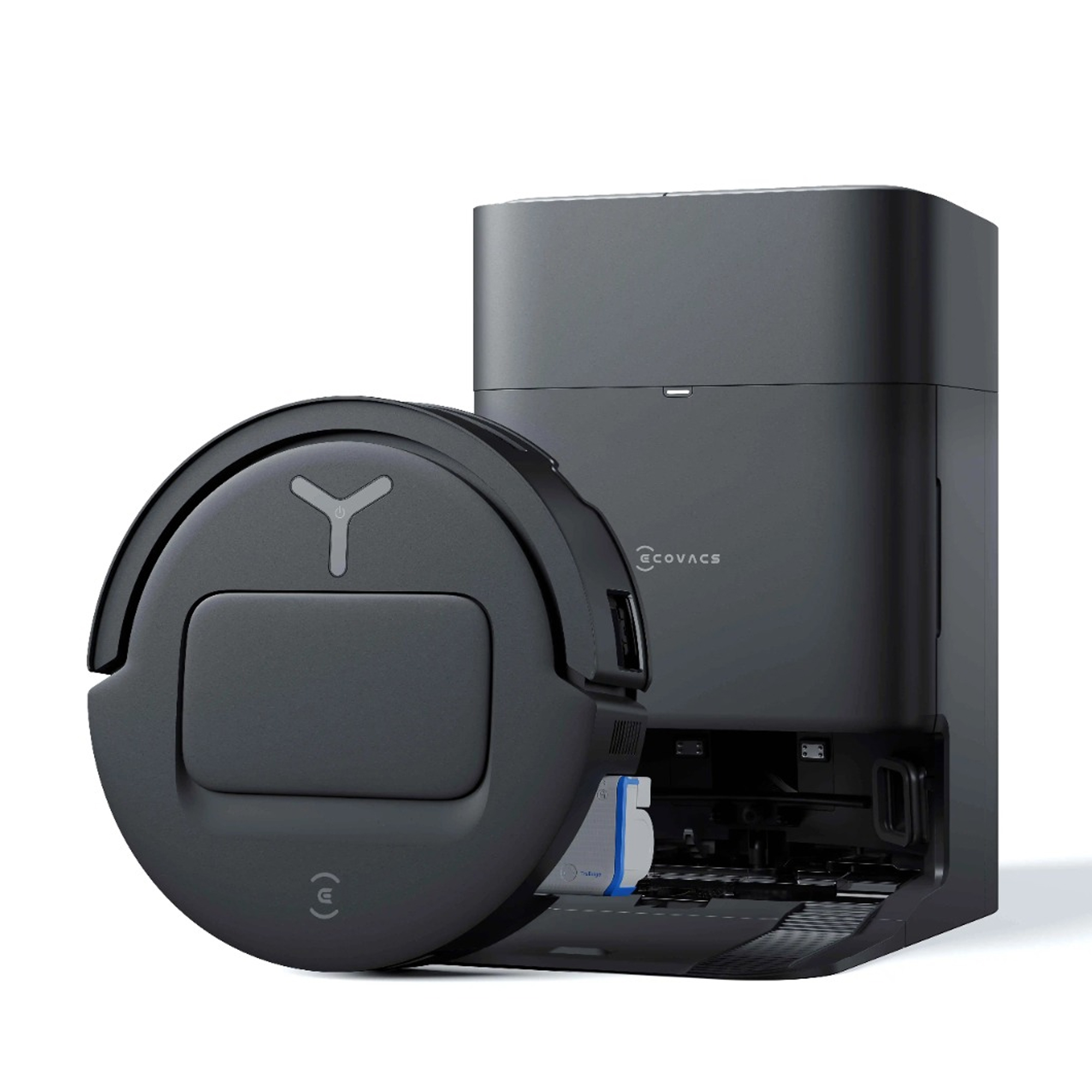
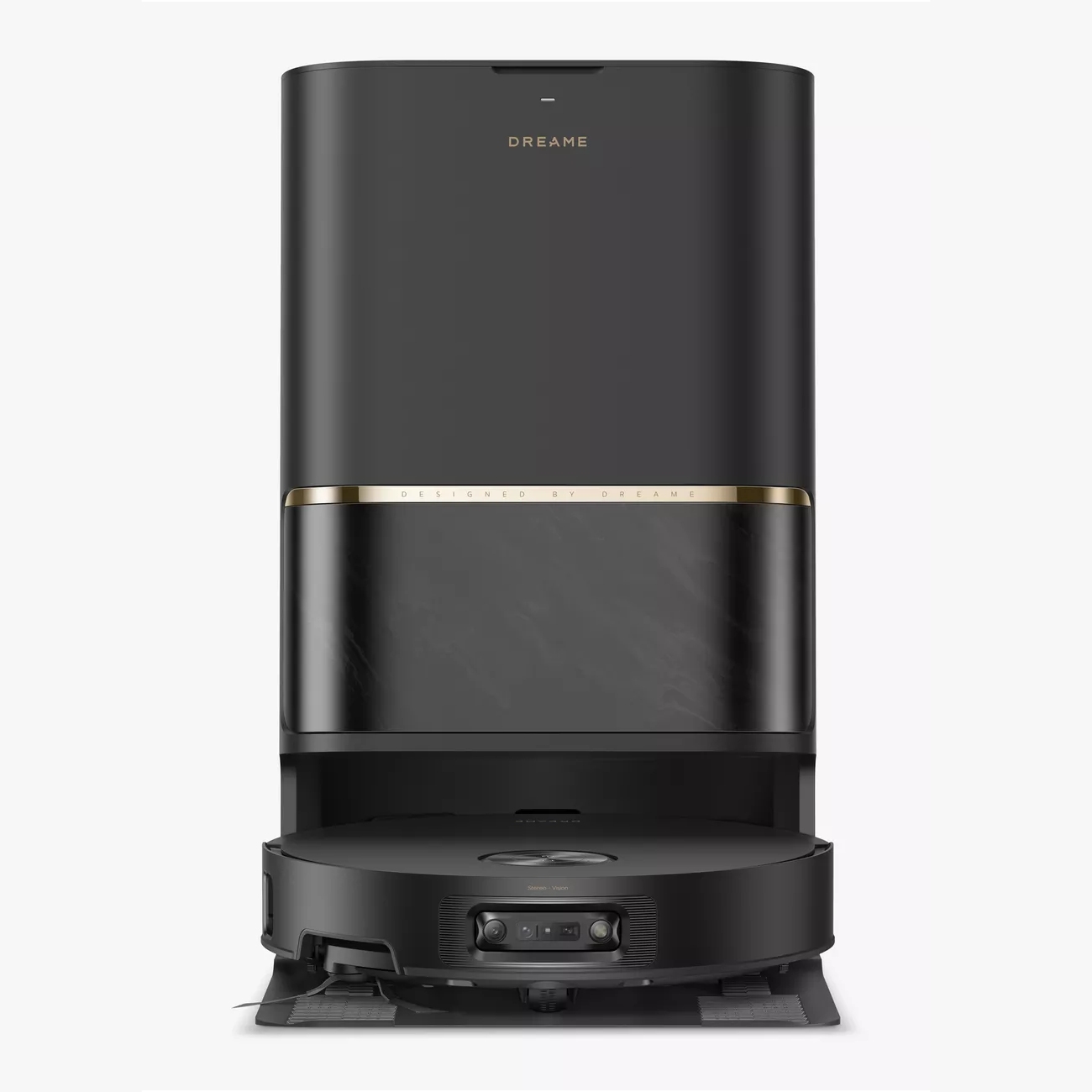
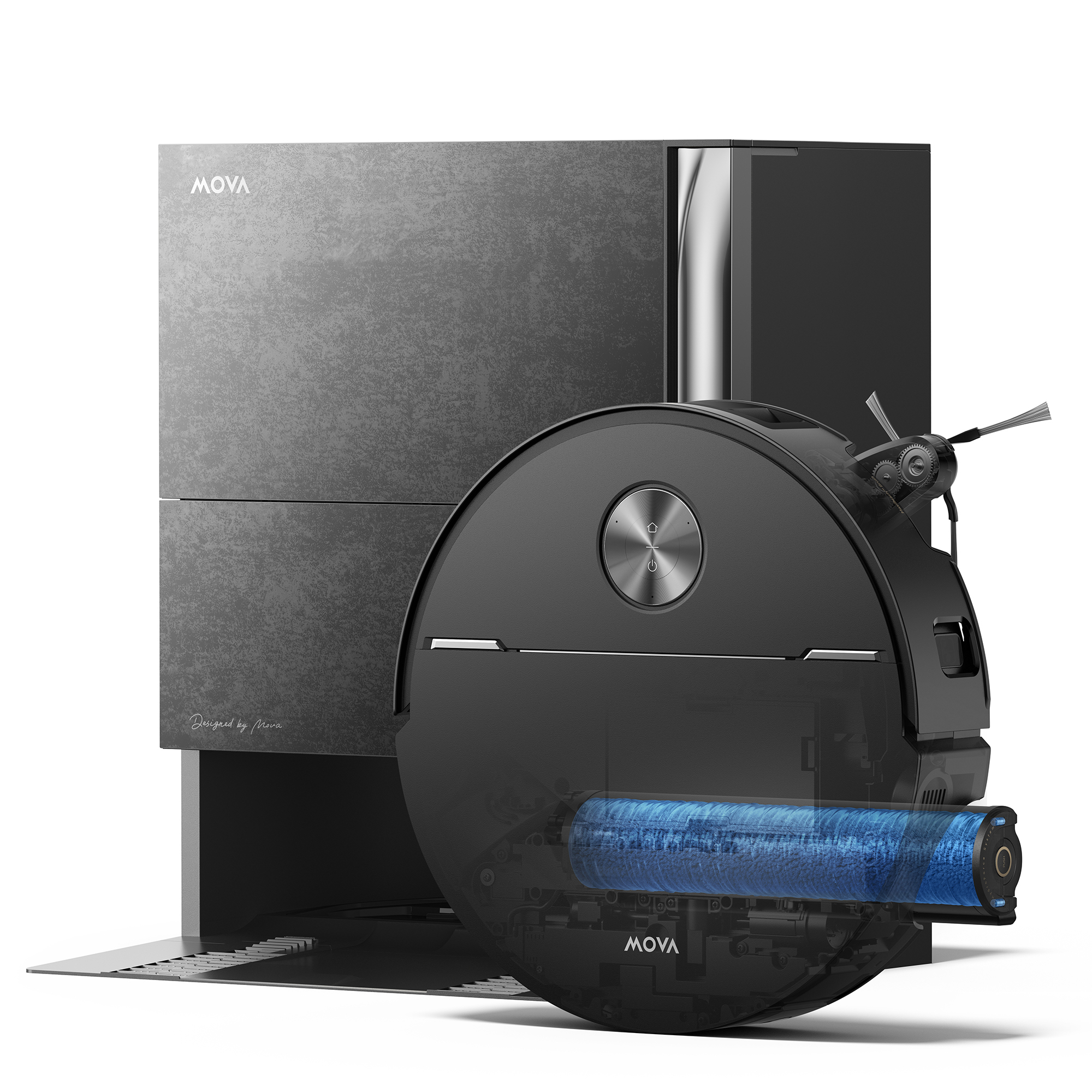
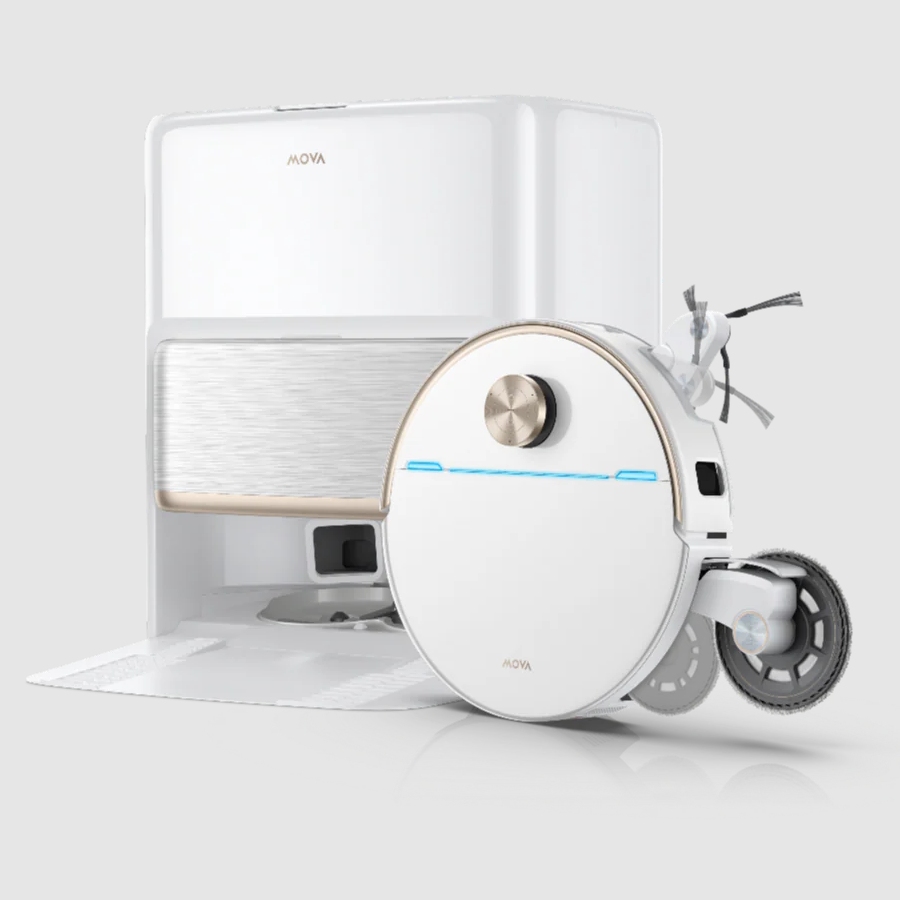
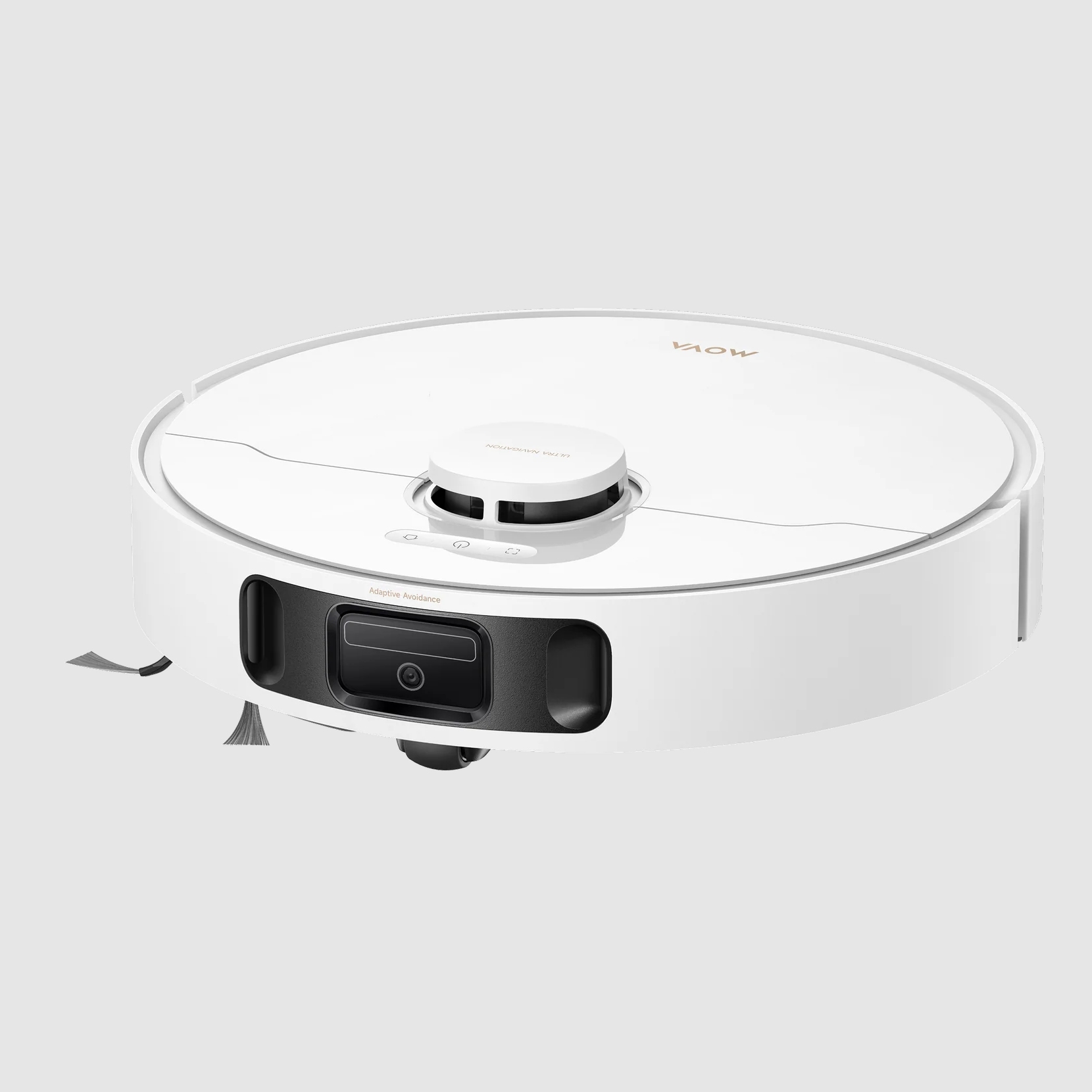
If convenience is your priority, many Samsung and Dreame robot vacuums use intelligent navigation, automatic suction adjustment and self-emptying docks to keep floors clean with very little effort. The best vacuum isn’t simply the one with the highest power rating, it’s the one that’s easy to maintain, suits your home and continues cleaning effectively year after year.
Shop Vacuum Cleaners








FAQs: Why Does My Vacuum Cleaner Lose Suction
The most common causes are a full dust bag or dust container, clogged filters, blocked hoses or hair wrapped around the brush roll. Checking these areas will often solve the problem.
It depends on the model and how often you vacuum. Washable filters usually need cleaning every few months, while replacement filters should be changed according to the manufacturer’s recommendations.
Yes. As the bag fills up, airflow becomes more restricted, which can reduce cleaning performance. Replacing the bag before it becomes completely full helps maintain strong suction.
A build up of dust, clogged filters or debris trapped inside the hose can restrict airflow and create unpleasant odours. Cleaning the vacuum thoroughly often resolves both issues.
If the problem is caused by blocked filters, tangled brush rolls or worn parts, repairing it is often worthwhile. However, if the motor has failed or the vacuum is very old, replacing it with a newer model may be the more cost effective option.