

Conventional
Traditional cooking with heat from both top and bottom elements. Ideal for baking cakes, pastries, and roasting meat.
Compare (0 of 4)
|
Offers & Discounts
|
|
|
Services
|
|
|
Energy Rating
|
|
March 19, 2026
Modern ovens come with a range of function symbols designed to make cooking more intuitive. From fan-assisted modes to grill and defrost settings, these icons help you select the right cooking function for every dish. If you’ve ever stared at an oven panel and wondered what all the symbols mean, this guide will help.
2 min read
Oven function icons are visual shortcuts that tell you exactly how your oven will operate. Understanding them can help you:
Different brands may have slightly different icons, but most follow similar patterns, so learning them makes switching between ovens easier.

Traditional cooking with heat from both top and bottom elements. Ideal for baking cakes, pastries, and roasting meat.

Circulates hot air evenly around the oven. Perfect for baking on multiple shelves, cooking casseroles, or roasting meat evenly.

Browning, grilling, or toasting food directly under the top element. Great for open sandwiches, cheese toppings, or searing meat.

Combines the grill and fan for more even browning and cooking. Useful for roasting small joints of meat or cooking multiple slices of toast.

Circulates air at room temperature to thaw frozen food without cooking it. Ideal for delicate items like pastries or frozen meat.

Alost known as bottom heat + fan. Combines bottom heat and fan circulation. Perfect for pizzas, quiches, or anything requiring a crisp base.

Accelerates cooking by circulating heat from both elements. Great for multi-level baking or roasting.
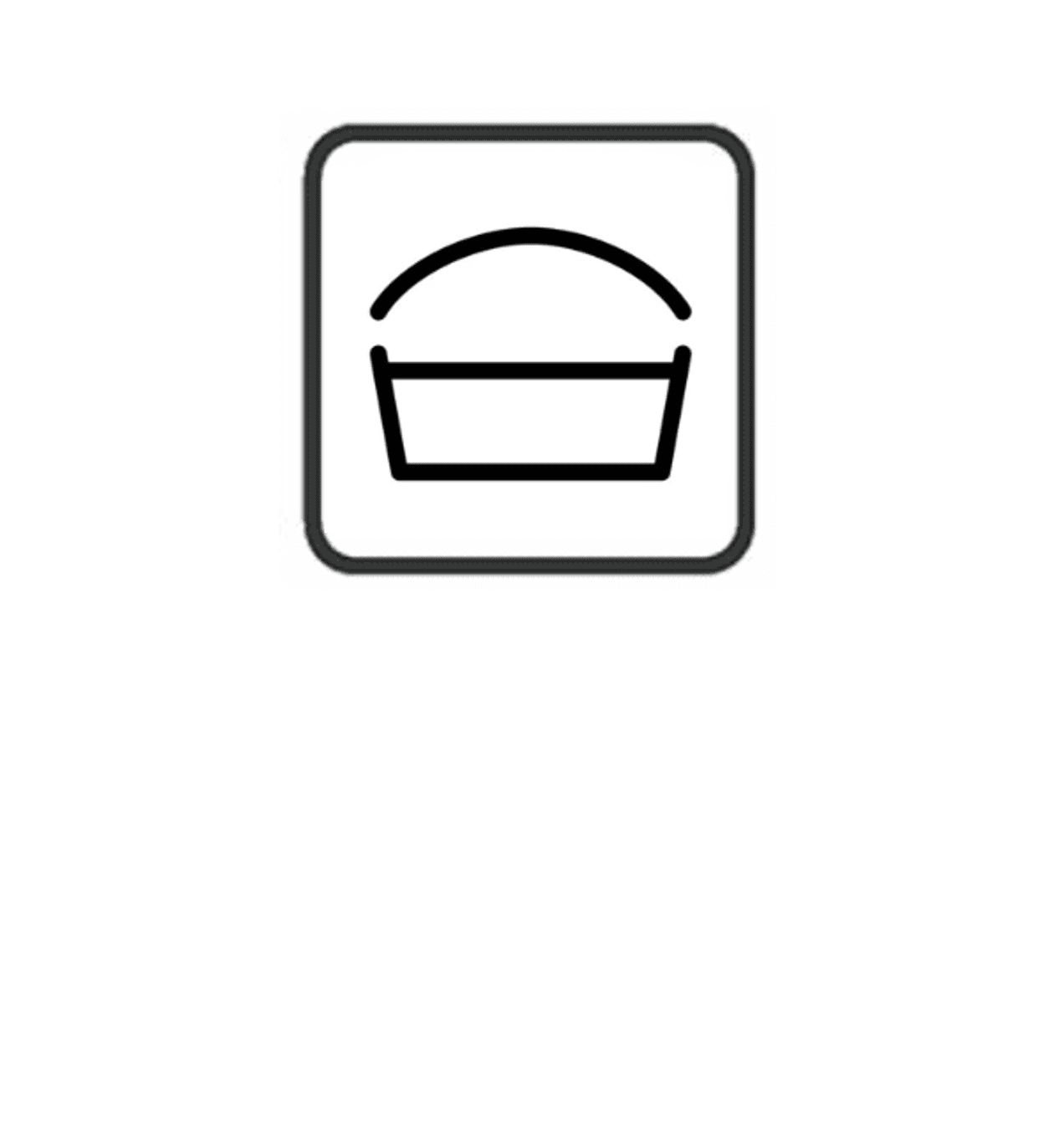
Yeast dough rises at controlled warmth. Perfect for bread makers with all levels of experience.

Gentle heat over several hours. Great for casseroles, curries and tender meats.
Fan assisted ovens circulate hot air, cooking food more evenly and quickly. Conventional ovens rely on top and bottom heat, so results may take longer and require careful rack positioning.
Yes! The fan helps distribute heat evenly while the grill browns the top, ideal for roasting small joints or gratins.
No, while icons are largely standard brands like Bosch, Miele, AEG, NEFF, and Siemens may have slight variations for advanced features like steam or bread proving.
A multifunctional oven is an oven that offers multiple cooking modes using different combinations of heating elements and fans, rather than just a single conventional heating method. In a standard oven, heat typically comes from the top and bottom elements only.
A fan oven uses one main cooking function: a fan that circulates hot air evenly around the oven to help food cook consistently. A multifunctional oven also includes fan cooking, but offers additional cooking modes as well, such as conventional heat, grilling, fan grilling, or specialist settings for different types of food.
The key difference is choice. With a standard fan oven, most dishes are cooked using the same setting. With a multifunctional oven, you can select the most appropriate function depending on what you’re preparing. This can be particularly useful for recipes that benefit from a more traditional bake, a crisp finish, or gentler heat.
For everyday cooking, both can perform well, but a multifunctional oven gives you more flexibility and greater control over the final result.
The main benefit of a multifunctional oven is flexibility. With multiple cooking settings available, you can choose the most suitable function depending on what you’re making, rather than relying on one single heat source for everything. This can improve cooking results, especially when baking, roasting, or preparing different types of dishes. Some settings are better for evenly cooking multiple trays, while others are designed for gentler baking or crisping specific foods.
Multifunctional ovens can also make everyday cooking more efficient, with features like rapid preheating, grilling options, and self-cleaning functions available on many models.
For people who cook regularly or enjoy trying different recipes, that extra control can make a noticeable difference. Rather than adapting your cooking to suit the oven, a multifunctional oven gives you more freedom to choose the setting that works best for the food.