

July 30, 2026
The Most Common Washing Machine Mistakes That Shorten Its Life
A washing machine is one of the hardest working appliances in the home. Whether you're tackling muddy sports kits, family laundry or the never ending pile of towels, it's easy to take it for granted until something goes wrong. The good news is that most washing machines are built to last for many years. However, the way you use and maintain yours can have a big impact on its lifespan. In fact, many common problems are caused not by faults with the machine itself, but by everyday habits that put unnecessary strain on its components. Let’s look at some of the most common washing machine mistakes and a few simple tips to help keep your appliance running smoothly for longer.
9 min read

Overloading the Drum
It can be tempting to squeeze in one more towel or that last pile of clothes to save running another wash. While it might seem like a time-saver, consistently overloading your washing machine is one of the quickest ways to increase wear and tear.
When the drum is packed too tightly, clothes can’t move around freely. That means detergent and water can’t circulate as effectively, leaving you with poorer wash results and putting extra strain on the motor, drum bearings and suspension system. If you regularly find yourself trying to fit everything into a single wash, it could be worth considering a washing machine with a larger drum capacity. A model that’s better suited to your household means you won’t have to choose between overloading the machine or running extra cycles.
Using Too Much Detergent
More detergent doesn’t necessarily mean cleaner clothes. In fact, using too much can leave a residue inside the drum, detergent drawer and pipework. Over time, this build-up can contribute to unpleasant odours, reduce washing performance and even make it harder for the machine to rinse clothes properly.
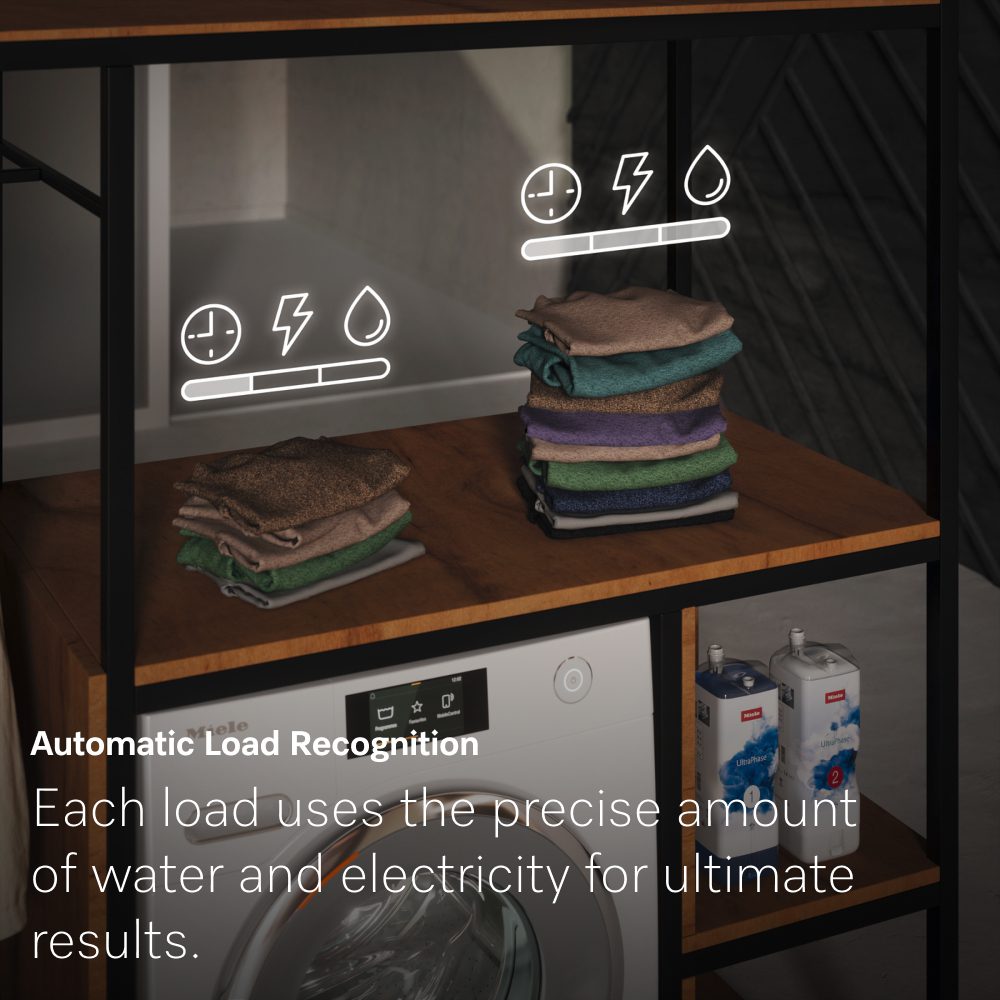
Always follow the detergent manufacturer’s dosage guidelines and adjust the amount depending on your load size, water hardness and how dirty your laundry is. Many modern washing machines now include auto dosing technology, which automatically dispenses the correct amount of detergent for each wash. Not only does this help reduce waste, but it can also improve cleaning results while protecting the machine from unnecessary detergent build up.
Forgetting to Clean the Filter
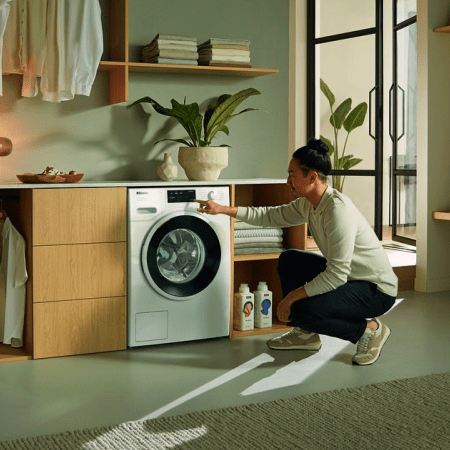
Out of sight often means out of mind, and the washing machine filter is a perfect example. Its job is to catch lint, loose fibres, coins, hair grips and other small items before they reach the pump. If the filter becomes clogged, it can restrict drainage, leave water sitting in the drum and even cause the machine to display error messages.
Checking and cleaning the filter every few months is a simple job that can help prevent bigger problems later on. Before removing the filter, it’s a good idea to place a towel or shallow tray underneath, as a small amount of water will usually drain out.
Skipping Maintenance Washes
Even if your washing machine looks clean, it still needs cleaning itself. Modern detergents are designed to work effectively at lower temperatures, which is great for saving energy. The downside is that bacteria, detergent residue and mould can gradually build up inside the drum, door seal and internal pipework.
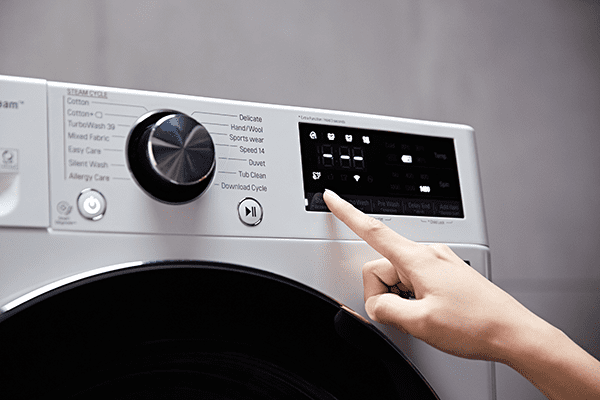
Running a maintenance wash every month or so on a hot cycle, either with a washing machine cleaner or according to the manufacturer’s recommendations, helps remove this build-up and keeps the appliance smelling fresh. It’s a small task that can make a noticeable difference to both washing performance and the lifespan of your machine.
Leaving Wet Washing in the Drum
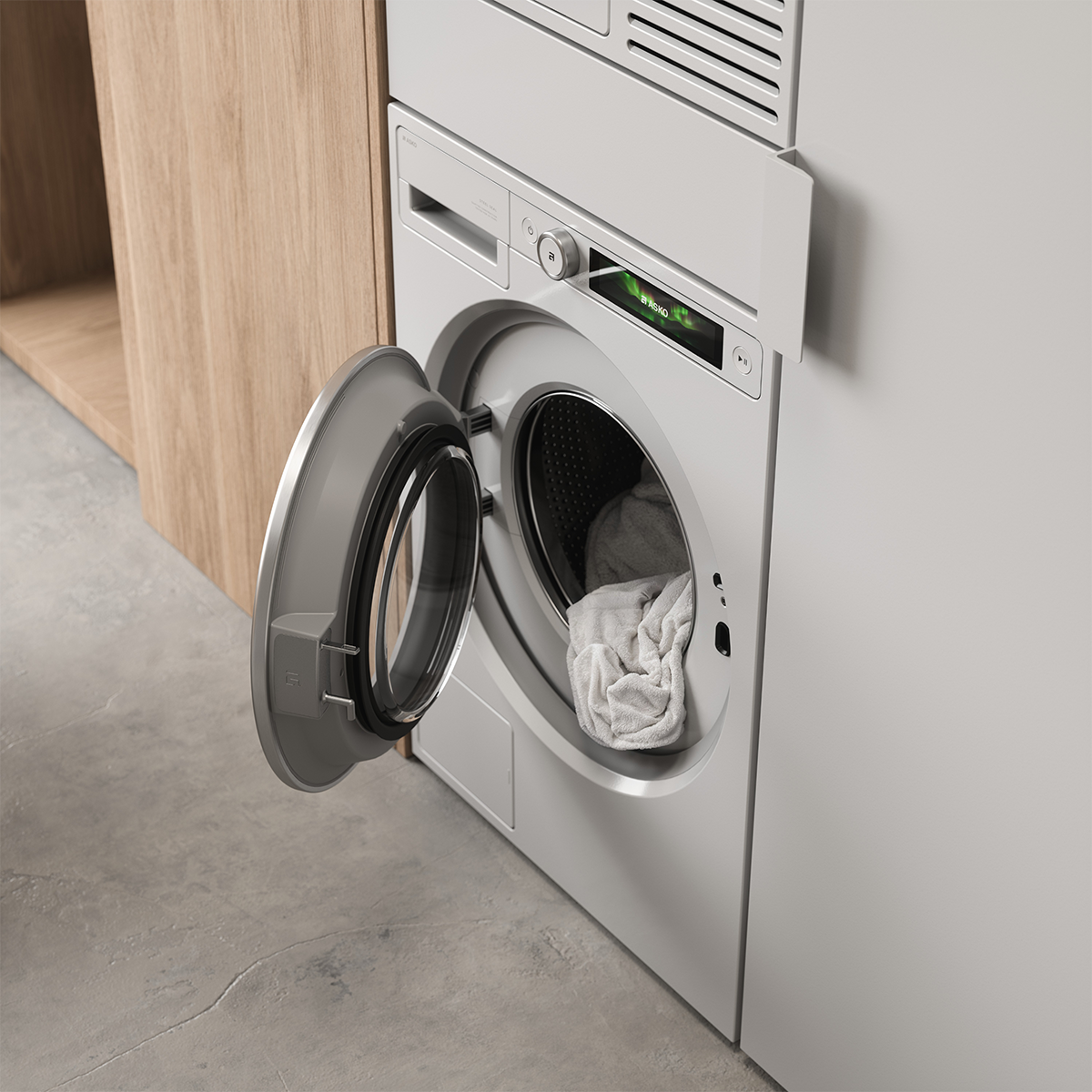
We’ve all done it. You start a wash, get distracted and only remember it several hours later. Occasionally forgetting about a load isn’t a problem, but leaving damp washing sitting in the drum regularly creates the perfect environment for mould and bacteria to develop. Over time, this can lead to unpleasant smells inside both the machine and your laundry.
As soon as a cycle finishes, try to remove your washing promptly. It’s also worth leaving the door slightly open afterwards to allow air to circulate and help the drum dry naturally.
Ignoring the Door Seal
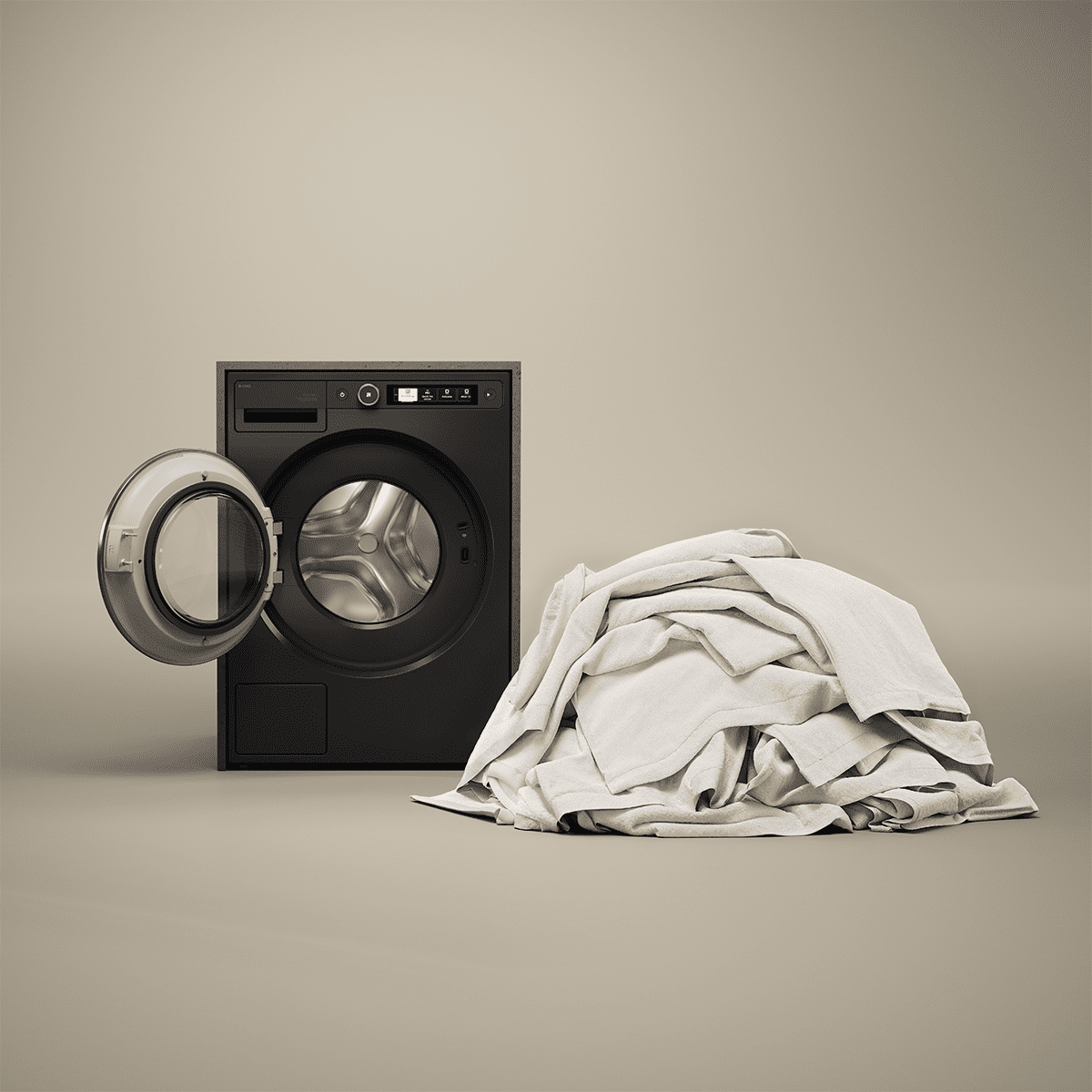
The rubber door seal works hard to prevent leaks, but it also tends to collect moisture, detergent residue, lint and the occasional forgotten sock. If it’s never cleaned, mould can begin to develop around the folds of the seal, leading to unpleasant odours and, in some cases, damage to the rubber itself.
Taking a few moments to wipe the seal with a damp cloth every couple of weeks and checking for trapped debris can help keep it in good condition.
Not Checking Pockets
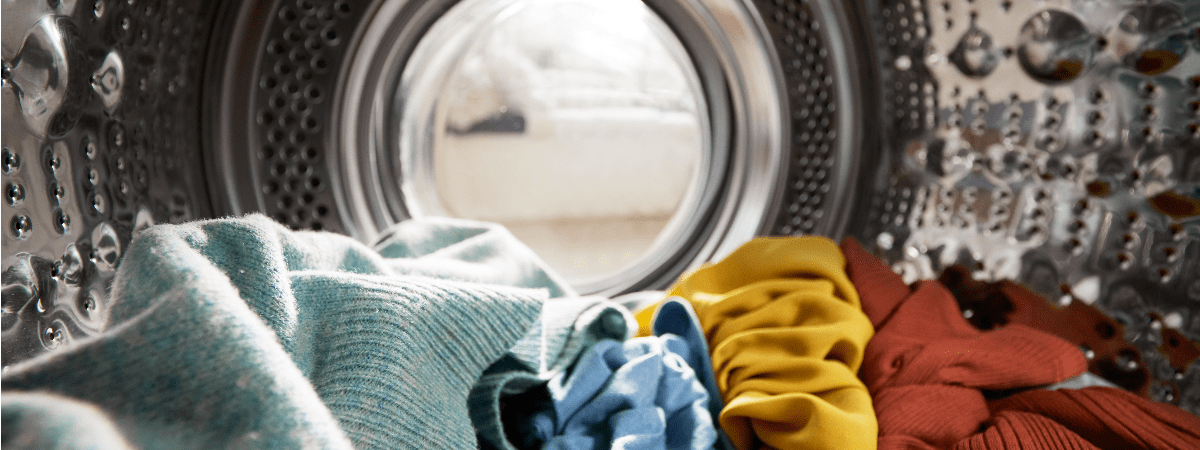
It sounds obvious, but it’s one of the most common causes of avoidable washing machine problems. Coins, keys, tissues, screws and other small objects can damage the drum, block the filter or become lodged in the pump.
Meanwhile, a forgotten tissue can leave every item in the wash covered in tiny pieces of paper. A quick check of your pockets before loading the machine only takes a few seconds and could save you a much more expensive repair.
Using the Wrong Wash Programme
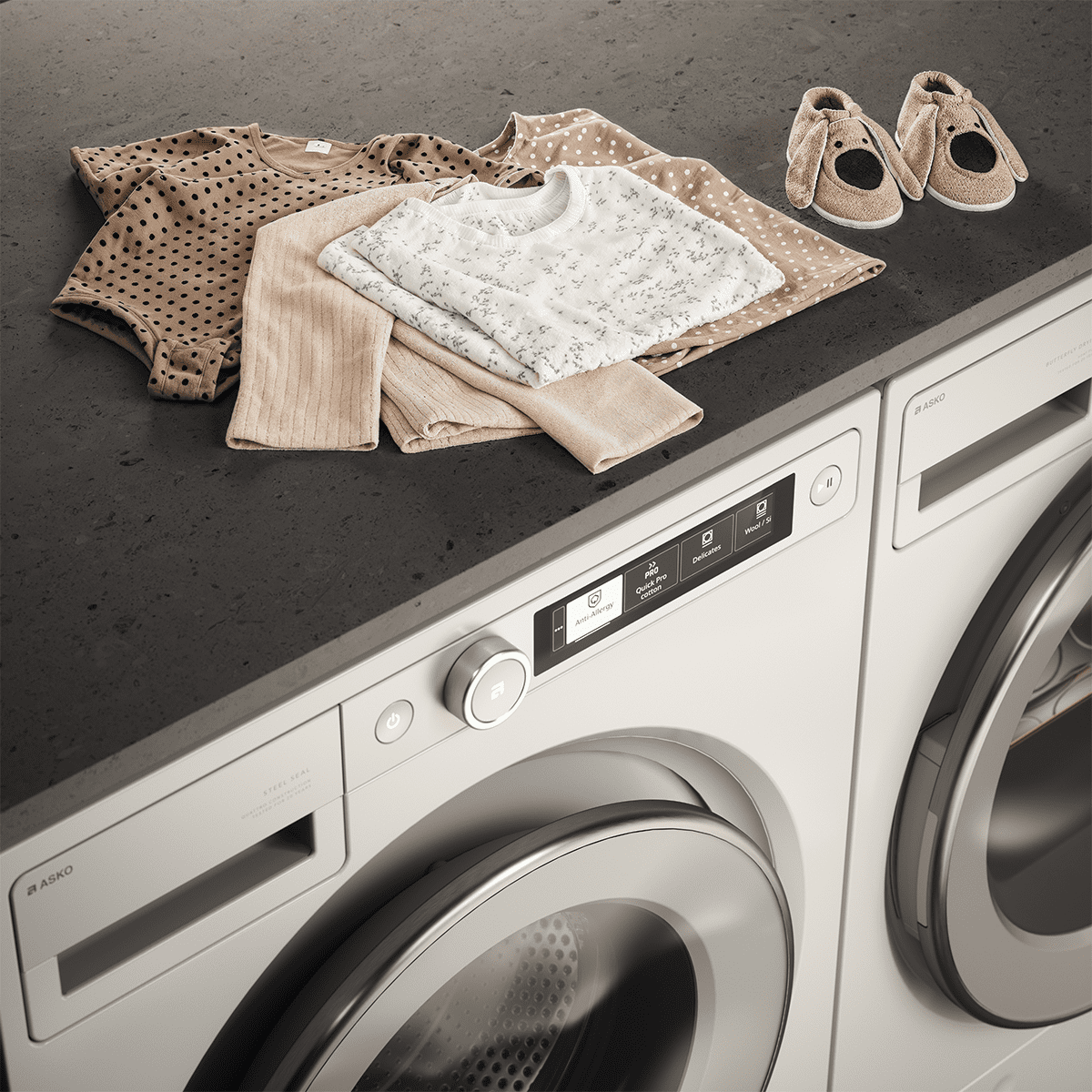
Most modern washing machines include a range of programmes designed for different fabrics and load sizes. While it’s tempting to use the same cycle every time, choosing the wrong programme can affect both cleaning performance and the longevity of your clothes.
For example, heavily soiled workwear may benefit from a longer wash, while delicate fabrics need gentler drum movements and lower spin speeds. Using the most suitable programme not only helps protect your clothing but also allows the washing machine to work more efficiently.
Ignoring Unusual Noises
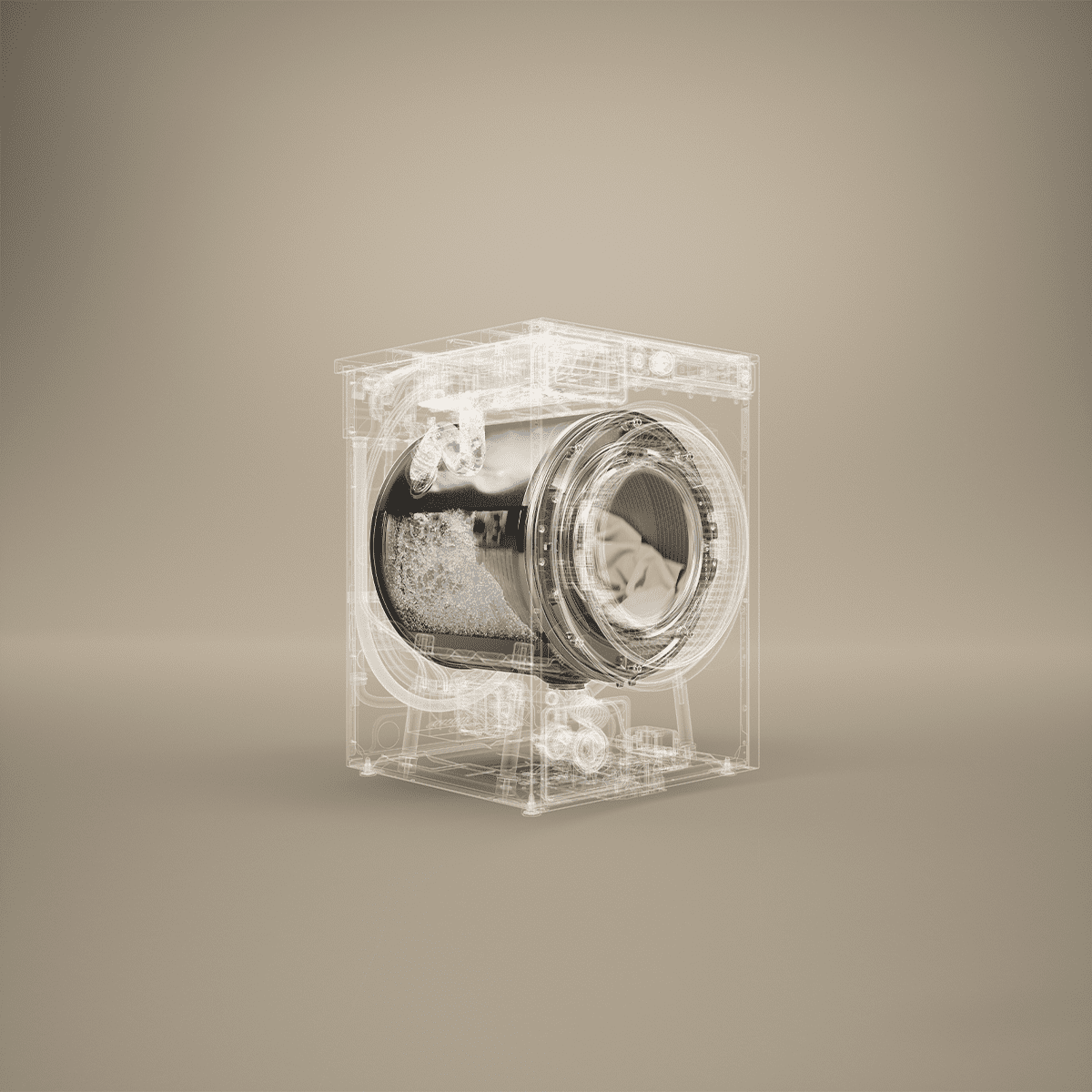
A washing machine will never be completely silent, but unusual noises shouldn’t be ignored. Grinding, knocking or excessive vibration can sometimes be caused by something simple, such as an uneven load or an item trapped inside the drum. However, persistent noises may also indicate worn bearings, suspension problems or issues with the pump.
Catching these problems early can often prevent more expensive repairs later. If something doesn’t sound right, it’s worth investigating rather than hoping it will resolve itself.

When Is It Time to Replace Your Washing Machine?
Even with the best care, every washing machine will eventually reach the end of its lifespan. If your machine frequently breaks down, struggles to clean clothes properly, develops recurring faults or repairs are becoming increasingly expensive, replacing it may be the more practical option.
Modern washing machines are often quieter, more energy efficient and include features such as larger drum capacities, auto dosing systems, steam programmes and smart technology that can make laundry easier to manage. If your household has changed or your current machine no longer meets your needs, upgrading could improve both convenience and efficiency.
FAQs: Washing Machine Mistakes To Avoid
A maintenance wash every month is a good rule of thumb. It’s also worth cleaning the detergent drawer, door seal and filter regularly to prevent residue and odours from building up.
Yes. Consistently overloading the drum puts additional strain on the motor, bearings and suspension system, while also reducing washing performance.
Occasionally doing so isn’t likely to cause damage, but regularly leaving damp laundry in the drum can encourage mould, bacteria and unpleasant smells to develop.
Most manufacturers recommend checking and cleaning the filter every few months, although homes with heavy usage may benefit from doing it more often.
Most washing machines last around 10 to 13 years, although this depends on how often they’re used, how well they’re maintained and the quality of the appliance itself.