


July 29, 2026
How Often Should You Descale a Coffee Machine?
Whether you're making a quick espresso before work or enjoying a leisurely cappuccino at the weekend, your coffee machine works hard every day. Like any appliance that uses water, though, it needs a little care to keep performing at its best. One of the most important maintenance jobs is descaling. While it's easy to overlook, removing limescale build-up can help your coffee machine brew better-tasting coffee, heat water more efficiently and continue working reliably for years to come. So, how often should you descale a coffee machine? The answer depends on how often you use it, the type of machine you own and, perhaps most importantly, how hard the water is where you live.
7 min read
What Is Limescale & Why Is It Important?
Before looking at how often you should descale, it helps to understand what you’re actually removing. Limescale is a natural mineral deposit that’s left behind when water is heated. It’s made up mainly of calcium and magnesium, and while it’s harmless, it gradually builds up inside your coffee machine over time.
The harder your water, the faster this build-up occurs. Even if you can’t see it, limescale can coat the internal heating elements and water pipes, reducing efficiency and affecting the way your machine performs. That’s why regular descaling is recommended, even if your coffee still tastes fine.
A small amount of limescale might not seem like a problem, but over time it can begin to affect almost every part of your coffee machine. As the build up increases, water takes longer to heat, internal components have to work harder and the flow of water through the machine can become restricted.
In short, it’s one of the simplest ways to keep your machine performing as it should.
Regular descaling helps to:
Maintain coffee flavour
Keep water flowing properly
Improve heating efficiency
Reduce strain on internal components
Extend the lifespan of your coffee machine
So, How Often Should You Descale?
If You Live in a Hard Water Area
Hard water contains more minerals, so limescale builds up more quickly. If you use your coffee machine every day, you may need to descale it every one to three months, depending on the manufacturer’s recommendations and whether your machine uses a water filter.
If You Live in a Soft Water Area
In areas with softer water, limescale develops more slowly. For many households, descaling every three to six months is often enough to keep the machine in good condition.
If You Only Use Your Coffee Machine Occasionally
If your coffee machine only comes out at weekends or for the occasional cup, you won’t need to descale it as frequently. However, it’s still worth checking the manufacturer’s guidance, as mineral deposits can build up even with light use.
Signs Your Coffee Machine Needs Descaling
Your coffee machine will often let you know when it’s time to descale, even if it doesn’t have a reminder programme. Some of the most common signs include:
- Coffee takes longer to brew.
- Water doesn’t flow as smoothly as usual.
- The machine becomes noisier.
- Coffee isn’t as hot as it used to be.
- Drinks don’t taste quite right.
- A descaling warning light appears.
If you’ve noticed any of these changes, it’s worth descaling the machine sooner rather than later.
What If Your Coffee Machine Has a Descaling Programme?
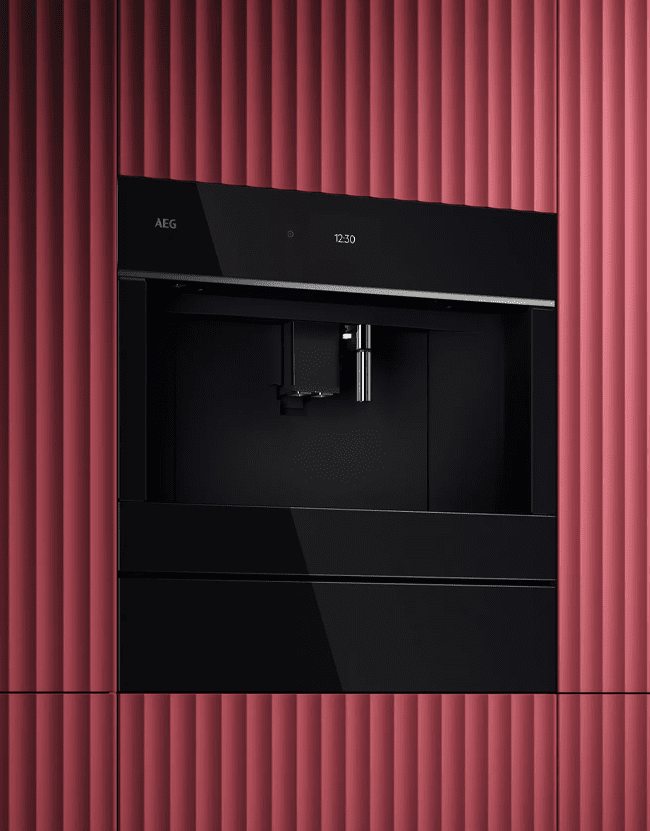
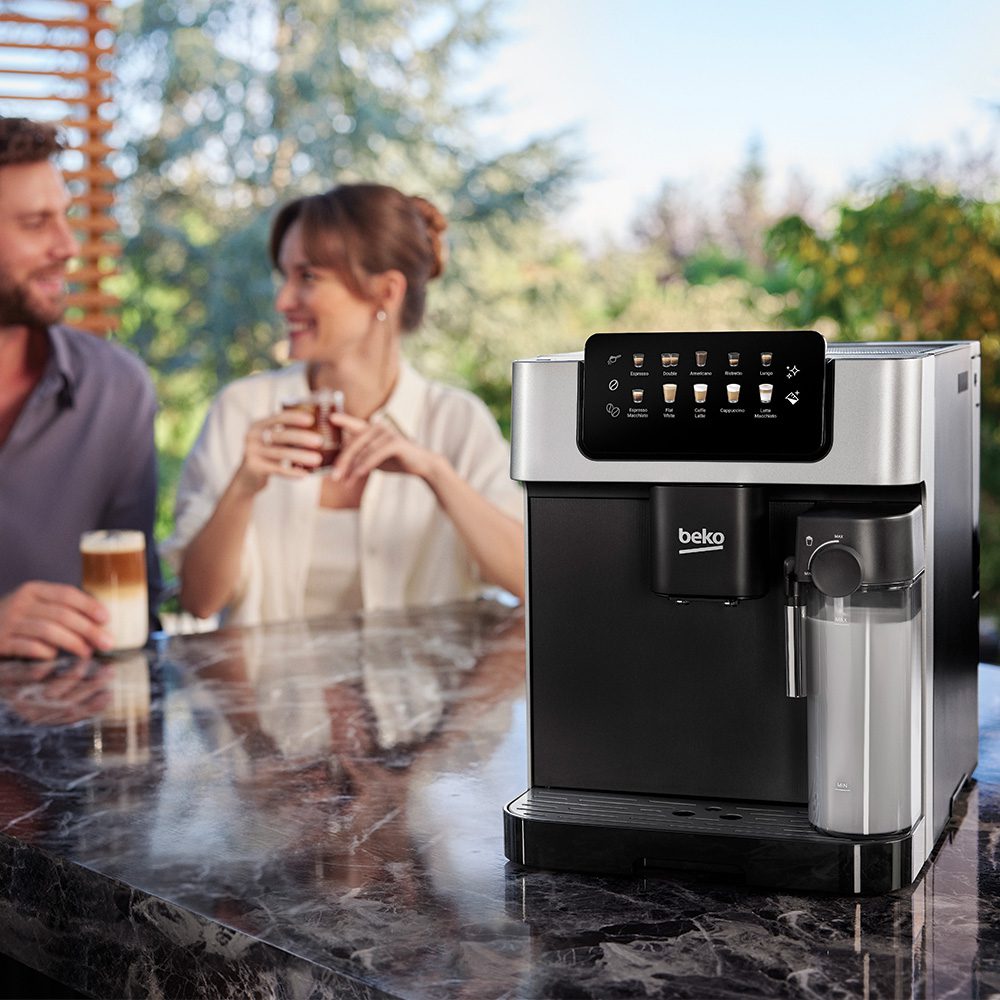
Many modern bean to cup and automatic coffee machines include built in descaling programmes. These guide you through the process step by step and often display a reminder when descaling is due.
If your machine includes this feature, it’s best to follow the prompts rather than waiting until you notice a problem. The reminder is usually based on usage or water hardness settings, helping to keep the machine running efficiently.
Do Water Filters Reduce the Need to Descale?
Many premium coffee machines include replaceable water filters that help reduce the amount of minerals entering the machine.
While these filters don’t completely prevent limescale, they can slow down how quickly it builds up. That means you’ll often need to descale less frequently, provided the filter is replaced according to the manufacturer’s recommendations.
If your machine offers the option of using a water filter, it can be a worthwhile investment, particularly if you live in a hard water area.
Can You Use Vinegar to Descale a Coffee Machine?
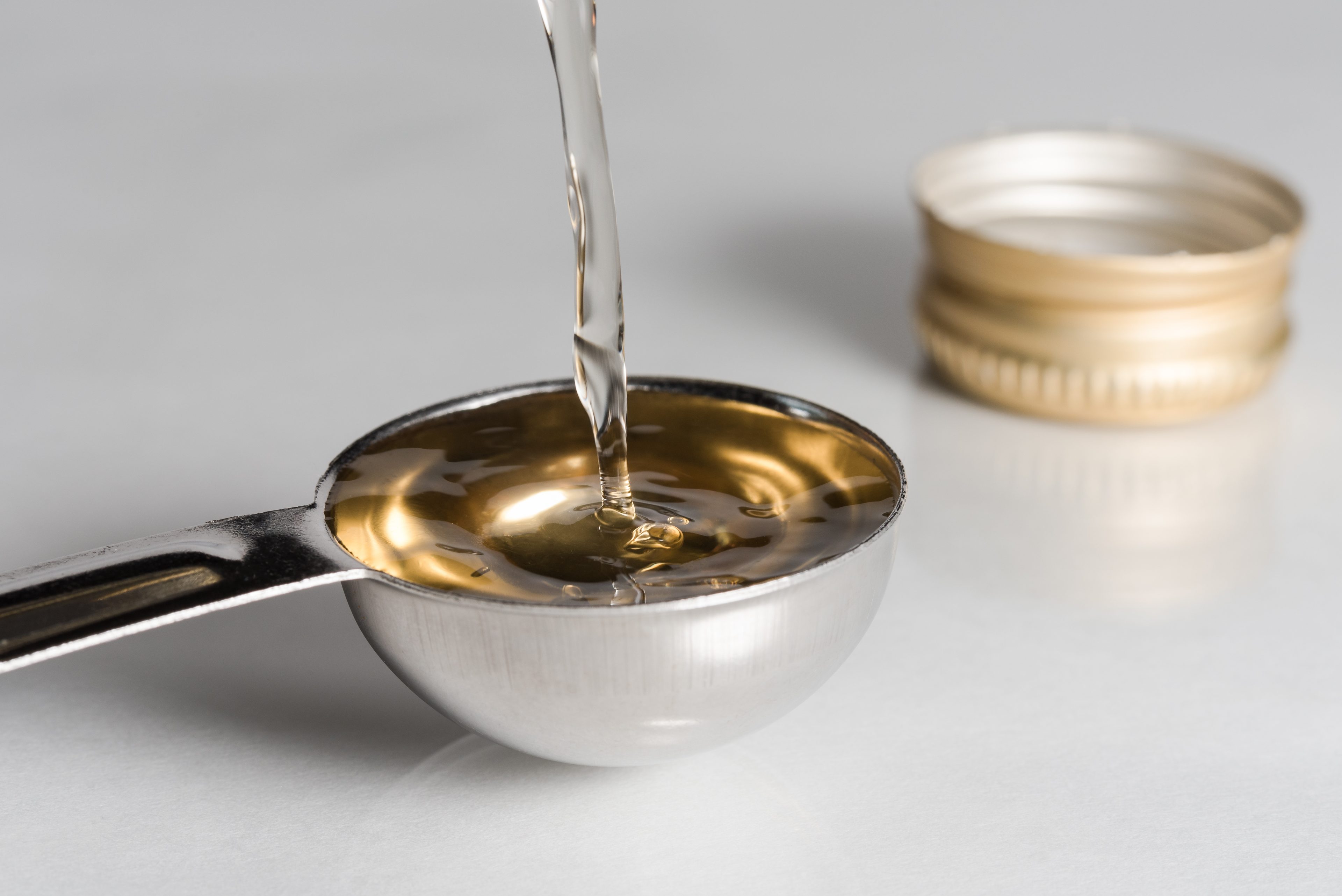
You may have seen advice online recommending white vinegar as a descaling solution, but it’s generally best avoided.
Although vinegar can dissolve limescale, it may leave behind a lingering smell or taste that’s difficult to remove. Some manufacturers also advise against using it, as repeated use could affect seals or internal components. Instead, it’s always safest to use a descaling solution that’s recommended for your specific coffee machine.
Following the manufacturer’s advice helps protect the appliance while ensuring the descaling process works effectively.
How to Keep Your Coffee Machine in Great Condition
Empty the drip tray regularly
Clean the milk system after each use
Replace water filters when required
Rinse removable parts as recommended
Use fresh, clean water whenever possible
When Is It Time to Replace Your Coffee Machine?
If your coffee machine still isn’t performing properly after descaling and routine maintenance, it may be reaching the end of its lifespan. Recurring faults, inconsistent brewing temperatures, repeated blockages or expensive repair costs can all be signs that it’s time to consider an upgrade.
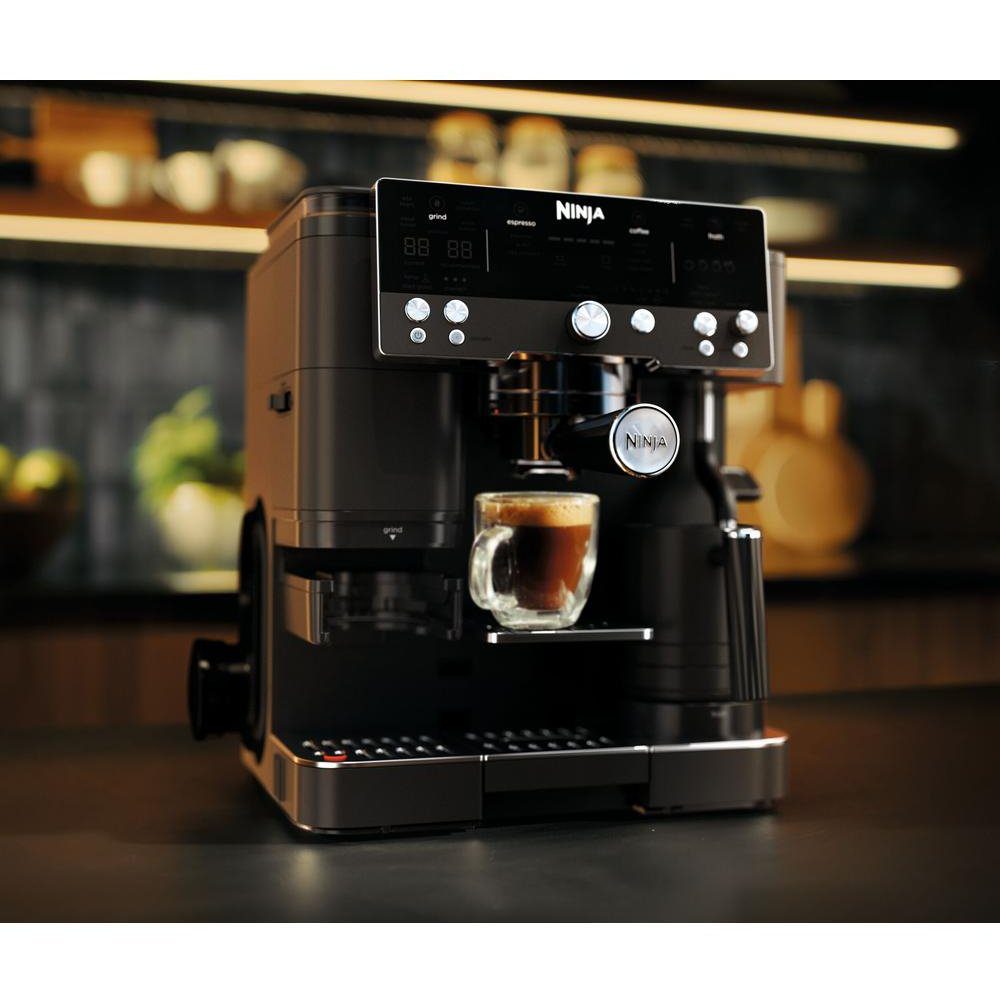
Modern coffee machines often include features that make maintenance much easier, such as automatic cleaning programmes, integrated water filters and guided descaling cycles. Many bean-to-cup models also allow you to personalise drinks, save favourite settings and enjoy barista quality coffee at the touch of a button.
If your current machine is several years old, upgrading could improve both convenience and coffee quality.
FAQs: Descaling Coffee Machines
It depends on how often you use the machine and the hardness of your water. In hard water areas, every one to three months is often recommended, while households with softer water may only need to descale every three to six months.
Hard water doesn’t damage a coffee machine immediately, but the minerals it contains can gradually form limescale inside the appliance. If left untreated, this build-up can affect performance and efficiency.
It’s generally not recommended. Vinegar can leave behind unwanted tastes and smells, and some manufacturers advise against using it. A dedicated descaling solution designed for coffee machines is usually the safer choice.
Many modern coffee machines include automatic descaling reminders based on usage or water hardness settings. If your machine has this feature, it’s best to follow the prompts.
It can. Removing limescale helps water flow and heat correctly, allowing your coffee machine to brew drinks more consistently and preserve their intended flavour.