

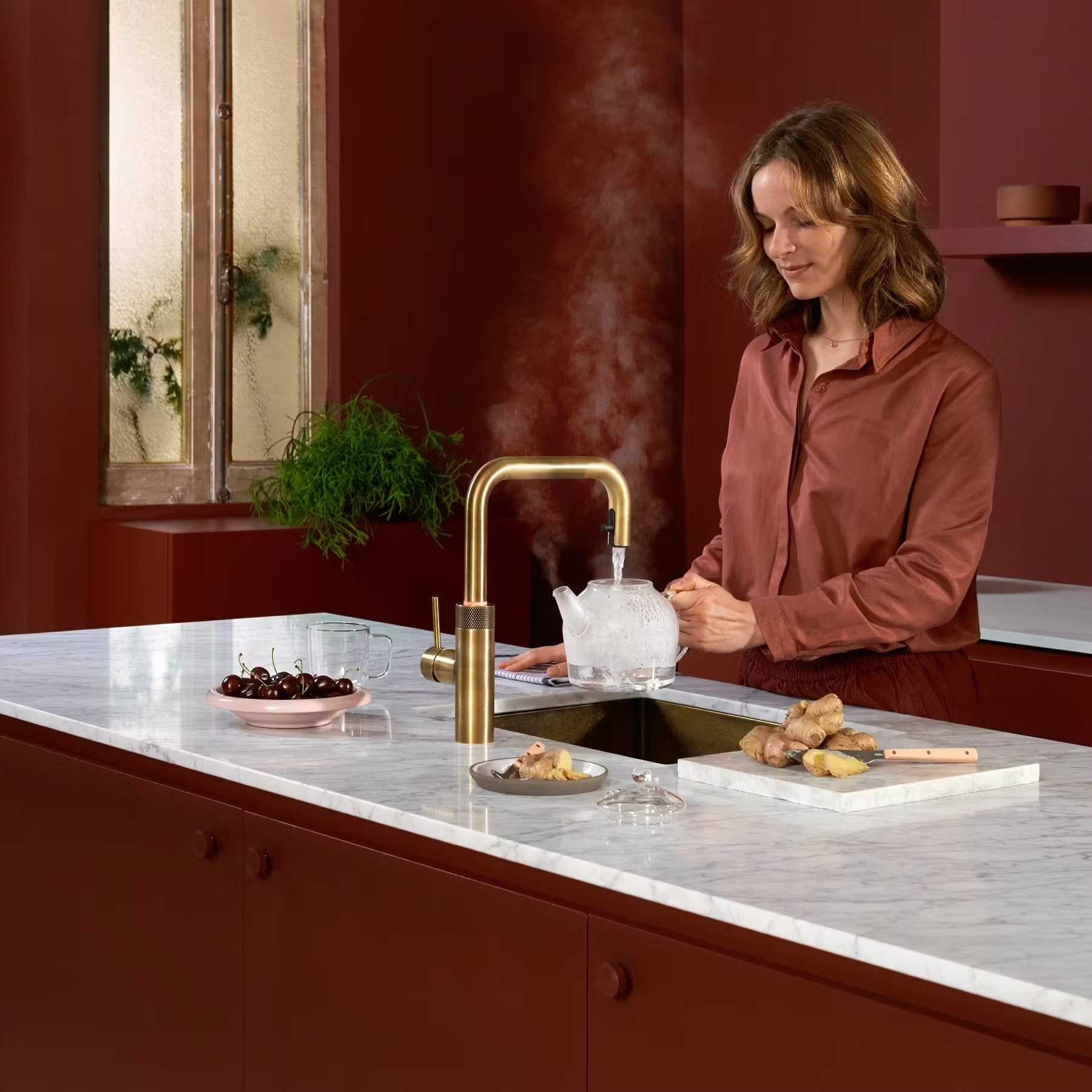
September 10, 2026
Fitting a Boiling Water Tap: Replacing a Standard Kitchen Tap
Thinking about upgrading your standard kitchen tap to a boiling water tap? It's a great way to make your kitchen more convenient, giving you near-boiling water at the touch of a button for hot drinks, cooking and food preparation. For many kitchens, the new tap can use the existing tap hole, with the boiling water tank neatly positioned underneath the worktop. While there are a few additional connections to make compared with a standard tap, the installation is a relatively straightforward kitchen upgrade when planned properly. Here's what you need to know.
6 min read
Can I replace my standard tap with a boiling water tap?
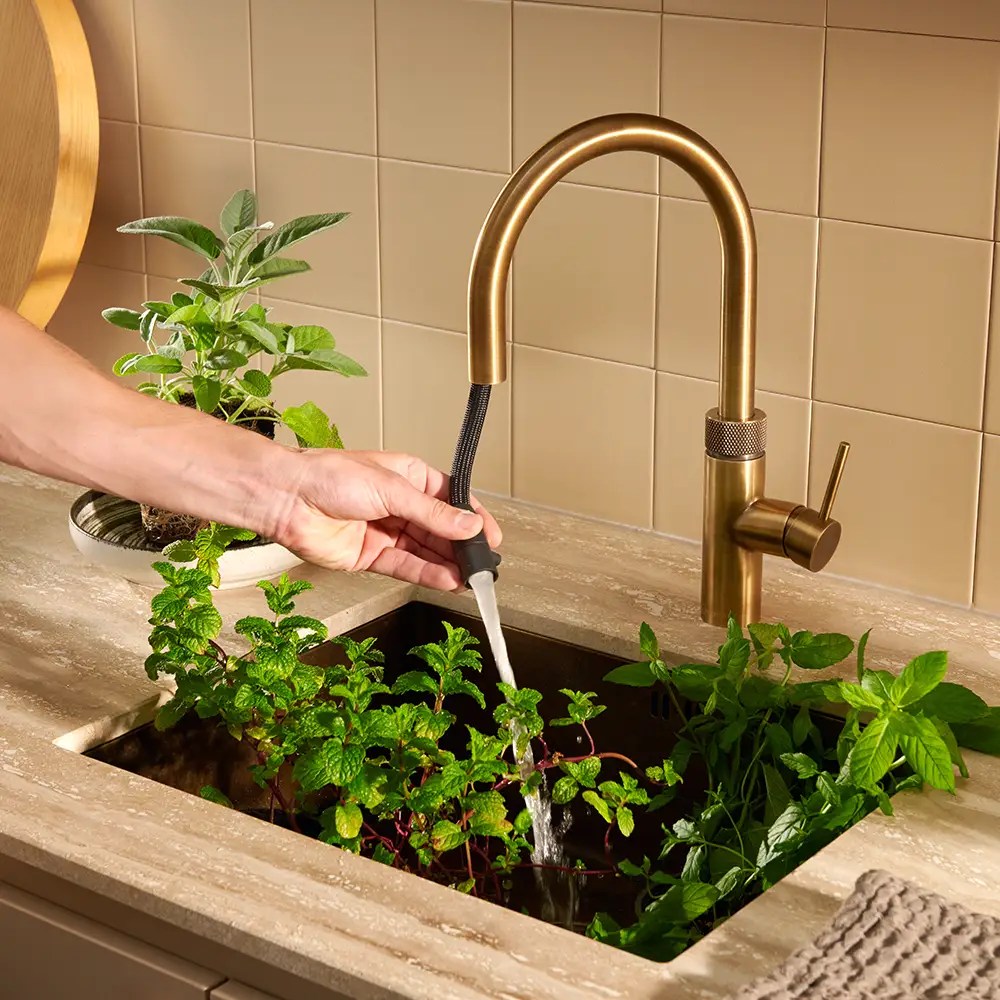
In most cases, yes. A boiling water tap can often be fitted in place of your existing kitchen tap, making it a great upgrade without changing the overall layout of your sink area. The main difference is that a boiling water tap usually comes with a compact heating tank that sits underneath the sink. Depending on the model, there may also be a filter and additional water connections.
Before you get started, check the manufacturer’s requirements for your chosen tap, particularly the tap hole size, cupboard space and electrical requirements.
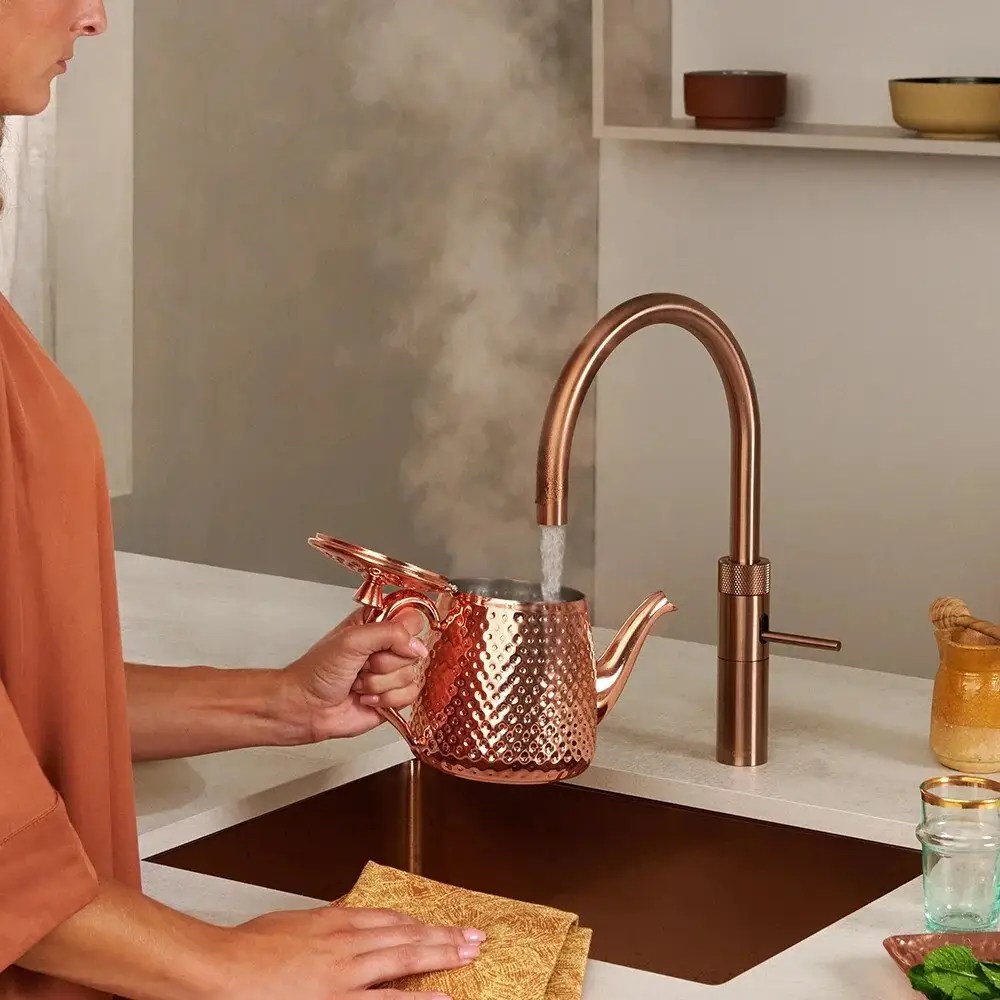
What you'll need:
Getting everything ready before you begin makes the installation much easier. You’ll typically need:
- Your new boiling water tap and tank
- A suitable existing tap hole
- Access to the appropriate water connections
- Enough cupboard space for the tank
- A suitable electrical supply
- Any supplied filter and connecting hoses
- Basic plumbing tools
The exact requirements vary between models, so it’s always worth checking the installation instructions before removing your existing tap.
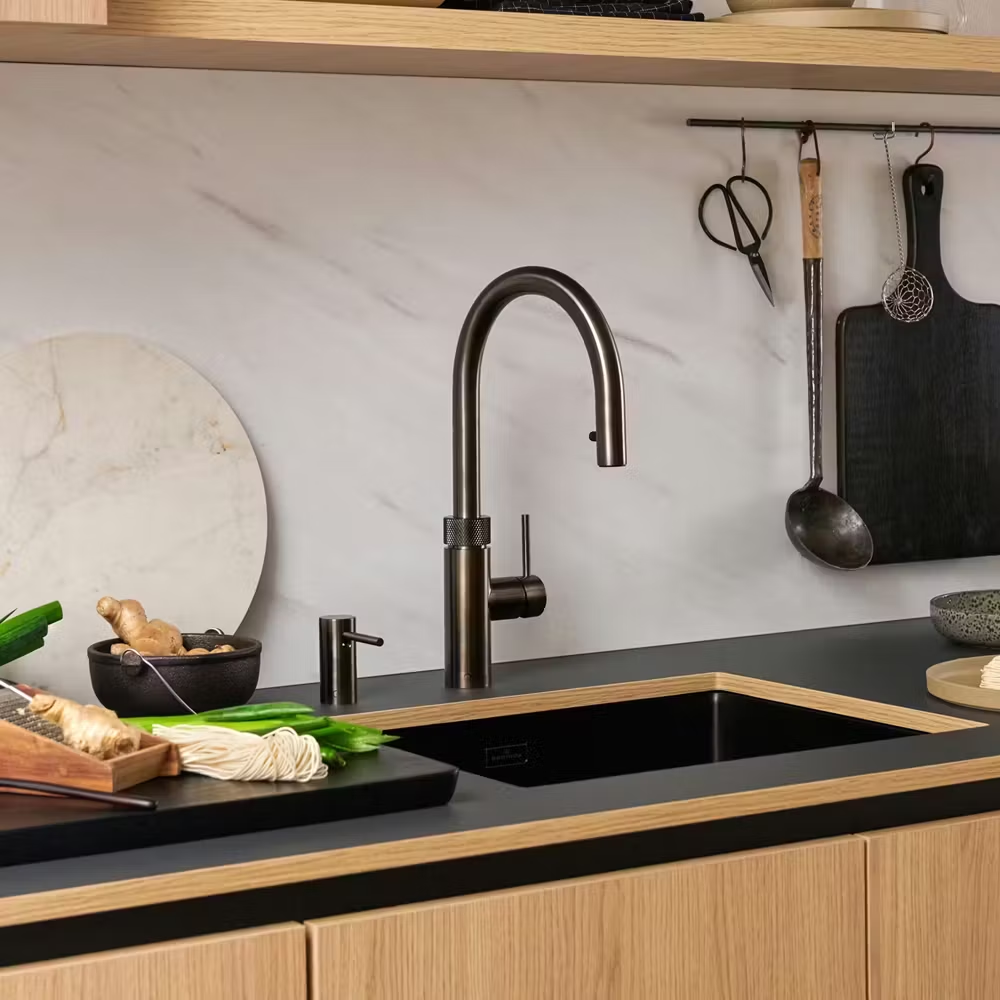
Step 1: Check your kitchen first
Before you take the old tap out, have a quick look underneath the sink. You’ll want to make sure there’s enough room for the boiling water tank and that existing pipes, waste connections and stored items won’t get in the way. It’s also a good opportunity to check that your existing tap hole is suitable for the new tap.
A few minutes spent checking everything beforehand can make the installation much smoother.
Step 2: Remove your existing tap
Start by turning off the water supply using the isolation valves beneath the sink. Open the existing tap briefly to release any remaining pressure.
You can then disconnect the water connections and remove the fixing mechanism holding the old tap in place.
Once it’s out, give the area around the tap hole a clean. You’ll now have a clear space ready for your new boiling water tap.
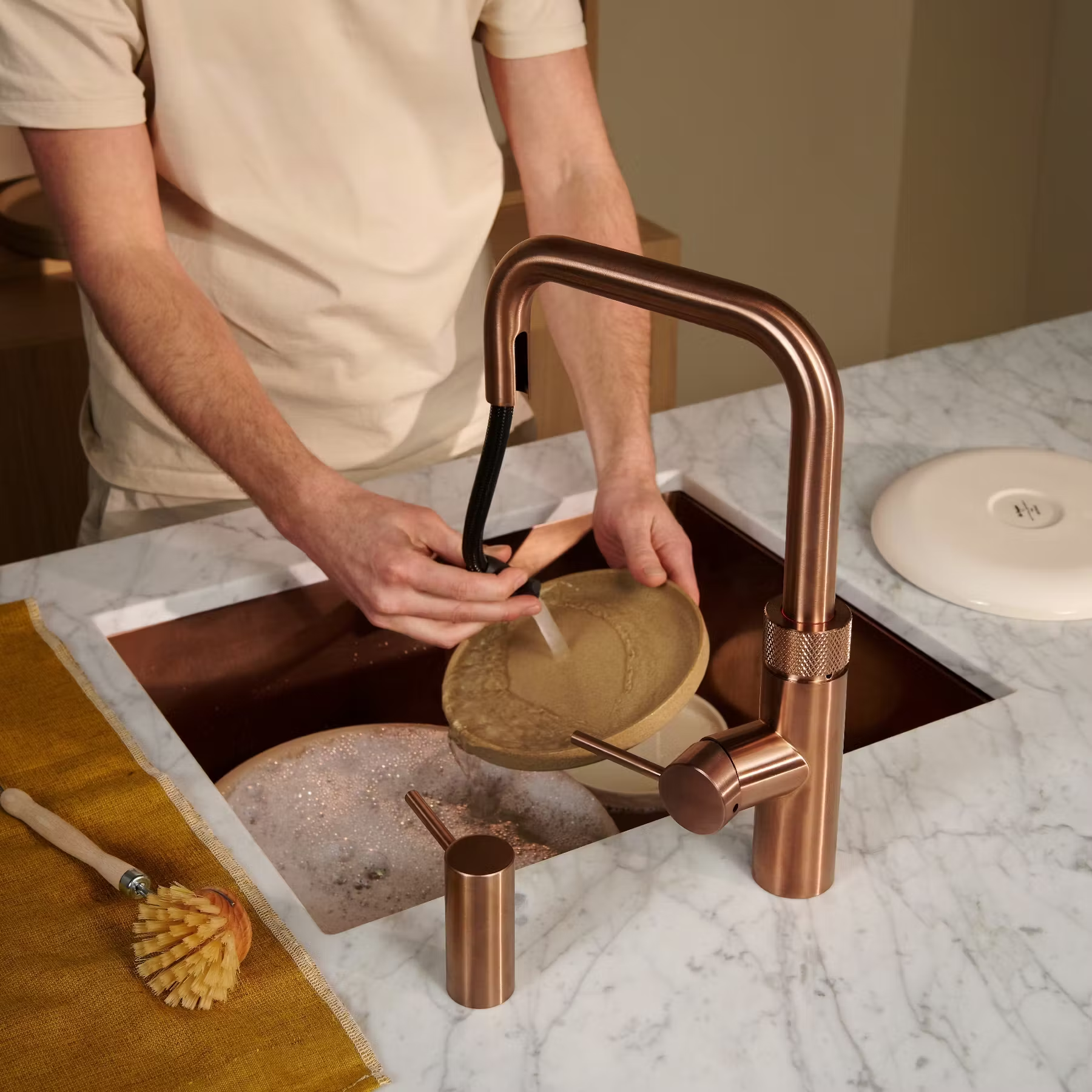
Step 3: Fit your new boiling water tap
Position the new tap through the existing tap hole and secure it from underneath, following the manufacturer’s instructions. Depending on your model, you’ll have separate connections for the regular water supply and the boiling water system. Simply follow the supplied connection diagram and make sure each hose is connected to the correct inlet.
Take your time with this stage and make sure the hoses aren’t kinked or under unnecessary strain.
Step 4: Position the boiling water tank
The tank normally sits neatly inside the cupboard beneath your sink. Choose a stable position that leaves enough room around the unit for the connections and future access. Your manufacturer’s instructions will tell you exactly how much clearance is required and which way the tank should be positioned.
This is one of the benefits of a boiling water tap, once everything is installed, the technology is mostly hidden away, leaving you with a clean and uncluttered worktop.
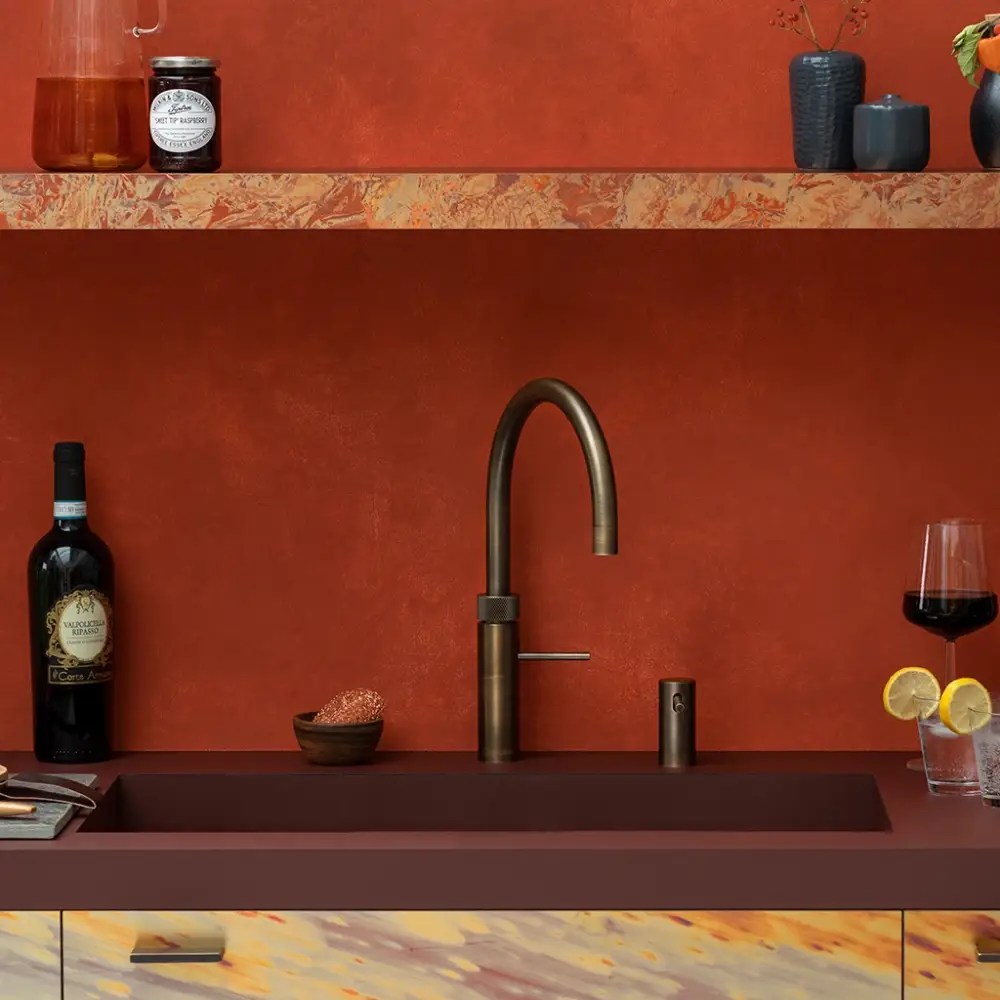
Step 5: Connect the water and filter
Connect the tank and filter according to the manufacturer’s instructions. If your system includes a water filter, this is usually fitted underneath the sink where it’s easy to access when it eventually needs replacing.
Once all the connections are secure, you’re nearly there.
Step 6: Connect the power
Your boiling water tank needs an electrical supply to heat the water. The exact requirements depend on the model, so check the manufacturer’s instructions before connecting it. If your installation requires a new socket or changes to the household electrical system, this should be carried out by a suitably qualified electrician.
It’s worth getting this part right from the start, once connected correctly, the tank can quietly keep your hot water ready whenever you need it.
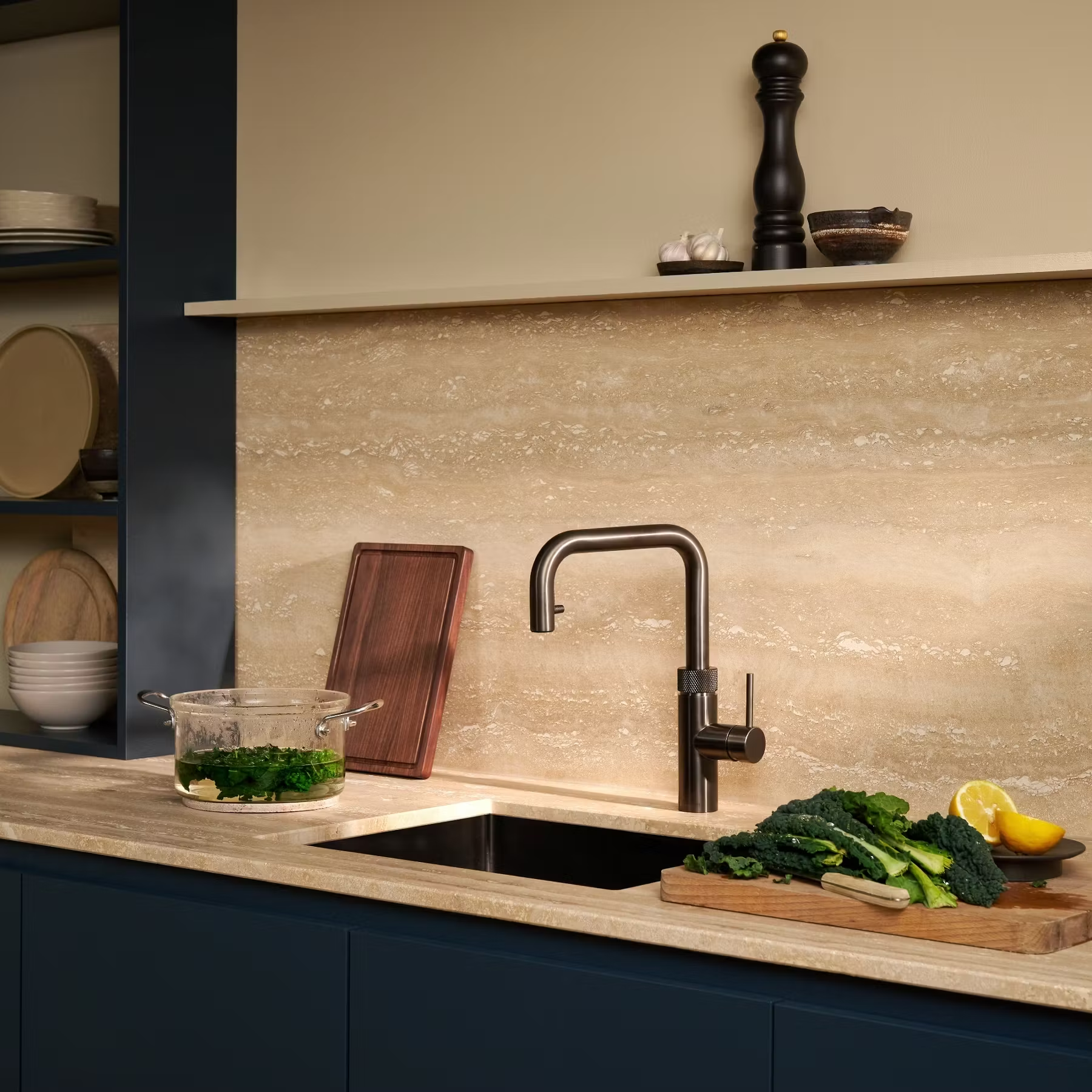
Step 7: Turn everything on and check
With the plumbing connected, turn the water supply back on gradually and check underneath the sink for any leaks. The tank will normally need to fill completely before it is switched on, so follow the manufacturer’s instructions at this stage.
Once filled and powered, the system can begin heating the water. Give it the recommended amount of time to reach operating temperature.
Step 8: Flush, set up and enjoy
Before using your new boiling water tap for the first time, follow the manufacturer’s instructions for flushing the system. You may also need to install or activate the filter and complete a simple initial setup.
And that’s it, your standard kitchen tap has been upgraded to a convenient boiling water tap, giving you near-boiling water whenever you need it.
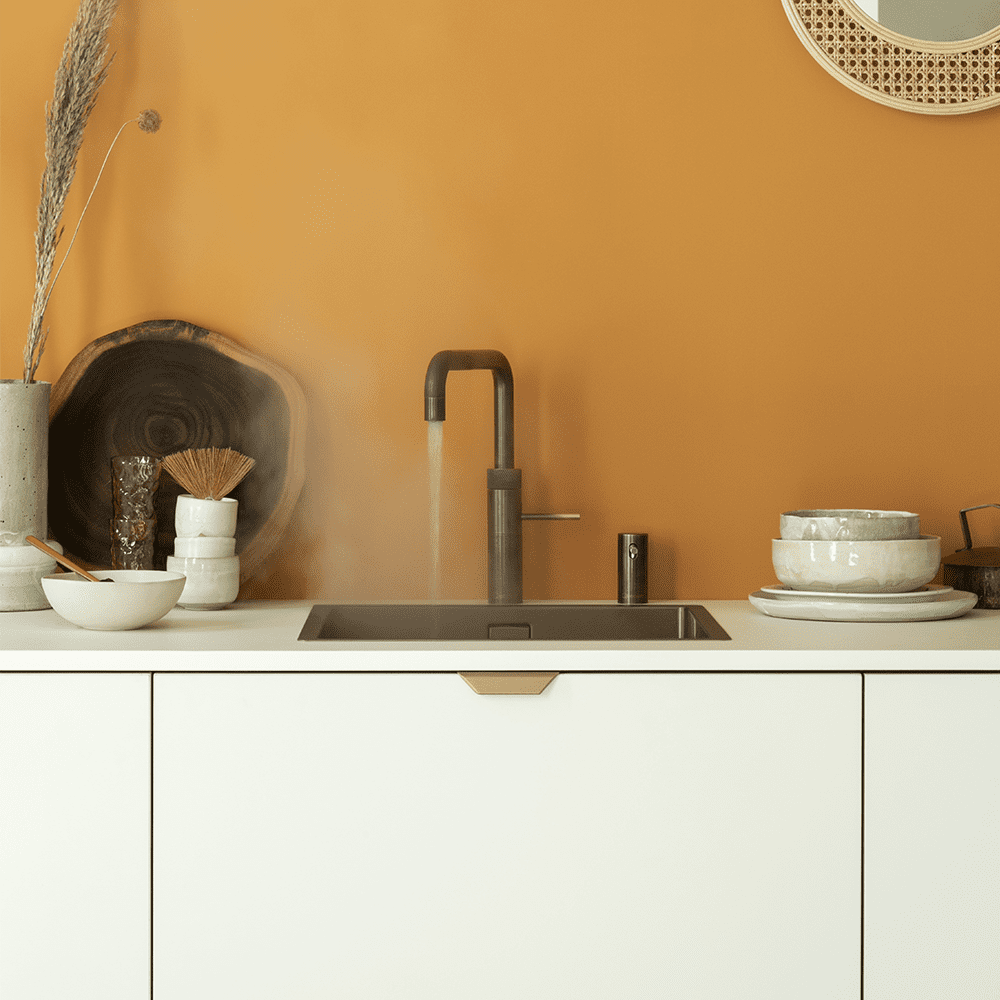
Why upgrade to a boiling water tap?
Once you’ve used one, it’s easy to see why boiling water taps have become so popular. There’s no need to fill and wait for the kettle when you want a cup of tea or coffee. You can instantly access hot water for cooking, preparing vegetables, making sauces and countless other everyday jobs.
They can also help create a cleaner looking worktop by combining functions that might otherwise require a separate kettle and filter jug.
For busy kitchens, it’s a small change that can make a surprisingly big difference.
A few things to check before you buy
A little preparation will help you choose the right boiling water tap for your kitchen. Check:
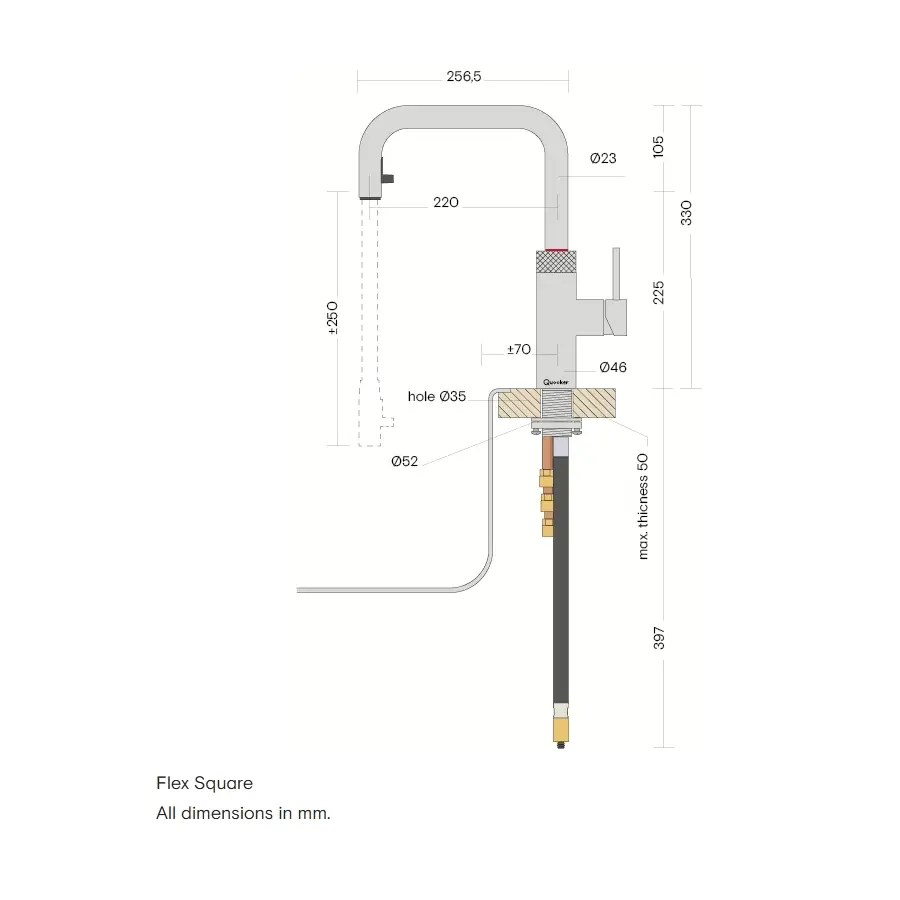
- Will it fit your existing tap hole? Most replacement installations use the existing hole, but always check the required dimensions for your chosen tap.
- Is there enough cupboard space? Measure underneath your sink to make sure the tank will fit comfortably, with enough room around it for connections and future maintenance.
- Is the plumbing suitable? Check the manufacturer’s connection requirements and make sure you have suitable access to the water supply.
- Do you have a suitable power supply? Confirm the electrical requirements for the tank and check that your kitchen has an appropriate supply. If any new electrical work is needed, arrange this with a qualified electrician.
- Does it require a filter? If so, check where it will be installed and how easily you’ll be able to access it when the filter needs replacing.
- Have you checked the installation instructions? A quick look before buying can confirm the tap hole size, tank dimensions, connections and any other requirements specific to your chosen model.
Ready to make the switch?
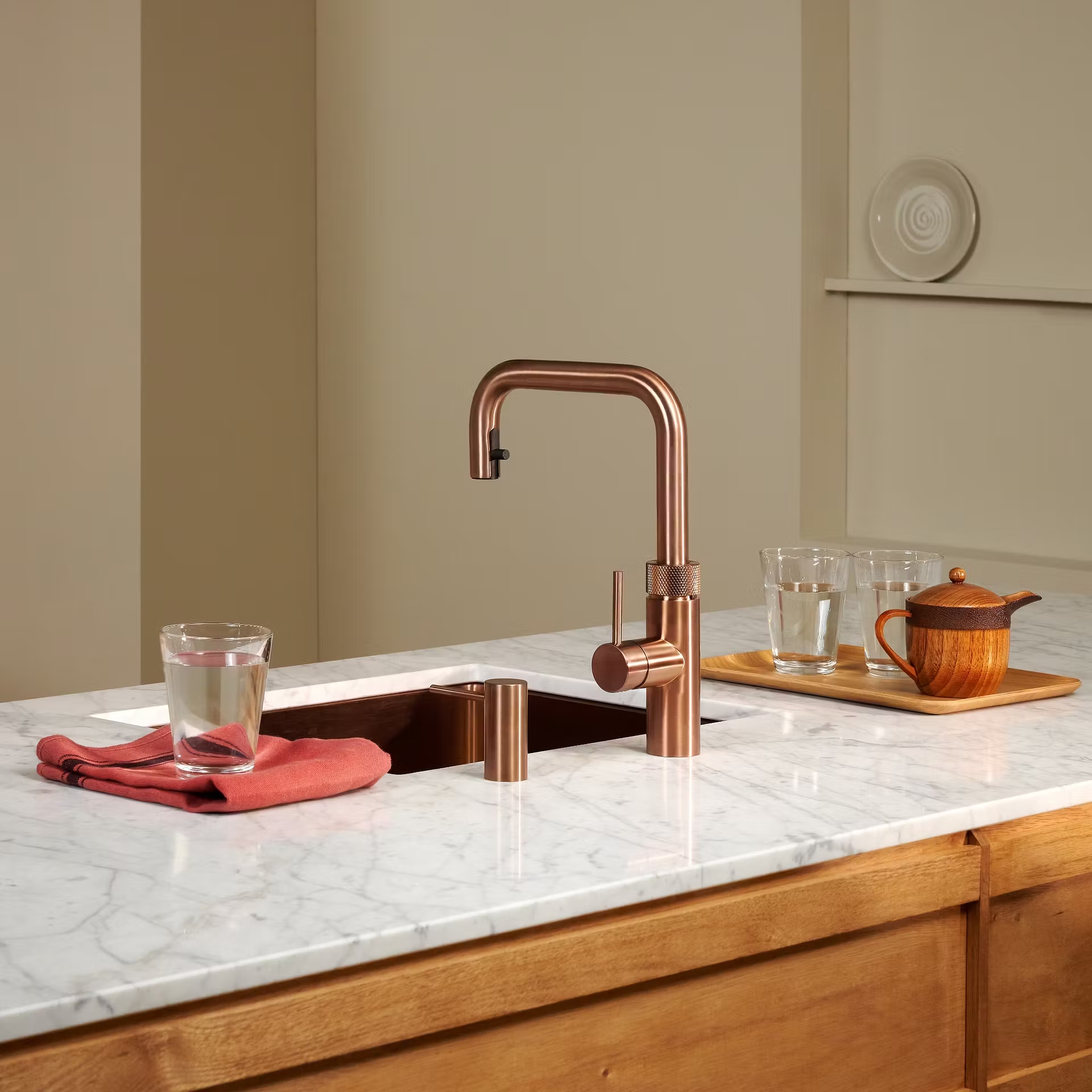
Replacing a standard kitchen tap with a boiling water tap is a practical upgrade that can make everyday life in the kitchen quicker and easier. With a little preparation and the right equipment, the process is very achievable. Check the requirements for your chosen model, make sure you’ve got the space and connections you need, and you’ll soon be enjoying instant access to near-boiling water, without the wait for the kettle.
For any installation involving new electrical connections or plumbing you’re not comfortable working on yourself, we strongly recommend hiring a qualified professional. Once fitted, your new boiling water tap can provide years of convenient, everyday use.
FAQs: Fitting a Boiling Water Tap
Yes, in many cases. A number of boiling water taps are designed to replace your existing kitchen tap and use the same tap hole. You’ll still have your normal hot and cold water, with the boiling water function provided by the additional under sink tank. Always check the compatibility and tap hole requirements for your chosen model.
Yes. The tank underneath the sink uses electricity to heat and maintain the water temperature. Check the manufacturer’s requirements before installation and make sure you have a suitable power supply. If new electrical work is needed, always use a qualified electrician.
The heating tank is normally positioned inside the cupboard underneath the sink. Before buying, measure the available space and check the manufacturer’s requirements for clearance and positioning. You’ll also want to leave enough room to access the tank and any filter for future maintenance.
The plumbing side may be manageable for someone confident with DIY, particularly when replacing an existing tap and using the connections already available. However, the electrical side is always best left to a suitably qualified professional if any new socket or electrical work is required. It’s also important to check your chosen manufacturer’s installation and warranty requirements.
Not every model does, but many boiling water tap systems include a filter. A filter can be part of the system and will need replacing according to the manufacturer’s recommendations. If your chosen tap includes one, make sure there’s enough space underneath the sink and that it’s easy to access when it needs changing.
Usually not if you’re replacing an existing tap and the new model is compatible with the existing tap hole. If the new tap requires a different size or position, some modification may be needed. Always check the installation requirements before making any changes to your worktop or sink.