July 23, 2026
Where Should You Really Store Food in Your Fridge?
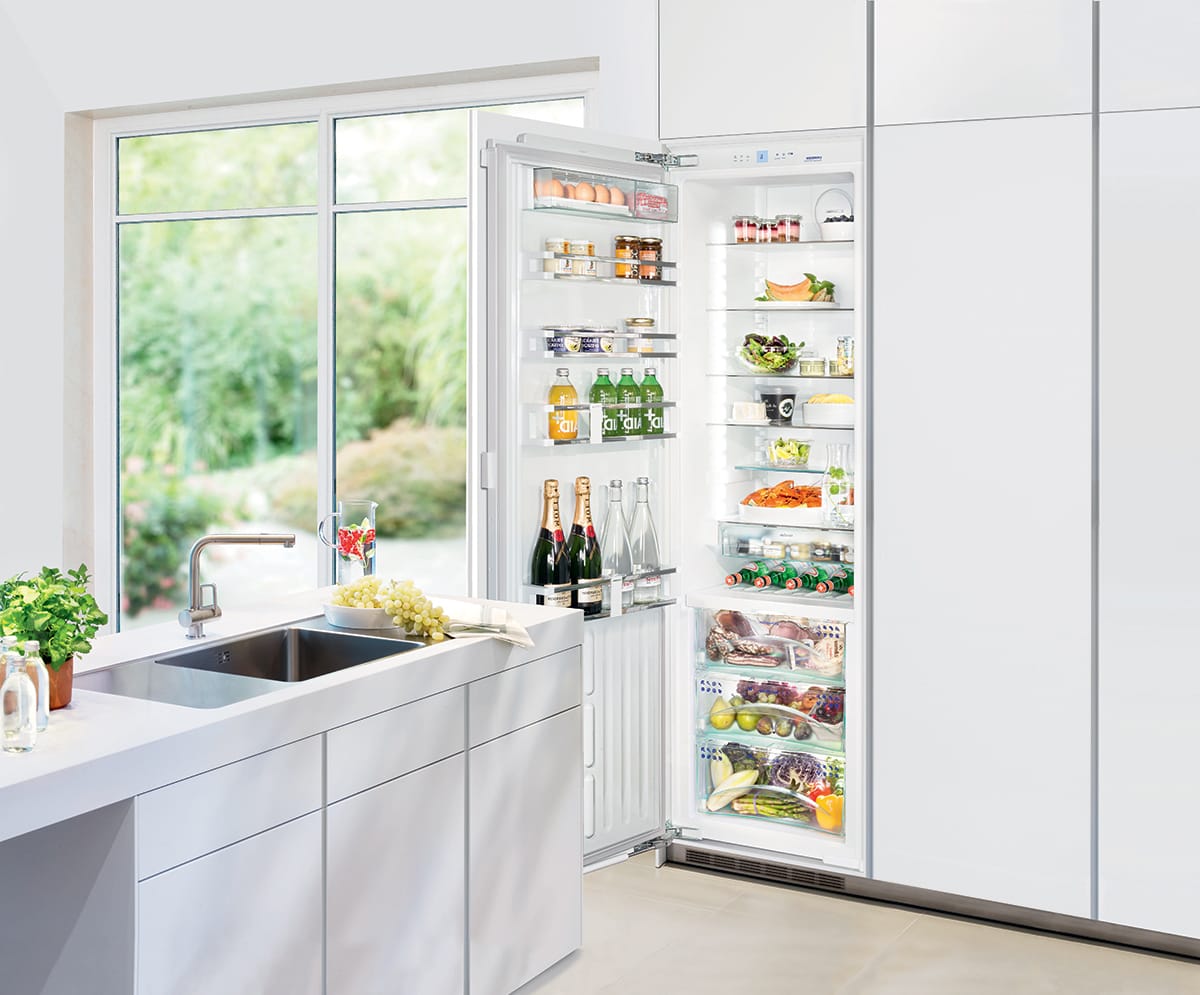
Open your fridge and take a look inside. Is your milk in the door because that's where the shelf was designed for it? Are your eggs sitting neatly in the built in egg tray? Have you filled the crisper drawer with every fruit and vegetable without giving it a second thought? If so, you're certainly not alone. The internet is full of advice about the correct way to organise a fridge. One expert says milk belongs on the middle shelf. Another insists the bottom shelf is best. Some people recommend storing cheese in the vegetable drawer, while others say it should never go there. So, who's actually right?
7 min read
Who to listen to
Most of the opinions online contain a grain of truth, but they often overlook one important fact: Every fridge has its own temperature zones, and understanding them is the key to keeping food fresher for longer.
Should Milk Live in the Fridge Door?
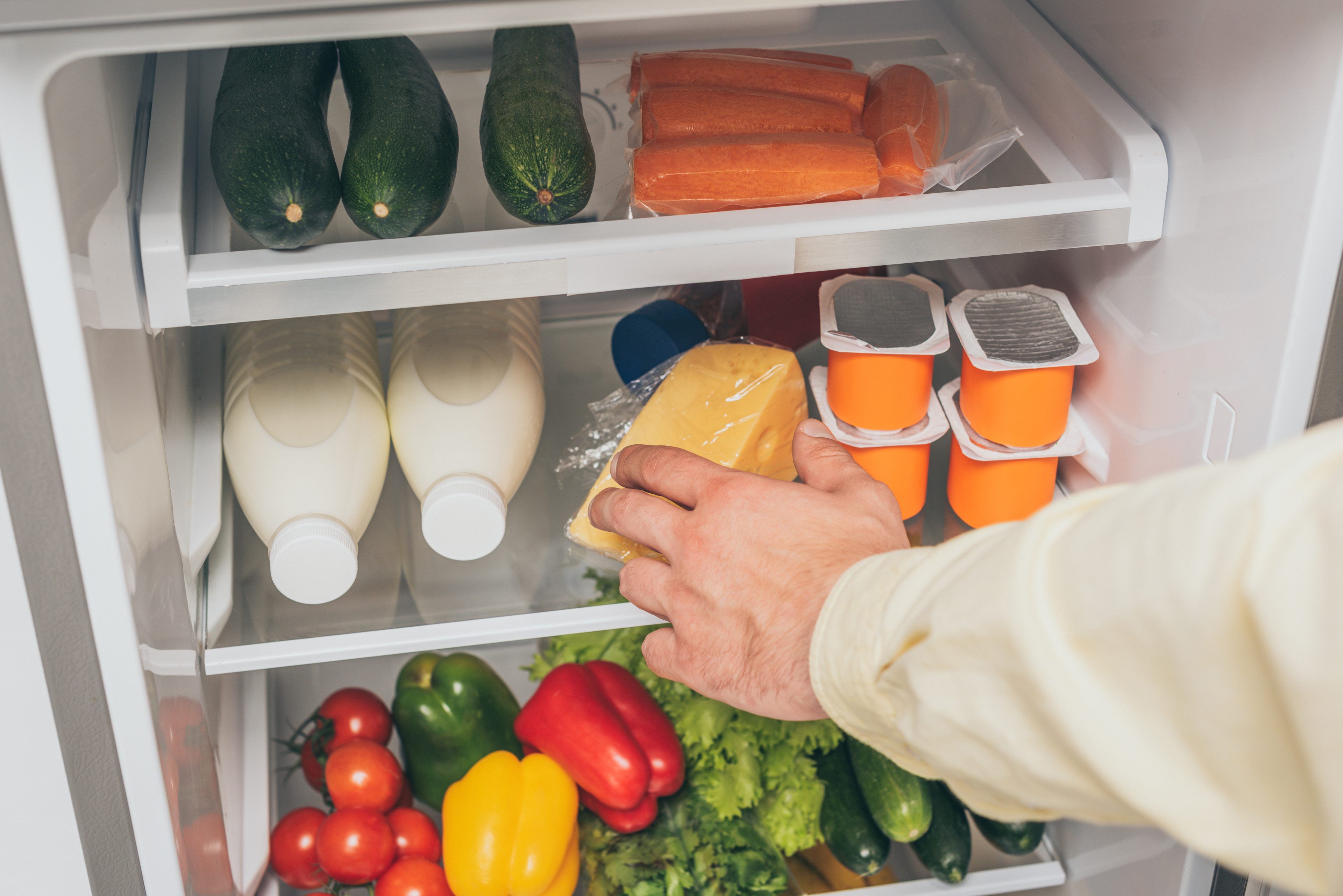
This is probably the most debated question online. Most fridges have a shelf in the door that seems perfectly designed for a bottle of milk, so it’s no surprise that’s where many households keep it. However, many food safety experts now recommend otherwise.
Every time you open the fridge, the door is exposed to warm kitchen air. Because of these constant temperature changes, organisations such as Consumer Reports recommend keeping milk on an interior shelf where temperatures stay more consistent. Their testing found that the door can be a couple of degrees warmer than the main compartment, which can reduce the freshness of highly perishable foods.
Similarly, Simply Recipes, registered dietitians, advises that milk is one of the foods that should never be stored in the fridge door because of these temperature fluctuations.
So why do so many people still keep it there? Simply because it’s convenient, and for many households it has worked for years. If your fridge isn’t opened very often, you may never notice a difference. But if you’re looking to maximise freshness and reduce waste, moving milk onto a middle shelf is generally the safer option.
Our recommendation: Store milk on an interior shelf and reserve the door for condiments, sauces, drinks and other foods that are less sensitive to temperature changes.
What About Eggs?
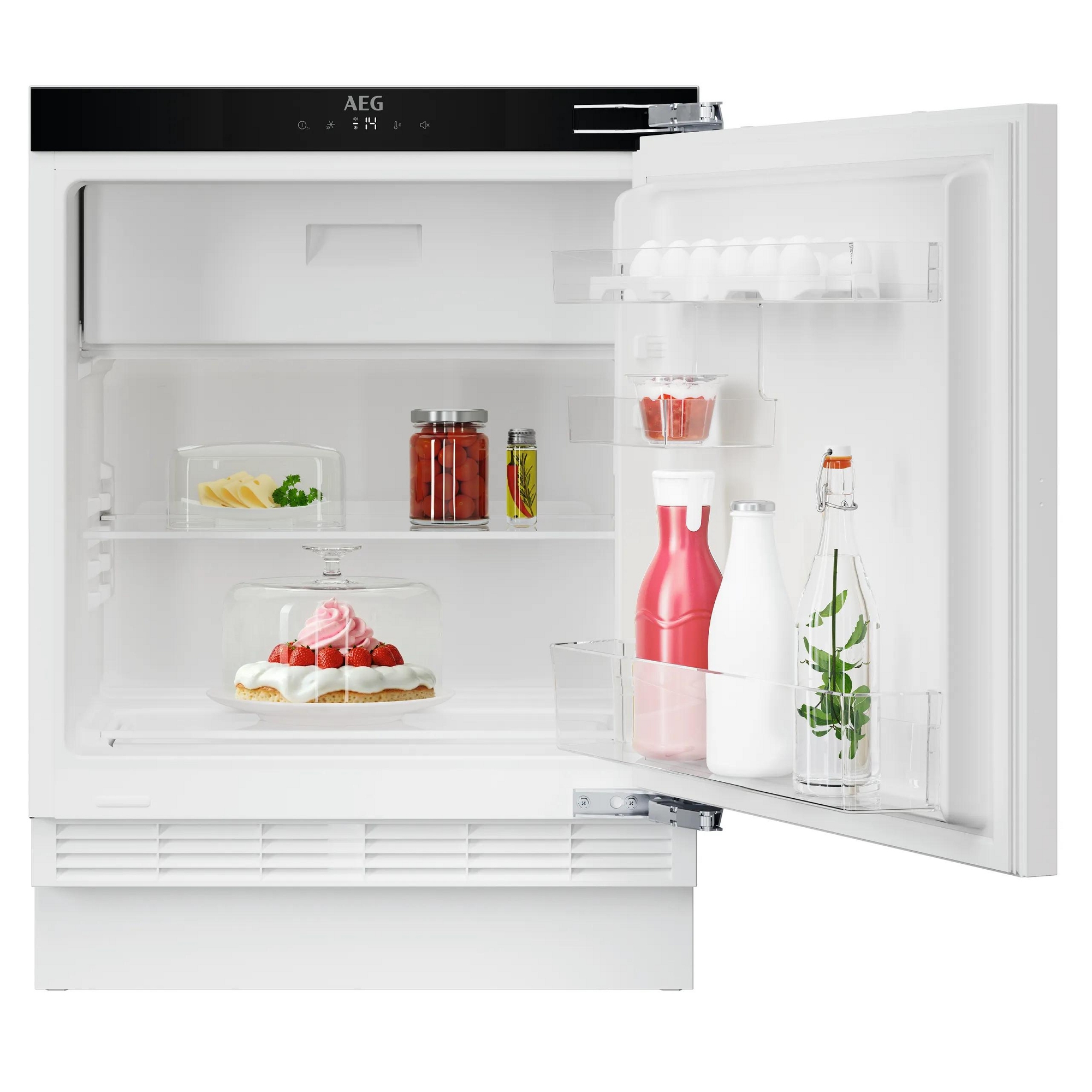
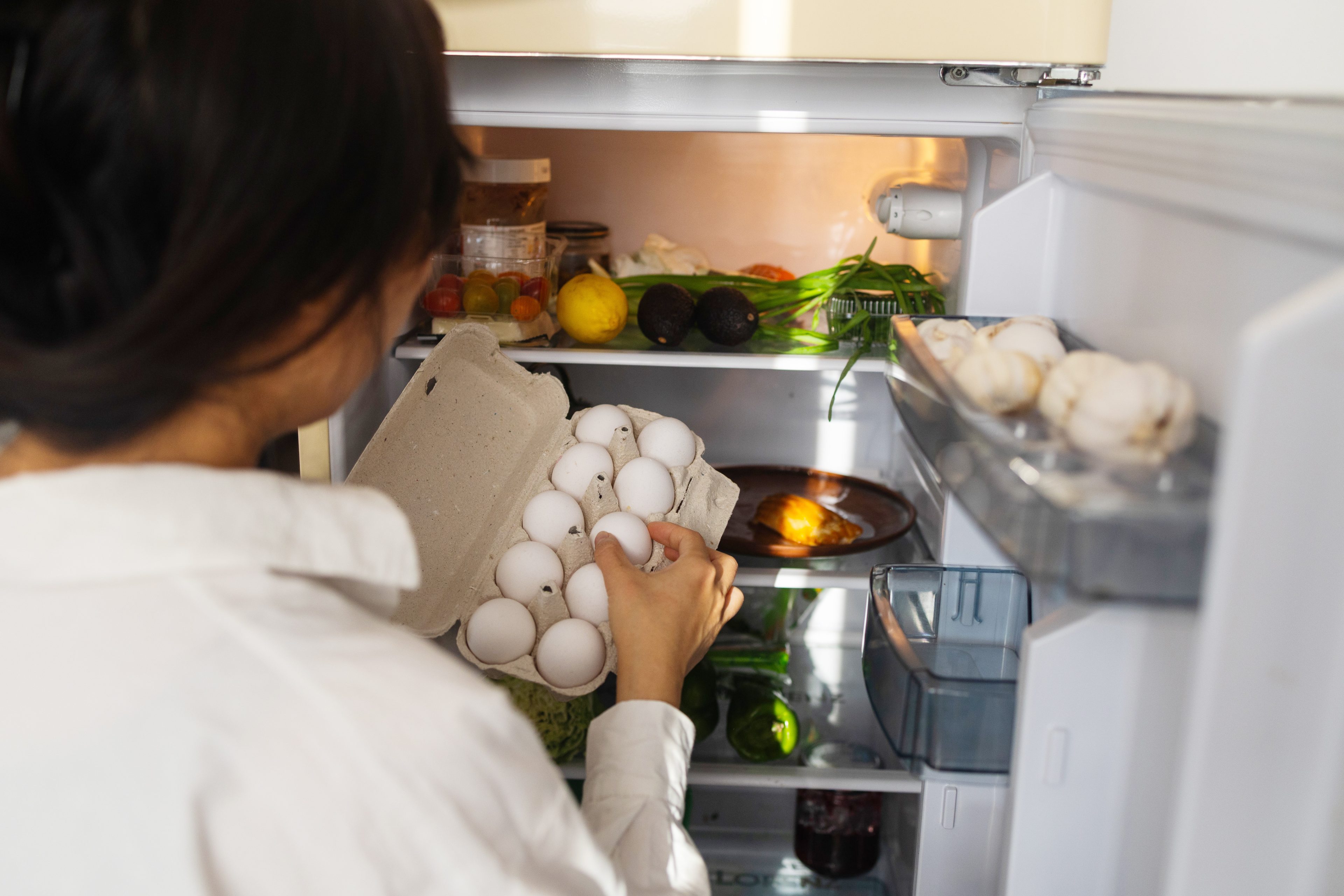
Egg storage is another topic where advice is varied. In the UK, eggs are usually sold unrefrigerated because of different farming and vaccination processes. Many people still choose to store their eggs in the fridge once they’re home, more so to keep temperatures consistent.
Whether you refrigerate your eggs or not, experts agree on one thing: if they are kept in the fridge, they shouldn’t be stored in the door.
Geldard Farm Eggs recommends keeping eggs in their original carton on the middle or lower shelf, rather than in the door, as this helps maintain a more stable temperature.
It’s a good reminder that just because your fridge includes an egg tray doesn’t necessarily mean it’s the best place to use it. British Egg Information Service recommends retaining the original carton prevent odours transferring from other food in the fridge while it also helps keep them as fresh as possible.
Is the Crisper Drawer Actually Worth Using?
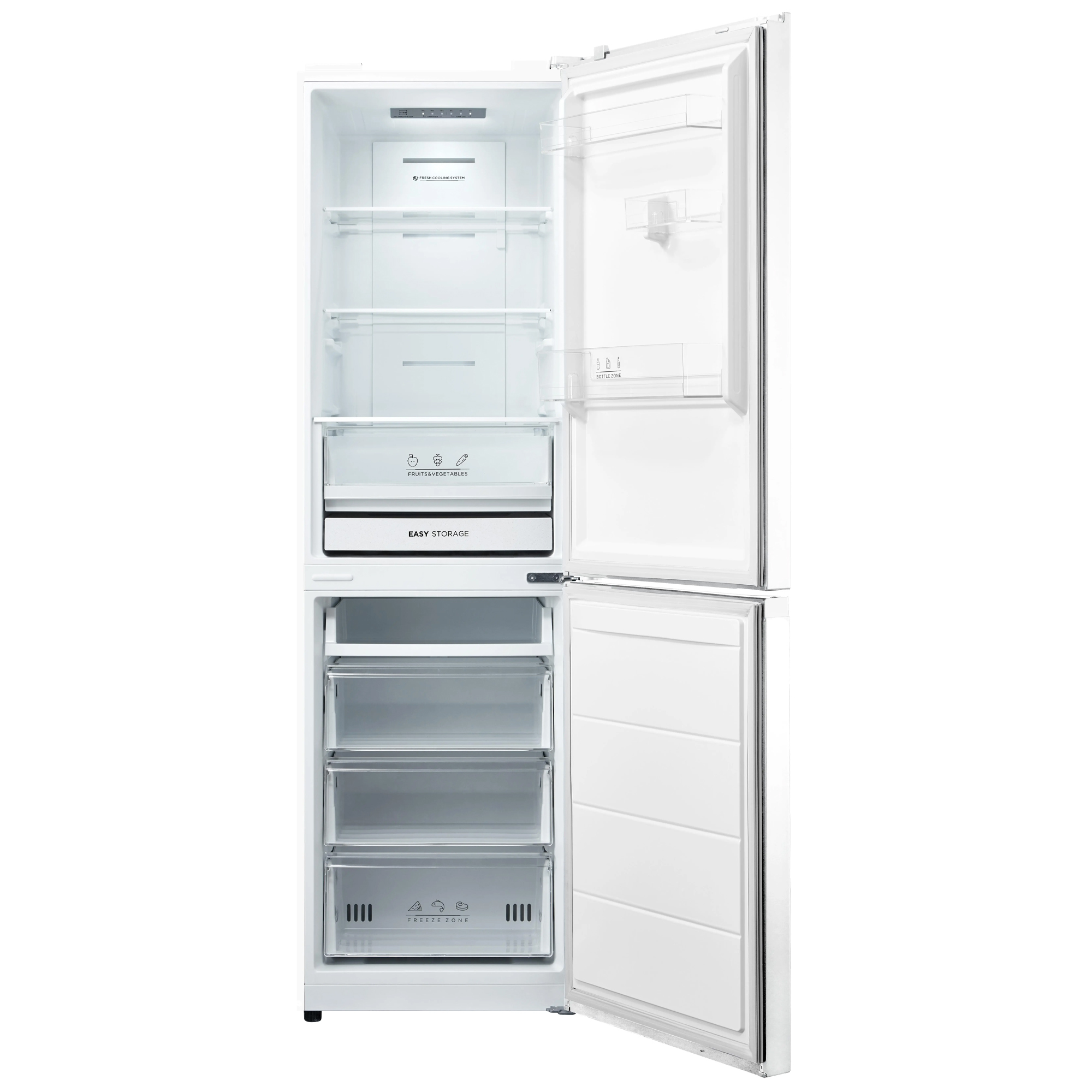
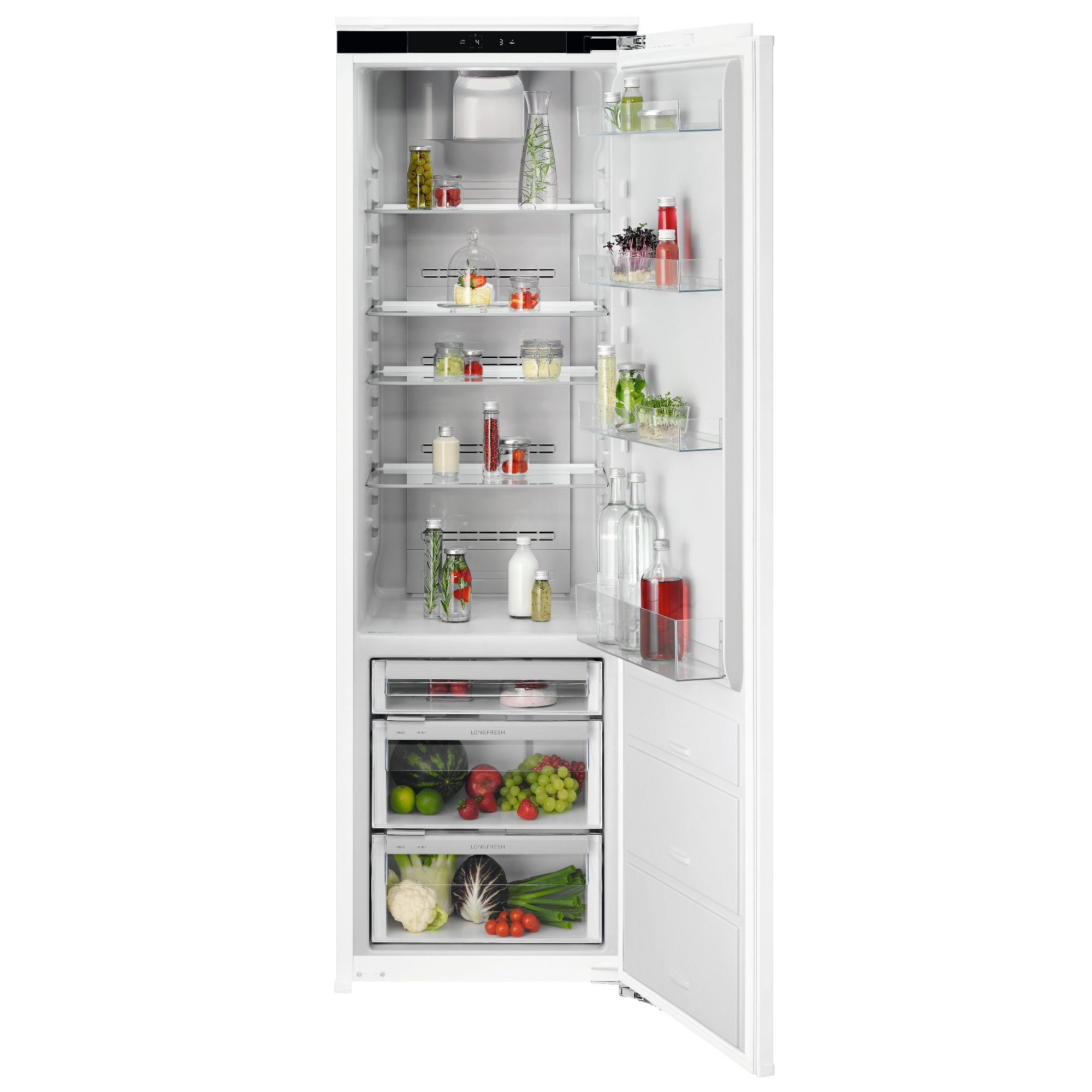
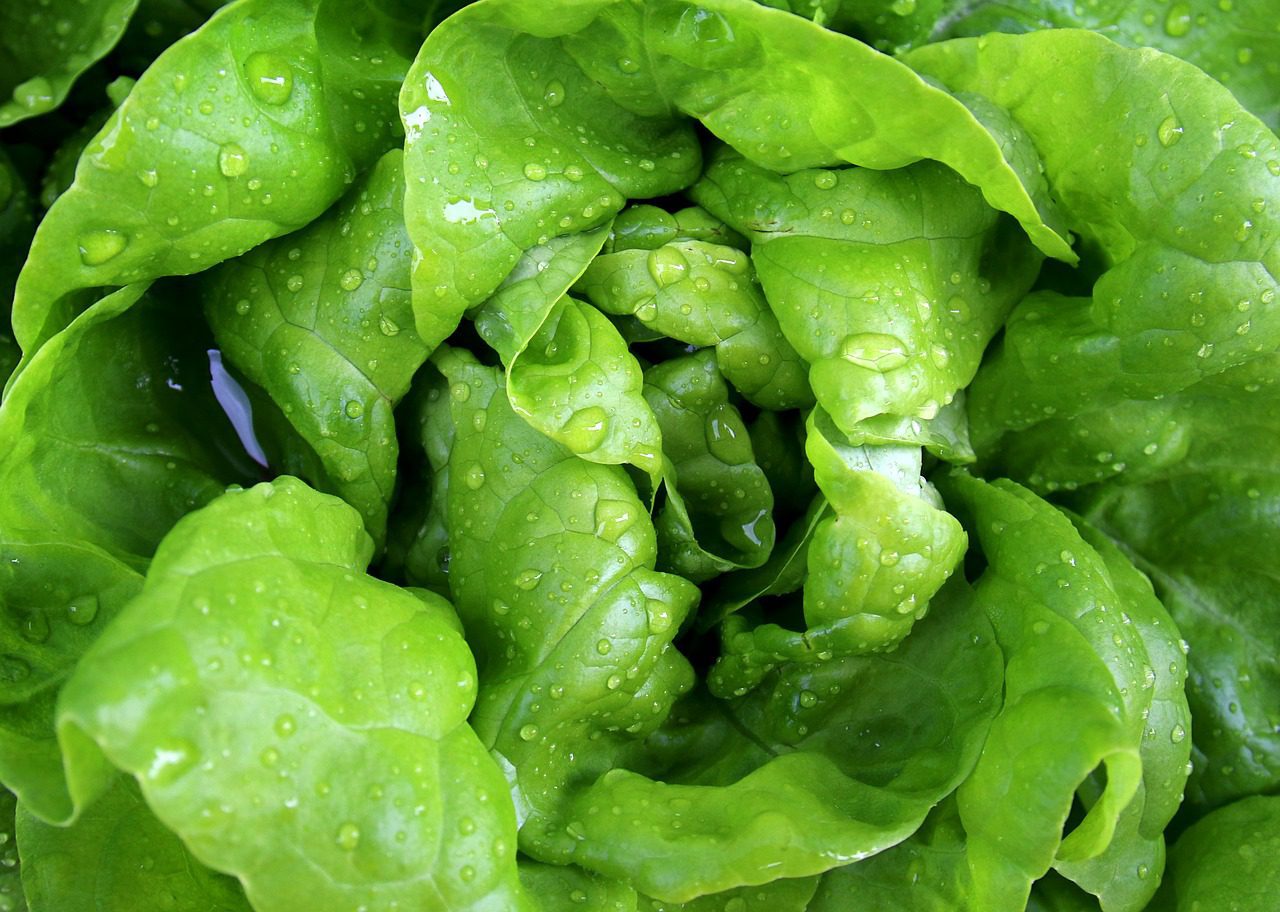
Many of us treat the crisper drawer as the place where fruit and vegetables disappear until they’re forgotten. In reality, it’s one of the smartest features in your fridge. Contrary to popular belief, the crisper drawer isn’t always colder than the rest of the appliance. Instead, it’s designed to control humidity.
Higher humidity helps leafy vegetables retain moisture, while lower humidity allows gases released by certain fruits (particularly apples and pears) to escape. Keeping the two separated can help prevent some fruit from causing nearby vegetables to spoil more quickly.
Advise from Consumer Reports highlights that most modern crisper drawers allow you to adjust humidity specifically for this reason.
Using the drawers as intended can make a noticeable difference to how long fresh produce lasts.
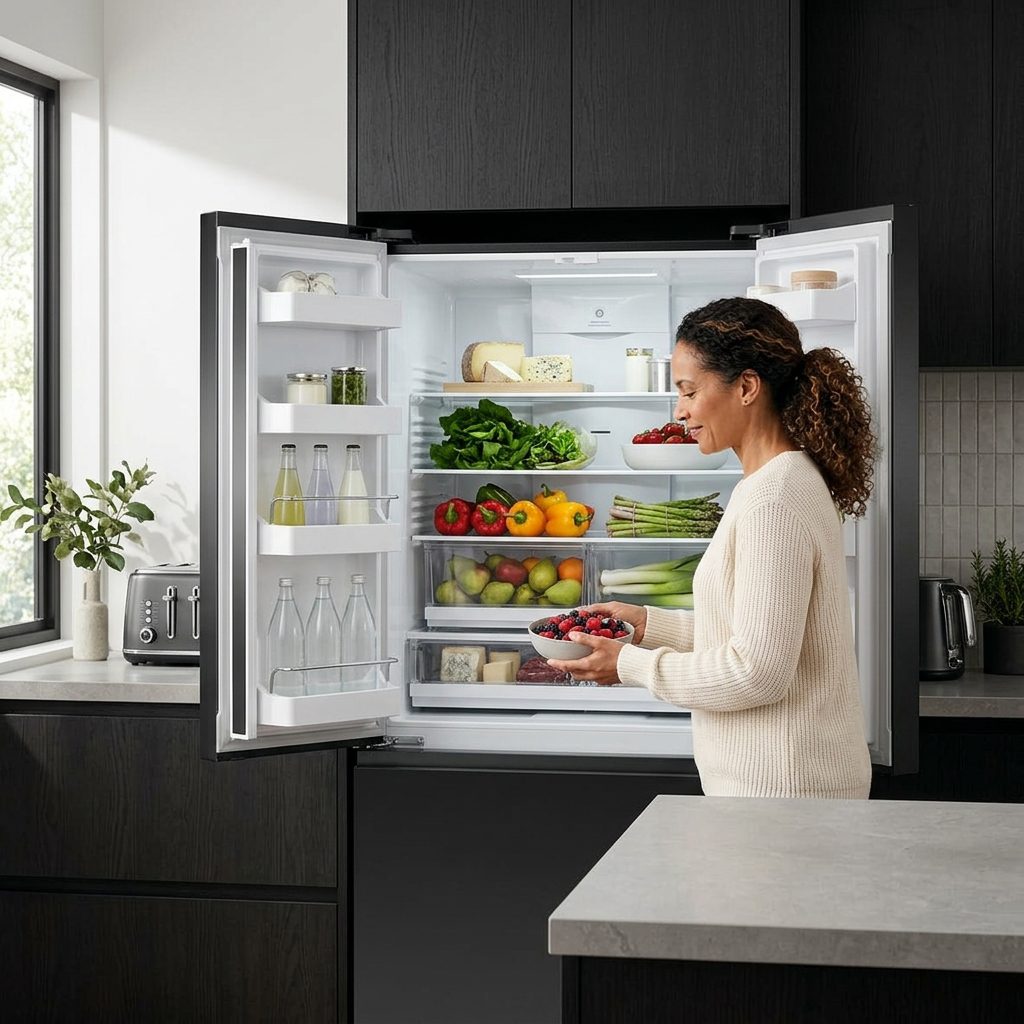
Is the Bottom Shelf Always the Coldest?
This is where online advice becomes a little less clear cut. Many websites confidently state that the bottom shelf is always the coldest part of the fridge. In many appliances that’s true, but not all.
Frost free fridge freezers circulate air differently depending on the manufacturer, and some premium models have dedicated cooling systems that create more even temperatures throughout the fridge.
Rather than assuming every fridge behaves the same way, the Food Standards Agency recommends maintaining the correct overall temperature by avoiding overfilling the appliance so cold air can circulate, and reducing the amount of time the fridge door is left open.
That said, one recommendation is almost universal wherever you look online. Raw meat, poultry and fish should always be stored on the lowest shelf in a sealed container. This isn’t just about temperature, it prevents juices from dripping onto ready to eat foods and causing cross contamination.
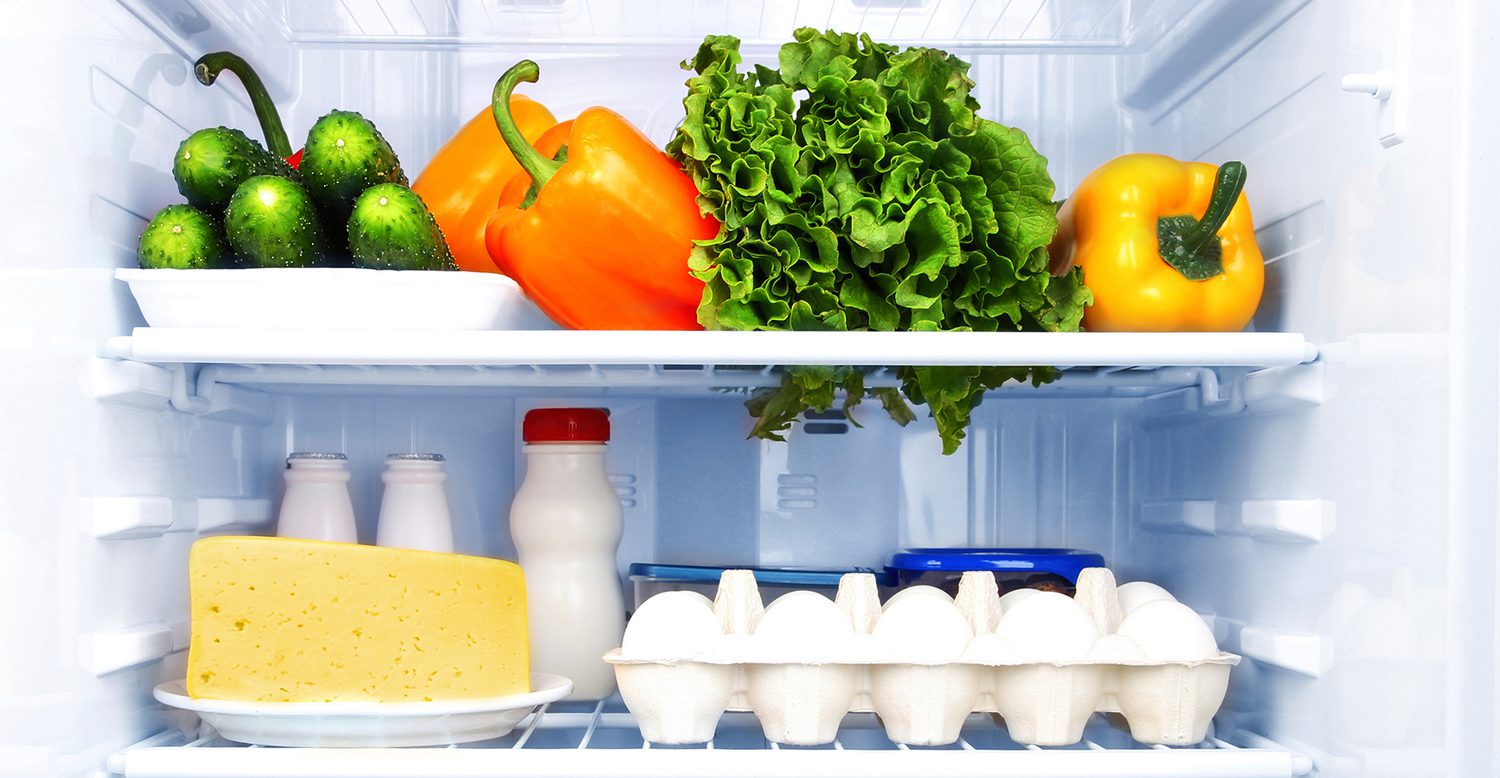
The Biggest Mistake Most Households Make
Most of us organise our fridge by food type:
- Dairy together
- Vegetables together
- Drinks together
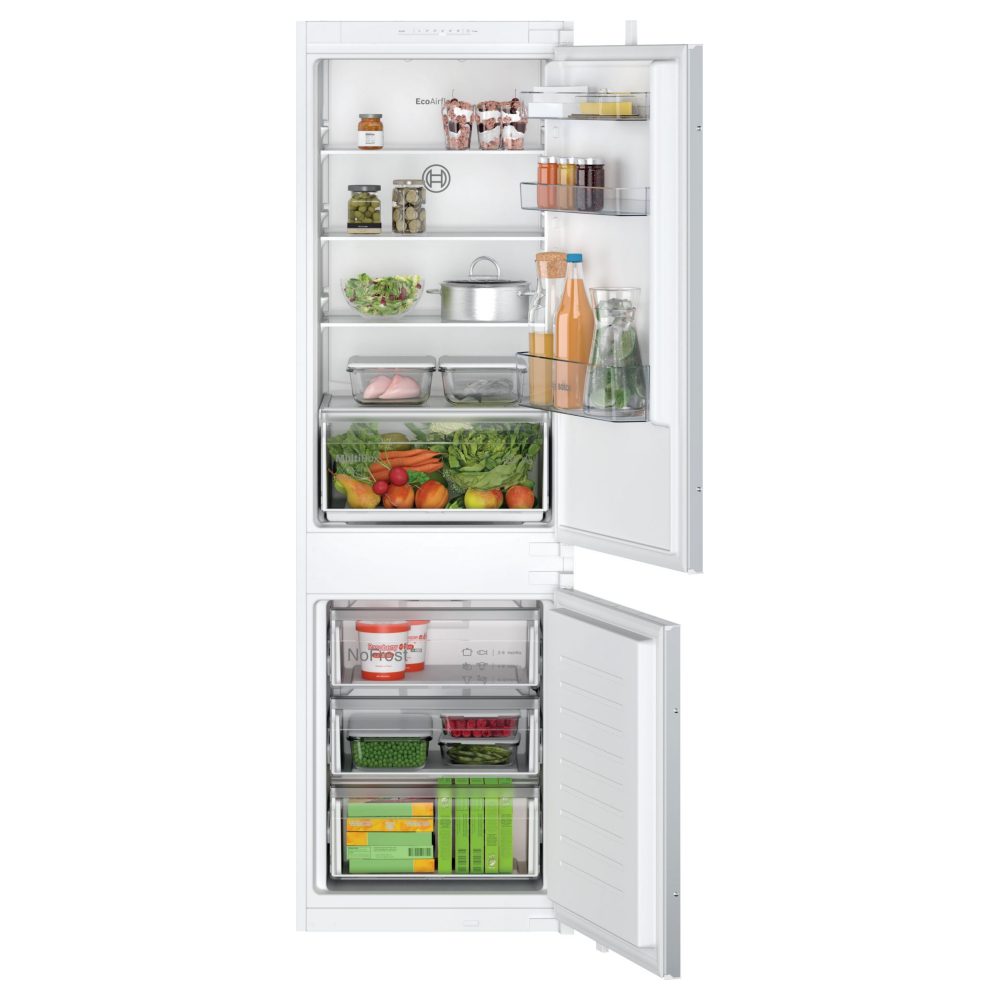
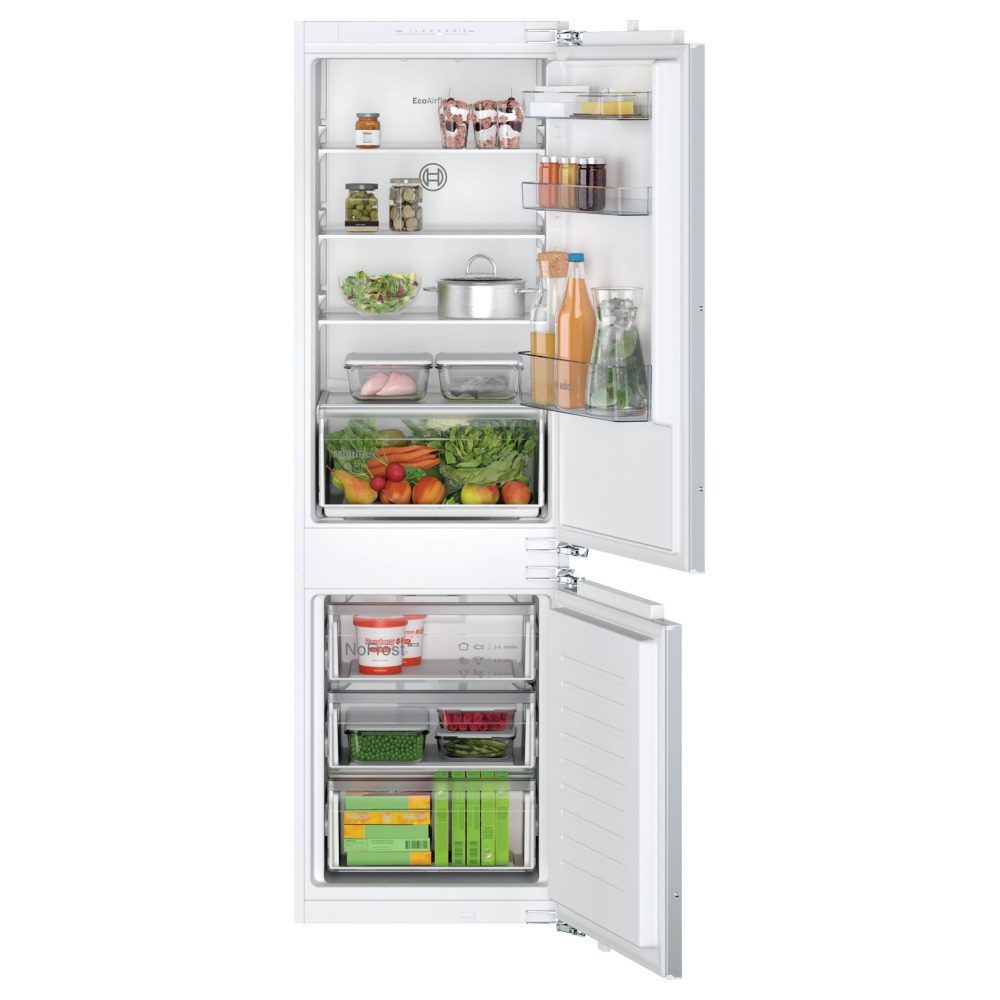
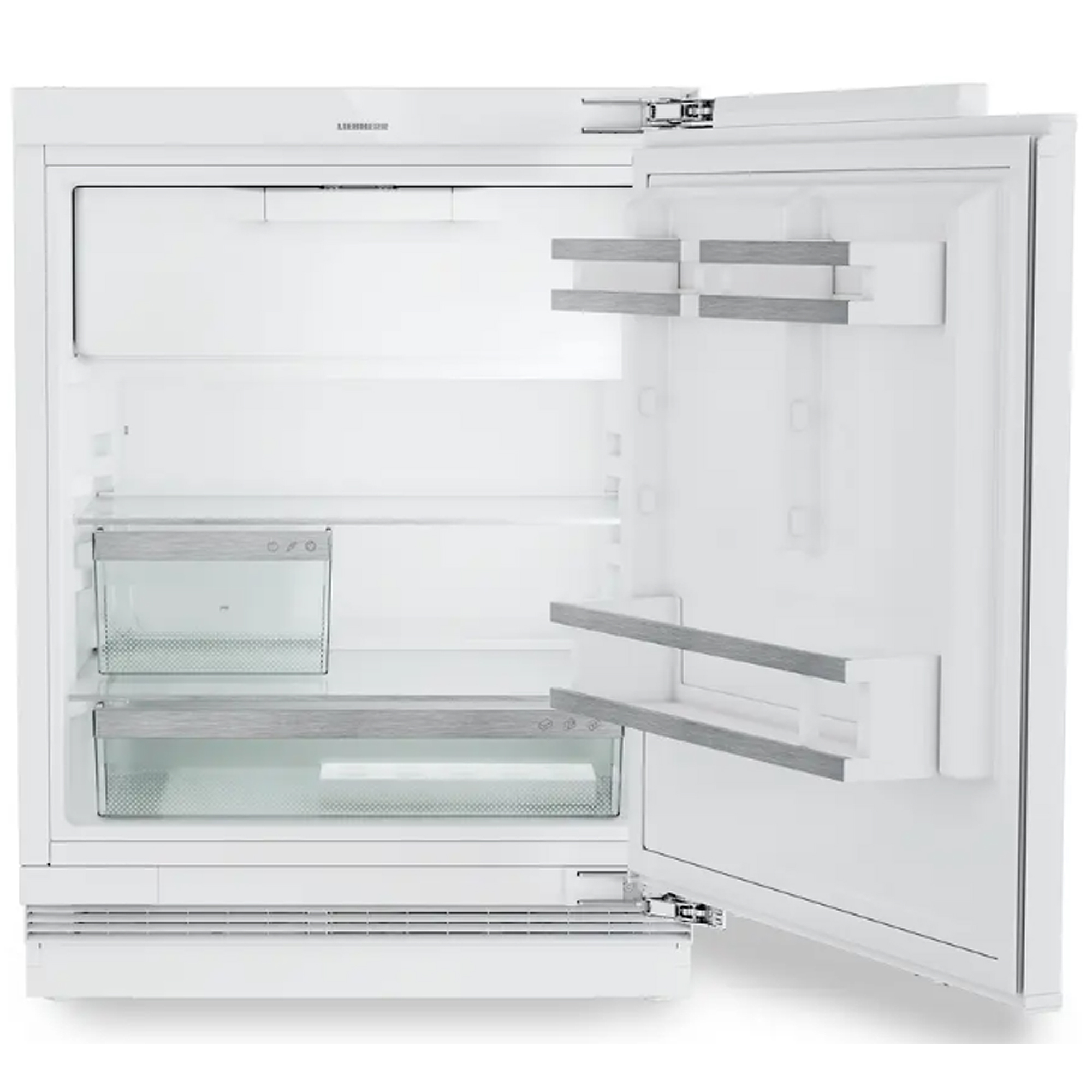
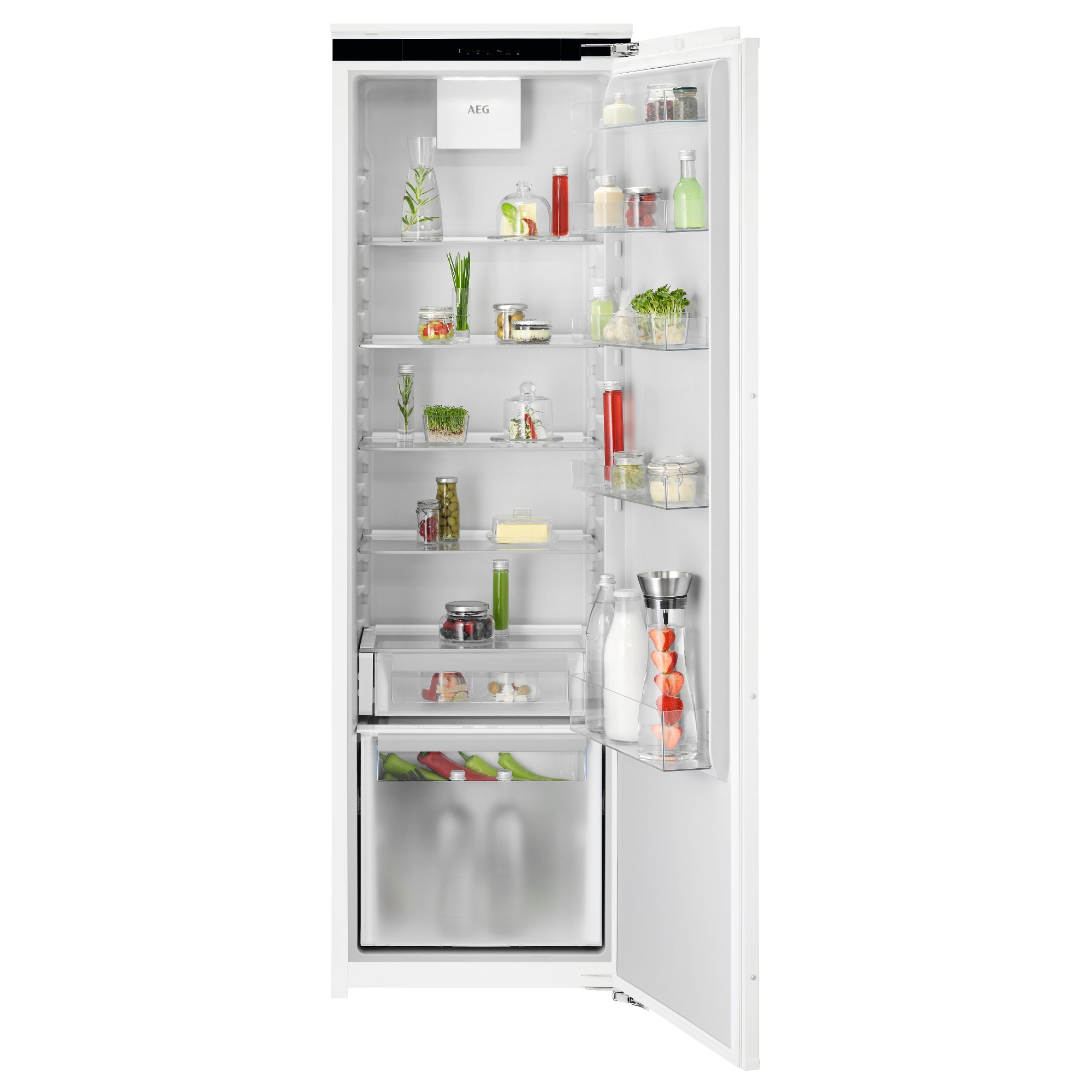
But a better approach is to think about temperature and humidity instead. Different areas of your fridge perform different jobs. Door shelves experience more temperature changes, crisper drawers manage humidity, and lower shelves are generally best suited to foods that need to stay consistently cold.
It’s also worth remembering that an overfilled fridge can restrict airflow, making it harder for the appliance to maintain an even temperature throughout. That’s one reason why the Food Standards Agency recommends leaving enough space for cold air to circulate freely.
A Practical Fridge Layout
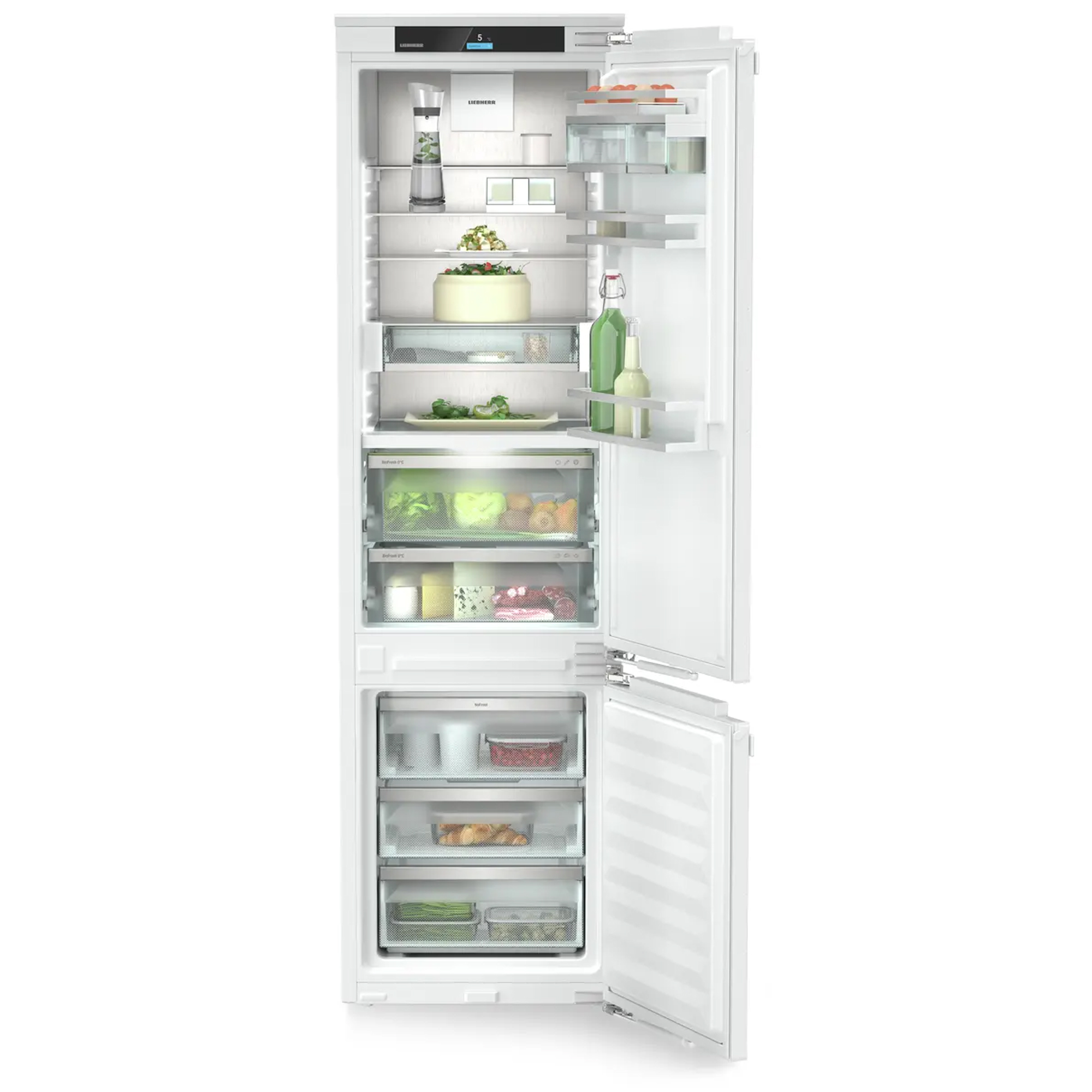
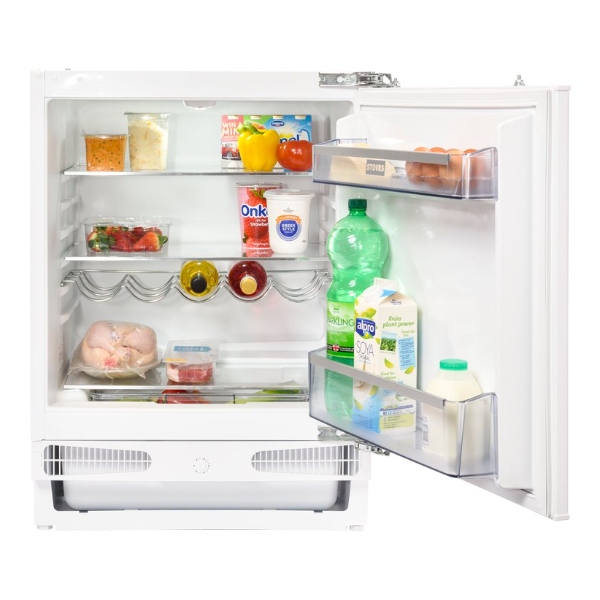
While every appliance is slightly different, this layout works well for most modern fridges. Think of this as a guide rather than a strict rulebook. Your fridge’s design, airflow and cooling system may differ slightly:
| Fridge Space | Food |
|---|---|
| Top shelf | Leftovers, ready to eat food, cooked meats & desserts |
| Middle shelves | Milk, yoghurts, cheese, eggs & butter |
| Bottom shelf | Raw meat, poultry, fish & seafood |
| Crisper drawers | Leafy greens, herbs, carrots, broccoli & fruit |
| Door shelves | Pickles, sauces, soft drinks & jams |
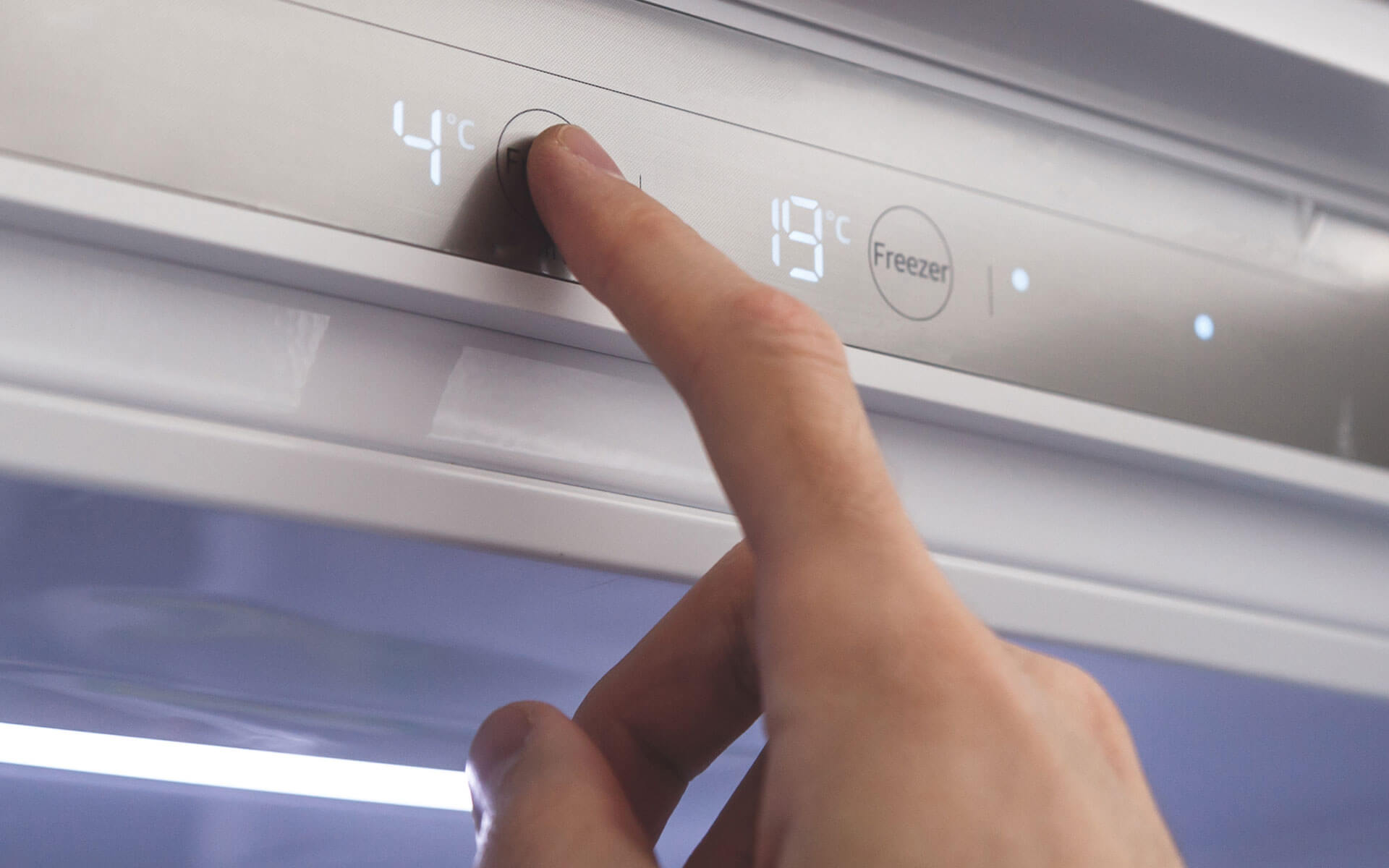
One Small Investment That Makes a Big Difference
If there’s one piece of advice almost every expert agrees on, it’s this: Use a fridge thermometer.
Many people assume their appliance is running at the correct temperature because the dial says so, but that’s not always the case. Most recommend keeping your fridge at 4°C or below, and a simple appliance thermometer is one of the easiest ways to check that it’s actually doing its job.
It’s an inexpensive addition that can help improve food safety, reduce waste and even save money over time.
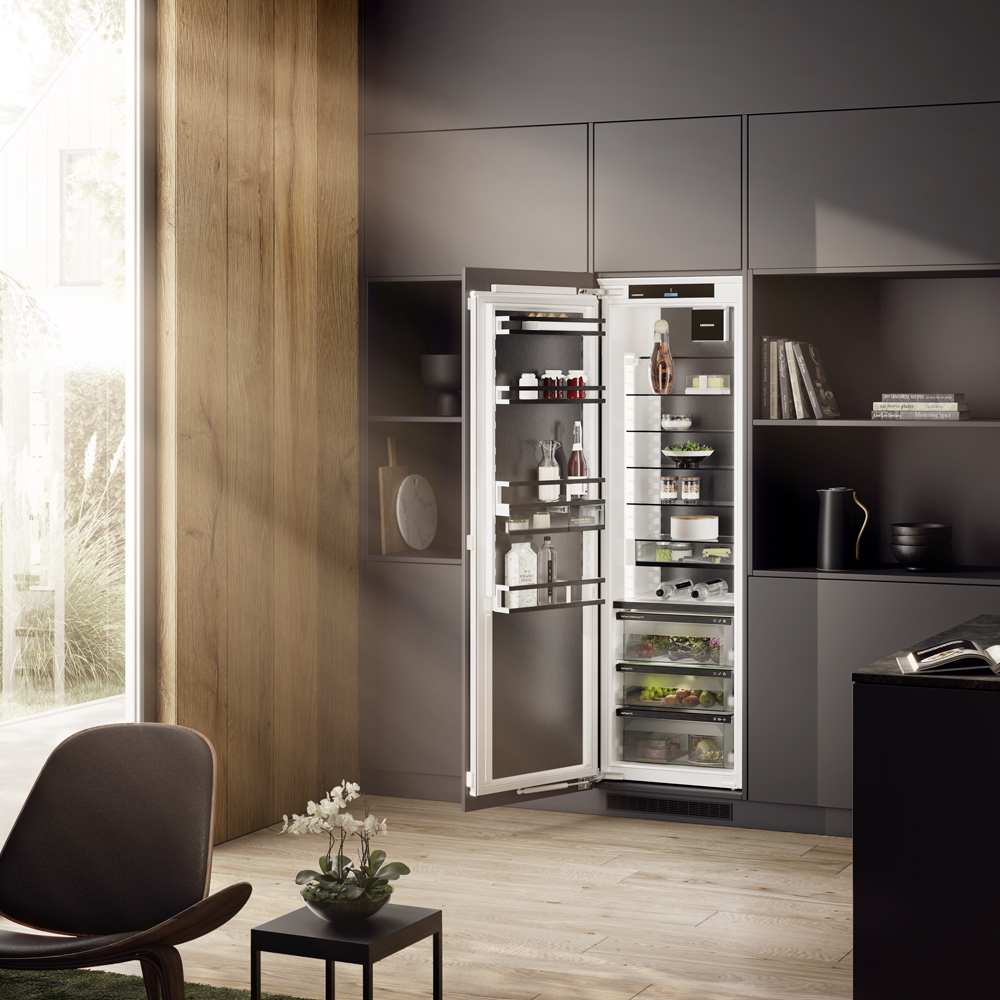
So...Who's Right?
The answer is that most experts are focusing on different aspects of food storage. Most prioritise food safety. Others focus on extending freshness. Some are thinking about humidity or reducing food waste.
Rather than trying to remember dozens of different rules, it’s more helpful to understand the basic principles behind them. Keep your fridge at the correct temperature, store raw meat safely, use your crisper drawers properly, and remember that the fridge door is the warmest part of the appliance.
At Appliance City, we believe understanding how your fridge works is far more valuable than following one size fits all advice. A few small changes to where you store your food can help it stay fresher for longer, reduce waste and make the most of your weekly shop.