June 19, 2026
Seasonal Energy Saving Tips
Energy bills rarely rise because of one obvious mistake. More often, they creep up slowly through small everyday habits: turning the heating on a little earlier, running extra laundry cycles, or spending more time indoors during colder months. According to the Energy Saving Trust, space heating is usually the biggest source of energy use in UK homes. After that, everyday appliances like fridges, washing machines, cookers and TVs make up a large share of electricity use. In other words, it’s not just heating that matters, it’s everything running quietly in the background too. Most households don’t feel energy costs changing all at once. Instead, it builds gradually over the year and only becomes obvious when a bill feels unexpectedly high. Once you notice that pattern, something becomes clear: energy use isn’t fixed. It shifts with the seasons, and so do your costs.
7 min read

Energy use changes more than you think
Many people think saving energy is mostly a winter problem. But every season affects how much energy a home uses:
- Spring is when winter habits start to reset
- Summer changes how and when electricity is used
- Autumn slowly builds the conditions for higher winter bills
- Winter brings everything into focus at once
Homes don’t suddenly become expensive to run. Costs rise slowly as small habits change without people really noticing.
That’s why organisations like the Energy Saving Trust and Ofgem focus on everyday behaviour as well as big improvements like insulation or heating systems. The way you use your home matters just as much as how it’s built.

Spring: Noticing what winter left behind
Spring is often the first time in the year when energy use feels lighter. The heating is off more often, windows are open, and you start to notice your home differently. This is usually when hidden inefficiencies become visible, such as:
- Ice building up in freezers
- Dust gathering behind appliances
- Fridge or freezer seals starting to wear out
- Devices left on standby all winter
These issues don’t usually stand out in winter, but they quietly increase energy use over time. Simple steps can help reset things:
- Cleaning behind appliances helps them run more efficiently.
- Defrosting a freezer reduces the effort needed to stay cold.
- Checking door seals stops cold air escaping and warm air getting in.
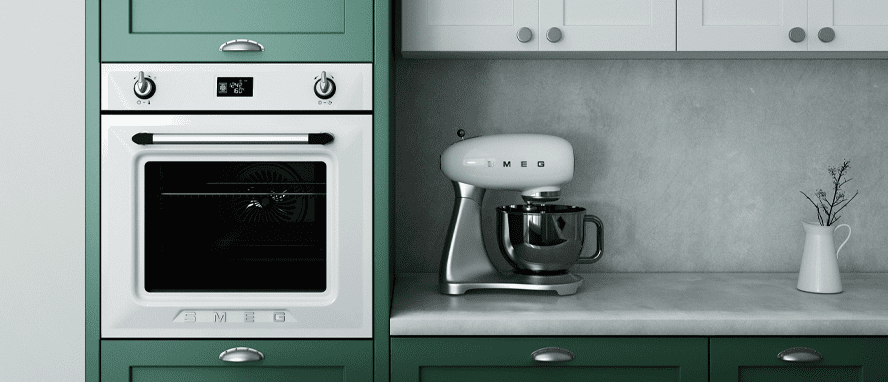
Even cooking habits shift in spring. As meals get lighter, it often makes more sense to use smaller appliances rather than heating a full oven for small portions.
Spring is really about getting things back into good shape before the heavier summer electricity use begins.

Summer: Energy use shifts, it doesn’t disappear
It’s easy to assume energy bills should fall in summer. Heating is mostly off, after all. But in reality, energy use doesn’t drop it just changes shape. In summer, households often see:
- More laundry from outdoor activity
- More dishwasher use
- More time spent on screens and devices
- More flexible, less structured cooking
Individually, none of these changes seem significant. But together, they keep electricity use steady throughout the day. Cooking is a good example. Instead of one main meal, there may be several smaller ones, each using appliances. Entertainment devices also tend to stay on longer in the evenings or during holidays. So while heating disappears, electricity quietly fills the gap.
The key in summer isn’t cutting everything back, it’s making small improvements like full laundry loads, air drying when possible, and avoiding unnecessary appliance use.
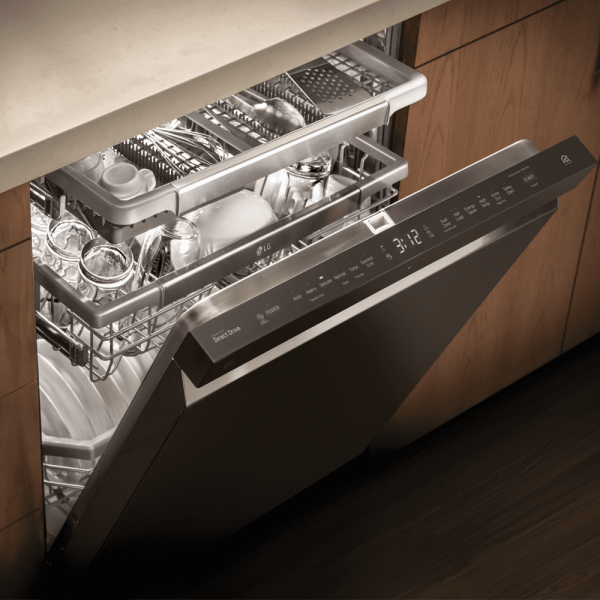
Autumn: the quiet build up to winter bills
Autumn is one of the most overlooked seasons for energy use, but it has a big impact on what happens in winter.
As the weather cools heating starts coming back into use, laundry moves indoors more often, cooking shifts back to ovens and warm meals and evenings are spent inside for longer. These changes don’t happen all at once. They build slowly, which is why many people don’t notice their energy use increasing.
Autumn is also a good time to check appliances before winter demand rises. Fridges, freezers and washing machines often show inefficiencies more clearly when they’re used more heavily.
Simple autumn habits can help:
- Cleaning appliance vents helps them run efficiently.
- Running full loads reduces wasted cycles.
- Checking heating timers avoids unnecessary usage.
- And reducing standby power stops small, constant energy drain.
Think of autumn as the “preparation season” for winter bills.
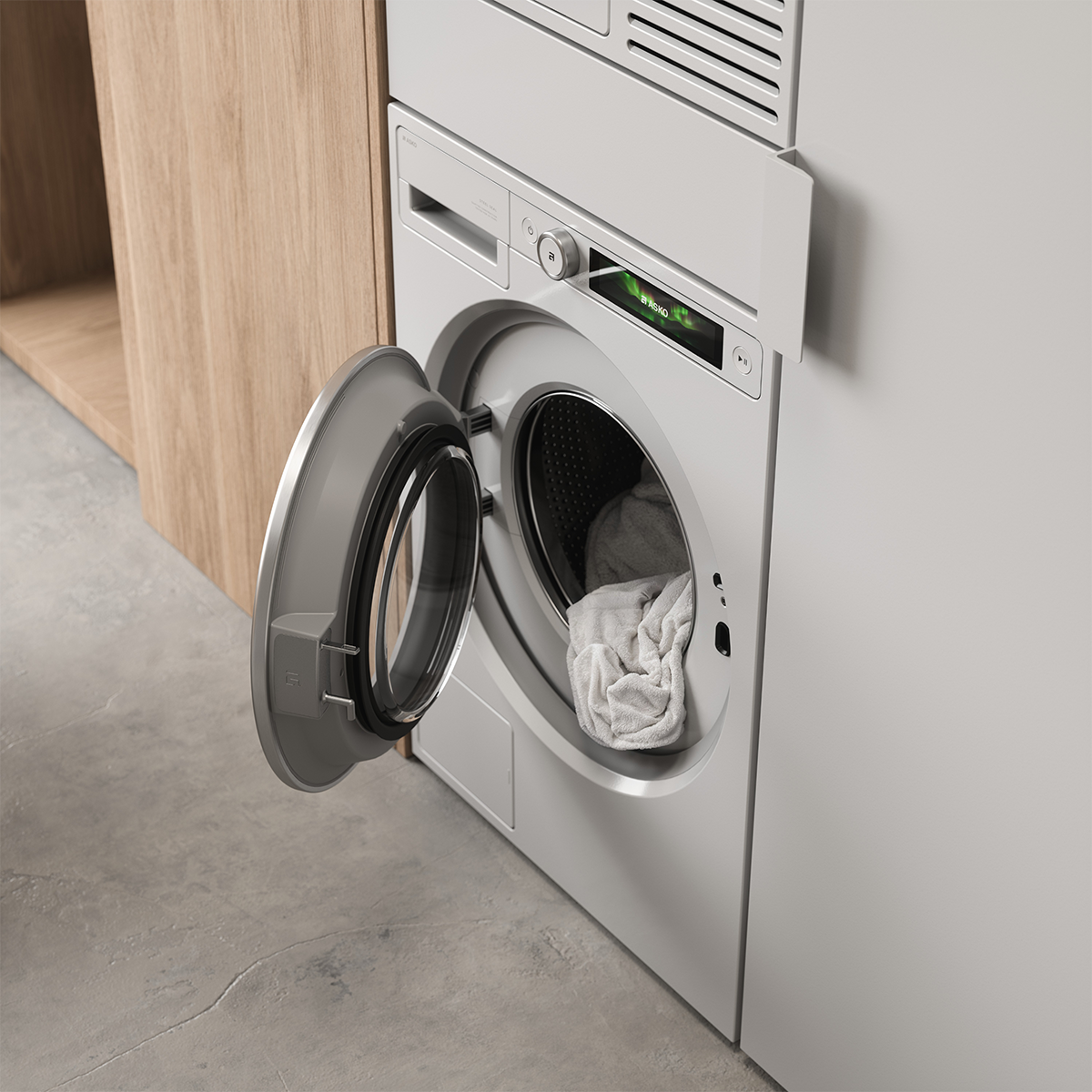
Winter: when everything becomes visible
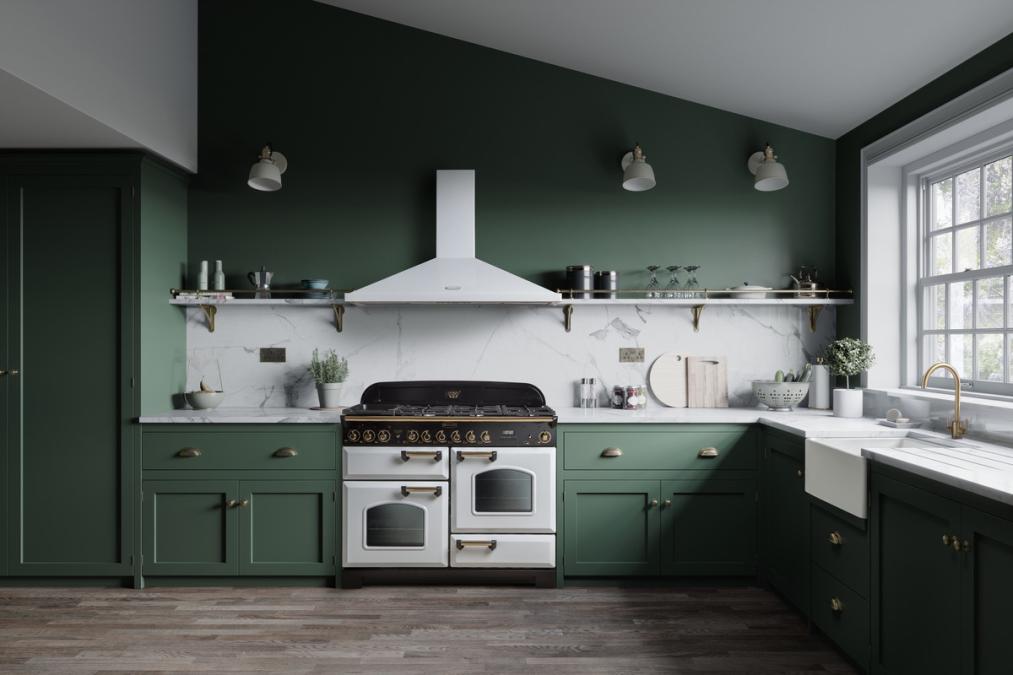
Winter is when energy use becomes most noticeable. Heating is on more often, days are shorter, and people naturally spend more time indoors. At the same time cooking tends to be more frequent and oven-based, laundry is more likely to be dried indoors, tumble dryers are used more often and TVs/streaming devices stay on longer.
None of this is unusual, it’s just how life changes in colder months. The challenge is that all of these things happen together, which increases total energy use.
A few simple habits can help reduce waste:
- Heating only the rooms you’re using.
- Washing clothes at lower temperatures when appropriate.
- Cooking in batches instead of using the oven multiple times.
- Turning devices fully off instead of leaving them on standby.
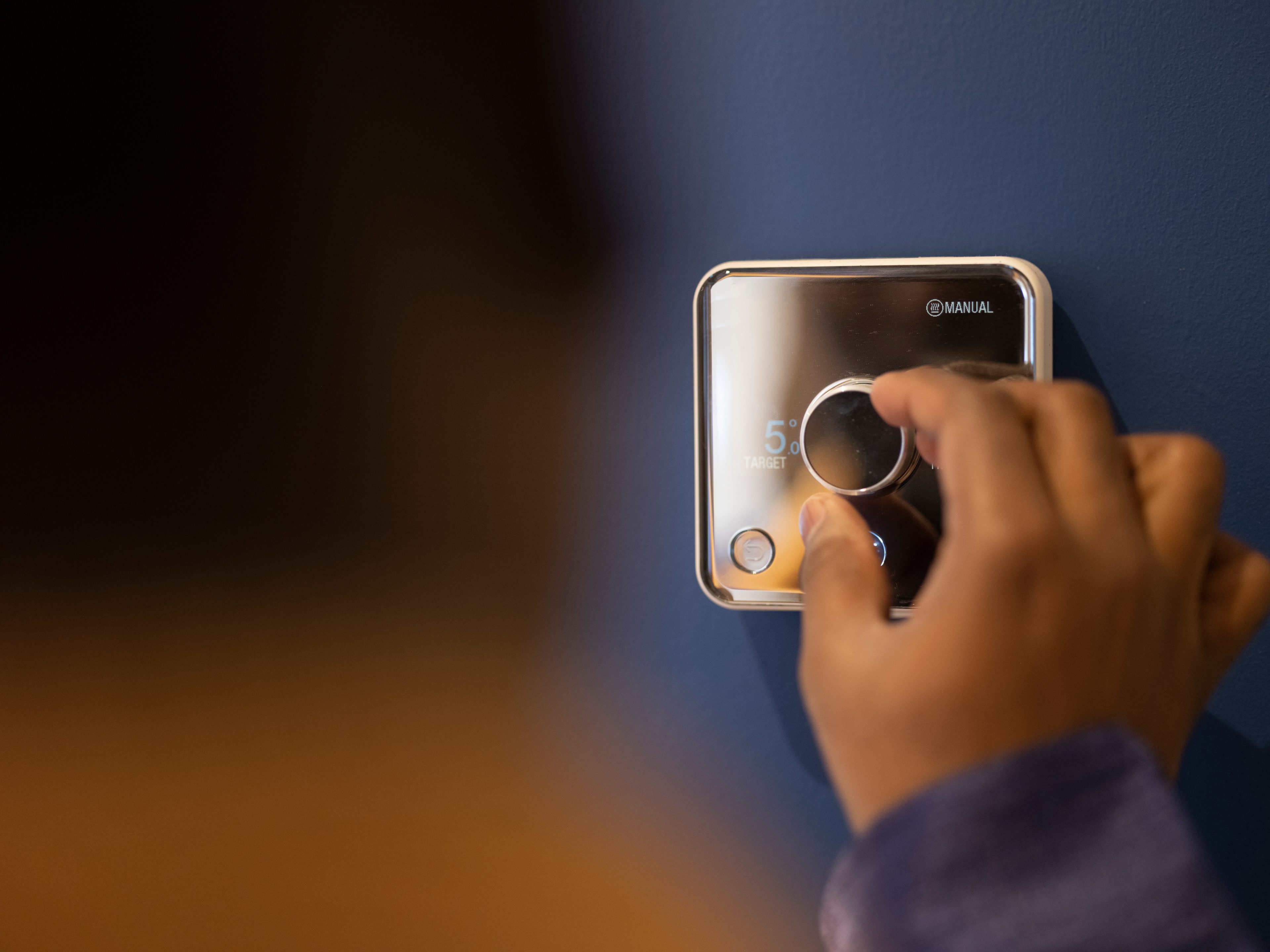
One of the most effective changes is heating control. Energy Saving Trust guidance suggests that lowering your thermostat by just 1°C can typically save around £80 to £90 per year.

The role of your appliances
Across the year, there’s a simple pattern – your habits control how energy is used day to day. Your appliances decide how much you use even when you’re not thinking about it.
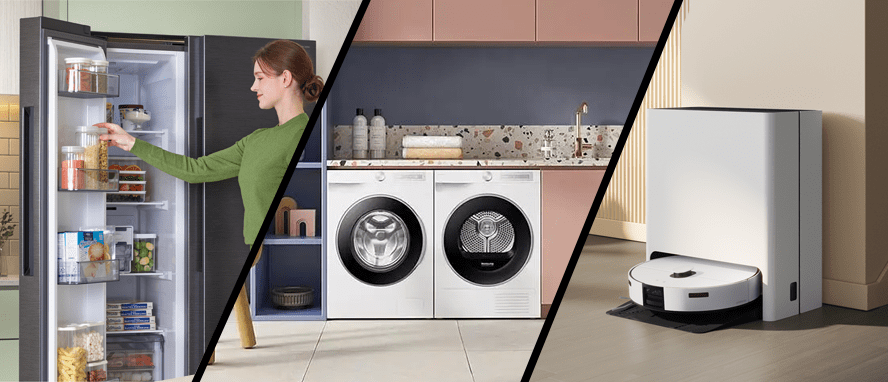
Fridges, freezers, washing machines, cookers and TVs all create a constant background level of energy demand. Some run all the time. Others cycle on and off throughout the week. A useful question is:
What in my home is always using energy, even when I’m not actively using it?
That’s usually where the biggest long term savings come from.
Typical UK energy saving estimates
Based on guidance from the Energy Saving Trust, Ofgem and other UK consumer organisations, households may typically see savings like the below. These figures will vary depending on home size, energy prices, and how appliances are used.
| Energy Saving Action | Typical Annual Saving |
|---|---|
| Lower thermostat by 1°C | £80 - £90 |
| Switch off standby devices | £50 - £60 |
| Wash clothes at 30°C or eco settings | £10 - £30 |
| Reduce tumble dryer use | £50 - £70 |
| One fewer dishwasher cycle per week | £10 - £15 |
| Only boil the water you need | £10 - £12 |
| Improve heating controls | Up to £100+ |