May 25, 2026
Finding the Right Wine Cooler for Your Kitchen
Whether you’re storing a few favourite bottles for weekend dinners or building a carefully curated collection, a dedicated wine cooler can make all the difference, not just in preserving flavour, but in how you enjoy wine day to day. Wine coolers have become one of the most sought after kitchen appliances in modern homes. Once considered a luxury, they’re now a practical feature for anyone who wants to keep wine at the ideal temperature, protected from the elements that can compromise taste and ageing.
12 min read
Where To Start
Choosing the right wine cooler isn’t always straightforward. There’s so many questions to consider:
- Do I need an integrated model that blends seamlessly into your kitchen furniture, or a freestanding unit with greater flexibility?
- Should I choose single zone or dual temperature zone cooling?
- Which brands offer the best technology for long term storage?
Before comparing brands or features, the first decision is how your wine cooler will fit into your kitchen. For many homeowners, this comes down to balancing aesthetics, space, and flexibility…
Integrated vs Freestanding Wine Coolers
Integrated Wine Coolers
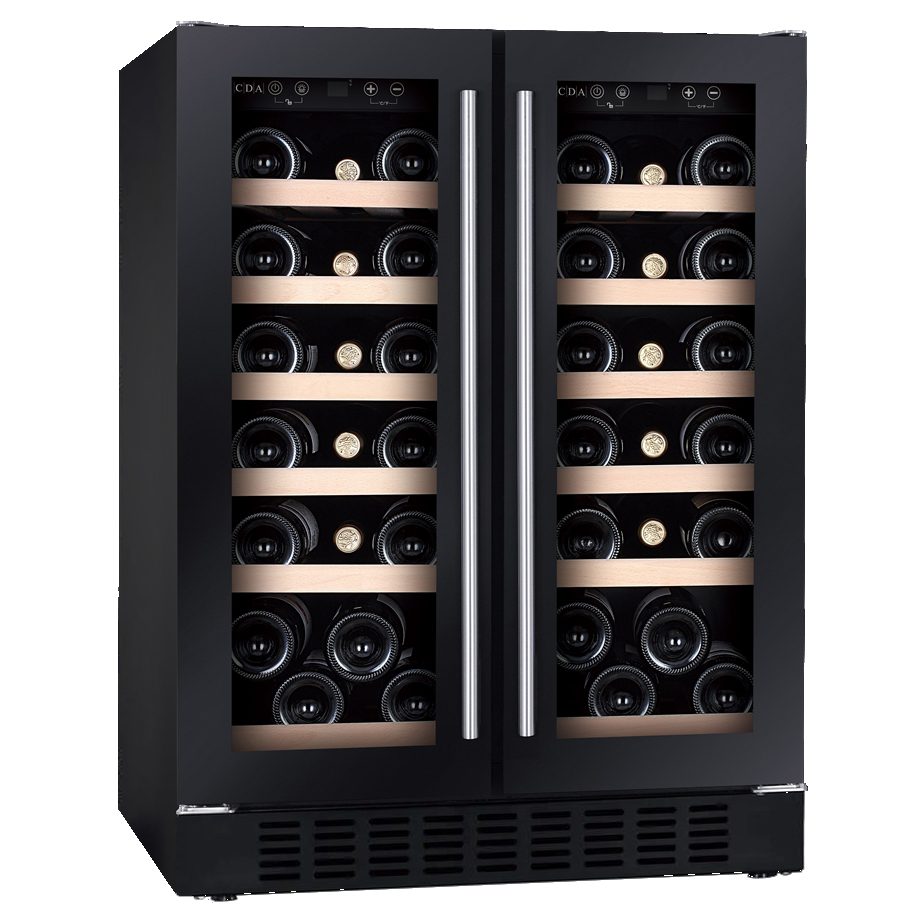
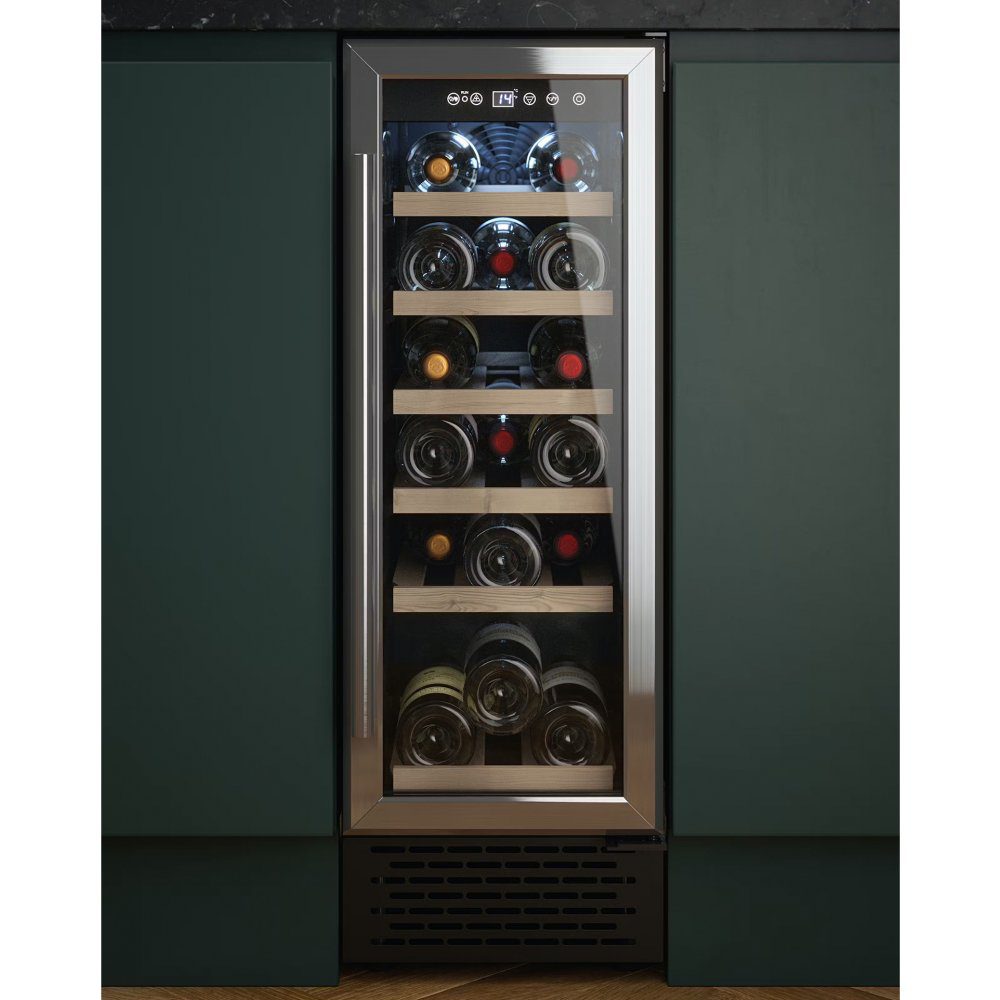
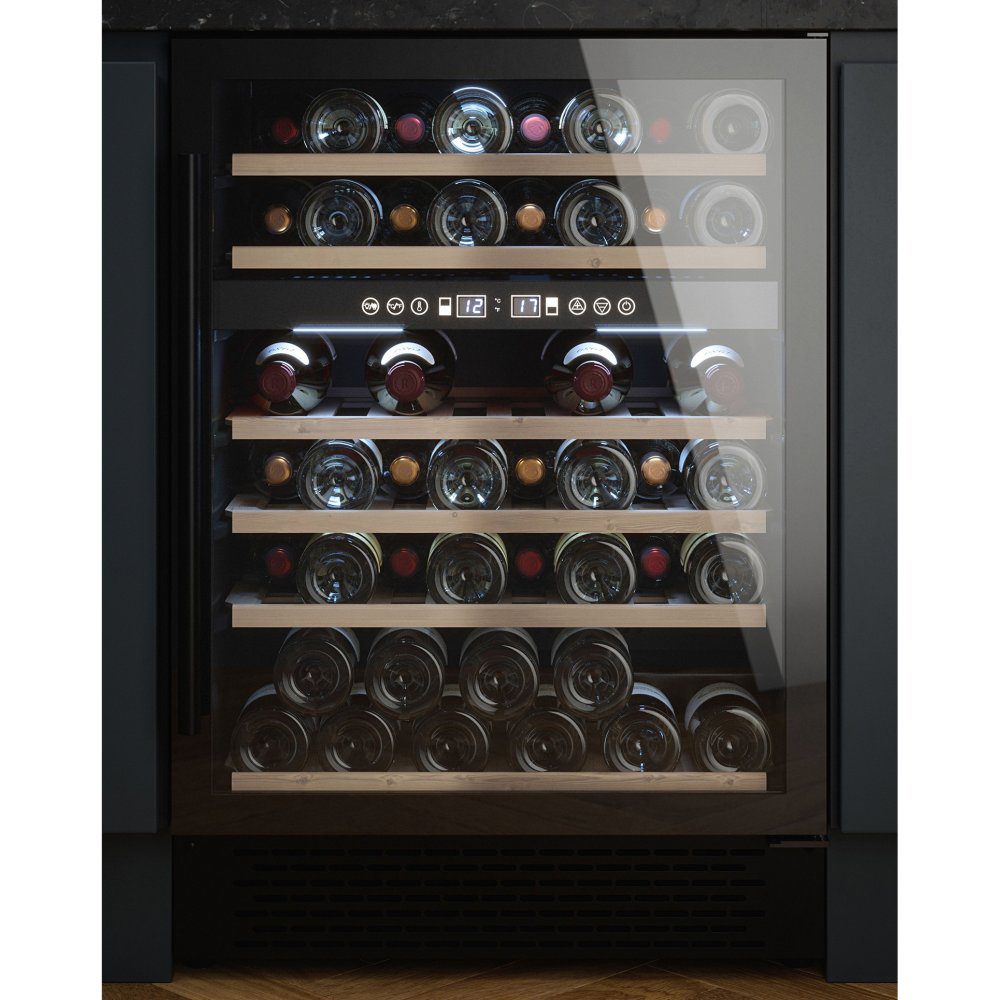
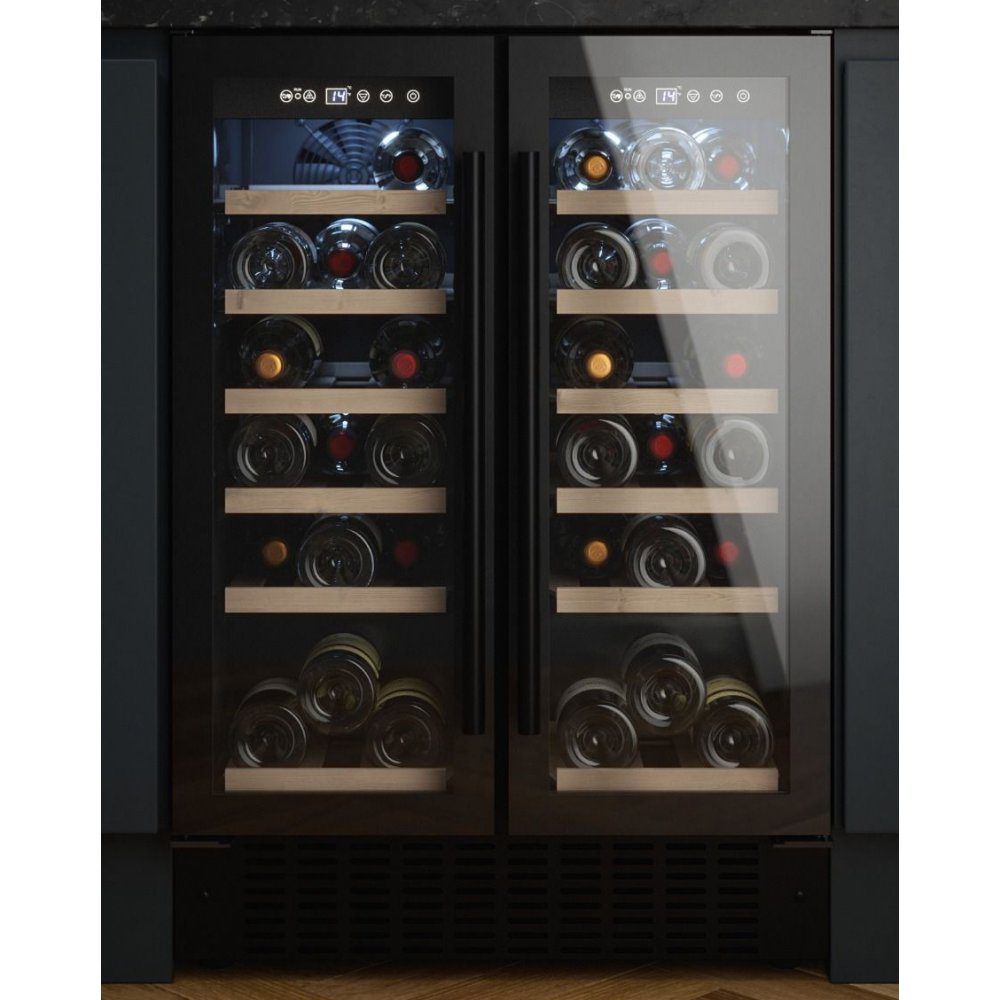
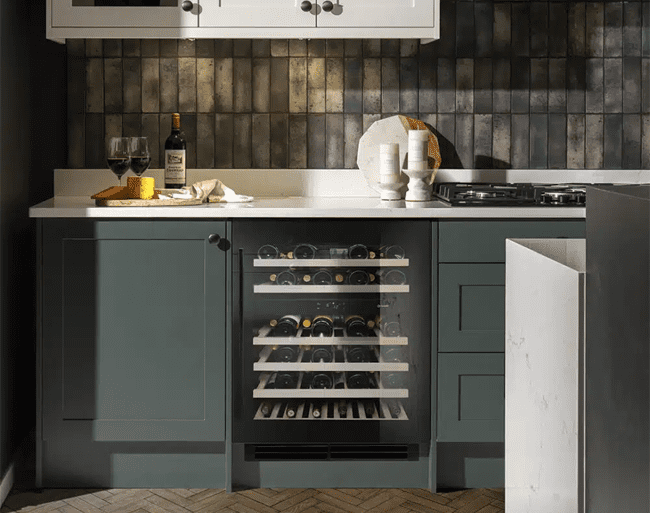
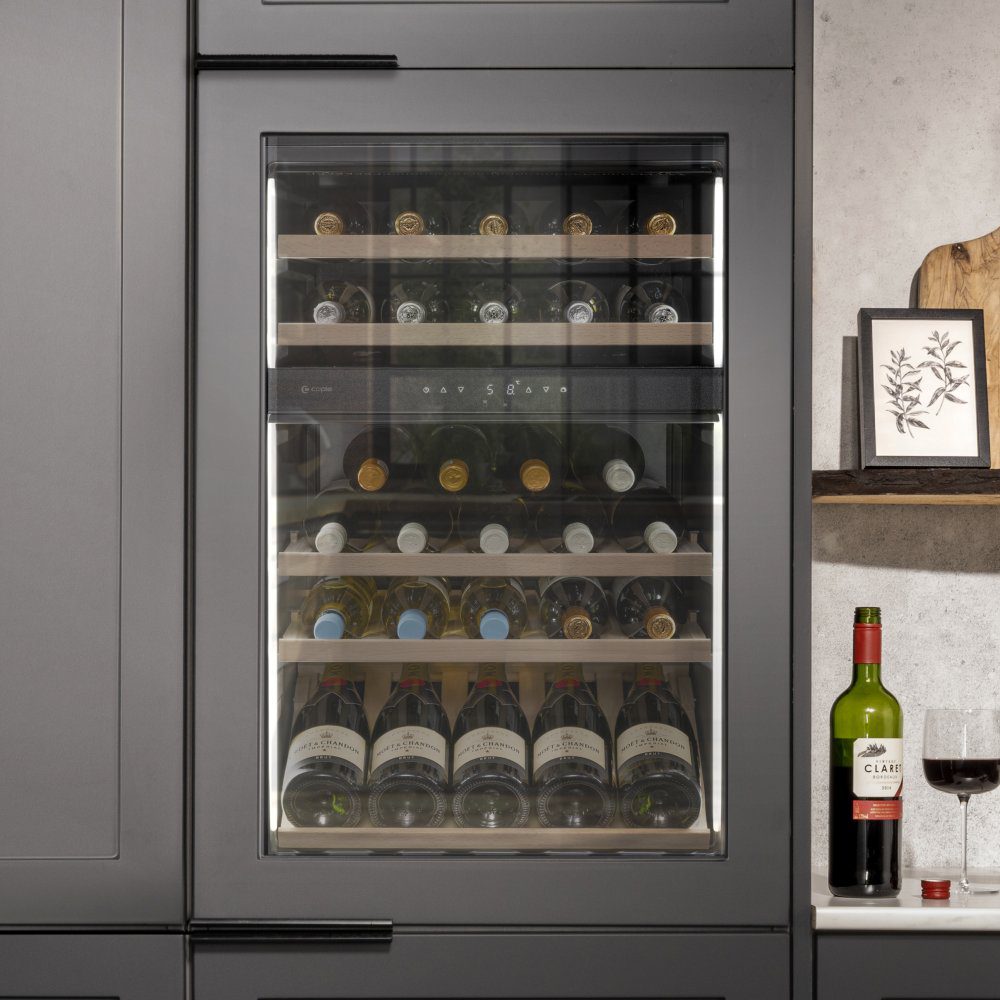
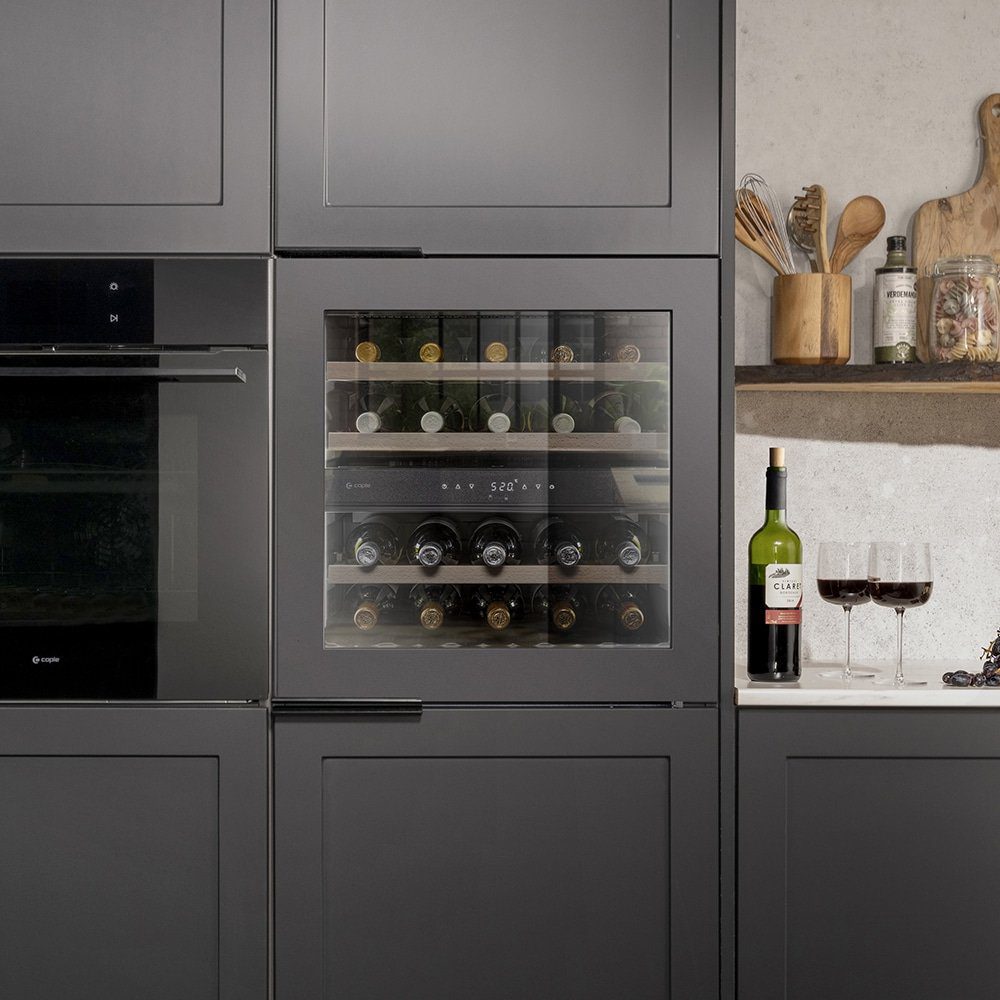
If you’re aiming for a seamless, built in kitchen design, an integrated wine cooler is often the ideal choice. These models are designed to sit neatly within your cupboards, typically beneath a worktop or as part of a larger appliance wall, creating a clean, premium look.
The benefits being:
- Front ventilation, allowing installation inside cupboards
- Flush fitting designs for a streamlined appearance
- Often quieter operation due to cabinet insulation
- A more premium, architectural finish
Integrated wine coolers are especially popular in open plan kitchens, where appliances are visible and design consistency matters. They can make your kitchen feel more polished while still offering easy access to perfectly chilled wine whenever you need it.
Integrated wine coolers may be the better option for you if:
- You’re designing or renovating a fitted kitchen
- You want a discreet, built in appearance
- Aesthetic cohesion matters as much as performance
Freestanding Wine Coolers
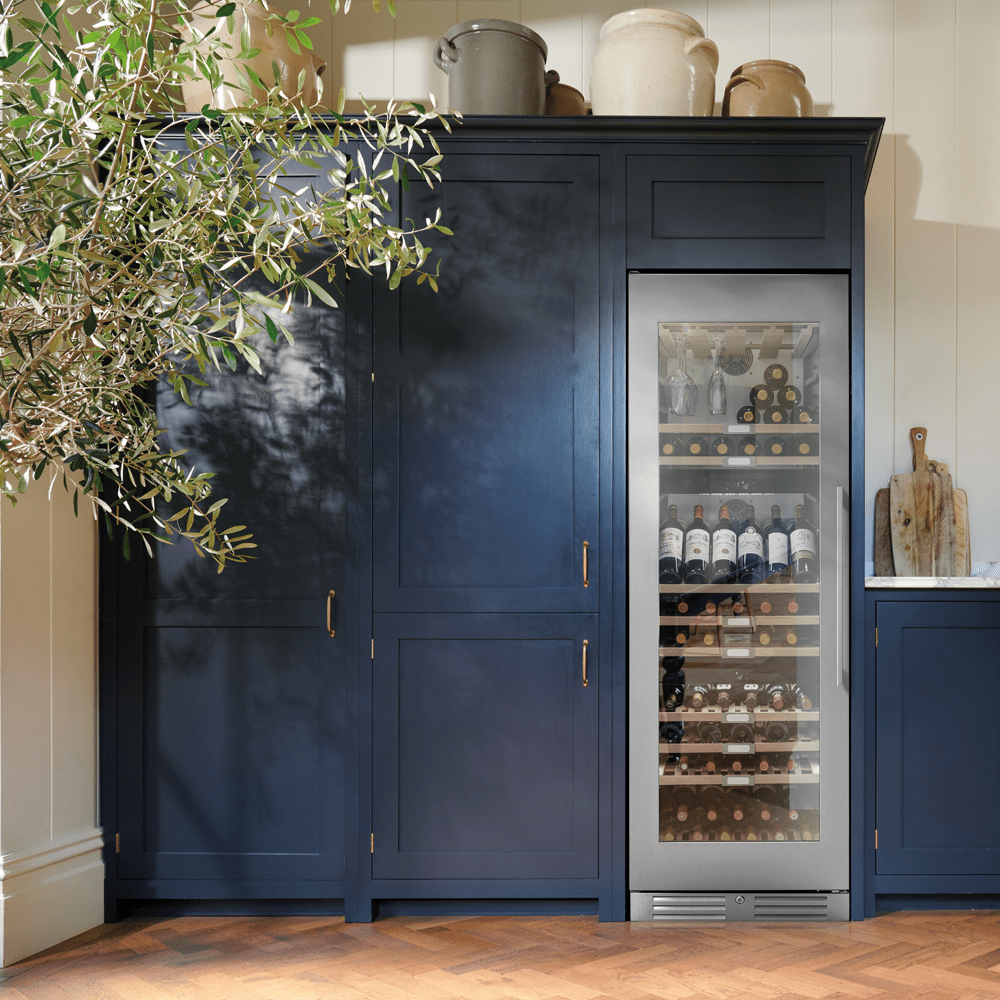
A freestanding wine cooler offers more flexibility and often better value. These standalone units can be positioned anywhere with adequate airflow, whether that’s in your kitchen, dining room, utility space, or even a home bar.
The key benefits being:
- Lower upfront cost
- Easier installation
- Greater placement flexibility
- Often available in larger capacities
Freestanding models can be ideal if you’re not redesigning your kitchen or want the freedom to relocate your appliance in future. The main consideration is ventilation, these models need clear space around the sides or rear to dissipate heat properly.
Freestanding wine coolers are likely the solution for you if:
- You want flexibility over fixed installation
- You need larger bottle capacity
- You’re looking for a more budget friendly option
Key Wine Cooler Technologies Explained
Wine is far more sensitive than most people realise. Temperature fluctuations, light exposure, vibration, and even household odours can all affect how wine develops over time. The best wine coolers are engineered to protect against each of these factors.
Understanding the technology behind them can help you choose the right model for your needs.
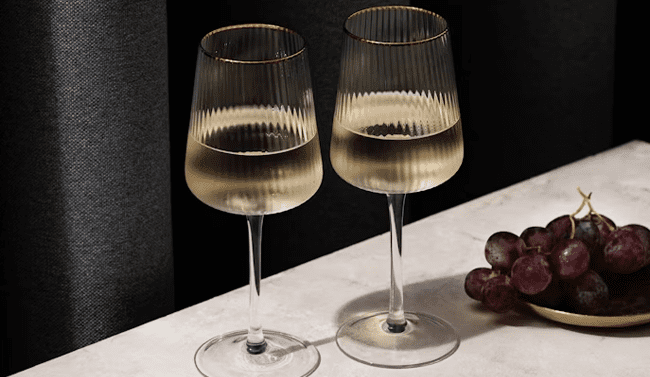
1. Temperature Zones
One of the most important decisions is whether you need a single or dual temperature zone wine cooler.
Single zone wine coolers
These maintain one consistent temperature throughout the wine cabinet.
Single zone coolers are ideal if:
- You mainly store one type of wine
- You’re ageing bottles long term
- You prefer simplicity and lower cost
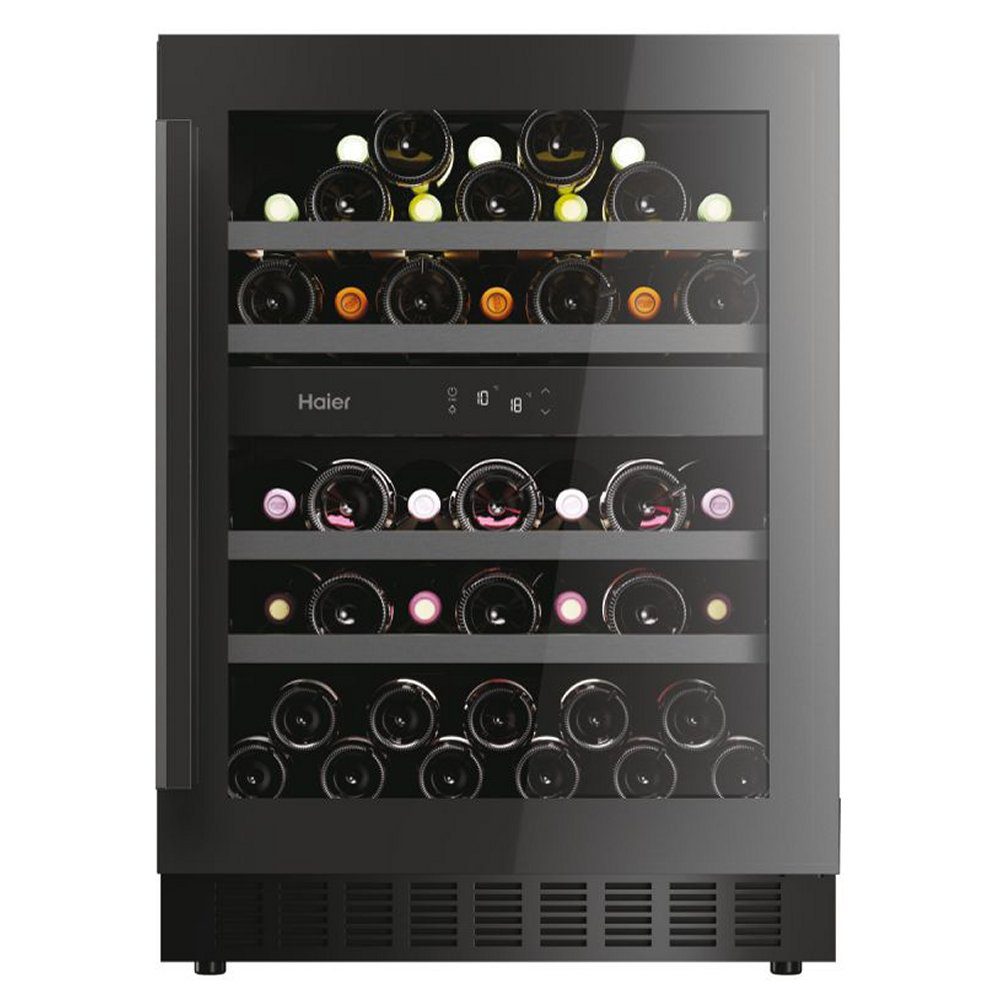
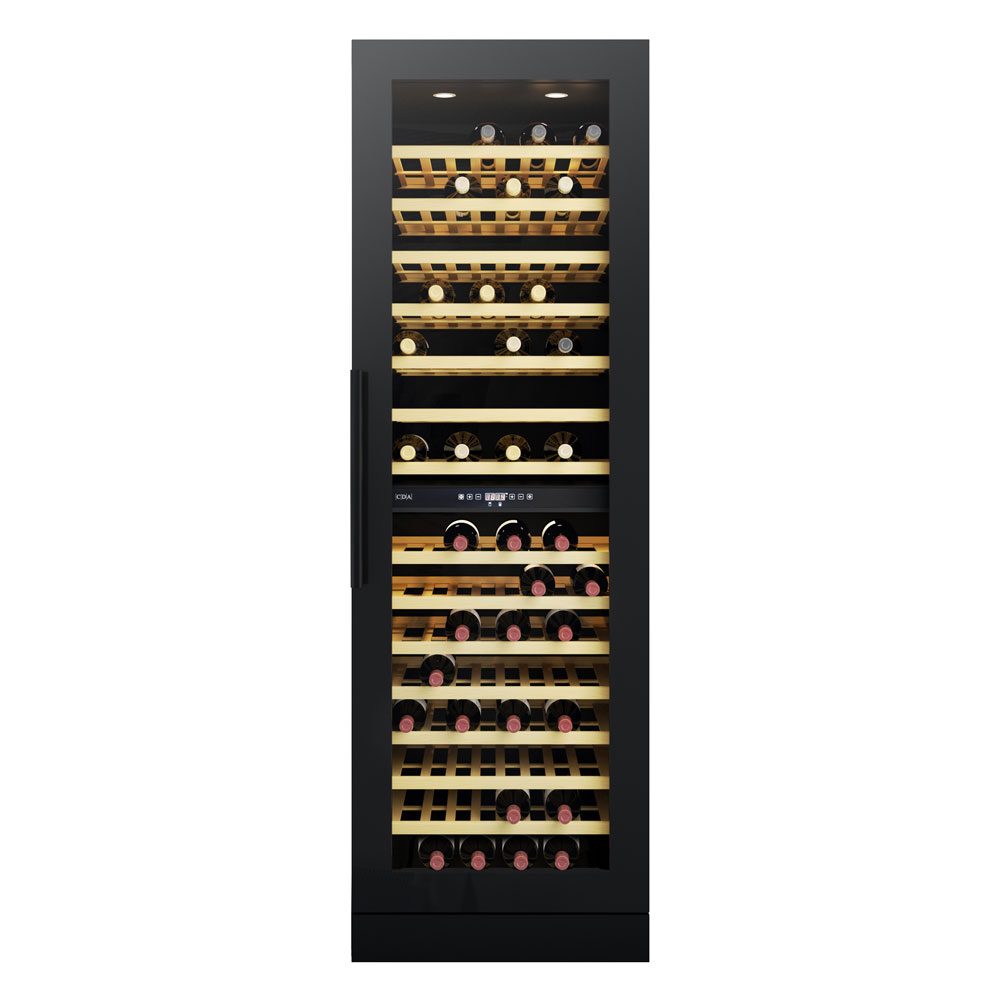
Dual or multi zone wine coolers
These allow different sections of the cooler to be set to different temperatures.
Perfect if you enjoy a mix of wine styles and want each ready to serve. A dual zone cooler allows, for example, chilled whites in the upper section and ready to pour reds below.
For many households, this offers the best balance of convenience and versatility.
Typical Serving Temperatures
| Wine Type | Ideal Temperature | To Name A Few |
|---|---|---|
| Sparking Wine | 5 - 8°C | Champagne, Prosecco, Cava |
| White Wine | 7 - 10°C | Chardonnay, Sauvignon Blanc |
| Rose Wine | 8 - 12°C | Provence Rosé, Pinot Grigio Blush |
| Red Wine | 12 - 18°C | Pinot Noir, Cabernet Sauvignon |

2. Humidity Control
Humidity plays a crucial role in wine preservation, especially for bottles sealed with natural cork.
Most quality wine coolers maintain humidity between 50–75%, helping to:
- Prevent corks from drying out
- Reduce the risk of oxidation
- Avoid mould growth
If you plan to store wine for several years, humidity control becomes particularly important.
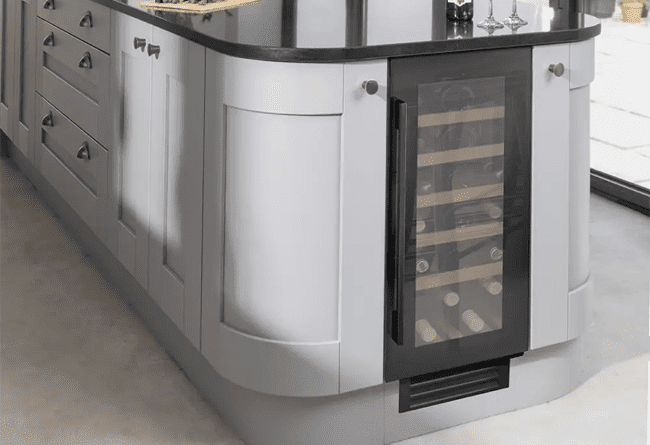
3. UV Protection
Sunlight and artificial UV exposure can prematurely age wine and alter its flavour profile.
That’s why many premium wine coolers include:
- UV resistant or tinted glass doors
- Protective coatings that filter harmful light
This is especially important if your wine cooler will sit in a bright kitchen or near windows.
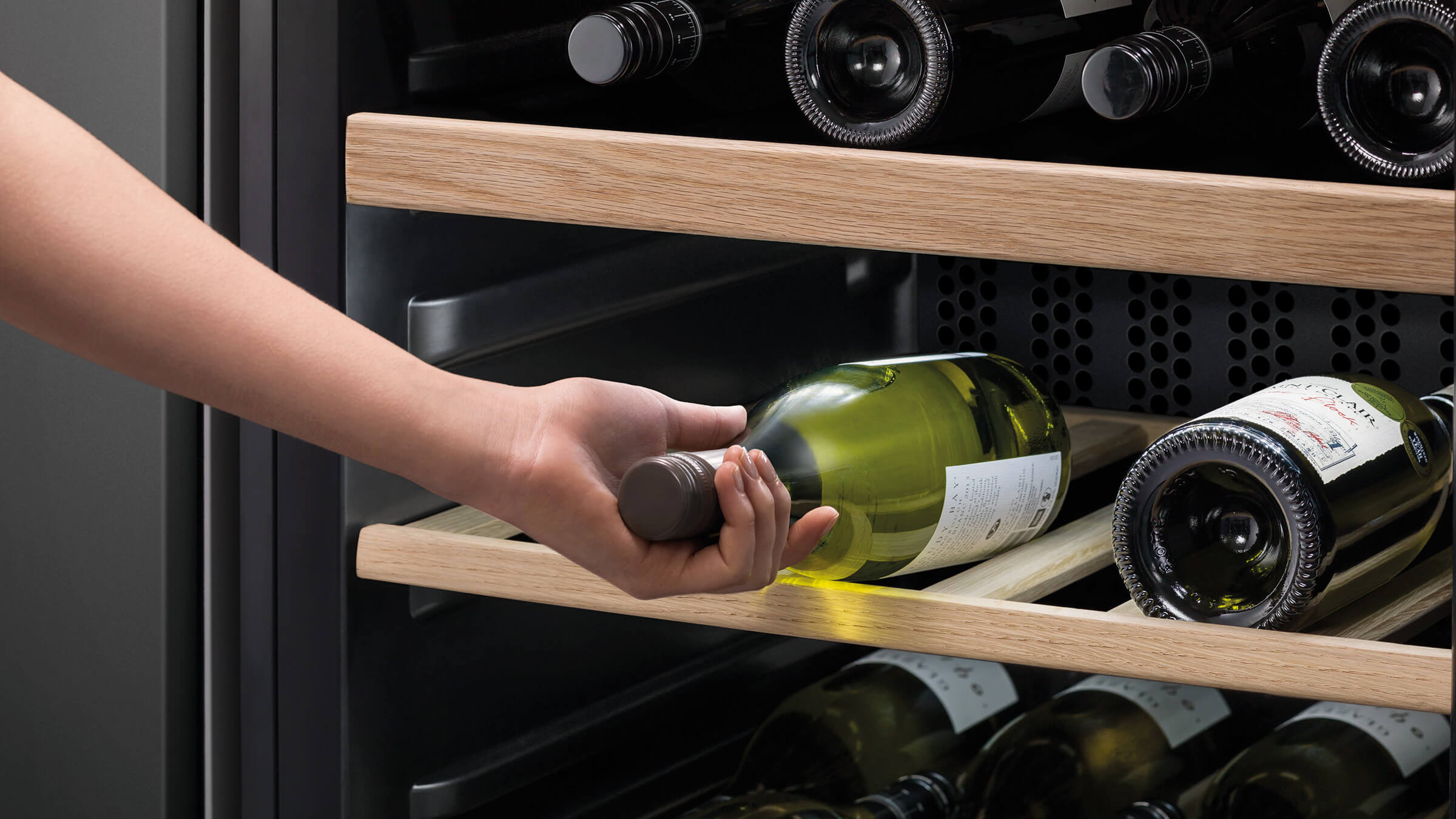
4. Vibration Reduction
Wine should be stored undisturbed. Excessive vibration can disrupt sediment and interfere with how wine matures, particularly in fine reds and ageing bottles.
Quality wine coolers often include:
- Low vibration compressors
- Vibration damping shelving
- Enhanced internal stability systems
For casual drinkers, this may be less critical, but for collectors, it can make a meaningful difference.
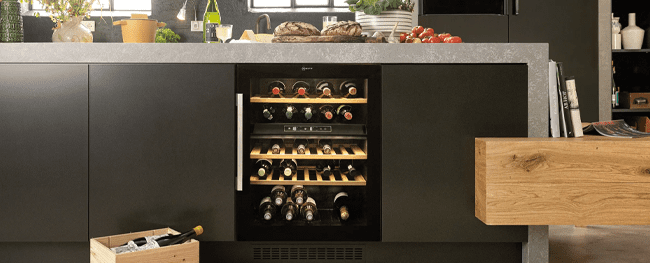
5. Air Filtration
Wine can absorb odours from its environment over time. Higher end wine coolers often include activated charcoal filters to keep internal air clean and neutral. This helps preserve aroma and flavour integrity, particularly during long term storage.
Let's take a look at different wine cooler brands
Asko Wine Coolers
Asko wine coolers are designed for homeowners who value understated luxury and precision engineering. They strike a strong balance between visual elegance and practical performance, ideal if your wine cooler needs to look as impressive as it functions.
Their appliances often integrate beautifully alongside other premium kitchen appliances, making them especially appealing in contemporary homes. Features that stand out include:
- Dual temperature zones
- Elegant wooden shelving systems
- Soft interior lighting
- Quiet, low vibration operation
- Minimalist Scandinavian styling
Homeowners looking to create a luxury, design led kitchen should consider Asko wine coolers.
Caple Wine Coolers
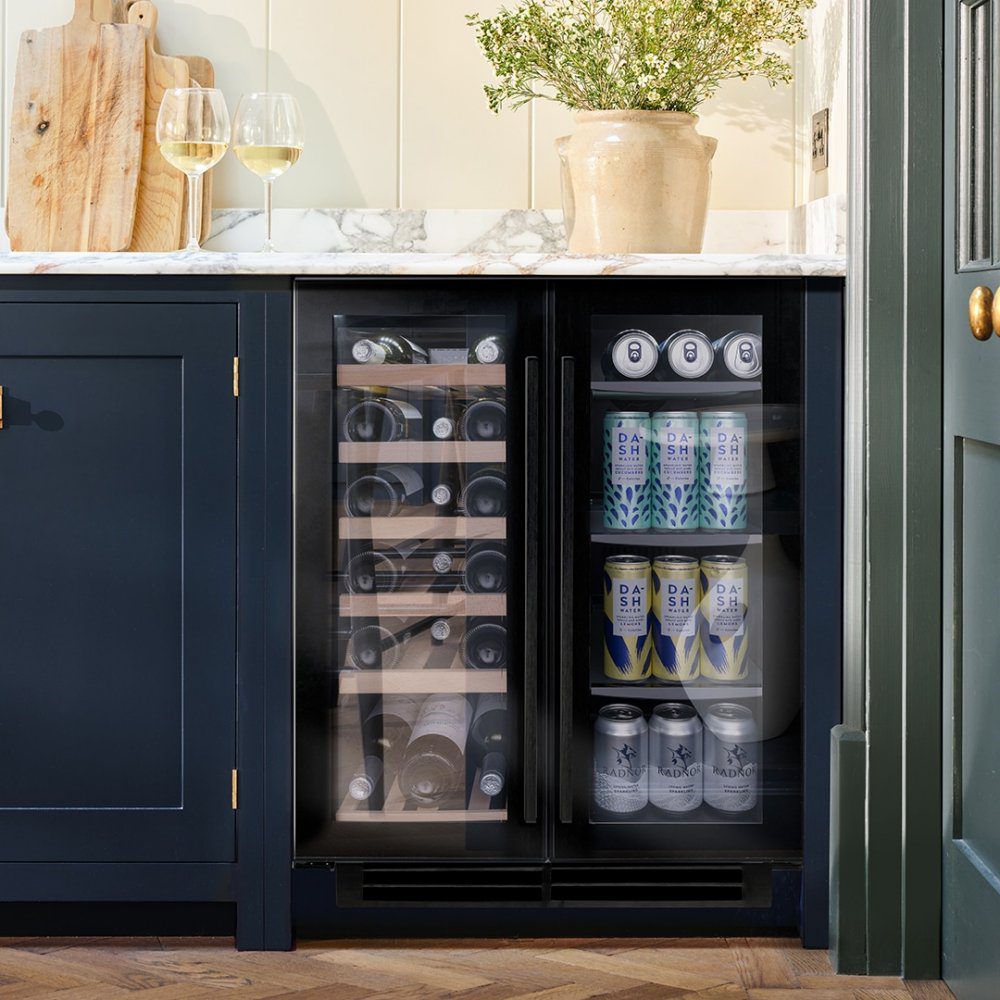
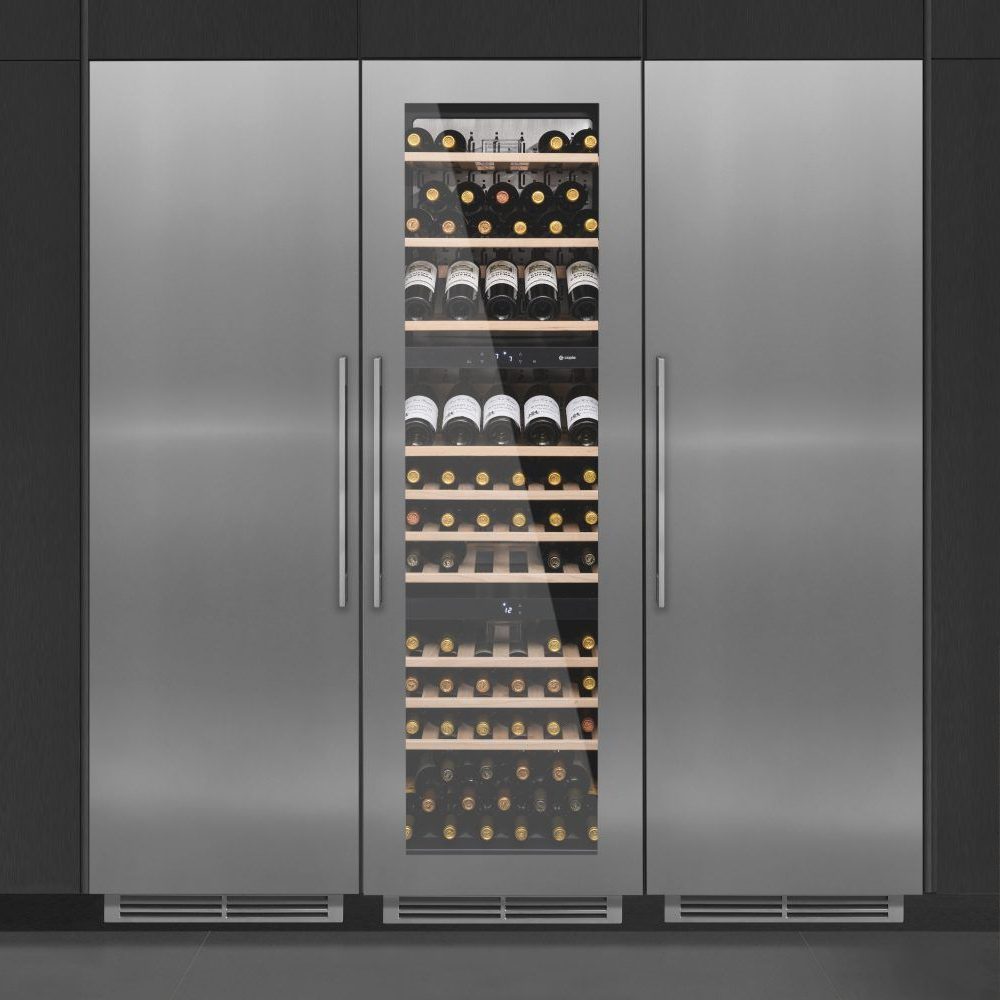
Caple has become a favourite among kitchen designers thanks to its broad range of integrated under counter wine coolers. Offering one of the best blends of style, practicality, and value across its wine coolers, it has quickly become the go-to brand for many. Typical features include:
- Dual zone cooling
- UV protected glass doors
- LED interior lighting
- Low vibration compressors
- Humidity control systems
Most models are designed specifically for serving convenience, allowing you to keep red and white wine ready at different temperatures.
Modern kitchens seeking premium features at a more accessible price point should consider a Caple wine cooler.
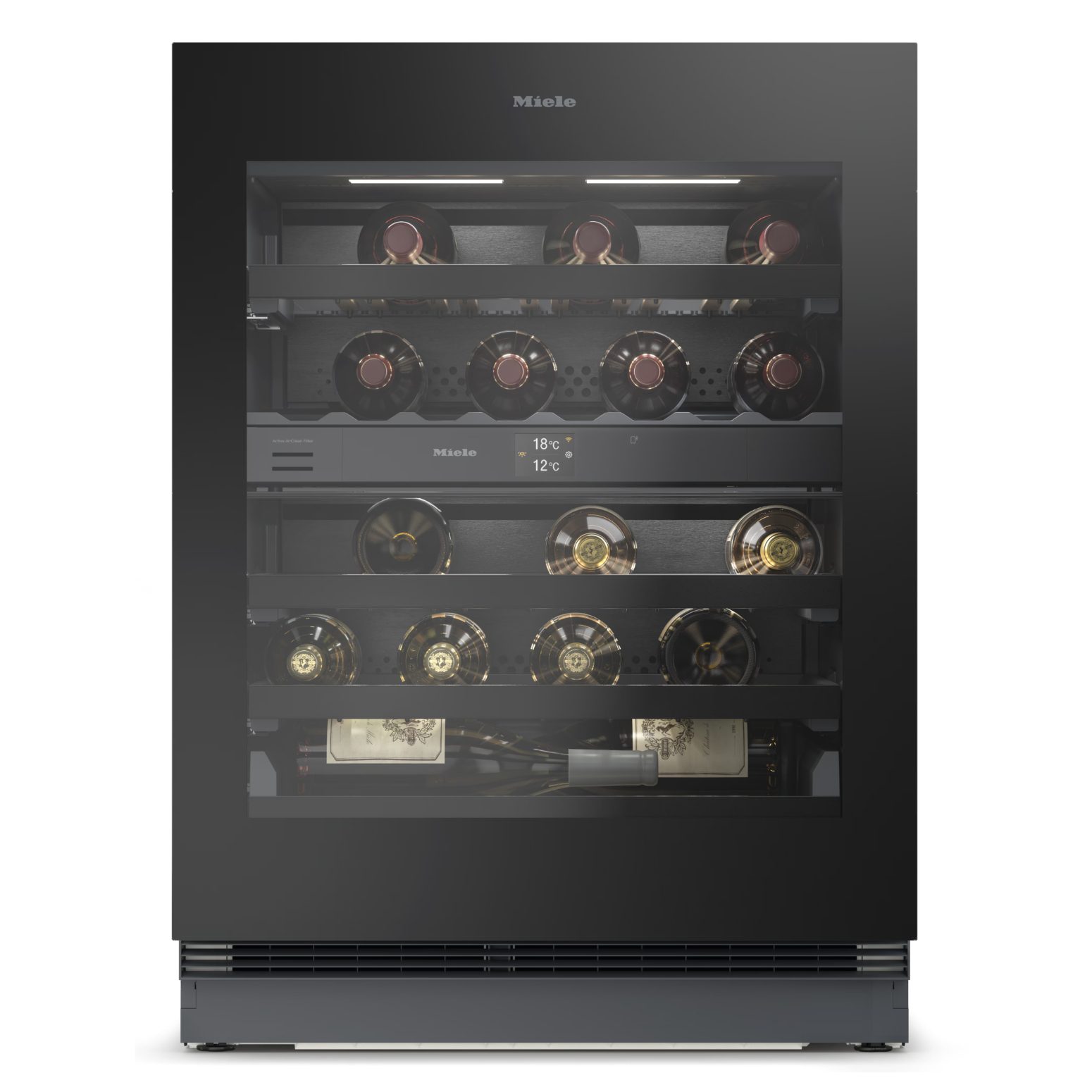
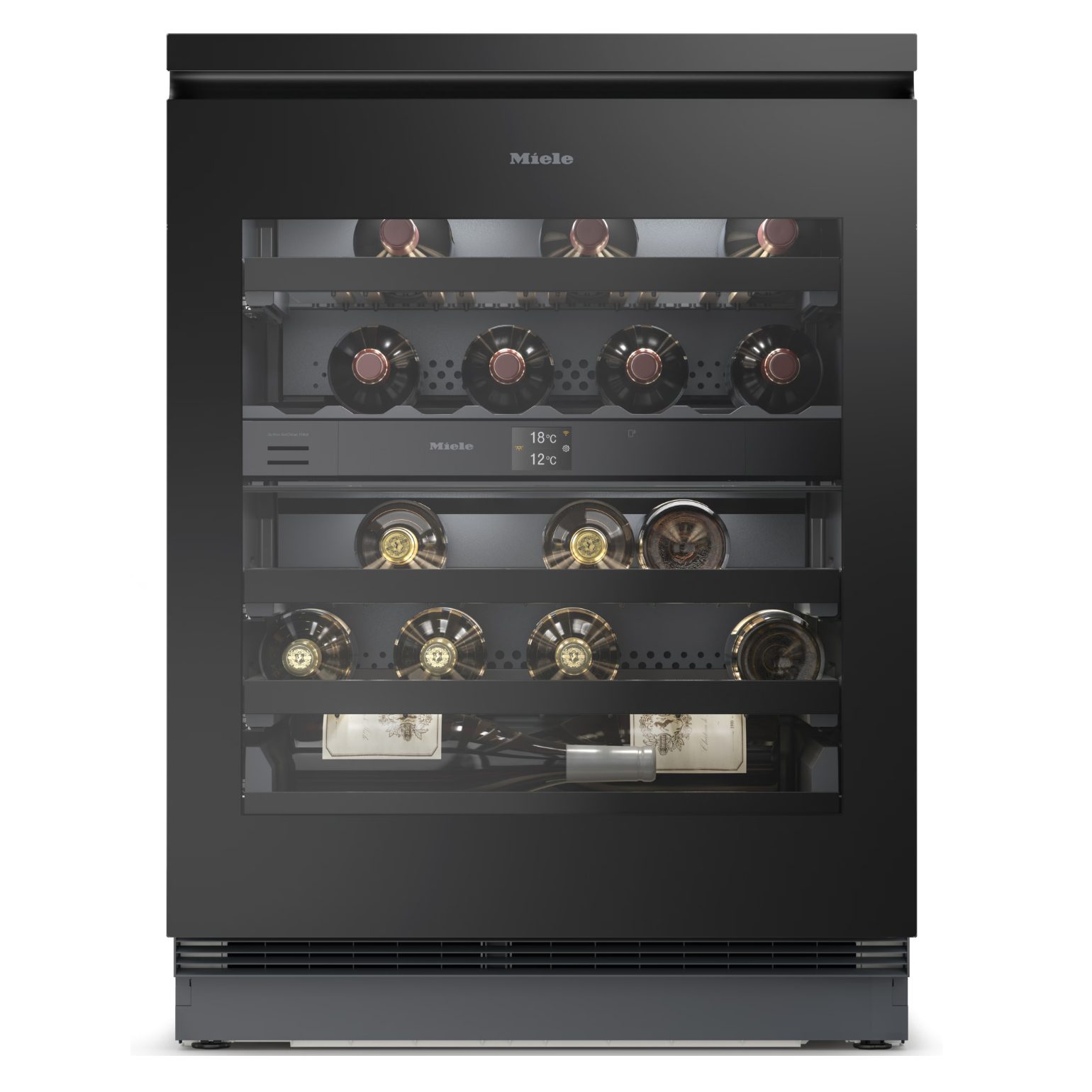
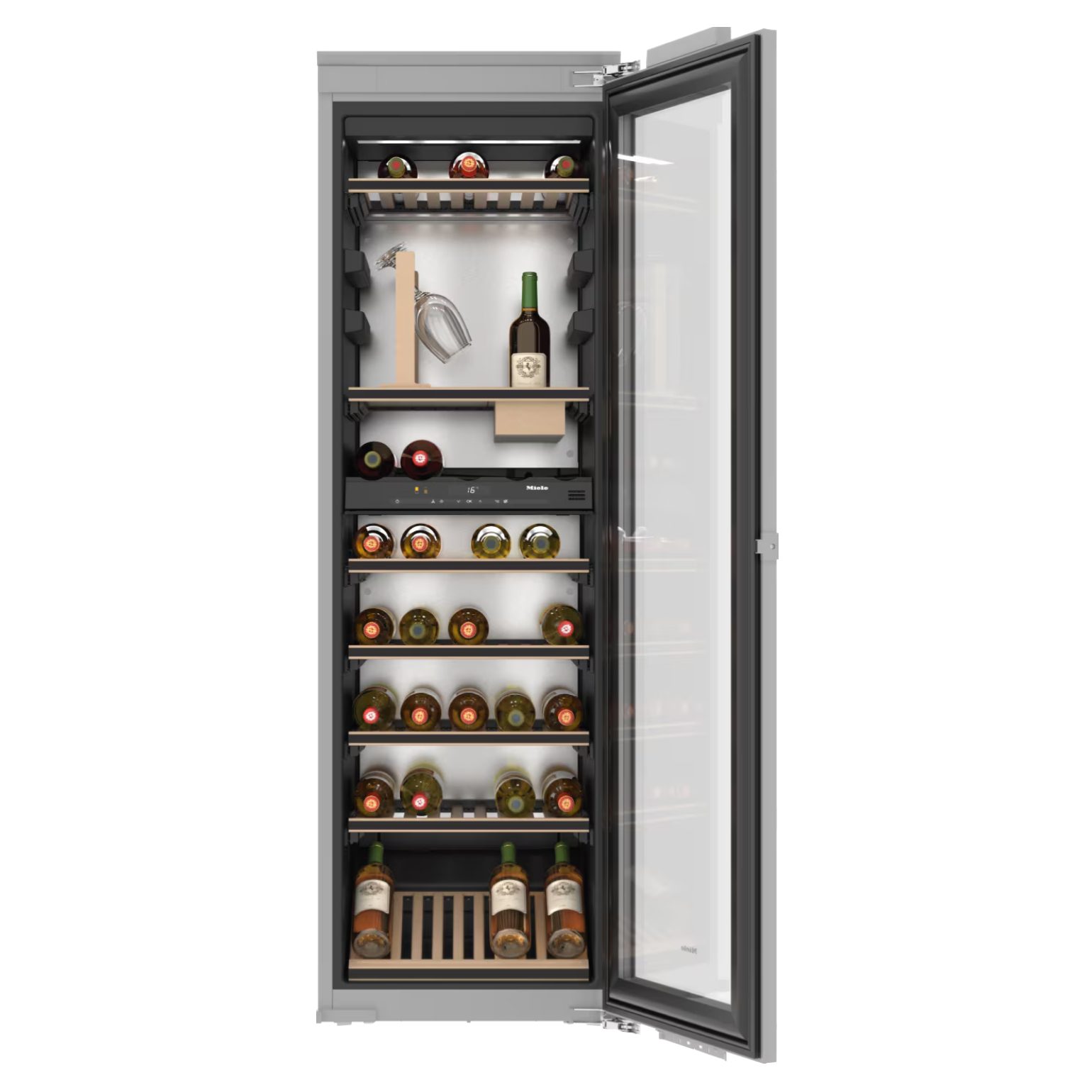
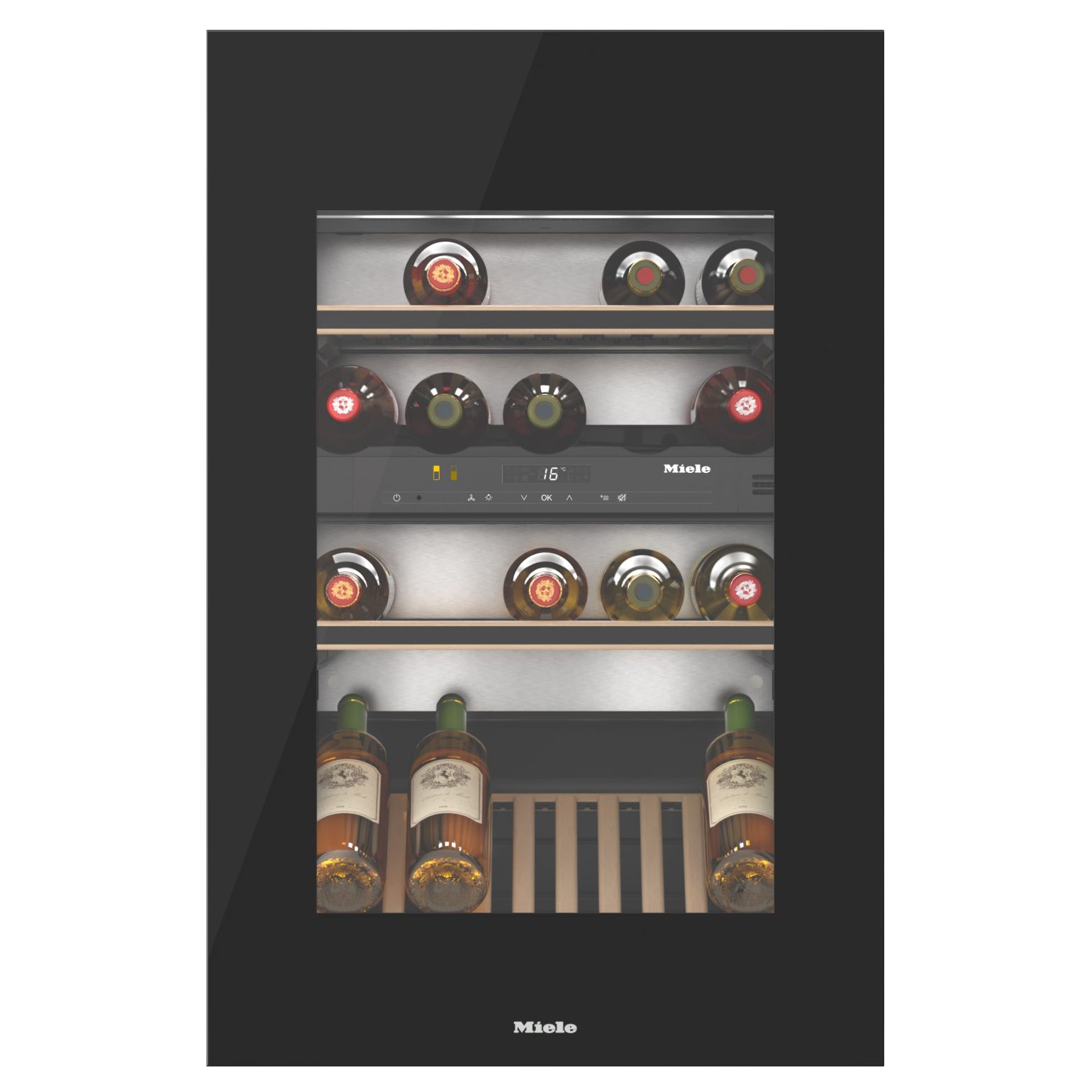
Miele Wine Coolers
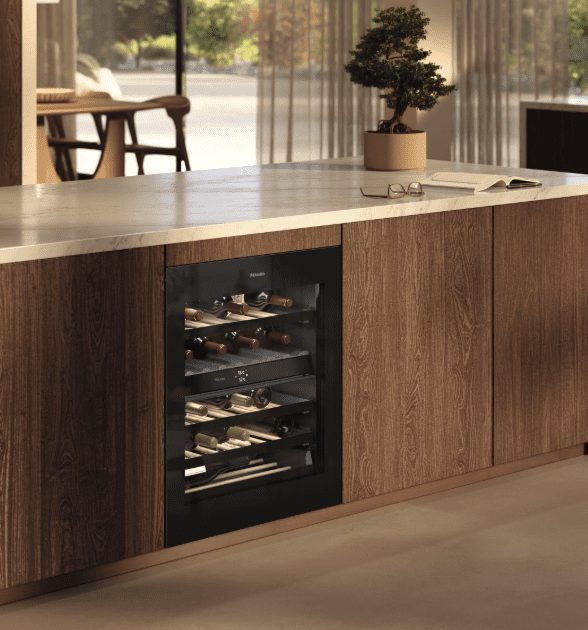
Miele wine coolers are designed to replicate professional cellar conditions inside the home. Known for exceptional engineering and longevity, they’re among the most premium options available. If preserving wine perfectly over the long term is your top priority, Miele is difficult to beat. Features often include:
- Precision temperature regulation
- Advanced humidity control
- Premium shelving materials
- UV protected glass
- Smart home integration and app controls
If you’re a wine collector or enthusiast, we recommend considering considering a Miele wine cooler.
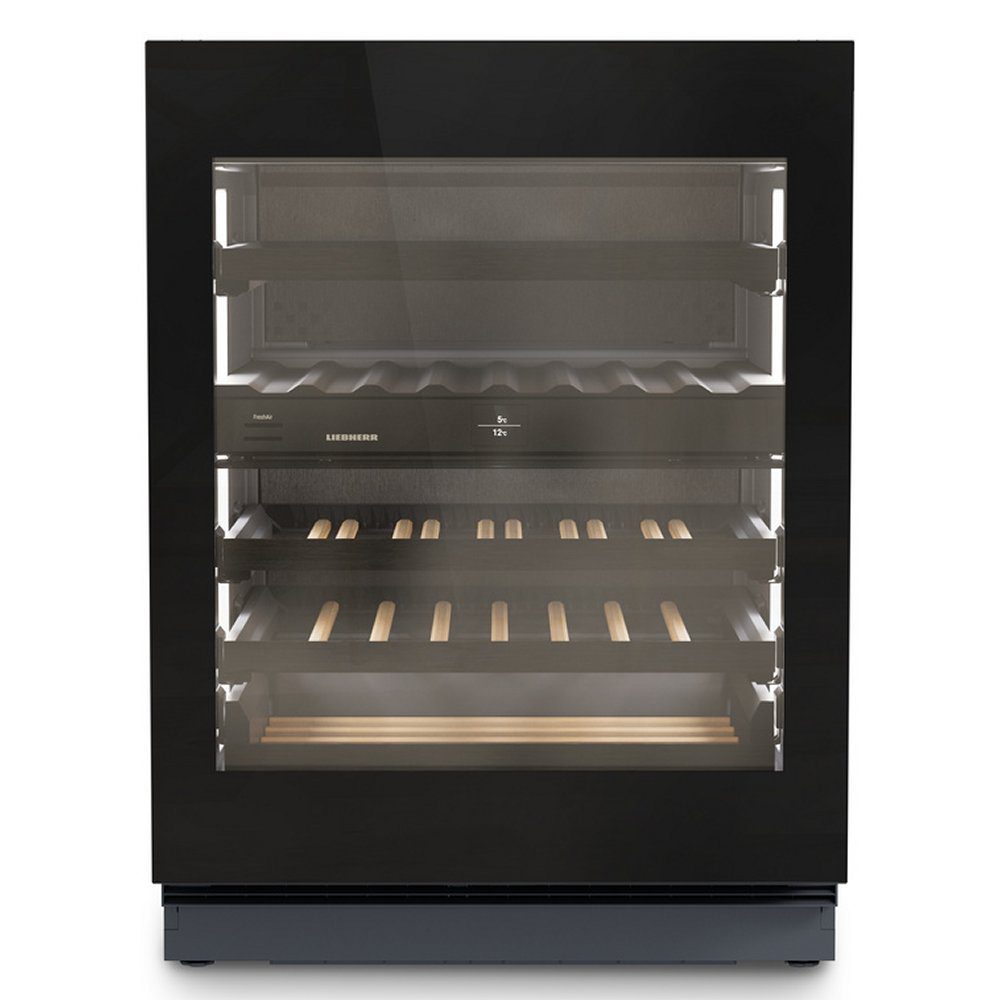
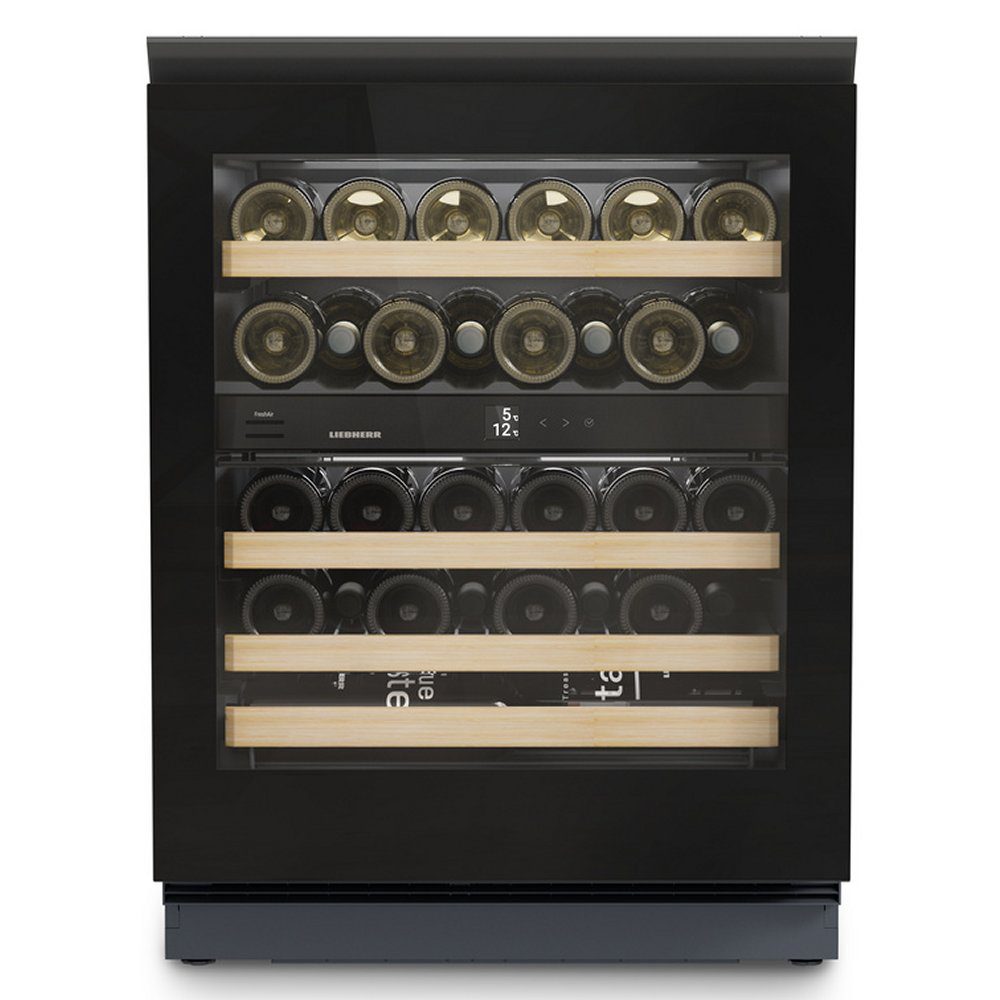
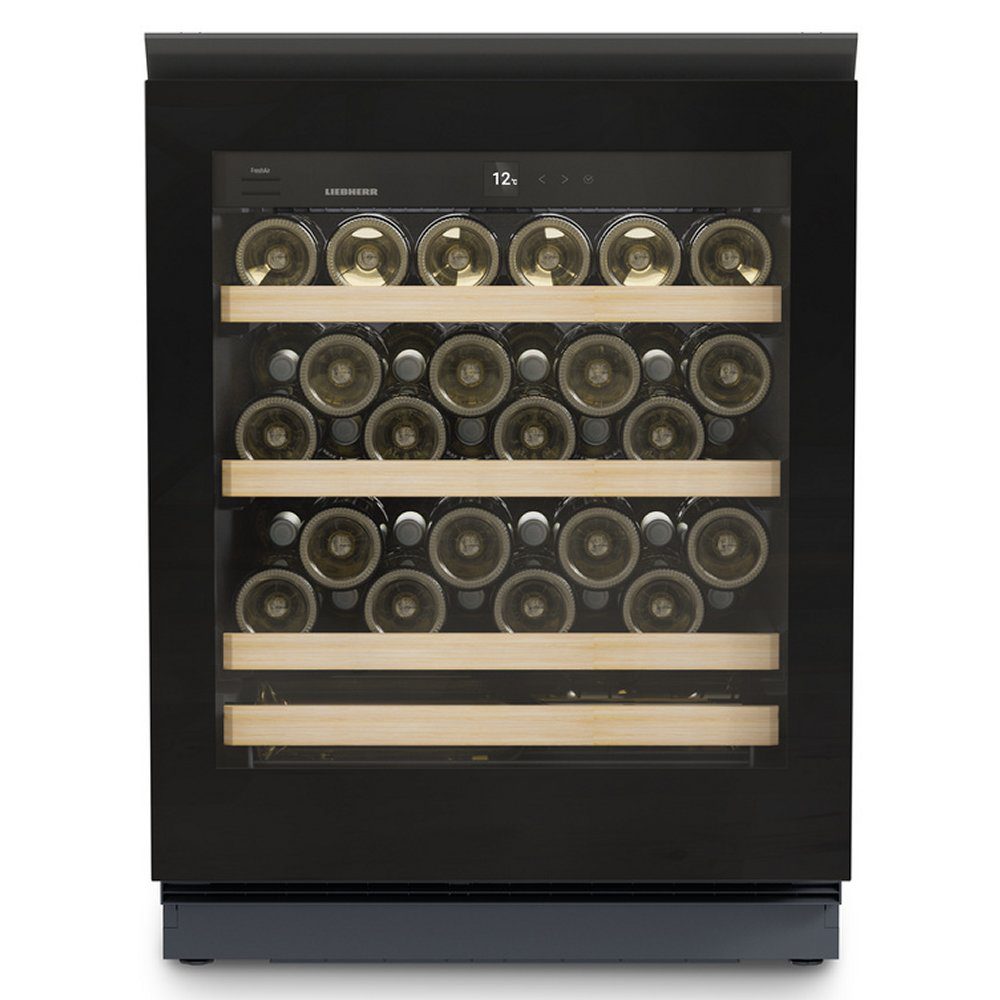
Liebherr Wine Coolers
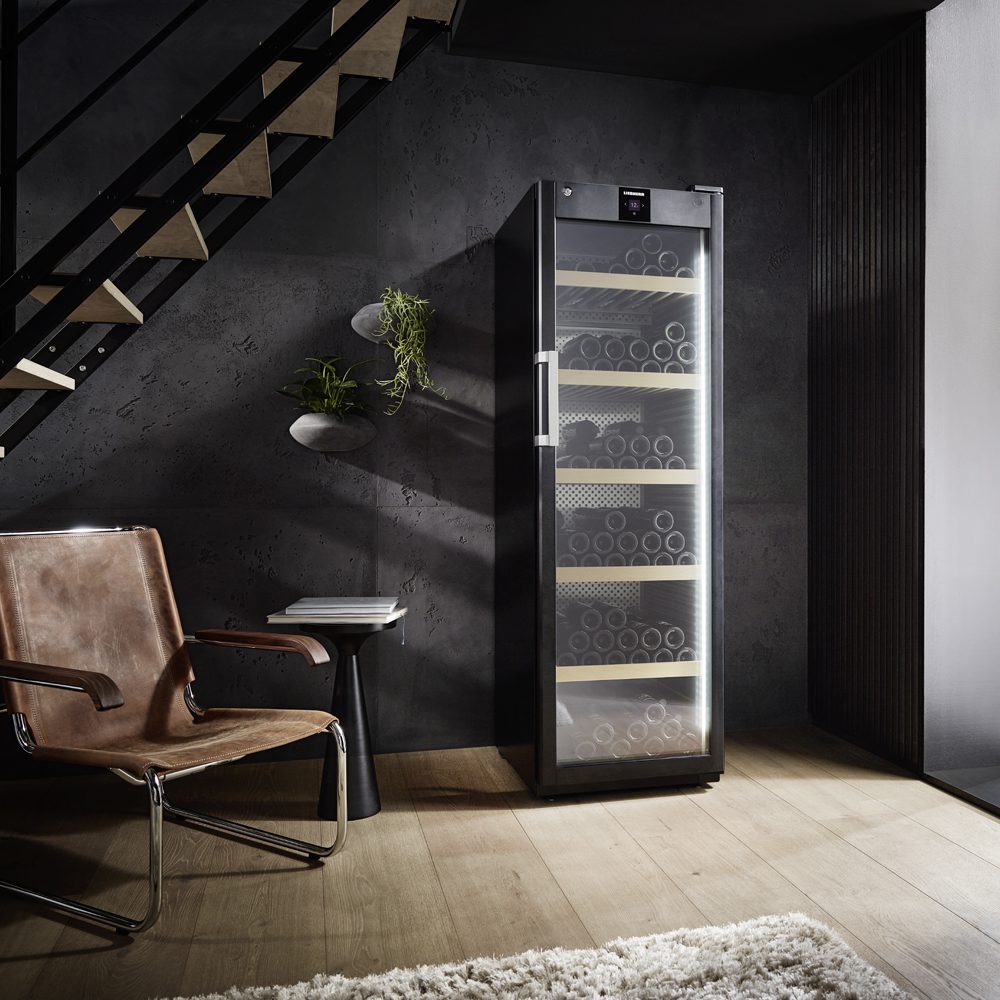
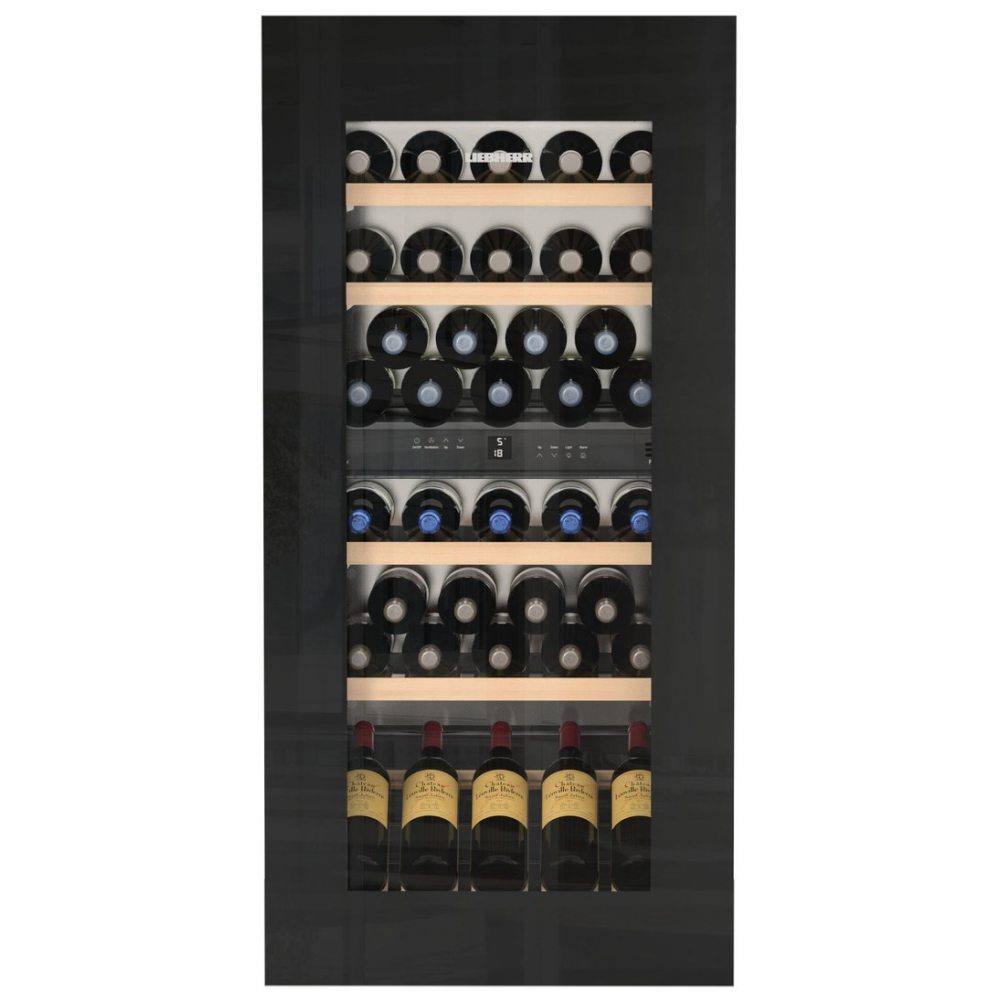
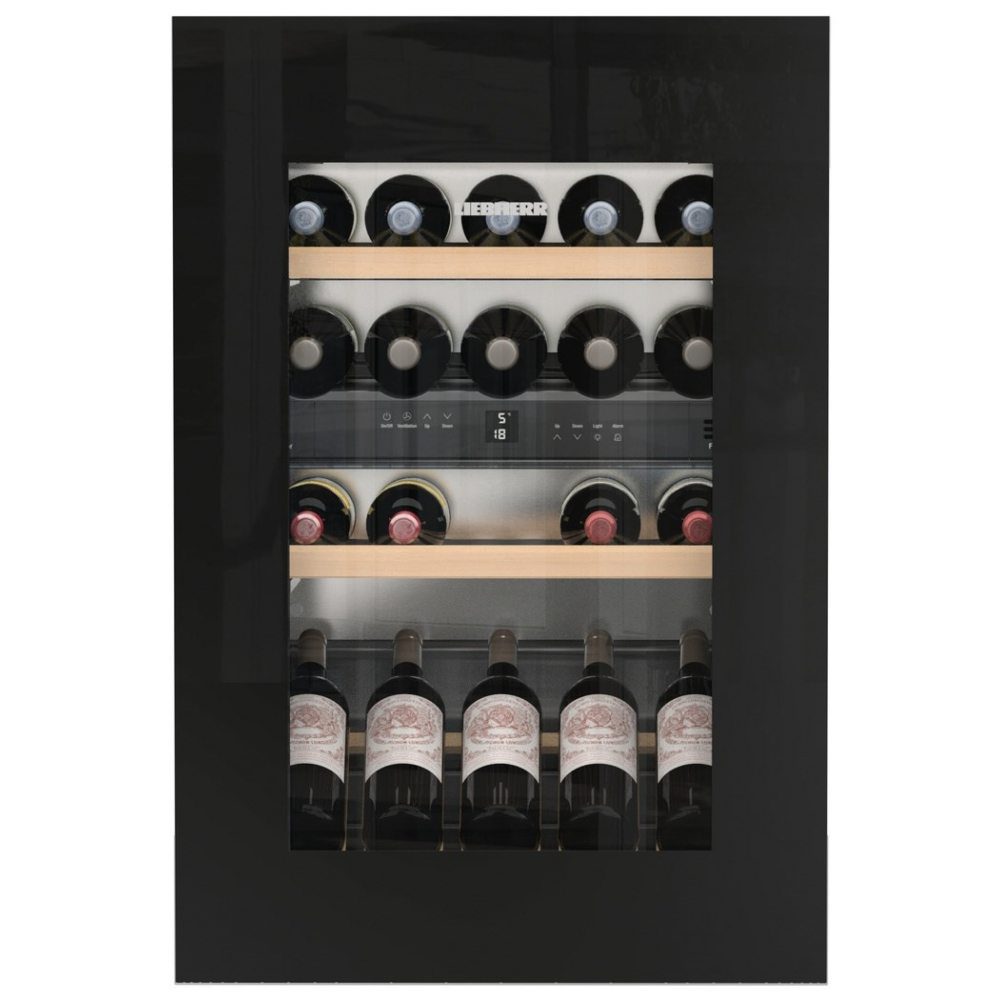
Liebherr is widely regarded as one of the leading names in wine preservation. Unlike general appliance brands, refrigeration is their speciality, and it shows. Liebherr is one of the strongest options available for pure wine preservation expertise. You’ll often find these features:
- TempProtect temperature monitoring
- Adjustable humidity systems
- FreshAir activated charcoal filters
- UV resistant glass doors
- Vibration insulated compressors
These features are designed to replicate the stable conditions of a traditional wine cellar, helping make them the perfect type of wine cooler.
Which Wine Cooler Suits Your Drinking Style?
The best wine cooler isn’t just about size or price, it’s about how you enjoy wine. Whether you’re storing reds for ageing, keeping whites perfectly chilled for entertaining, or building a mixed collection, choosing the right cooling solution will make all the difference.
| Your Wine Type | Features To Look Out For | Recommended Brands |
|---|---|---|
| Mostly Red Wine | Single zone storage around 12 - 14°C, low vibration technology, and larger bottle capacity |
Liebherr and Miele |
| Mostly White Wine |
Single zone cooler set around 7 - 10°C, reliable temperature consistency, and UV protected glass | CDA and Caple |
| Mixed: Red & White Wine | Dual zone cooling, separate serving temperatures, and flexible shelving |
Caple and Asko |
| Mostly Sparkling Wine | Single zone cooler set around 5 - 8°C and adjustable shelving for taller bottles | Miele and Asko |
In Summary
Choosing the right wine cooler is about more than simply storing bottles, it’s about protecting flavour, preserving quality, and enhancing how you enjoy every glass.
If seamless kitchen design matters most, an integrated model may be the perfect fit.
If flexibility and larger storage capacity are your priorities, a freestanding wine cooler could be the better choice.
And whether you’re keeping a handful of weekend favourites chilled or investing in a growing collection, the right wine cooler can transform both your kitchen and your wine experience.
Keep Reading: Wine Cooler Guides
Finding the Right Wine Cooler for Your Kitchen
25th May 2026
by Beckie Littlewood

Wine Serving Temperature Guide
18th February 2026

Where is the Best Place for Your Wine Cooler?
1st February 2024
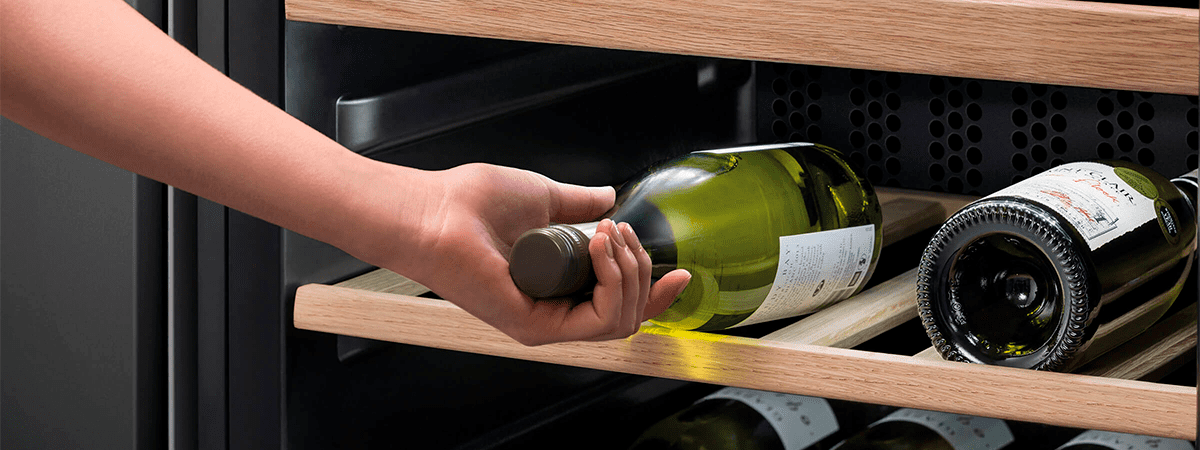
The Best Wine Cooler Brands
31st January 2024
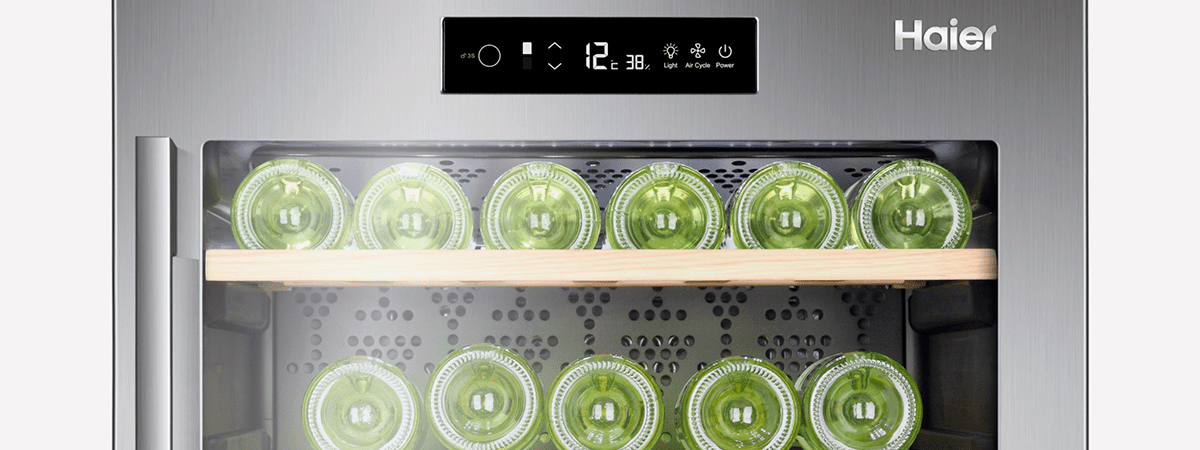
How to Install a Wine Cooler
30th January 2024

Why Use a Wine Cooler?
29th January 2024
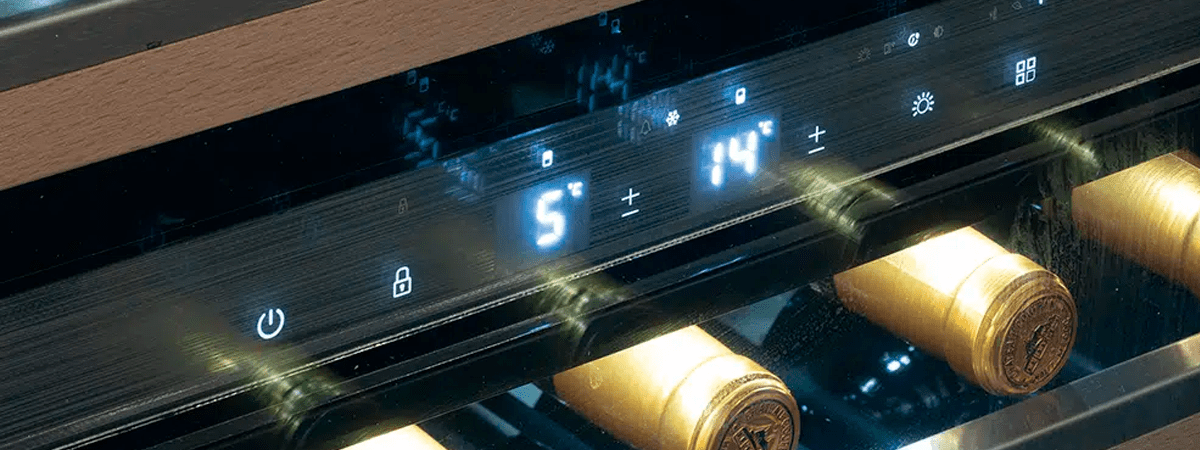
Wine Storage: Temperature Guide
25th January 2024
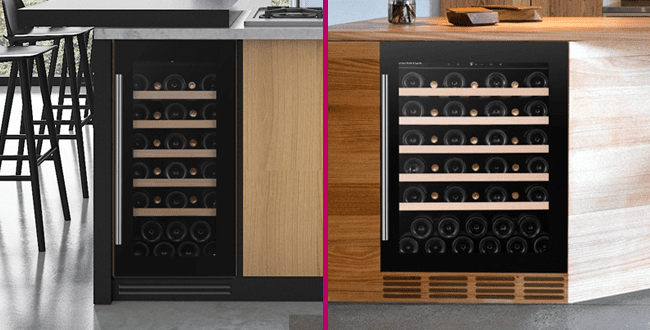
Wine Coolers: Freestanding vs Integrated
24th January 2024
Start Shopping Today




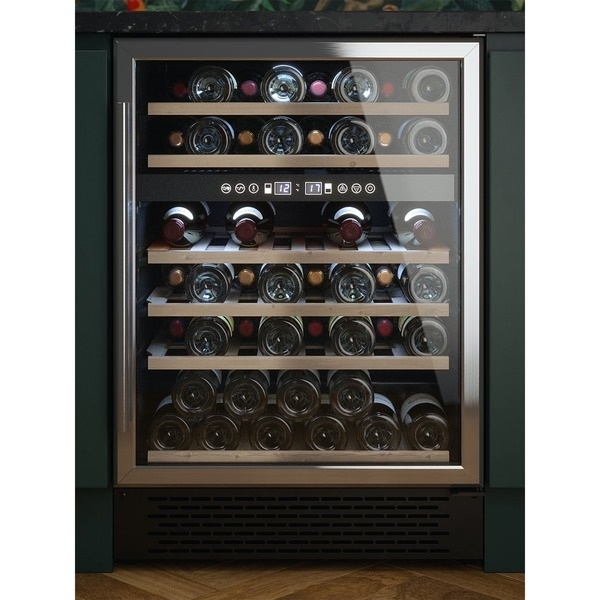

Cata 60cm Dual Zone Freestanding Wine Cabinet UBSSWC60F - Stainless Steel
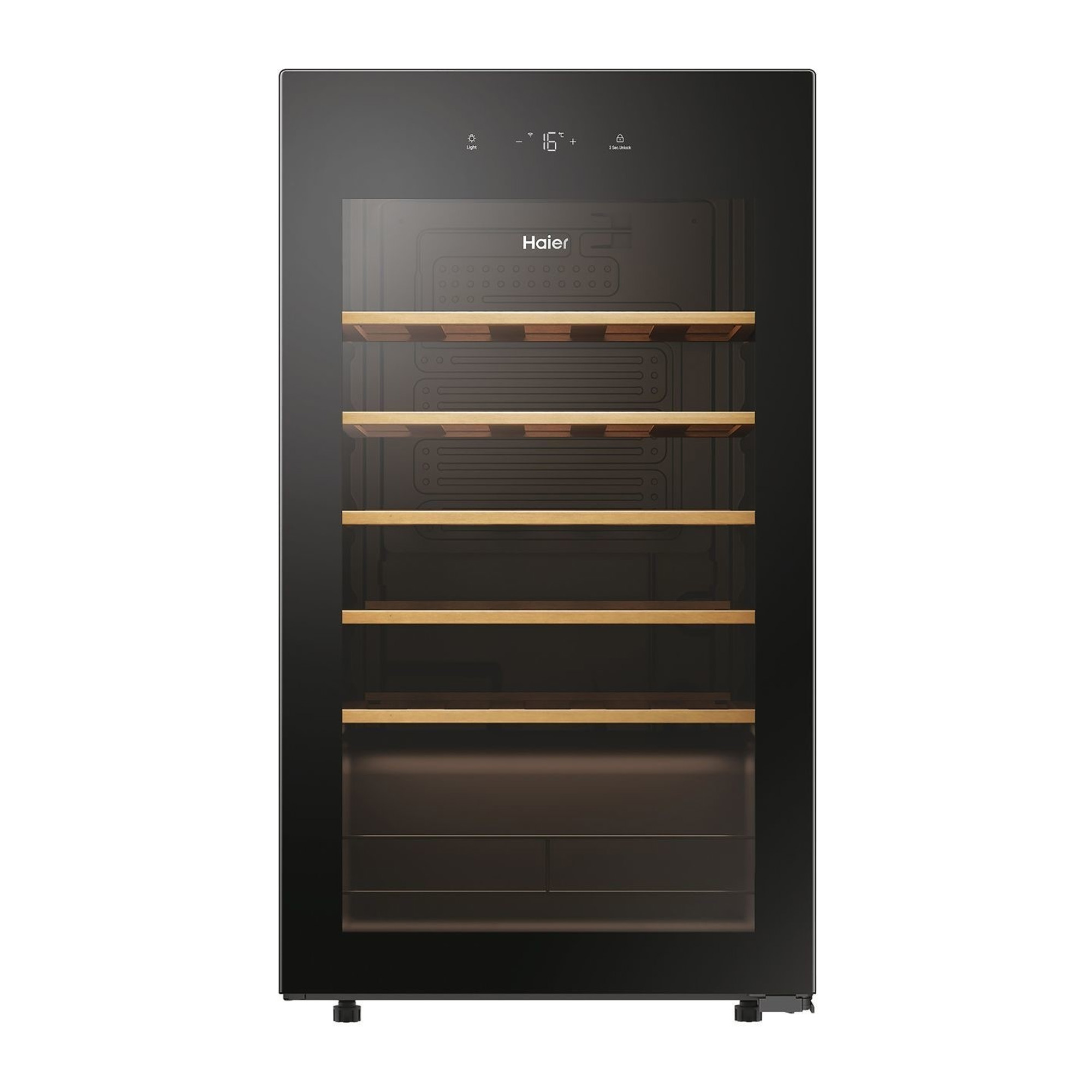


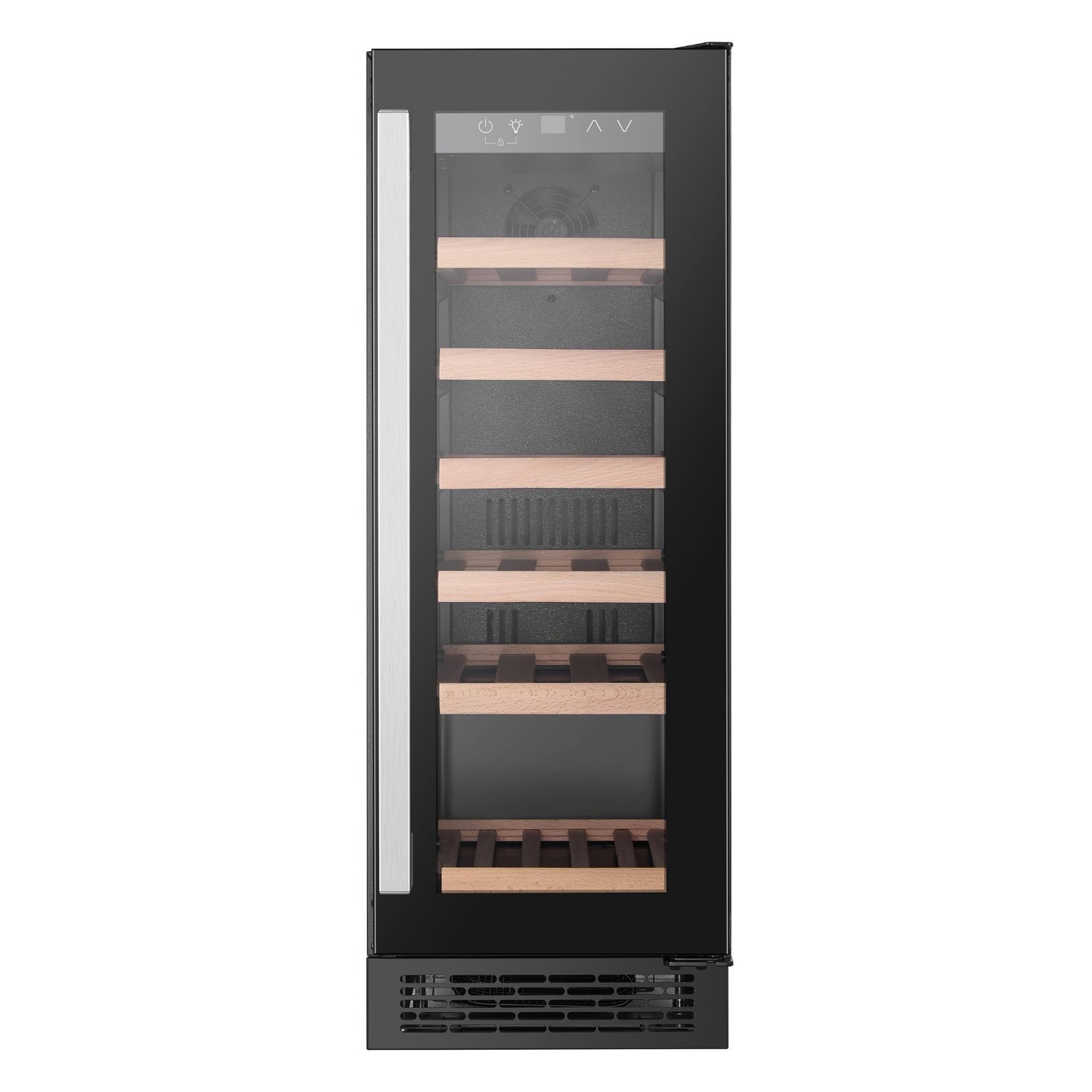

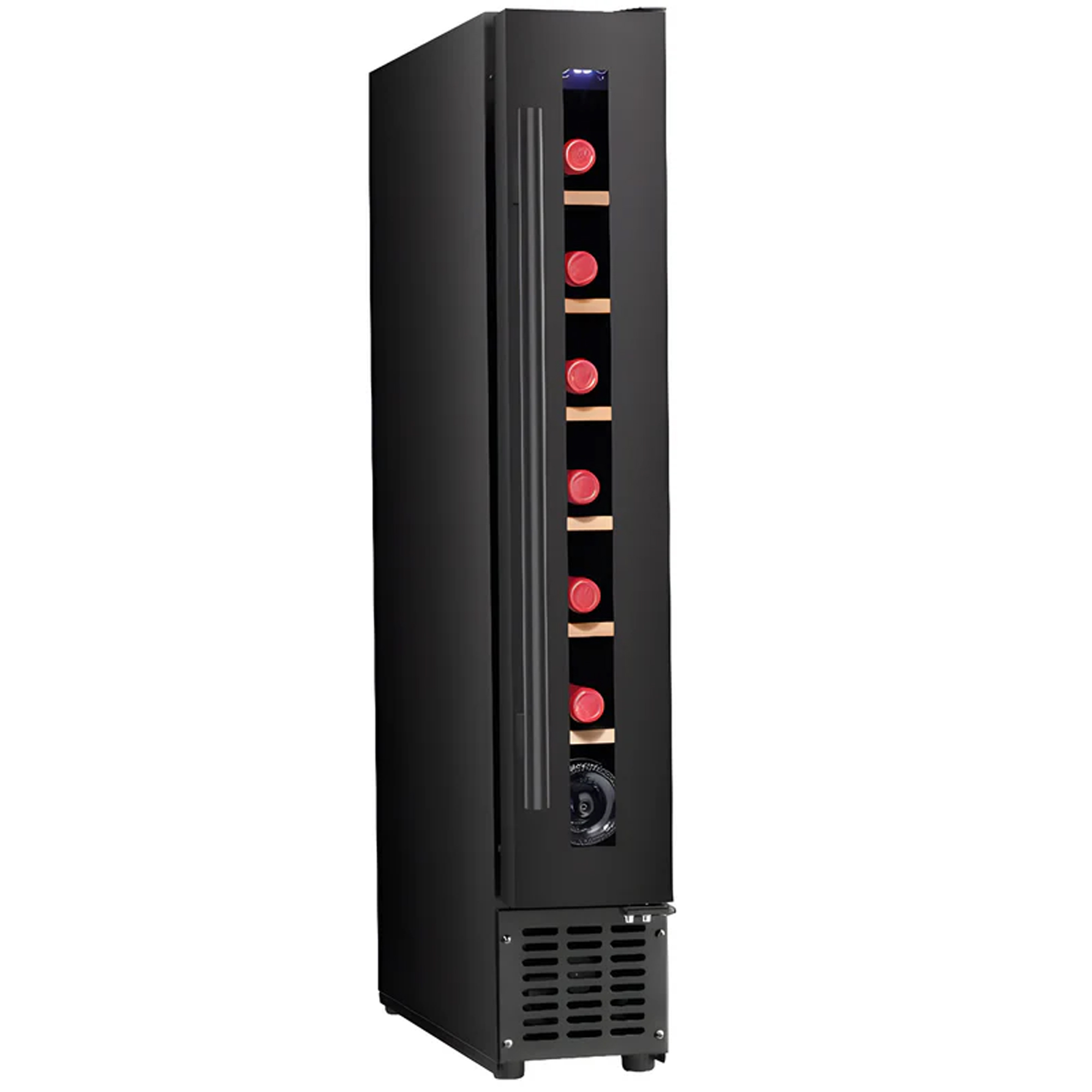
Cata 15cm Freestanding Wine Cabinet UBBKWC15F - Black


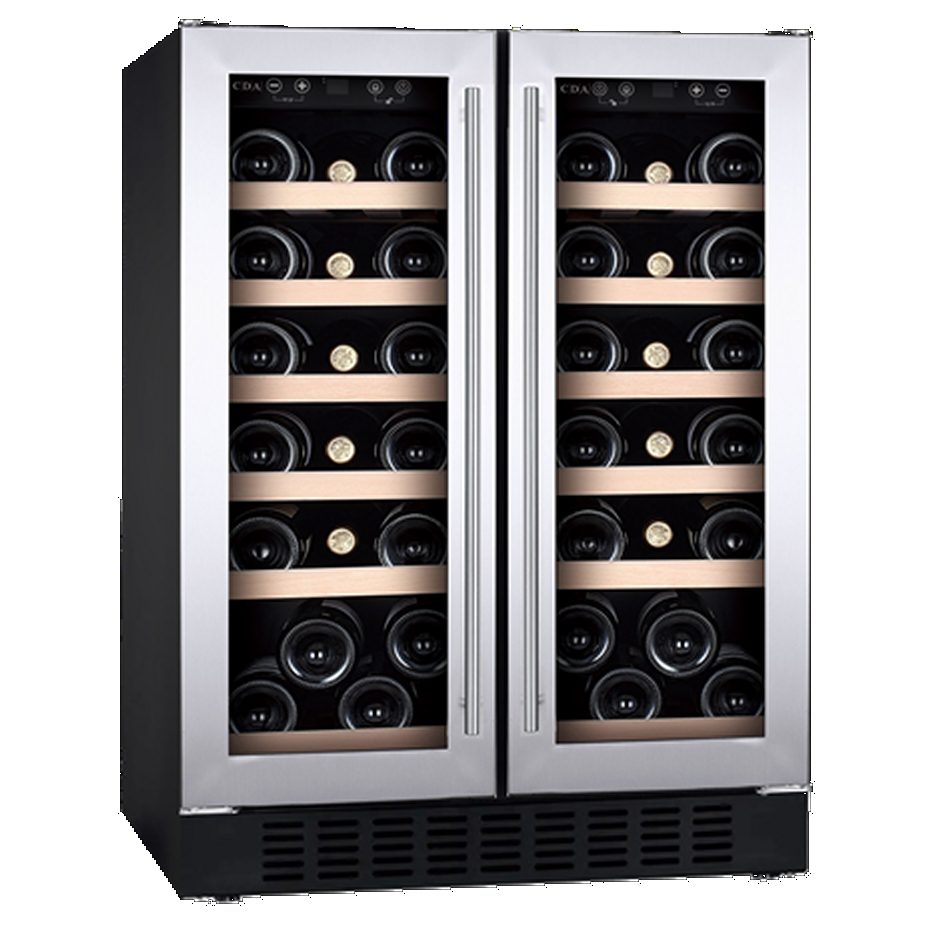

Cata 60cm Dual Zone Freestanding Wine Cabinet UBSSWC60F - Stainless Steel
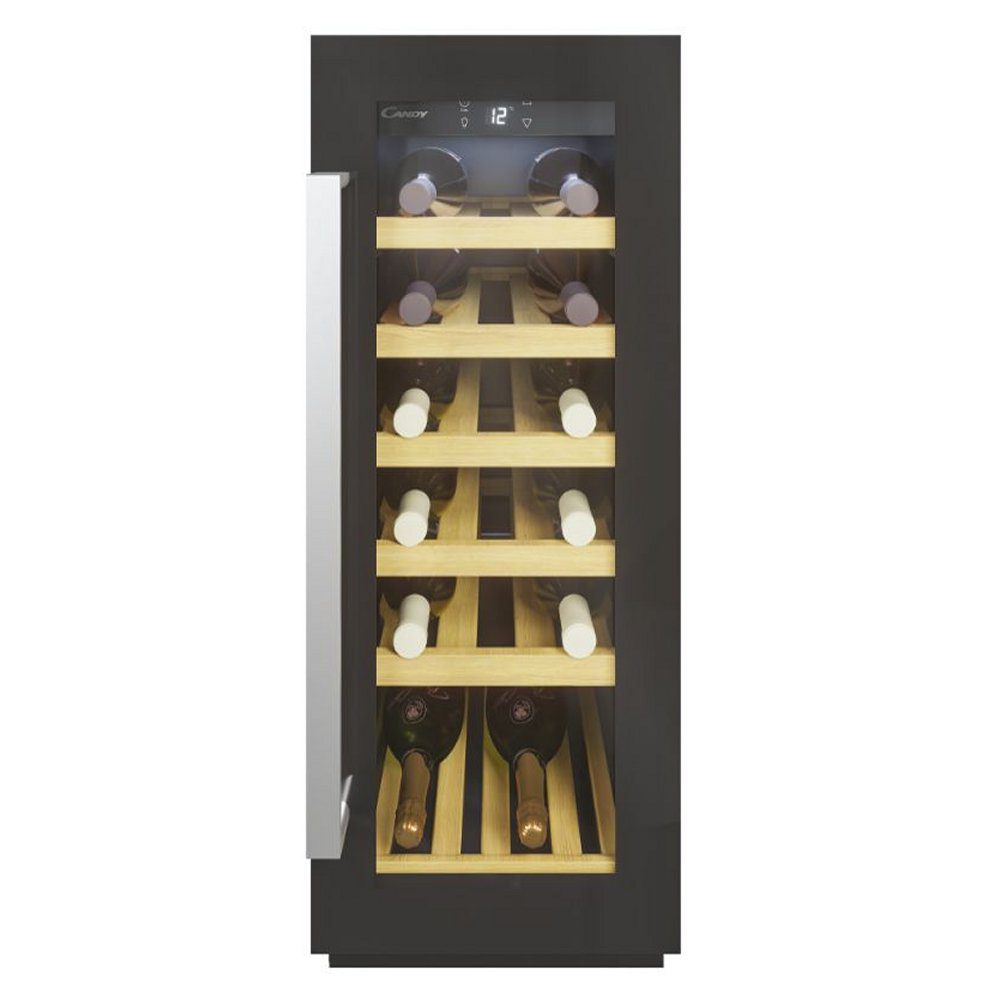
Cata 15cm Freestanding Wine Cabinet UBBKWC15F - Black