

June 17, 2026
Integrated Fridge Freezer Installation: Getting the Perfect Fit
Installing an integrated fridge freezer looks simple on the surface. Measure the space, pick the right model, and get it fitted. But in reality, integrated fridge freezer installation is one of the most detail sensitive parts of any kitchen project. What makes it tricky isn’t the appliance itself, but everything it depends on: cabinetry accuracy, hinge systems, ventilation design, and power positioning. When these elements align, the result is seamless. When they don’t, even a high end appliance can feel difficult to install or awkward in use. Here we'll explore what really matters when installing an integrated fridge freezer, and what needs to be checked before anything is ordered or fitted.
16 min read
Why it's more complex than it looks...
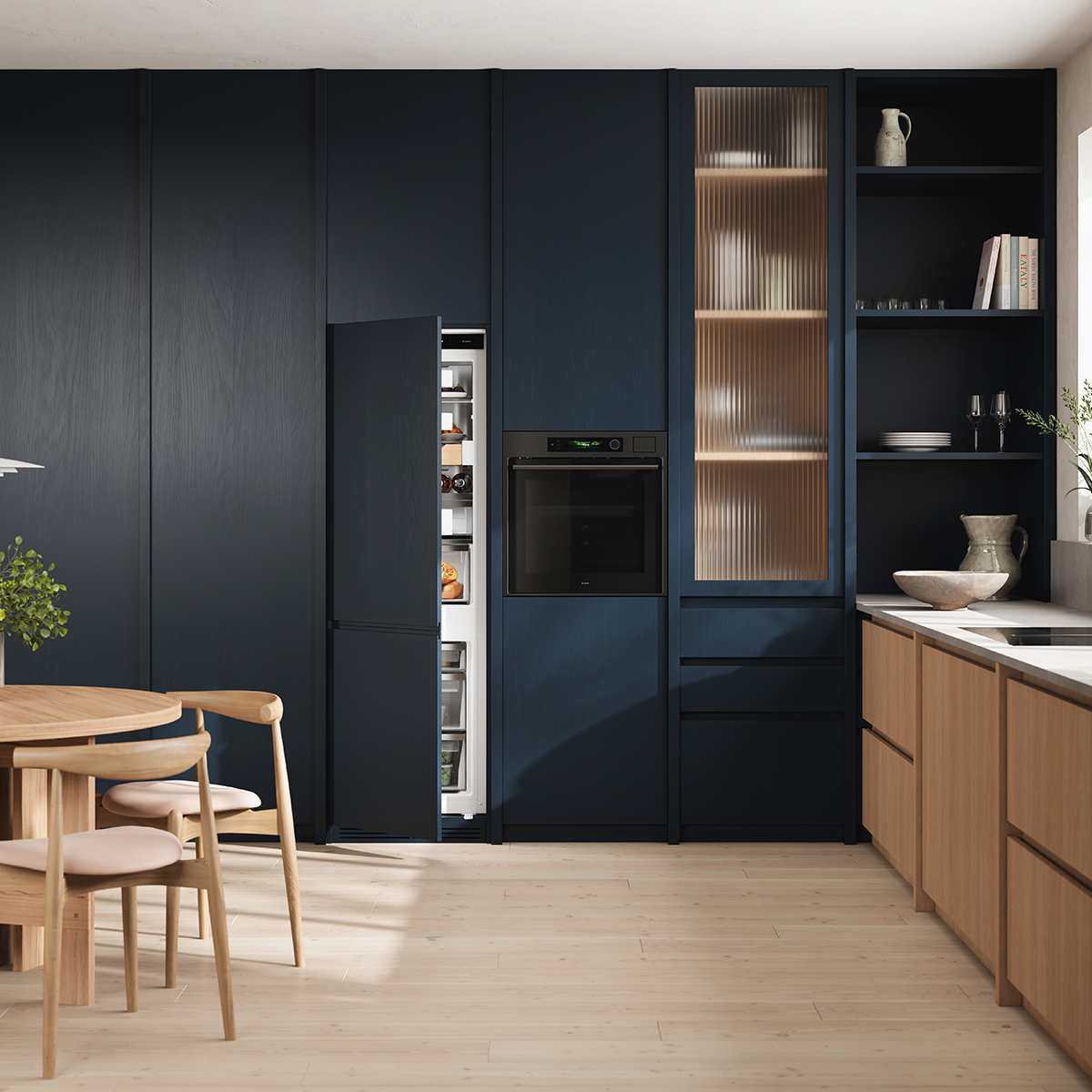
Unlike freestanding appliances, integrated fridge freezers are designed to disappear into kitchen cabinetry. That seamless finish depends on precise alignment between the appliance and the surrounding units.
The issue is that kitchens are rarely perfect. Even modern fitted kitchens can have small variations in level, depth, or squareness. During integrated fridge freezer installation, those small inconsistencies suddenly matter. A few millimetres can affect whether the appliance slides in cleanly, whether doors align properly, and whether ventilation gaps remain open and functional. It can also impact how smoothly the door opens once the cabinet front is attached.
This is why installing an integrated fridge freezer is rarely just about the appliance specification, it’s about how the entire kitchen system behaves together.
Is cabinet fit more important than the appliance size?
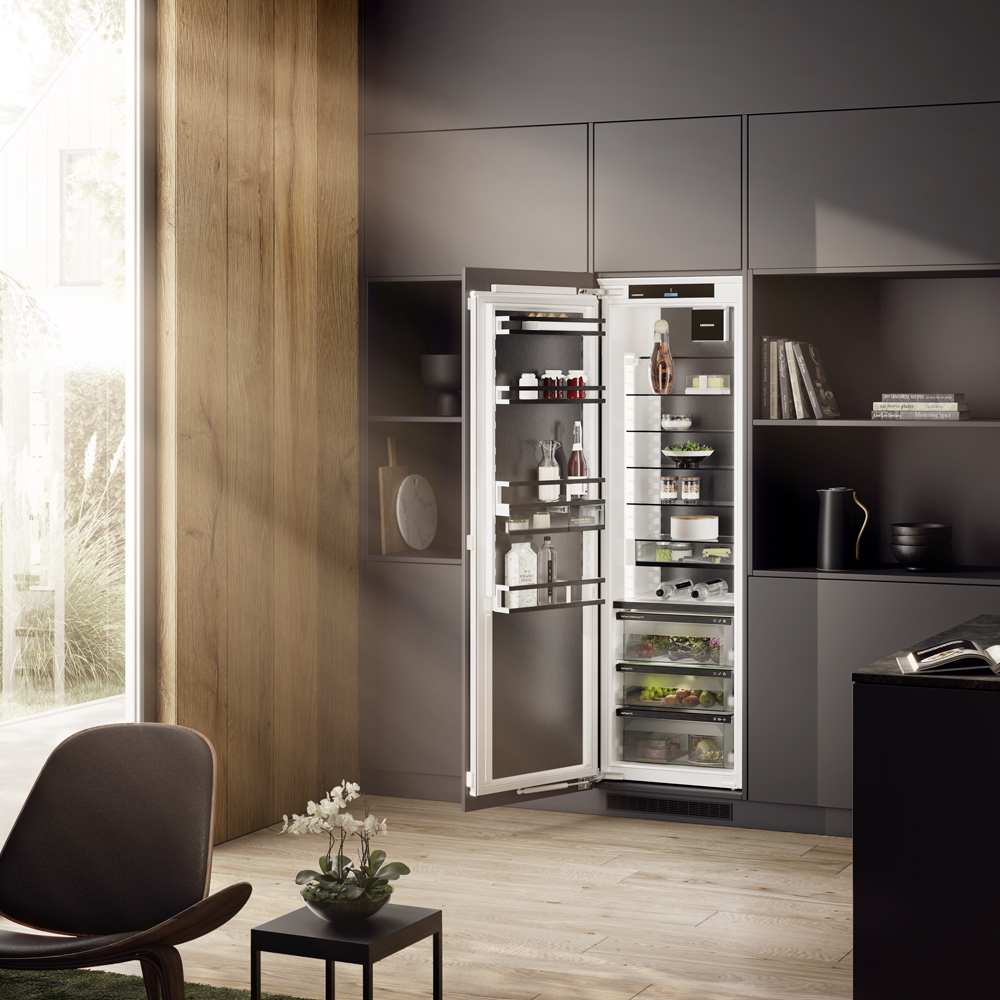
One of the most common mistakes in planning integrated fridge freezer installation is assuming that standard appliance dimensions guarantee a perfect fit. Most integrated fridge freezers are designed around standard housing sizes, typically 60cm units. However, the real determining factor is the internal cabinet environment, not the external kitchen measurement. What actually matters is the usable internal width, height, and depth of the carcass, along with whether the unit run is level and structurally square.
Even small deviations in cabinetry can create installation issues. A unit may appear to fit on paper but resist sliding fully into position or create pressure points that affect alignment later. This is especially common in older kitchens or where units have been replaced individually rather than as a full run.
In integrated fridge freezer installation, cabinet accuracy is just as important as appliance selection.
The hinge system can determine whether installation succeeds or fails
Another key factor in installing an integrated fridge freezer is the hinge system. This is often overlooked during purchasing, but it has a direct impact on compatibility with your kitchen.
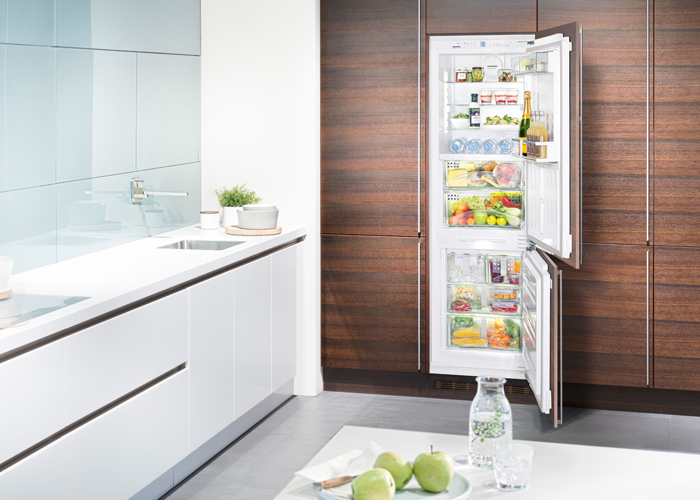
Fixed hinge systems, often called door on door systems, attach the cabinet door directly to the appliance door so both move as one solid unit. This creates a clean, unified finish and is widely used in modern kitchens. When aligned correctly, it delivers one of the most seamless integrated looks available.
Sliding hinge systems, on the other hand, allow the cabinet door to move independently on a rail system attached to the appliance. This can offer more flexibility in certain kitchen layouts, particularly in retrofits or non standard cabinetry, but it also requires more precise adjustment during installation to achieve a perfect finish.
Choosing the wrong hinge system for your kitchen design is one of the most common reasons integrated fridge freezer installation becomes more complicated than expected.
The Importance Of Ventilation
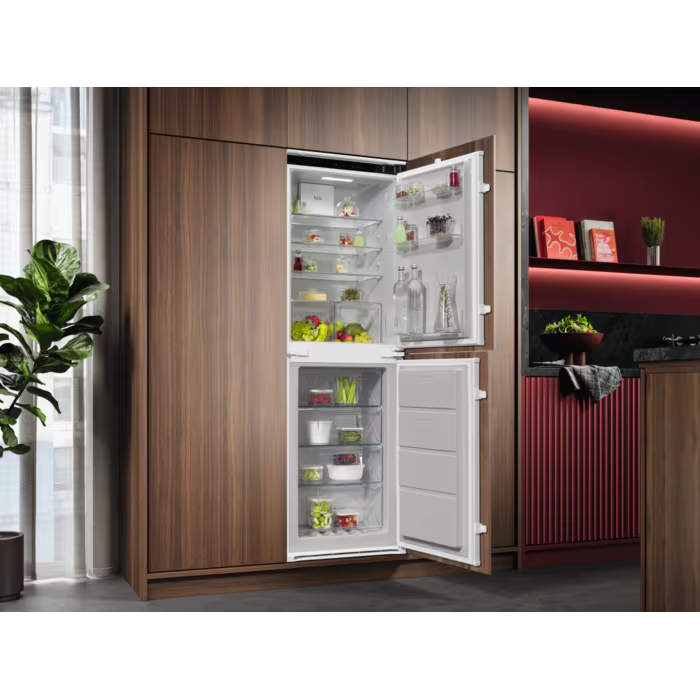
Ventilation is one of the most overlooked parts of integrated fridge freezer installation, yet it has a major impact on performance and longevity.
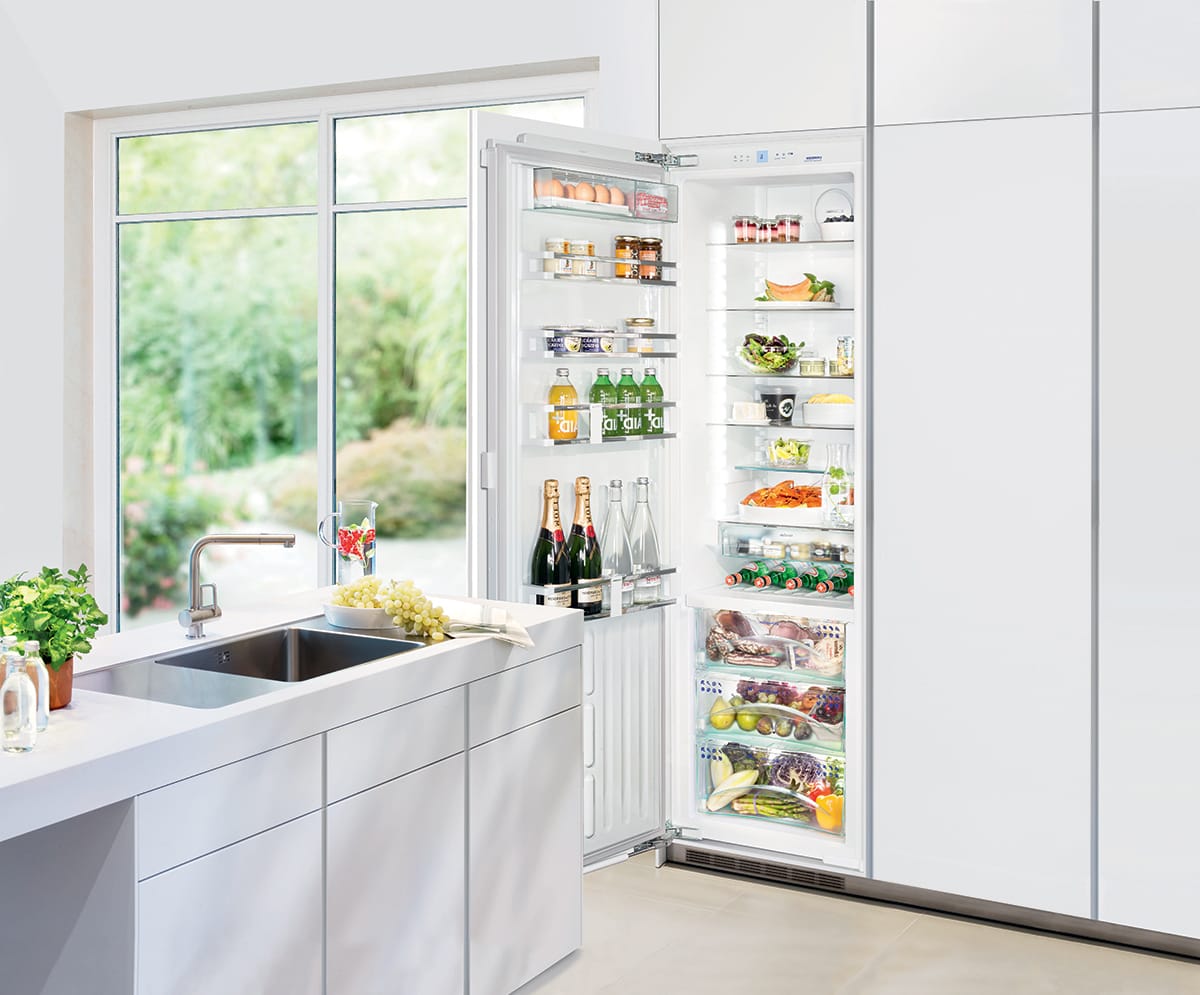
Because the appliance is enclosed within cabinetry, it relies entirely on designed airflow routes to manage heat. Typically, air is drawn in through the plinth at floor level and expelled through the top or rear of the housing unit. If these airflow paths are restricted or blocked, the appliance may still function, but it will not operate efficiently. Over time, poor ventilation can lead to increased energy consumption, reduced cooling performance, and unnecessary strain on internal components.
The challenge is that ventilation is invisible once installation is complete, which is why it is so often missed during planning and fitting.
Depth, services, and installation conditions
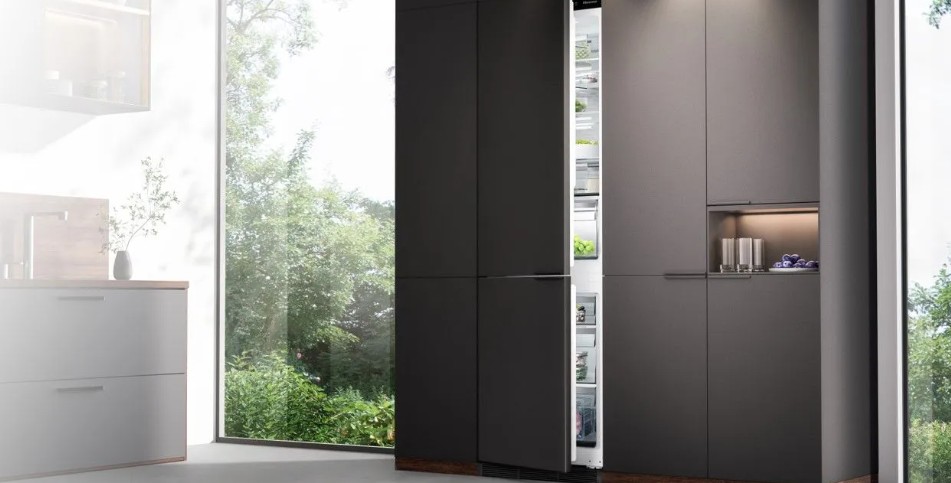
Specification sheets often make integrated fridge freezer installation appear straightforward. Width, height, and depth are clearly listed, but those figures don’t always reflect what happens in a real kitchen.
Behind the appliance, you also need to account for power cables, plug clearance, and, in some models, water supply connections for ice or chilled water systems. Manufacturers may also specify rear ventilation gaps that are not obvious from standard dimensions.
If these factors are not considered, the appliance may physically fit the cabinet but fail to sit flush, or it may place unnecessary pressure on cables and pipework. This can lead to issues both at installation and later during maintenance or servicing.
Door swing and kitchen layout impact usability
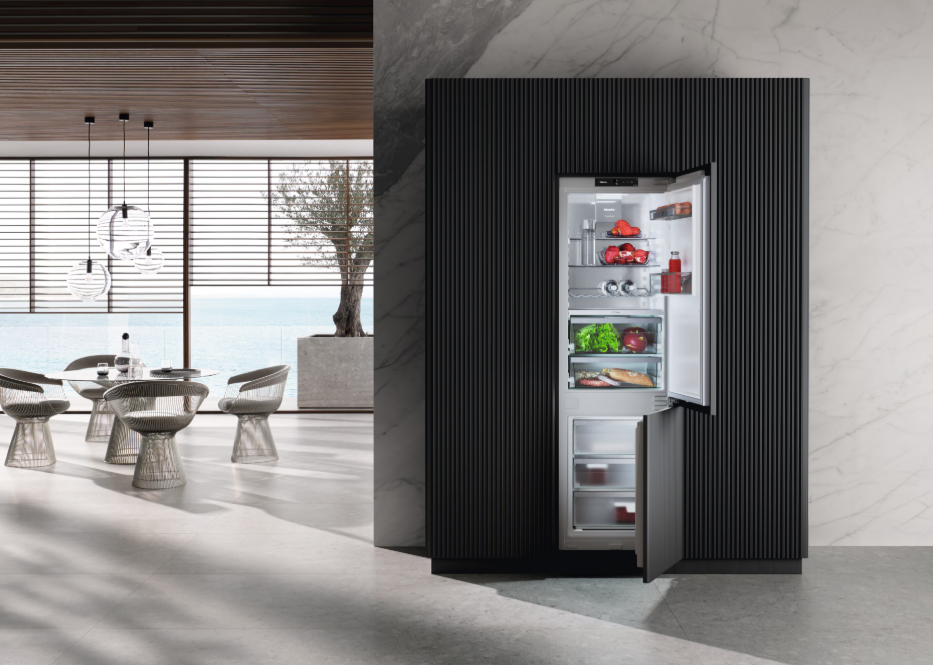
Even when integrated fridge freezer installation is completed successfully, day to day usability depends on how the appliance interacts with the surrounding kitchen layout. Once cabinet fronts are fitted, the thickness of the door increases significantly. This affects the swing radius and can create unexpected limitations in tighter kitchen spaces. In some layouts, doors may not open fully due to adjacent units or walls. In others, internal drawers may not extend properly, even though the appliance technically fits.
This is particularly important in galley kitchens or designs where tall housing units sit close to other fixed elements such as islands or walls.
Electrical, plumbing, and service access need early planning. A successful integrated fridge freezer installation also depends heavily on how services are positioned before installation begins. Electrical sockets must be positioned so they do not interfere with the appliance body when it is pushed into place. If they sit directly behind the unit, they can prevent the fridge freezer from fitting flush within the housing.
For models with water or ice functions, plumbing also needs careful consideration. Water connections should remain accessible after installation, and isolation valves should not be buried behind fixed panels where they cannot be reached. Service access is often overlooked during planning, but it becomes critical later if the appliance ever needs maintenance or replacement.
Integrated fridge freezer installation is a system, not a single task
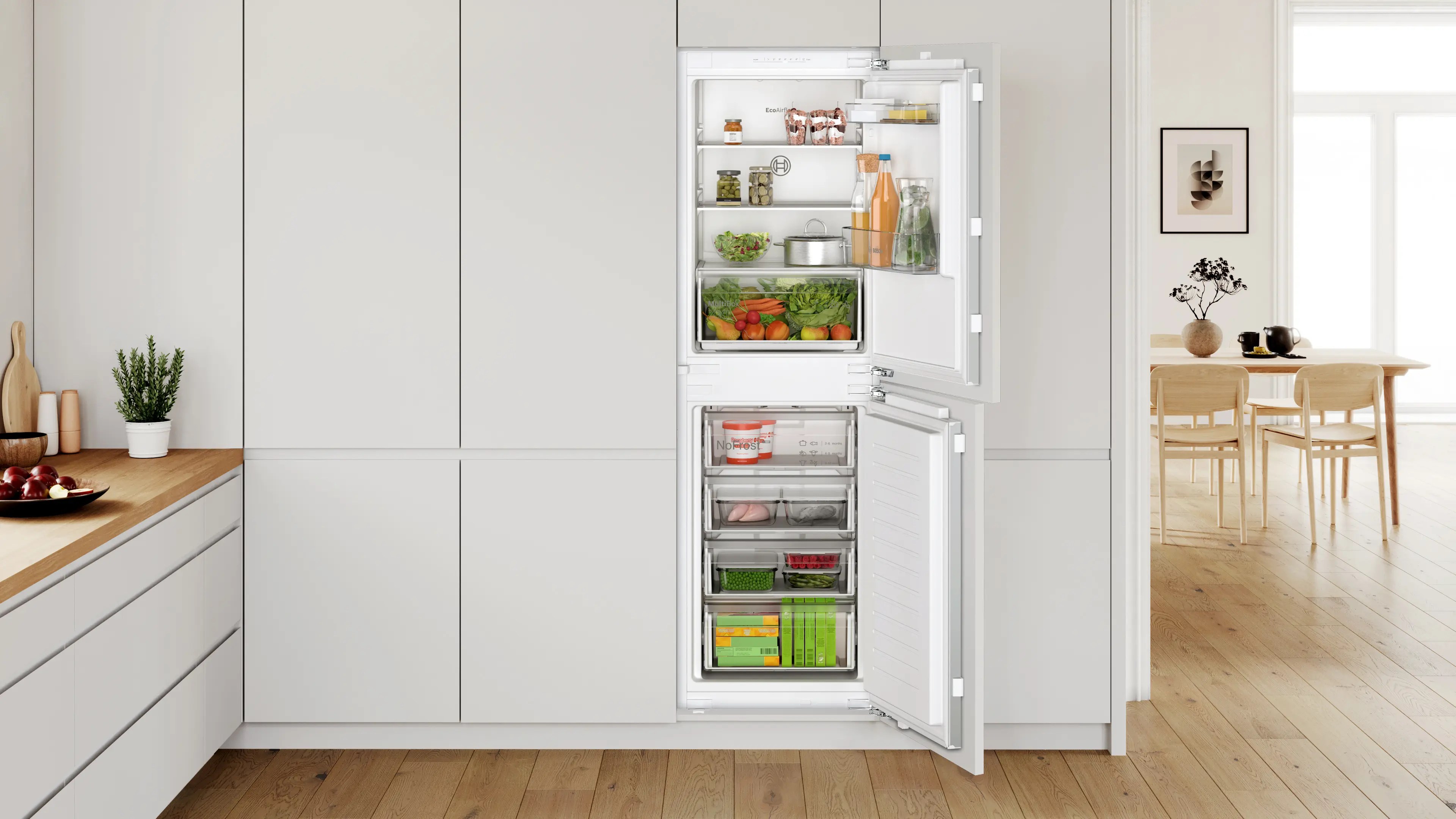
The key to understanding installing an integrated fridge freezer is recognising that it is not a standalone installation. It is a system that relies on multiple interconnected elements working together. That system includes the cabinet carcass, the hinge mechanism, ventilation pathways, electrical and plumbing positioning, and the appliance itself. If any one of these elements is misaligned, the installation can become noticeably more difficult or the finished result can be compromised.
When everything is aligned correctly, the appliance disappears seamlessly into the kitchen design and performs exactly as intended.
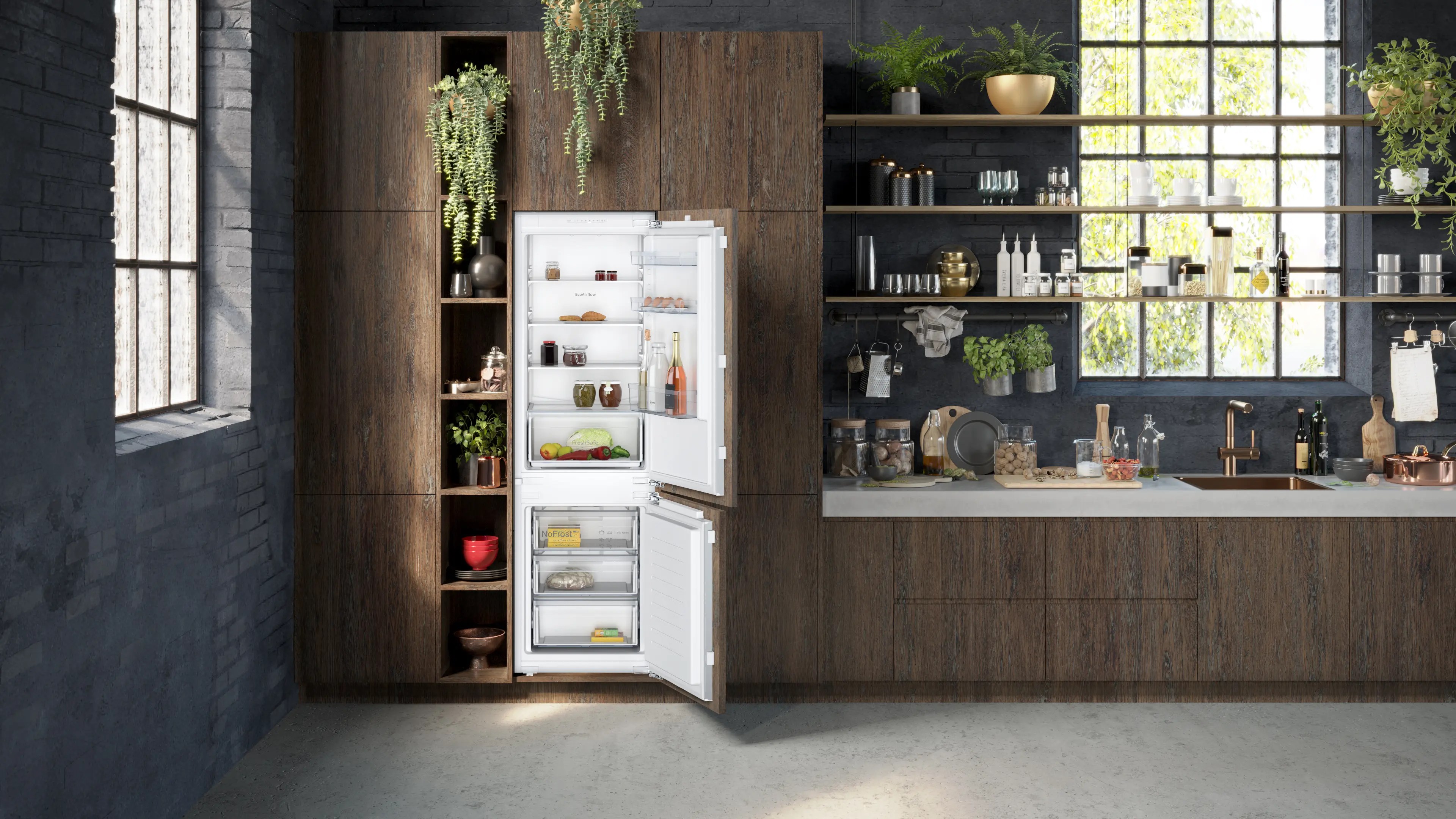
We find that…
We find that integrated fridge freezer installation success comes down to planning, accuracy, and attention to detail more than anything else. The appliance itself is only one part of the process, and, while we can absolutely help you find the right one for you, the surrounding kitchen structure is just as important.
When installation is planned properly, the result is a clean, seamless fridge freezer that integrates perfectly into the kitchen. When key details are missed, even a high quality appliance can feel difficult to install or awkward in daily use. We will always ask questions in relation to this blog to understand if the appliance you have your eye on is right for your kitchen, and your installation plans. After all, it’s vital that your kitchen is fully prepared for integration before the appliance arrives.
Shop Integrated Fridge Freezers
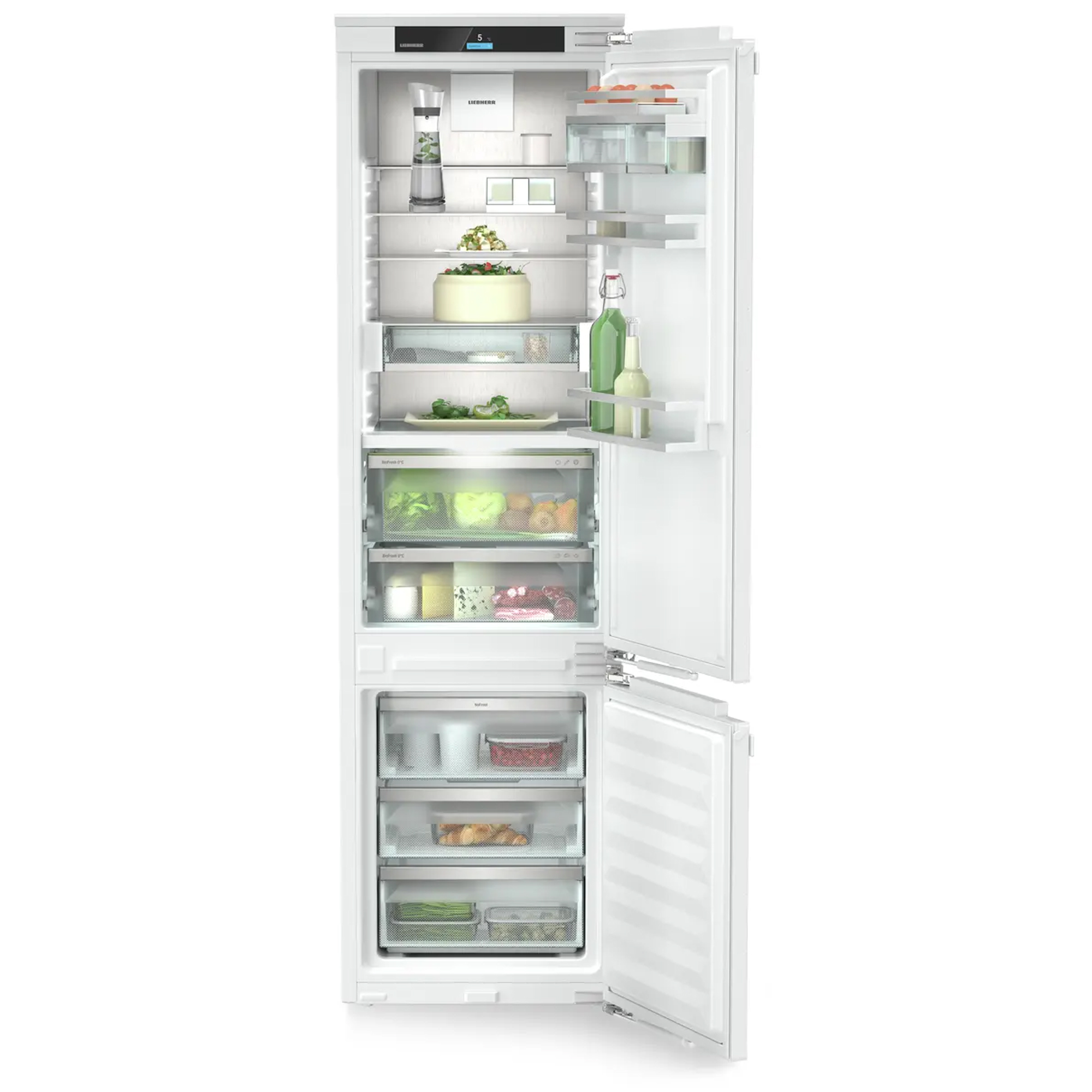


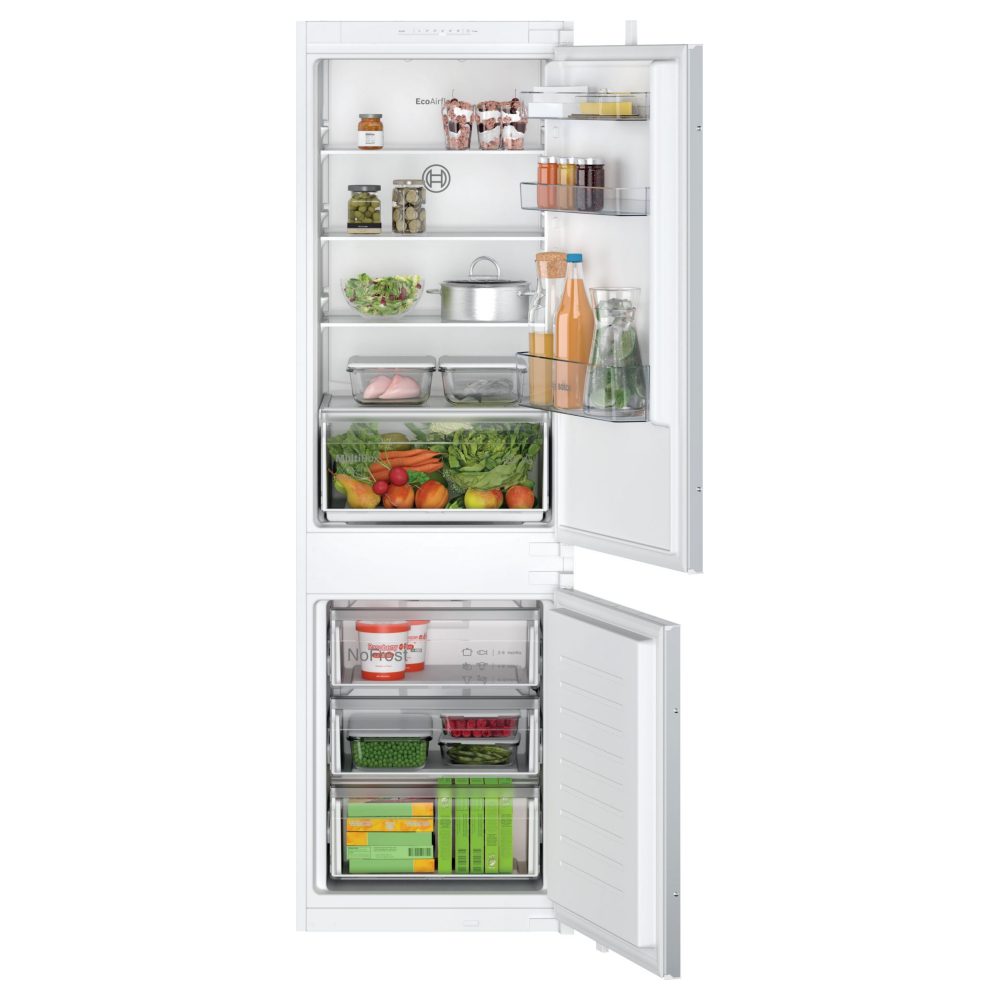

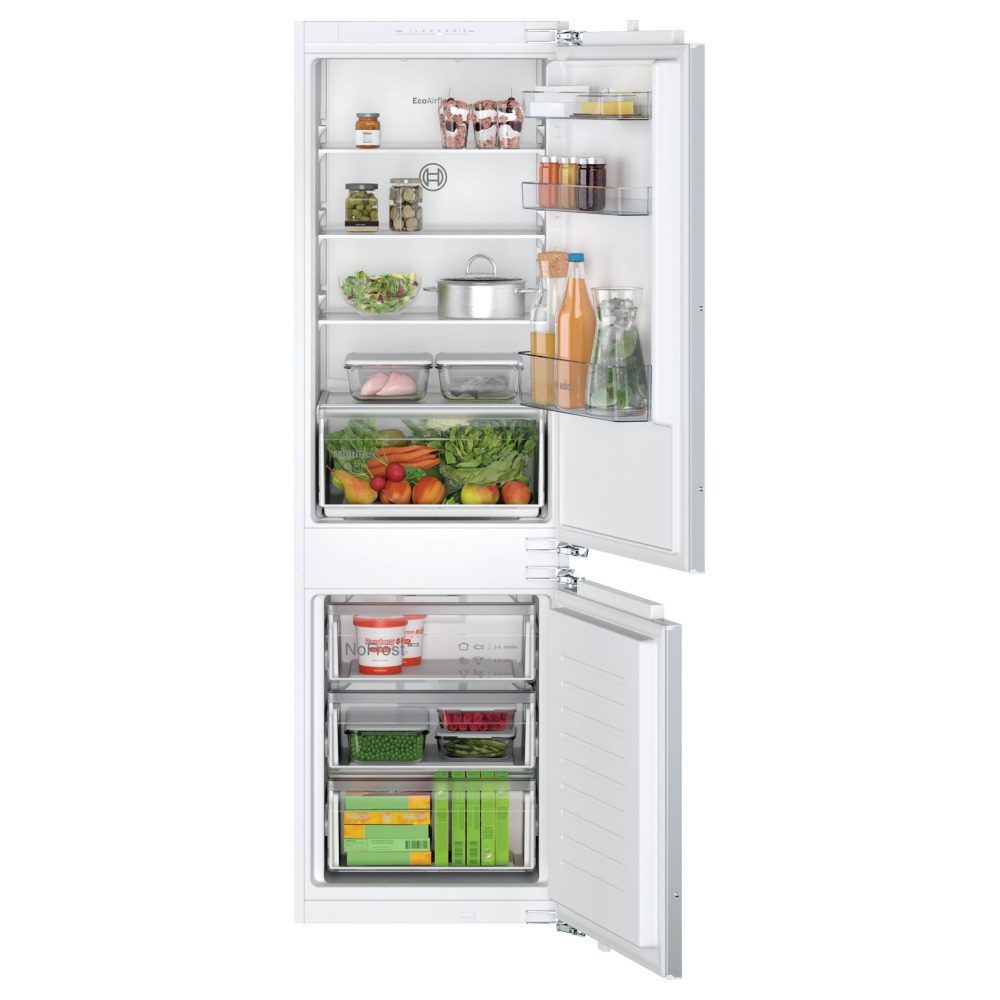
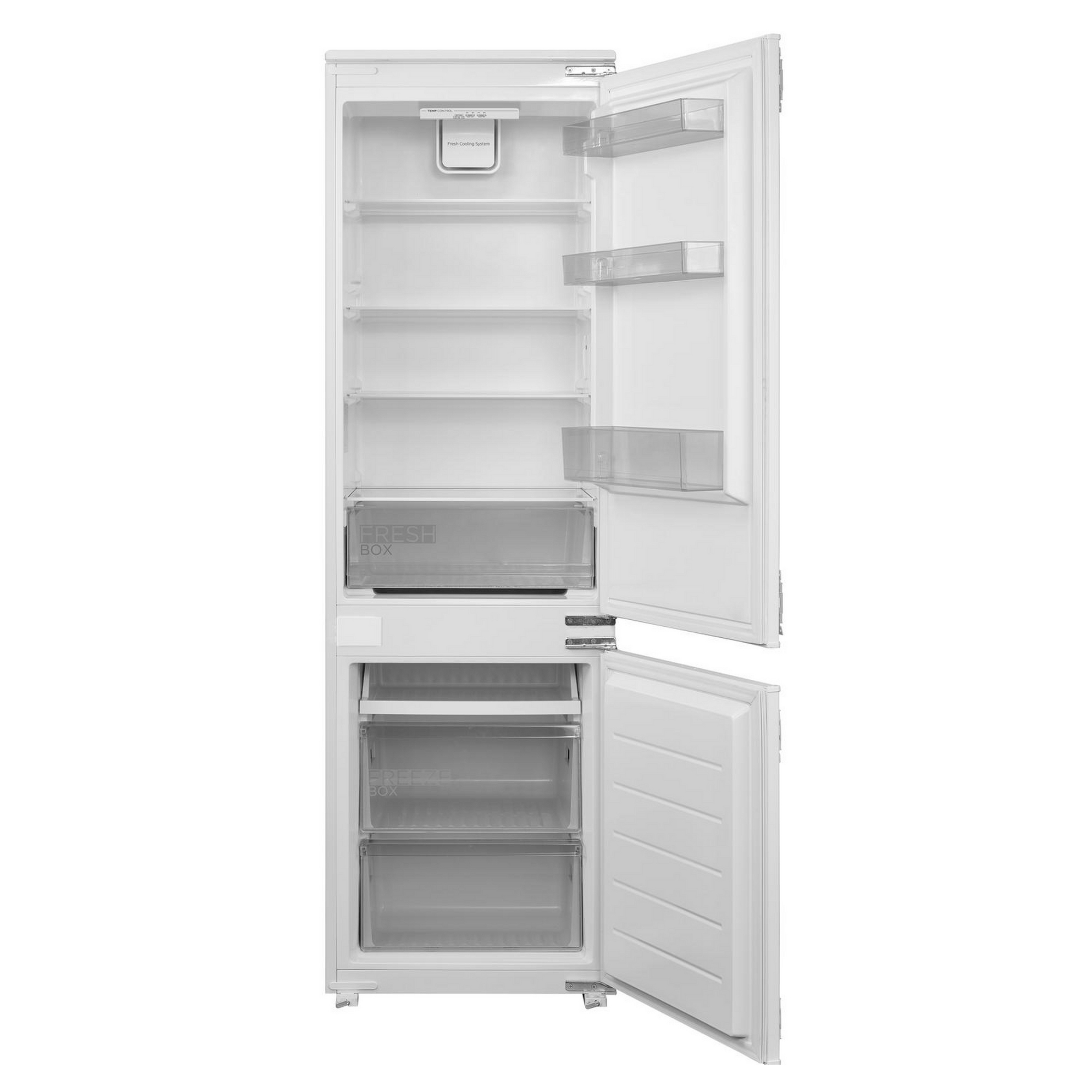

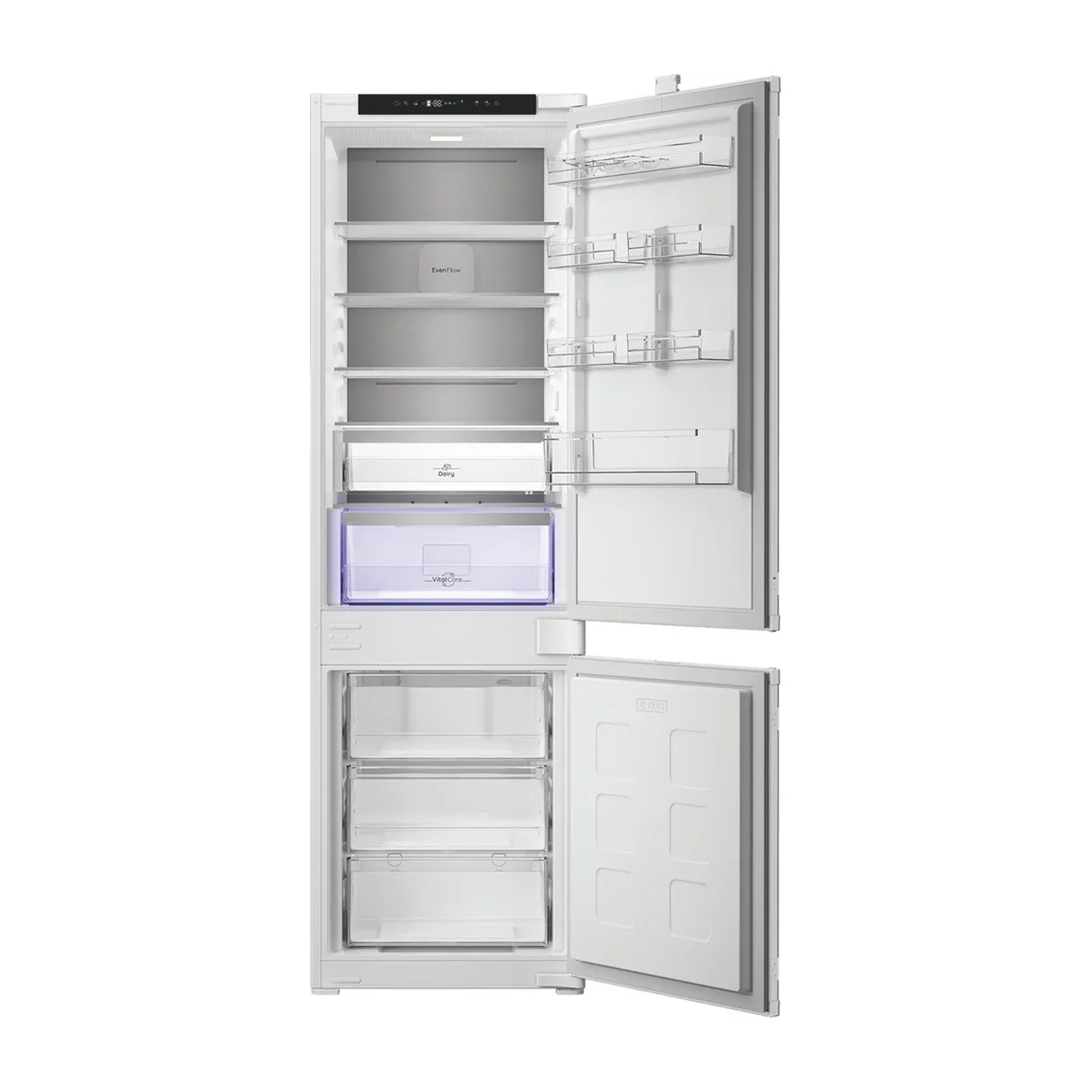

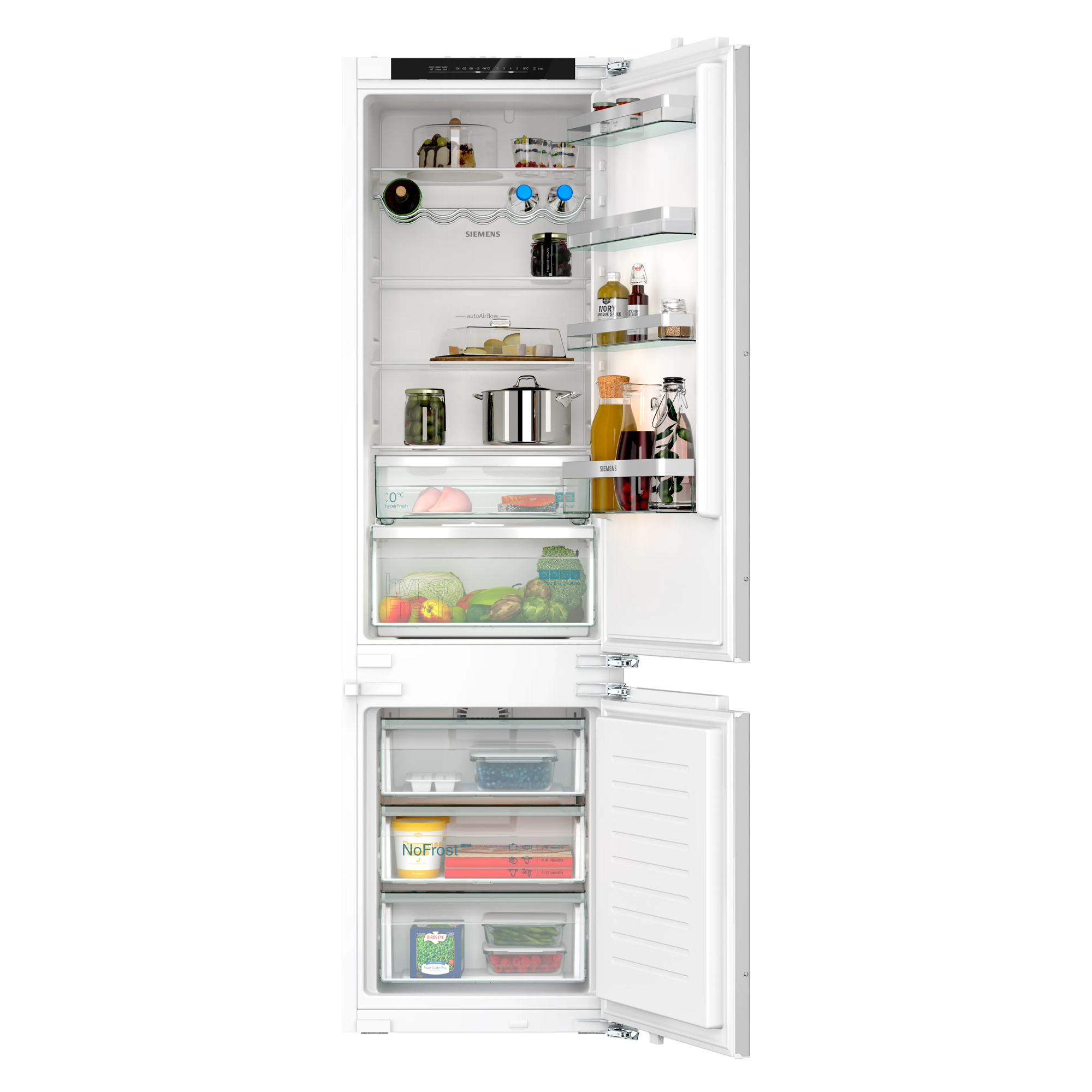

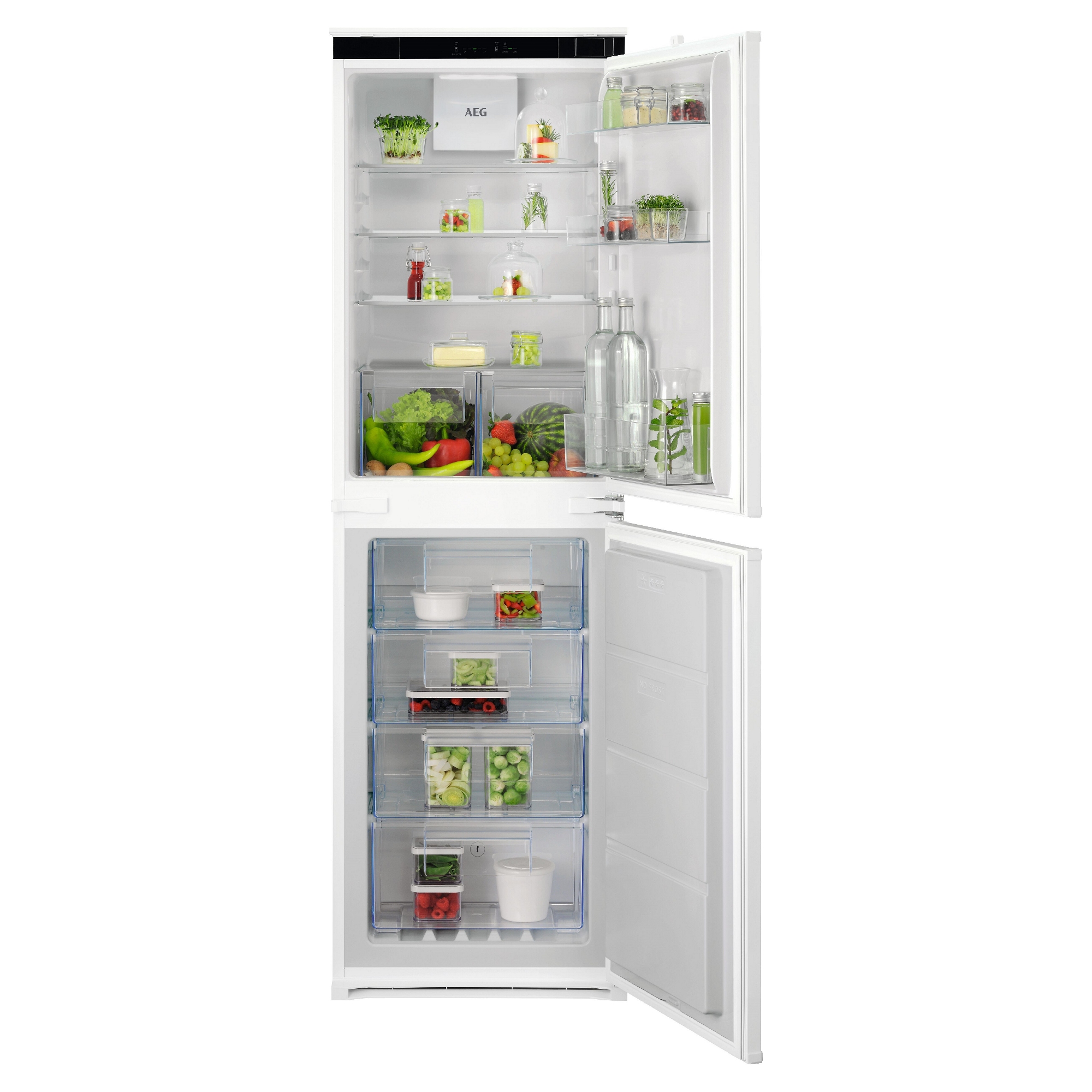

AEG Exclusiv Series 7000 Integrated 50/50 Frost Free Fridge Freezer NSC7T185ES
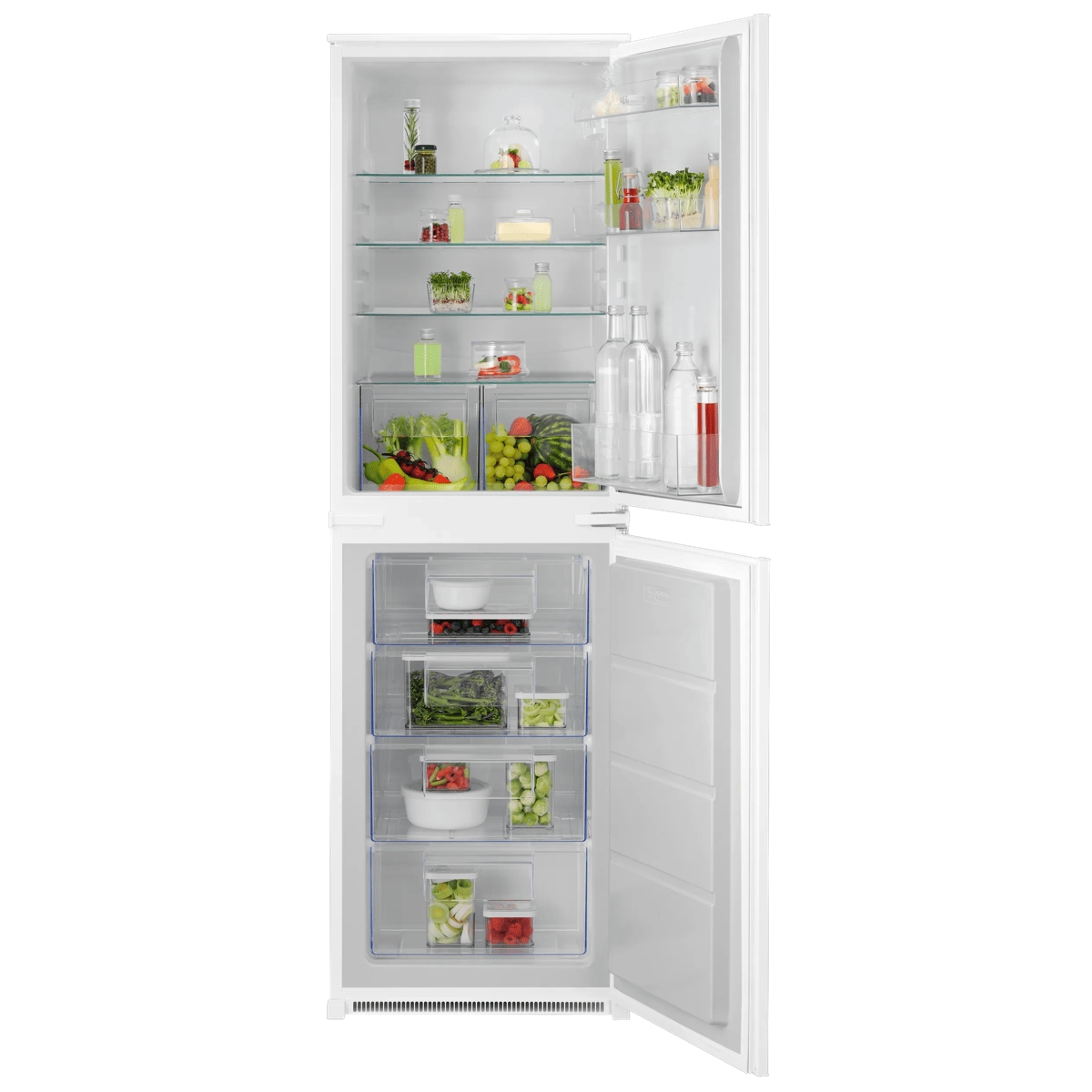
AEG Exclusiv 177cm Series 6000 Integrated 50/50 Fridge Freezer NSC6L185ES
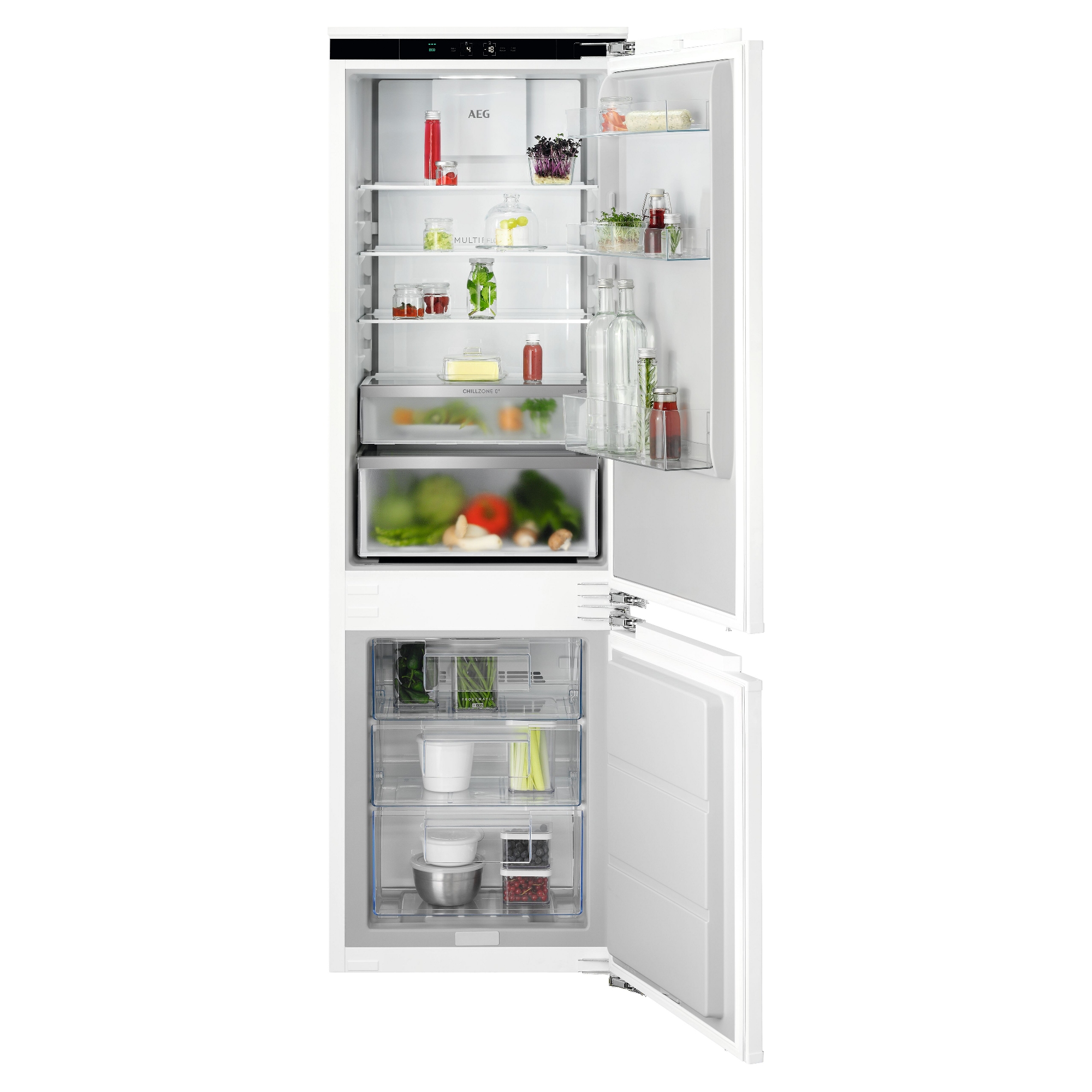
AEG 177cm Series 7000 Integrated 70/30 Frost Free Fridge Freezer OSC7C181DF
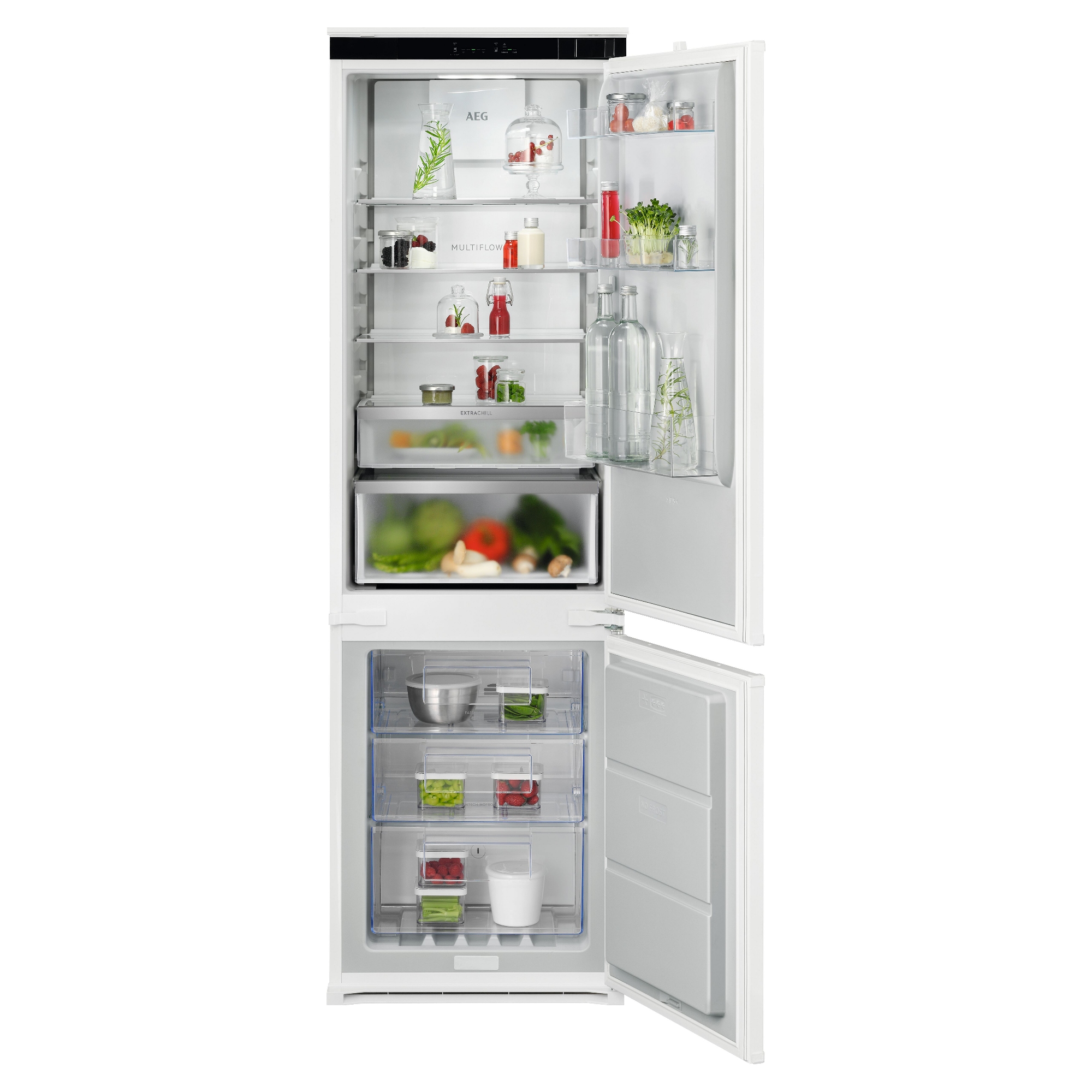
AEG 177cm Series 7000 Integrated 70/30 Frost Free Fridge Freezer NSC7C181DS
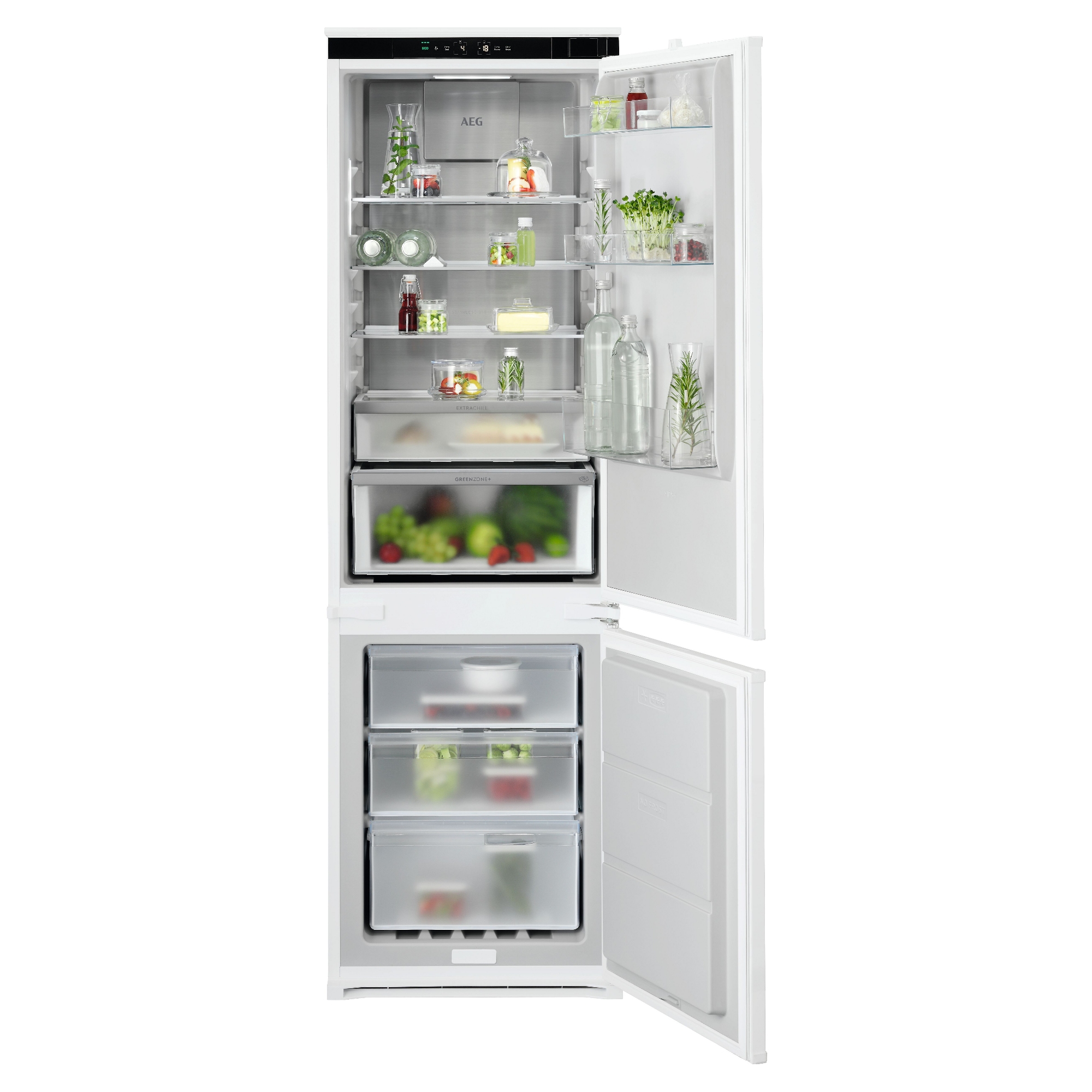
AEG 177cm Series 8000 Integrated 70/30 Frost Free Fridge Freezer TC8MS181CS
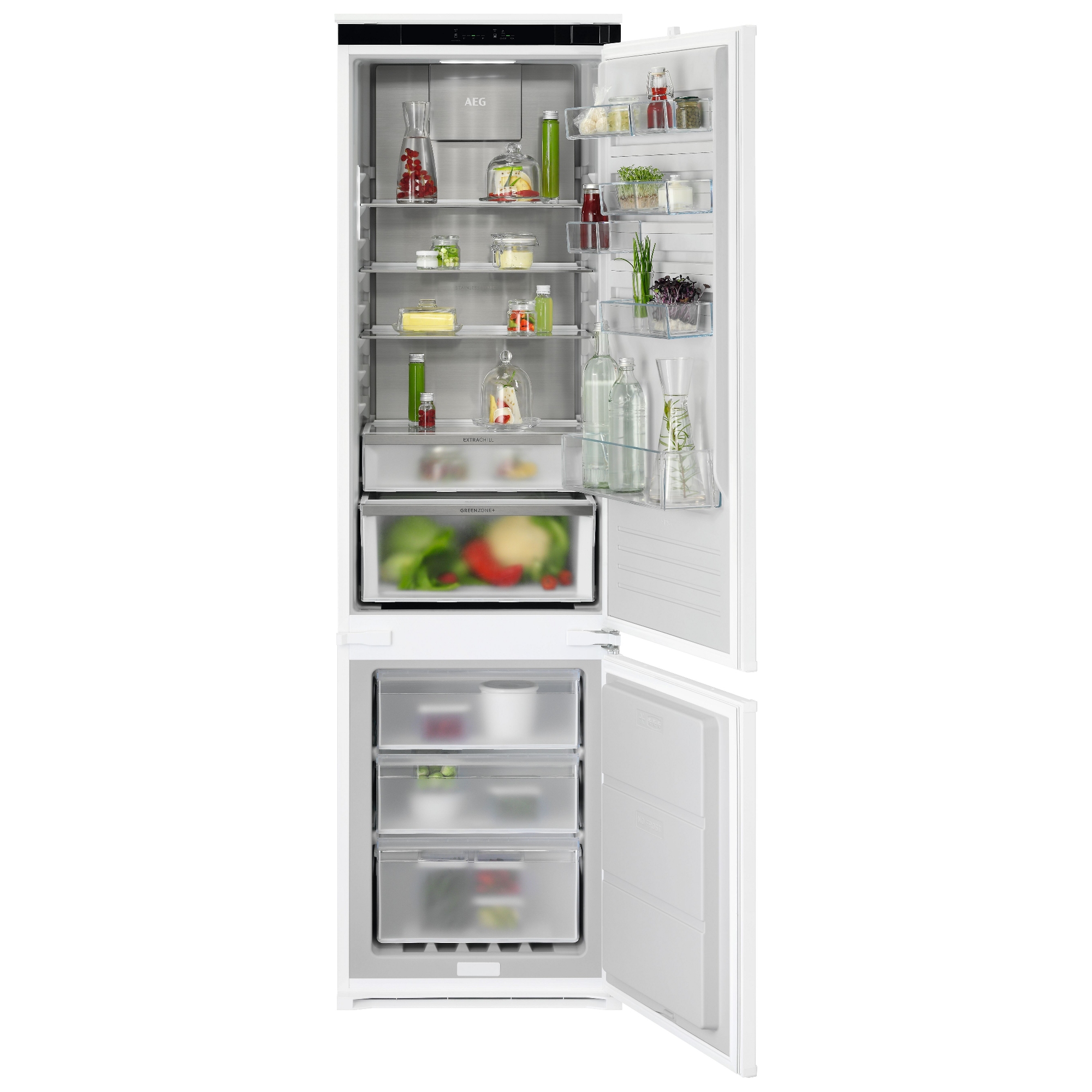
AEG 188cm Series 8000 Integrated 70/30 Frost Free Fridge Freezer NSC8M192DS
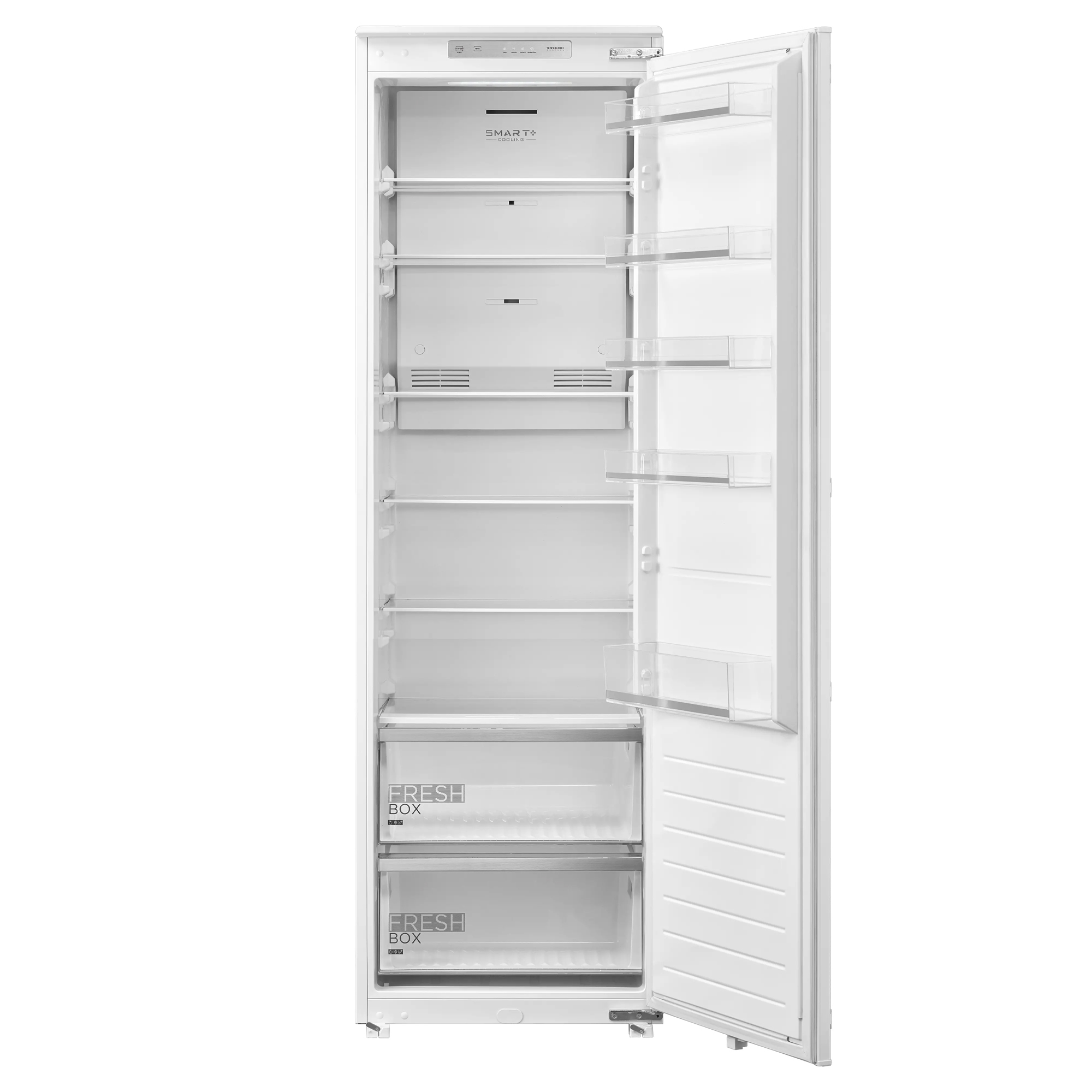
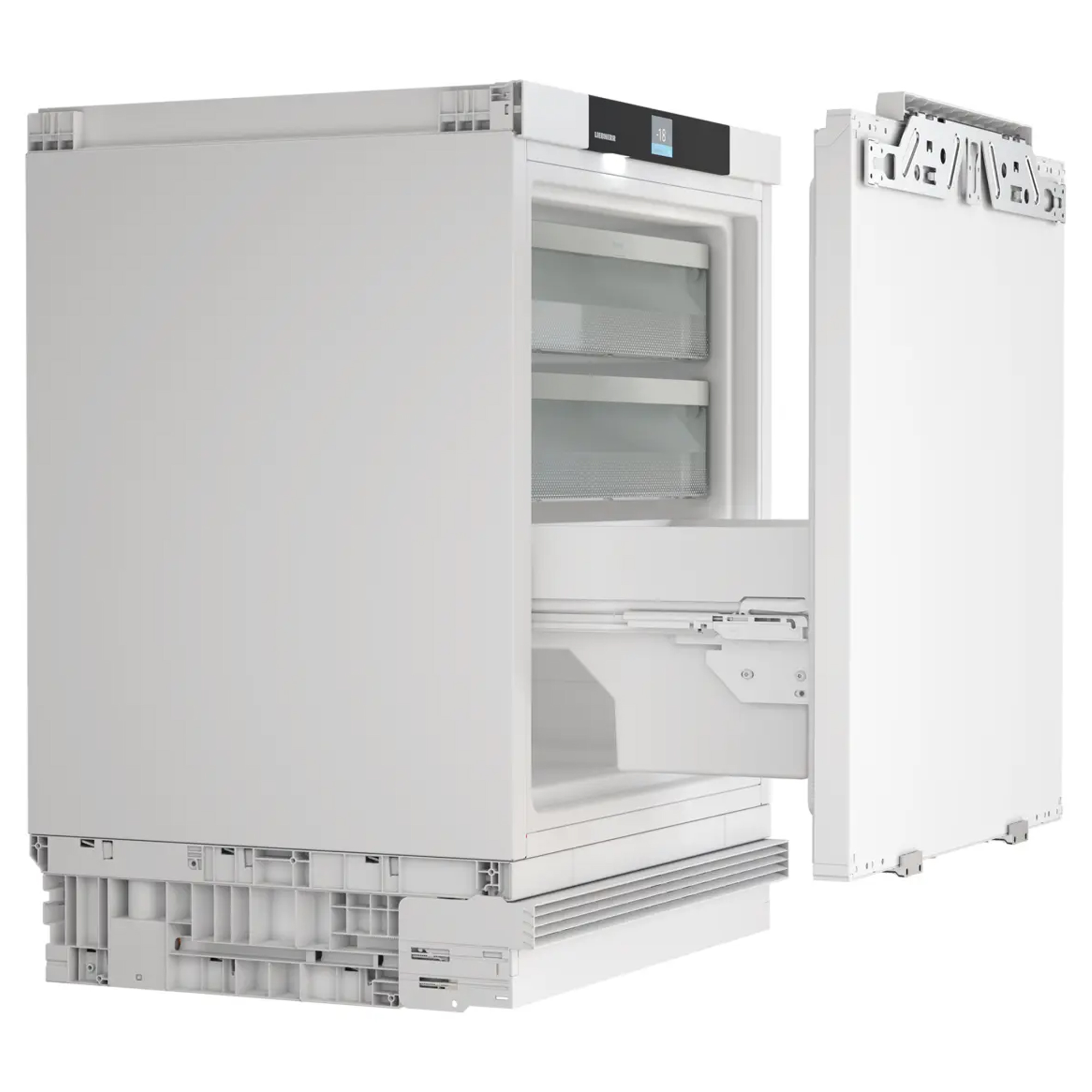
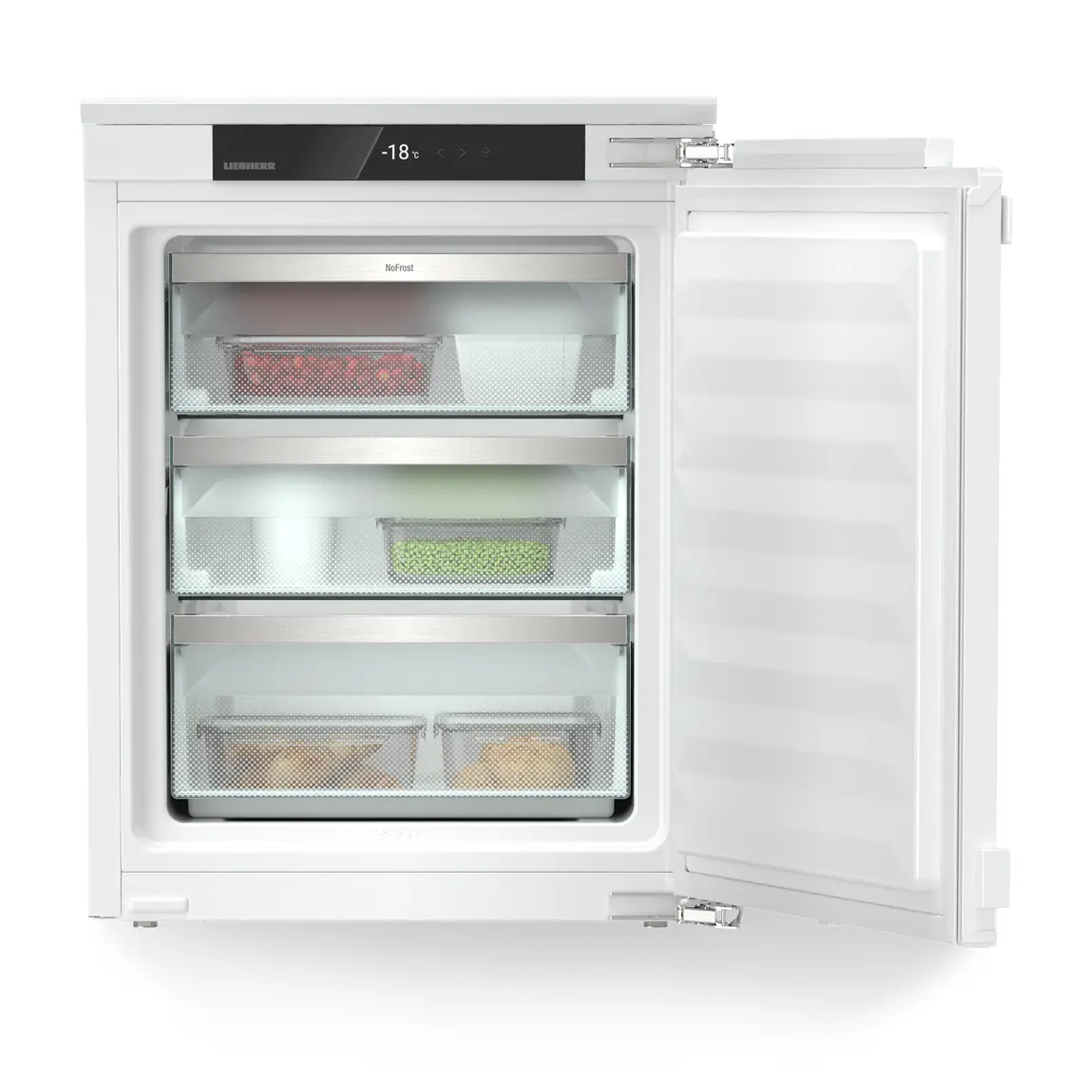
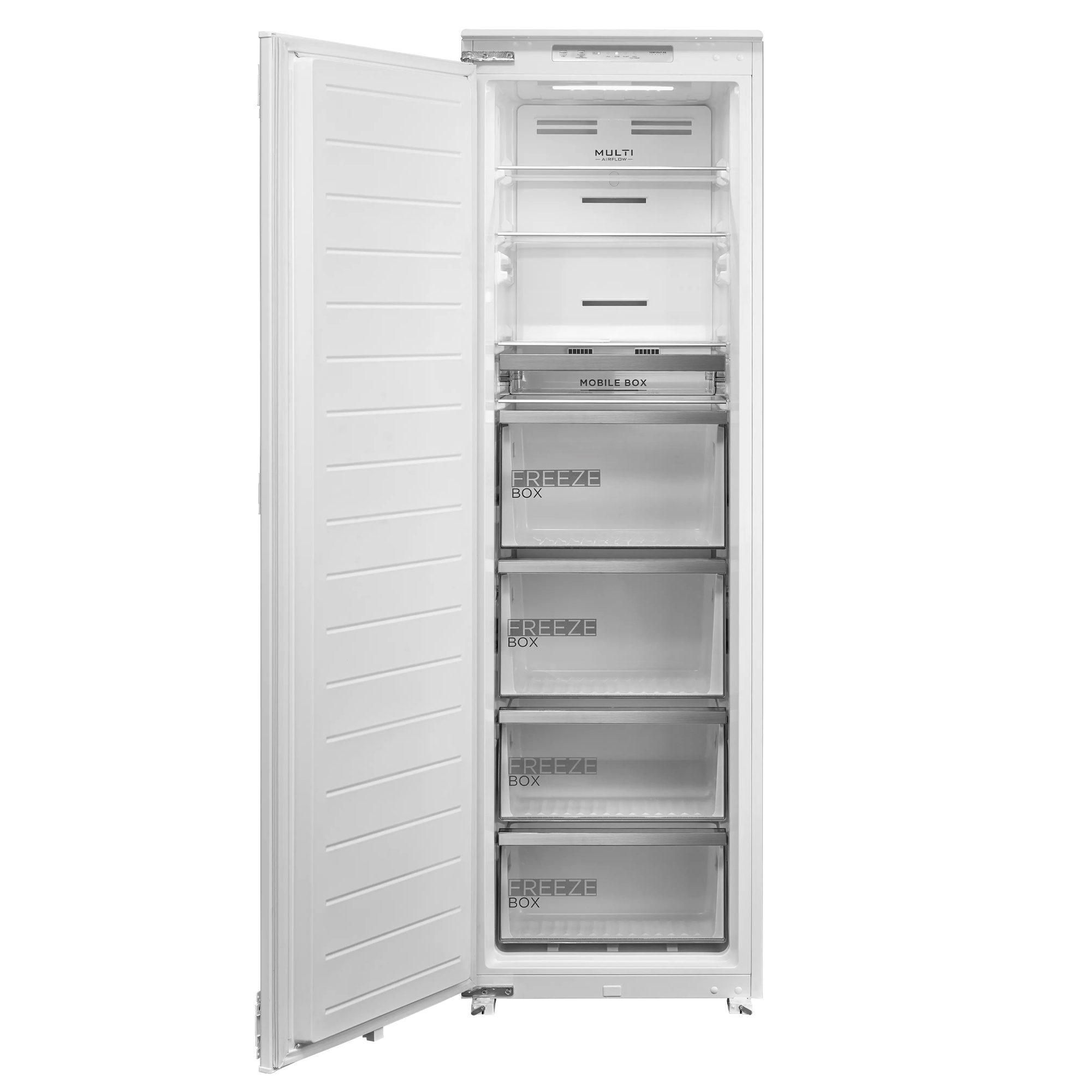

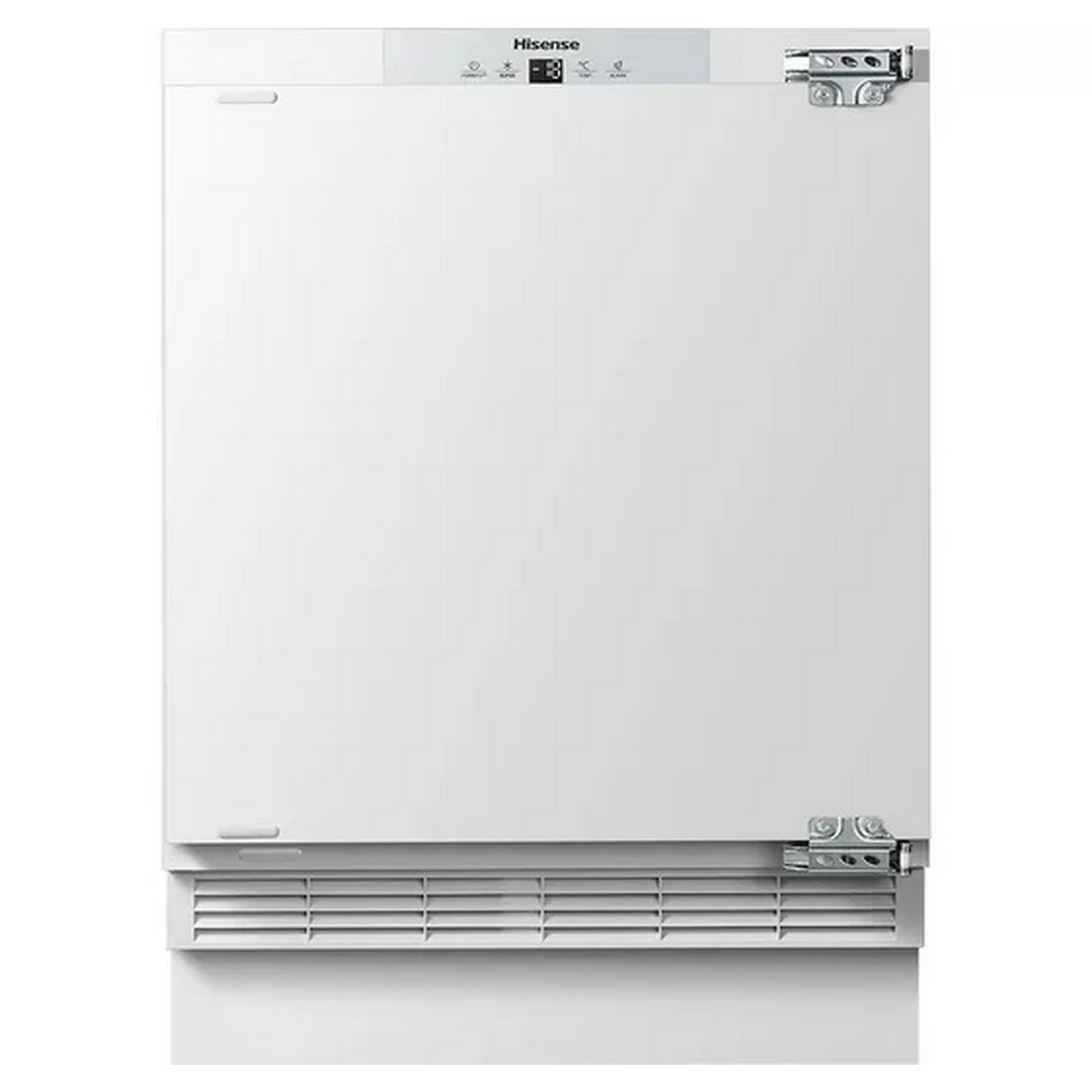

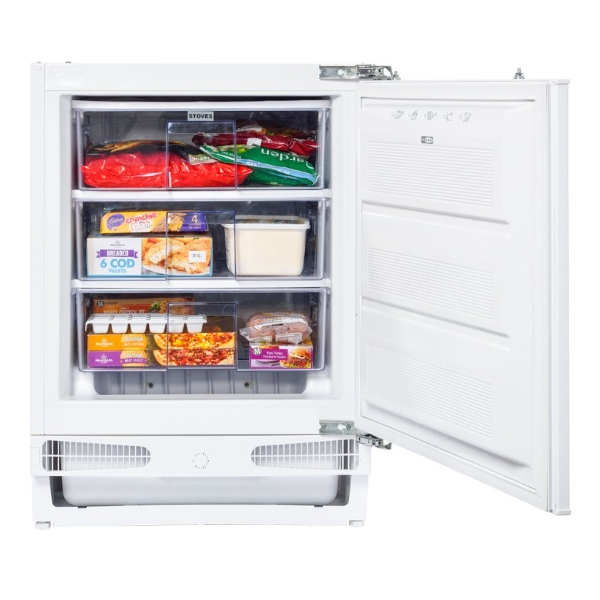

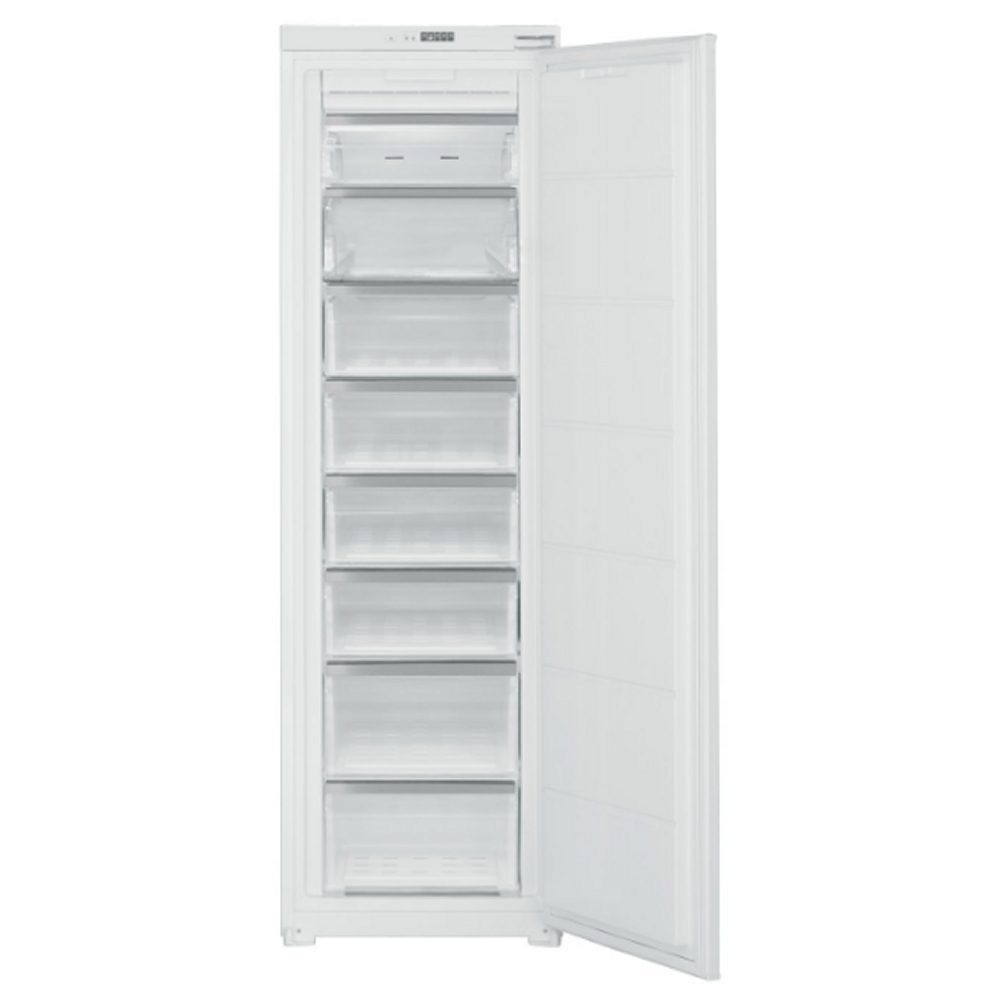
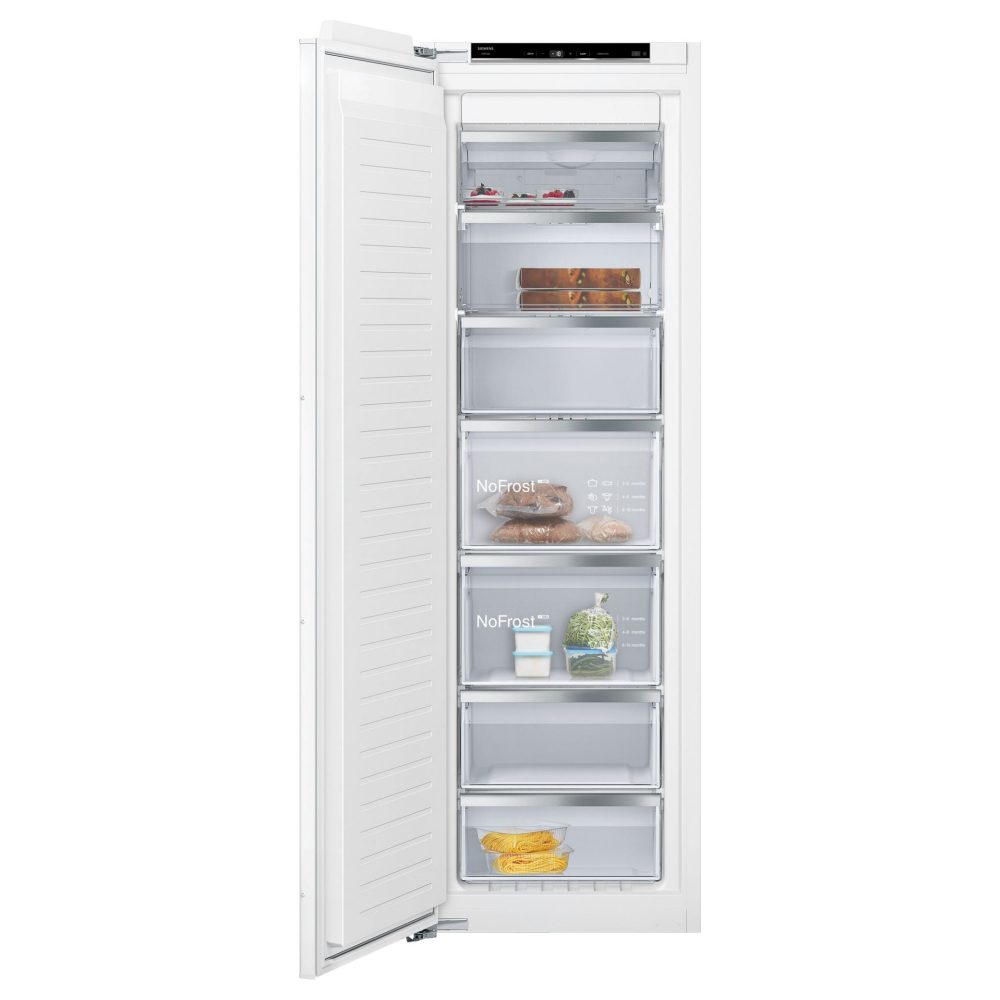


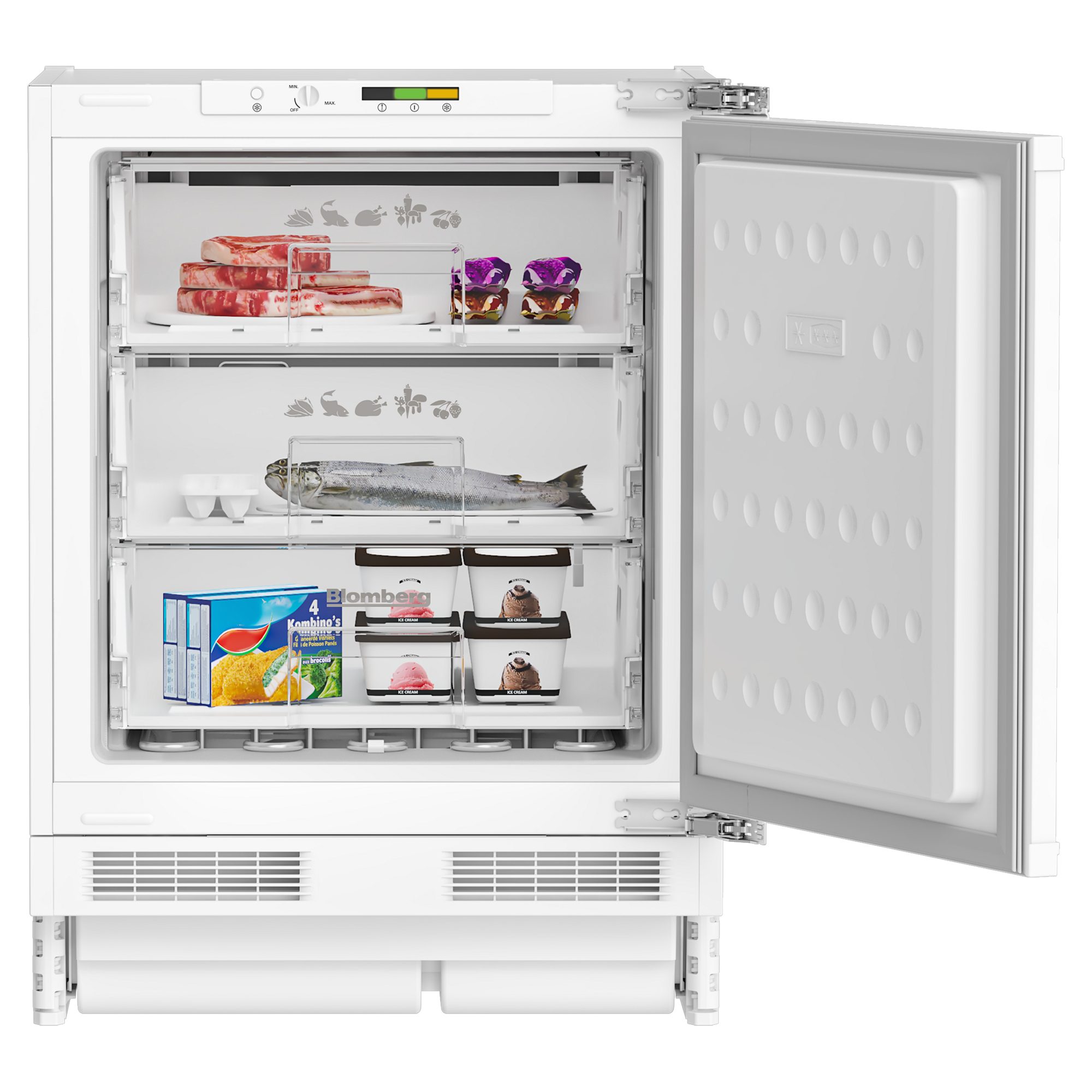

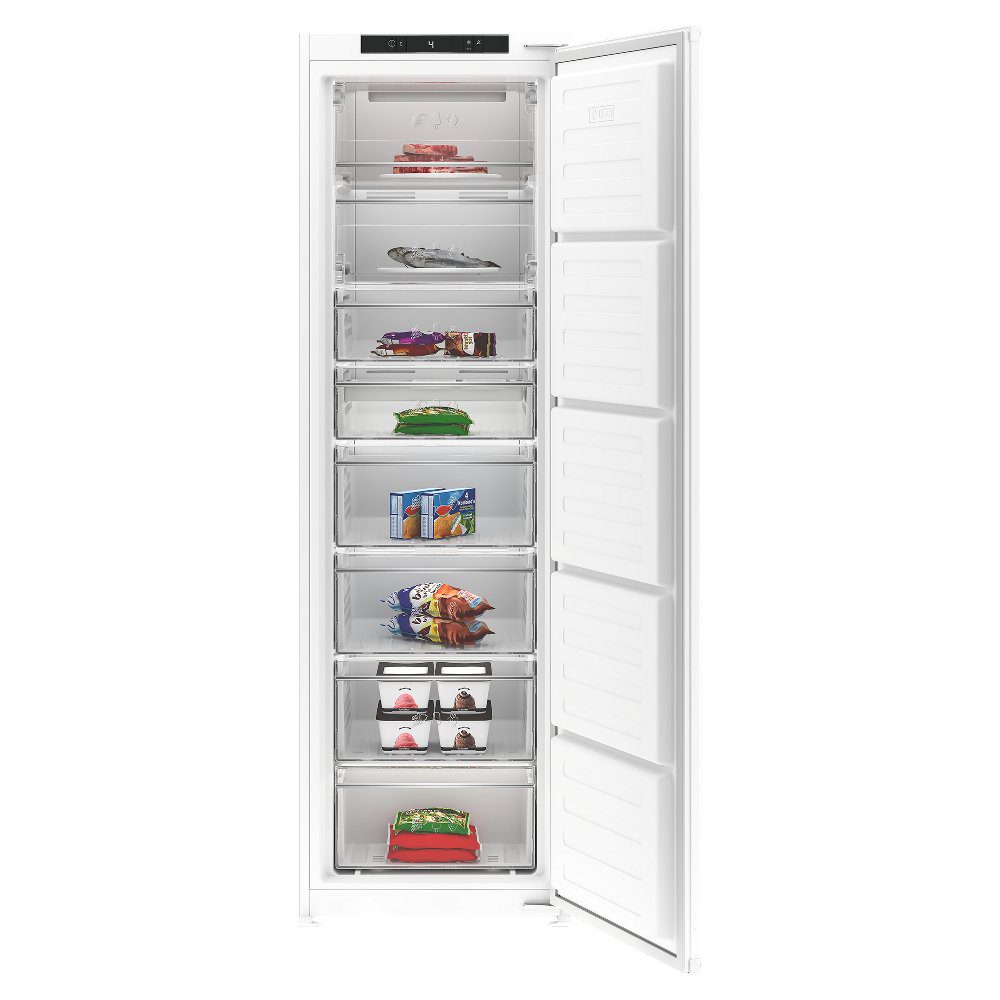
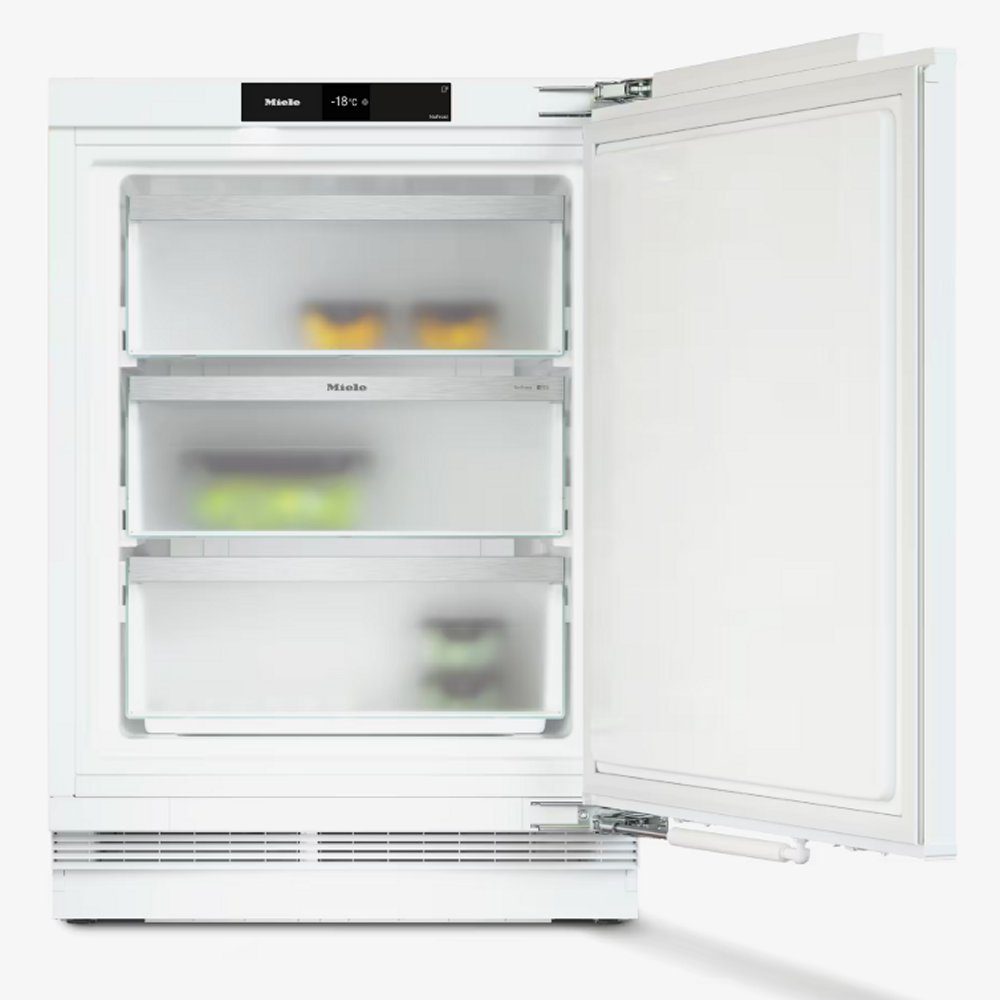

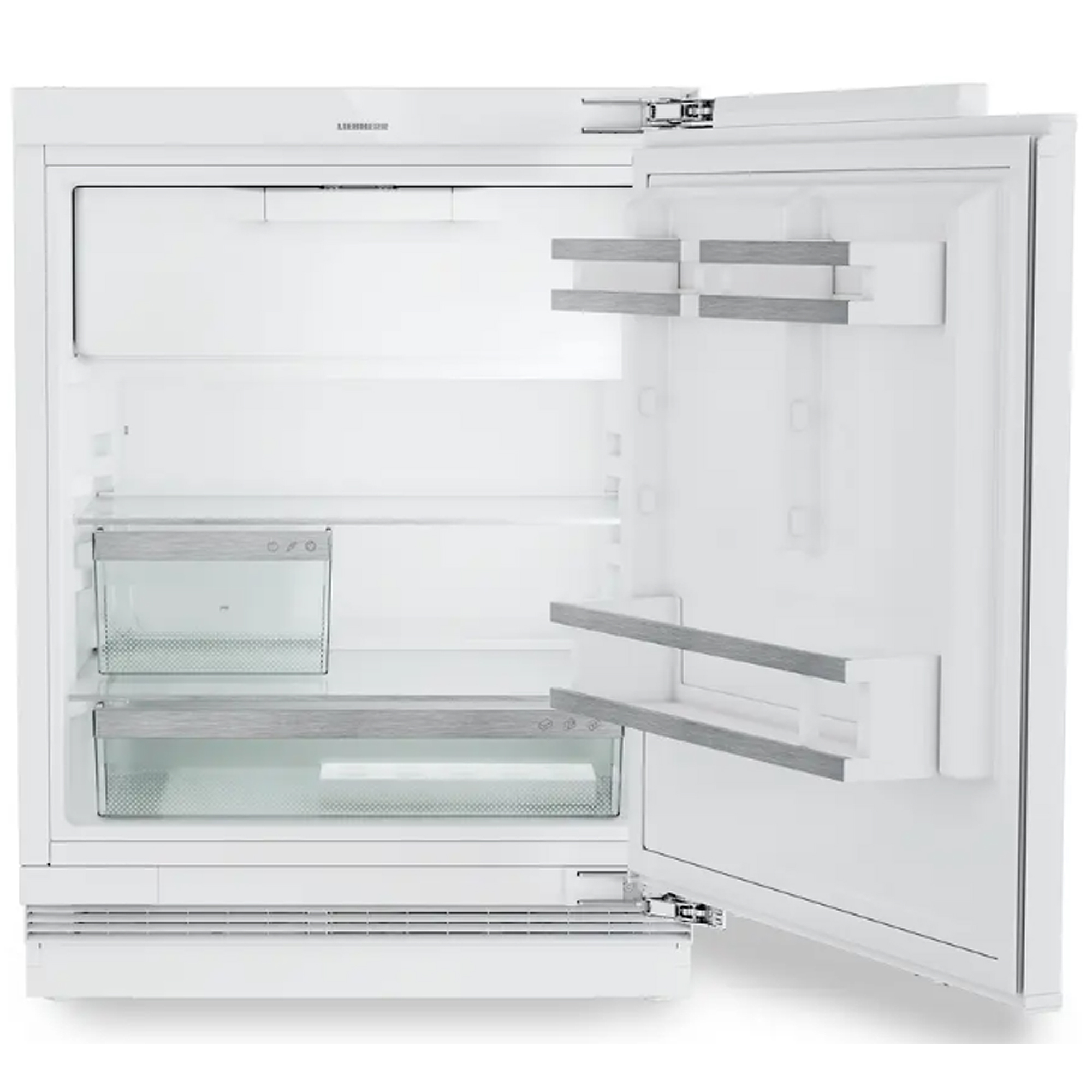
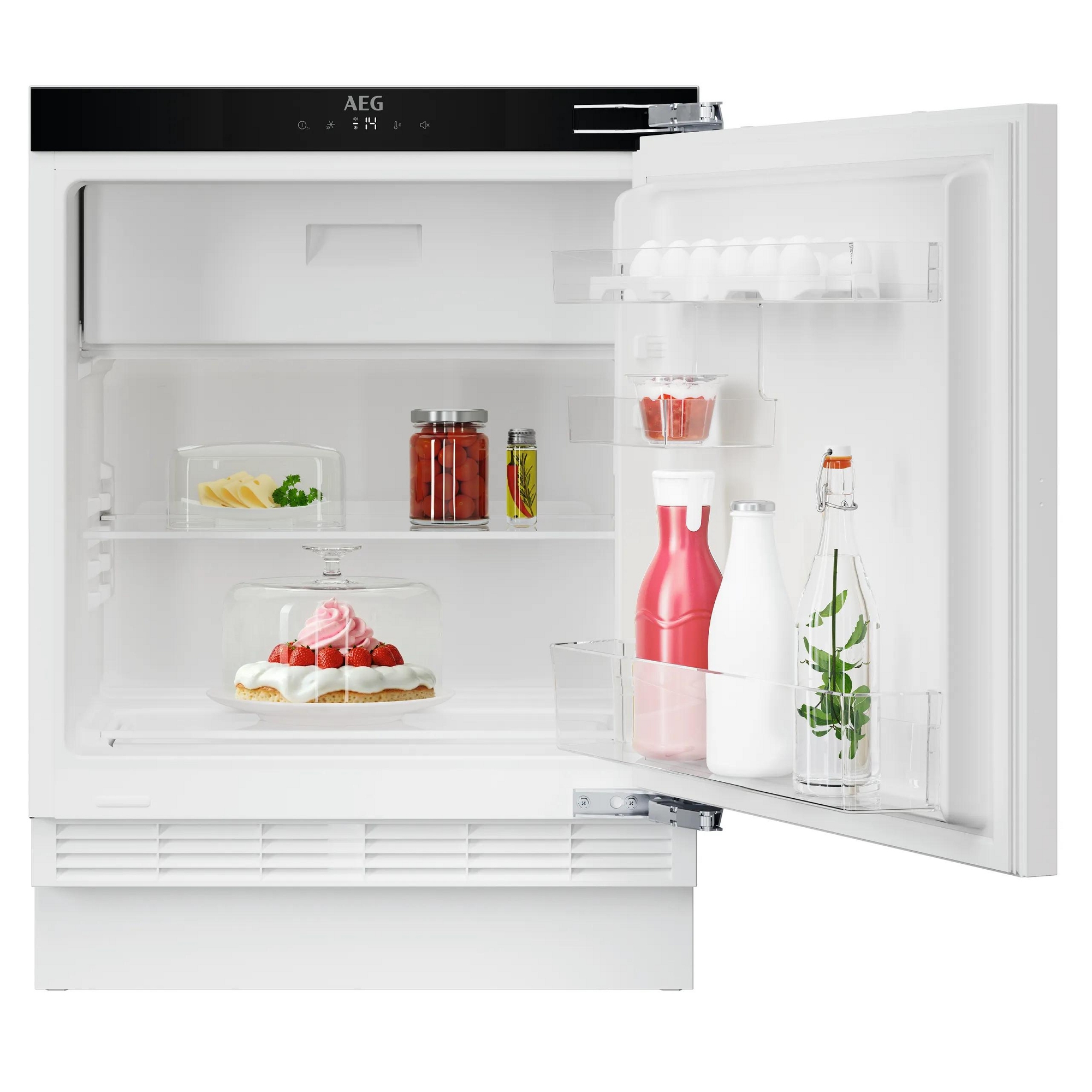
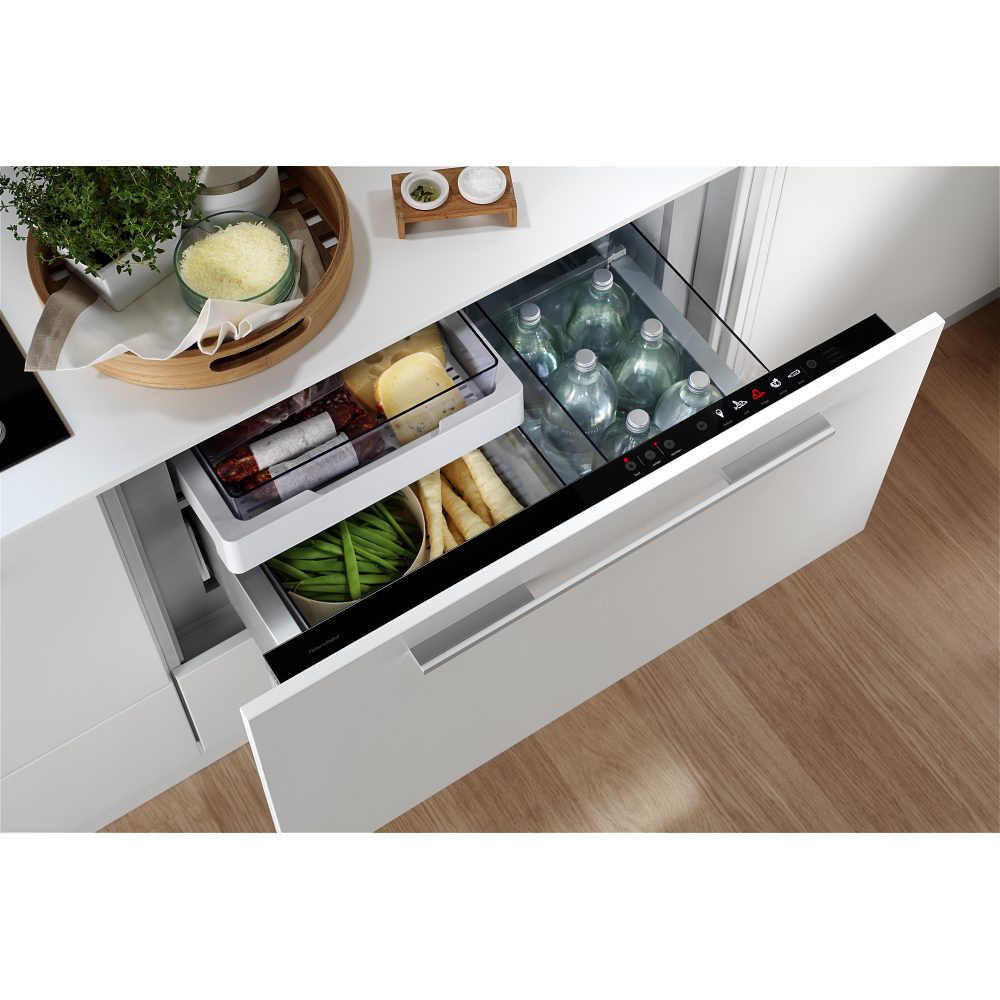
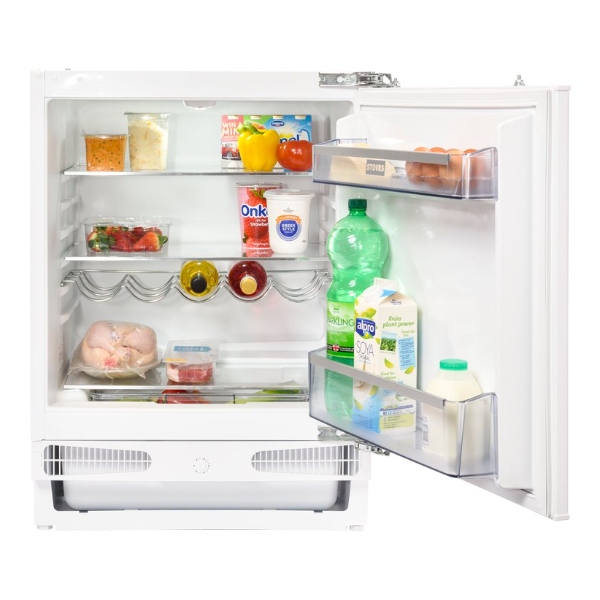
AEG Series 3000 Integrated Built Under Fridge With Ice Box NSF3S822EF
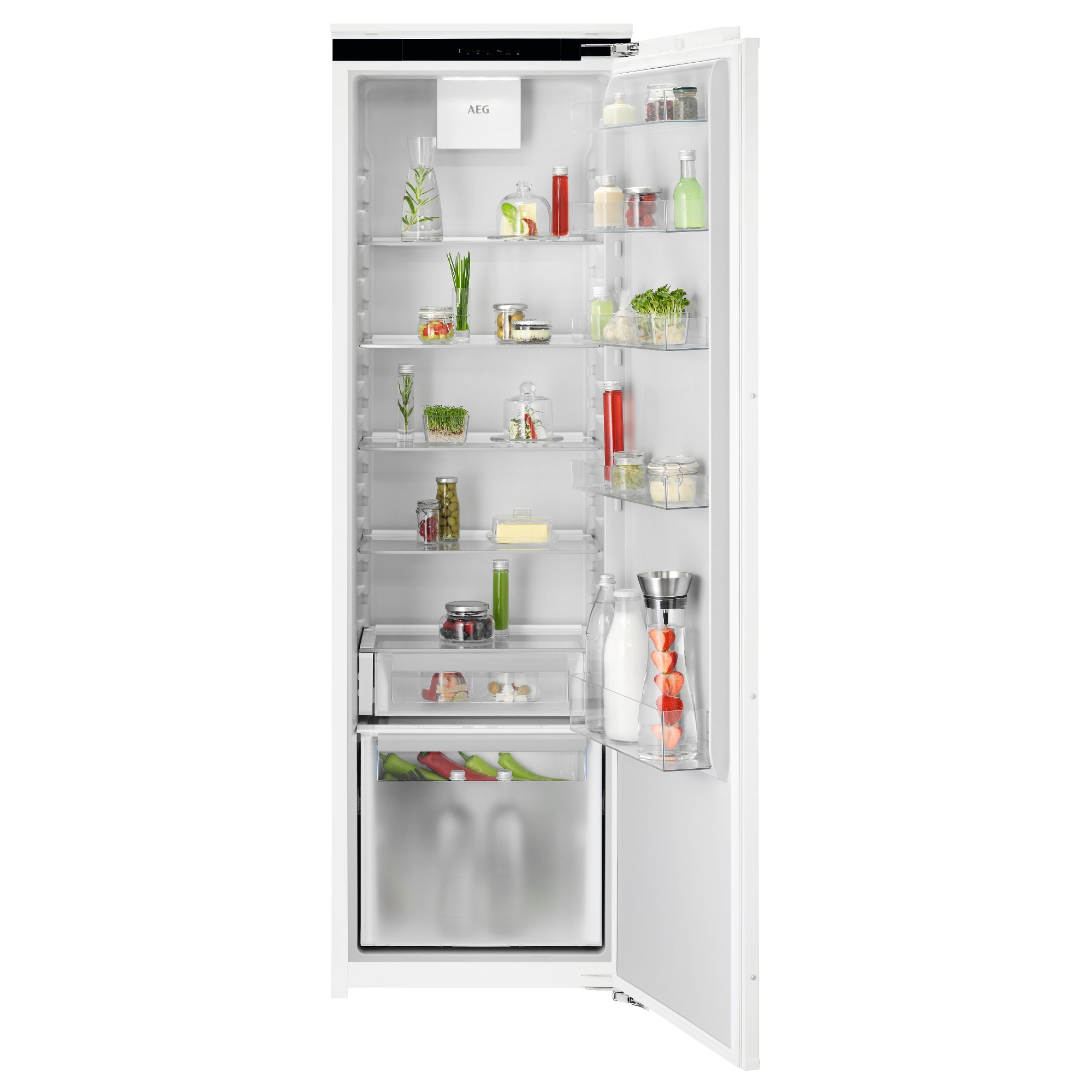
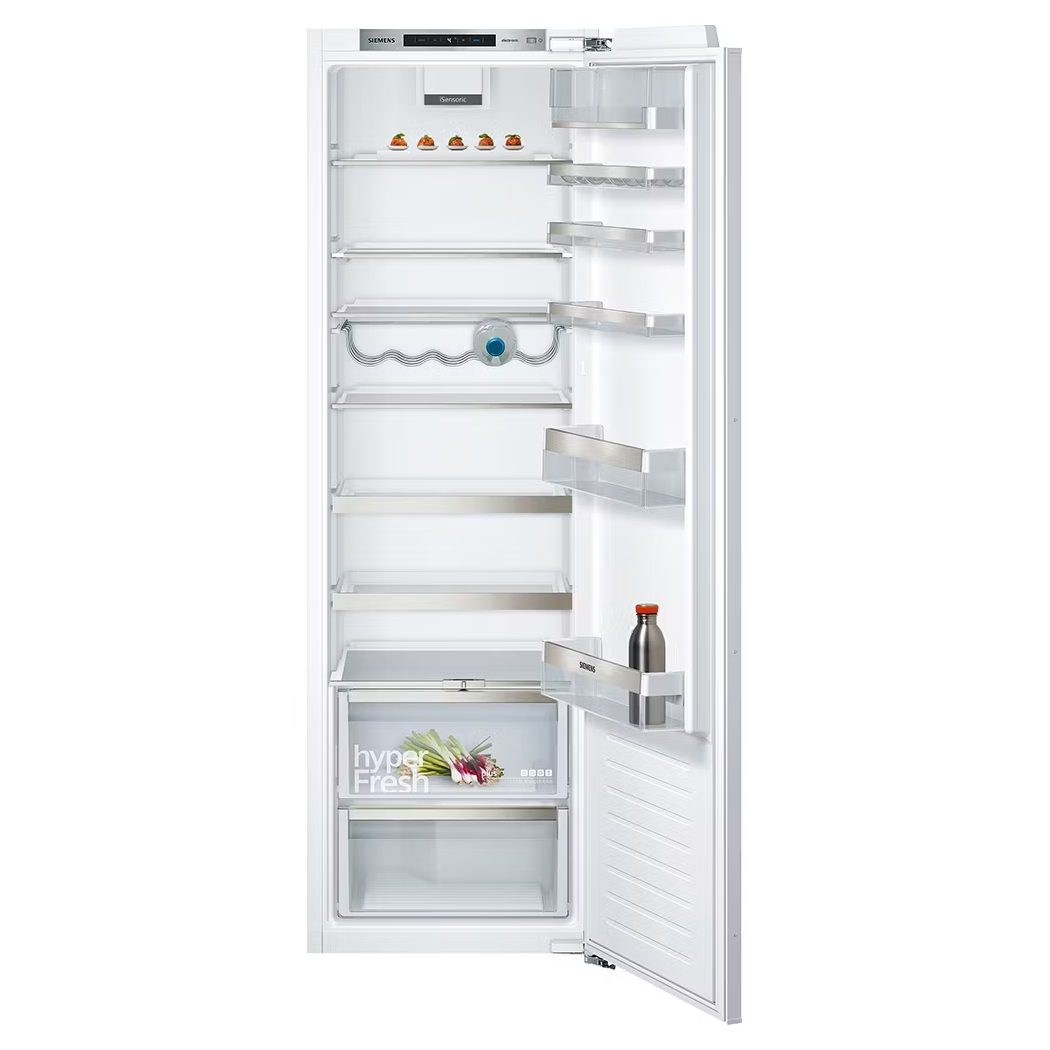
AEG 177cm Series 7000 Built-in Larder Fridge NSK7D181EC
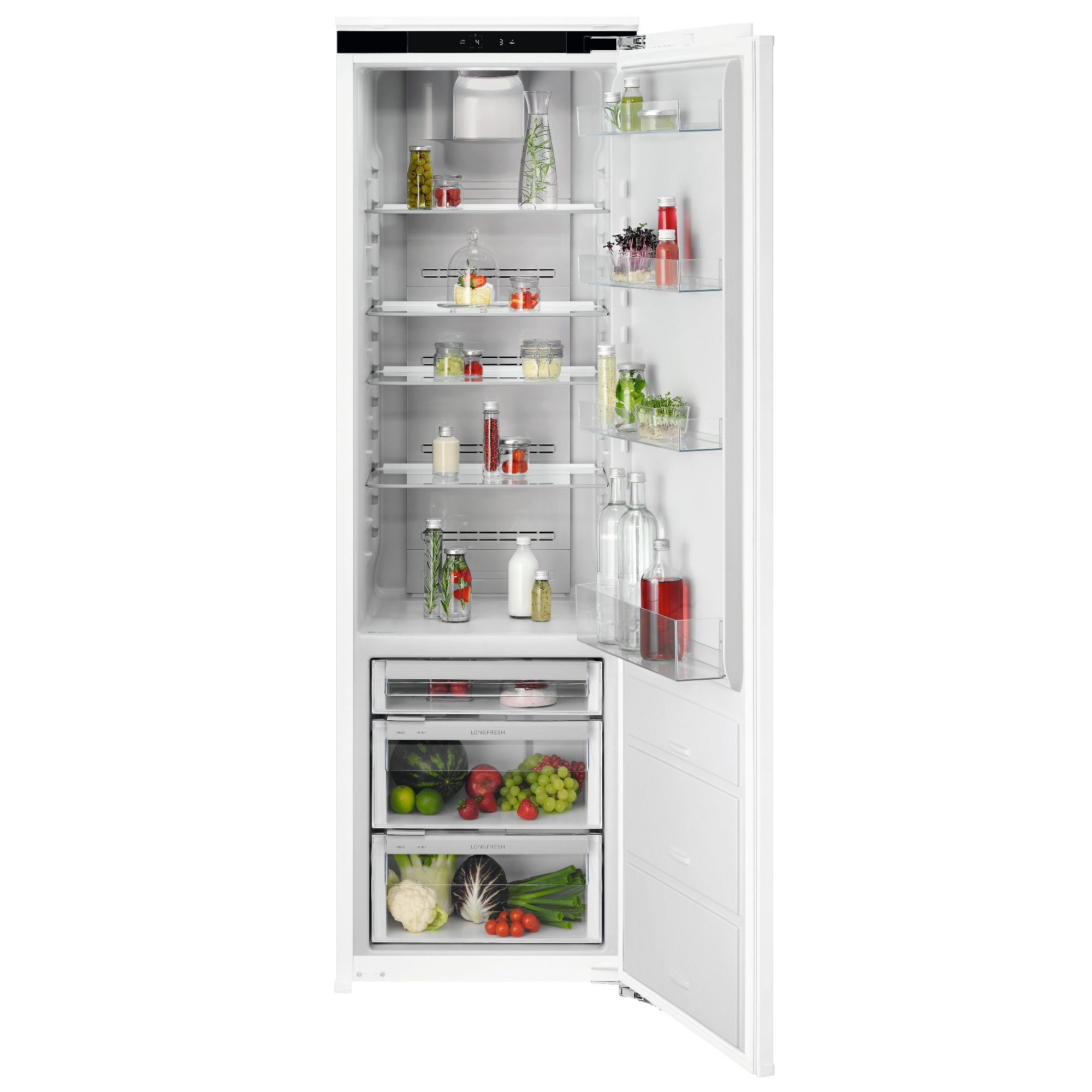
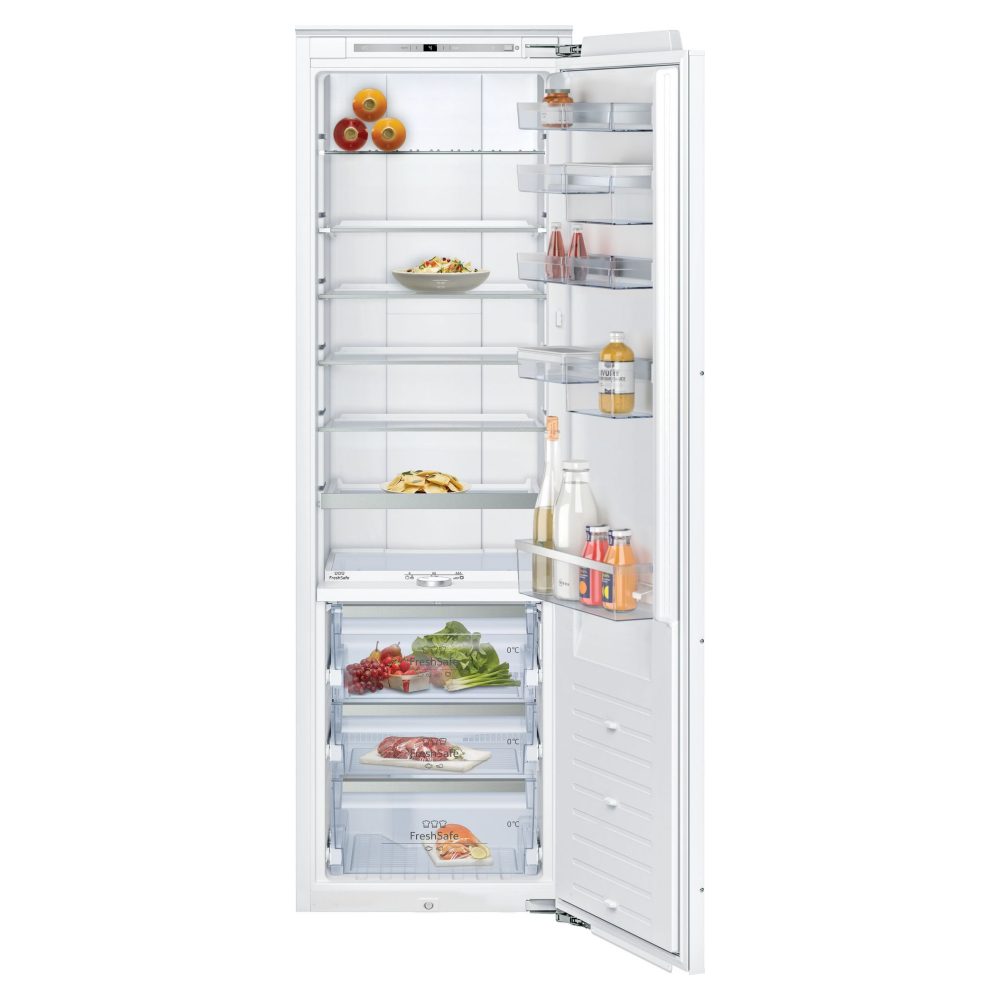
AEG 177cm Series 9000 LongFresh Integrated In Column Larder Fridge NK9CS181EC

AEG Series 3000 Integrated Built Under Fridge With Ice Box NSF3S822EF
AEG 177cm Series 7000 Built-in Larder Fridge NSK7D181EC
AEG 177cm Series 9000 LongFresh Integrated In Column Larder Fridge NK9CS181EC





Fridge Freezer Guides
Should You Choose a 50/50, 60/40 or 70/30 Fridge Freezer?
29th July 2026
by Beckie Littlewood
Integrated Fridge Freezer Installation: Getting the Perfect Fit
17th June 2026
by Beckie Littlewood
Fridge Freezer: Buying Guide
15th April 2024
Fridge Freezer Features Explained
12th April 2024

10 Signs You Need a New Fridge Freezer
21st March 2024
Fridge, Freezer or Fridge Freezer?
19th March 2024
The Best Fridge Freezer Brands
13th March 2024
Fridge Freezer FAQs
5th March 2024
FAQs: Integrated Fridge Freezer Installation
In most cases, no. The hinge system is designed as part of the appliance and is not intended to be swapped between fixed hinge and sliding hinge setups. Some models may offer conversion kits or alternative fittings, but this is brand specific and not universally supported. It’s important to check the manufacturer’s installation guide before purchase, because choosing the wrong hinge type is one of the most common causes of installation problems.
If your kitchen is already built, the hinge system must match the cabinet design rather than the other way around.
Not automatically. While most integrated fridge freezers are designed for standard 60cm housing units, the internal carcass dimensions matter far more than the nominal cabinet size. Variations in insulation, back panels, pipework, and alignment can all affect whether a unit fits correctly. Even in standard kitchens, small deviations can make installation difficult. This is why integrated fridge freezer installation always requires checking the exact internal measurements, not just the external kitchen specification.
Technically, yes. However we wouldn’t recommend it if you’re not a professional. Success is widely dependent on experience and the complexity of the kitchen layout. Installing an integrated fridge freezer involves more than sliding it into place. It requires correct alignment, secure door fitting, ventilation setup, and often electrical or plumbing considerations.
Many issues arise not from the appliance itself, but from small alignment or ventilation errors during installation. For this reason, most manufacturers recommend professional fitting, especially for tall units or fixed hinge systems.
This is one of the most common installation issues and usually comes down to one of four causes:
- The internal cabinet is slightly too small or not square
- Cables or plugs are blocking full insertion
- Pipework or rear components are reducing depth clearance
- The appliance has not been aligned correctly with the runners or housing
Integrated fridge freezer installation requires very tight tolerances, so even a few millimetres of obstruction can prevent a proper fit.
Although integrated units sit within cabinetry, they still require ventilation space. Most installations rely on airflow through a plinth vent at the bottom or a rear/top escape route within the housing unit. Exact spacing depends on the manufacturer, but restricting airflow can reduce efficiency and potentially shorten the lifespan of the appliance.
This is one of the most important but often overlooked parts of installing an integrated fridge freezer.
Yes, most integrated fridge freezer doors can be adjusted after installation, but only within a limited range. Hinges typically allow for small adjustments in:
- Height alignment
- Side to side positioning
- Depth alignment with surrounding cabinets
However, if the initial installation is significantly misaligned, adjustments alone may not fully correct the issue. That’s why accurate fitting during installation is critical.
Blocked ventilation can cause the appliance to work harder than intended, which may lead to:
- Higher energy usage
- Reduced cooling efficiency
- Excess strain on the compressor
In the long term, this can shorten the lifespan of the appliance. Ventilation is often hidden once installation is complete, which is why it’s such an important part of planning integrated fridge freezer installation correctly.
Yes, in many cases you can replace an integrated fridge freezer without replacing the entire kitchen, as long as the new appliance matches the same installation type (fixed or sliding hinge) and the dimensions are compatible with the existing housing unit.
However, even small design differences between models can affect compatibility, so checking installation specs carefully is essential before replacing like for like.
Door misalignment is usually caused by uneven kitchen units or flooring, incorrect hinge setup during installation, cabinet doors not adjusted correctly after fitting or the appliance not fully seated within the housing
Because integrated fridge freezer installation relies on precise alignment, even minor structural inconsistencies in the kitchen can become visible in the final finish.