

May 26, 2026
Choosing the Right Hob for Your Cooking Style
The hob is one of the most used appliances in any kitchen, so choosing the right one can have a bigger impact than you might think. It’s where quick weekday dinners come together, where weekend breakfasts start, and where special meals are created when you have the time to slow down and enjoy cooking. Whether you love experimenting with new recipes or simply want something reliable and easy to use every day, the right hob can completely change how your kitchen feels to cook in. With so many options now available, the choice is no longer just about gas versus electric. Modern hob design has evolved to offer far more flexibility, from the classic responsiveness of gas on glass, to the sleek efficiency of air venting induction, to the versatility of dual fuel models that combine multiple cooking methods in one appliance.
12 min read
Which Hob Might Suit Your Kitchen?
If you love the ritual of cooking and enjoy adjusting heat by instinct, gas on glass may feel instantly familiar. If you want a sleek kitchen, faster cooking, and effortless maintenance, air venting induction could transform your everyday routine. And if you’d rather keep your options open, dual fuel gives you the freedom to cook your way, whatever’s on the menu. Whichever you choose, the right hob should make cooking feel easier and more enjoyable.
| Hob Type | Best For | Key Benefits |
|---|---|---|
| Gas On Glass Hobs | Hands on cooks who love traditional flame cooking | Instant heat response, intuitive control, ideal for stir frying and simmering |
| Air Venting Induction Hobs | Modern households focused on speed and clean design | Fast, energy efficient, built in extraction and sleek appearance |
| Dual Fuel Hobs | Flexible cooks who want multiple cooking options | Combines gas and induction benefits in one hob |
Gas on Glass Hobs
For many people, cooking with gas still feels instinctive. There’s something reassuring about seeing a live flame beneath the pan and being able to adjust the heat instantly. If you lower the flame, your food responds immediately. If you need to turn up the heat for a quick sear or rapid boil, the change happens in seconds. It’s this responsiveness that has made gas such a favourite for generations of home cooks.
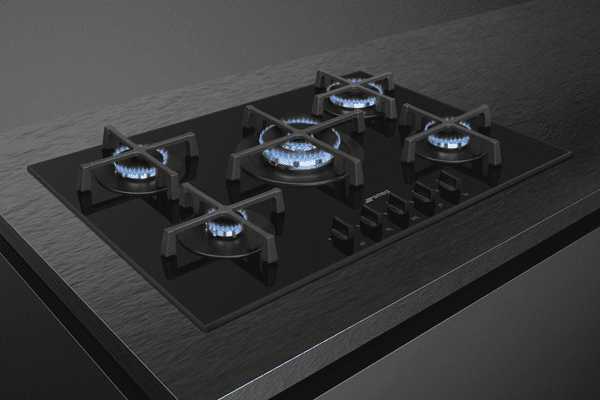
Gas on glass hobs take that familiar cooking experience and give it a more refined, modern finish. Instead of traditional stainless steel, the burners sit on a sleek tempered glass surface, creating a hob that feels both practical and beautifully designed.
Brands like Smeg and AEG have embraced this balance of style and performance, offering elegant glass surfaces that are easy to clean and designed to hold their finish over time. Premium models from Miele also include features like flame failure protection, which automatically cuts the gas supply if the flame goes out, adding extra peace of mind.
Gas on glass is especially rewarding if cooking feels like an active process for you. If you love tossing vegetables in a hot wok, adjusting a simmering sauce by instinct, or charring flatbreads directly over an open flame, gas offers a level of connection that many cooks still prefer. It encourages spontaneity and hands on control, making it ideal for anyone who enjoys being fully involved in the cooking process.
Air Venting Induction Hobs
If gas feels traditional, air venting induction feels unmistakably modern.
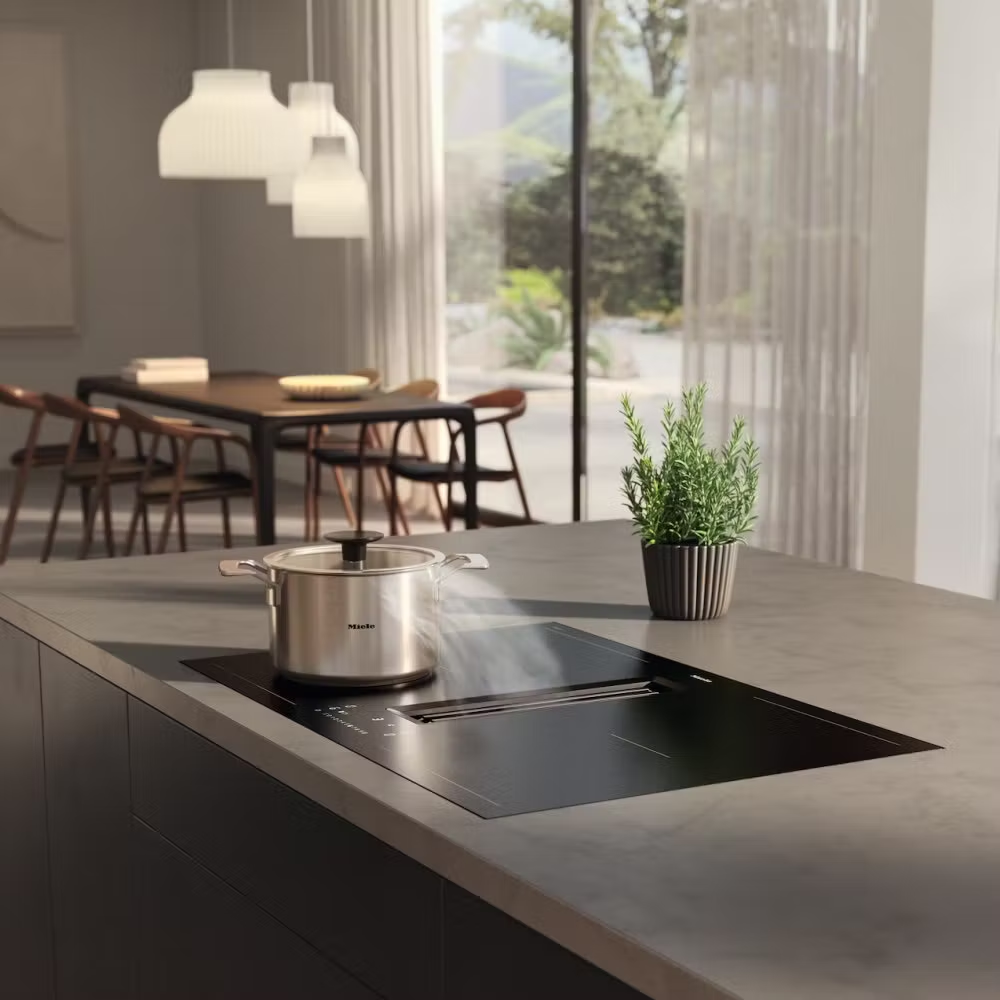
These innovative hobs combine induction cooking with built in extraction, removing steam and cooking odours directly from the hob surface itself. The result is a cleaner, more open kitchen design, particularly appealing in island layouts and open plan spaces where a large overhead extractor can interrupt the flow of the room. For many homeowners, this is as much a design choice as it is a practical one.
But the cooking experience is equally impressive. Induction technology heats the pan directly rather than the hob surface, which means faster cooking, greater energy efficiency, and more precise control. Water boils in minutes, pans heat evenly, and the surface stays cooler to the touch, making it a popular option for busy households and family kitchens.
One of the biggest advantages is how effortless it feels to use. Sliding touch controls allow you to adjust heat with a simple movement of your finger, making it easy to increase or reduce power without interrupting the flow of cooking.
Brands such as Miele and AEG have introduced premium glass finishes designed to minimise visible scratches and fingerprints, while ASKO focuses on flexibility, with bridge zones that allow you to combine cooking areas for larger pans and griddles.
They’re ideal if you value speed and precision, whether you’re boiling pasta on a busy weekday, gently melting chocolate for dessert, or preparing multiple dishes at once without filling the room with steam.
For households where clean design, efficiency, and convenience all matter equally, induction often feels like the natural fit.
Dual Fuel Hobs
Sometimes, choosing between gas and induction feels impossible, because both have their advantages. That’s exactly where dual fuel hobs come in.
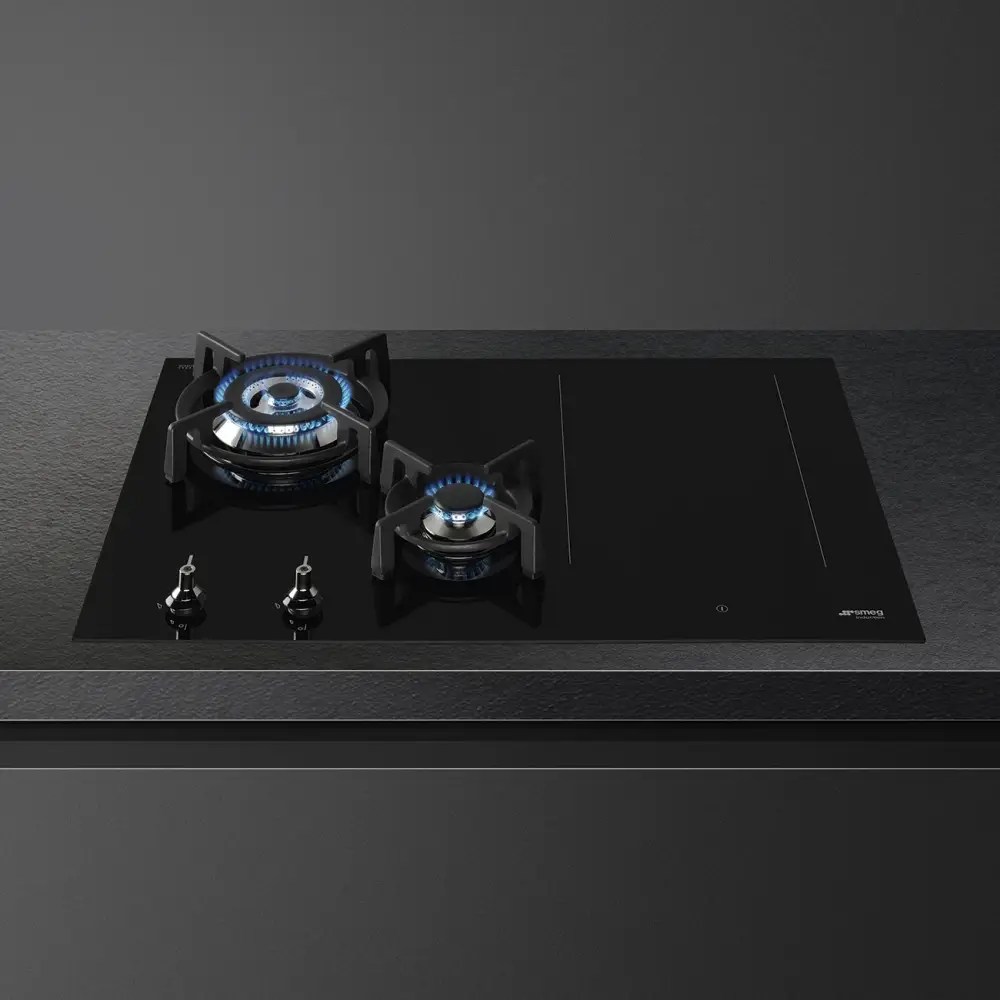
Designed to combine different heat sources in a single appliance, dual fuel models typically pair traditional gas burners with induction or electric zones, giving you the flexibility to cook different dishes in different ways. It’s a practical option that appeals to confident home cooks who like having choices.
You might use the gas burner to sear a steak or stir fry vegetables over direct flame, while using an induction zone for something more delicate, like a sauce or custard where precise, stable heat matters more. Rather than forcing you into one cooking style, dual fuel adapts to the way you cook in the moment.
Brands such as Smeg and AEG have focused on making these mixed technology hobs feel cohesive and beautifully integrated, ensuring they function as one seamless cooking space rather than two separate systems.
Dual fuel hobs are particularly useful in busy kitchens where multiple dishes are often cooking at once, or for anyone still deciding which cooking method they truly prefer. They offer flexibility without compromise, making them a reassuring choice for households that want the best of both worlds.
Our Recommended Brands By Hob Type
While the right hob style depends on how you cook, choosing a trusted brand can make all the difference when it comes to performance, durability, and everyday ease of use.
Different manufacturers often specialise in different strengths, from premium design and innovative technology to flexibility and value. Getting familiar with what each brand does best can make the decision feel much simpler.
| Brand | Best For | Standout Features | Ideal Hob Type |
|---|---|---|---|
| Miele | Premium performance and precision cooking | Scratch resistant glass, advanced safety systems, and highly accurate induction control | Gas on glass, air venting induction |
| AEG | Modern design and everyday versatility | Sleek finishes, responsive controls, strong induction innovation, and great all round performance | Gas on glass, air venting induction, dual fuel |
| Smeg | Style led kitchens with a classic feel | Bold design, reliable gas performance, distinctive retro and modern hob ranges | Gas on glass, dual fuel |
| ASKO | Flexible premium induction cooking | Bridge zones, minimalist Scandinavian design and strong build quality | Air venting induction |
| Elica | Integrated extraction hob technology | Specialist air venting systems, seamless hob-and-hood design, and strong airflow performance | Air venting induction |
| NEFF | Enthusiast home cooks who want control and creativity |
Flexible induction zones, TwistPad® controls, FlameSelect® precision gas control |
Gas on glass, air venting induction, dual fuel |
| Samsung | Smart, connected modern kitchens |
Smart connectivity, sleek touch controls, fast and efficient induction cooking |
Induction, air venting induction |
| Beko | Affordable, reliable everyday cooking |
Straightforward controls, dependable performance, and strong value for money |
Gas on glass, induction, dual fuel |
| Franke | Design-led kitchens with integrated solutions |
Clean minimalist styling, reliable performance, and strong focus on built in kitchen harmony |
Gas on glass, induction, air venting induction |
Keep Reading: Our Hob Guides
Finding the Perfect Hob and Oven Combination
11th August 2026
by Beckie Littlewood
Choosing the Right Hob for Your Cooking Style
26th May 2026
by Beckie Littlewood
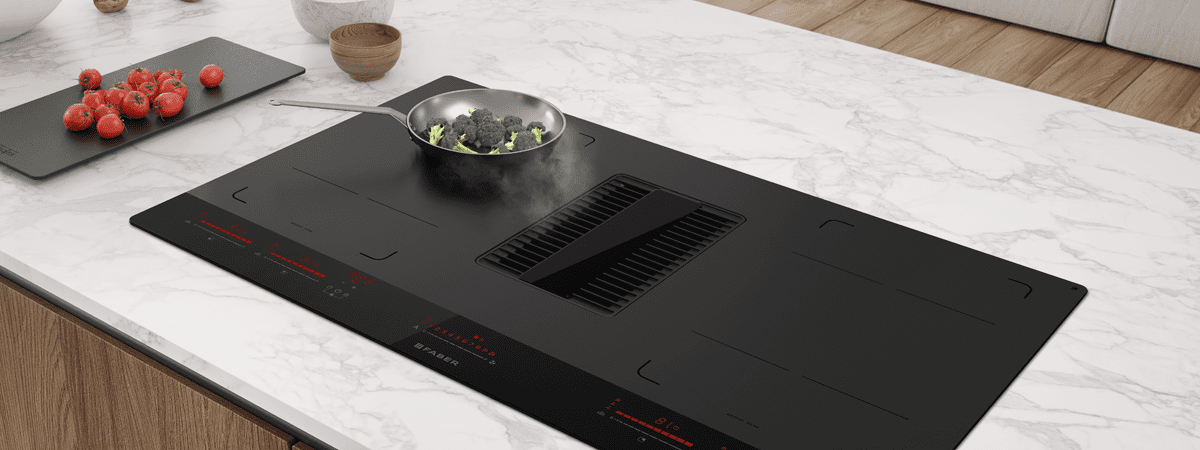
Air Venting Hob Guide
12th February 2025
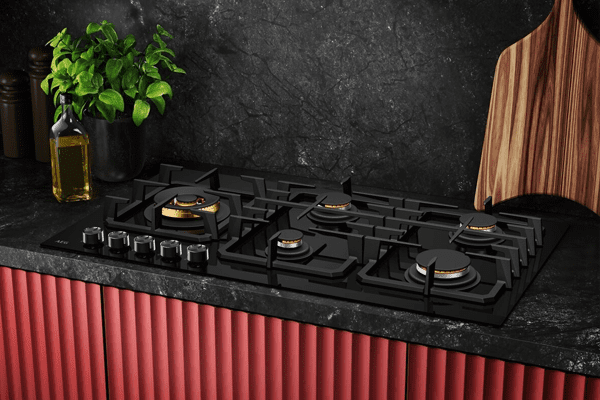
Gas Hob Buying Guide
11th February 2025
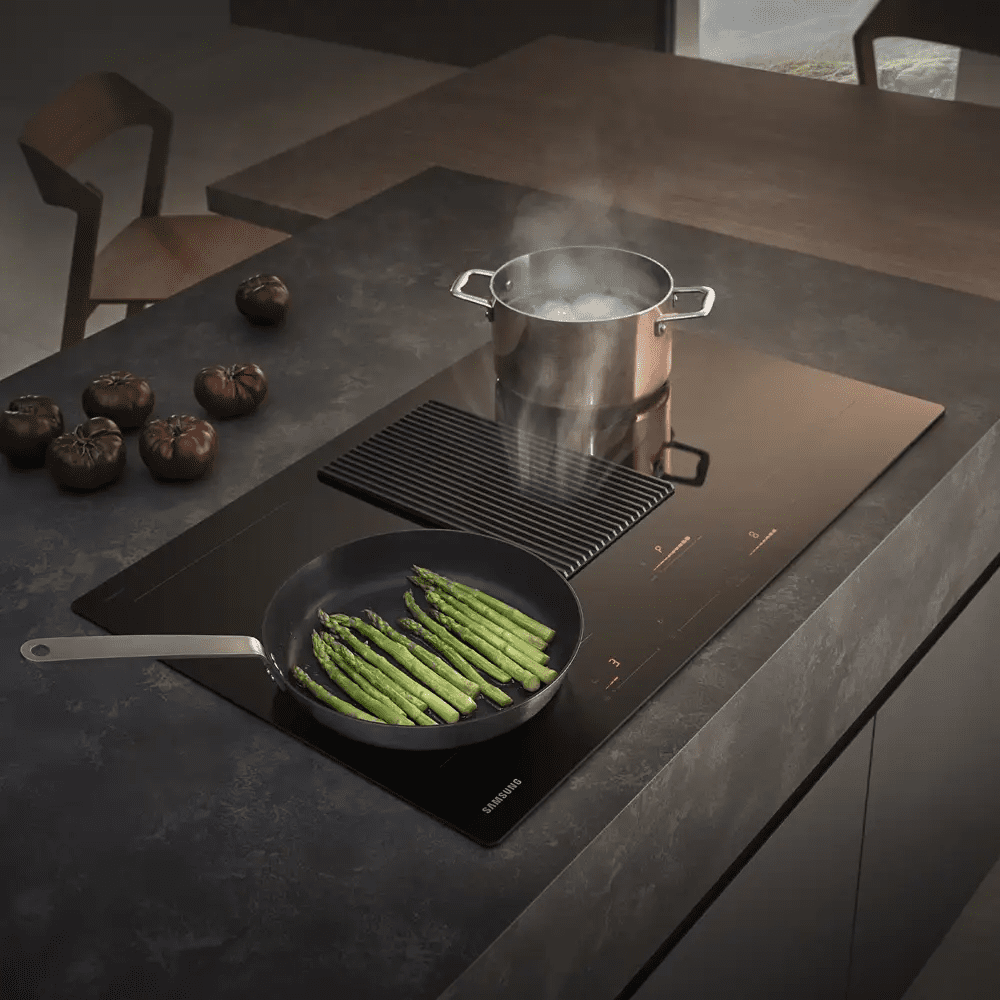
Hob Buying Guide
21st January 2025

The Ultimate Guide on How to Clean a Hob
14th March 2024
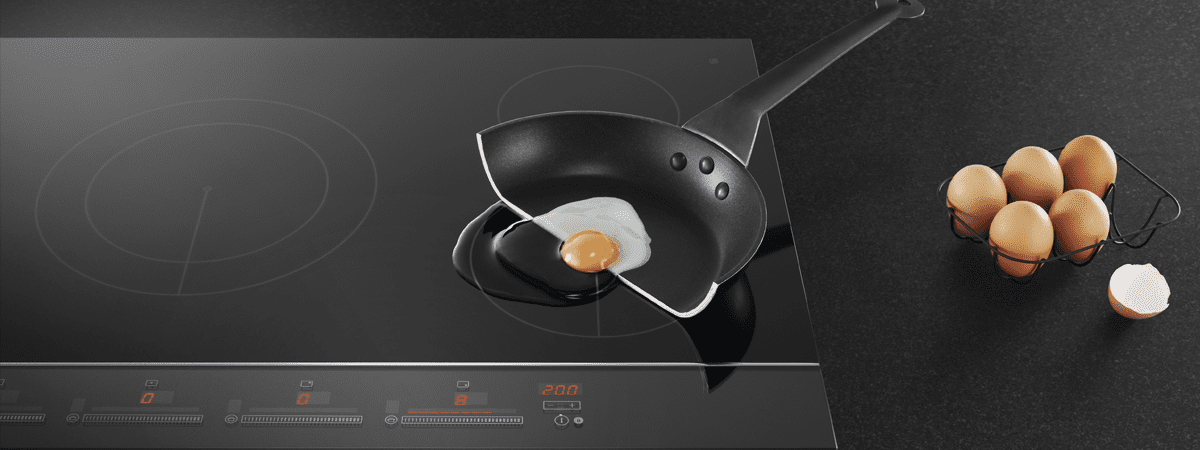
Induction Hob Buying Guide
14th October 2018

Ceramic Hob Buying Guide
14th October 2018
Kitchen Hob FAQ's
21st December 2017
Choosing The Right Hob Type FAQs
Air venting induction hobs are usually easier to maintain. Their flat glass surface can simply be wiped clean, and because the surface doesn’t get as hot as gas or traditional electric hobs, spills are less likely to burn on. Gas on glass hobs are also easier to clean than traditional gas models, though they do require occasional cleaning around burners and pan supports.
Neither is necessarily better, it depends on how you like to cook. Gas hobs offer instant visual flame control and are often preferred by cooks who enjoy a more hands on experience.
Induction hobs provide faster heating, excellent energy efficiency, and precise temperature control, making them ideal for modern kitchens and busy households. The best option is the one that fits your cooking habits and kitchen style.
Yes, induction hobs require cookware with a magnetic base. Most modern stainless steel and cast-iron pans are compatible, but aluminium, copper, or glass cookware may not work unless specifically labelled for induction use.
A simple magnet test can help: if a magnet sticks firmly to the base of the pan, it should work on induction.
For most people, absolutely. By combining cooking and extraction in one appliance, air venting induction hobs create a cleaner, more open kitchen layout and eliminate the need for a separate overhead extractor hood.
They can be particularly valuable in open plan kitchens or island installations where maintaining clear sightlines is important.
Dual fuel hobs offer flexibility. They allow you to use gas for high heat cooking, such as stir frying or searing, while using induction or electric zones for precision tasks, like simmering sauces or melting chocolate. They’re ideal for cooks who want the freedom to use different techniques depending on the dish.
Yes, gas on glass hobs use toughened, heat resistant glass designed for everyday kitchen use. Some models also feature scratch resistant finishes to help preserve their appearance over time. As with any glass appliance, using suitable pots and pans, and regular cleaning will help keep the surface looking its best.
Induction hobs are often considered the safest choice for family homes. Because the surface remains cooler and there are no open flames, the risk of accidental burns is reduced. Most models also include child locks, automatic shut off functions, and pan detection features for added peace of mind.