


April 13, 2026
Tumble Dryer vs Drying Cabinet
Laundry is one of those everyday tasks that never really goes away, but how you dry your clothes can make a surprisingly big difference to your routine, your energy use, and even how long your clothes last. For most homes, drying naturally falls into one of two modern solutions: the familiar tumble dryer, or the more specialist drying cabinet. Both will get your clothes dry. But the experience of using them, and the results you get, can feel very different. So the real question isn’t just which dries clothes, but which fits the way you live?
4 min read
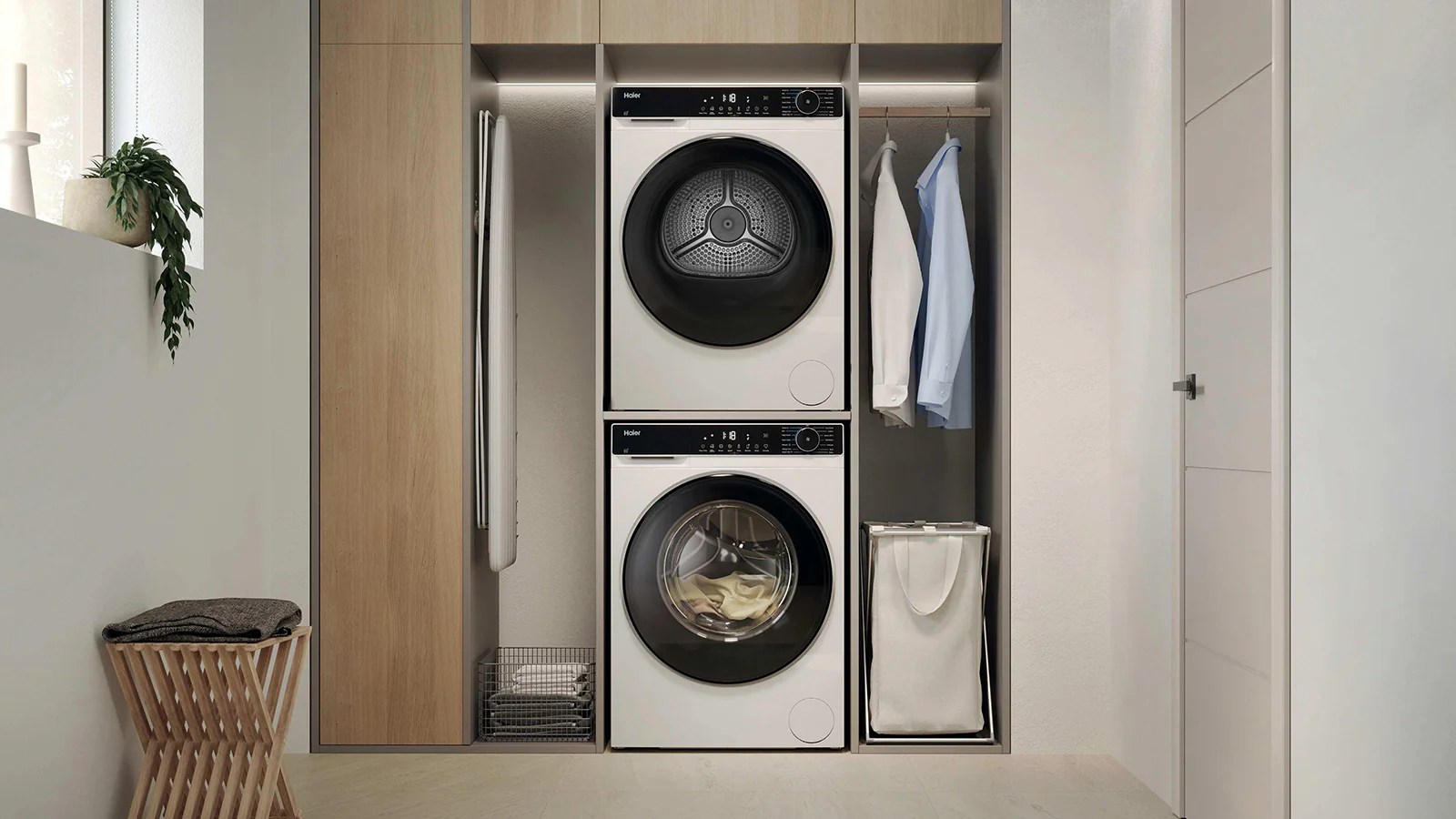
What Is a Tumble Dryer?
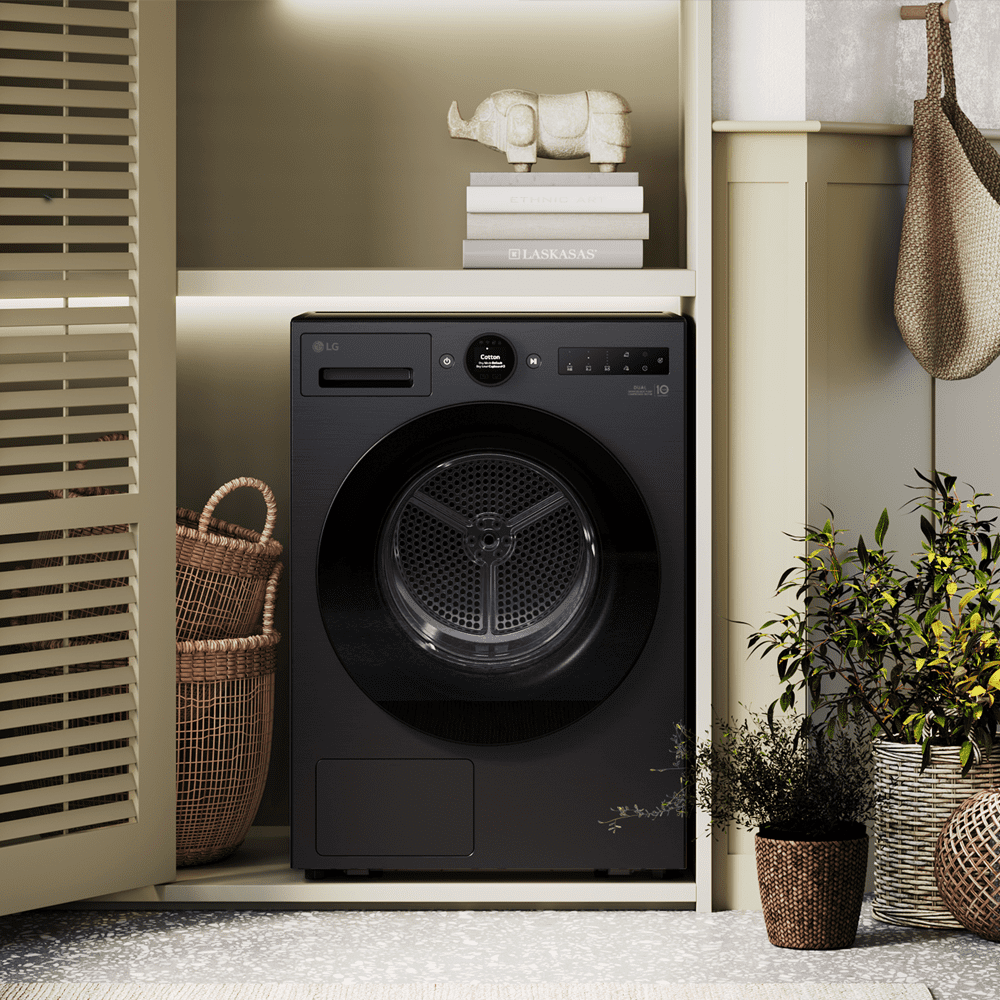
For most households, the tumble dryer is the go to solution for getting laundry done quickly.
It works by gently rotating clothes in a drum while warm air circulates to remove moisture. Depending on the model, water is either vented outside or collected internally, but the outcome is the same, clean, dry clothes in a relatively short space of time.
What makes tumble dryers so popular is simple: speed and convenience.
If you’ve got a busy household, school uniforms to get ready for the next day, or just a constant flow of washing, a tumble dryer fits naturally into that routine. You load it, set a cycle, and come back to dry clothes ready to fold.
Modern models also take a lot of the guesswork out of drying. Sensor technology can detect moisture levels and automatically stop the cycle when clothes are ready, helping to reduce unnecessary energy use and prevent over drying.
What Is a Drying Cabinet?
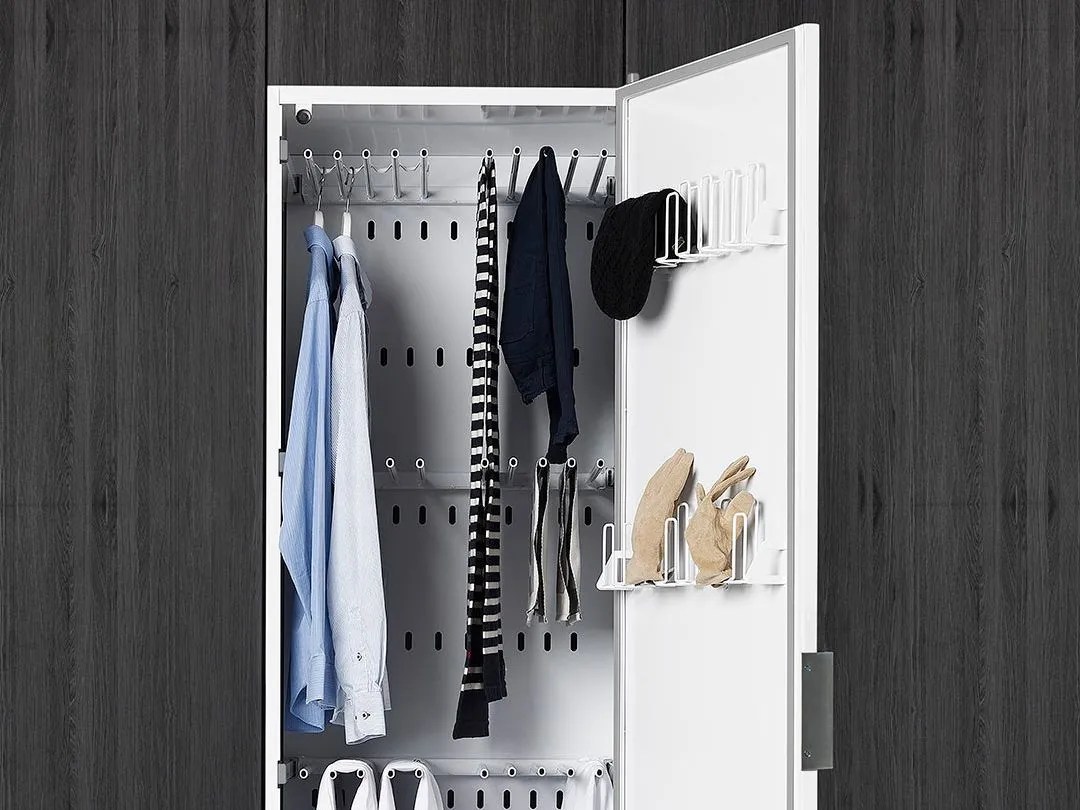
A drying cabinet works in a completely different way, and that difference is exactly why some households love them.
Instead of tumbling clothes in a drum, garments are hung inside a tall cabinet where warm air circulates gently around them. Clothes dry in a more natural position, without being stretched, twisted, or rubbed. This makes drying cabinets especially useful for items that need a little extra care.
Think wool jumpers that lose shape in a tumble dryer, delicate fabrics that need gentle handling, or bulky outdoor gear that never seems to dry evenly on a washing line.
A drying cabinet gives you a controlled environment where clothes can dry slowly and safely, without risk of damage. They’re also surprisingly practical in homes where air drying isn’t ideal, whether that’s due to limited space, damp weather, or simply wanting a more organised laundry setup.
The Key Differences
| Tumble Dryers | Drying Cabinets | |
|---|---|---|
| How it feels to use | Quick, hands off, and familiar | Gentle, slower and more specialised |
| Best for | Everyday clothing and large loads | Delicates, wool, and bulky items |
| Drying style | Clothes tumble in warm air | Clothes hang and dry with airflow |
| Speed | Fast drying | Slower drying |
| Fabric care | Good for most fabrics | Excellent for delicate items |
| Noise level | Moderate | Very quiet |
| Best space | Utility rooms, kitchens and laundry areas | Laundry area or utility rooms |
Who Should Choose a Tumble Dryer?
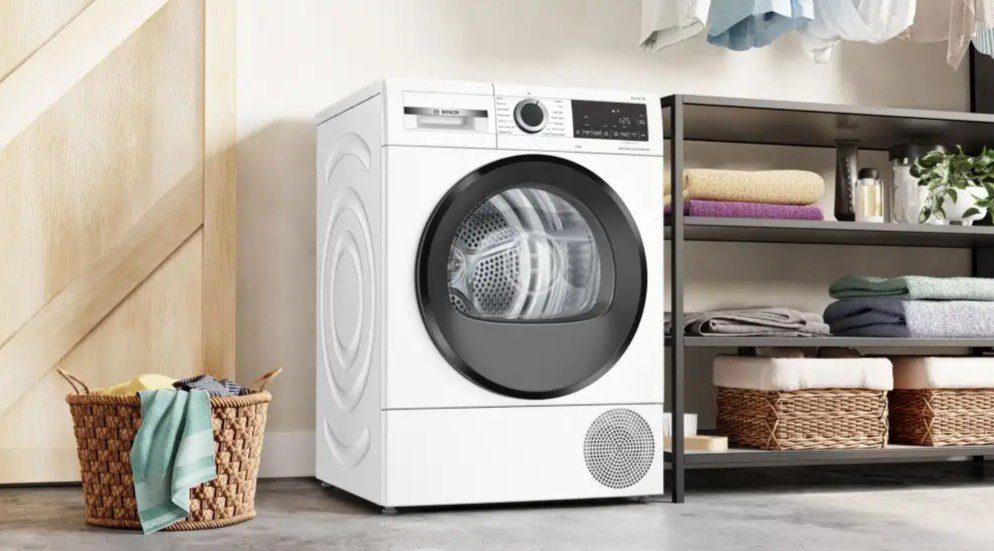
A tumble dryer is all about making laundry fit into your life, not the other way around.
It’s the appliance you rely on when the washing pile keeps growing and you need things done quickly. Towels, bedding, everyday clothes—they all go in, get dried, and come out ready to use. It’s especially useful in family homes where laundry never really stops. Instead of waiting for clothes to air dry, you can turn a full wash cycle into a same day solution.
Modern tumble dryers also offer features that make everyday use easier, such as:
- Sensor drying for more efficient cycles
- Anti crease programmes to reduce ironing
- Quick dry settings for smaller loads
- Steam refresh functions to freshen clothes
It’s a straightforward solution that keeps laundry moving.
Why Choose a Drying Cabinet?
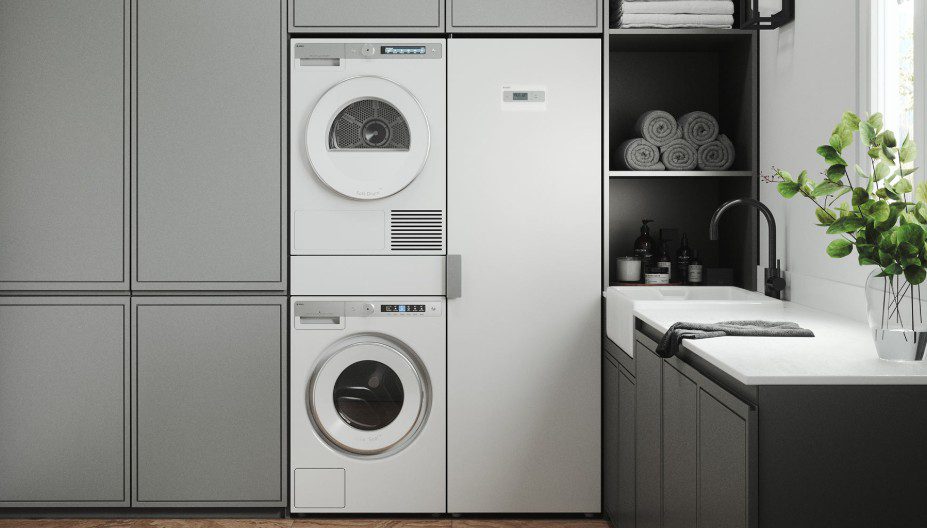
A drying cabinet is less about speed, and more about care.
It’s the kind of appliance that quietly improves how you look after your clothes over time. Instead of exposing garments to heat and movement, it gives them a controlled, gentle environment where they can dry naturally. That makes a real difference for items you want to keep in better condition for longer.
Wool jumpers hold their shape. Outdoor jackets dry properly without damage to insulation. Delicate fabrics avoid shrinking or stretching. Even awkward items like shoes or gloves can be dried more effectively.
It’s also one of the most practical solutions for homes where traditional drying space is limited. No airers taking over the living room. No damp laundry hanging around for hours. Just a dedicated, contained drying space.
Can you have both?
For many households, the answer is yes, and it often turns out to be the best solution. Rather than choosing one or the other, many people use both appliances for different parts of their laundry routine.
- Tumble dryer for everyday clothes, bedding, and towels
- Drying cabinet for delicates, wool, and specialist items
This combination gives you speed when you need it, and care when it matters. It also helps reduce wear and tear on clothing over time, which can make a noticeable difference to how long your favourite pieces last.
FAQs: Tumble Dryer vs Drying Cabinet
When choosing between a tumble dryer and a drying cabinet, most of the uncertainty comes down to how they fit into everyday life rather than how they work technically. Below are some of the most common questions homeowners ask when deciding which direction to go in.
Running costs depend less on the appliance itself and more on how it’s used.
A tumble dryer is generally more cost effective for larger, regular loads such as towels, bedding, and everyday clothing. It gets the job done quickly, which helps keep energy use concentrated into shorter cycles.
A drying cabinet, on the other hand, tends to use energy more gradually over longer periods. This can make it a more efficient choice when you’re drying smaller or more delicate items, where a full tumble cycle would feel excessive.
In practice, many households find the most efficient approach comes from using each appliance for what it does best.
One of the most convenient aspects of a drying cabinet is its simplicity. Most models are designed to be completely self contained. They don’t require plumbing, drainage, or external ventilation, just a standard electrical connection and enough space for airflow.
This makes them particularly easy to position in utility rooms or dedicated laundry spaces, especially where installing external venting for a tumble dryer might not be practical.
Tumble dryers have come a long way in terms of fabric care, but heat and movement will always play a role in how garments age over time.
For everyday fabrics like cotton and synthetics, modern machines are generally very safe, especially when using sensor controlled or low temperature cycles. However, more delicate items such as wool, silk, or embellished garments can still be affected by repeated tumbling or higher heat settings.
This is where drying cabinets offer a clear advantage, providing a gentler environment that avoids mechanical movement altogether.
For delicate or specialty items, yes. For heavy everyday laundry, a tumble dryer is faster. Why not buy both?
Not at all. While drying cabinets are often associated with delicate care, their use goes far beyond that. They’re particularly effective for items that don’t respond well to traditional drum drying, such as outdoor jackets, ski wear, sports kits, and bulky garments that need consistent airflow.
They’re also useful for items that simply take too long to air dry indoors, offering a controlled alternative that helps avoid dampness or cluttered drying racks.
Space is often a deciding factor between the two.
A tumble dryer typically requires a standard floor footprint and is often placed alongside or stacked with a washing machine. This makes it a familiar choice for most utility setups.
A drying cabinet, by contrast, takes up vertical space rather than floor area. Its tall, wardrobe style design can actually work well in narrower rooms or areas where floor space is limited, as long as there is enough height and ventilation clearance.
For smaller households, the decision usually comes down to lifestyle rather than volume of laundry. If most of your washing consists of everyday clothing and you prioritise speed and convenience, a tumble dryer is often the more practical choice.
However, if you regularly wash delicate items, outdoor clothing, or prefer a gentler approach to fabric care, a drying cabinet can still be a worthwhile addition, even without a large household laundry load.
Drying cabinets tend to naturally produce fewer creases, as garments hang freely during the drying process rather than being rotated and folded within a drum.
That said, modern tumble dryers have significantly improved in this area, with many offering anti crease cycles or steam functions designed to reduce ironing time. The difference often comes down to fabric type and how immediately clothes are removed after drying.