May 06, 2026
Appliances In A Kitchen Renovation: A Guide for Every Space
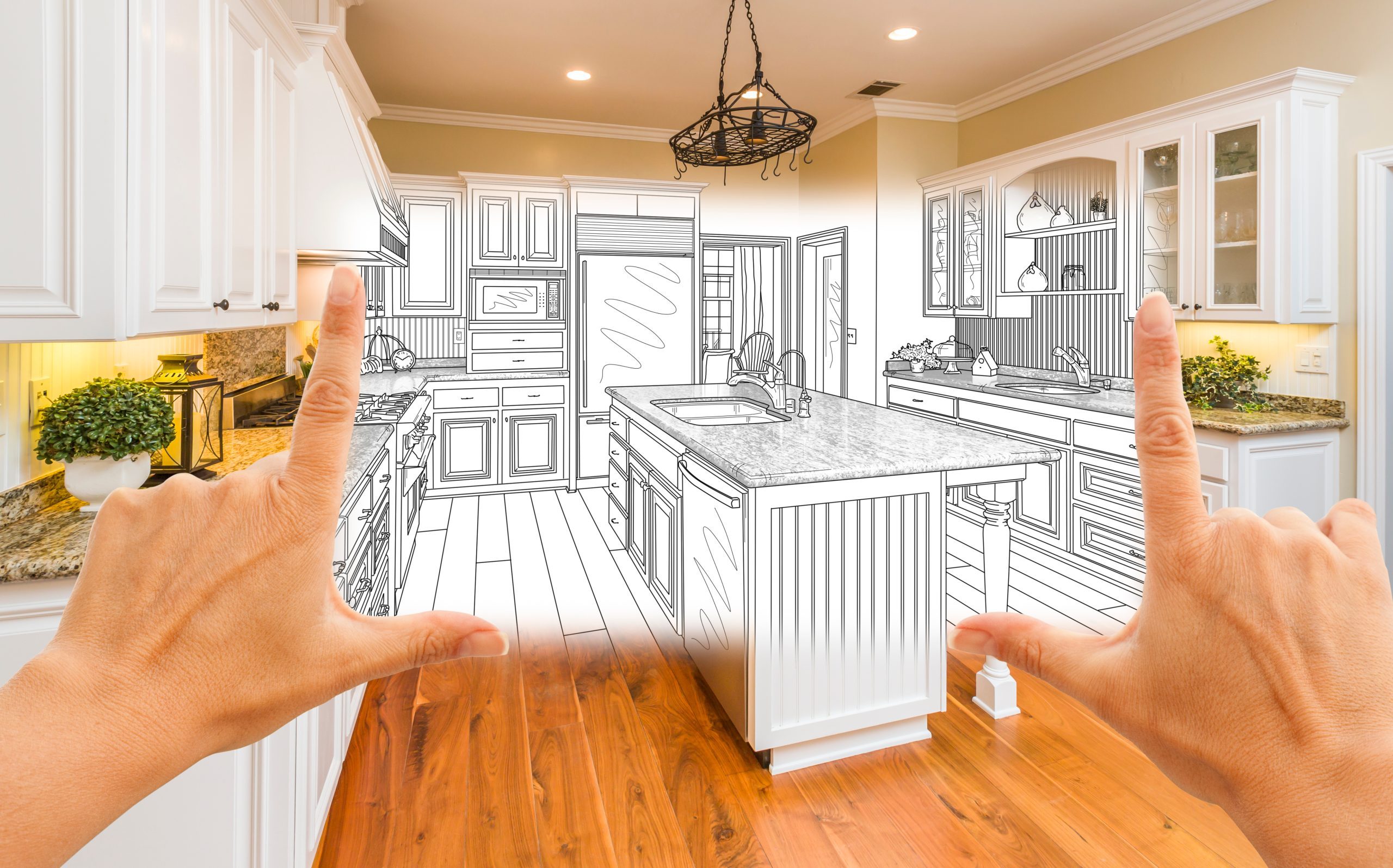
Planning a kitchen renovation is exciting, but when it comes to choosing appliances, it can quickly start to feel overwhelming. It’s easy to focus first on cabinet colours, worktops, and layout ideas, but the appliances you choose will shape how your kitchen actually works every single day. They influence your layout, your storage, your electrics, and even how your kitchen feels to live in. Get those decisions right early on, and everything else tends to fall into place much more easily.
16 min read
Start with how you really use your kitchen
Before you start comparing styles or browsing appliance brands, it’s worth pausing for a moment and thinking about your day to day routine. Ask yourself:
- Do you cook most evenings, or only occasionally?
- Do you like everything tucked neatly away, or within easy reach?
- Are you someone who shops in bulk, or picks things up as you need them?
- Do you want your kitchen to feel quiet and calm, or won’t the background hum of appliances bother you?
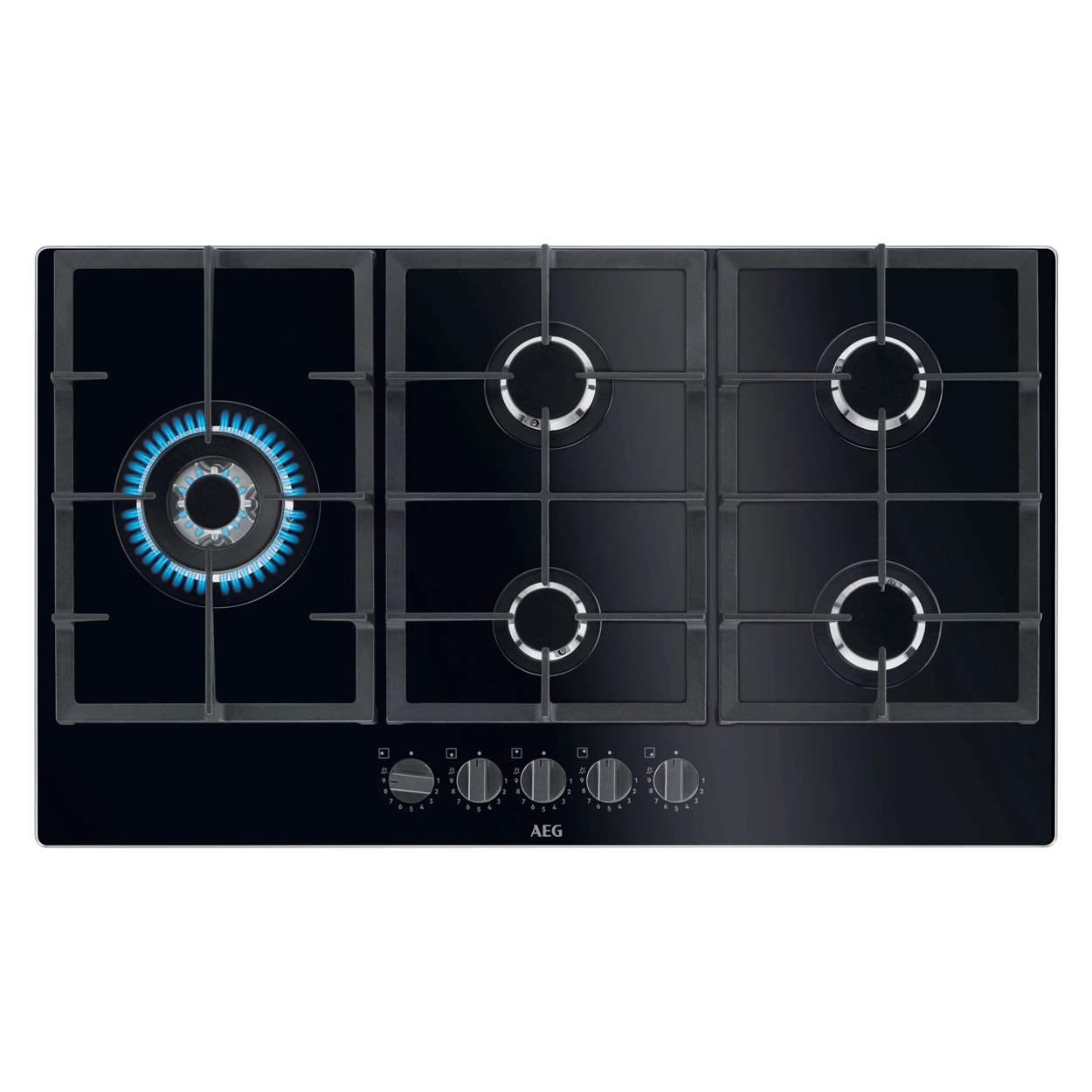
These questions matter more than you might expect. Someone who loves cooking might prioritise a larger oven or even a statement range cooker from brands like Rangemaster or Bertazzoni. Someone who prefers quick, simple meals may lean towards compact, built in appliances that keep everything streamlined.
There’s no single “right” setup, only what works best for your lifestyle.
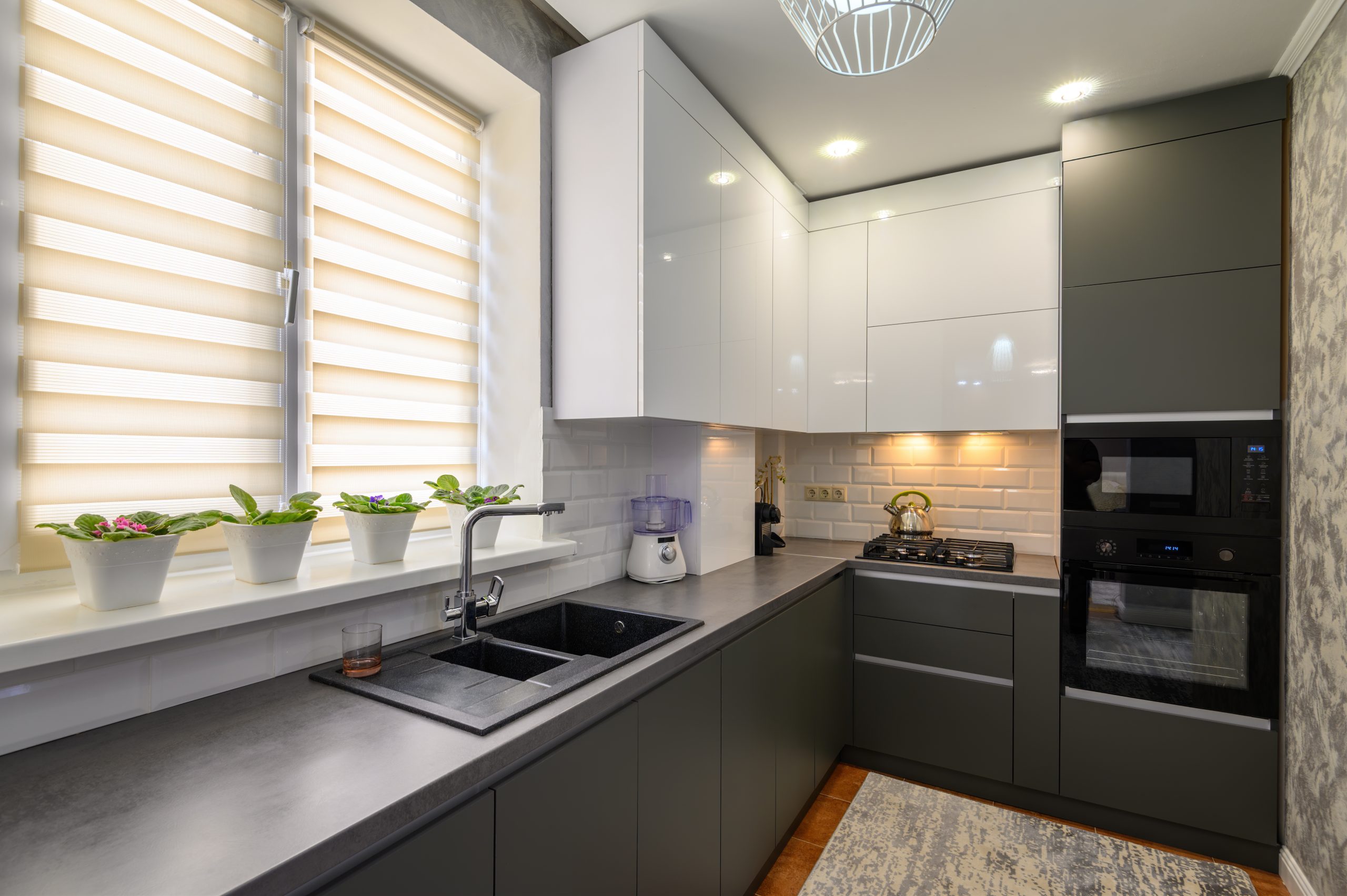
Appliances For Small Kitchens
In a smaller kitchen, every decision matters. The goal is usually to make the space feel as open, organised, and uncluttered as possible.
This is where integrated appliances can make a real difference. Because they sit behind cupboard doors, they create a seamless look that helps the room feel calmer and less visually busy. Instead of lots of different surfaces and finishes competing for attention, everything blends together.
Integrated fridges from brands like Liebherr or NEFF are particularly popular in compact kitchens for exactly this reason, they quietly do their job without drawing attention to themselves.
That said, there’s always a balance to strike. Integrated appliances can sometimes offer slightly less internal space, so it’s worth being honest about how much storage you actually need. For example, an integrated fridge can offer noticeably less storage than a comparable freestanding model, sometimes enough to matter if you shop weekly or cook for a family. A sleek look is important, but practicality matters just as much.
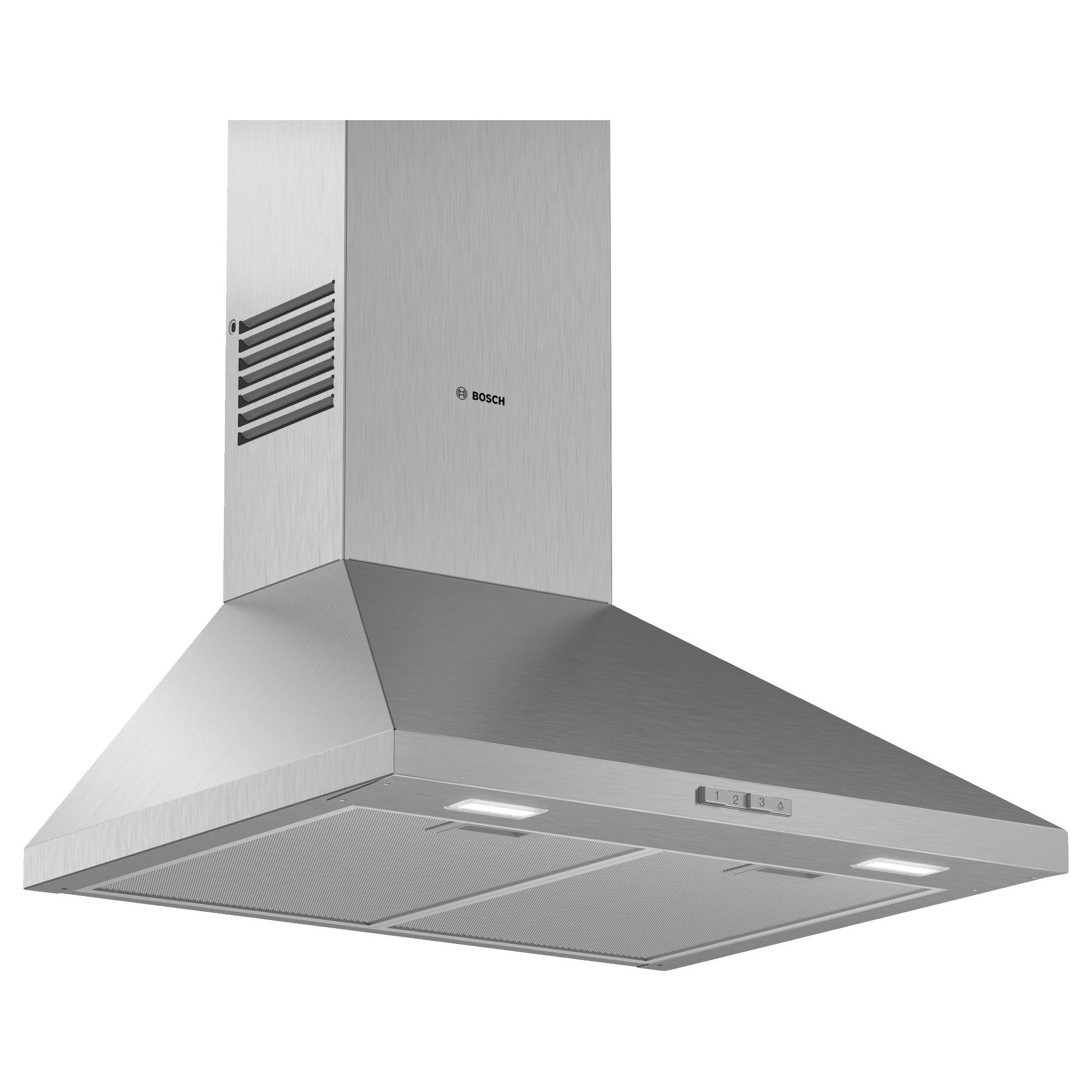
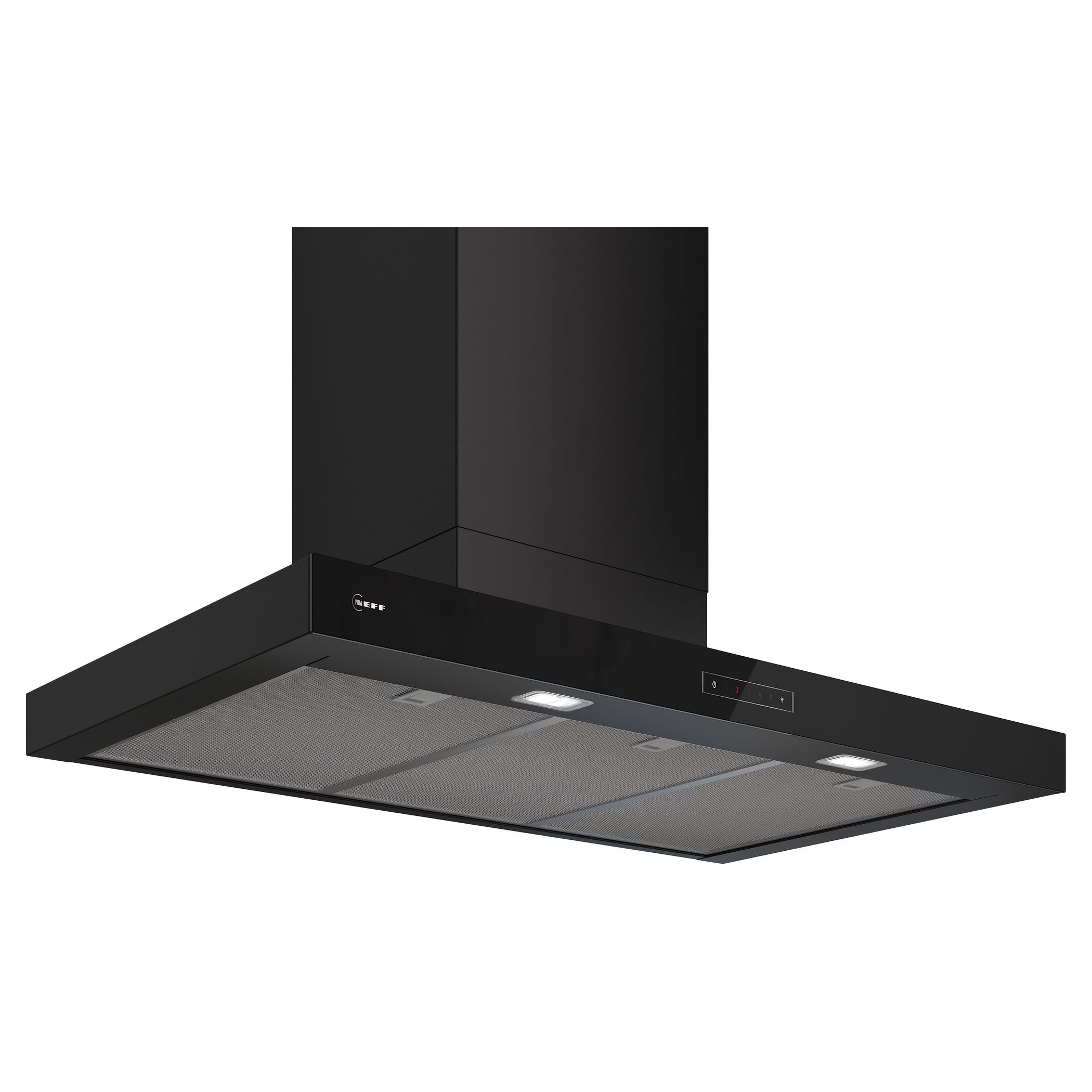
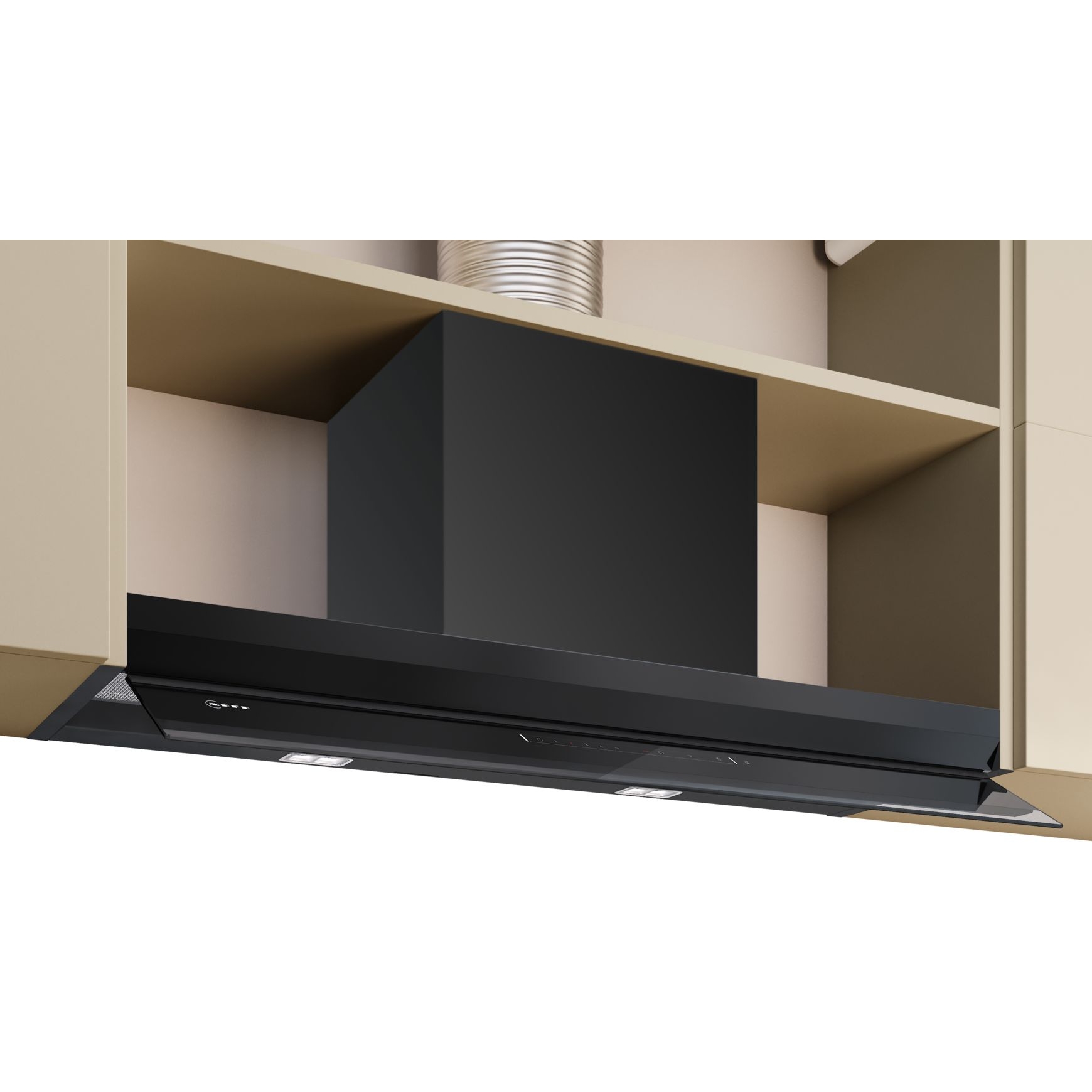
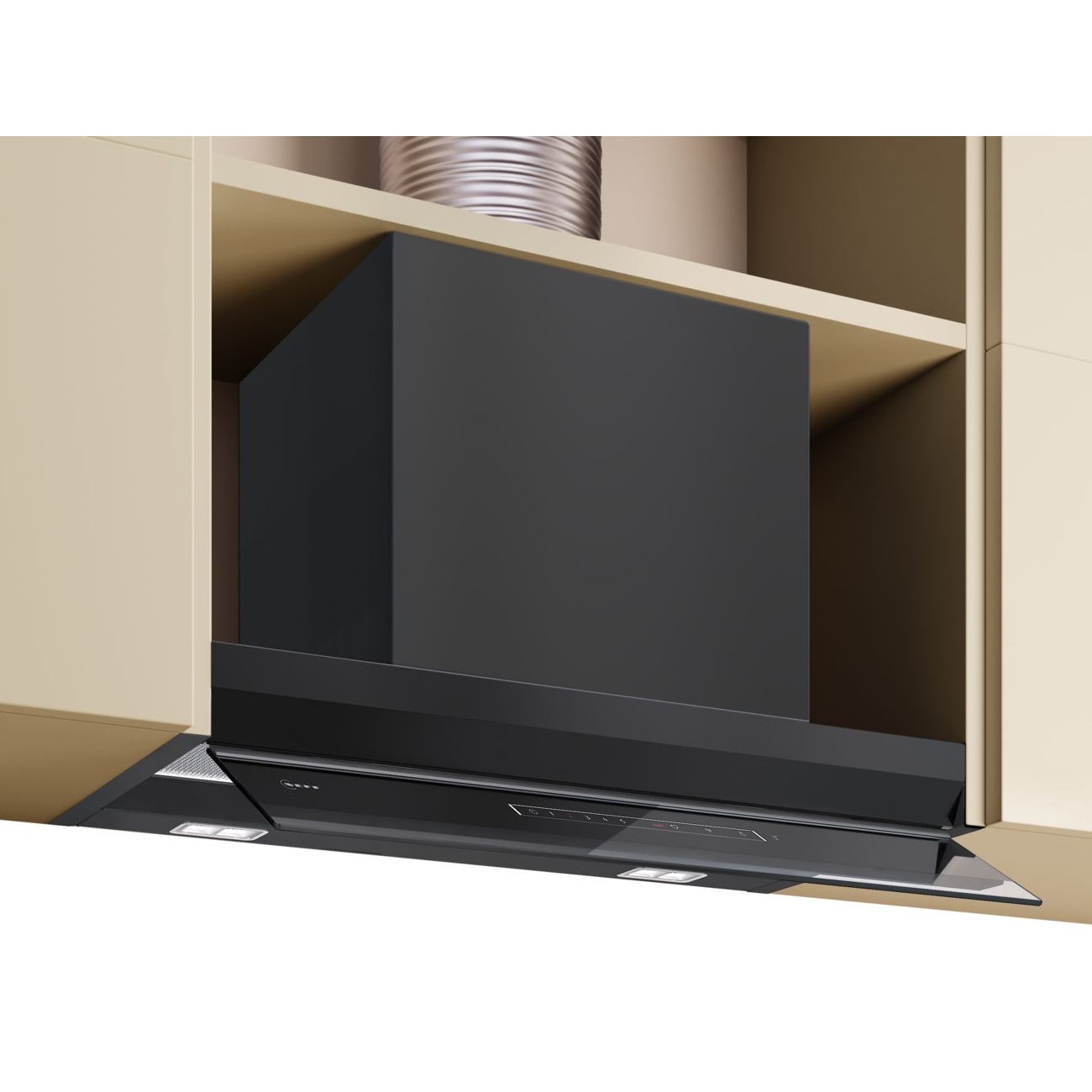
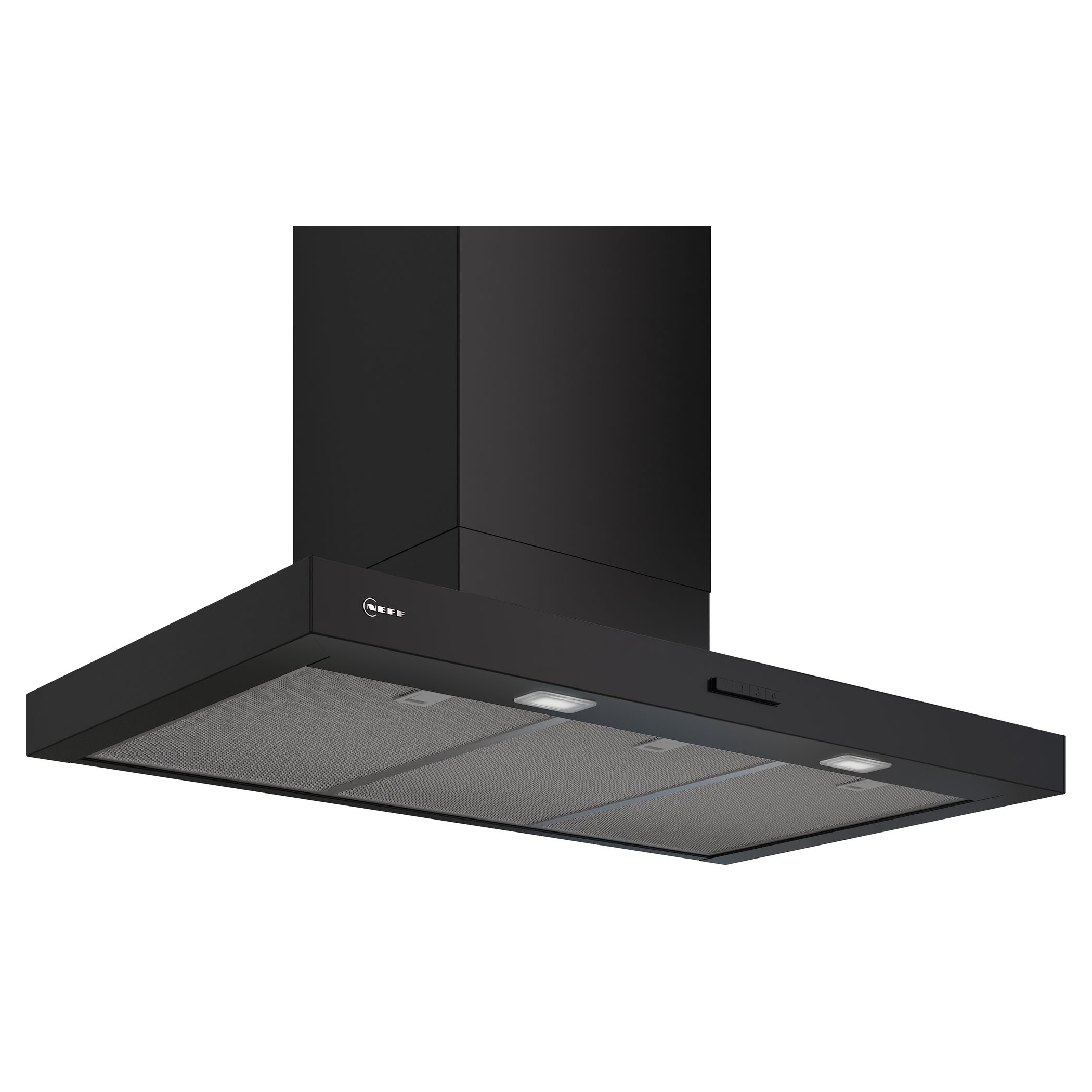
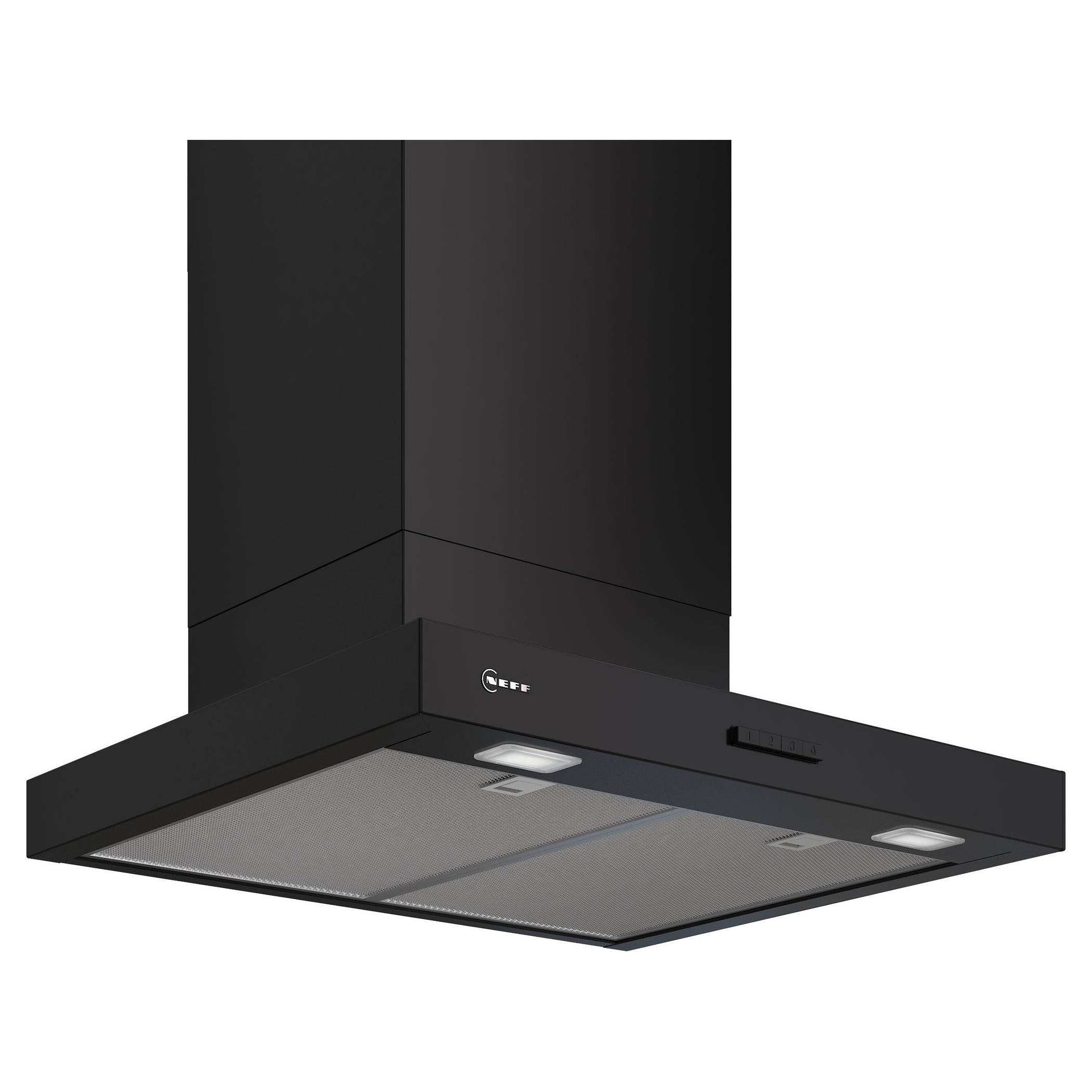
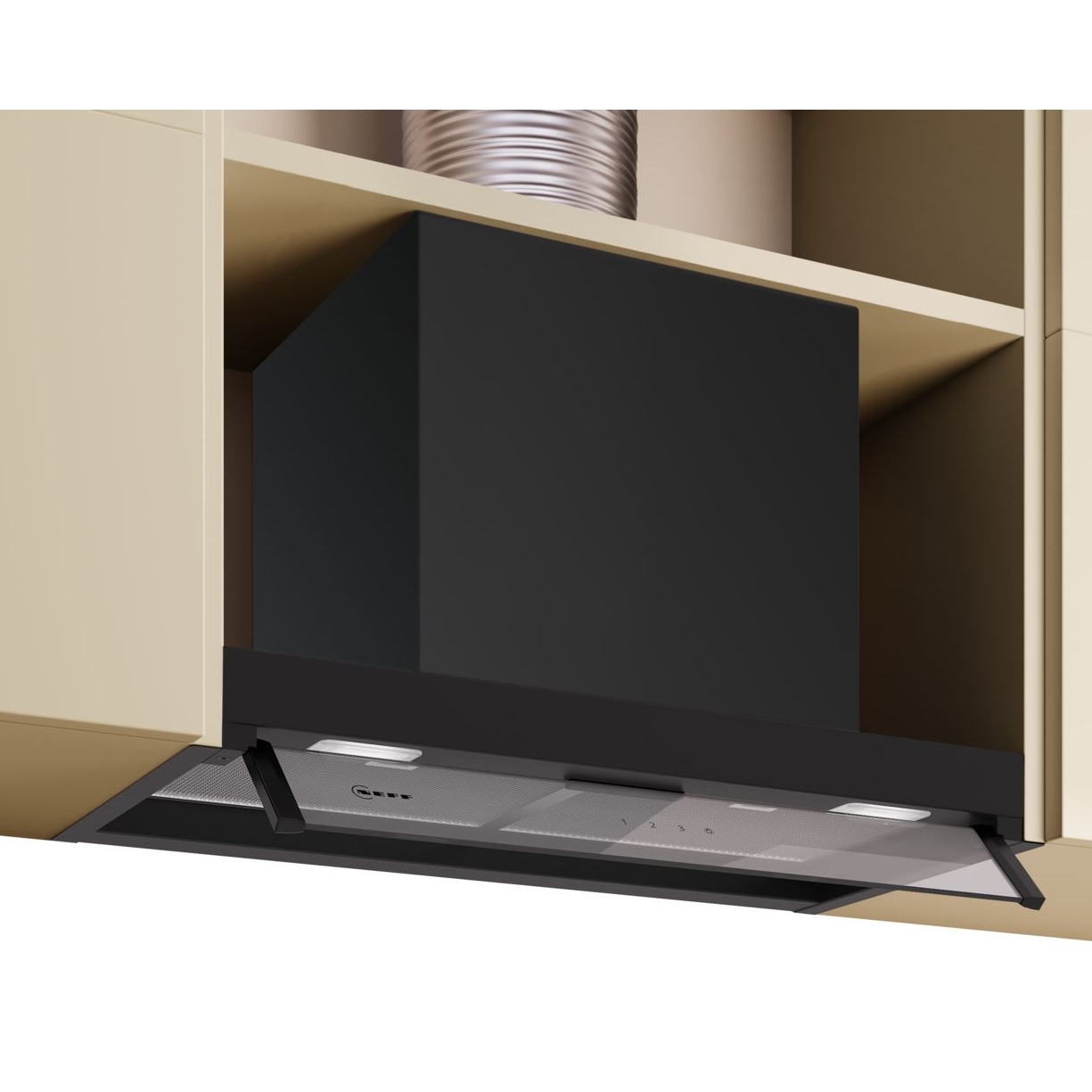
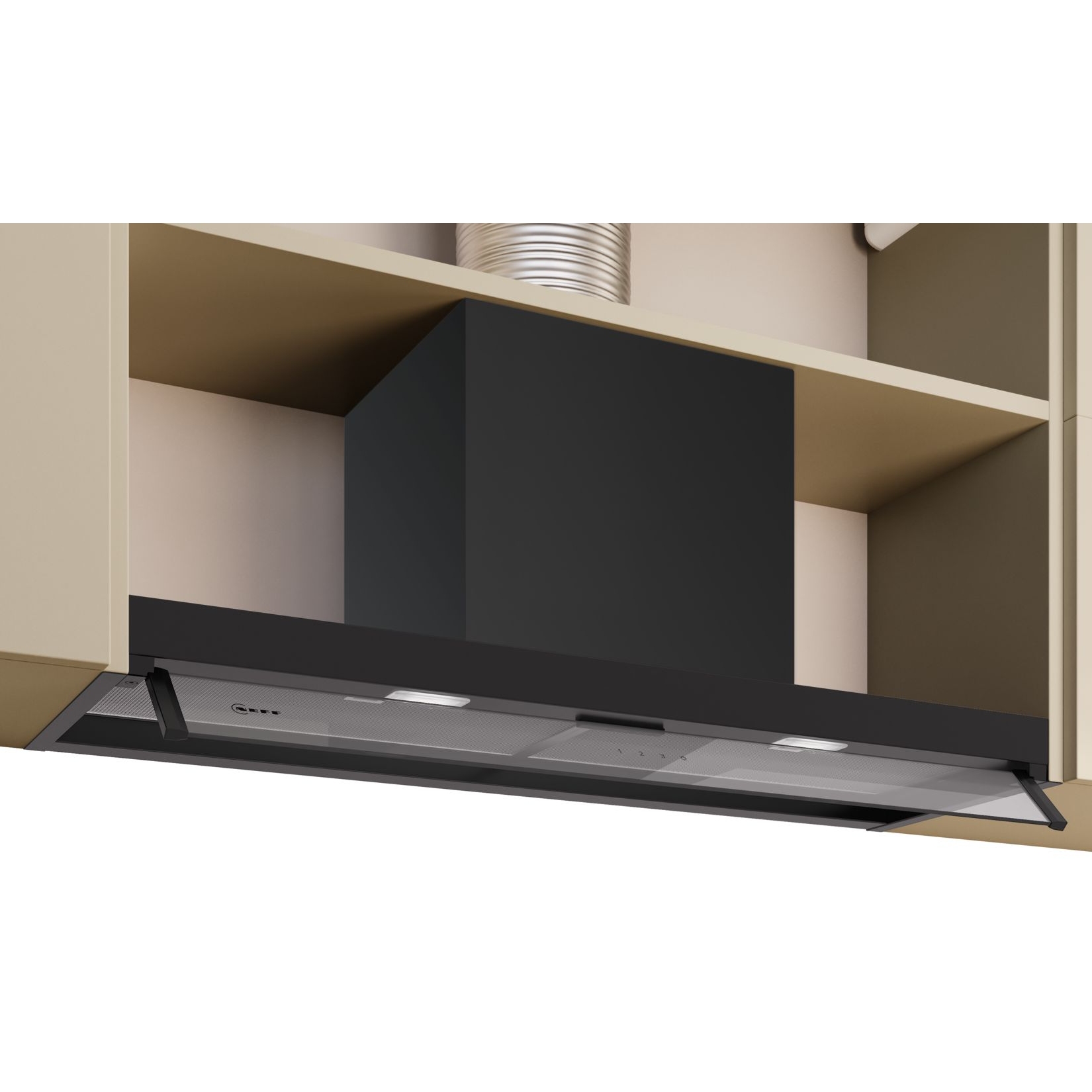
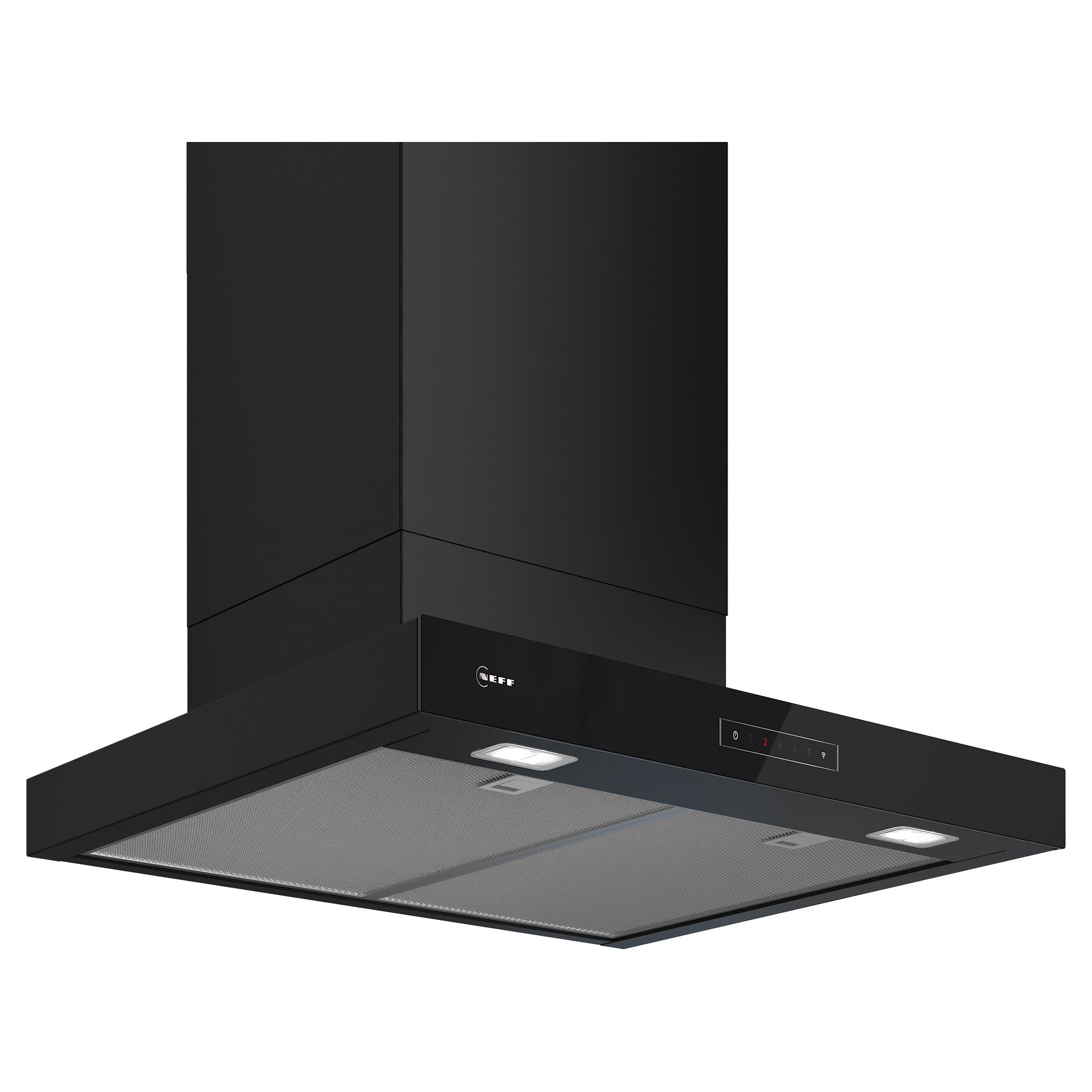
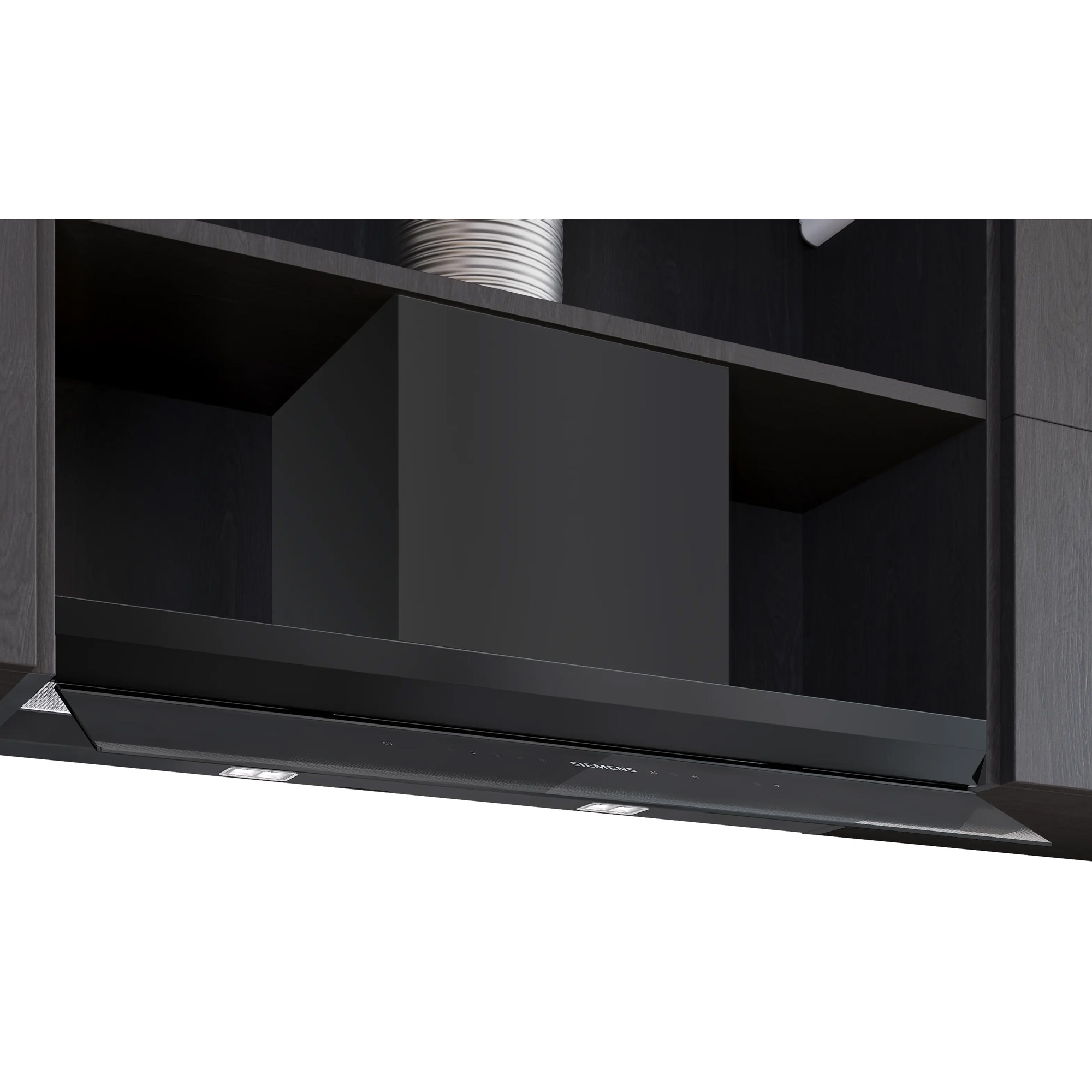
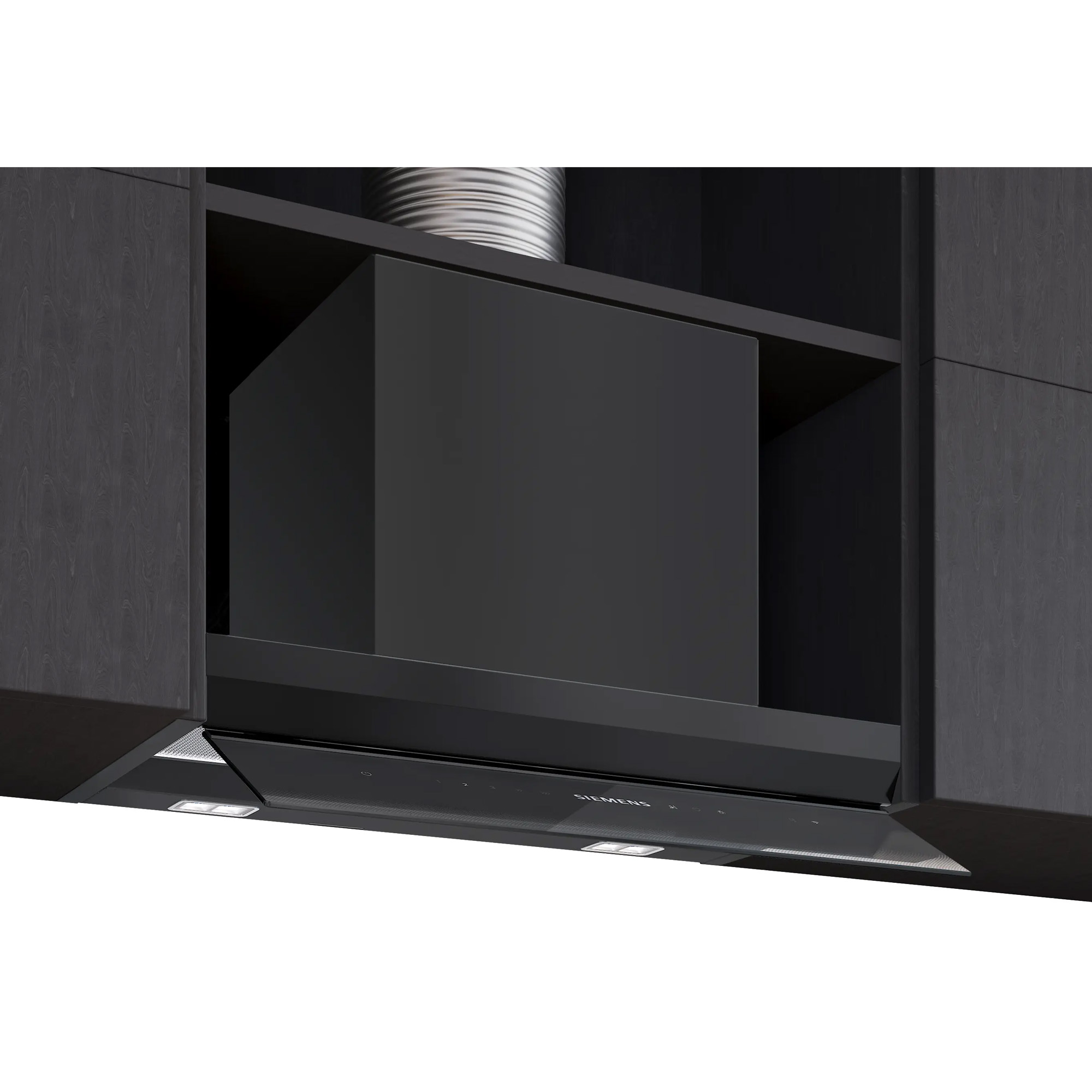
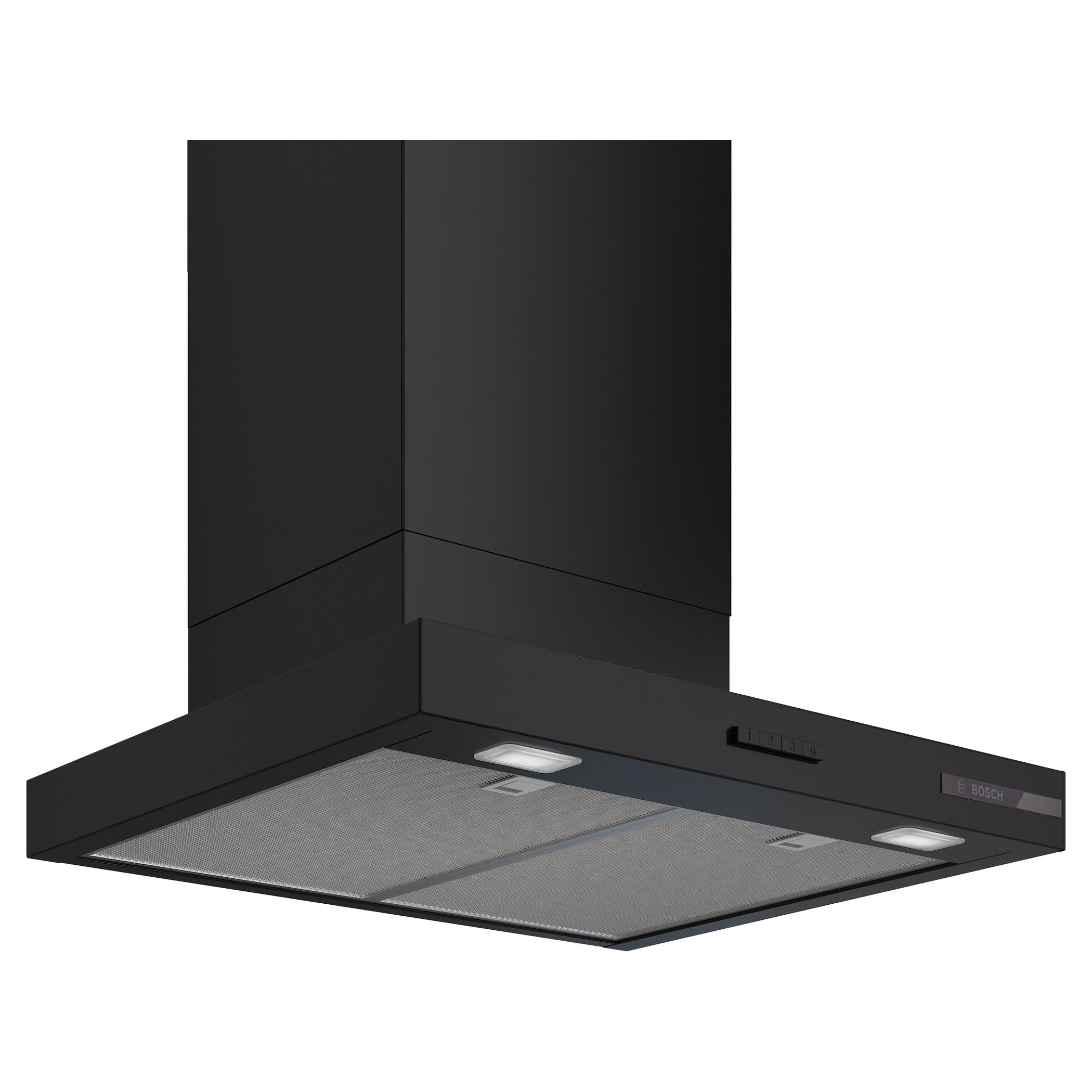
Another feature that often gets overlooked in smaller kitchens is ventilation. Extraction units might not be the most exciting part of a renovation, which is why they’re often pushed down the priority list. But in a compact space, they can make a huge difference. Without proper ventilation, cooking smells and moisture can build up quickly, making the room feel less comfortable day to day.
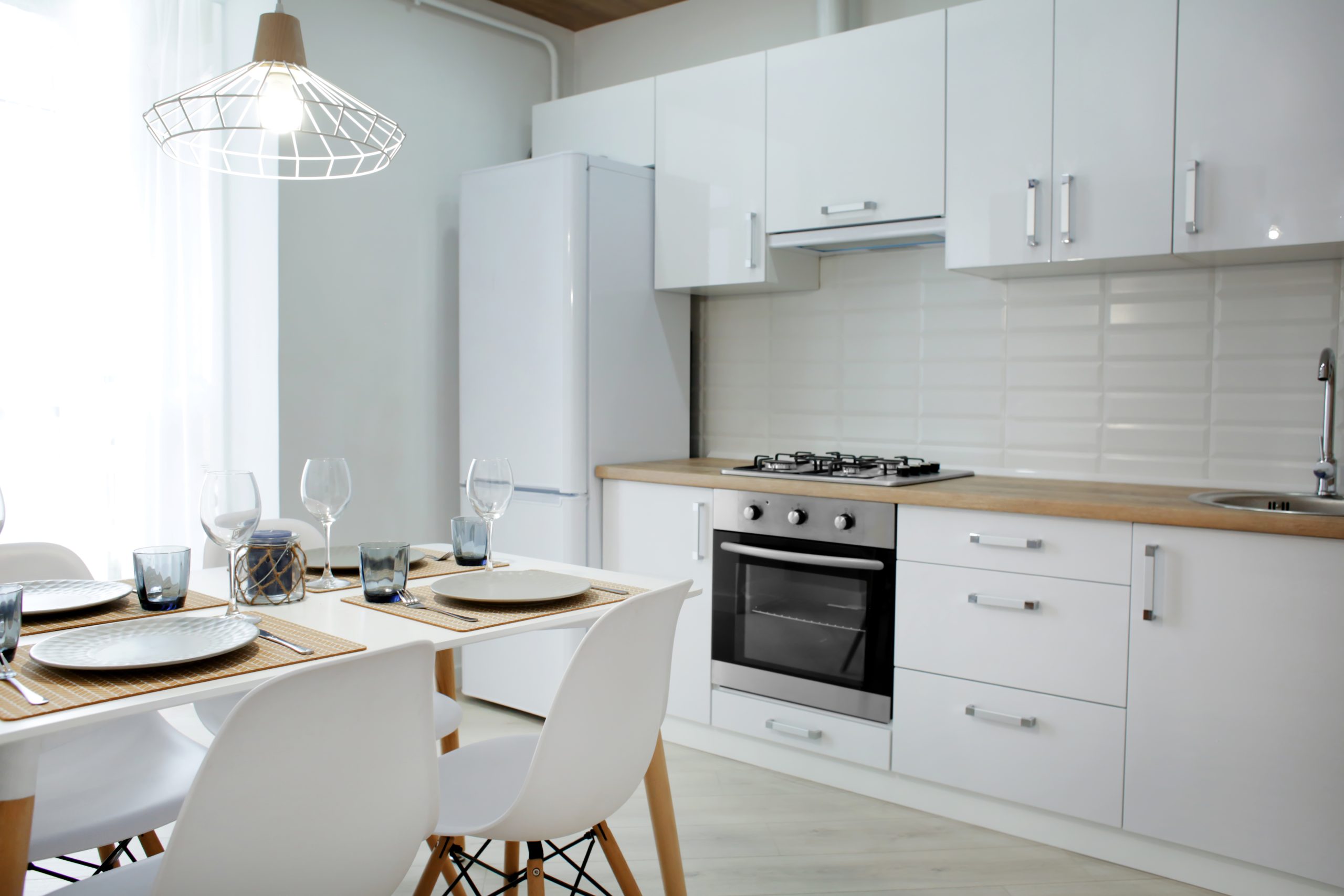
Appliances For Medium Kitchens
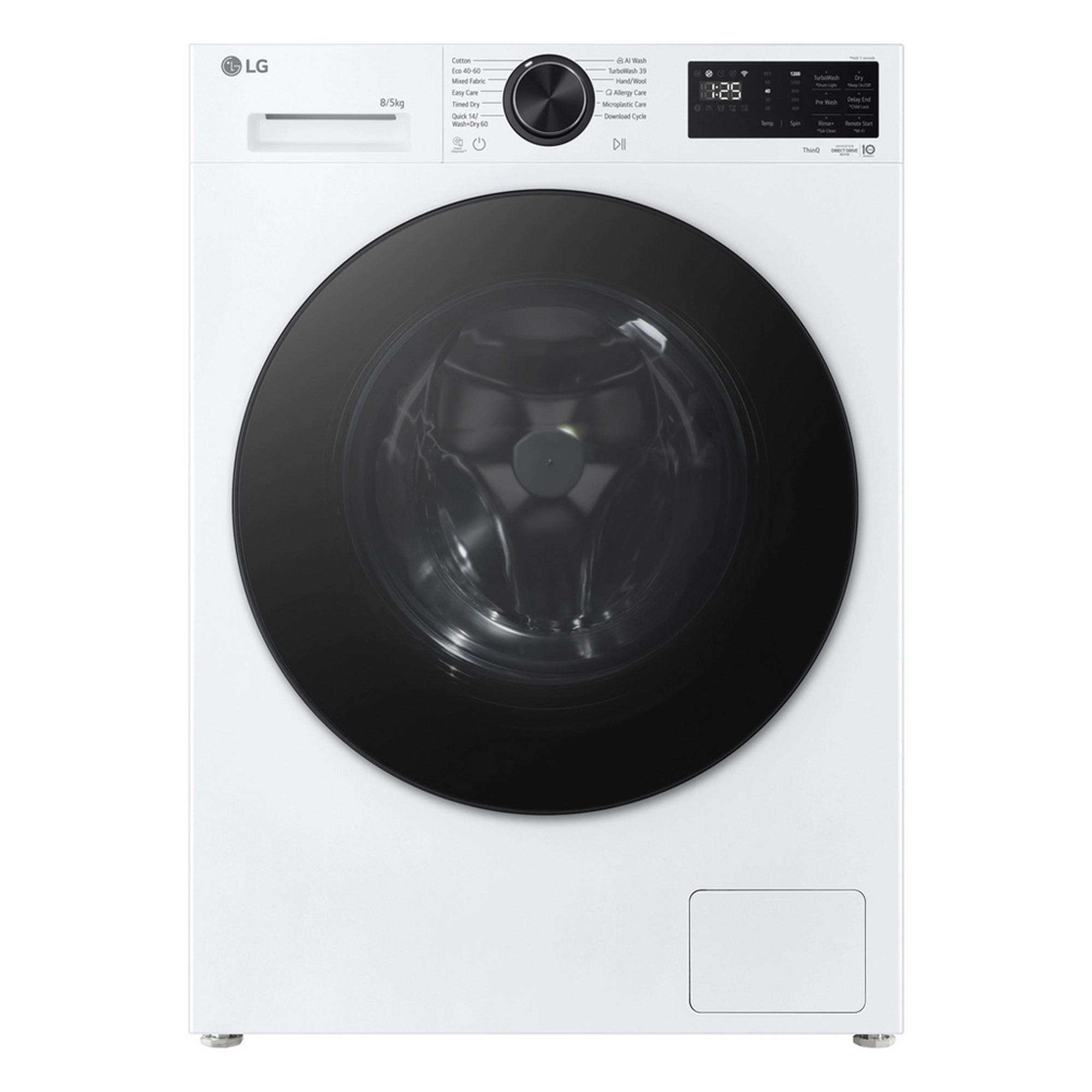
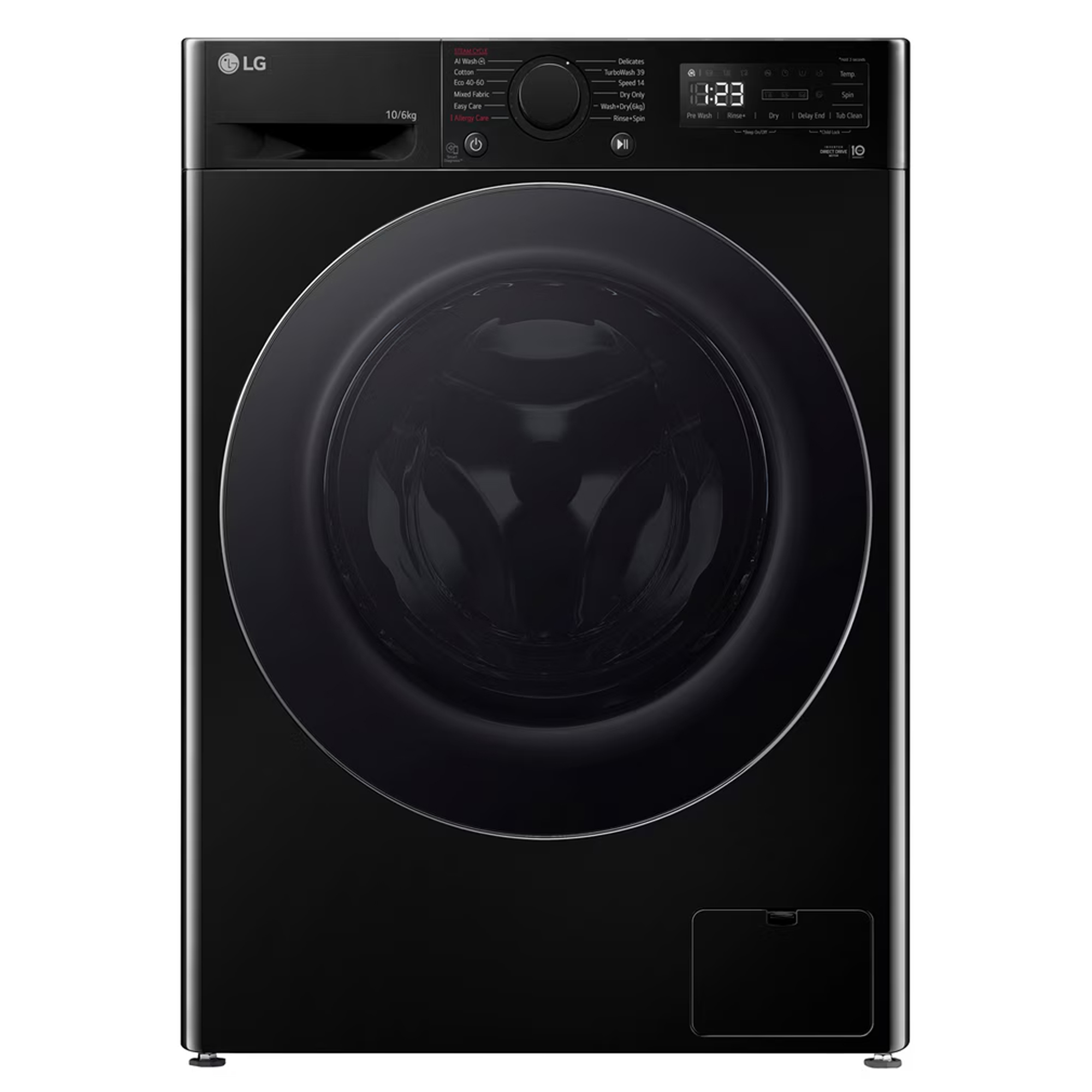
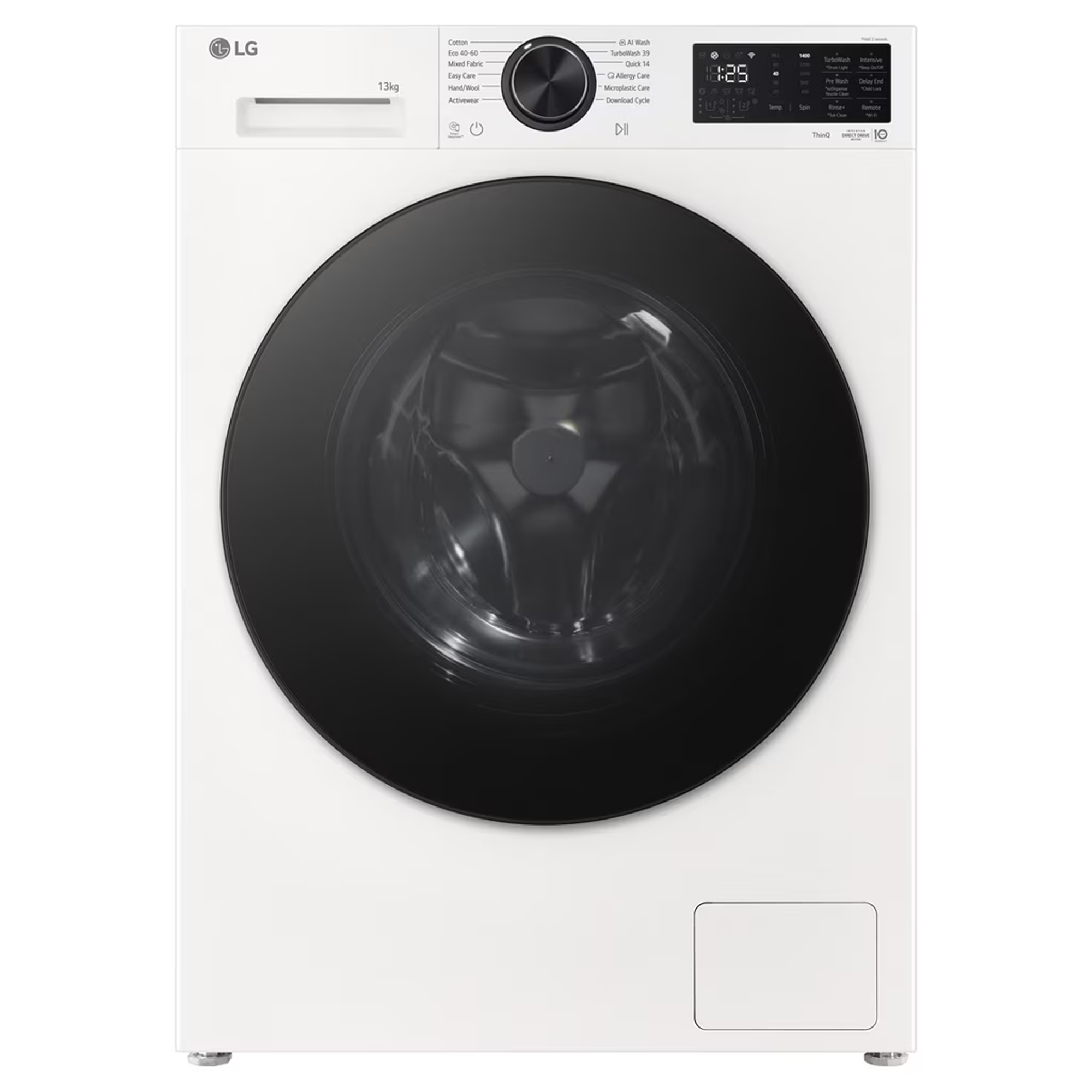
With a little more space comes a little more flexibility, and often a few more decisions. This is where many kitchens naturally settle into a mix of integrated and freestanding appliances. You might choose a built-in oven and hob for a tidy, seamless look, while keeping a freestanding fridge freezer for extra storage. Brands like Samsung and LG are often popular here, especially for larger fridge freezers that suit family life.
At this stage, it helps to think less about individual appliances and more about how you’ll move through the room. Ask yourself:
- Where will you stand when you’re cooking?
- Is your fridge close enough to your prep area to feel convenient?
- Would you prefer your oven at eye level rather than bending down?
These small details have a big impact on how your kitchen feels to use, not just how it looks. Medium sized kitchens are also where people often forget about the “in-between” appliances. Not the major ones, but the things you use every day: the microwave, kettle, toaster, or coffee machine.
If you don’t plan a place for them, they usually end up on the worktop, quietly stealing valuable space and creating clutter. A dedicated cupboard, appliance garage, or even a thoughtfully planned corner can make a surprising difference once the kitchen is finished.
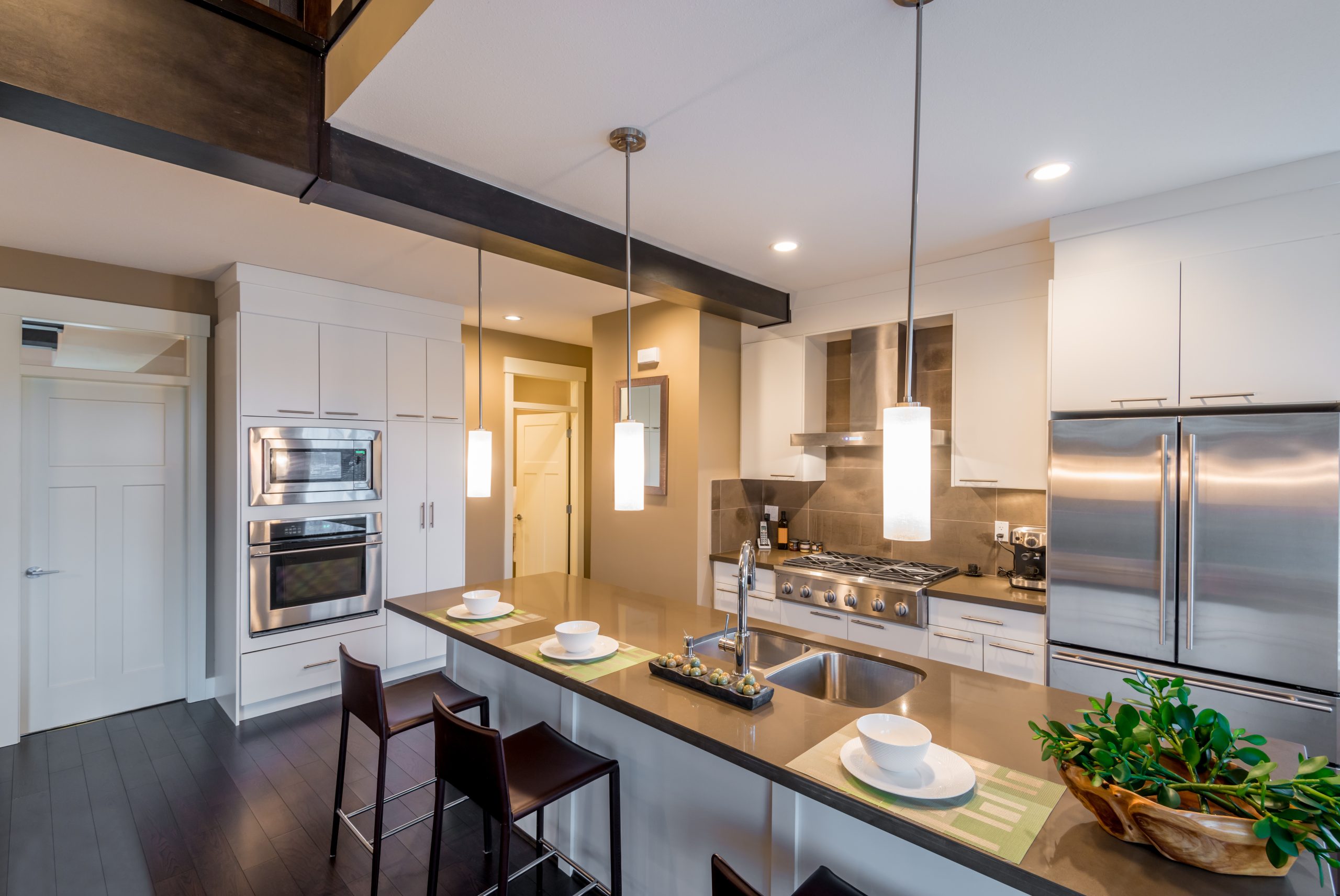
Appliances For Large Kitchens
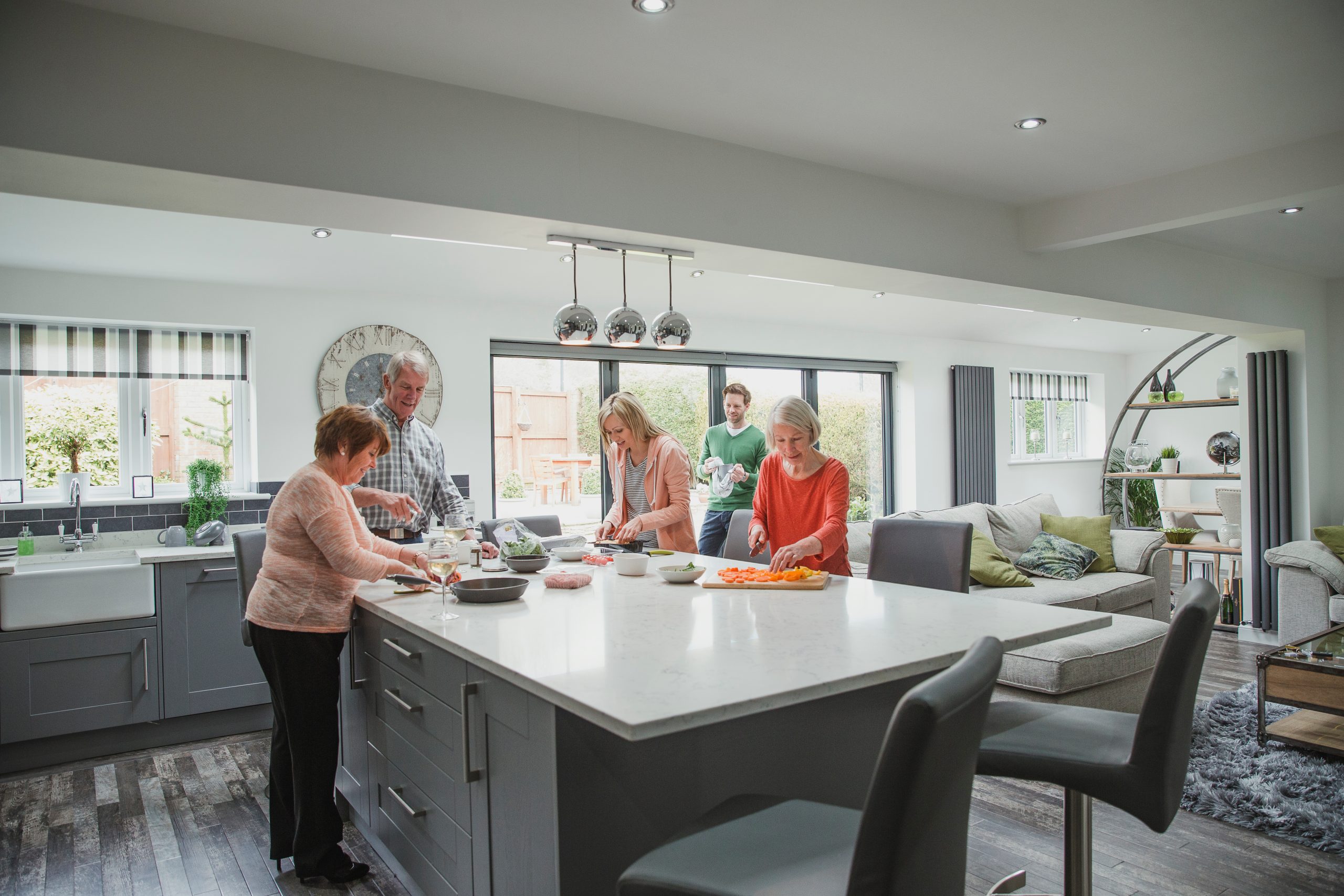
A larger kitchen opens up more possibilities, but it also requires a little more discipline. It can be tempting to fill the space simply because you can. In reality, larger kitchens often work best when they’re carefully organised into zones: one area for cooking, another for prepping, perhaps even a separate drinks station or entertaining space.
This is where statement appliances can really shine. A range cooker from brands like Rangemaster or Bertazzoni can become a true focal point, adding personality as well as practicality. At the same time, it’s easy to get carried away.
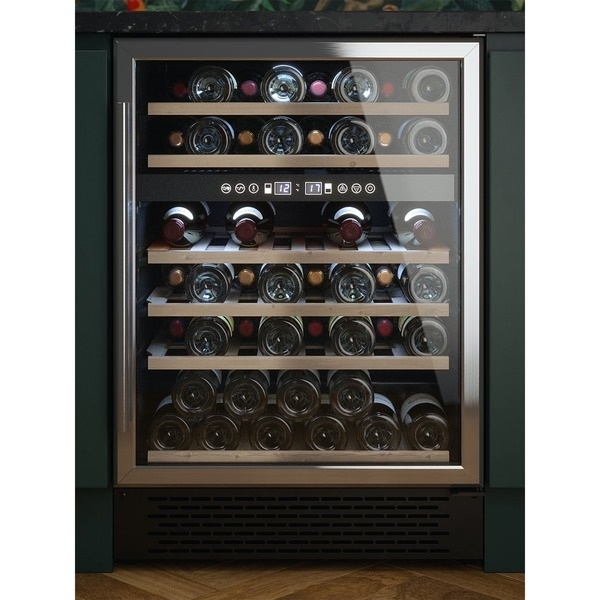
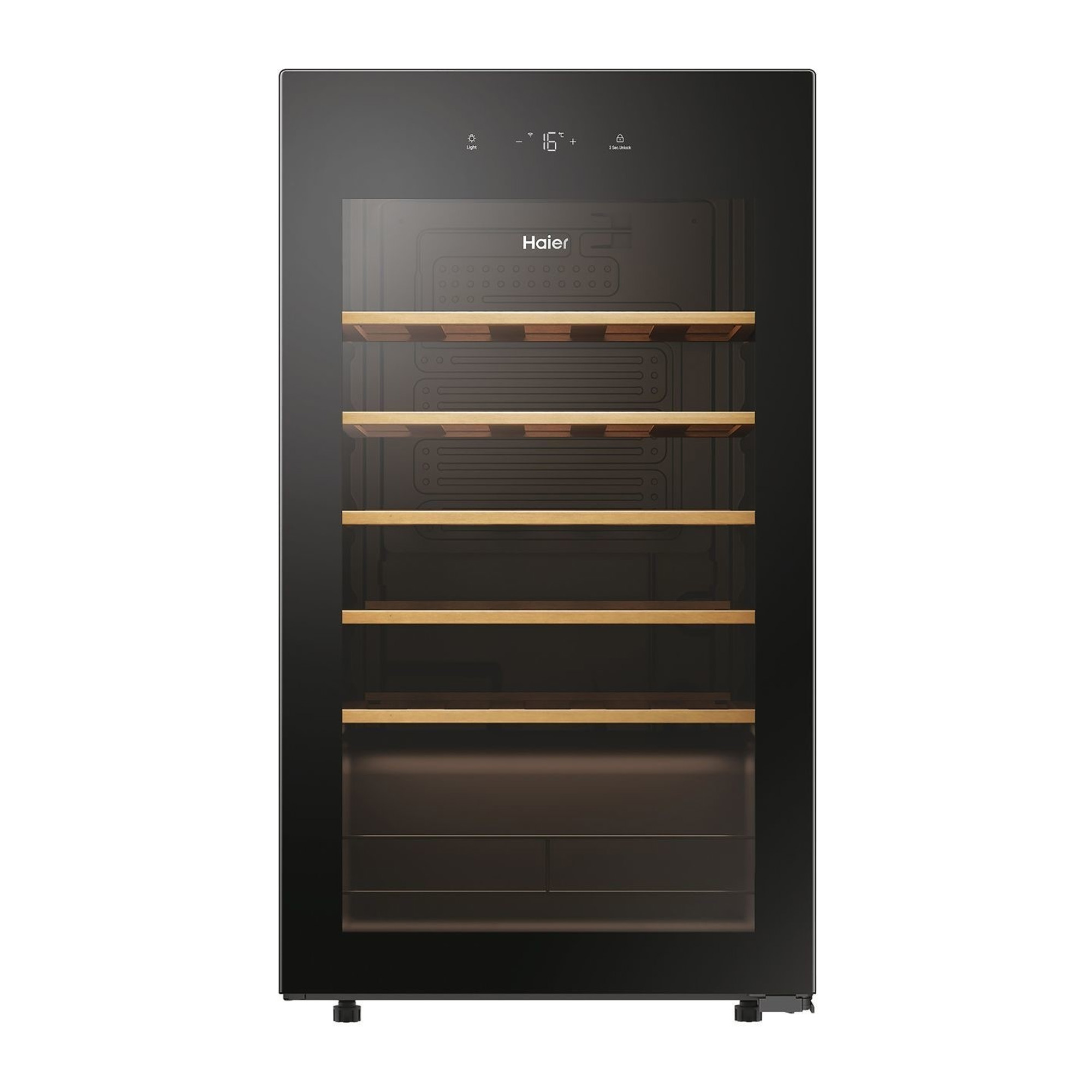
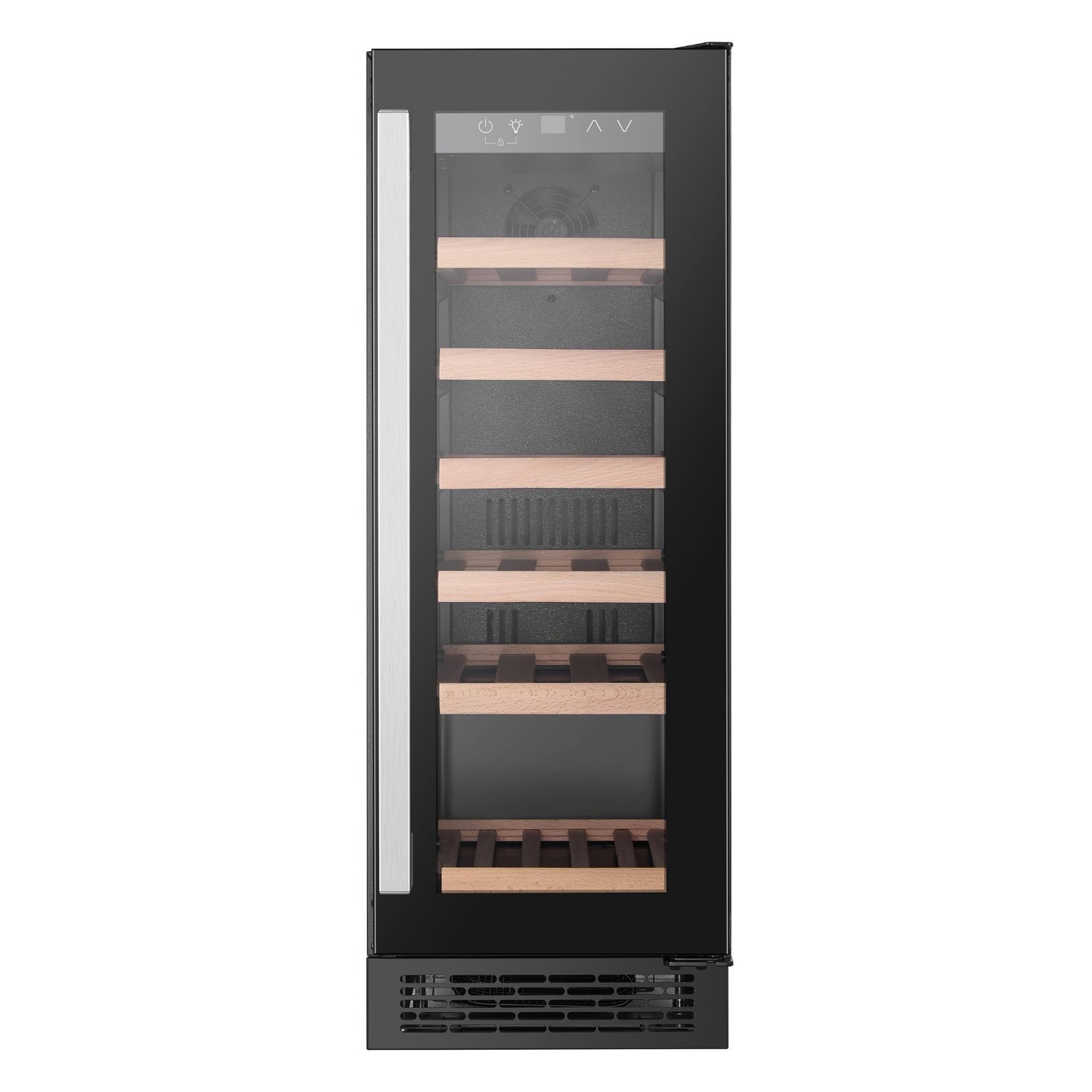
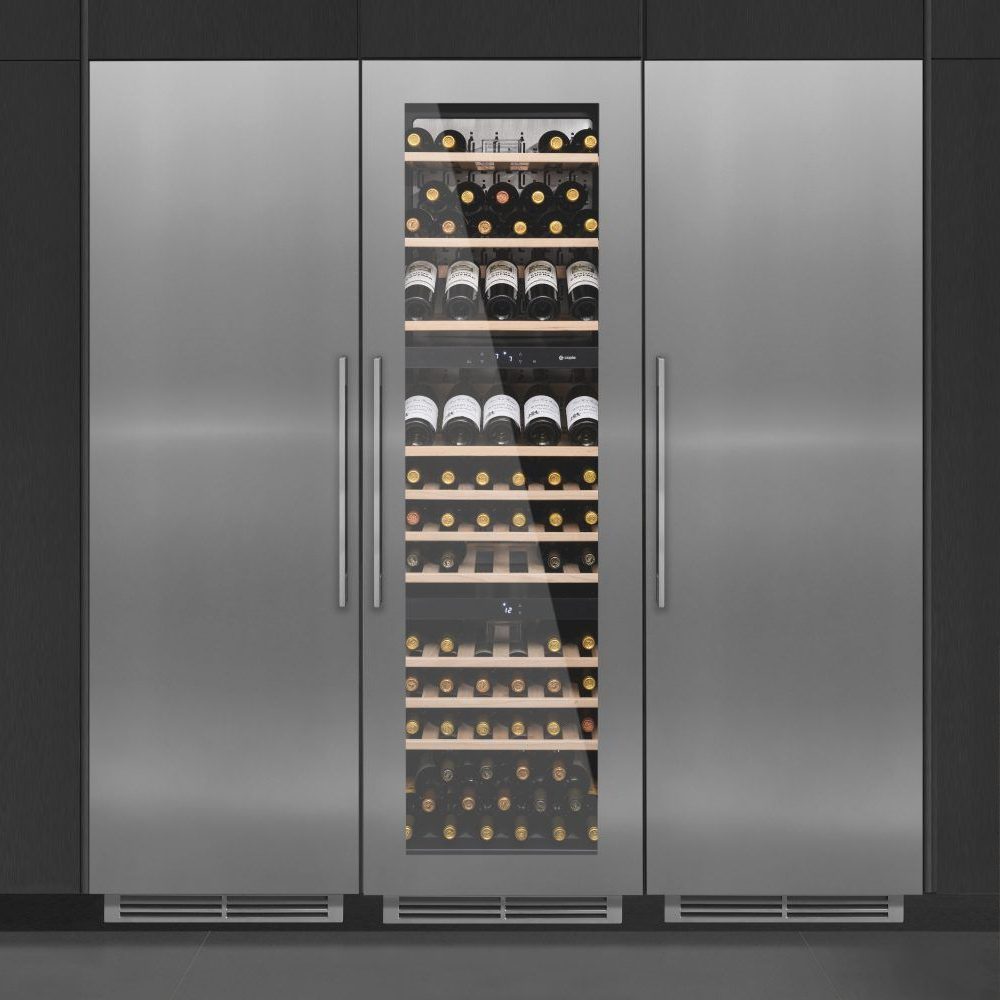
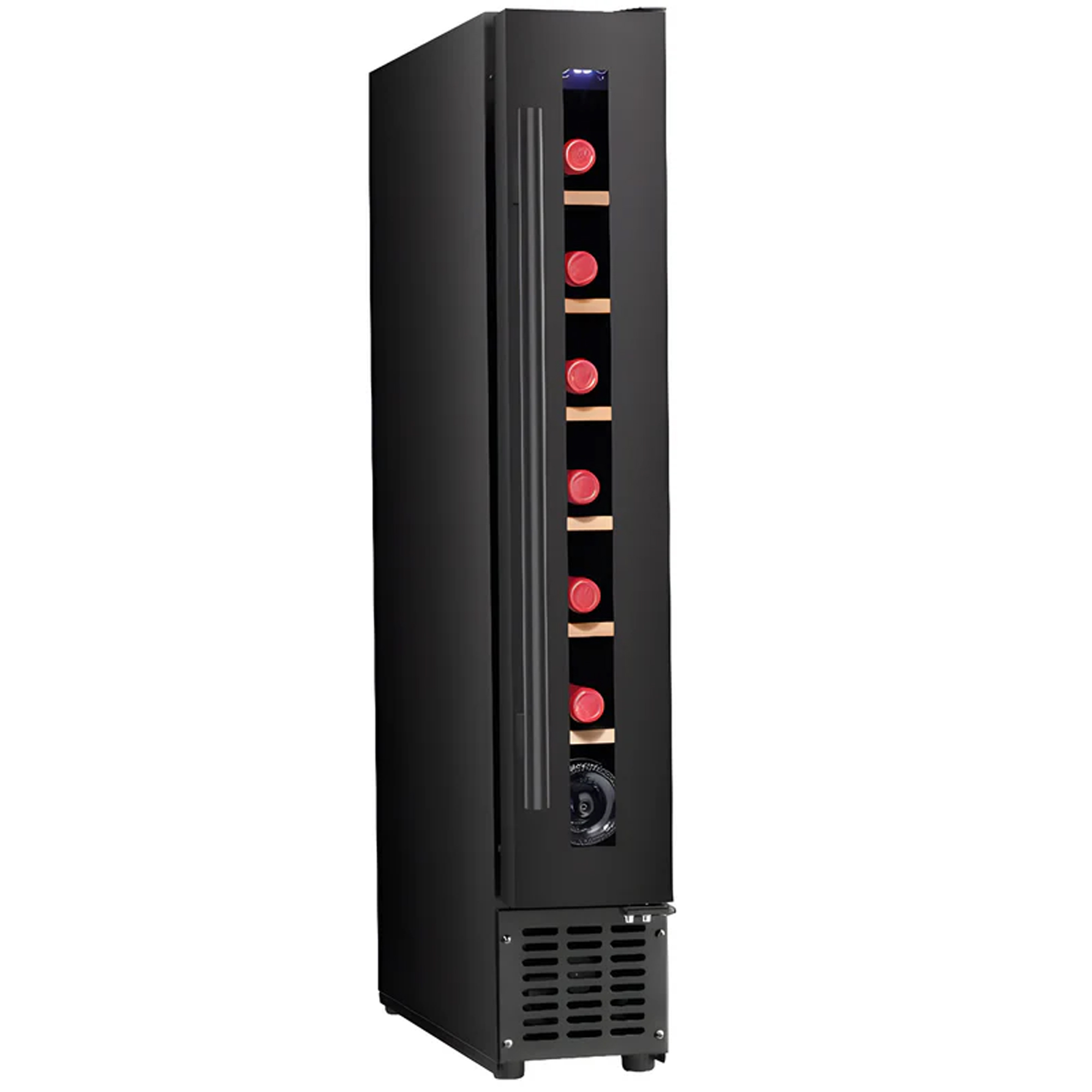
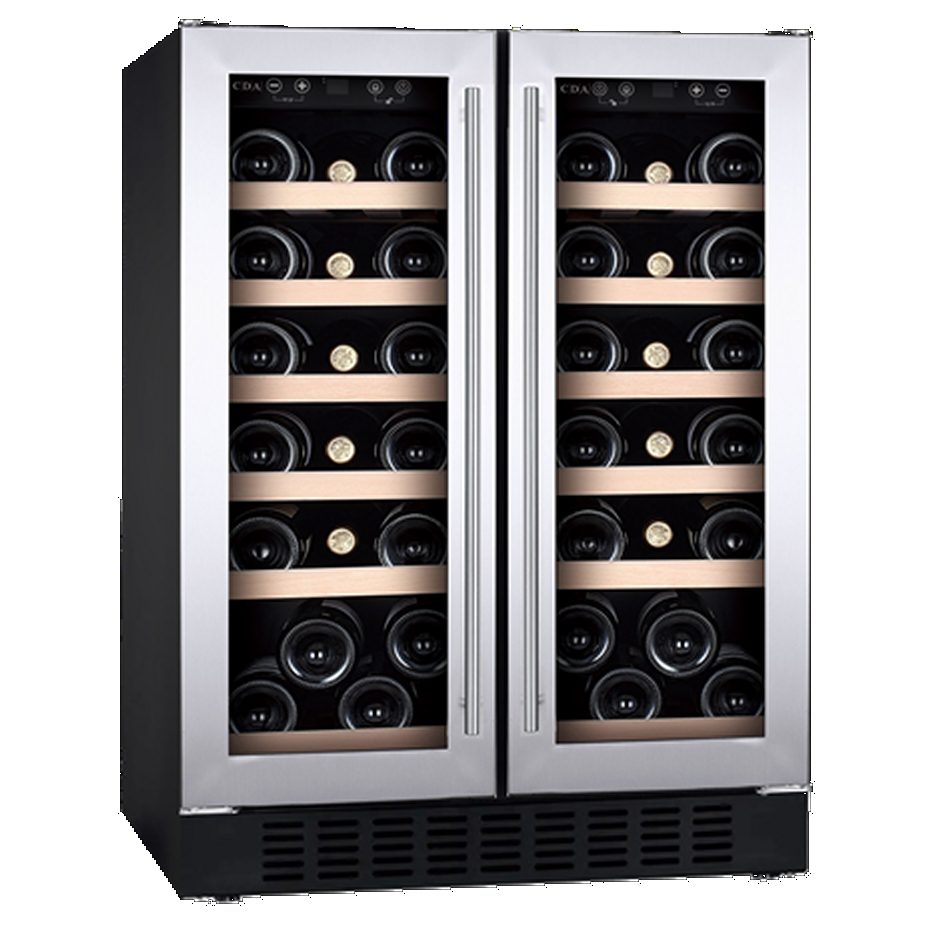
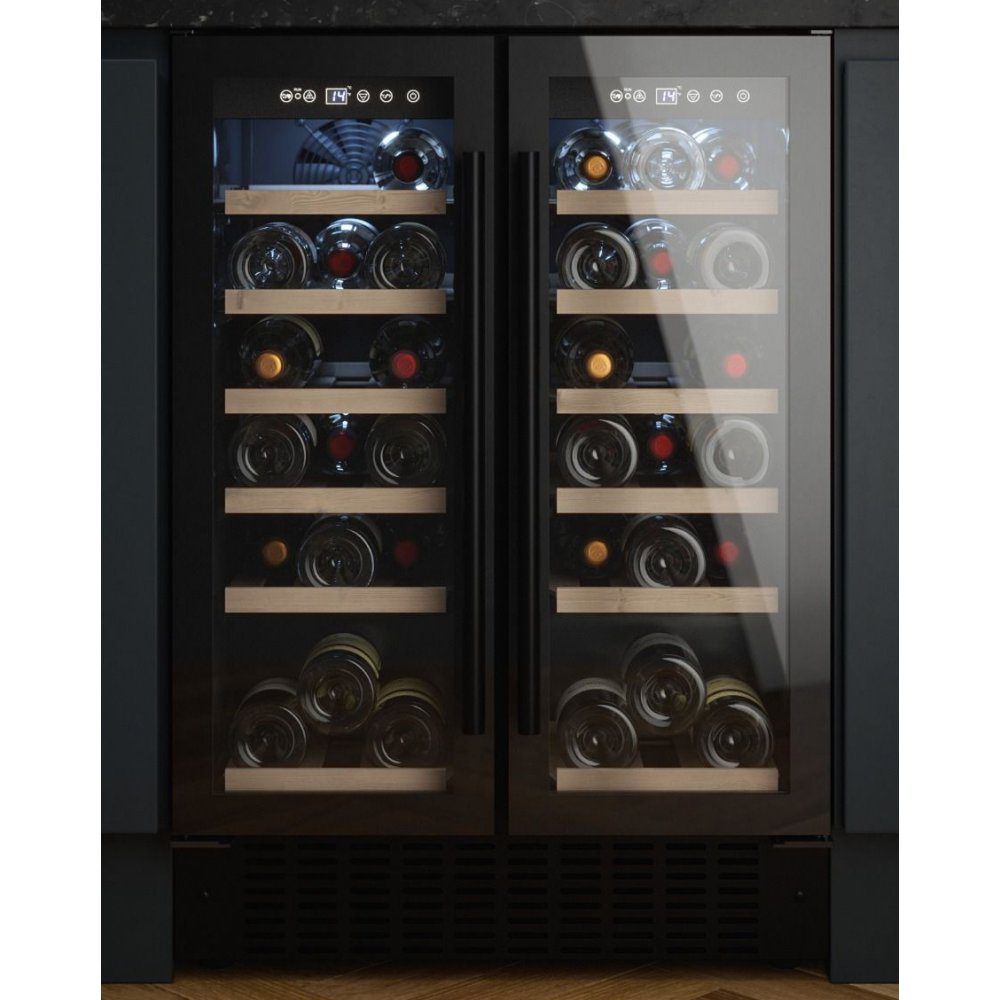
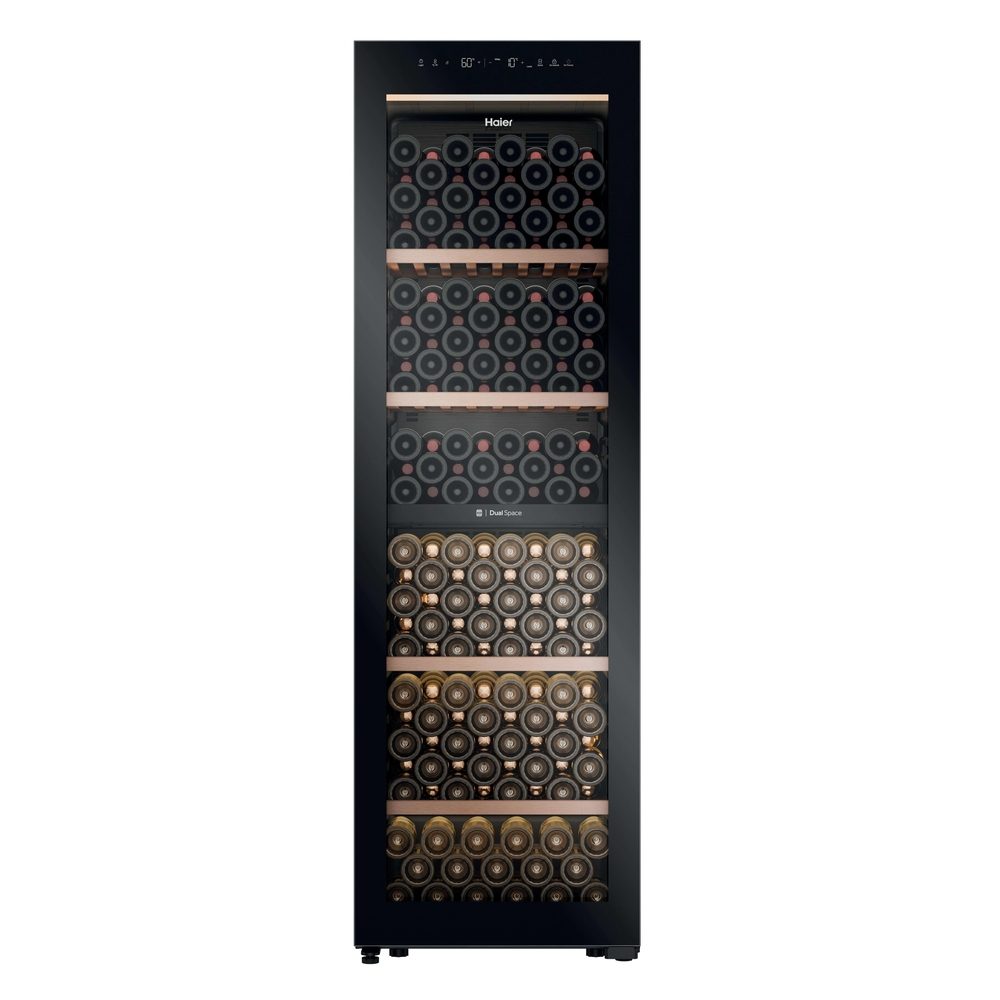
Just because you have space for a wine fridge, warming drawer, or second oven doesn’t necessarily mean you need them. Before adding extra appliances, ask yourself whether they’ll genuinely make daily life easier, or simply add more complexity. The most successful large kitchens tend to feel considered, not crowded.
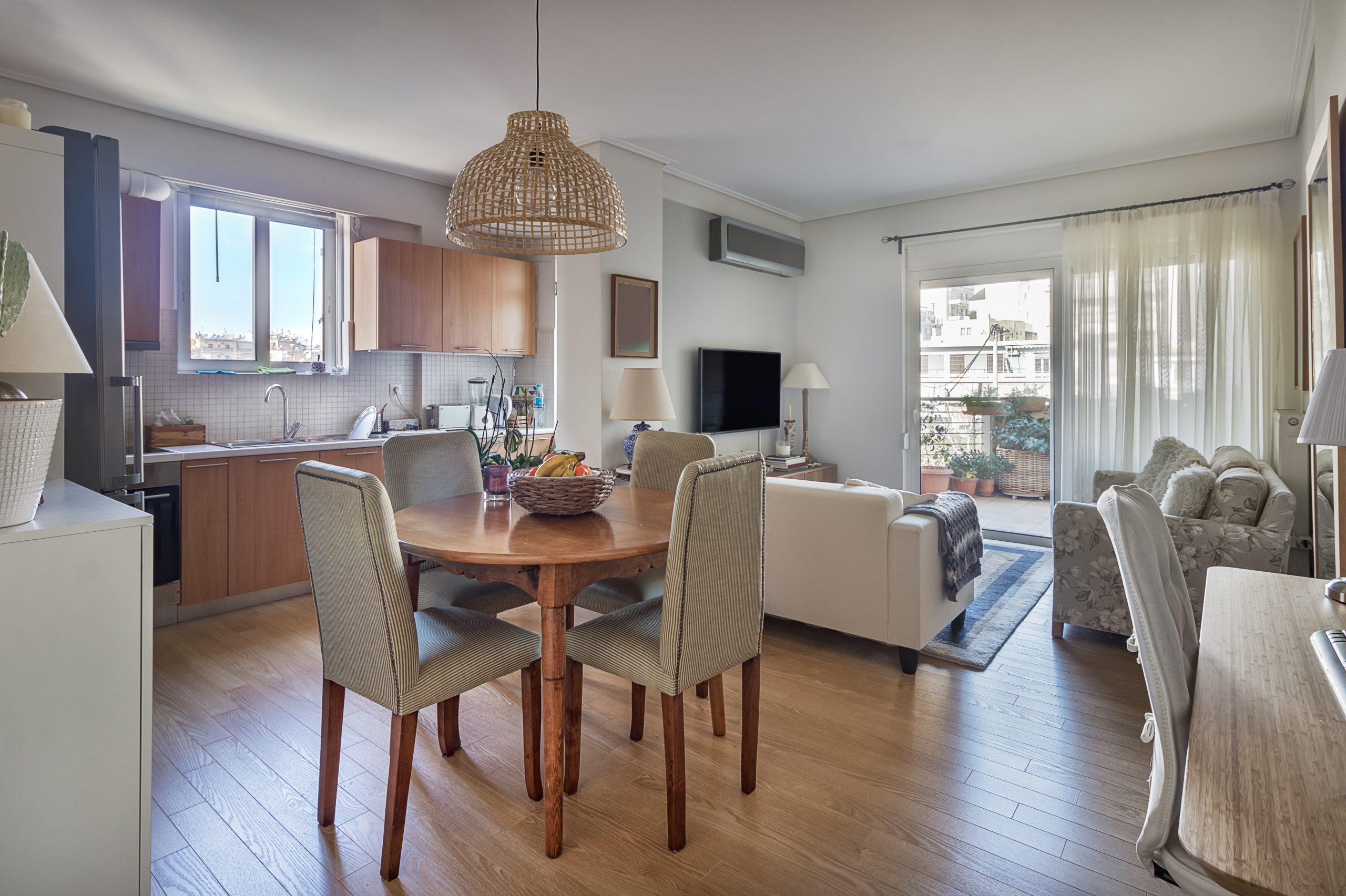
Appliances For Open Plan Kitchen
Open plan kitchens look beautiful, but they often come with one hidden challenge: noise. In a separate kitchen, you can close the door and forget about the hum of appliances. In an open-plan space, that same sound becomes part of your living area.
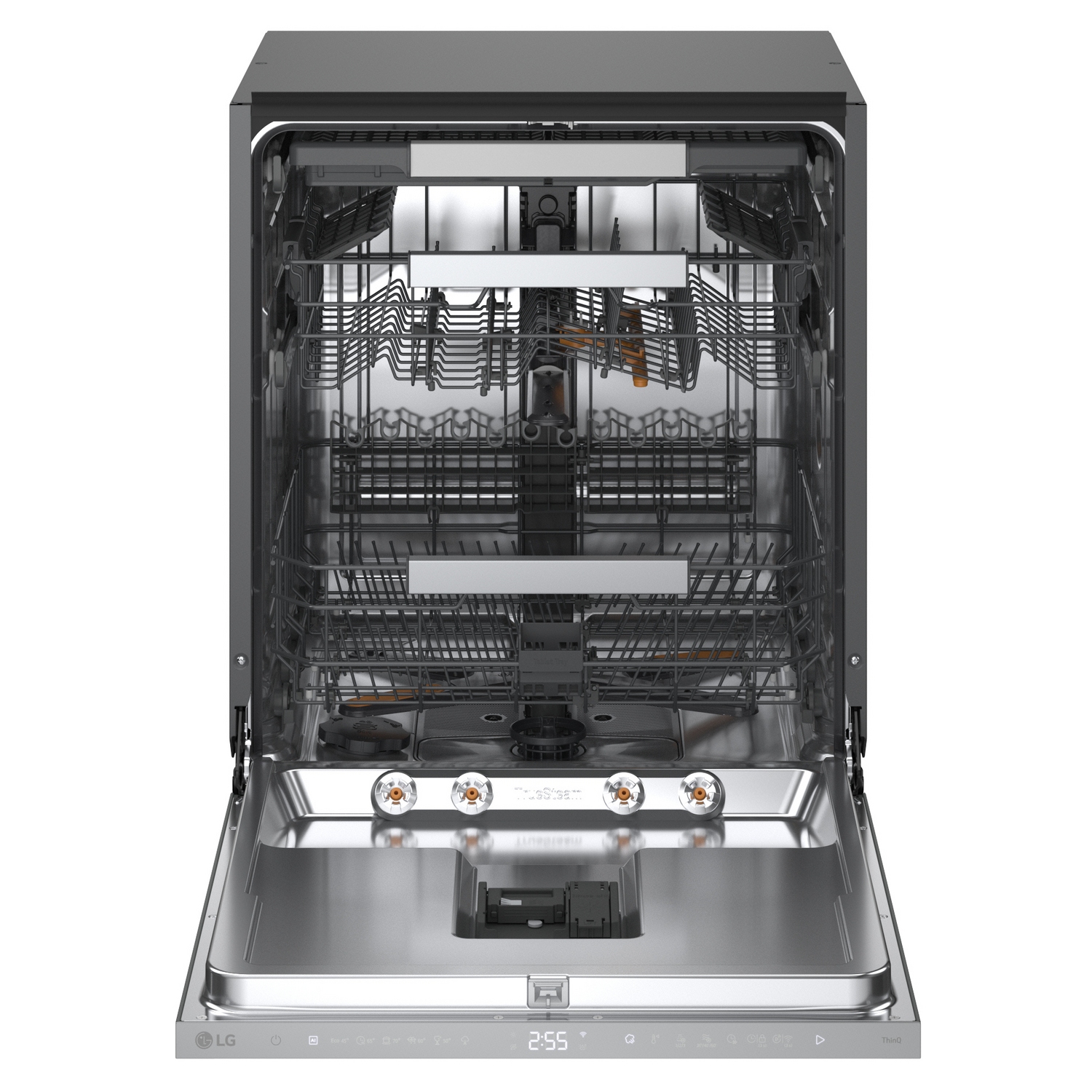
You might not notice it straight away, but over time it can make a real difference. A dishwasher running during a film, or a fridge cycling on while you’re working, can become surprisingly distracting. That’s why quieter appliances are well worth considering.
Quiet Mark, an independent certification for low noise products, can be a helpful guide when comparing options. It’s not something every appliance achieves, so it can help narrow down your choices.
It’s also worth checking the appliance’s decibel (dB) rating. As a rough guide, a dishwasher below 45dB will usually feel much quieter in everyday use, which can make a real difference in a space where cooking, relaxing, and entertaining all happen in the same room.
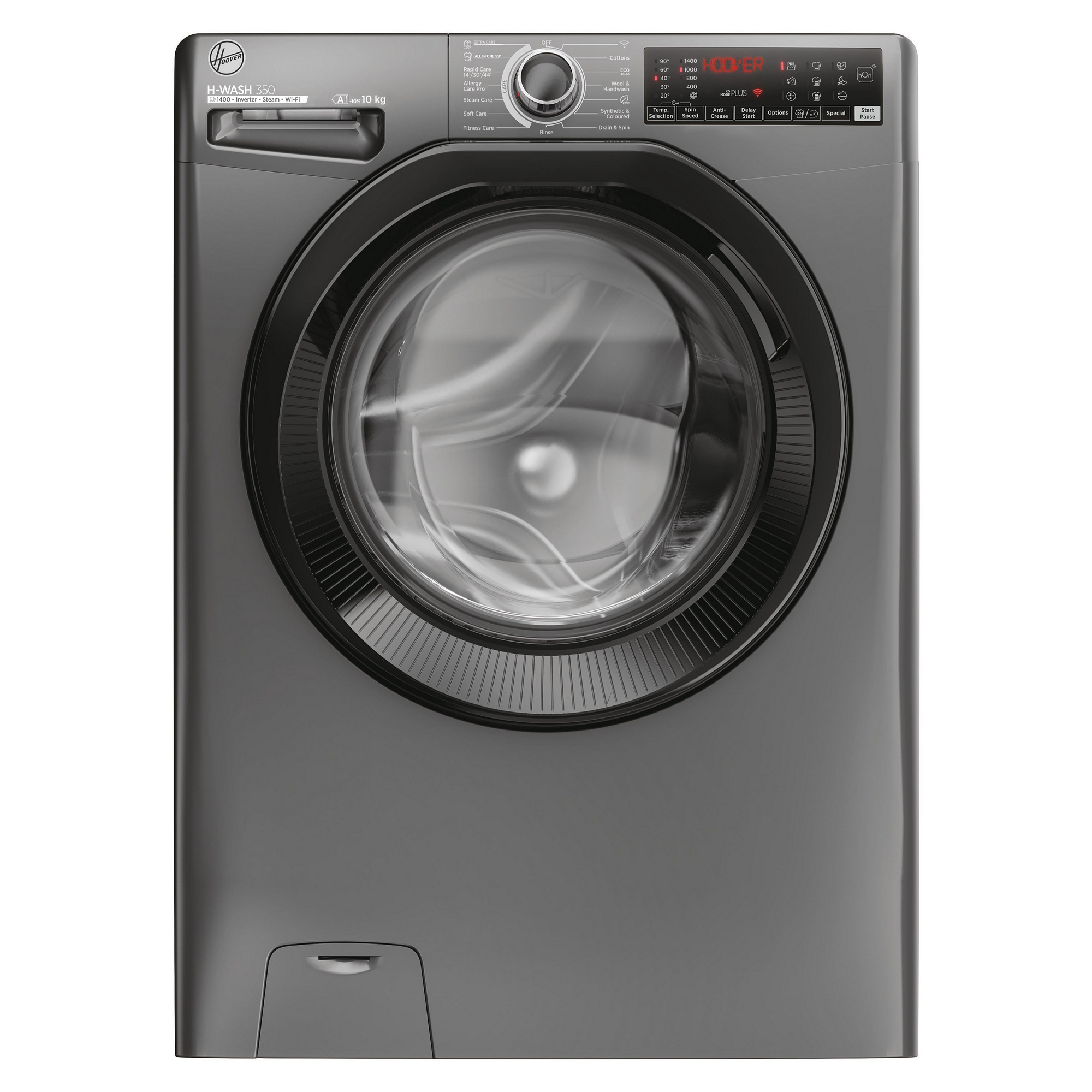
Brands such as Miele, AEG, and Siemens are often associated with quieter premium appliances, particularly dishwashers and washing machines, but it’s always worth checking the noise rating of the specific model rather than relying on the brand alone.
As you plan, think about where sound will travel.
- Is your dishwasher close to where you relax?
- Is your extractor fan positioned near your dining area?
- Will your fridge be within earshot while you’re working from home?
Small decisions like these can have a surprisingly big impact on how the space feels.
Which Is Better: Integrated Or Freestanding Appliances?
One of the most common questions during a renovation is whether to choose integrated or freestanding appliances.
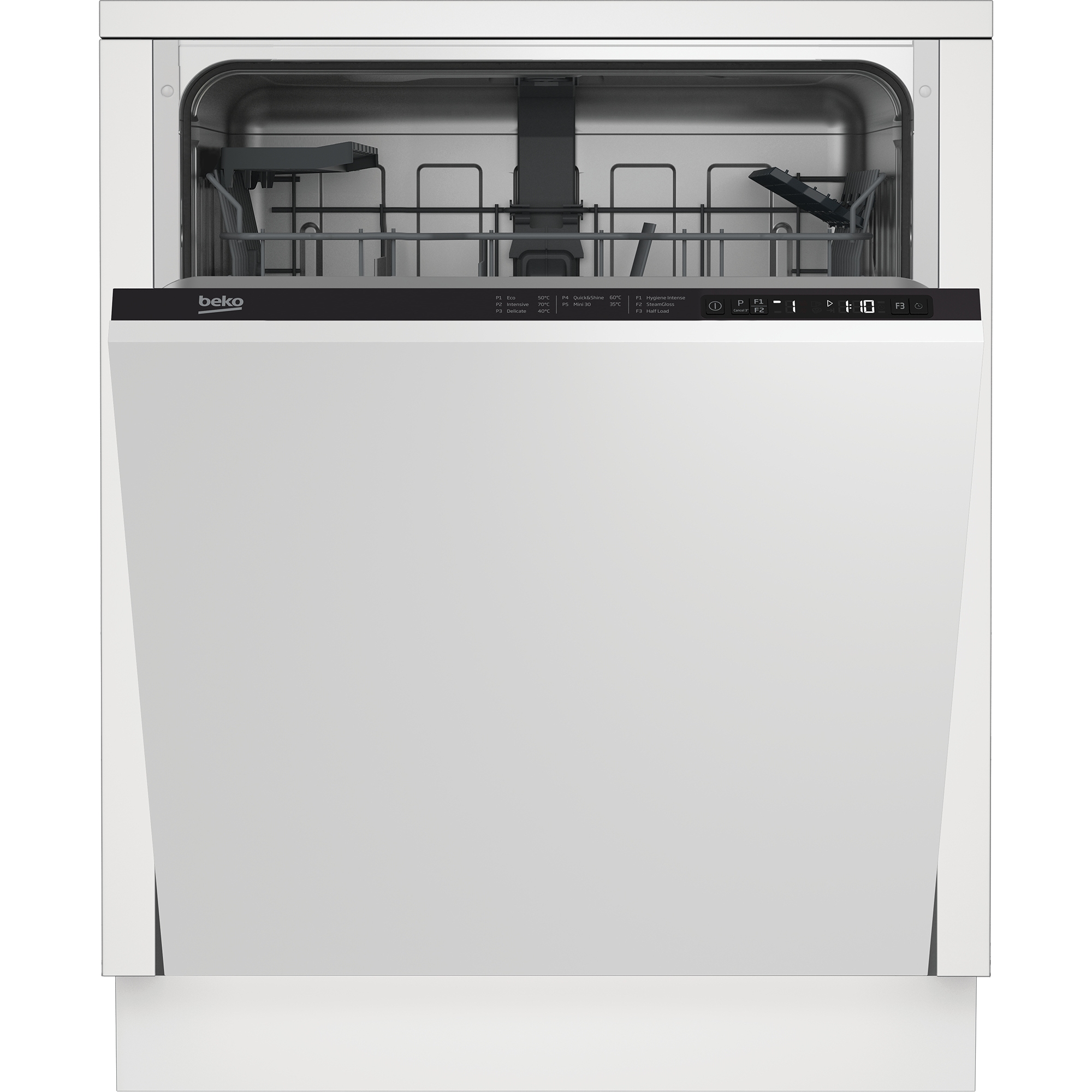
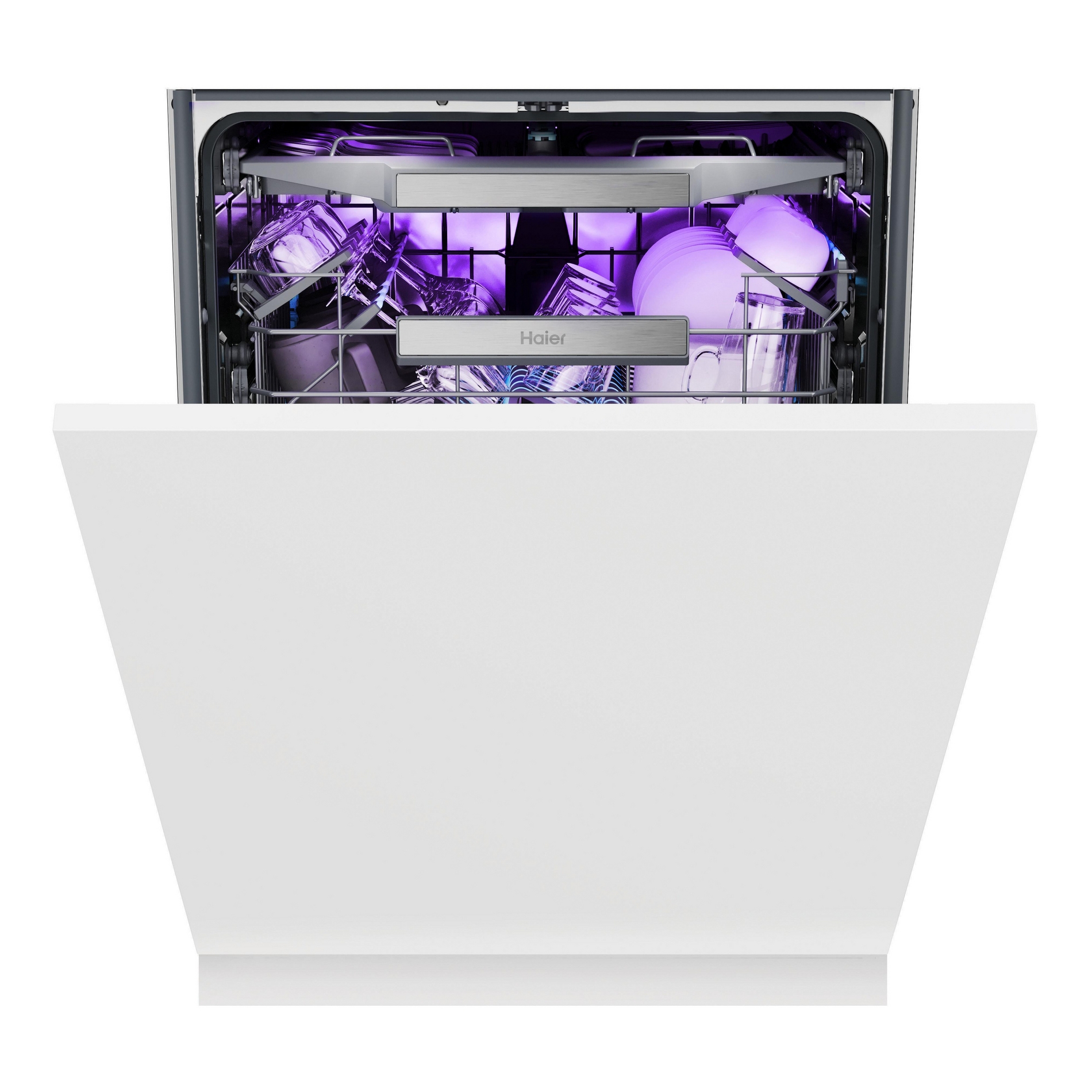
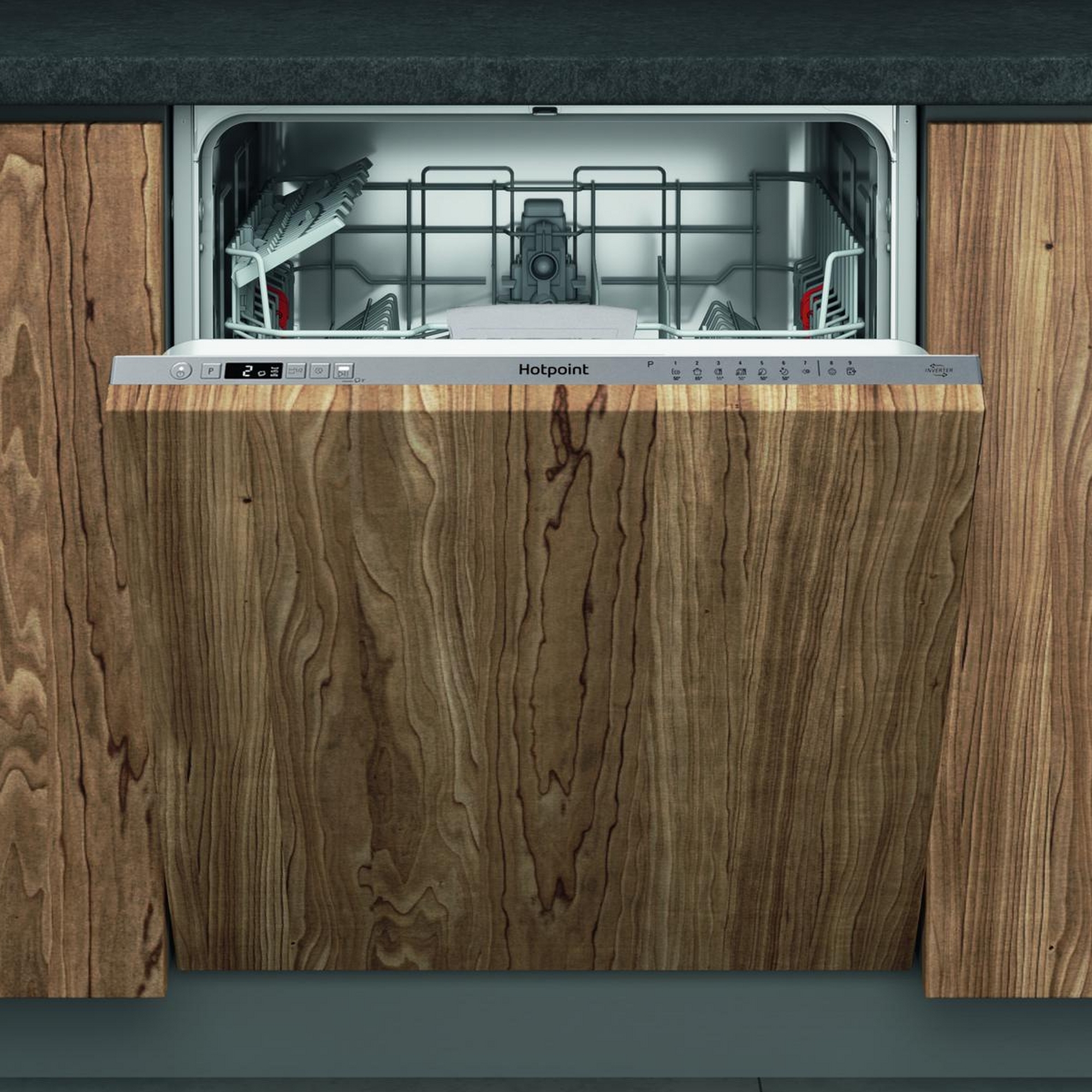
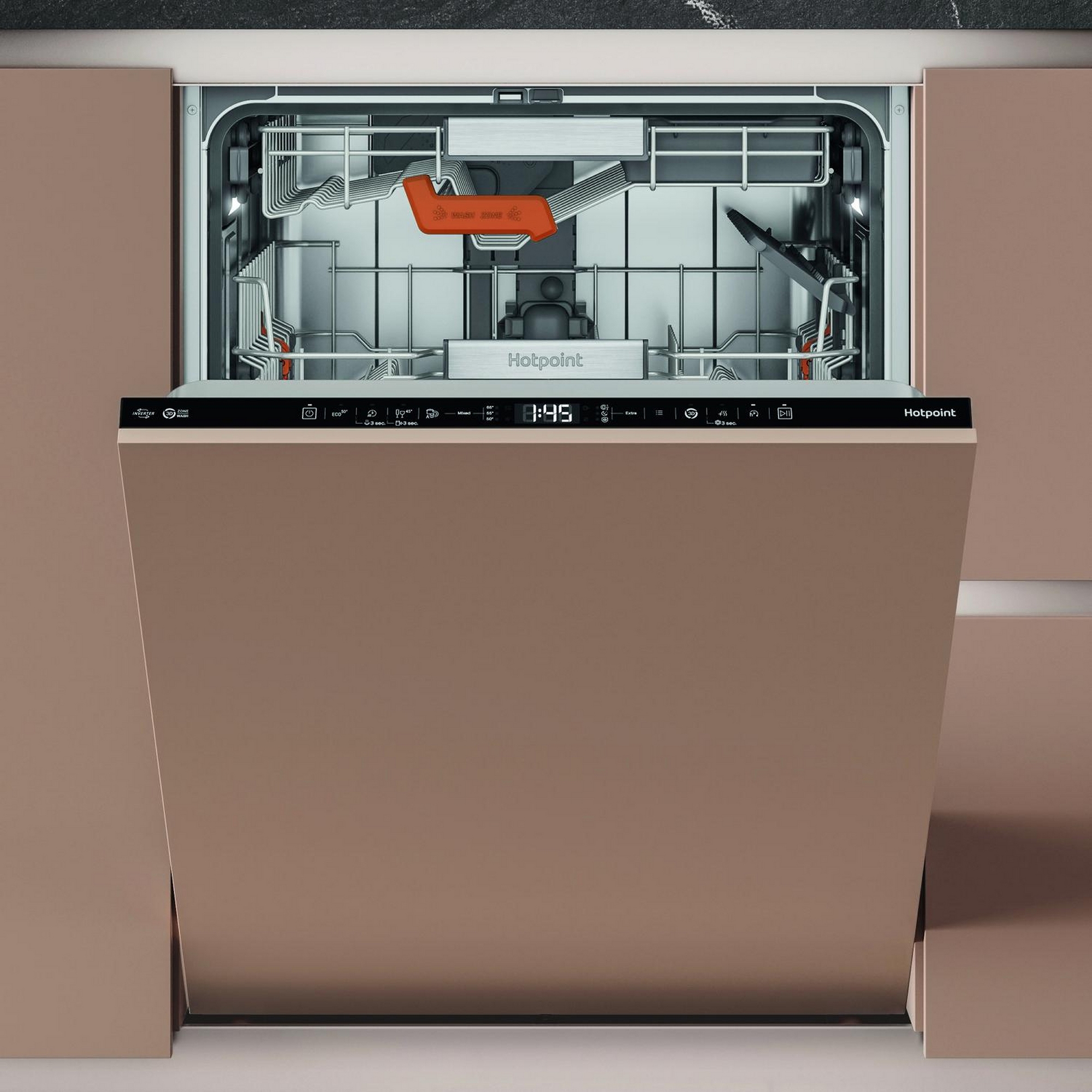
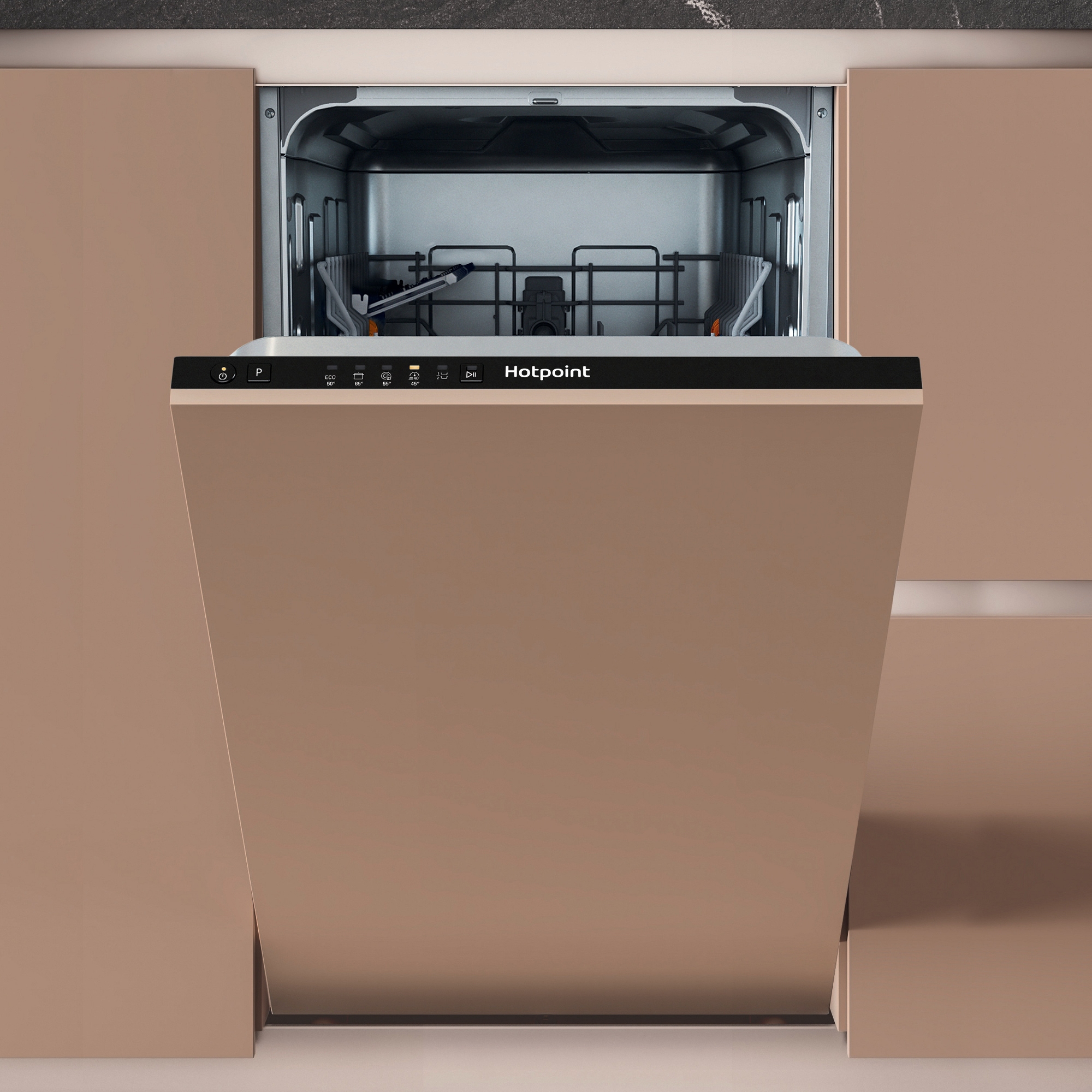
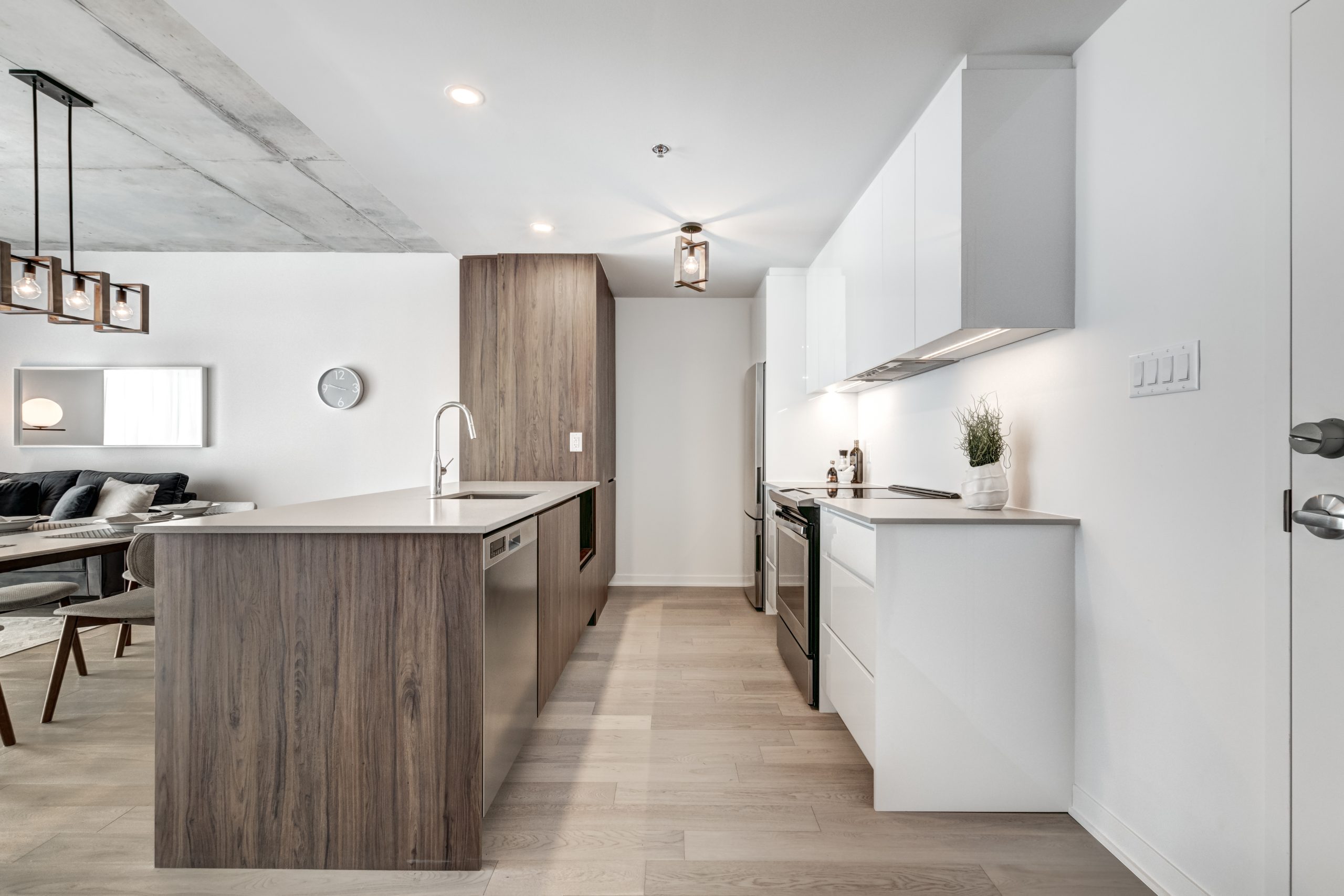
Integrated appliances are designed to blend in. Hidden behind cupboard doors, they help create a clean, seamless look, which makes them especially useful in smaller kitchens or open-plan spaces where you want everything to feel calm and cohesive.
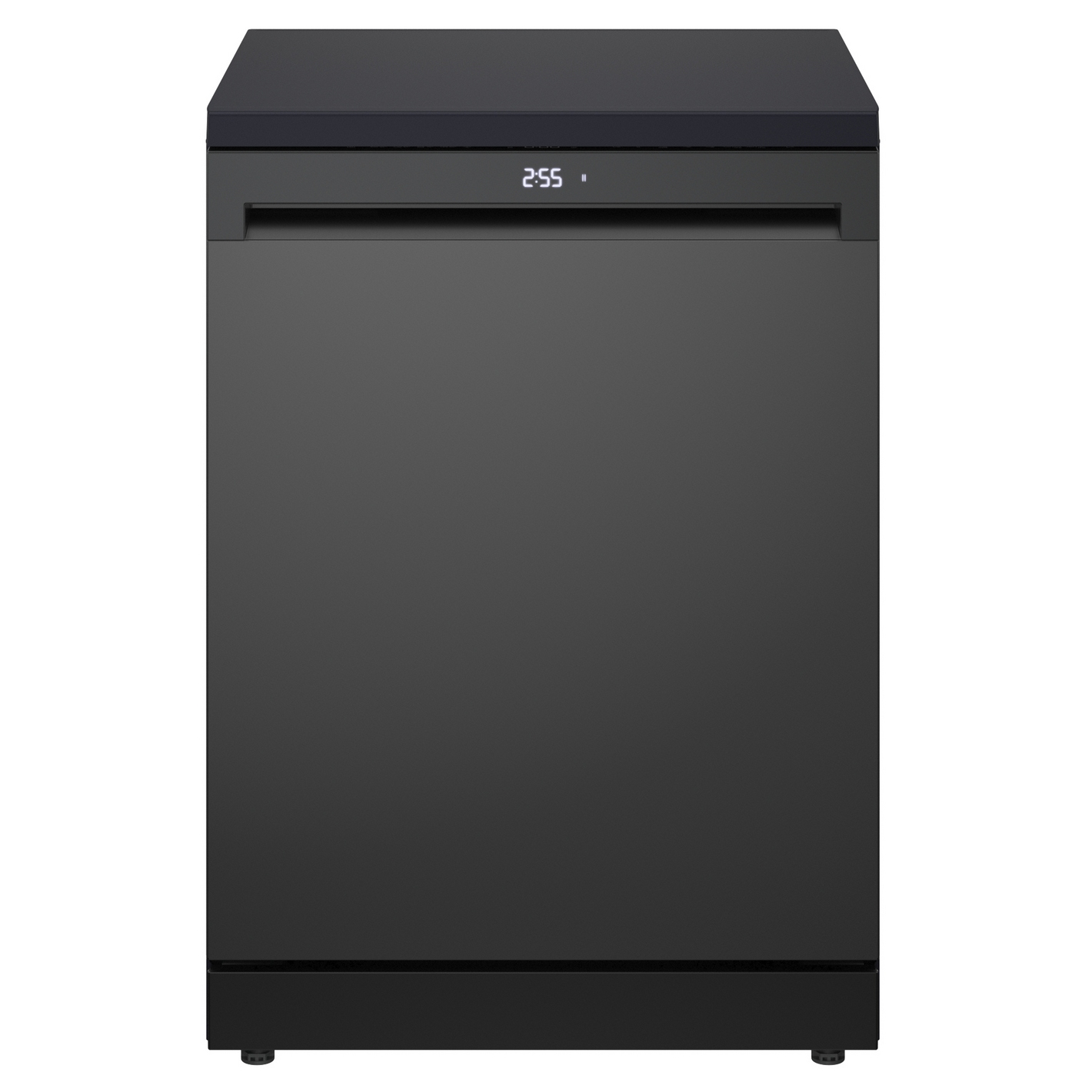
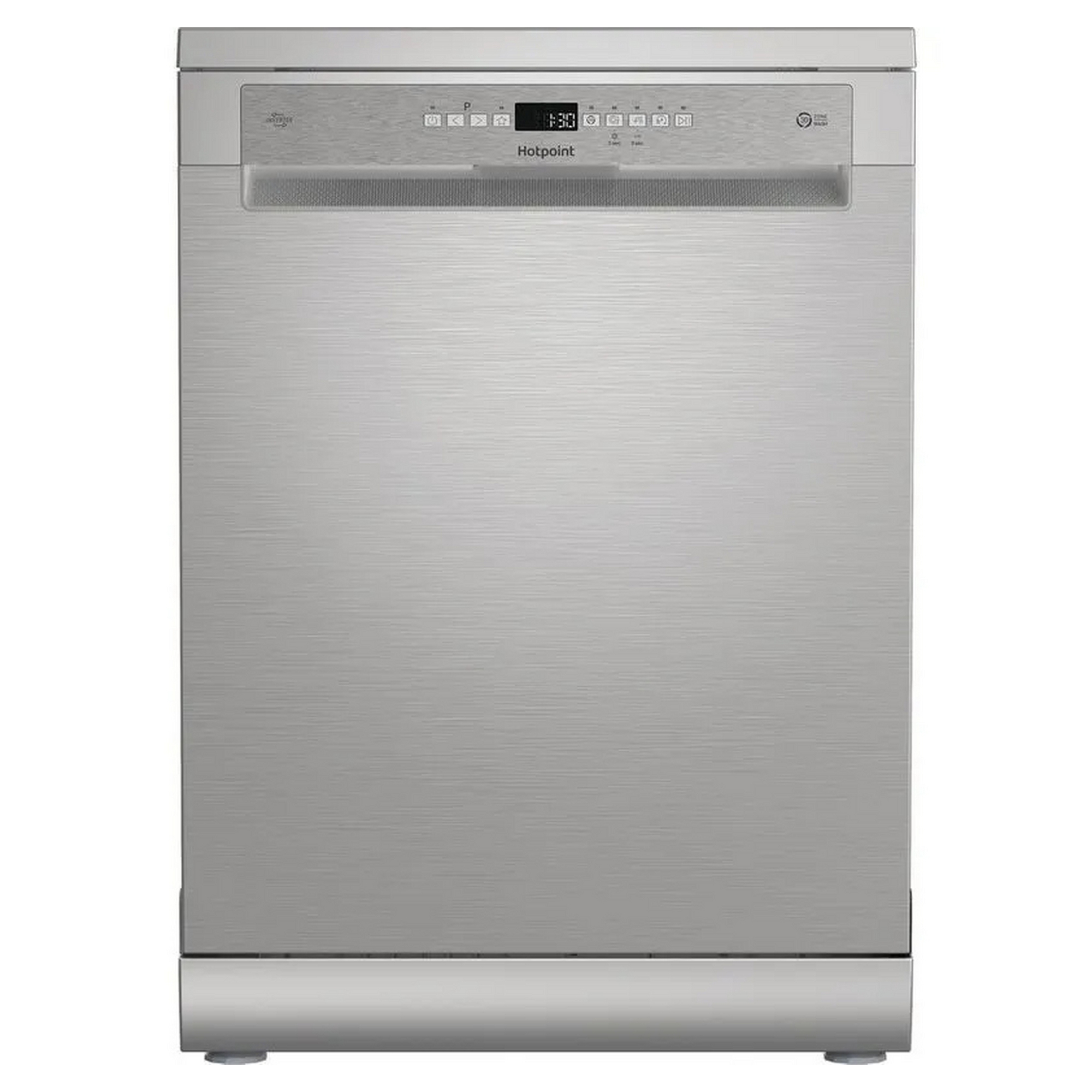
Freestanding appliances, on the other hand, are often easier to install and replace. They typically offer more internal space and can add personality to your kitchen, especially if you choose something distinctive, like a classic Smeg fridge.
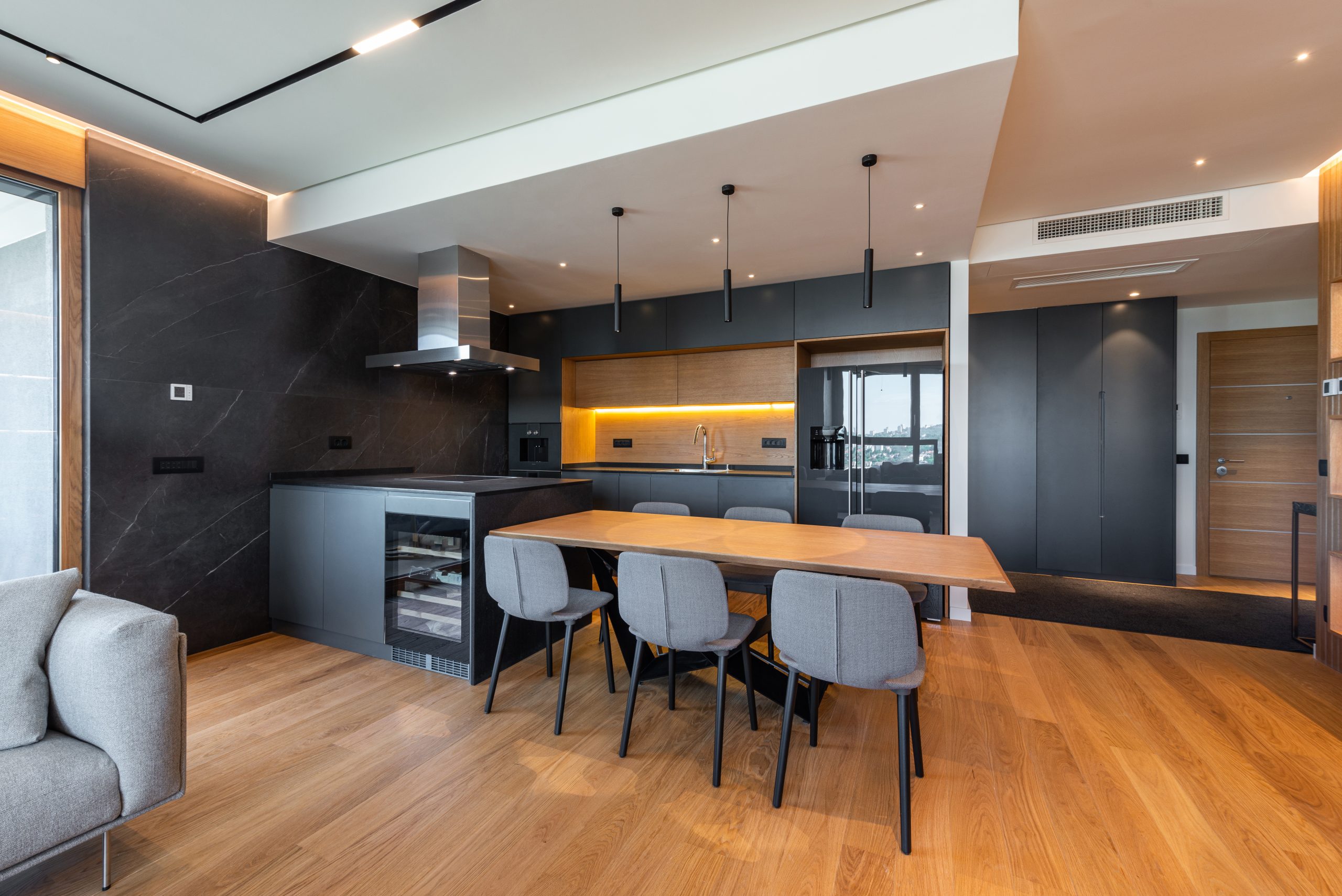
In reality, many kitchens use a combination of both. You might integrate your dishwasher and fridge to keep the room streamlined, while choosing a freestanding cooker as a statement piece. The key is deciding early which elements you want to stand out, and which you’d prefer to quietly blend into the background.
The Appliances People Forget
Even the most carefully planned kitchens can overlook a few essentials. Extraction units are a common one. They’re incredibly important, but often left until late in the process, when planning ducting or placement becomes much harder.
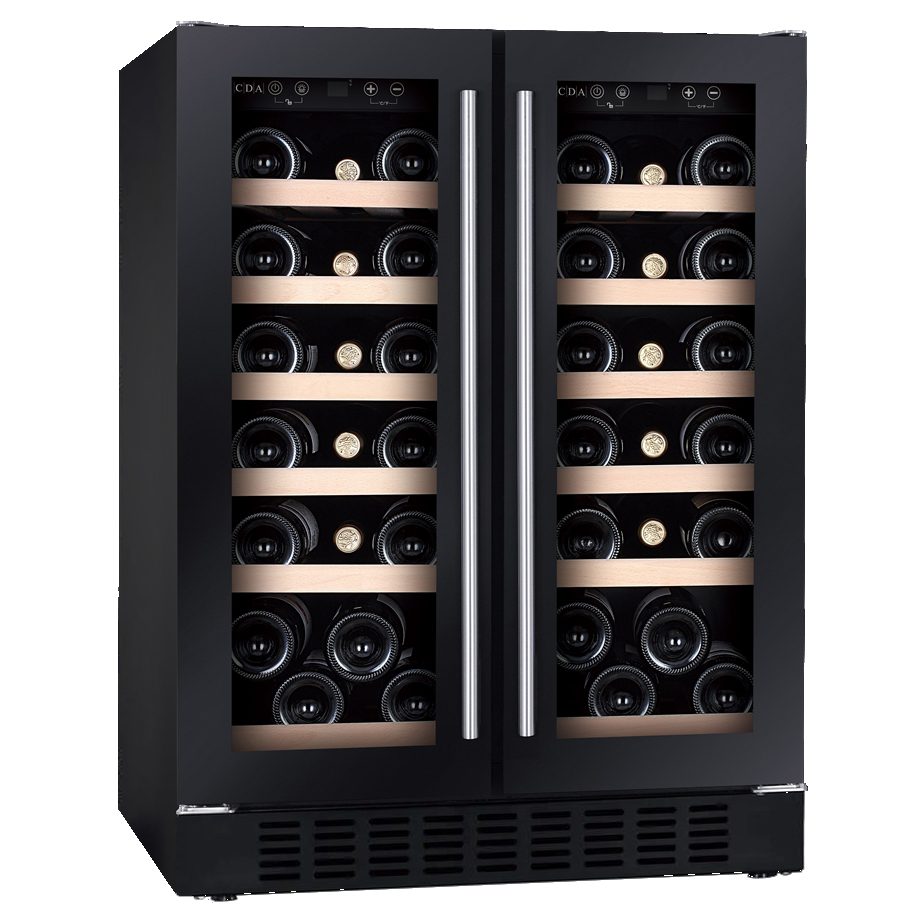
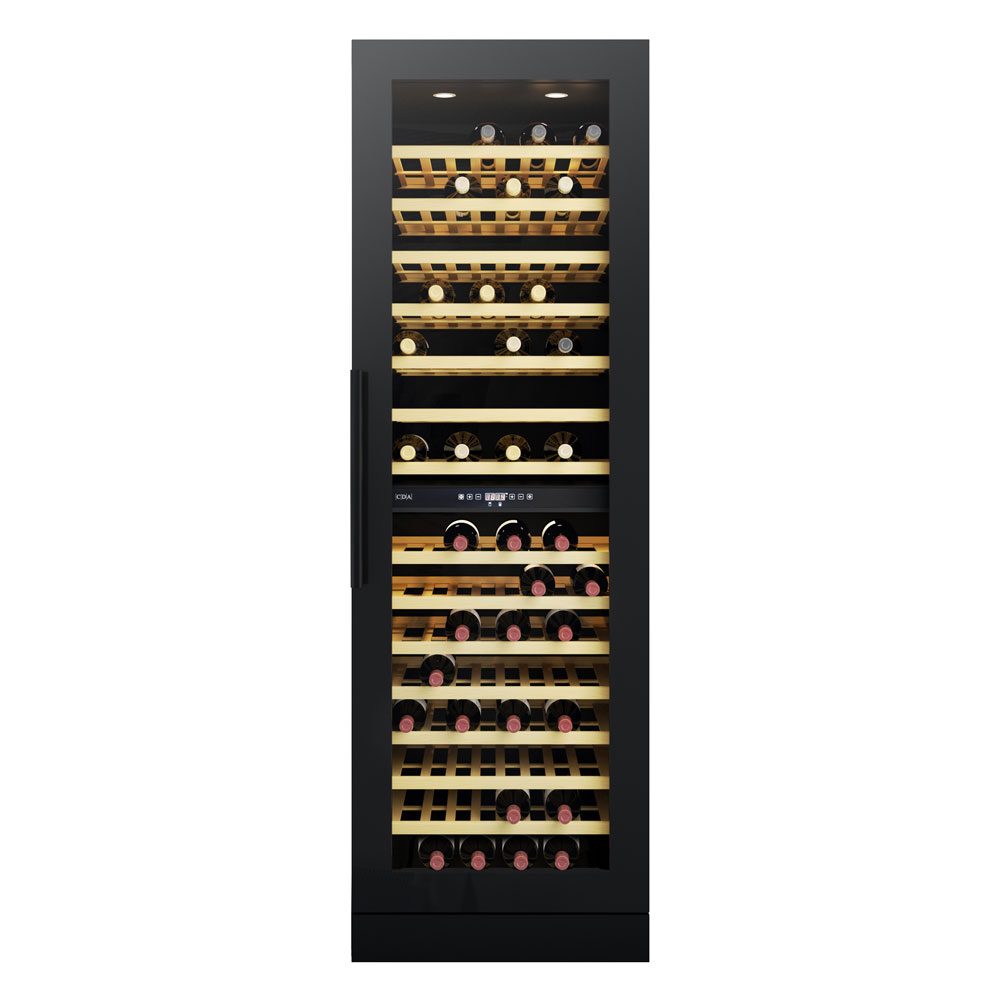
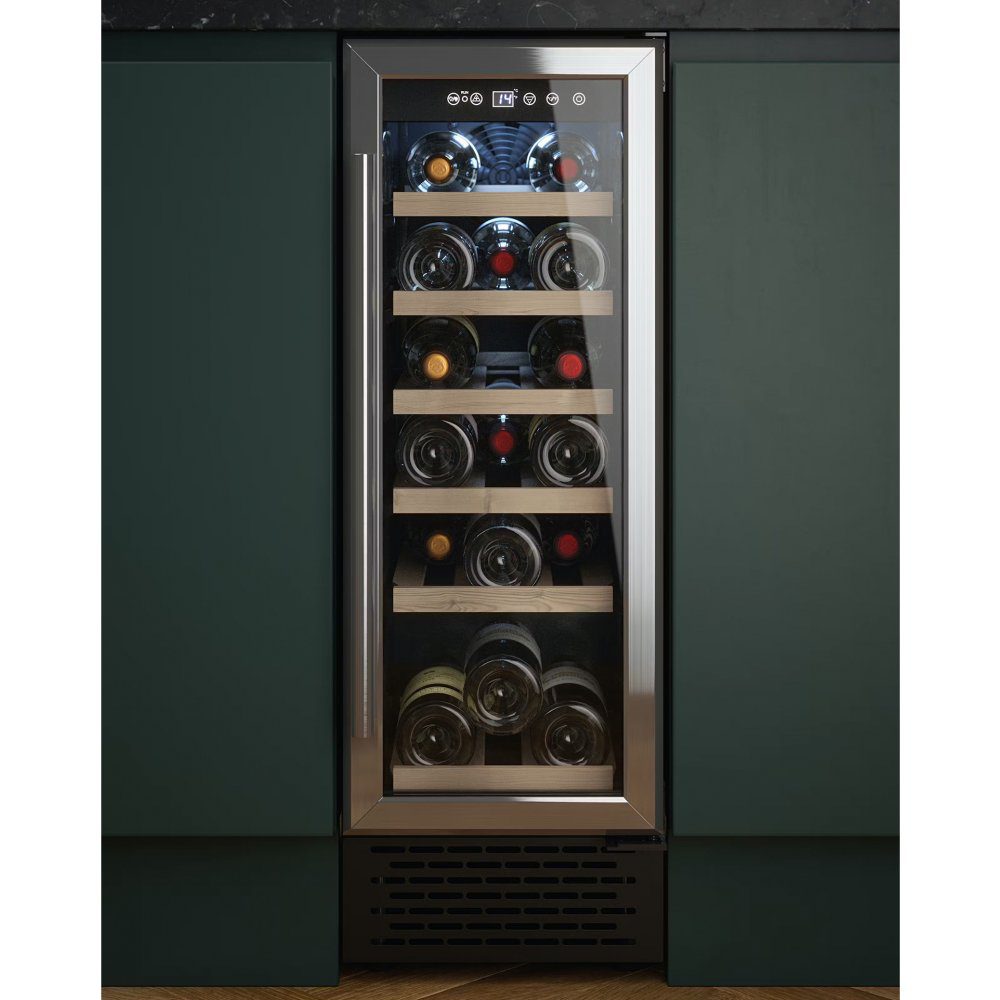
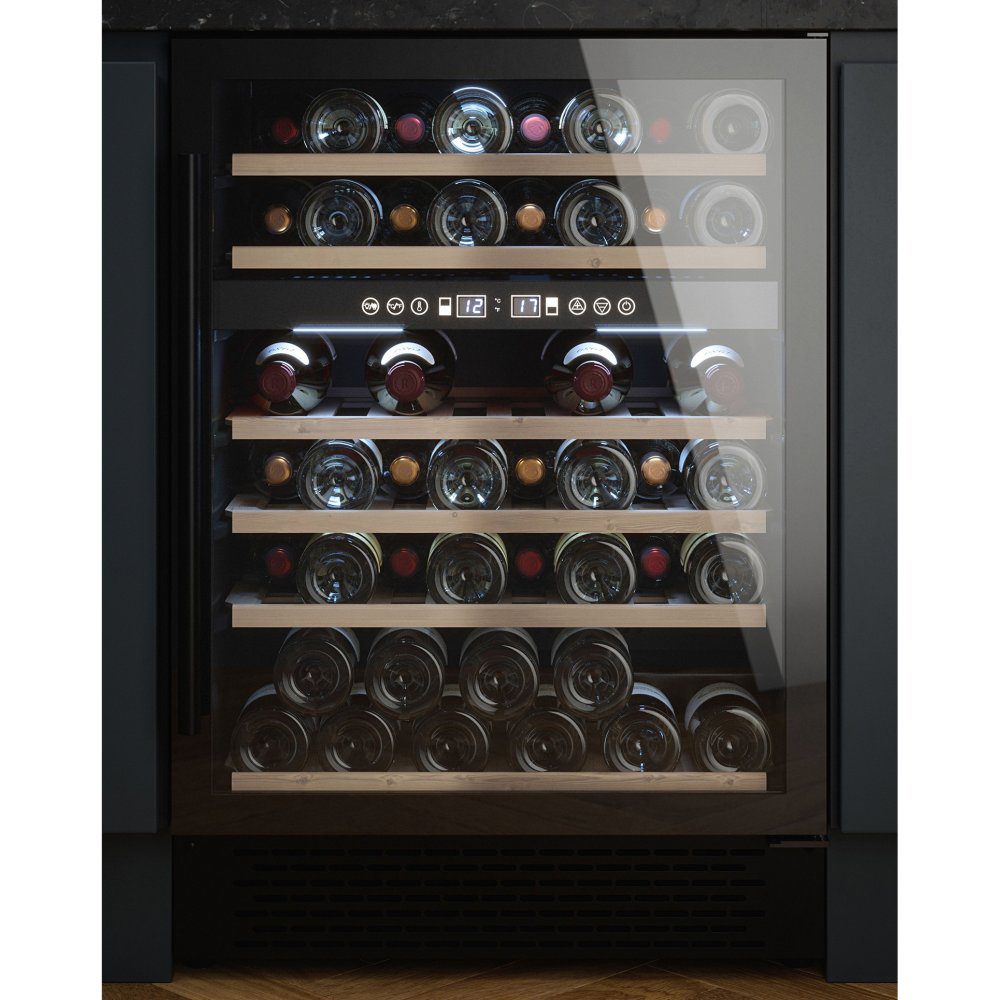
Microwaves are another. Without a clear plan, they tend to end up wherever there’s room, which usually means taking up valuable worktop space. Then there are the extras that only seem to come to mind once it’s too late: wine coolers, warming drawers, boiling water taps. Some additions need extra planning behind the scenes. Boiling water taps, for example, often require cupboard space for the tank underneath, while wine coolers may need ventilation space around them to function properly.
And finally, there are the everyday essentials: kettles, toasters, and coffee machines. You’ll use them constantly, but they’re rarely considered during the design stage. A simple way to avoid surprises later is to ask yourself one question early on:
Where will this live when I’m not using it? If you can answer that, you’re already ahead.

A quick appliance planning checklist
Before you make any final decisions, ask yourself:
- What appliances do I use every single day?
- Which items need to stay on the worktop, and which can be hidden away?
- How much fridge and freezer space do I realistically need?
- Will appliance noise matter in this part of the house?
- Do any appliances need extra plumbing, ventilation, or electrics?
- Have I planned where smaller everyday appliances will live?
A few minutes spent thinking through these questions now can save a lot of frustration later.
FAQs: Appliances In A Renovation
Earlier than most people think. Ideally, appliance choices should happen during the planning stage, before finalising the cupboards, electrics, and plumbing. Appliance dimensions and installation requirements can affect your entire kitchen layout.
They can be, especially if you want a clean, seamless look. Integrated appliances are great for creating a calm, uncluttered feel, particularly in smaller or open-plan kitchens. However, they can be more expensive and may offer slightly less storage space than freestanding alternatives.
Focus on the essentials first: fridge, oven, hob, and good extraction. Then think carefully about multifunctional appliances, such as combination microwave ovens, and smart storage for smaller items like kettles and toasters.
Very important. Noise that feels minor in a closed kitchen can become disruptive in a shared living space. Checking decibel ratings, especially for dishwashers, extractor fans, and fridge freezers, can make a noticeable difference to day to day comfort.
For many homes, yes. A mixed approach often gives you the best balance of practicality and style. For example, integrated dishwashers and fridges can keep the design streamlined, while a freestanding range cooker or statement fridge can add personality.
Microwaves and extraction units are two of the biggest ones. Smaller appliances like coffee machines, kettles, and toasters are also often overlooked, despite being used every day.